Sodium Percarbonate, 1 kg
Pre-order€4.79(€4.79/kg)

Candle waxes
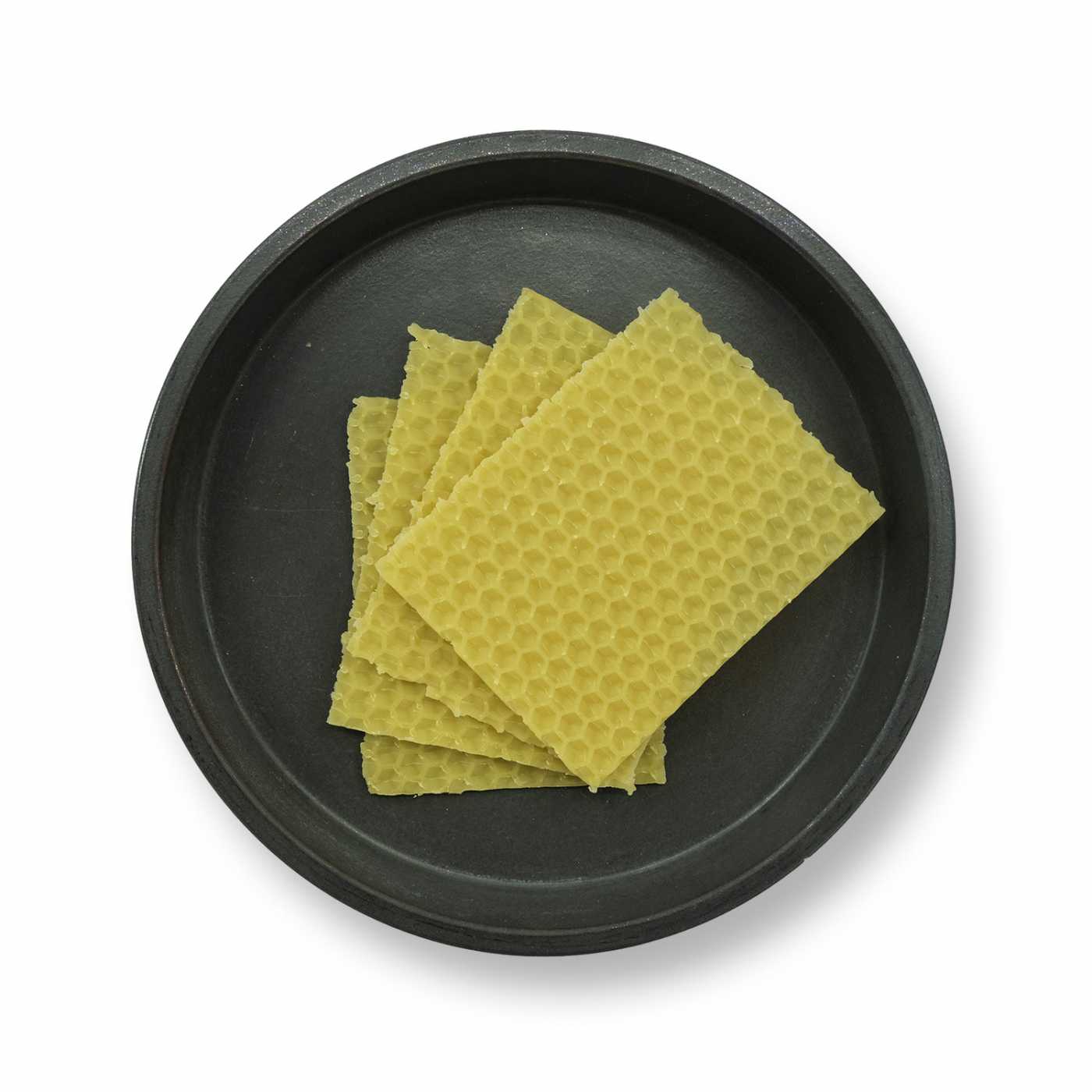
Honeycomb in the form of foundation sheets is a thin sheet of natural beeswax embossed with the hexagonal cell pattern you know from the hive. full description
Lowest price in the last 30 days: €20.99
Honeycomb in the form of foundation sheets is a thin sheet of natural beeswax embossed with the hexagonal cell pattern you know from the hive. The pack contains 11 sheets with a total weight of around 1 kg and is suited to two purposes: making candles without melting the wax, and as a raw material for balms, salves and creams, where beeswax acts as a natural hardener.
Foundation sheets can be rolled, cut, broken and melted. One pack therefore covers handmade candle making, homemade cosmetics and small workshop uses, for example waxing thread or treating wood.
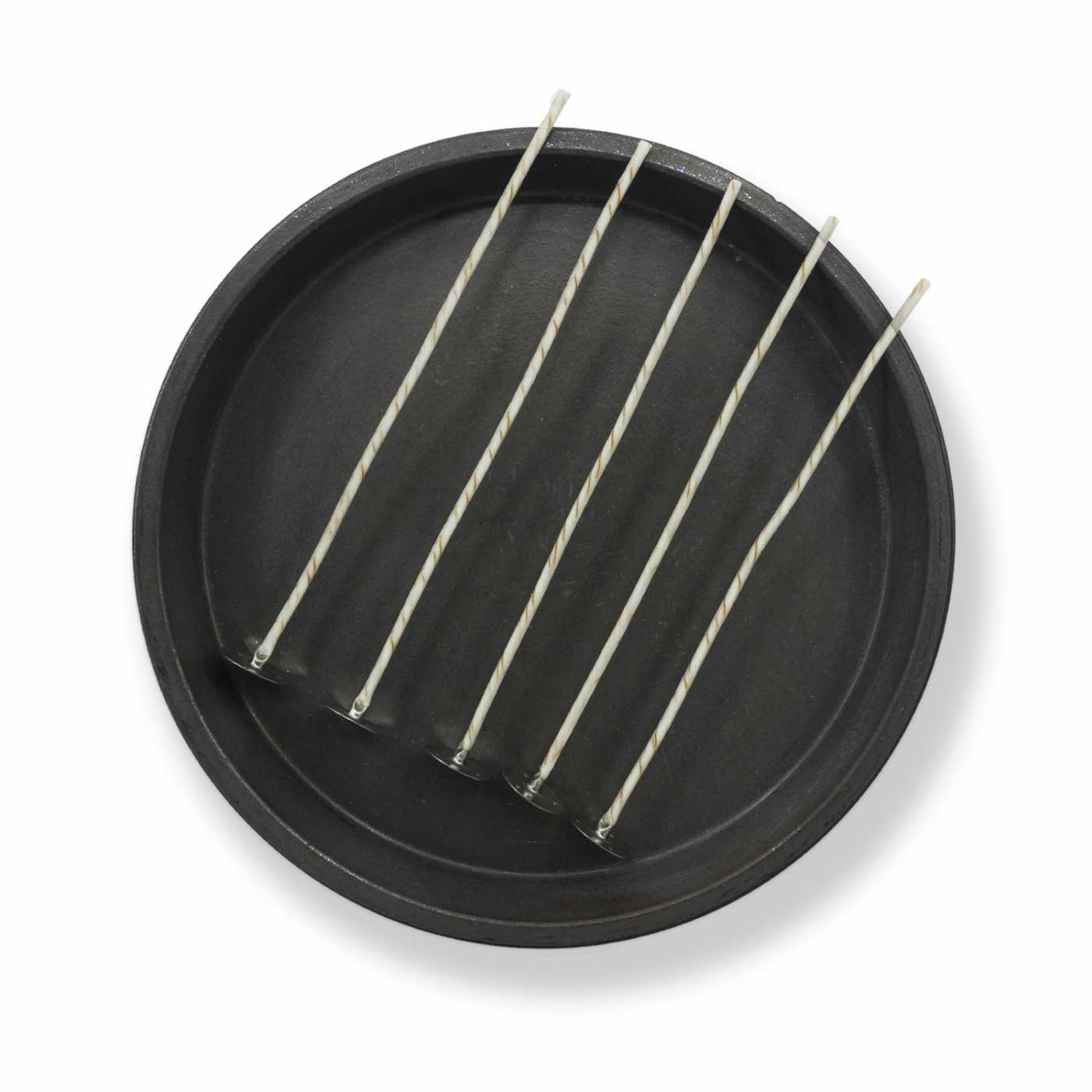
A rolled candle is made by placing the wick on the shorter edge of the sheet with a small overhang, folding the edge over the wick and rolling the sheet up tightly. Press the last edge down with your palm, and the warmth of your hands will make it stick. One whole sheet makes one tall candle, while a sheet cut in half or diagonally into a triangle gives you shorter or conical candles. If you want a thicker candle with a longer burn time, roll two sheets around each other.
A cold sheet is brittle and cracks when rolled. Before working, leave it for a few minutes in a warm room or warm it briefly with a hairdryer on a low setting until it becomes pliable. A sheet that is too warm, on the other hand, sticks and deforms.
Beeswax burns differently from paraffin and usually needs a thicker wick than a paraffin candle of the same diameter. Check the wick thickness with a test burn: a correctly burning candle has a calm flame and does not drip down the side.
Foundation sheets can also be melted and poured into moulds or jars. Beeswax melts at approximately 62–65 °C. When pouring into glass, preheat the container so that the wax does not shrink as it cools and pull away from the walls.
In cosmetic preparations, honeycomb is added as part of the oil phase. It is insoluble in water, so melt it first together with the oils and butters and only then add the other ingredients. Before melting, break or cut the sheet into smaller pieces, as they melt faster and more evenly.
Approximate usage rate by type of preparation:
Never melt the wax directly on a hob or unattended in a microwave. Use a water bath and keep the temperature just above the melting point. Overheated wax loses its scent and may change colour, and at high temperatures it is flammable.
Beeswax sets quickly, so have your moulds and containers ready in advance and pour immediately after mixing all the ingredients. Add essential oils or heat-sensitive active ingredients to a mixture that has cooled slightly but is still liquid, so that the volatile components are not lost.
Anhydrous preparations do not need preservation against microbes, but the oils in the recipe can oxidise. An antioxidant, for example vitamin E, prolongs the freshness of the finished product. In water-based emulsions you always need a preservative, as beeswax has no preservative effect.
This is a raw material of animal origin, so a finished product made with it is not vegan. If you need a plant-based alternative, reach for candelilla wax or carnauba wax. Both are harder and are used at lower rates.
Wax is easier to remove from a work surface while it is still warm. Set wax can be released from containers by warming it in a water bath, and the residue should be wiped off with a paper towel before you wash the container, so that you do not block the drain.
Only customers with a delivered order can write reviews.