


The handymade learning centre
Homemade cosmetics academy
Recipes, ingredient profiles and regulations in one place. Learn step by step — and add the ingredients of any recipe to your cart in one click.
Learning paths
Getting started with homemade cosmetics
First steps in making your own cosmetics: measuring pH, preservation, working with actives and essential oils. The parts build on each other, but each one also stands alone.
Level II · 5 partsMineral make-up from A to Z
A complete series on home-made mineral make-up: powder foundation, a cream version in five shades and liquid make-up, including how to mix your own shade.
Level III · 6 partsCosmetics legislation for makers
INCI names, correct product labelling, IFRA standards and cosmetic certificates — a learning path for everyone who wants to make cosmetics properly and legally.
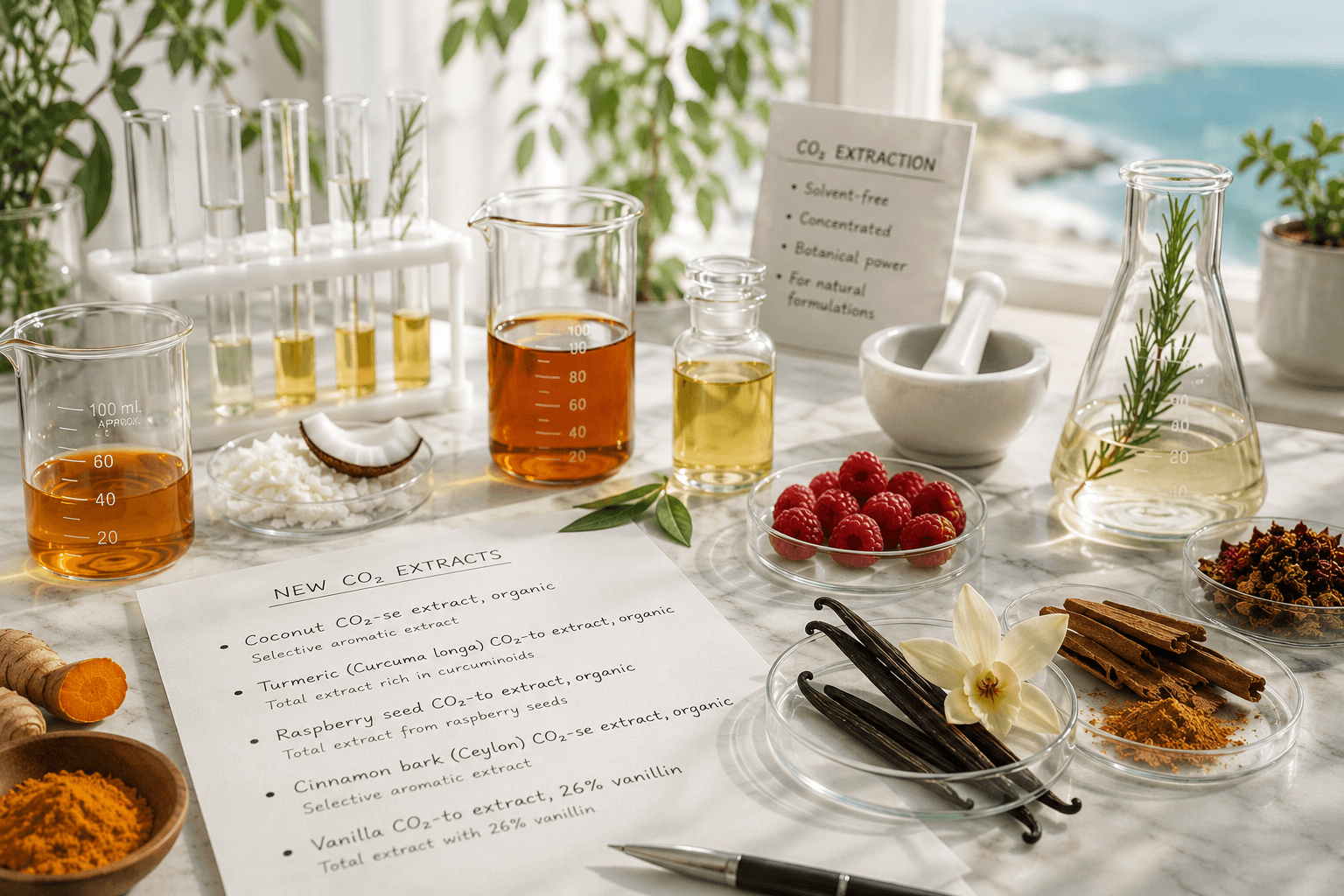
5 new CO2 extracts in organic quality
Five new CO₂ extracts in organic quality – coconut, turmeric, raspberry seed, cinnamon and vanilla with 26% vanillin. Concentrated raw materials for your cosmetics.
Plant PDRN from chlorella: next-generation biotechnological anti-aging
Plant-based PDRN Phycopeptide from the microalga Chlorella vulgaris – a vegan anti-ageing raw material for firmer, smoother skin. Suitable for serums, creams and gels.
Formula by JuanDominguez.Lab hydrating serum with goji exosomes
A formula for a hydrating emulgel serum with goji exosomes, hyaluronic acid and NMF components. Low-temperature emulsification step by step for sensitive skin.

How to read a label and not be misled by pretty words
Learn to read a cosmetic label and understand the INCI ingredient list and marketing claims. Find out what to look for and which words should make you pause.
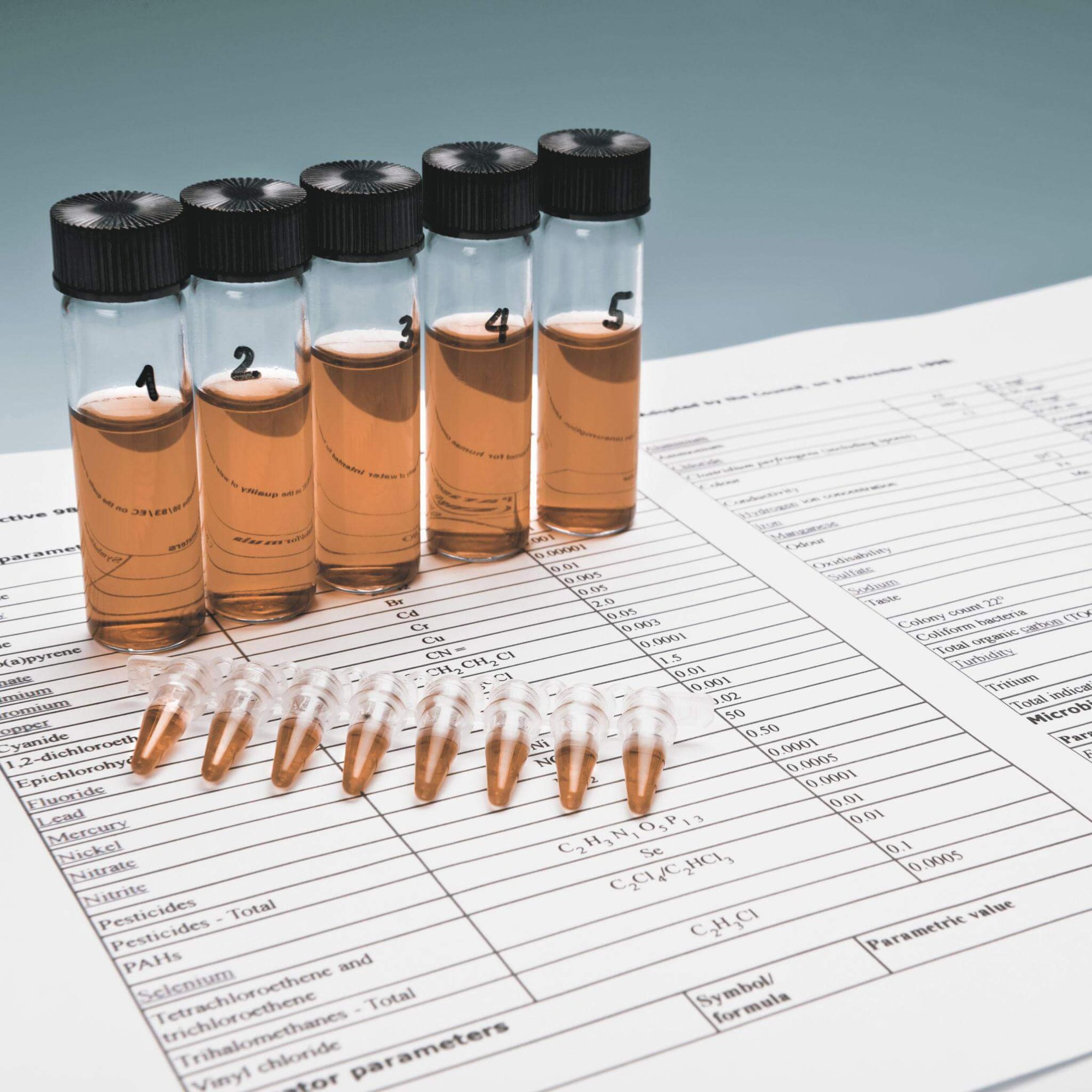
INCI, CAS and EC Number: How to Understand Cosmetic Ingredients
What do the INCI name, CAS number and EC number mean for cosmetic raw materials? We explain the difference between the trade name, INCI name, botanical name, and the CAS and EC identifiers.
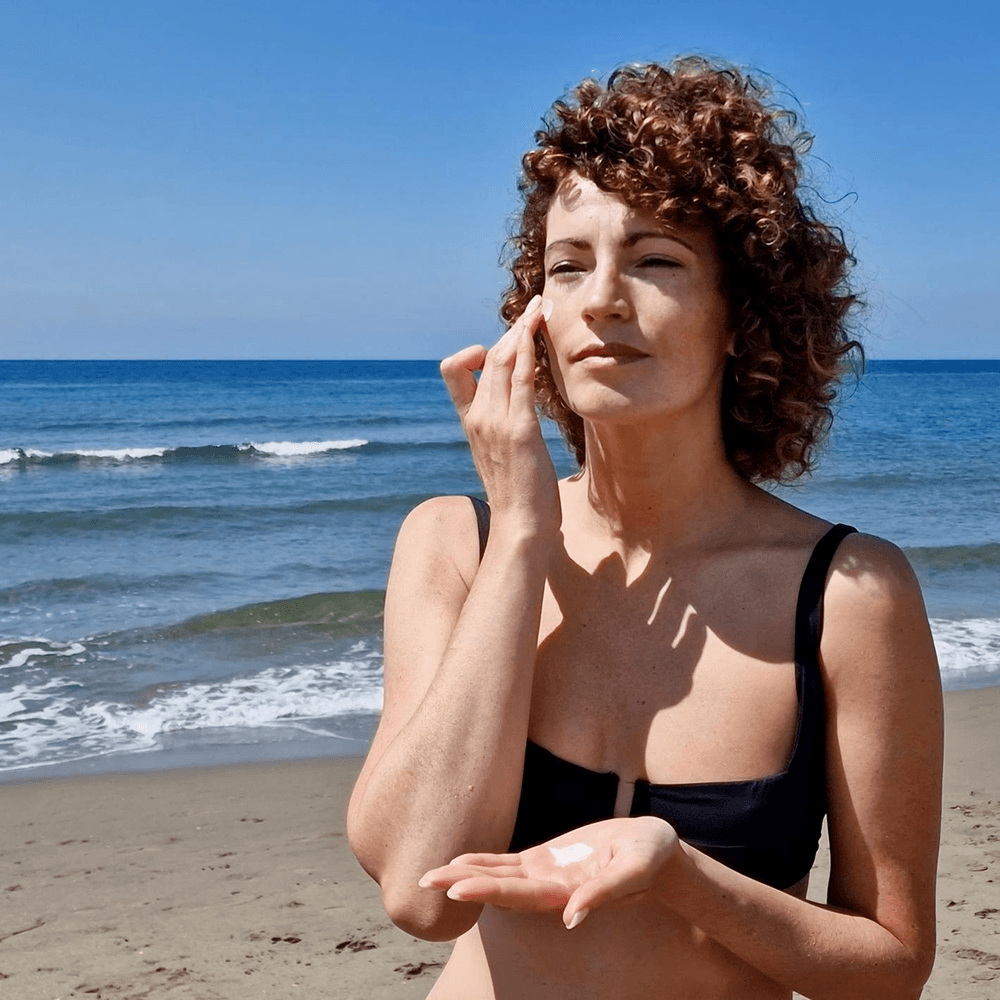
Recipe by Ida (@si.nature): Regenerating After-Sun Cream with Centella Asiatica
A homemade recipe for a regenerating after-sun cream with Centella Asiatica, panthenol and plant oils. It soothes stressed skin after sun exposure and supports its natural renewal.
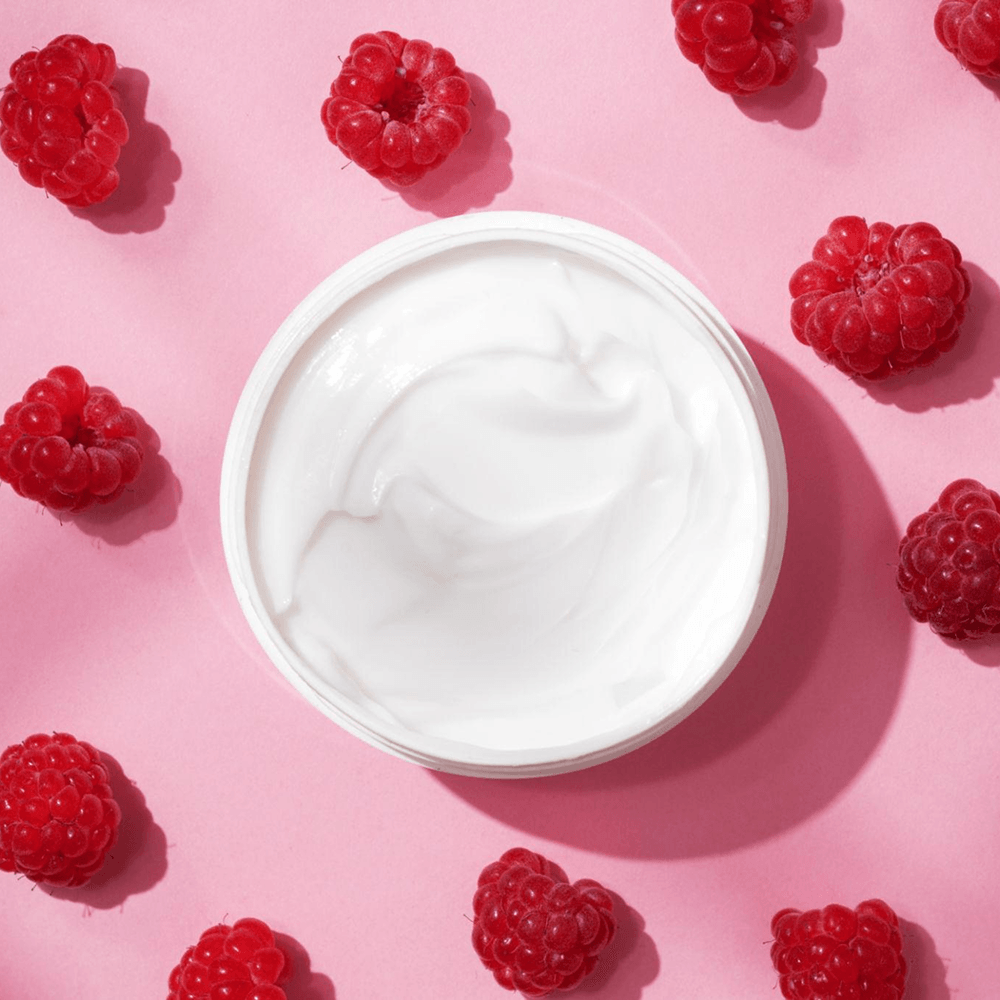
Raspberry cream with Centella asiatica and hyaluronic acid
Homemade raspberry cream with Centella Asiatica and hyaluronic acid. A light moisturising recipe for 100 g, suitable even for beginners in cosmetic formulation.
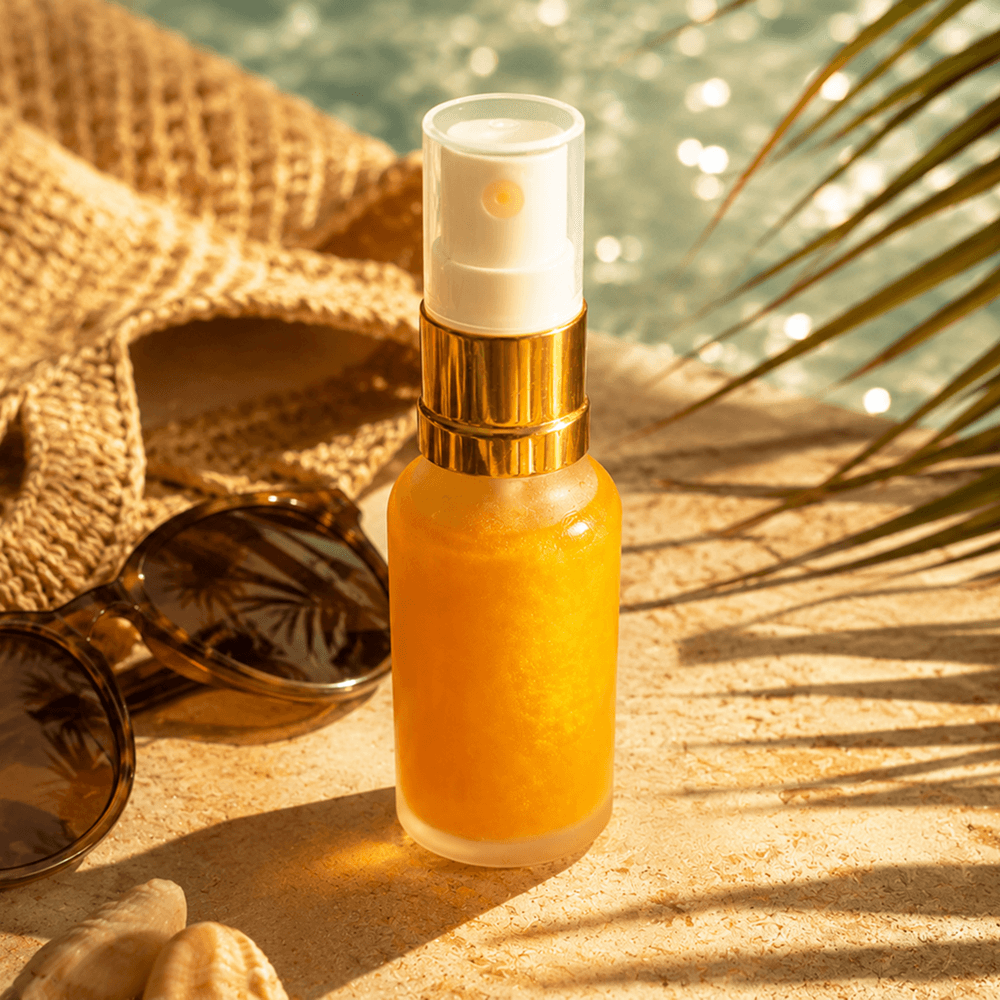
Carrot CO₂ extract: Golden treasure of summer cosmetics
Carrot CO₂ extract is rich in carotenoids and antioxidants. Erika Samolejová explains how to use it in lip balms and summer body oils, with recipes.
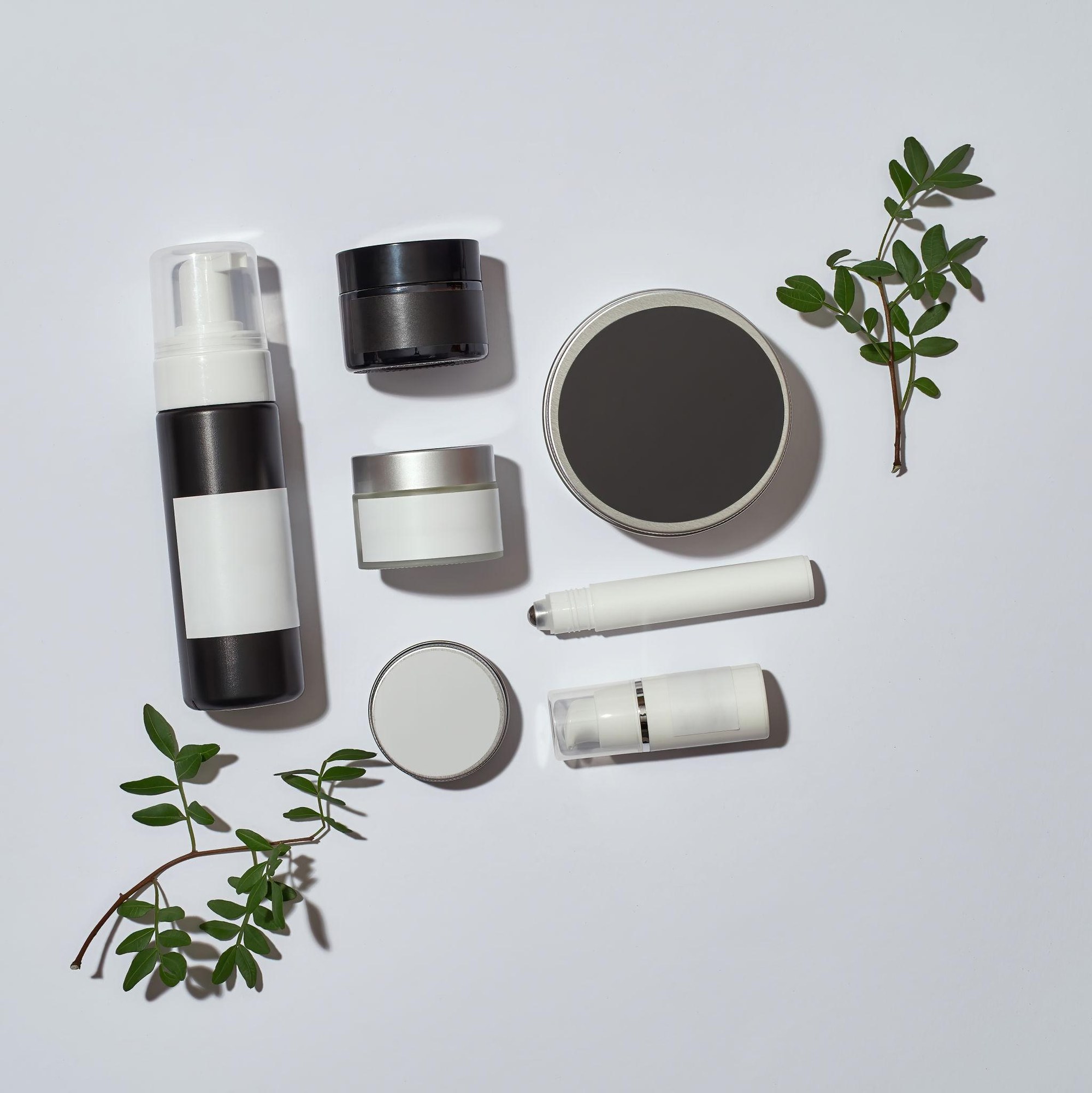
Do you manufacture cosmetics? How to label them correctly according to regulations
A practical overview of the mandatory information on a cosmetic product label. INCI, PAO, allergens, nominal content, certifications, BIO labelling, % NOI and QR codes.
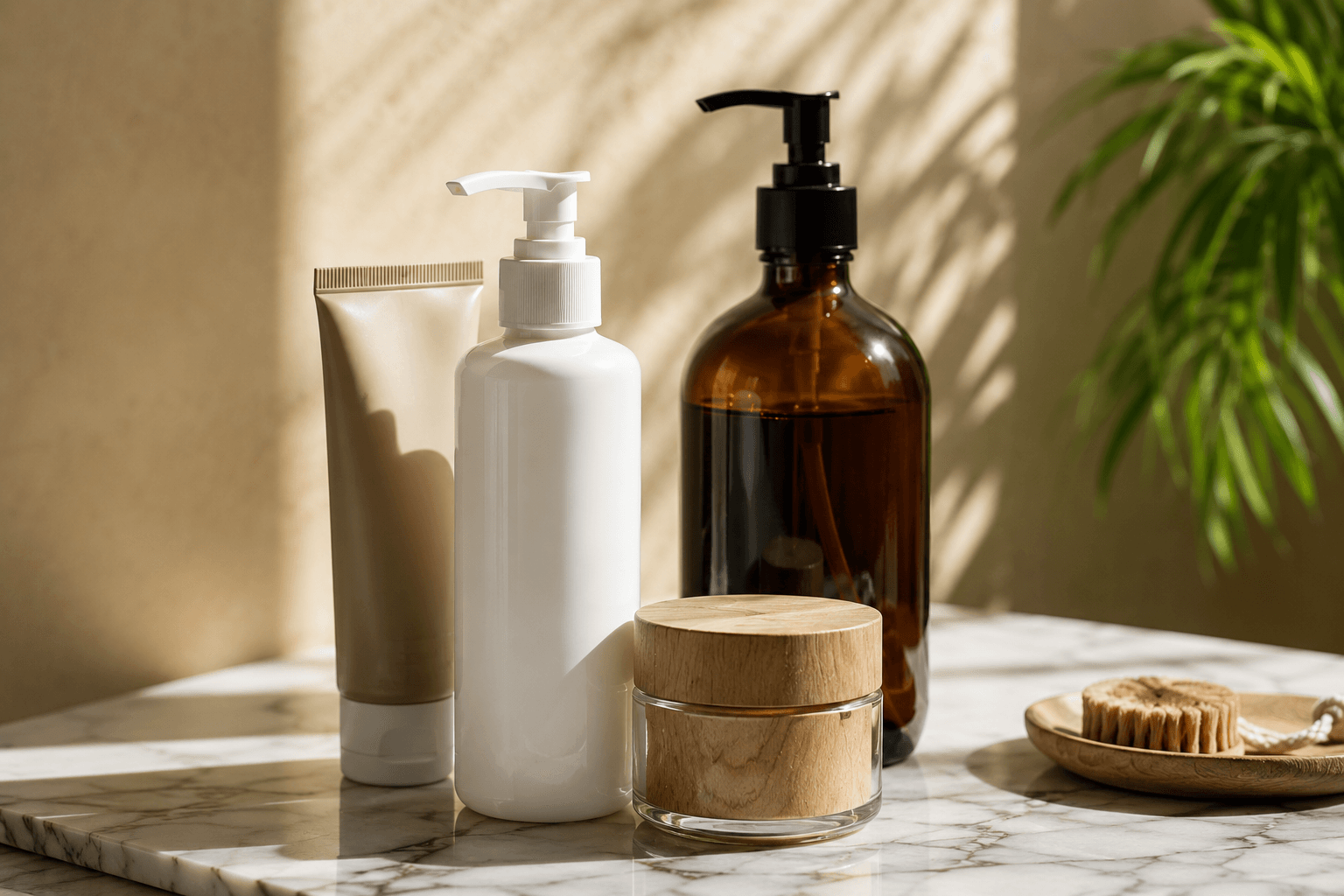
Why cosmetic packaging matters: Material, bottle shape and closure matter more than it seems
Cosmetic packaging affects product stability, hygiene and user experience. Find out which packaging suits serums, creams, balms and cleansing products.
Hydrosol vs distilled water: Why the aqueous phase matters in cosmetics
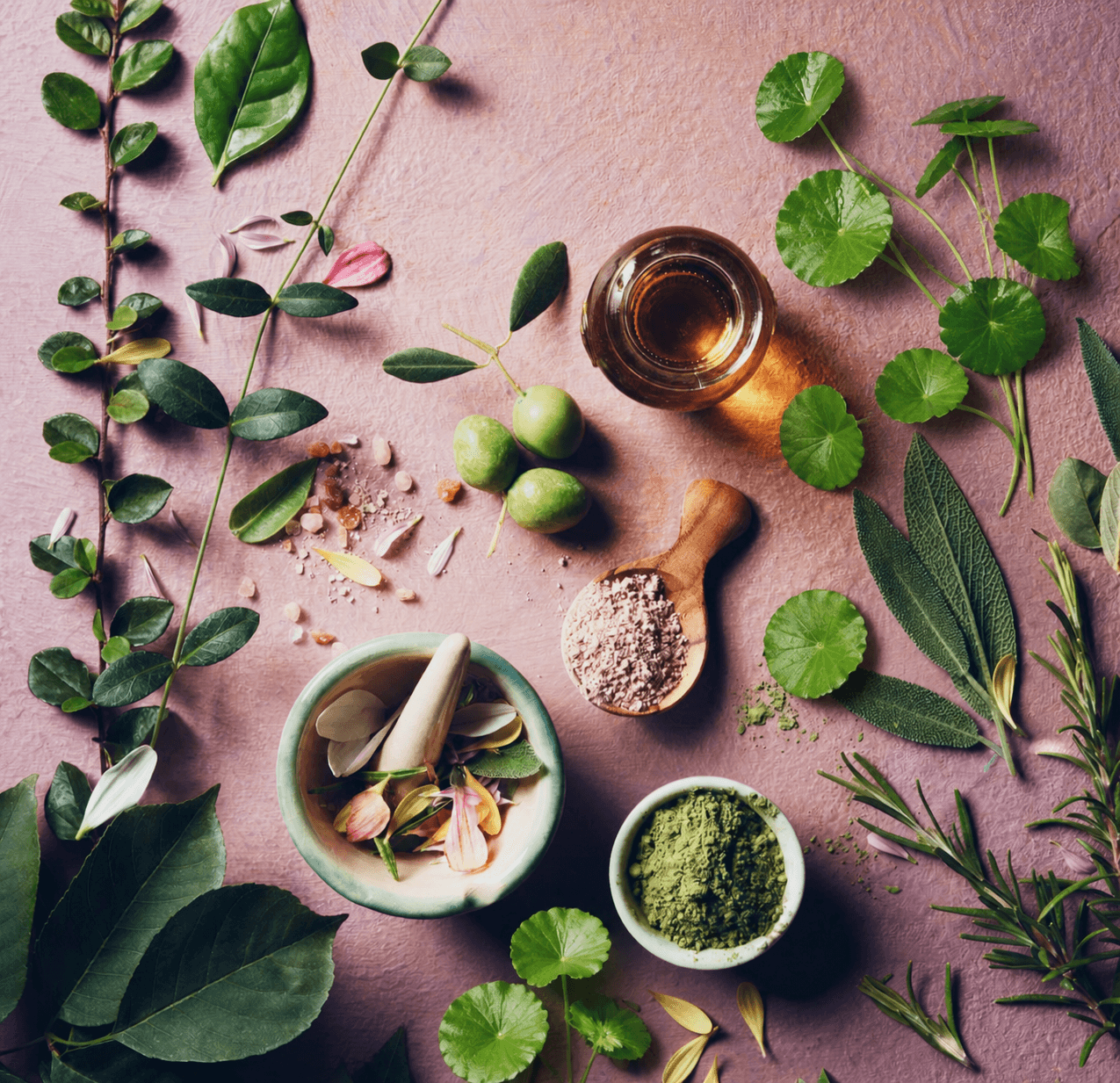
Fermentation in cosmetics: What fermented extract means and why it increases the efficacy of active ingredients
Showing 12 of 170 articles