+421 950 333 113info@handymade.store−10 %Shop now

CO2 Extracts

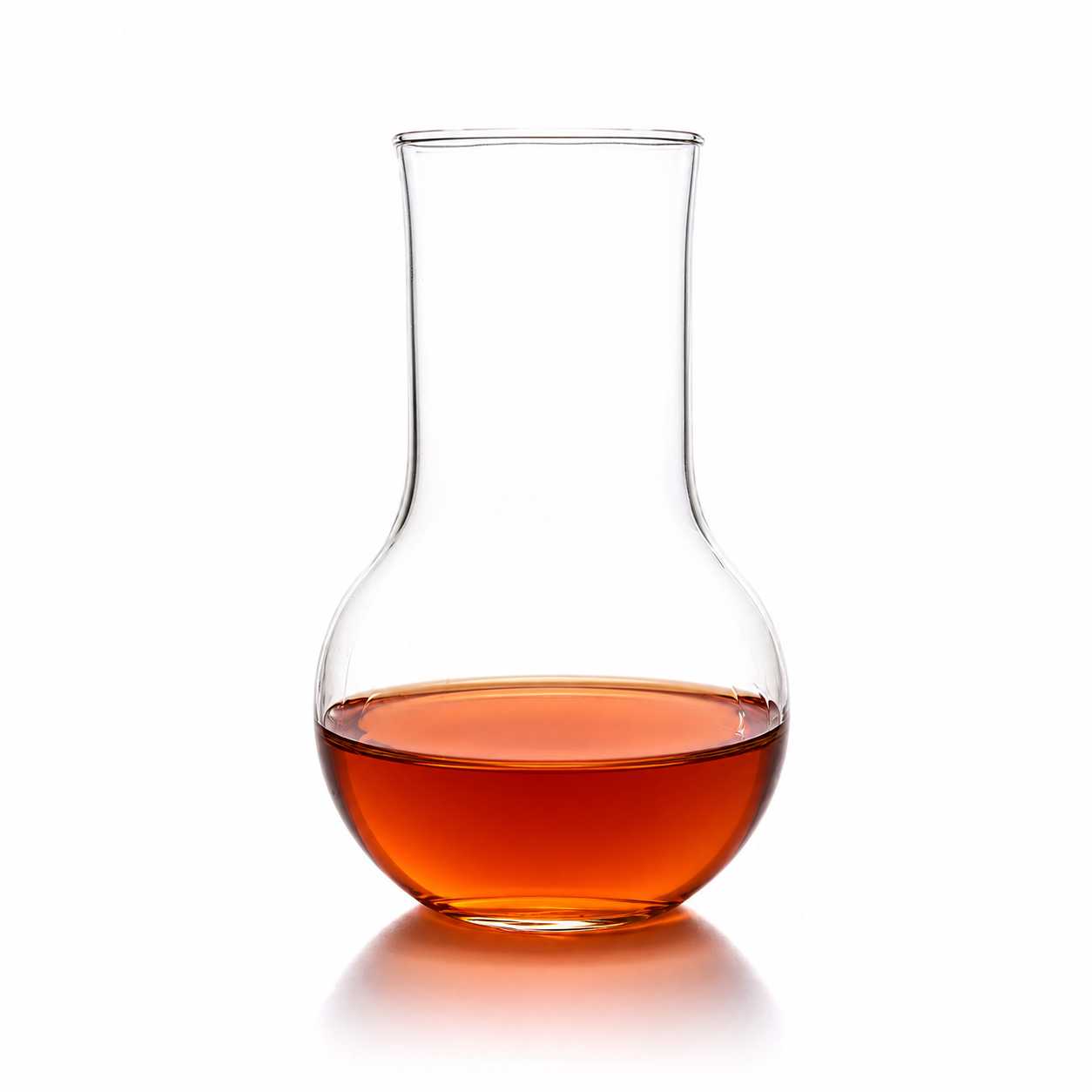
Chia Seed CO2-to Extract, Organic, 100 ml

Pack size10 ml50 ml100 ml

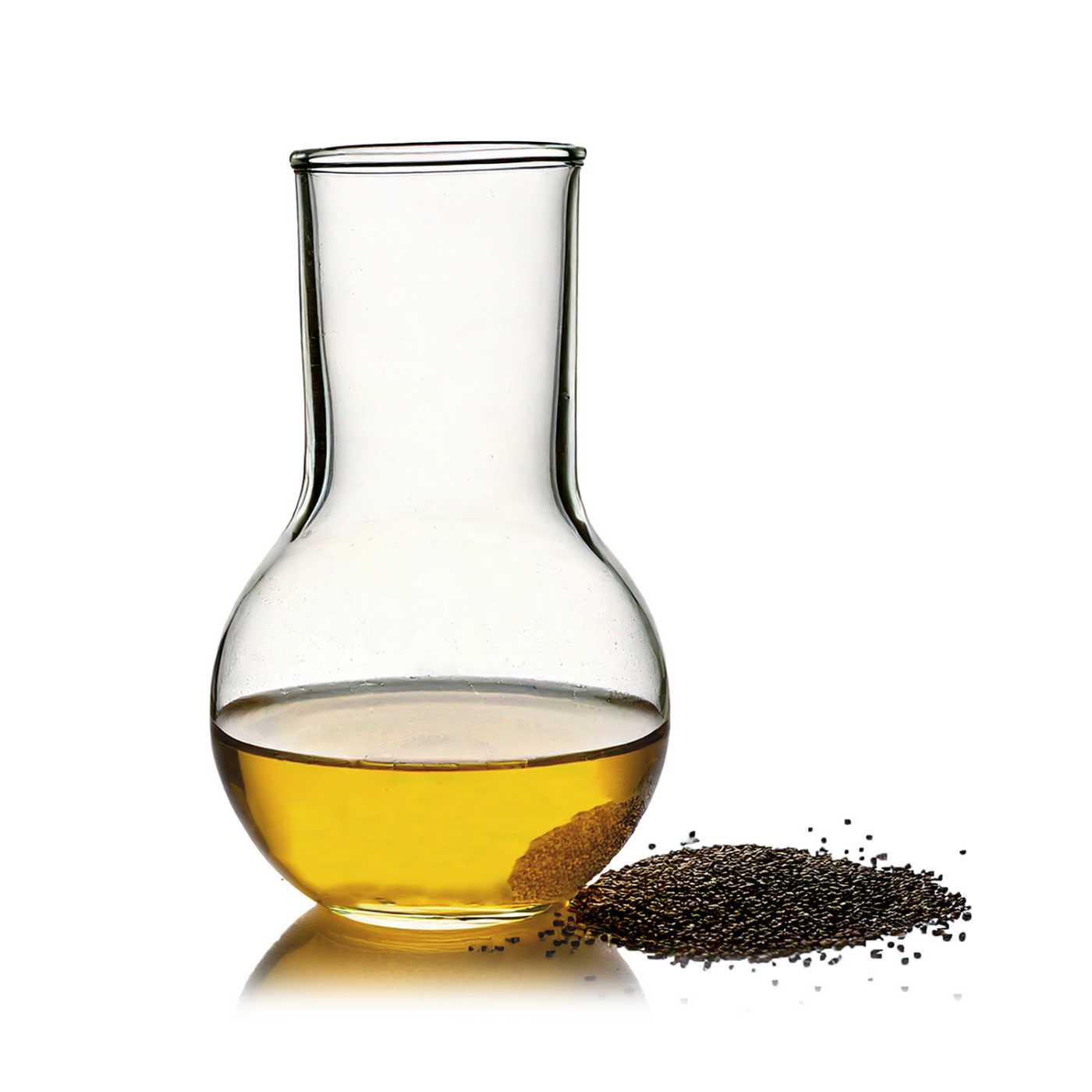
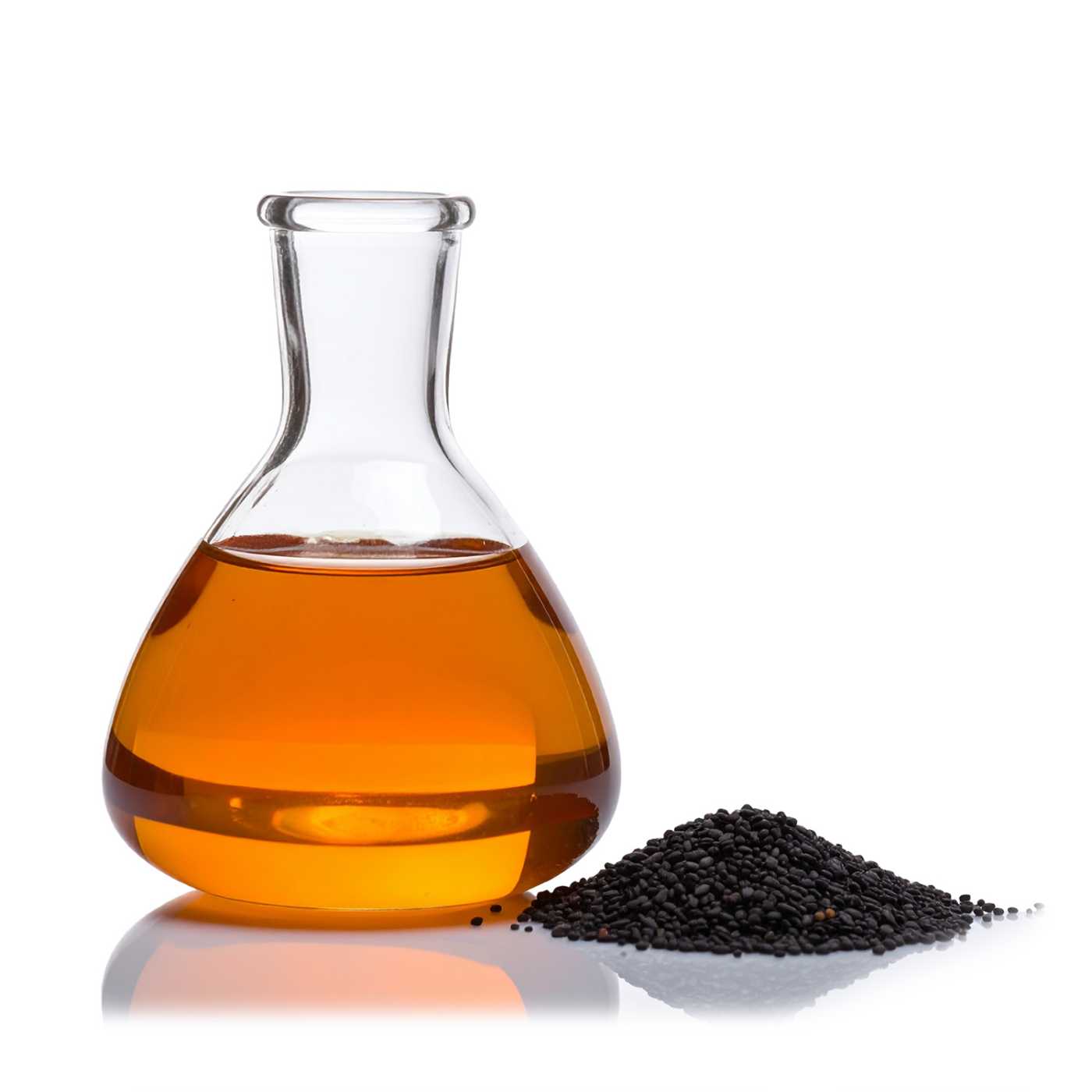
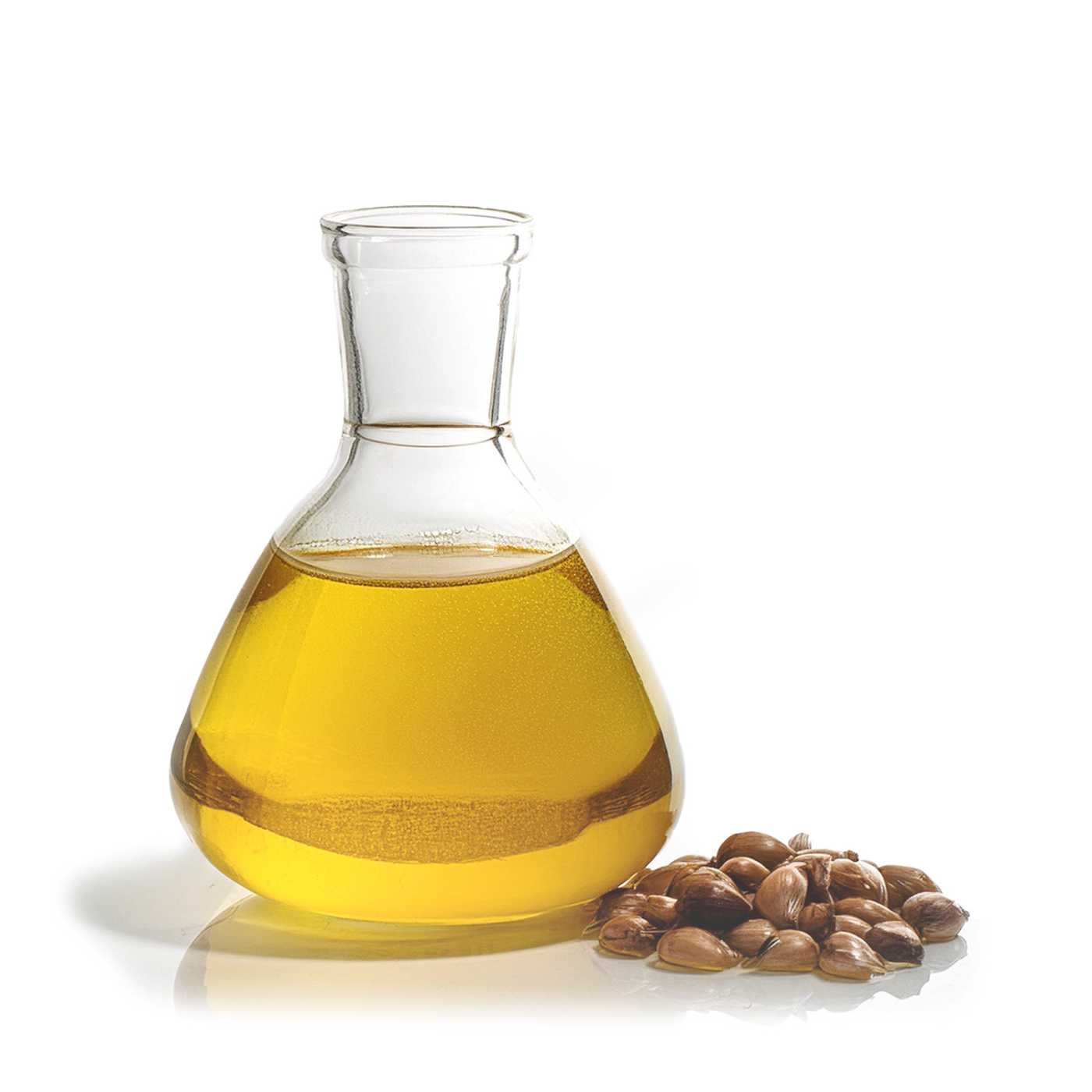
Chia CO2-to extract is chia seed oil (Salvia hispanica) from organic farming, obtained by carbon dioxide extraction. It contains more than 60% alpha-linolenic acid (omega-3). full description

AvailabilityPre-order
Product codeCO060_100
€19.21incl. VAT€192.10/l

Lowest price in the last 30 days: €16.99

Pre-orderThis variant is currently out of stock — your order will be a pre-order and delivery may take longer.

Product description

Chia CO2-to extract is chia seed oil (Salvia hispanica) from organic farming, obtained by carbon dioxide extraction. It contains more than 60% alpha-linolenic acid (omega-3). In cosmetics it is used to improve skin elasticity and hydration, from face oils and serums to body creams and hair care.


What the extract does for the skin

The basis is polyunsaturated fatty acids. Besides alpha-linolenic acid, the extract contains 15–21% linoleic acid (omega-6). Both are essential, as the body cannot produce them on its own. Linoleic acid is a natural component of the lipids in the skin’s protective barrier.

  • Skin elasticity – chia oil is used in face and body care to improve elasticity.
  • Hydration – the oil softens the skin and limits the evaporation of water from its surface.
  • Antioxidant components – the seeds also give the extract carotenoids and phenolic compounds, which at the same time support the natural stability of the oil.

Carbon dioxide extraction

The extract is obtained from dried seeds using natural carbon dioxide in a supercritical state. It contains no solvent residues, inorganic salts, heavy metals or viable microorganisms.

3.1–3.6 kg of seeds are processed to obtain 1 kg of extract. The finished extract is stabilised with 0.1% rosemary extract, also organic.


Use in formulations

The extract is oil-soluble and practically insoluble in water. It belongs in the oil phase or in anhydrous blends, where it is mixed with other vegetable oils.

Temperature is important. The extract is processed below 40 °C.

Do not add Chia CO2-to extract to the heated oil phase. Stir it into the cooled emulsion only, or add it to an oil blend prepared cold.

The yellow-orange colour of the extract may slightly tint light emulsions. The odour is characteristic.


Sensitivity to oxidation

The high proportion of alpha-linolenic acid makes chia extract one of the oils most sensitive to oxidation. It easily turns yellow during production and in the finished product. The rosemary extract it already contains delays the onset of oxidation. It is worth adding another antioxidant to the formulation.

The time before oxidation begins is extended by tocopherols, green tea extract and Ascorbyl Palmitate. A combination of rosemary extract with green tea also works well. Do not mix the extract with oils that have already started to oxidise.

Fill products containing chia extract into opaque packaging and allow for a shorter shelf life.


Suitable for products such as

  • Face oils and oil serums – anhydrous oil blends mixed cold.
  • Face creams and emulsions – the extract is added after the emulsion has cooled.
  • Eye area products – eye creams and oil serums focused on skin elasticity.
  • Body oils, lotions and hand creams – to support skin hydration and softness.
  • Hair oils and scalp products – anhydrous blends and emulsions.

Good to know

The raw material has an organic certificate and a COSMOS certificate with 100% certified ingredients, as well as HALAL and KOSHER certificates. It is of plant origin, free from fragrance allergens and is supplied in cosmetic and food grade.

Before use, it is worth smelling the extract. A stronger, pungent or “fishy” odour is a sign of oxidation, and such an oil does not belong in a product.


Frequently asked questions

Is Chia CO2-to extract soluble in water?
No, Chia CO2-to extract is practically insoluble in water and dissolves well in oils. It is therefore used in the oil phase of emulsions and in anhydrous products such as face, body and hair oils. It is mixed cold with other vegetable oils.
Can Chia CO2-to extract be heated together with the oil phase?
No, Chia CO2-to extract is processed at a temperature below 40 °C. It contains a high proportion of polyunsaturated fatty acids and is among the oils most sensitive to oxidation. It is added to a cream only after the emulsion has cooled, and to oil blends cold. It does not belong in the heated oil phase.
What is the difference between Chia CO2-to extract and pressed chia oil?
The difference is in how it is obtained. Pressed chia oil is squeezed out of the seeds mechanically, while Chia CO2-to extract is obtained using supercritical carbon dioxide. In both cases the result is a fatty oil from chia seeds. The extract contains no solvent residues and is stabilised with organic rosemary extract.
How can you tell that Chia CO2-to extract has oxidised?
The odour reveals oxidation of Chia CO2-to extract. Fresh extract has a characteristic odour, while oxidised extract smells stronger, pungent or with a “fishy” note. Such an oil is not used in a cosmetic product. Chia extract is among the oils most sensitive to oxidation and may turn yellow during production and in the finished product.
Which antioxidant should you add to Chia CO2-to extract?
Tocopherols, green tea extract or Ascorbyl Palmitate suit Chia CO2-to extract well. The extract itself already contains rosemary extract, and a combination of rosemary with green tea works well in chia oil. An antioxidant extends the time before oxidation begins. The product should still be filled into opaque packaging, and a shorter shelf life should be expected.

Parameters

INCI
Salvia Hispanica Seed Extract, Rosmarinus Officinalis Leaf Extract
CAS No.
93384-40-8, 84604-14-8
EC number
297-250-8, 283-291-9
Product colour
OrangeYellow
Country of origin
ParaguayGermany
Processing method
CO2 extraction
Appearance
Oily liquid
Original best before date
28. 2. 2027
Formulation phase
Oil phase
Function in formulation
Active ingredientEmollient
Recommended processing temperature
< 40 °C
Recommended usage rate
0,5 – 5 %
Application type
Leave-on
Certifications
Organic certification
Natural Index (NI ISO 16128)
1,00
Manufacturer's certificate
KosherCOSMOS ApprovedHalal
Natural Origin Index (NOI ISO 16128)
1,00
Organic content
100 %
Renewable Carbon Content (RCC)
100 %
Volume
100 ml

Product documentation

CoACertificate of Analysis
batch 842311PDF ↓
TDSTechnical Data Sheet
Physical parameters and processingPDF ↓
SDSSafety Data Sheet
Available for purchased products —
Download all (ZIP)

2 PDF files in one archive

Kristína K.11 Nov 2026SK

Verified purchase

Kalliopi R.22 Oct 2026EN

Verified purchase