+421 950 333 113info@handymade.storeHandymade Days: −10 % on all ready-made productsShop now

THICKENERS

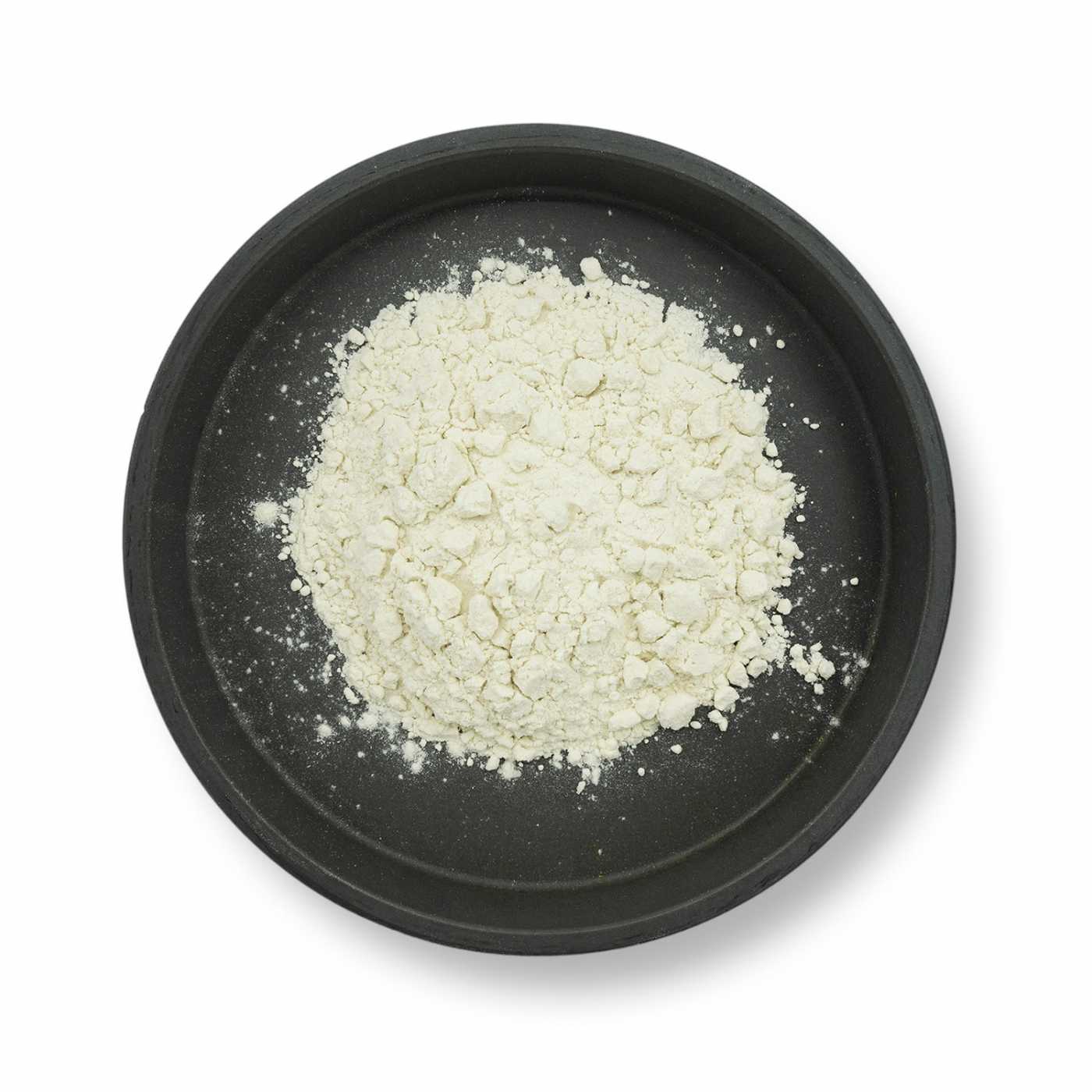
Xanthan Gum, 100 g

Pack size50 g100 g1 kg5 kg

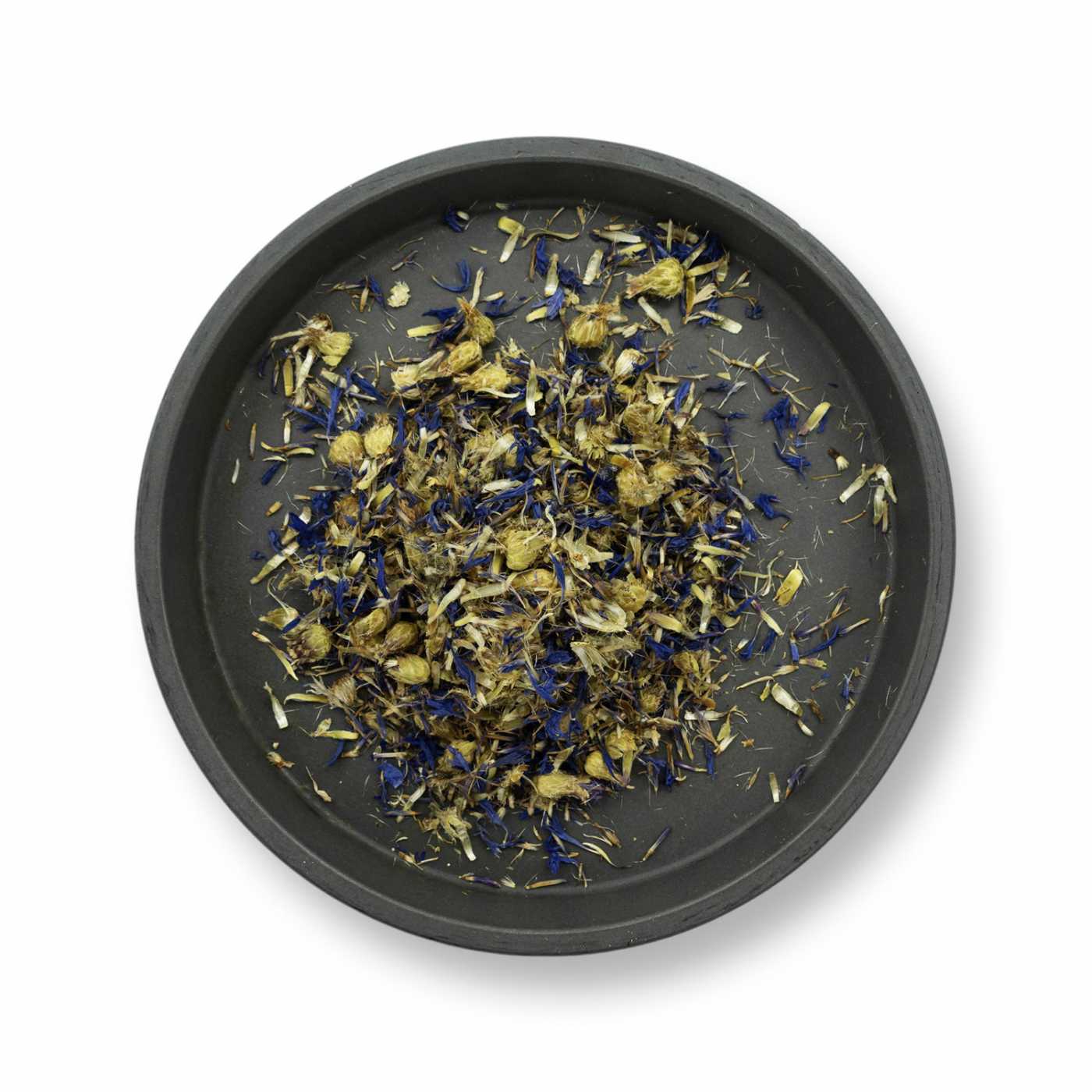
Xanthan gum is a natural thickener that thickens the water phase and stabilises emulsions even at a low usage rate. It helps creams and body lotions stay blended over time. full description

AvailabilityIn stock · 93 packs
Product codeSTA010_100
Batch34250634
Best before05/2027
€4.49incl. VAT€44.90/kg

Lowest price in the last 30 days: €4.49

Product description

Xanthan gum is a natural thickener that thickens the water phase and stabilises emulsions even at a low usage rate. It helps creams and body lotions stay blended over time. It gives gels, serums and shower products their body. It works in both acidic and alkaline environments and tolerates surfactants and electrolytes.

It is produced by the fermentation of sugars with the bacterium Xanthomonas campestris. The result is a long-chain polysaccharide that binds water strongly. The ingredient is of European origin and is both cosmetic and food grade. In the food industry it is known as E415.


How xanthan gum thickens

The gum chains swell in water and form a network that holds the water in place. On the skin, the water bound in this way supports hydration, but the main role of the gum is technological.

It is characterised by pseudoplastic behaviour. At rest the product is thick; when stirred, spread or pumped it thins, and once left to rest it thickens again. A cream or gel spreads and dispenses easily, even though it looks thick in the container.

In emulsions it thickens the water phase and thereby stabilises the emulsion. At low usage rates it also gives the cream a smooth glide when spreading.


Key properties

  • Effective at a low usage rate – it visibly thickens at just tenths of a percent.
  • Wide pH range – suitable for formulations with pH 3–12.
  • Compatible with surfactants – it tolerates anionic, non-ionic and amphoteric surfactants.
  • Temperature resistance – brief heating or freezing does not permanently damage the viscosity, and the properties are restored at room temperature.
  • Natural origin – free of animal-derived ingredients, produced without GMOs, readily biodegradable.

Use in a formulation

Xanthan gum belongs in the water phase. It disperses in water and is insoluble in alcohol, so it should not be added directly to alcohol. It is processed at a temperature below 80 °C.

The biggest pitfall is lumps. Powder poured into water swells on the outside immediately and forms lumps with a dry core, which are then difficult to break up.

Mix the xanthan gum in glycerine into a smooth paste without lumps and only then add the water phase. Other powder ingredients, such as bentonite, can be mixed into the glycerine together with the gum.

The second option is to sprinkle the gum into the water gradually while stirring intensively.

The gel does not form immediately. The gum needs time to swell fully and for the texture to even out. Assess the viscosity and appearance only after the mixture has rested, and do not add more gum prematurely.

The usage rate depends on the type of product. The recommended range is 0.1–1%, and in formulations it is most often used at around 0.4%:

  • face creams 0.15–0.8%
  • body lotions 0.1–0.5%
  • serums 0.1–0.9%
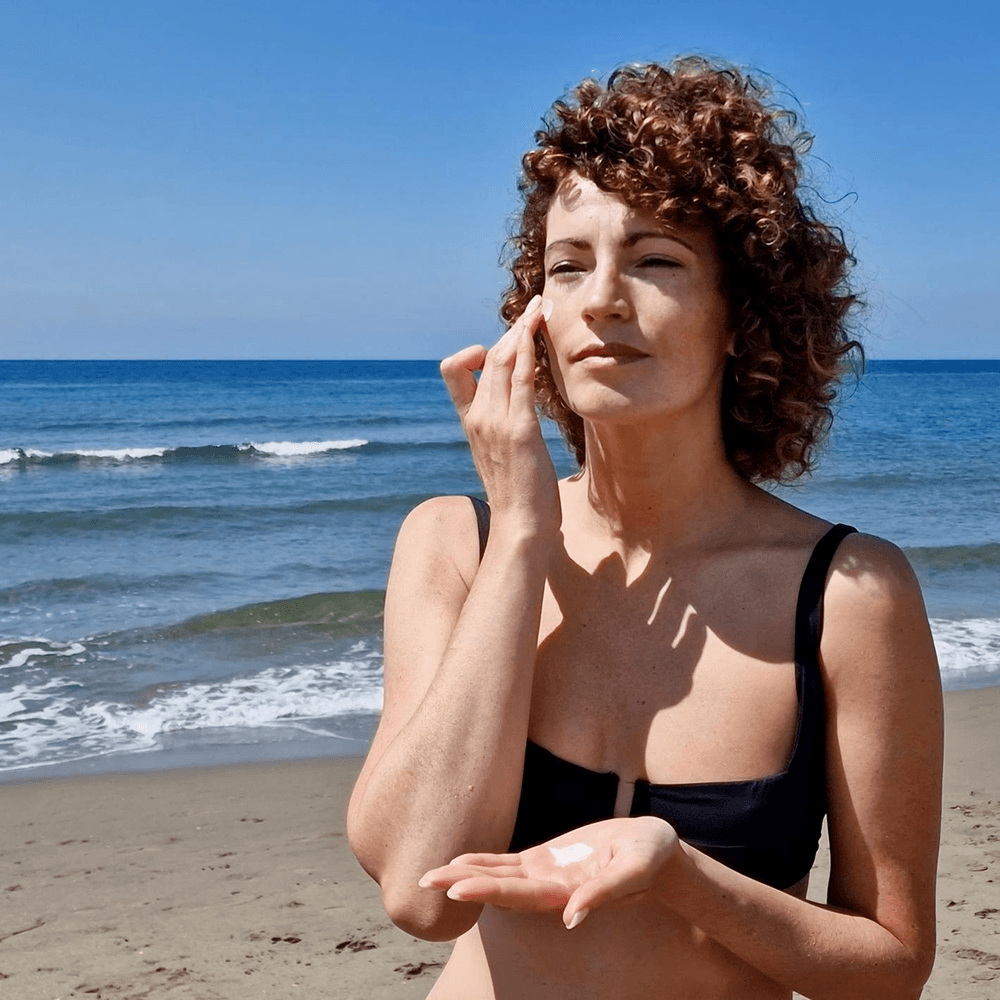
  • sun care products 0.15–1%

Higher usage rates, up to several percent, are used only in exceptional cases, for example in scrubs.


Suitable for products such as

  • Face creams and body lotions – it thickens the water phase of the emulsion and improves its stability. It is often combined with glycerine, cetearyl alcohol and glyceryl stearate.
  • Serums and gel products – it forms the body of the gel, ideally together with another thickener.
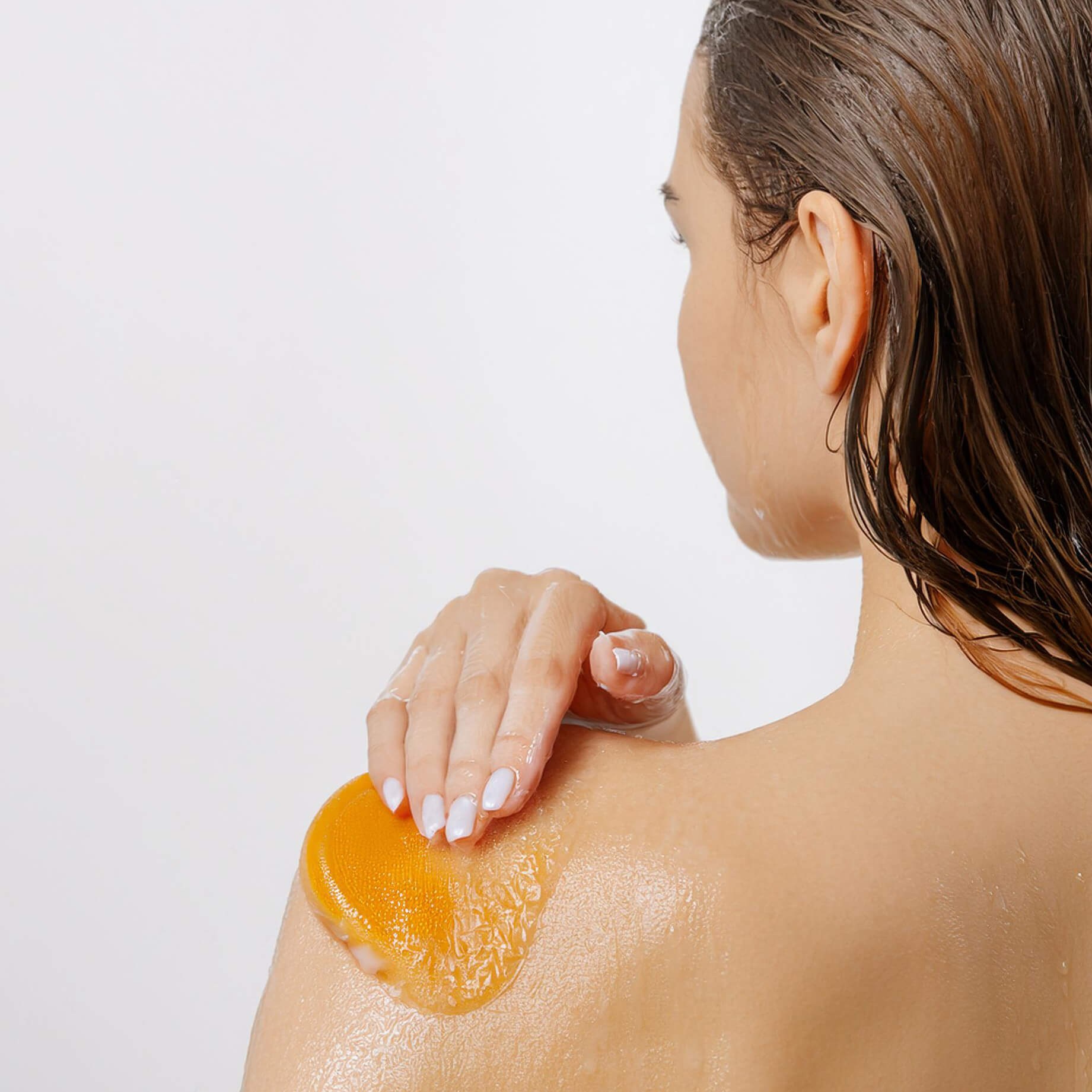
  • Shower gels, shampoos and bath products – it thickens even in the presence of surfactants.
  • Sun care products – it stabilises the emulsion; with a higher salt content, test the thickness.
  • Scrubs – it thickens the base of the product.
  • Colour cosmetics – it adjusts the consistency of water-based and emulsion bases.

Good to know

Standard xanthan gum forms cloudy gels. At a higher usage rate they feel slimy and stringy on the skin. For this reason it is used at a low usage rate in emulsions.

If you want a clear, non-sticky gel, do not use standard xanthan gum as the only thickener. Special clear types of gum are intended for such gels.

It works well in combination with other gums. In a blend with guar gum, tara gum, konjac gum or carrageenan it achieves a higher viscosity than on its own, and the texture improves as well. With locust bean gum the viscosity is similar, but the texture is markedly different.

Stability depends on pH. The gum is most stable at approximately pH 4–10. In acidic gels below pH 4, allow for the risk of a drop in viscosity. An acid-resistant type is used in such formulations. A 1% solution of the gum on its own has a pH of 6.0–8.0.

The gum is anionic. Salt, alcohol and cationic polymers can limit the increase in viscosity. For products with a higher salt content or with cationic conditioning agents, allow for a lower thickness and test the result on a small sample.

The viscosity of a 1% solution of the gum in a 1% KCl solution is at least 1 200 mPa·s.

Xanthan gum is not classified as hazardous under the CLP Regulation. Standard protective equipment is sufficient when handling the powder. Protect the ingredient from strong acids, alkalis and oxidising agents.


Frequently asked questions

Is xanthan gum soluble in water?
Yes, xanthan gum disperses in water and swells into a gel. It is insoluble in alcohol, so it is not added directly to alcohol. In a formulation it belongs in the water phase. The gel forms gradually and reaches its final thickness only after resting, once the gum has swollen fully.
How do I add xanthan gum to a cream without lumps?
The most reliable method is to mix the xanthan gum into glycerine first until it forms a smooth paste, and only then add the water phase. The second option is to sprinkle it into the water gradually while stirring intensively. Powder added all at once swells on the outside immediately and forms lumps with a dry core, which are difficult to break up.
How much xanthan gum goes into a cream or serum?
Face creams use 0.15–0.8% xanthan gum and serums 0.1–0.9%. The overall recommended range is 0.1–1%, and around 0.4% is used most often. In emulsions the gum thickens the water phase and, at low usage rates, gives the cream a smooth glide. At a higher usage rate the product can feel slimy.
Can you make a clear gel from xanthan gum?
Standard xanthan gum does not produce a clear gel, as its gels are cloudy. At a higher usage rate the gel tends to feel slimy and stringy on the skin. Special clear types of gum are intended for clear gels with a more pleasant skin feel. Standard gum is better suited to emulsions or to gels combined with another thickener.
Is xanthan gum suitable for shampoo and shower gel?
Yes, xanthan gum tolerates anionic, non-ionic and amphoteric surfactants and can be used to thicken both shampoo and shower gel. However, salt and cationic polymers can limit the increase in viscosity. For formulations with cationic conditioning agents or a higher salt content, check the thickness on a trial batch.
What can xanthan gum be combined with for better thickening?
Xanthan gum thickens more strongly in a blend with guar gum, tara gum, konjac gum or carrageenan. The blend achieves a higher viscosity than xanthan gum on its own, and the texture improves as well. With locust bean gum the viscosity is similar, but the texture is markedly different. In formulations, xanthan gum is most often combined with glycerine, cetearyl alcohol and glyceryl stearate.

Parameters

INCI
Xanthan Gum
CAS No.
11138-66-2
EC number
234-394-2
Product colour
BeigeWhite
Country of origin
European Union
Processing method
Fermentation
Appearance
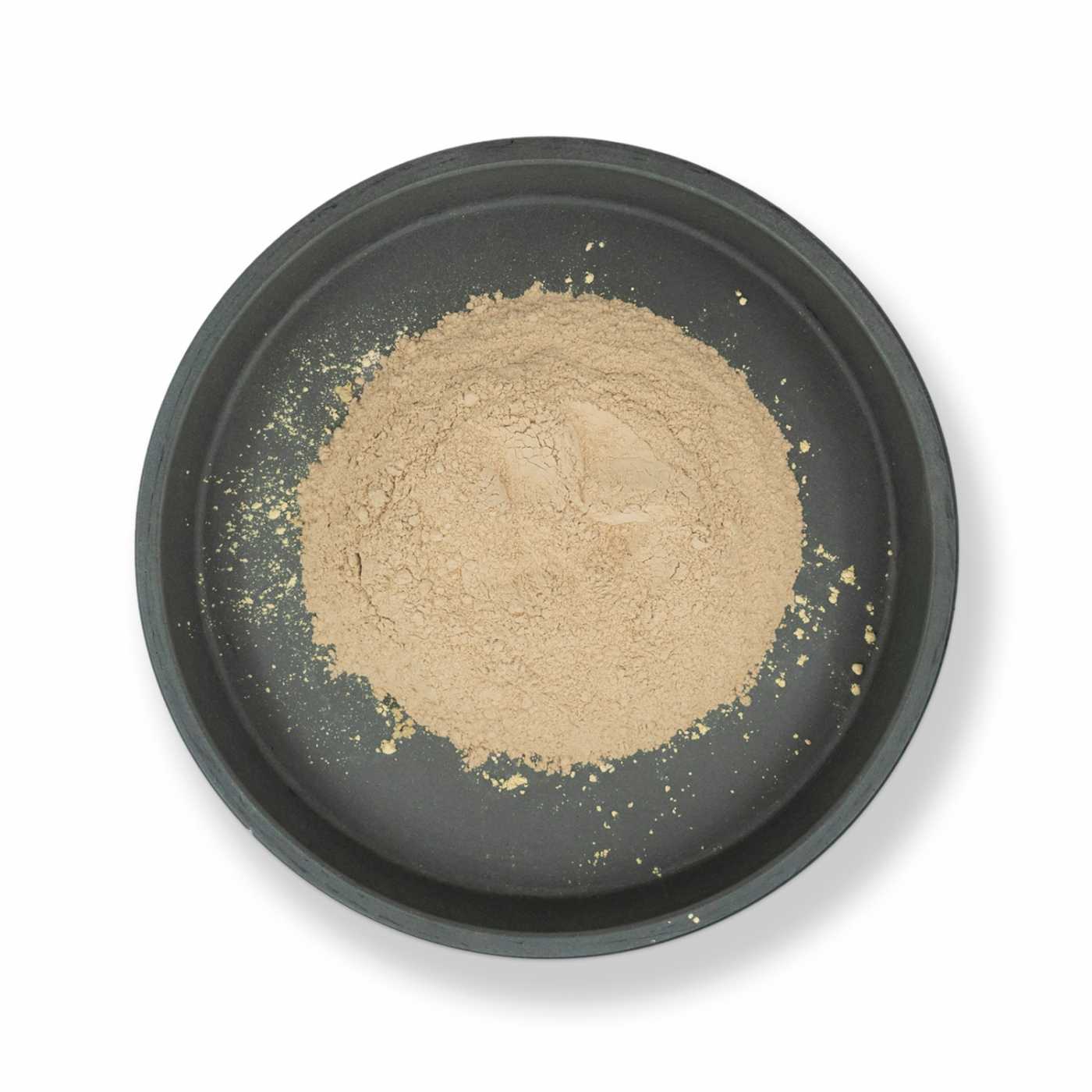
Powder
Formulation phase
Water phase
Function in formulation
Thickener
Ionic character
Anionic
Application area
FaceHairScalpBodyHands
Recommended processing temperature
< 80 °C
Recommended usage rate
0,1 – 1 %
Recommended formulation pH range
3 – 12
Application type
Leave-onRinse-off
Effects
Hydration
Biodegradability
Readily biodegradable
Natural Index (NI ISO 16128)
1
Natural Origin Index (NOI ISO 16128)
1
Organic content
0 %

Product documentation

CoACertificate of Analysis
batch 38231185PDF ↓
batch 34250634PDF ↓
TDSTechnical Data Sheet
Physical parameters and processingPDF ↓
SDSSafety Data Sheet
Available for purchased products —
Download all (ZIP)

3 PDF files in one archive

Learn how to work with it

From our blog
Viktorija2 Sept 2026EN

Verified purchase

Good — Great quality and very easy to work with. I used it to thicken my liquid formulations, and it worked perfectly. Will definitely order again!


Lucia G.8 Nov 2026SK

Verified purchase

María15 Oct 2026ES

Verified purchase

Variant: Xantánová guma, 100 g
Mario K.15 Oct 2026EN

Verified purchase

Variant: Xantánová guma, 1 kg

Matej S.6 Oct 2026SK

Verified purchase

Variant: Xantánová guma, 100 g
(5 reviews)