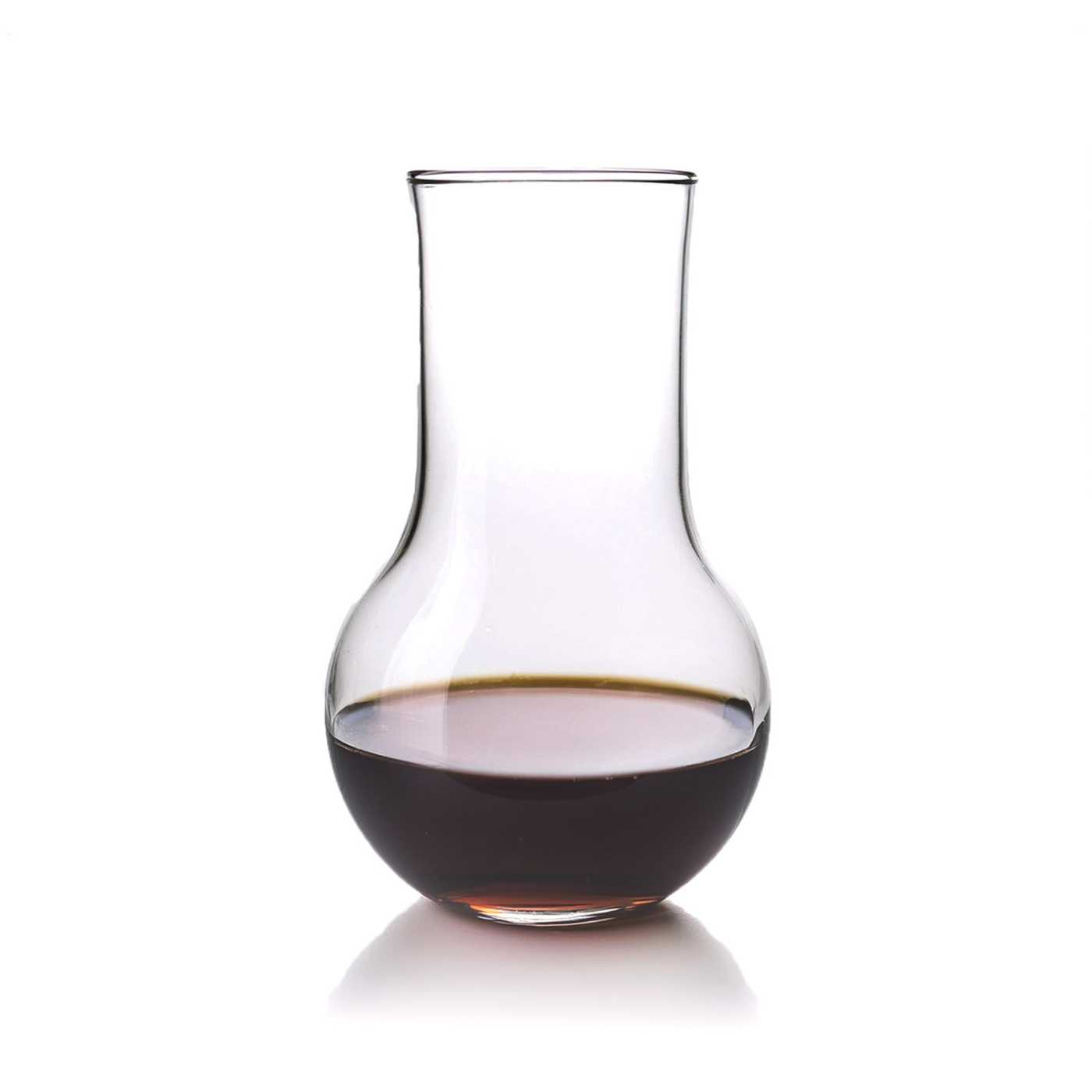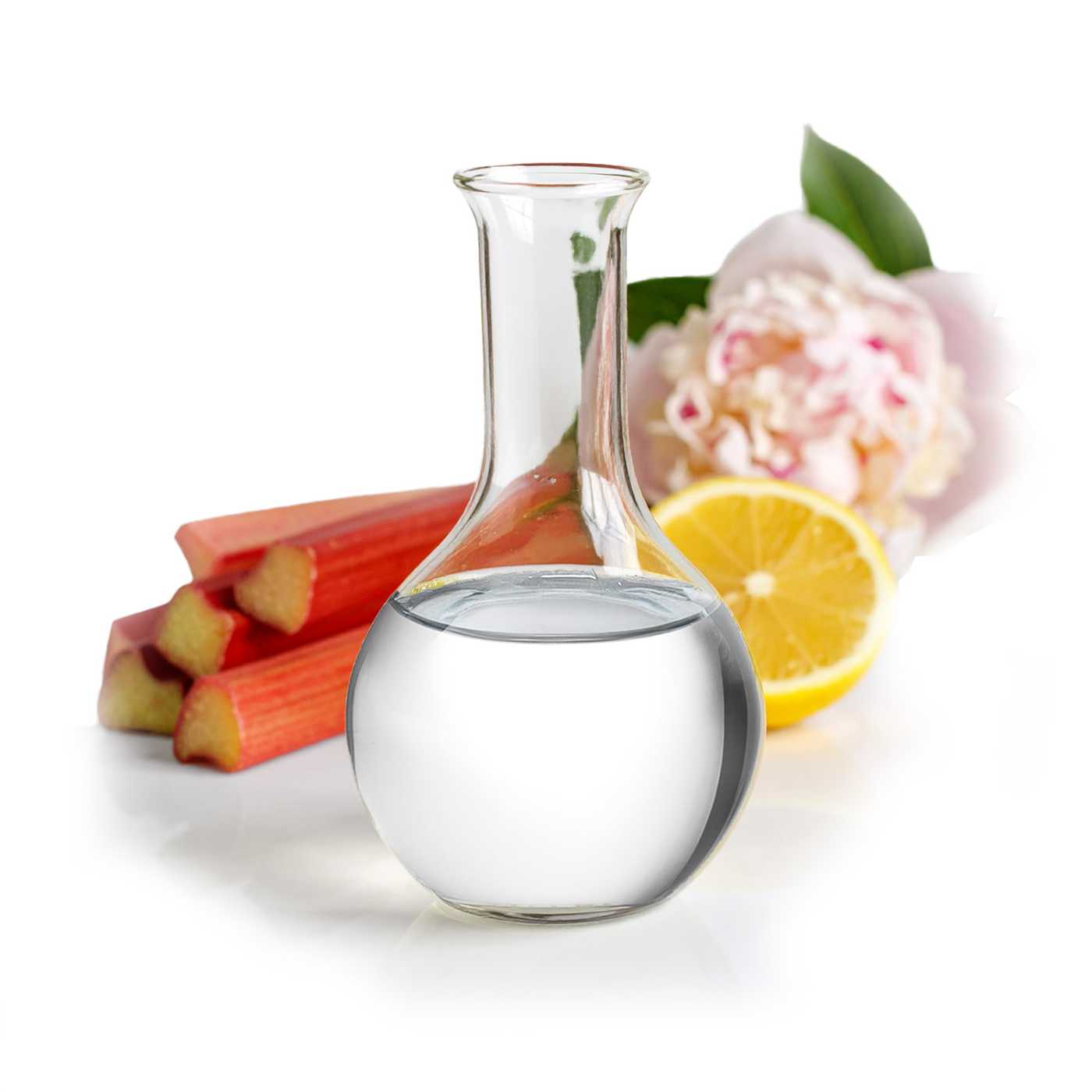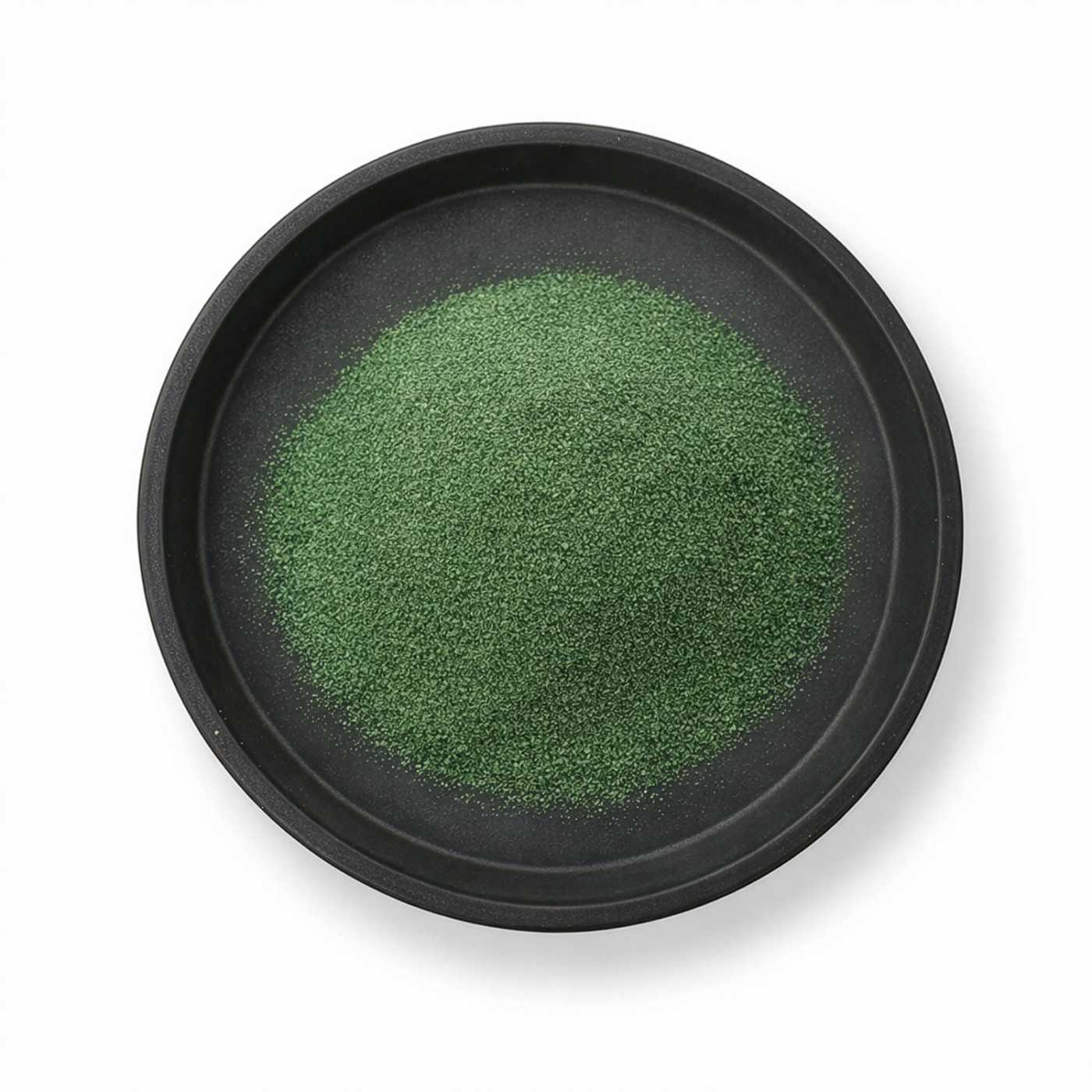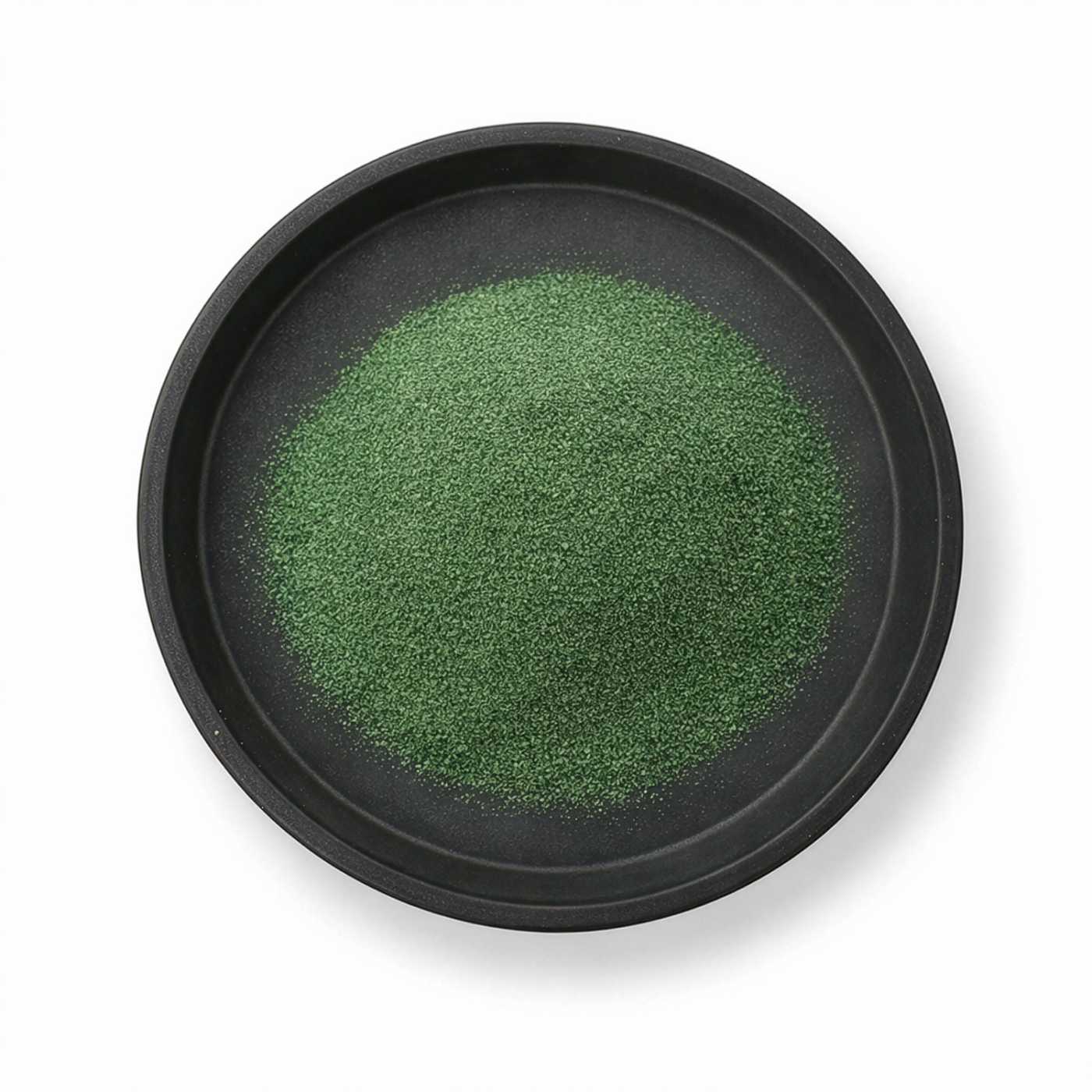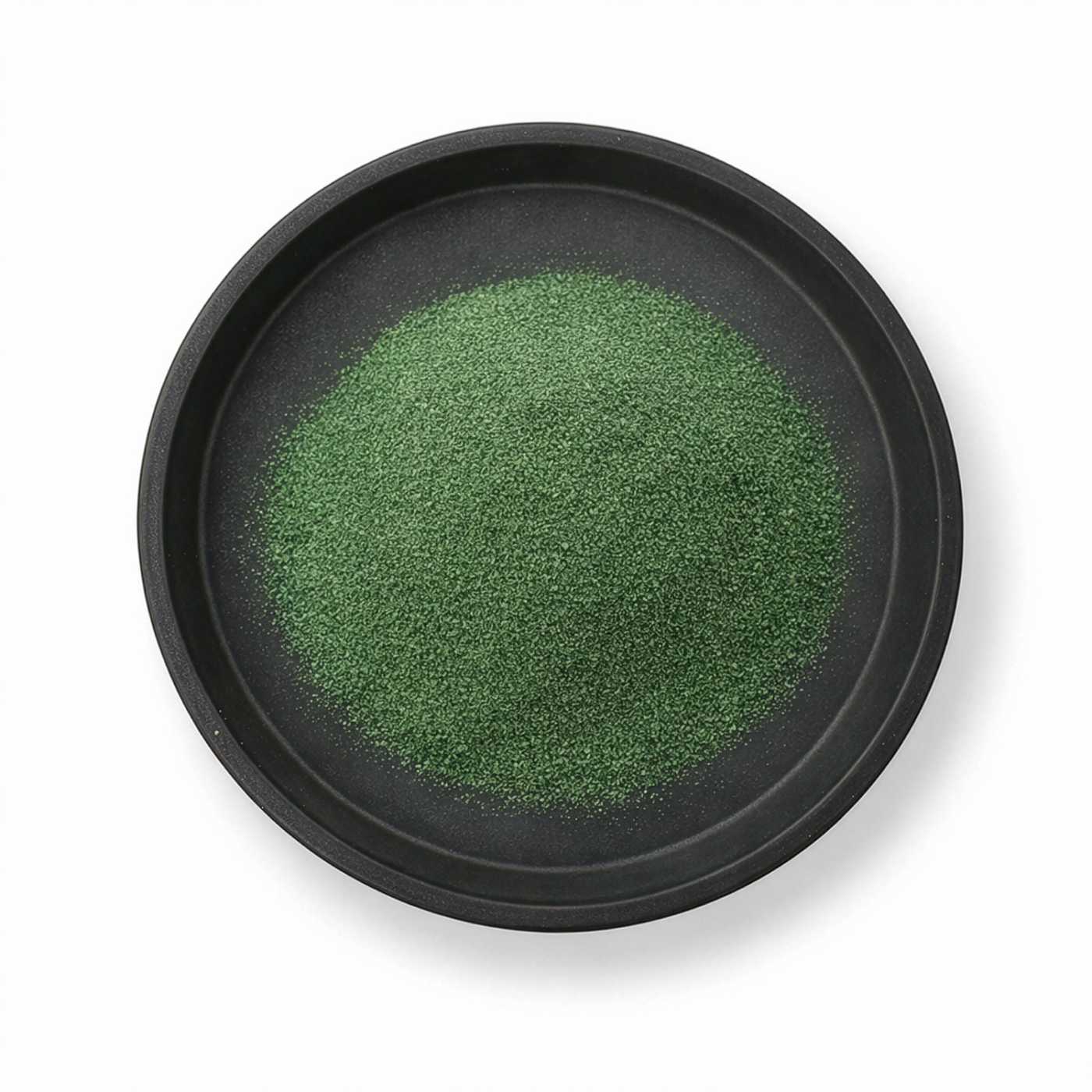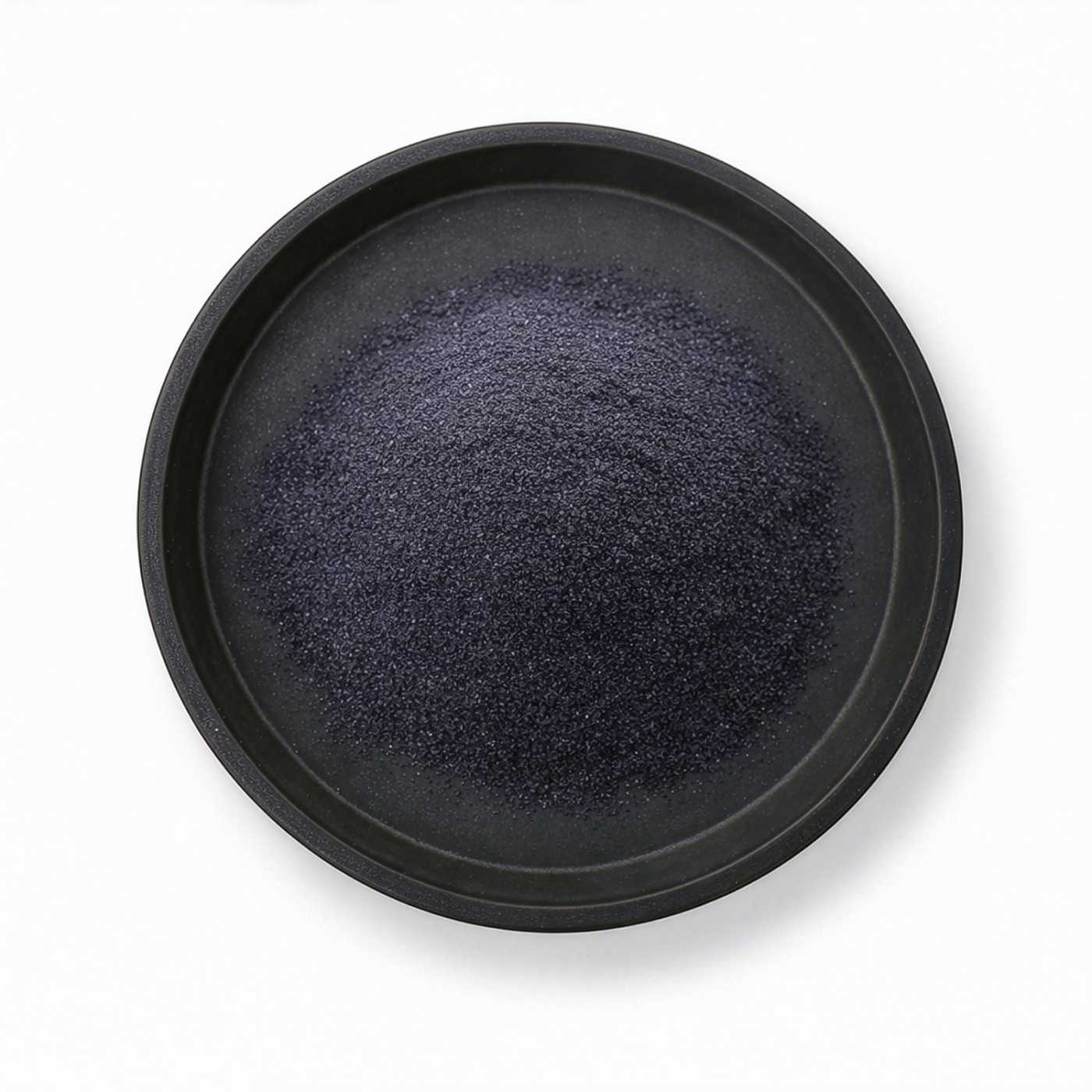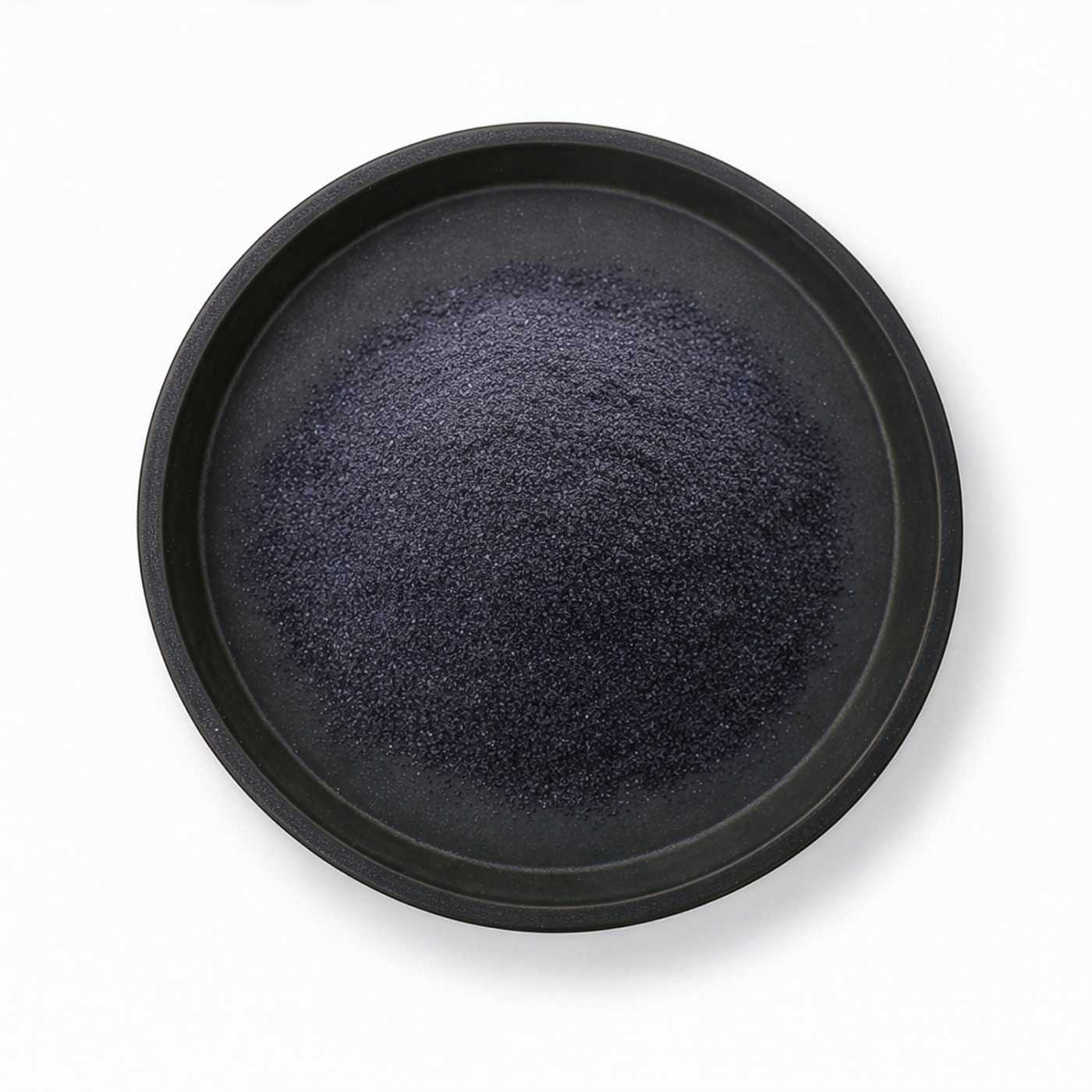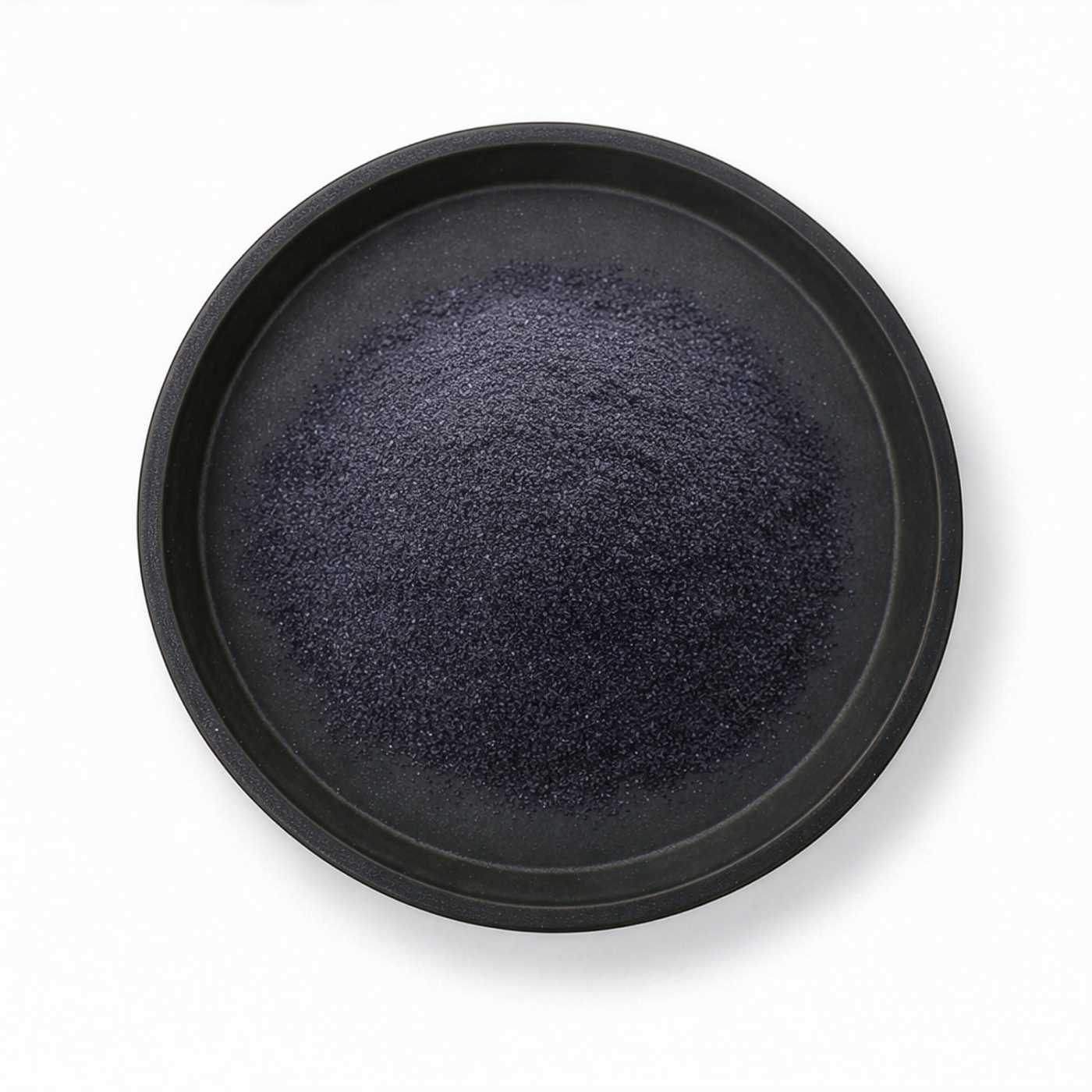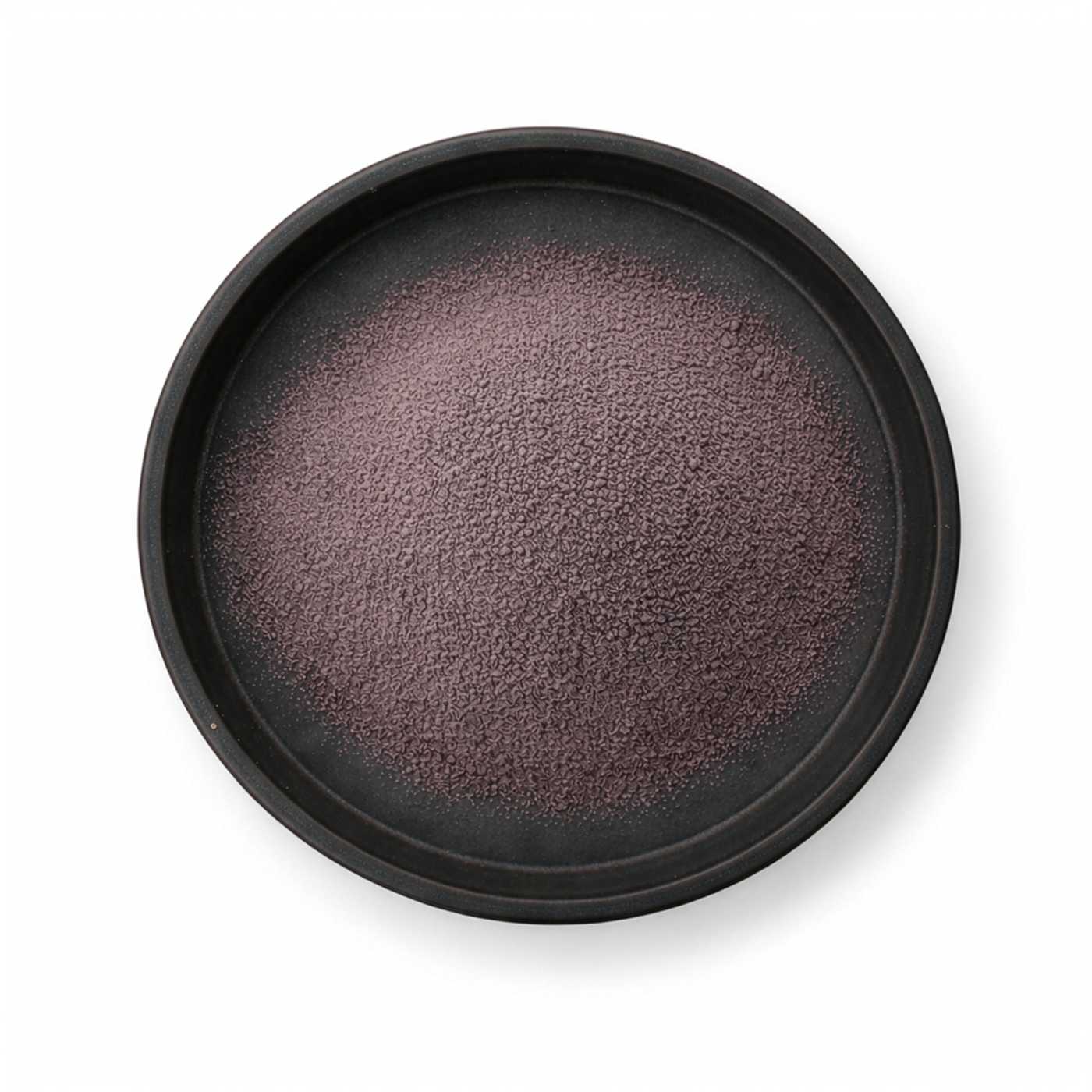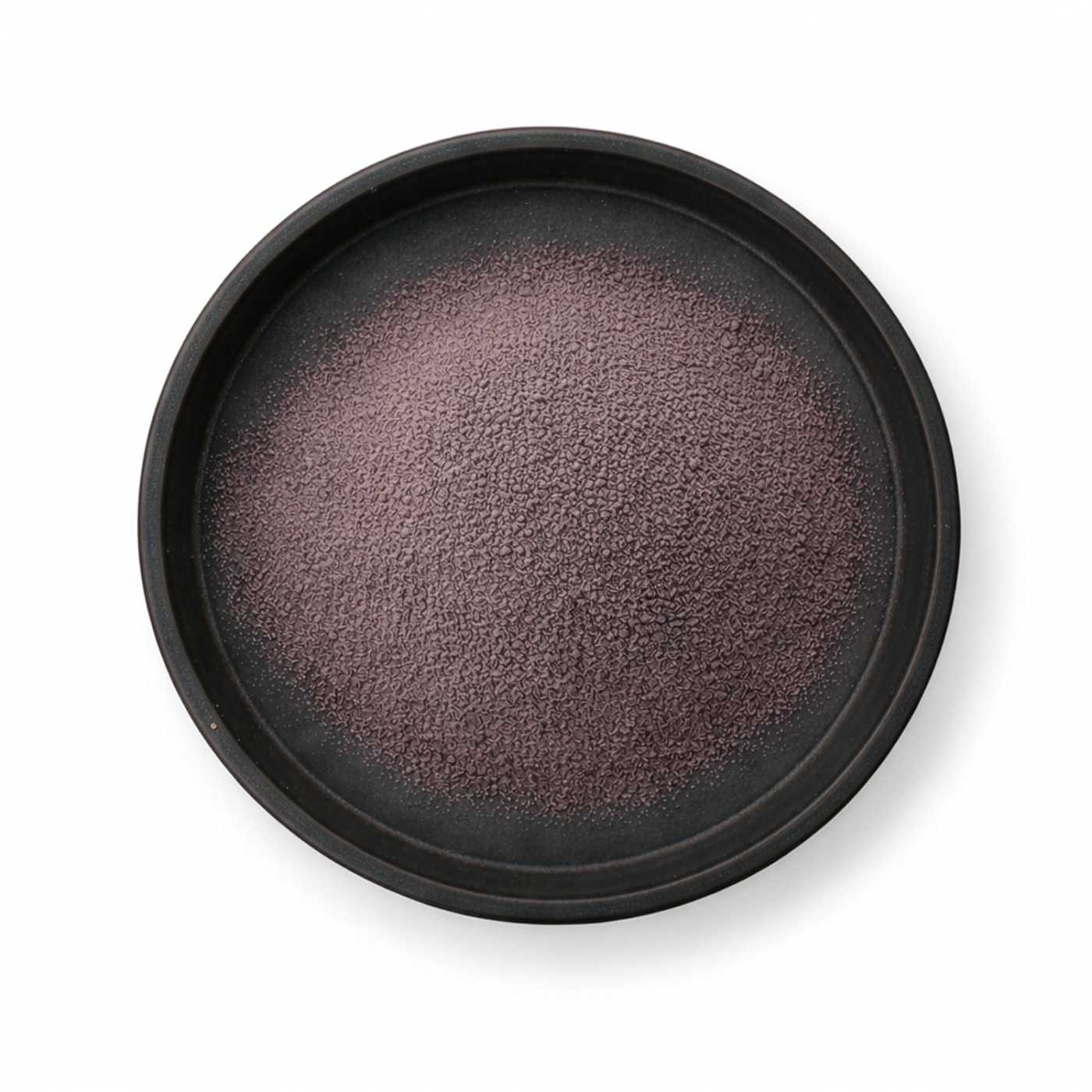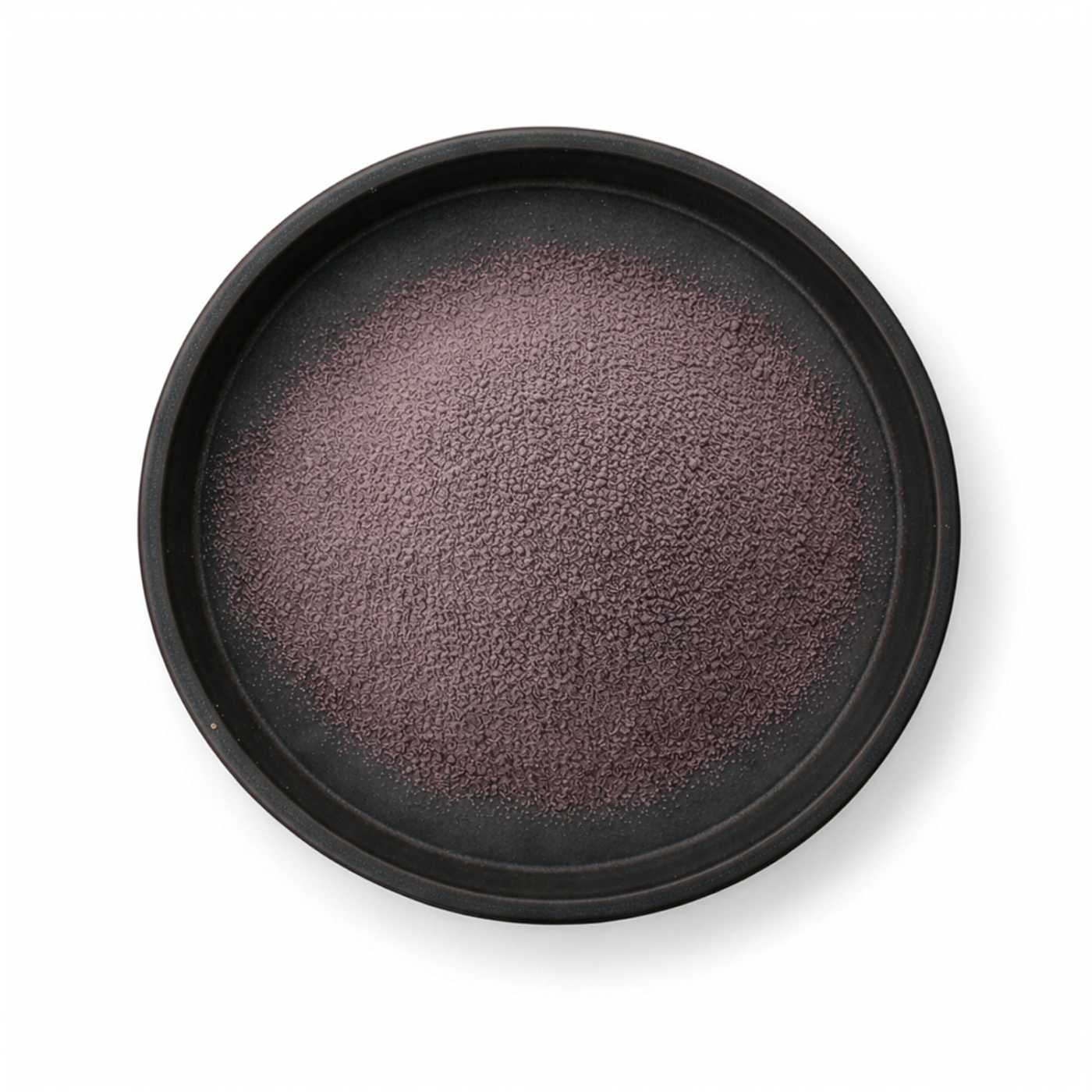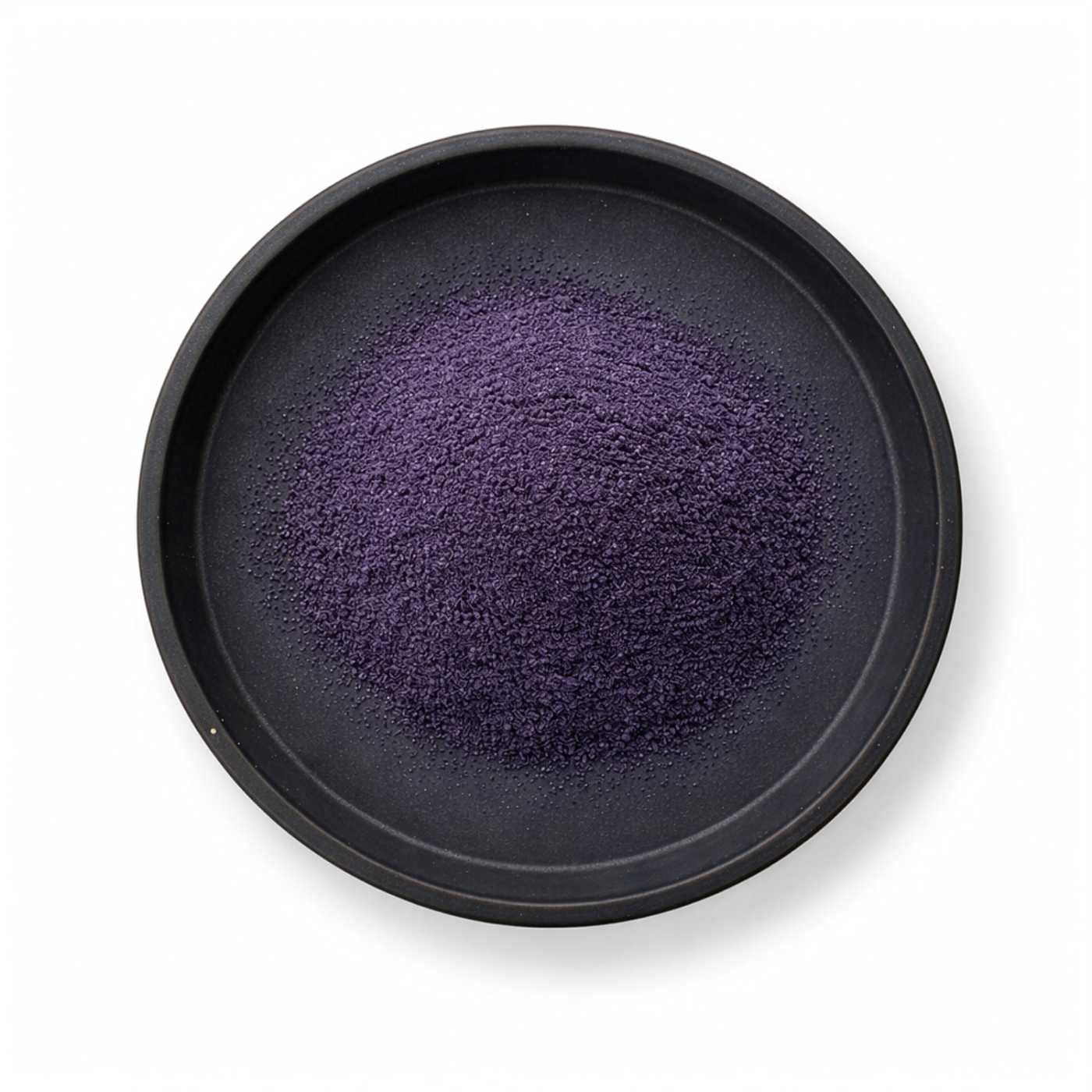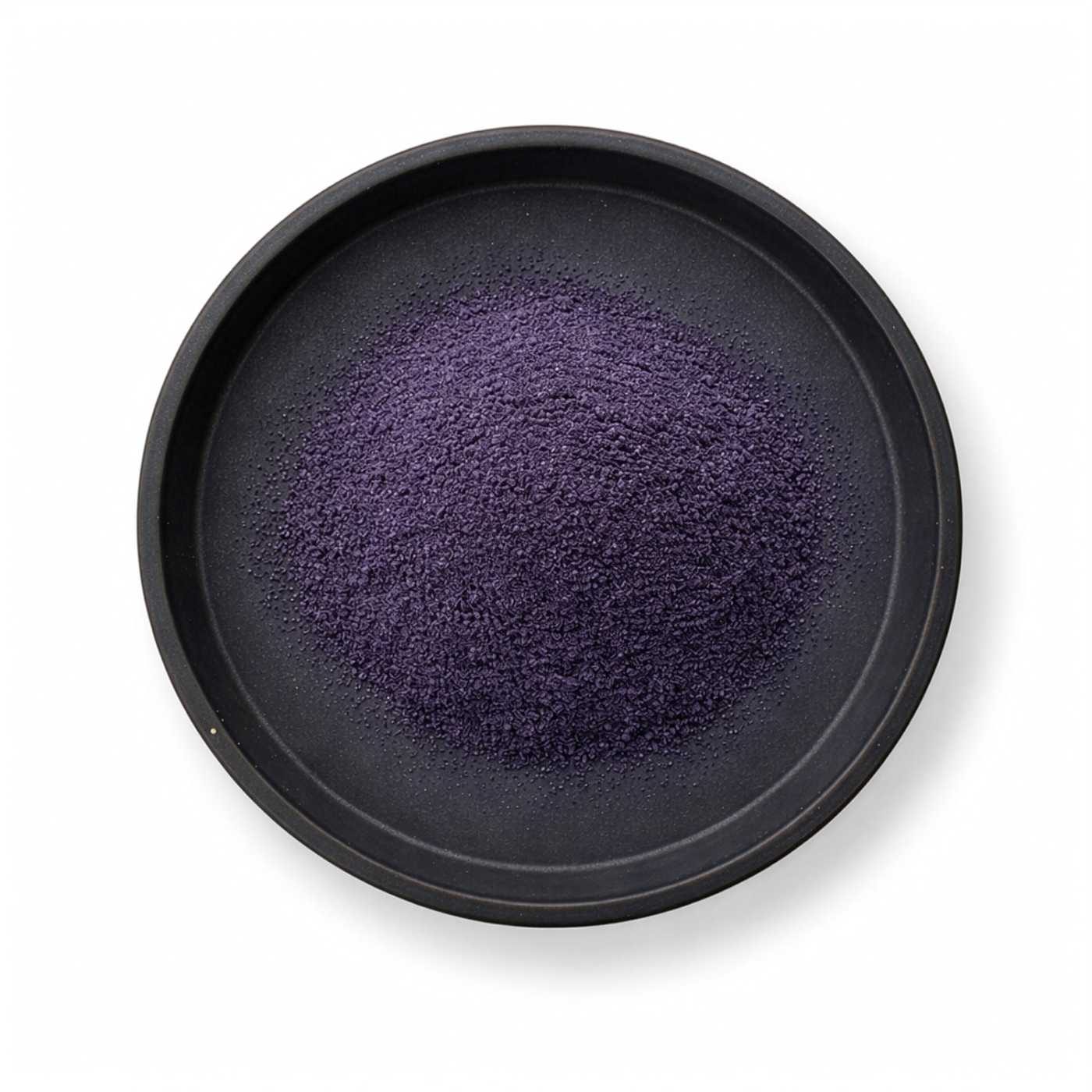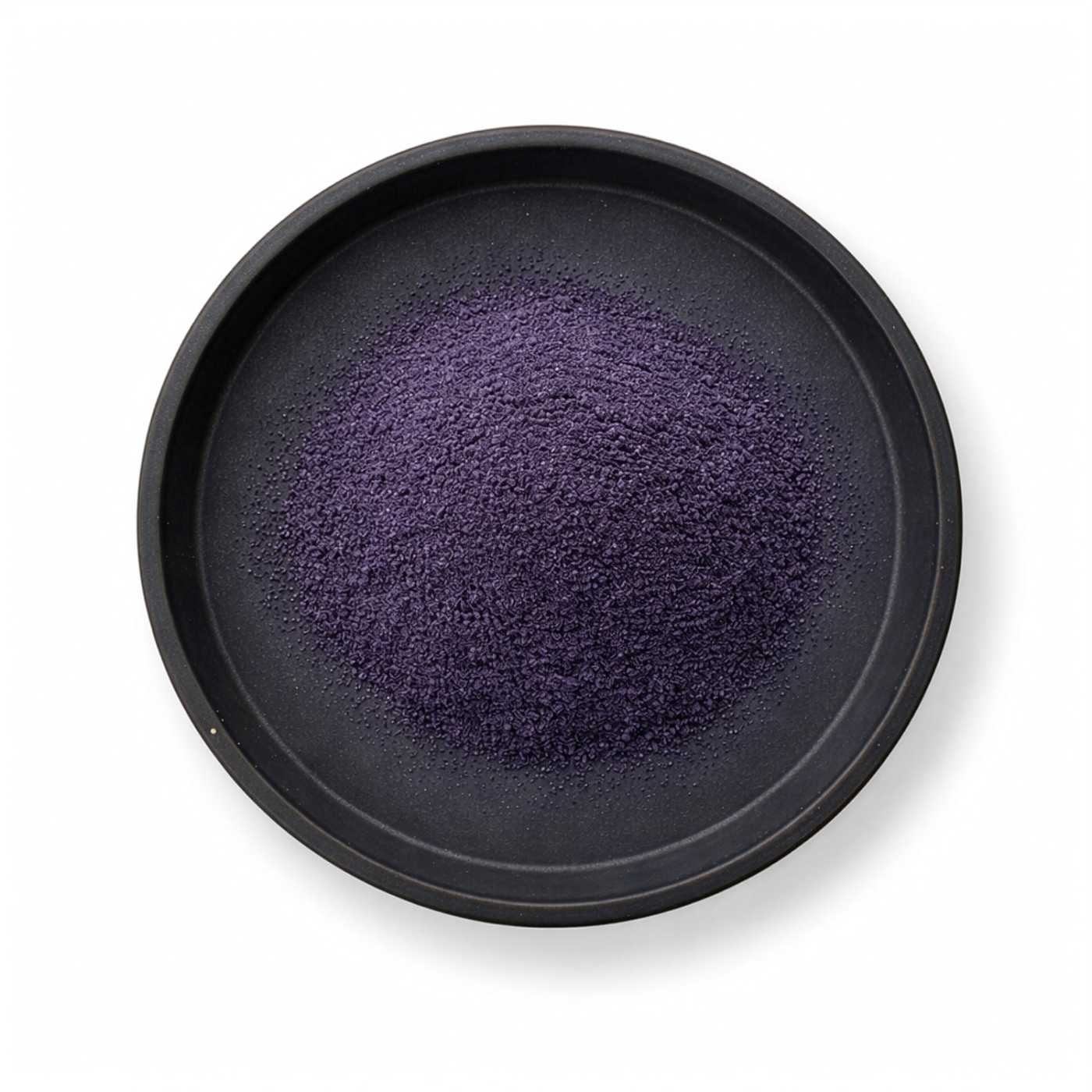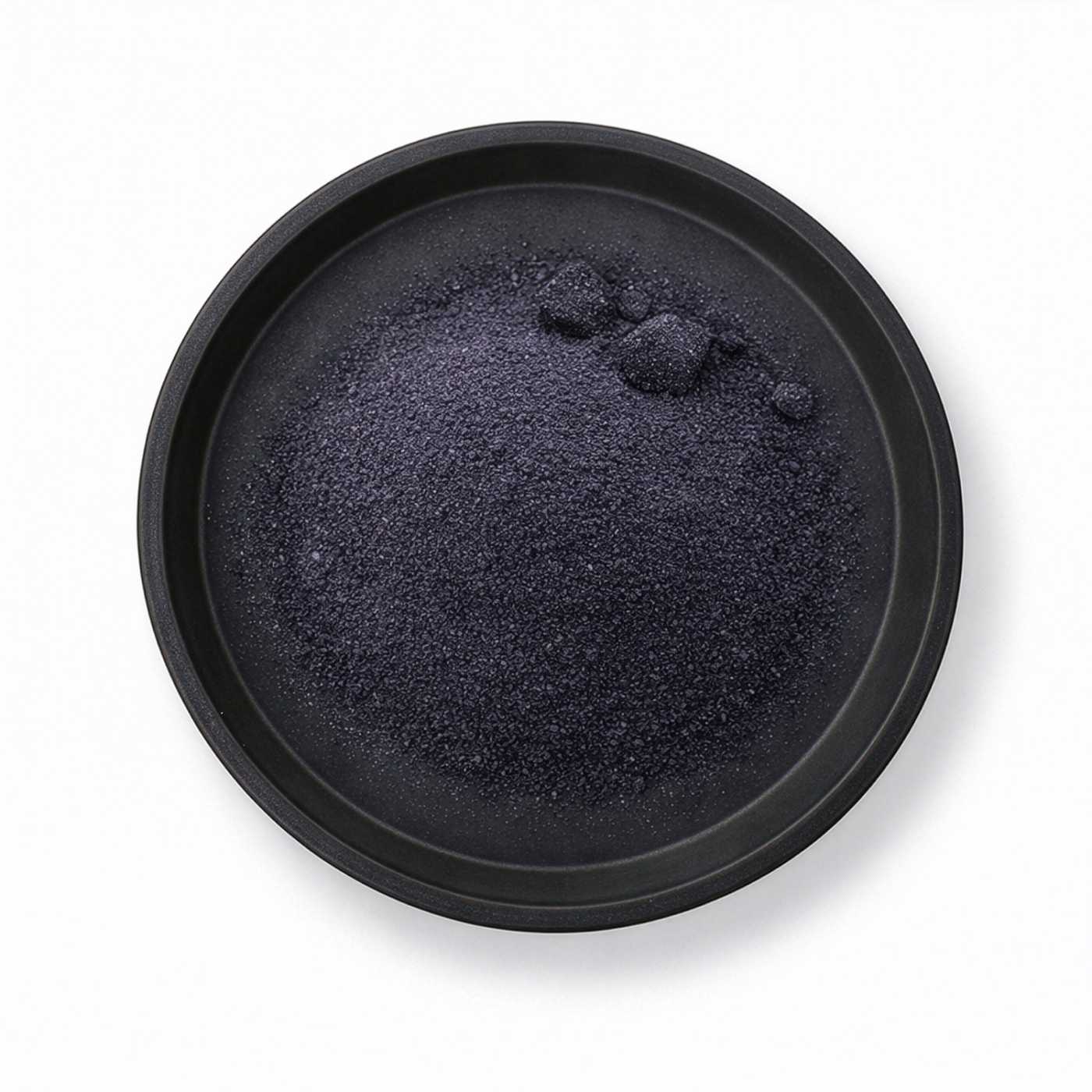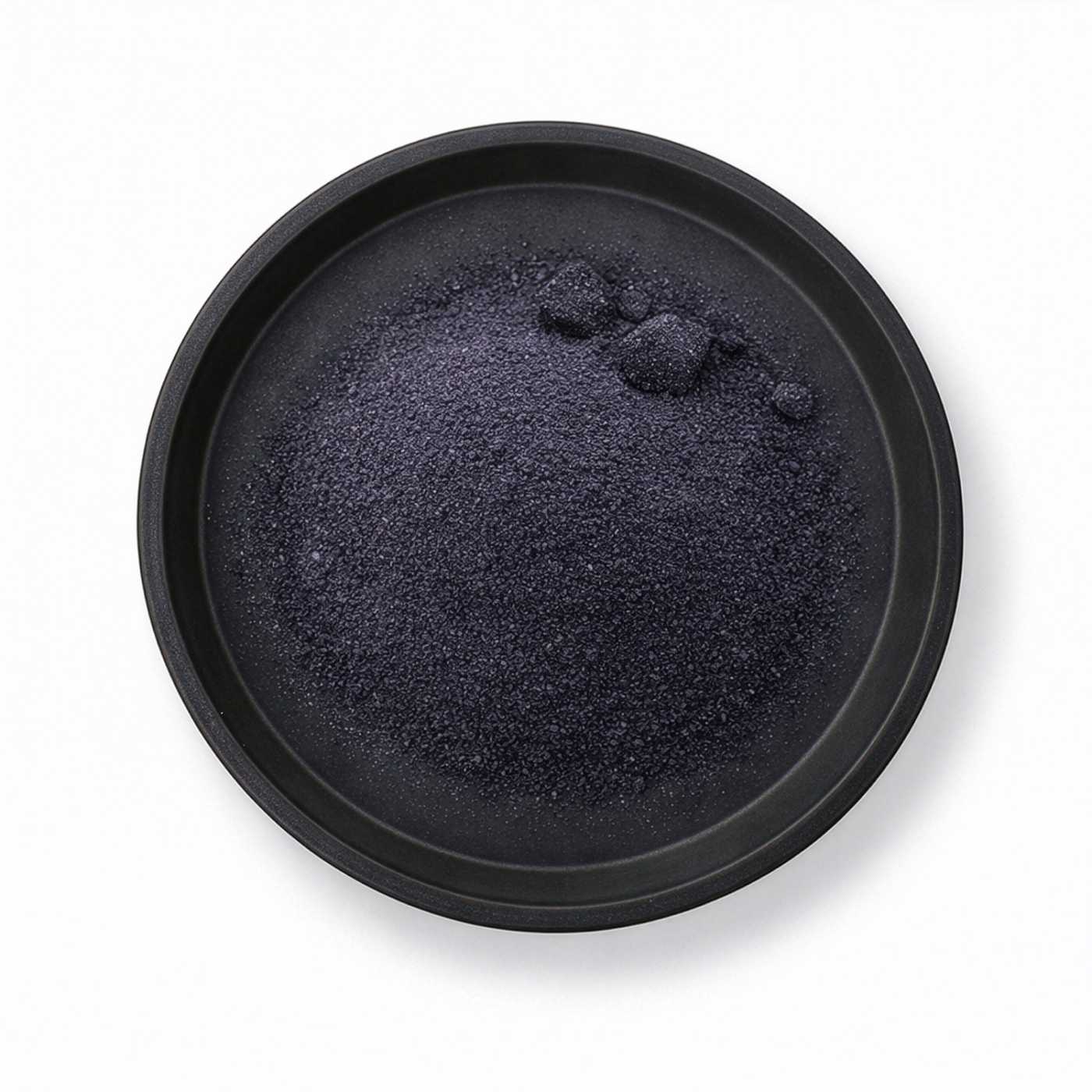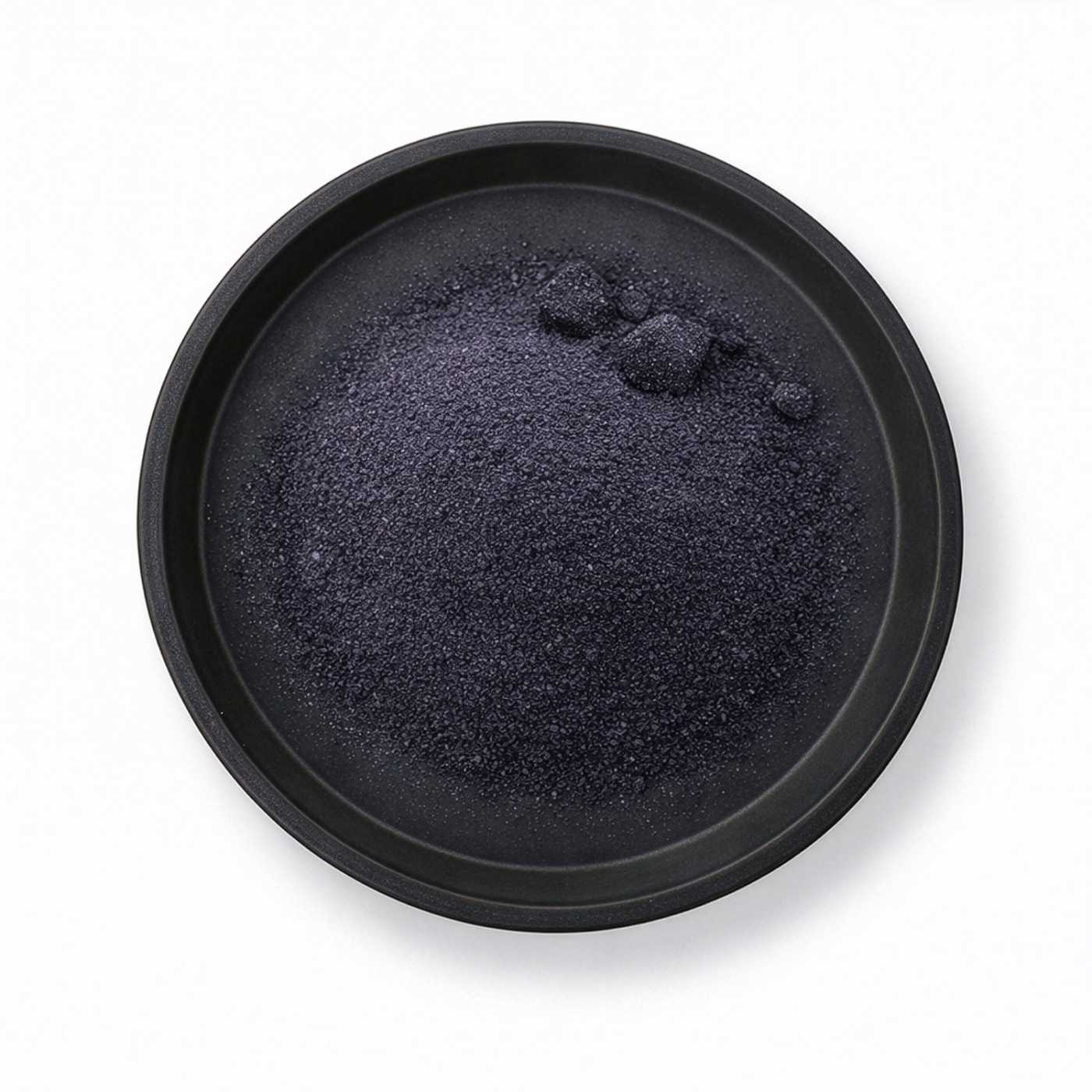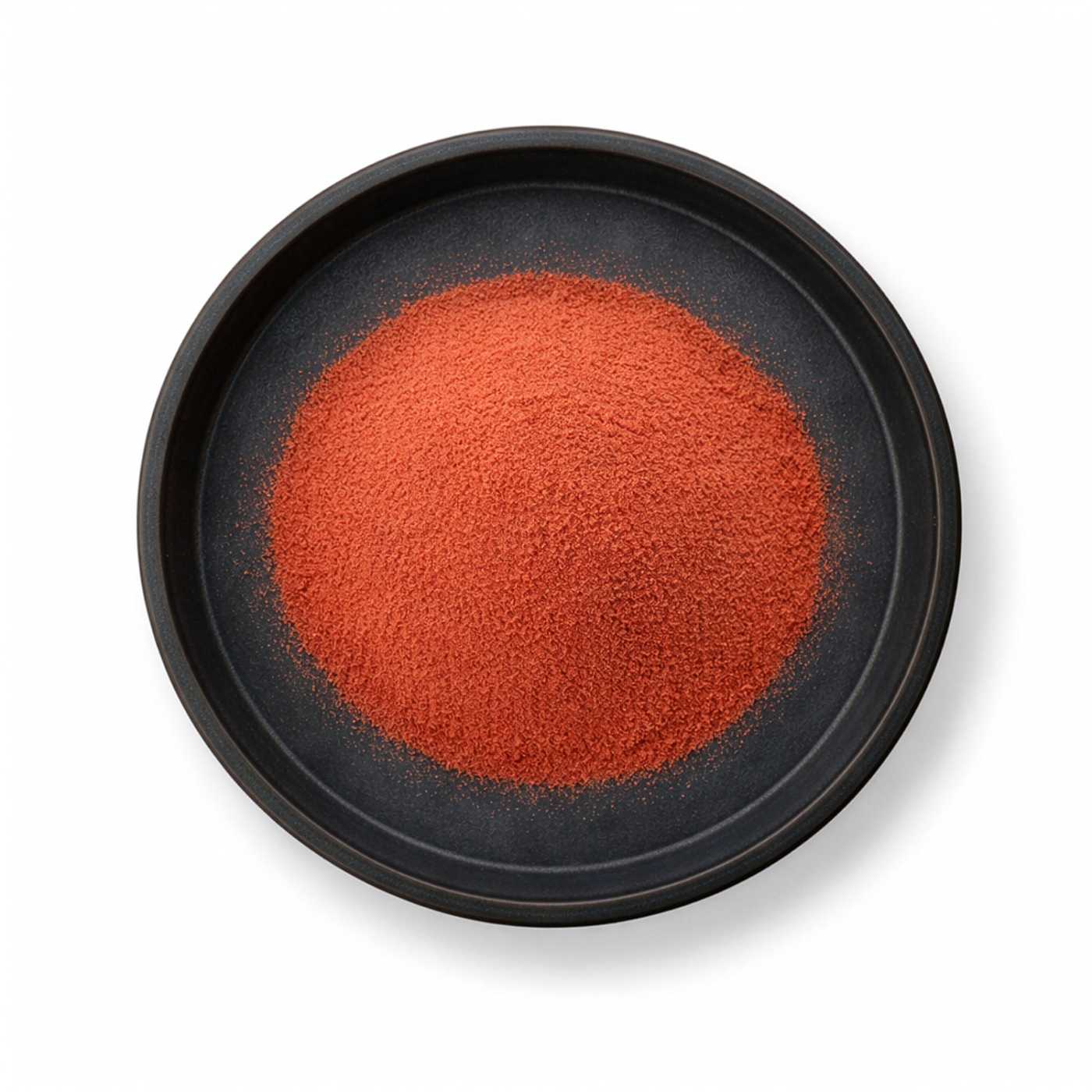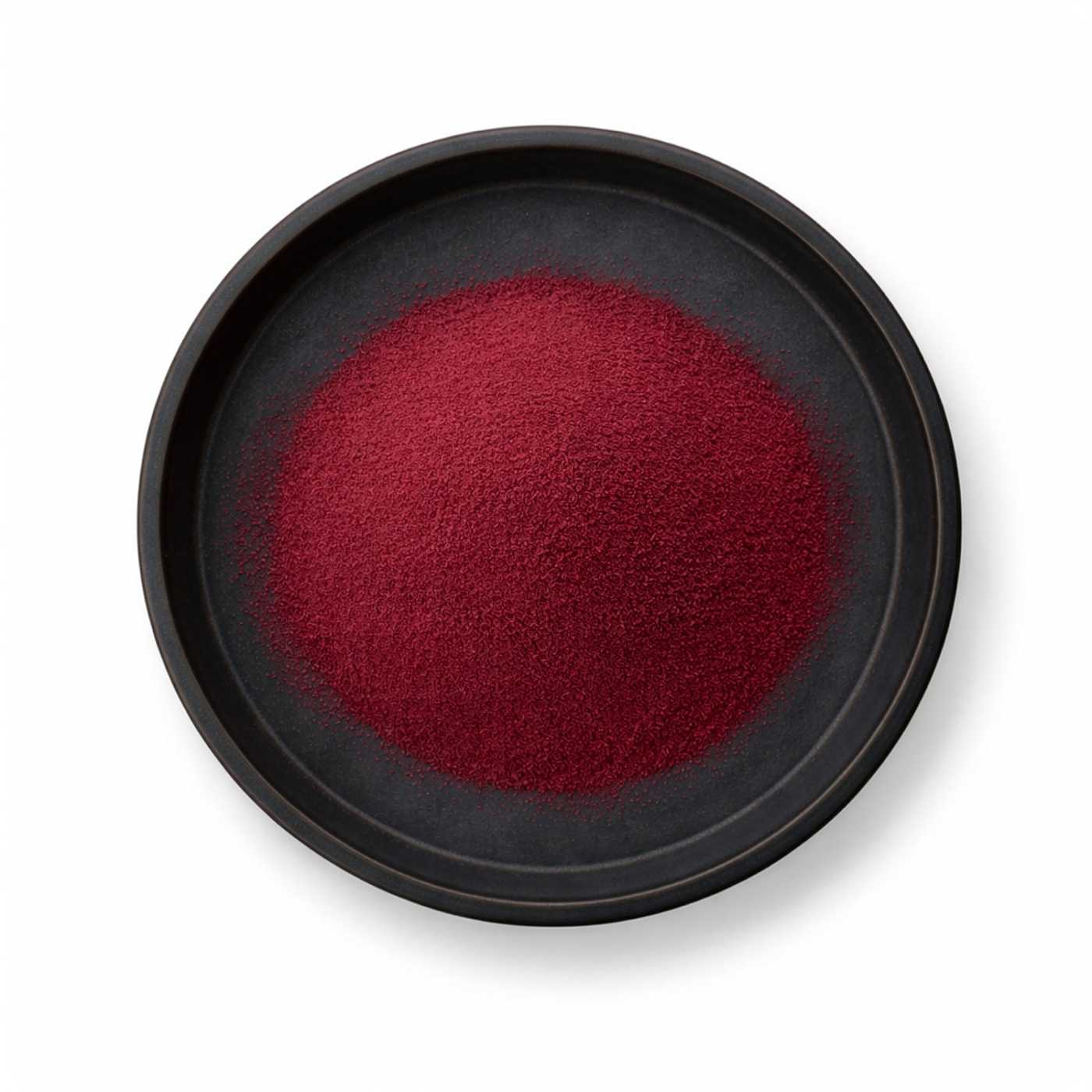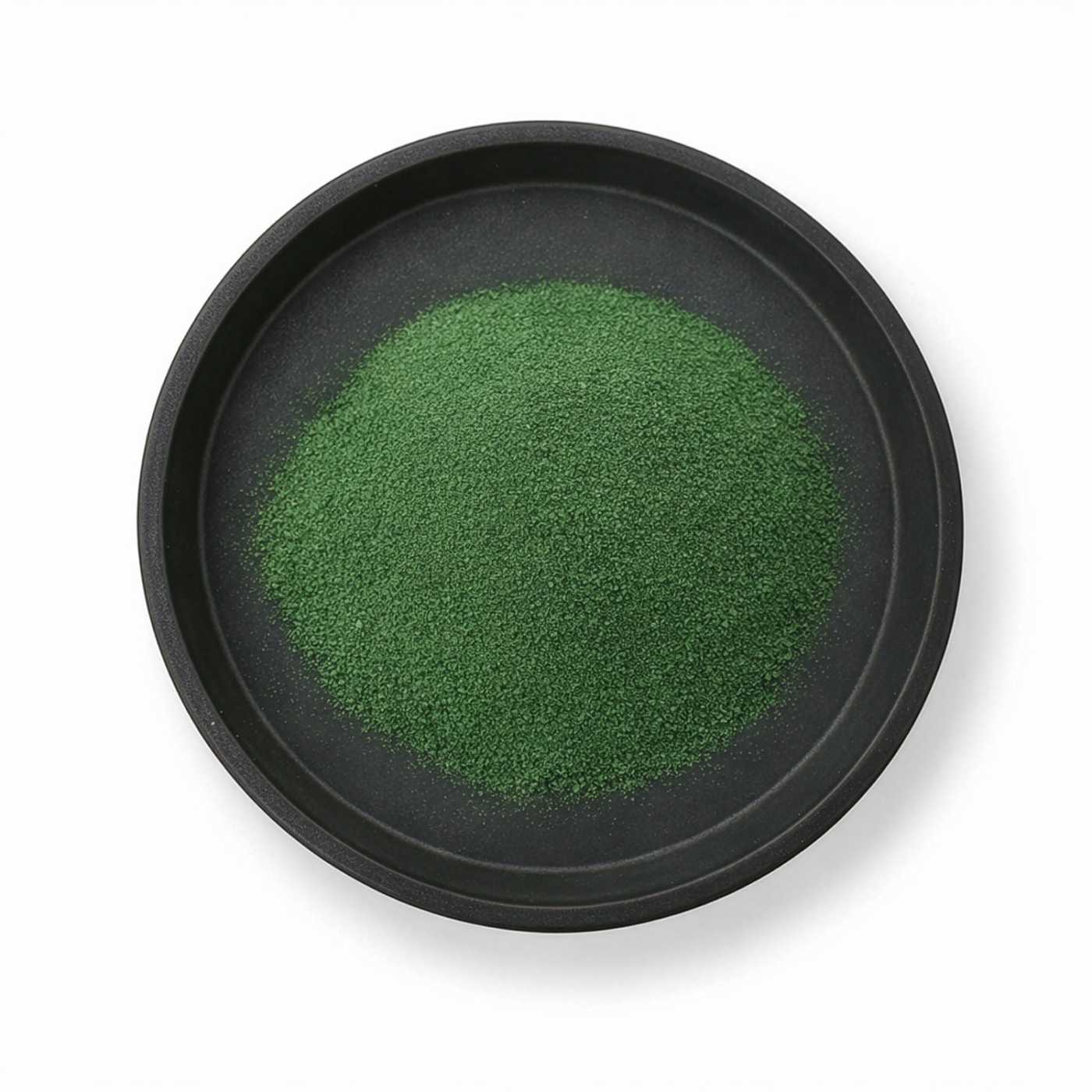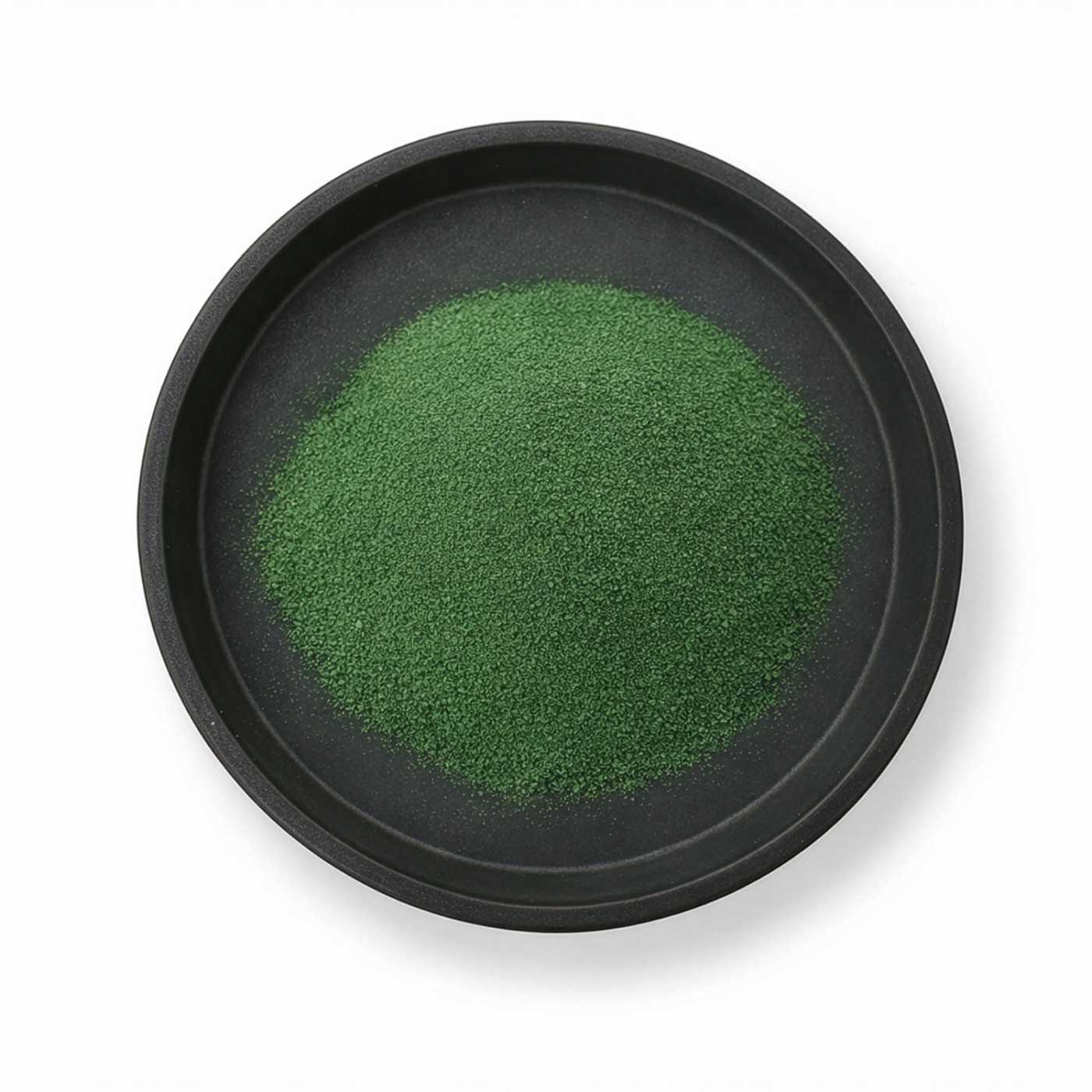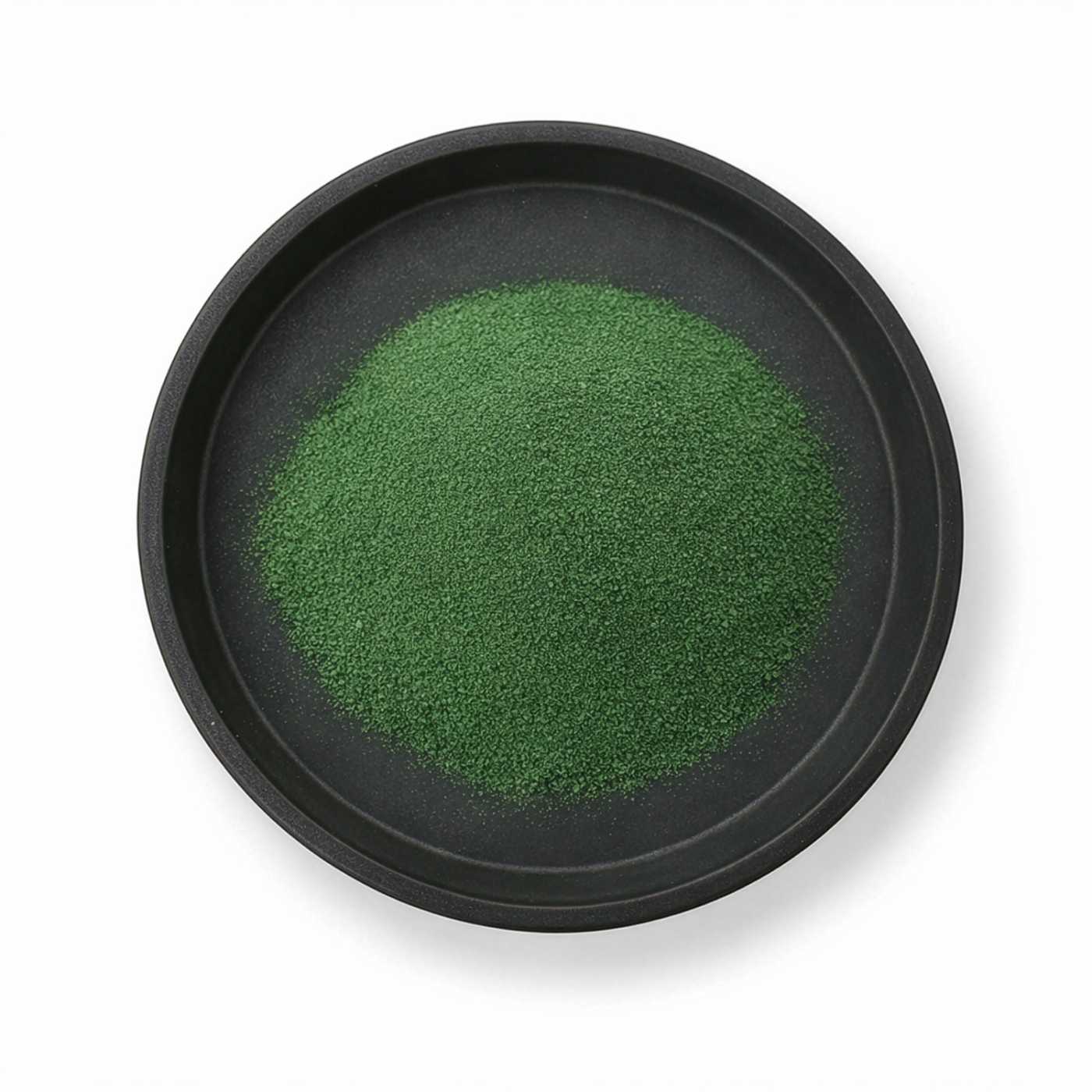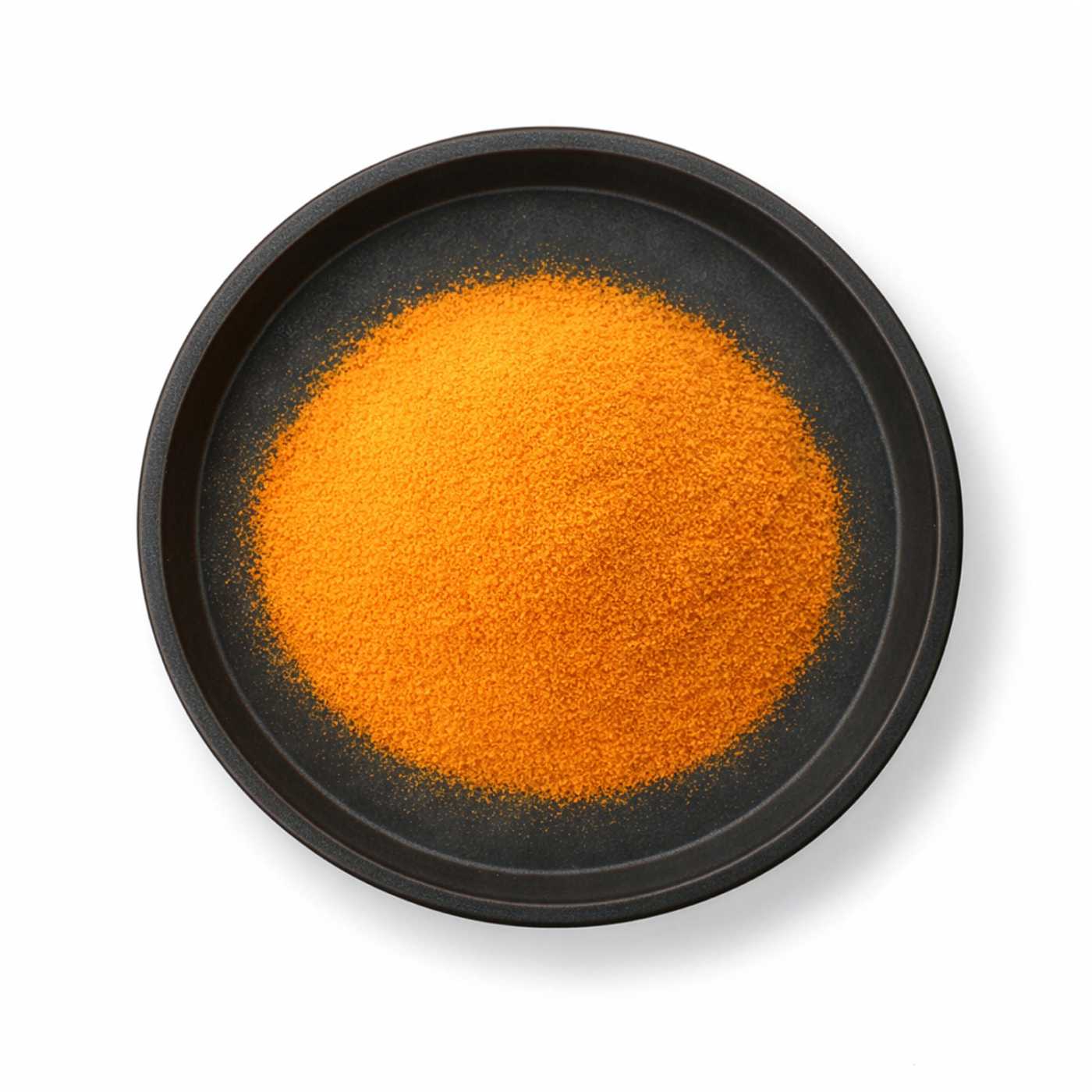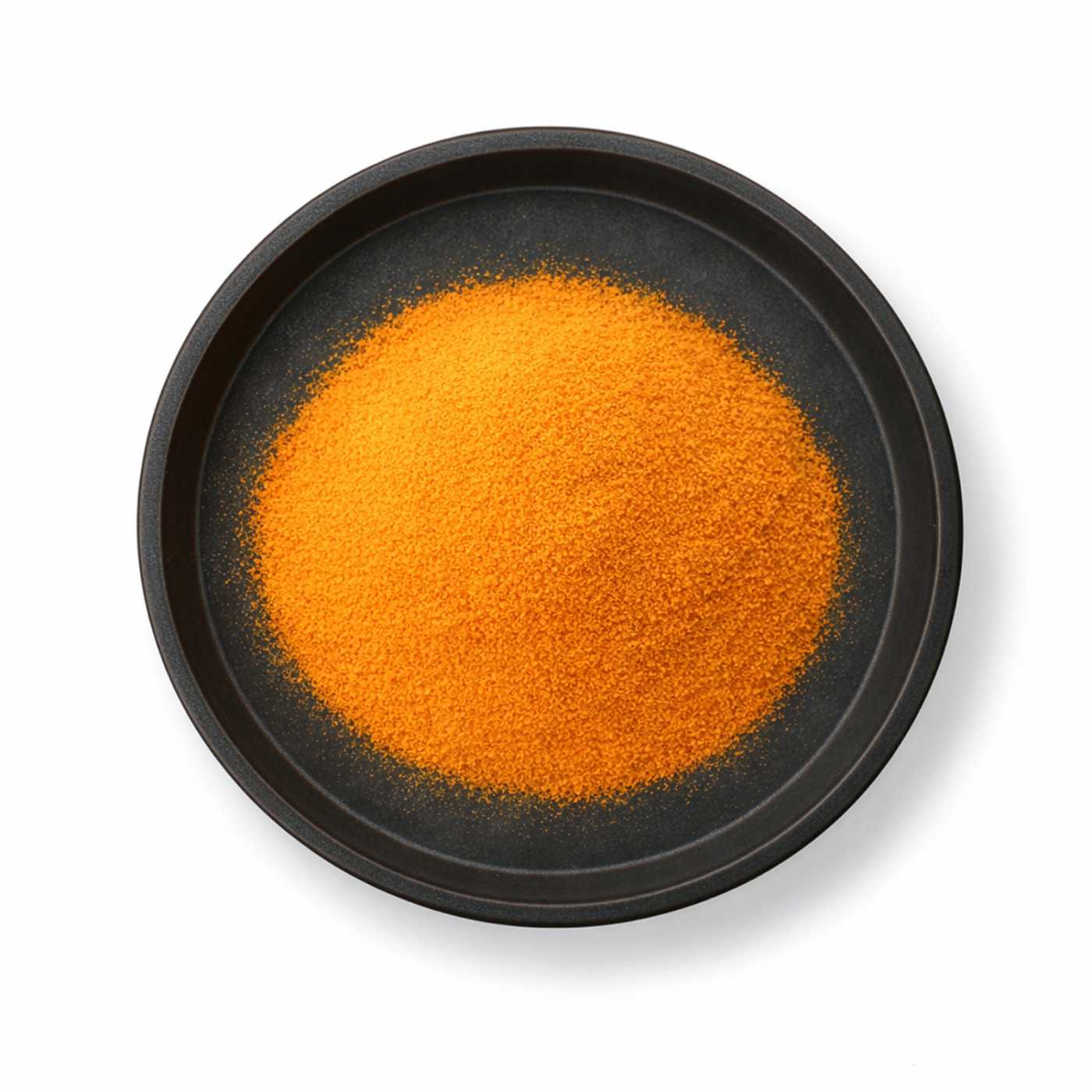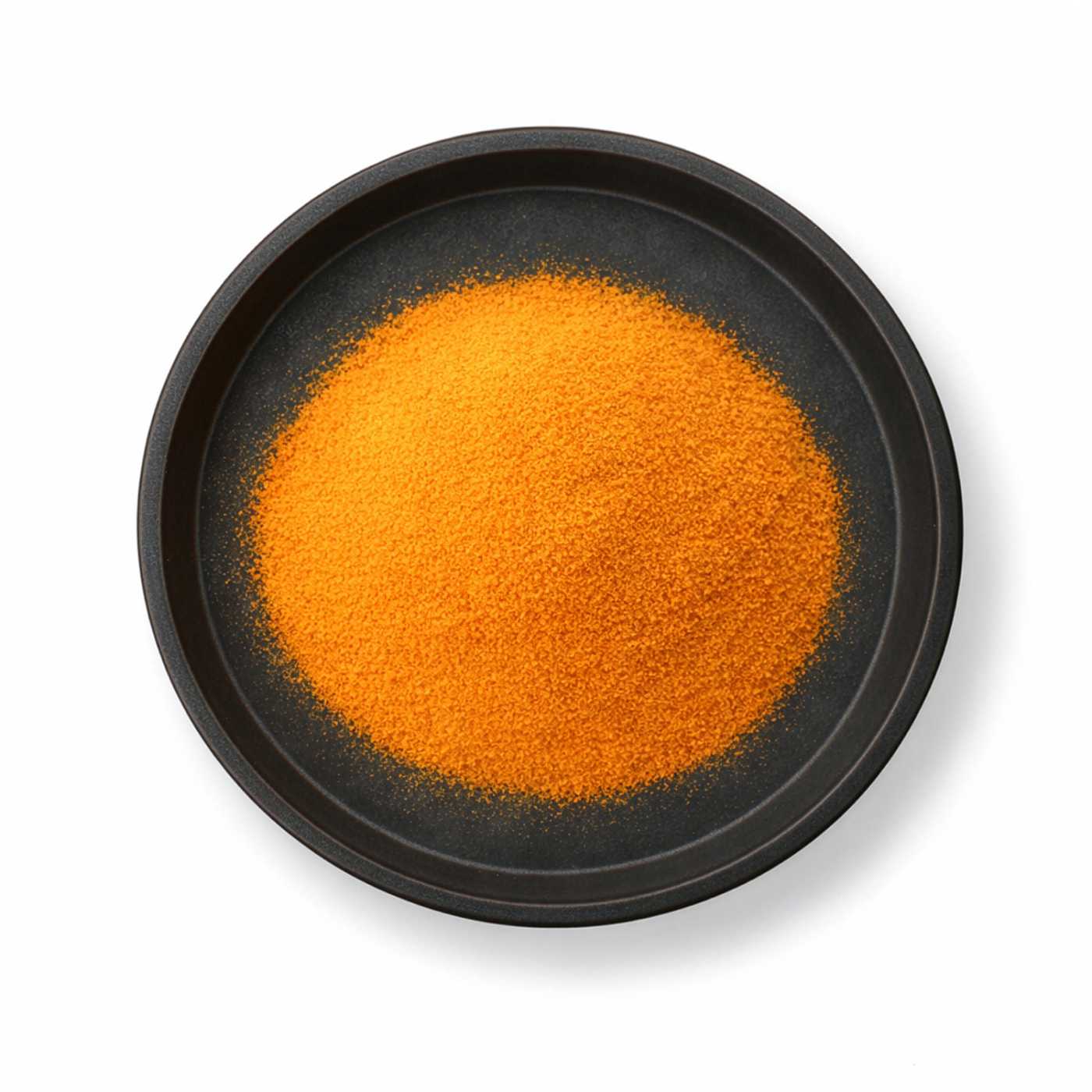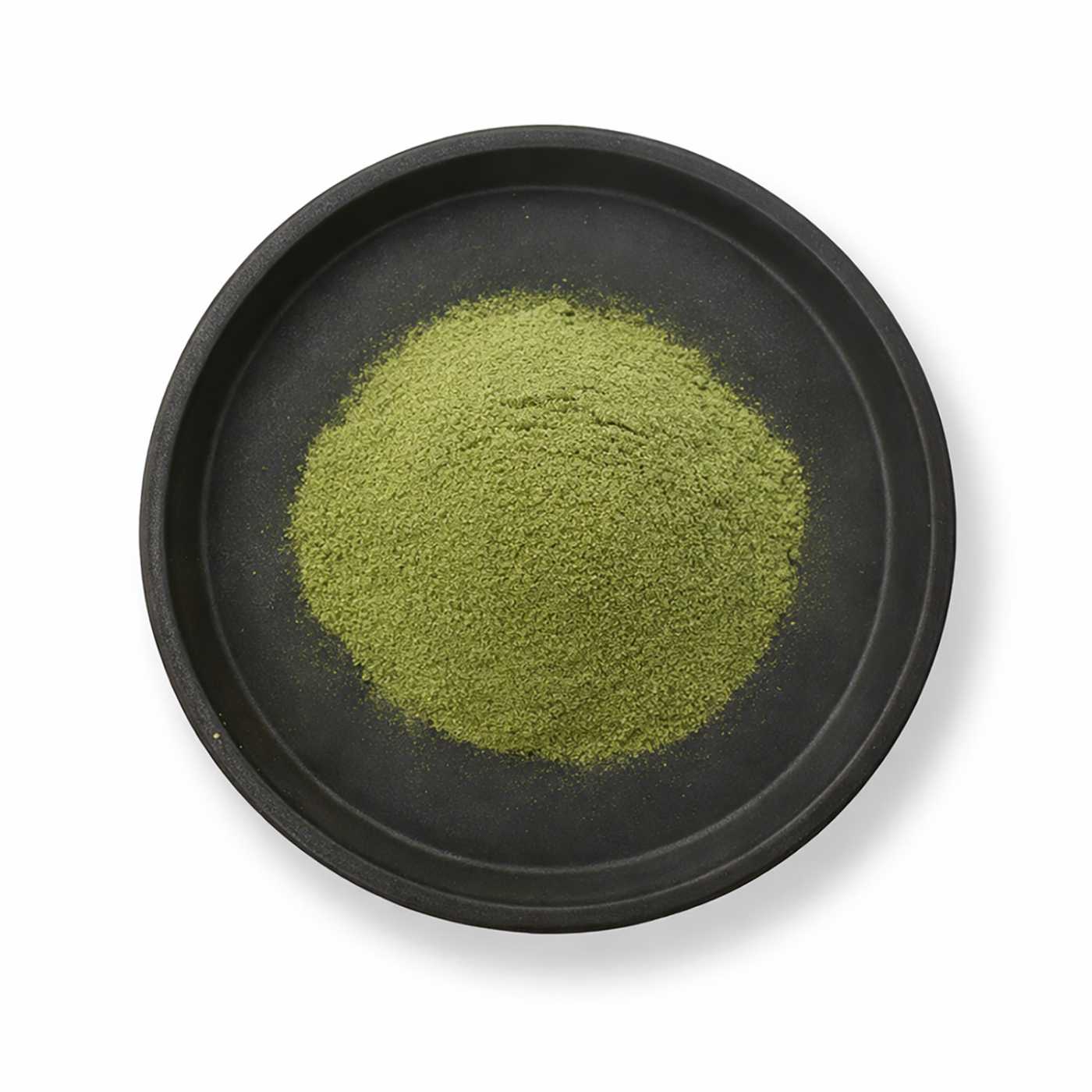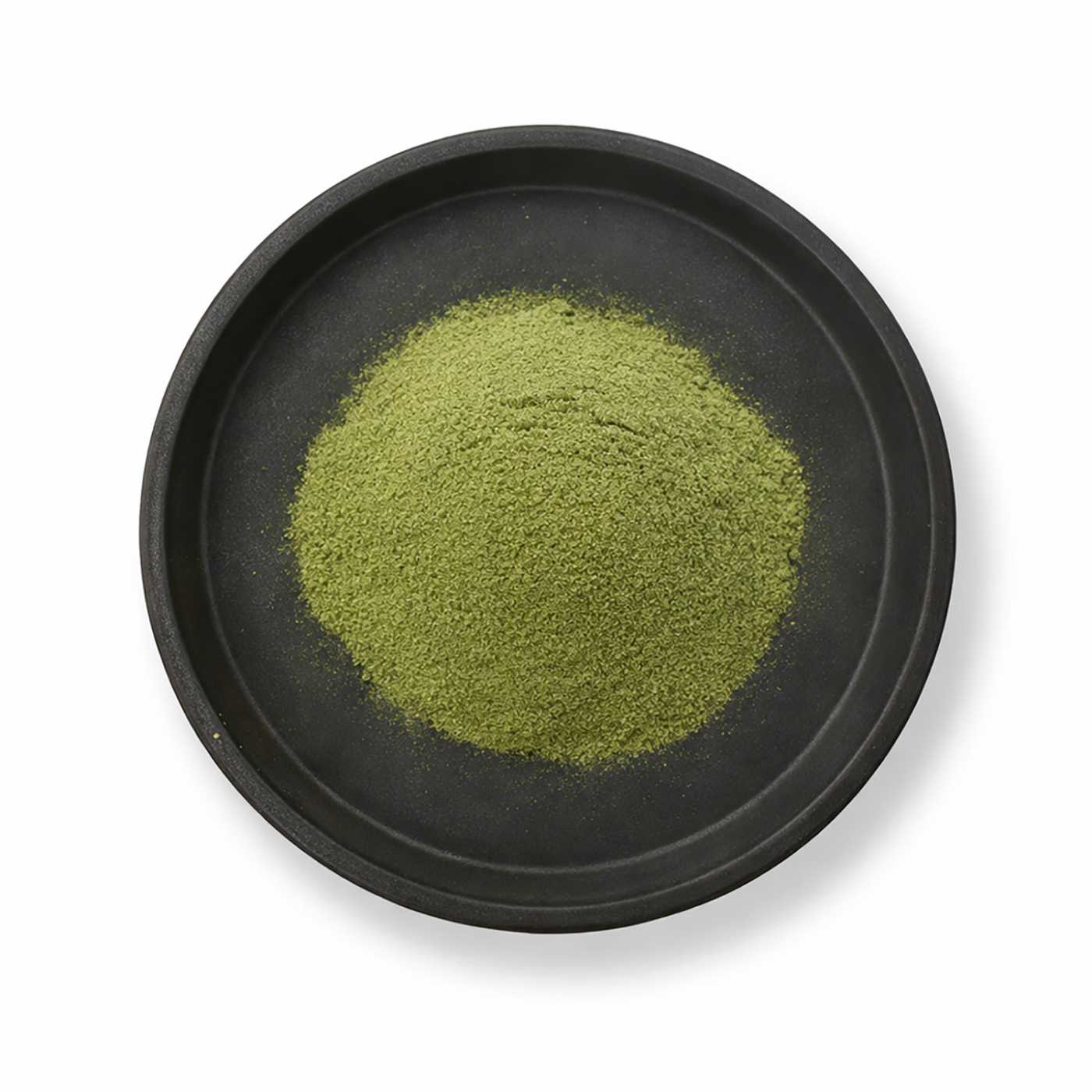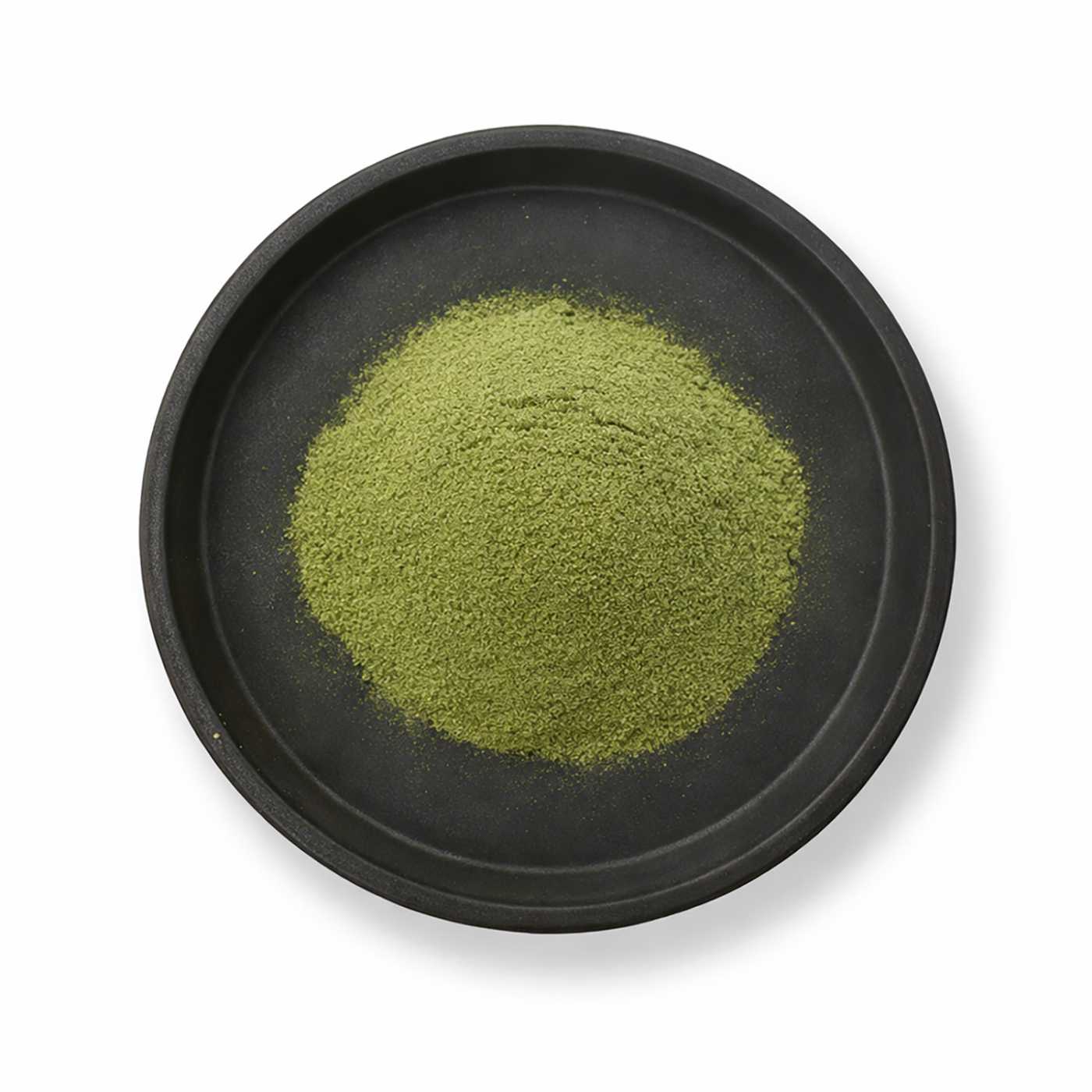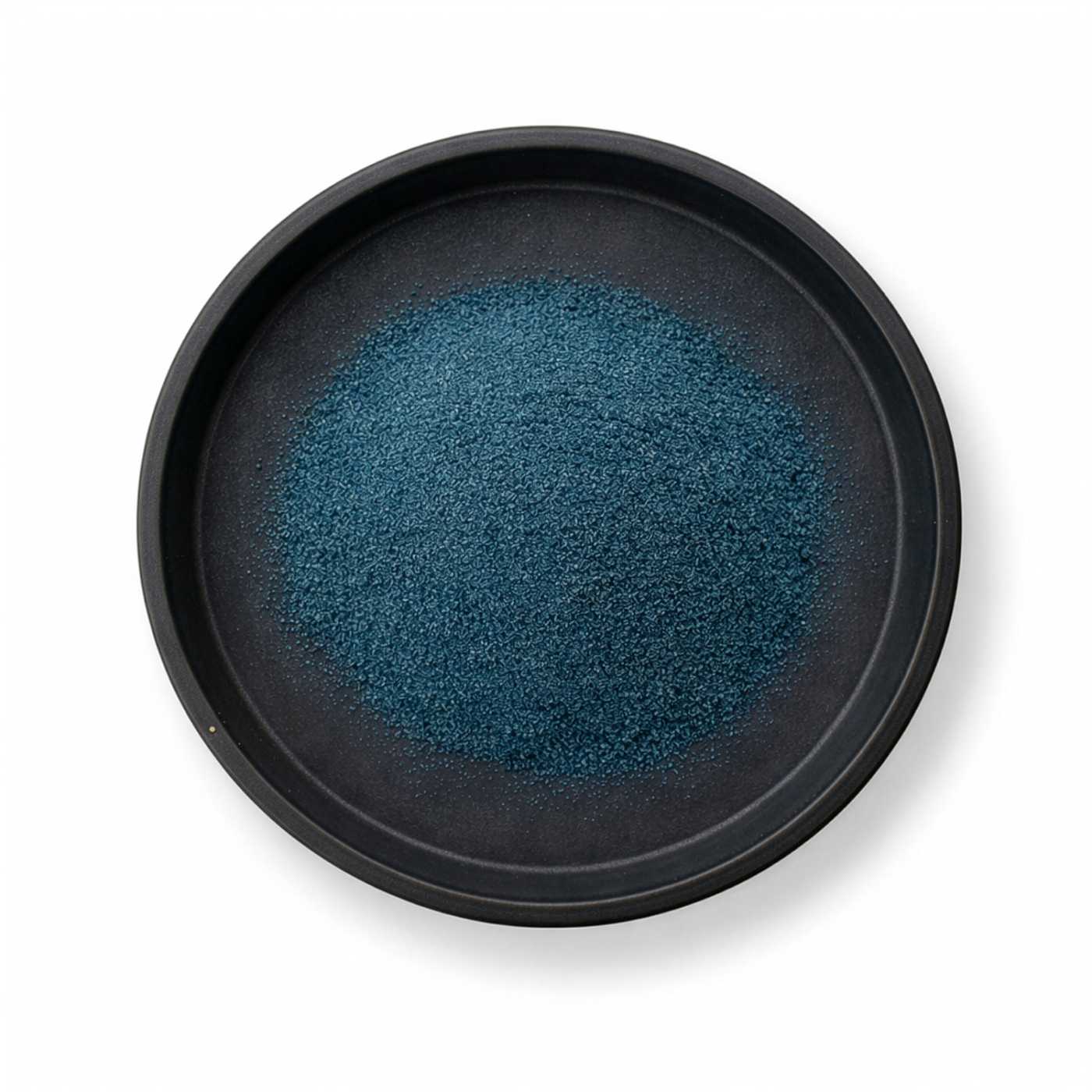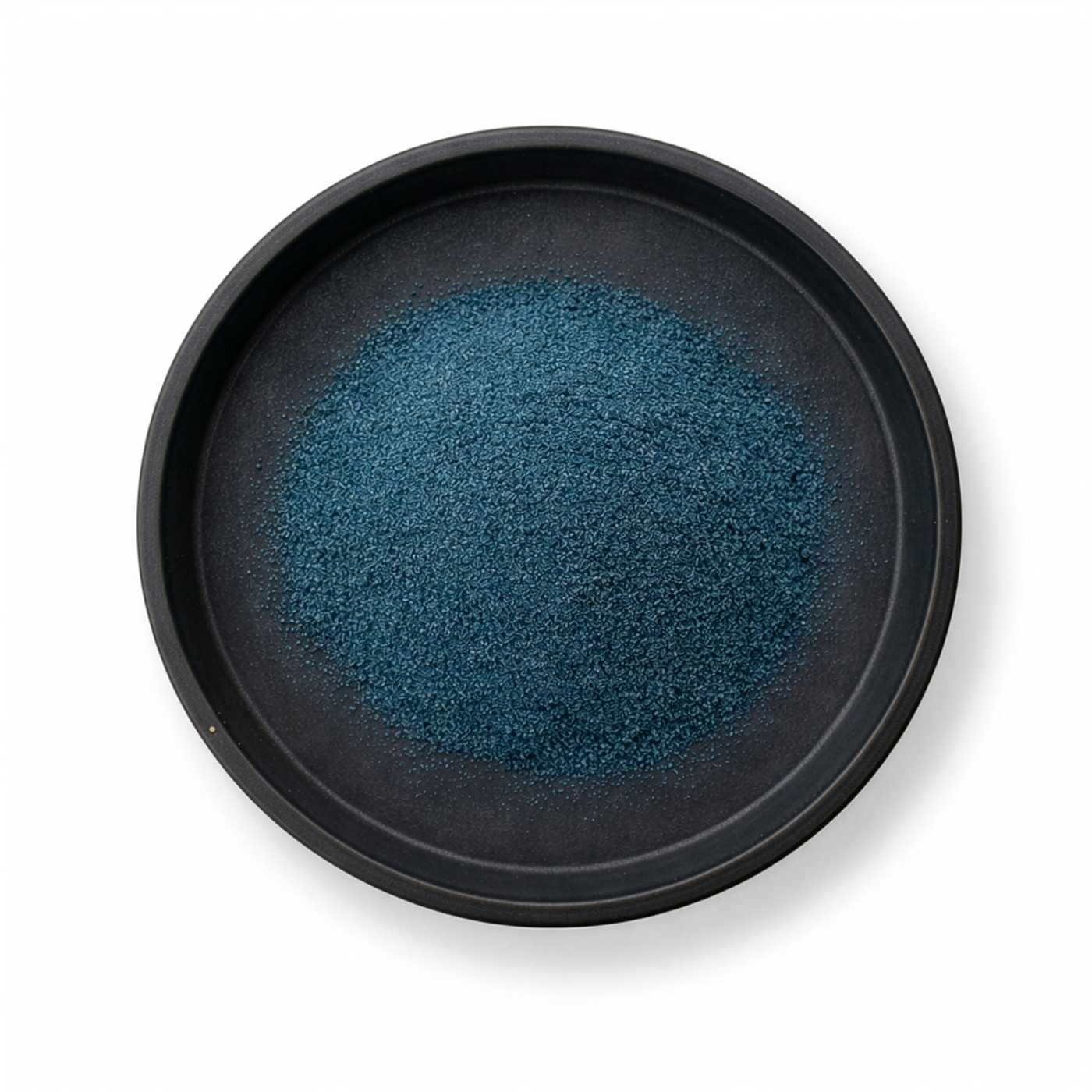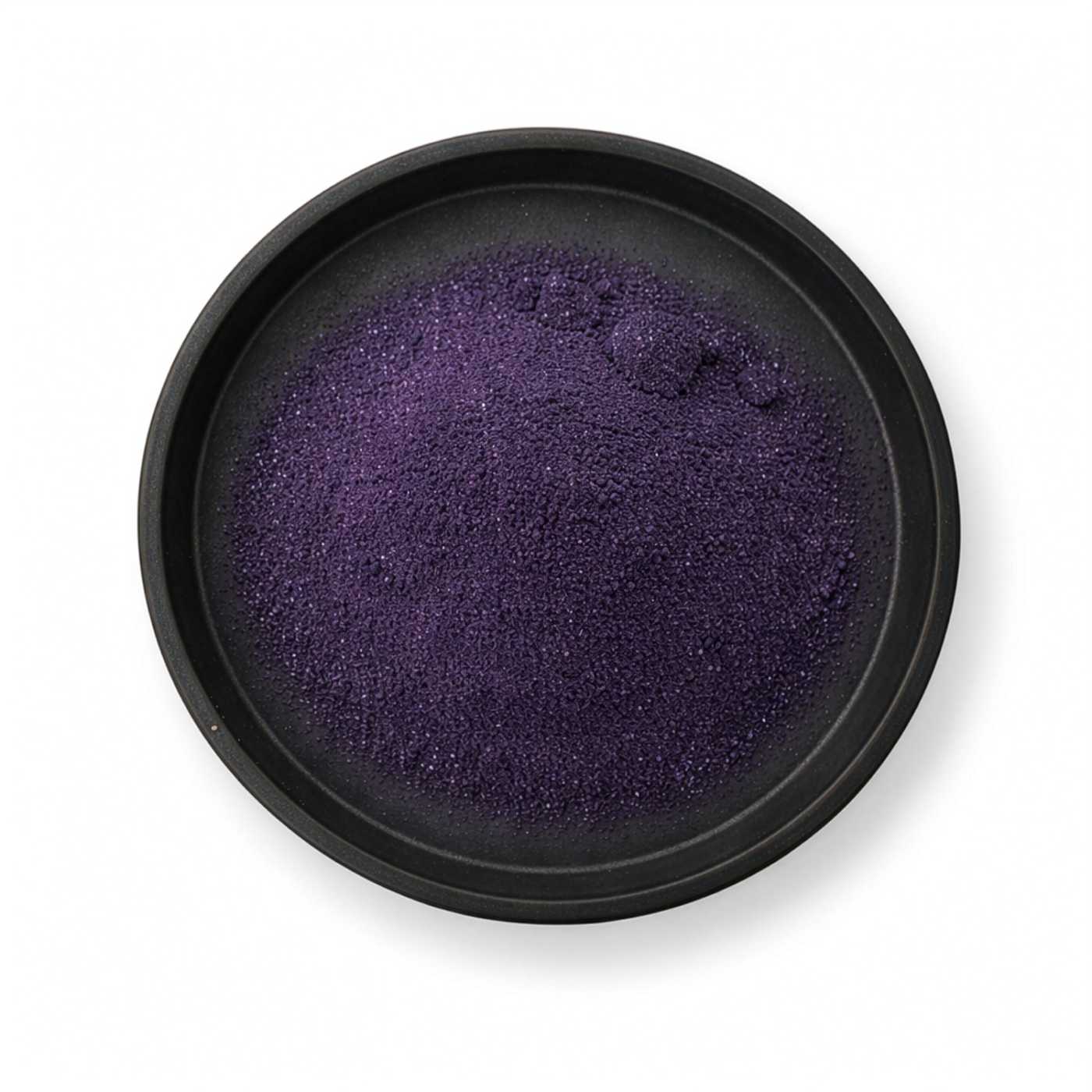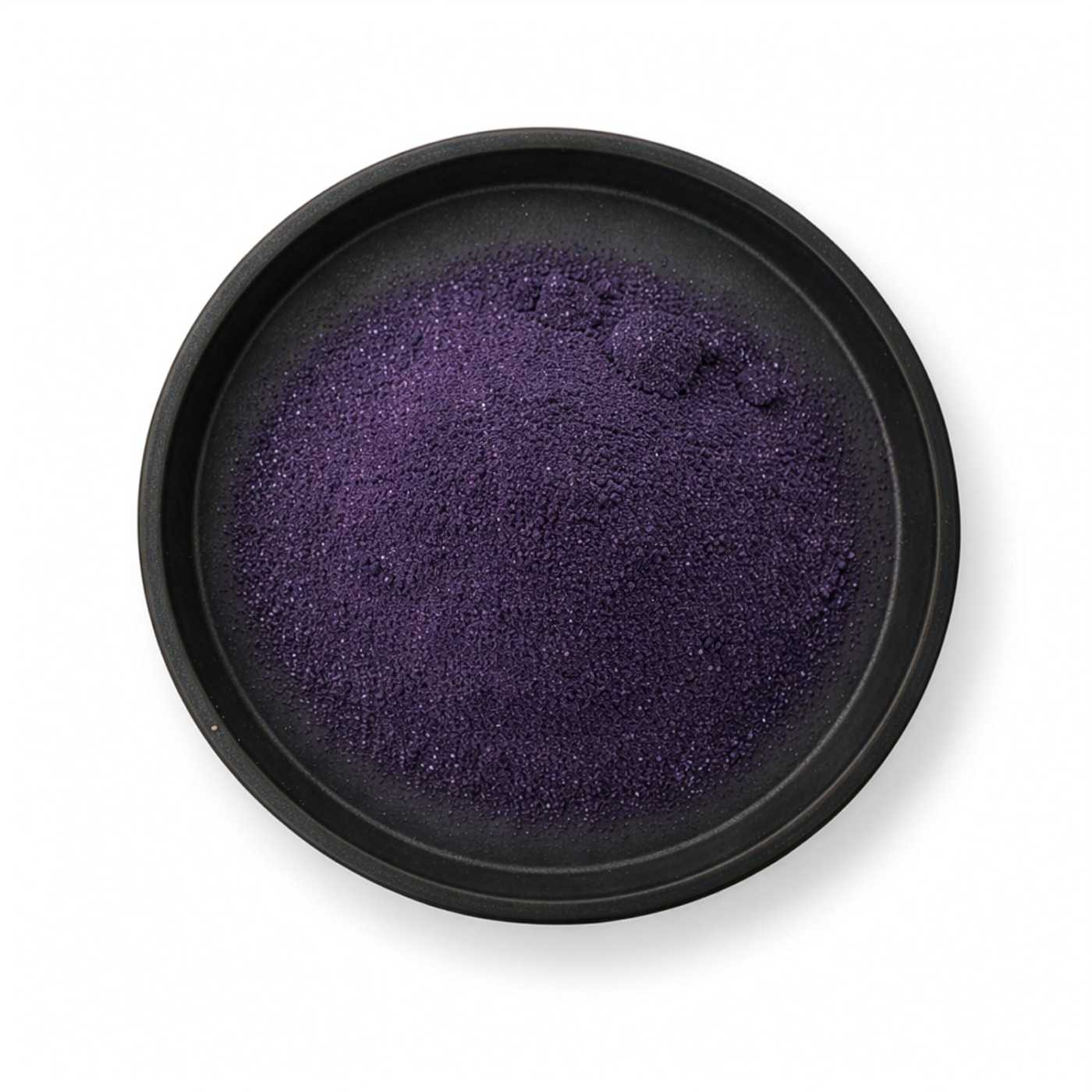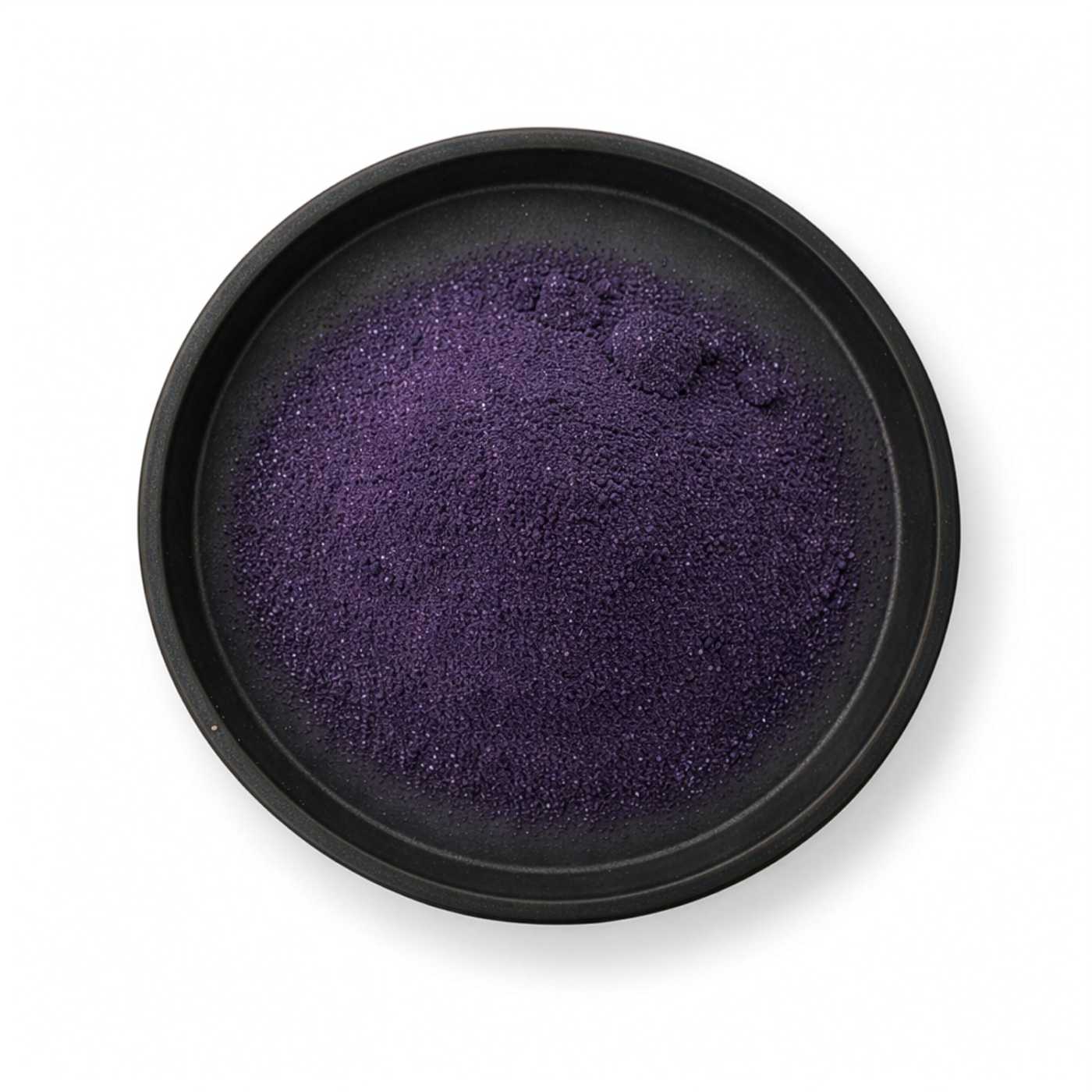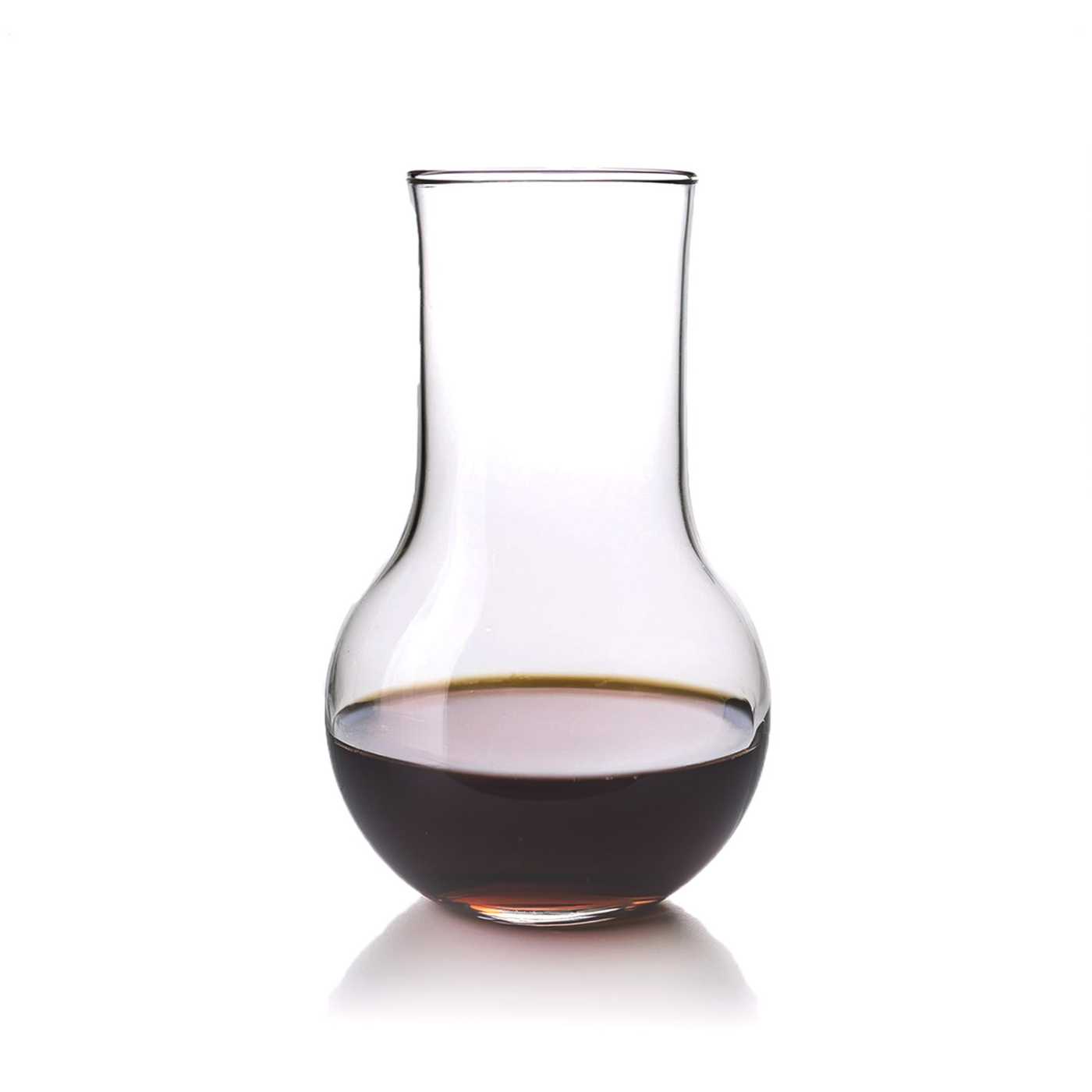
Antimicrobial Blend, 10 ml
Pre-order€5.03(€503.00/l)

932 in stock now
4.9 out of 5 · 496 ratings
Documentation for every product
1,315 products in this category
Showing 60 of 1315 products
The dyes and fragrances branch brings together 1,315 raw materials that give soaps, cosmetics and candles their colour, scent and decorative effects. It divides into seven subcategories: powder colourants (436 items), liquid dyes (115), essential oils (358), fragrance oils (291), CO₂ extracts (85), cosmetic glitters (26) and aroma compounds (4). Pack sizes run from samples to wholesale volumes — from 5 ml and 10 g up to litres and kilograms.
Powder colourants cover four families. Mica delivers a pearlescent to metallic effect, oxides matte opaque shades, duochrome pigments a shifting sheen and ultramarines intense blue and violet. Bath bomb colourants form a group of their own. Liquid dyes are pigment solutions ready for direct use: they dose precisely, blend in without dispersion and suit soap bases, shampoos, gels, bath salts and creams — choose from the Extra and Classic ranges and the Zenicolor system.
Essential oils are pure plant extracts obtained by distillation or pressing — from citrus through lavender to frankincense, in volumes from 5 ml to 500 ml and 1 l. Fragrance oils are compositions of natural and synthetic fragrance materials with a stable aroma even at higher temperatures; they divide into floral, fruit and citrus, herbal and spicy, food and drink fragrances, Christmas and luxury. Aroma compounds are highly concentrated compositions with an emphasis on intensity and temperature stability.
CO₂ extracts are produced by supercritical carbon dioxide extraction at low temperatures and without organic solvents, so they keep the plant's active substances and natural aroma and work even at small doses. Cosmetic glitters are sparkling microparticles for cosmetics — the range is built on biodegradable ECO glitters in a classic and an extra-fine fraction from the Allure range.
The raw materials are cosmetic grade; every product comes with an SDS (safety data sheet) and a certificate of analysis (COA), and fragrances, essential oils and extracts additionally carry an IFRA statement and an allergen list — the paperwork for safe formulation and correct labelling of finished products. Related raw materials live in the basic raw materials, cosmetic additives and candle making branches. For help choosing for a specific formulation, write to [email protected].
For cold process soap, powder pigments and oxides are recommended because they are heat stable. For glycerine bases and products with a water phase, liquid dyes are more convenient — they dose precisely and need no dispersion.
A CO₂ extract is a plant concentrate obtained by supercritical carbon dioxide extraction — at low temperatures and without organic solvents. Selective (CO₂-se) extracts behave much like essential oils, while total (CO₂-to) extracts also contain waxes, resins and fats. Thanks to the high concentration, a dosage of 0.1–1% is enough to enrich creams, butters or balms.
Add colourants in small increments, usually 0.1–2%, and fragrances at 1–3% depending on the desired intensity. With fragrances, follow the IFRA limits for the given product category and always run a colour and aroma stability test in the final product.
Yes, fragrance oils and aroma compounds are formulated with an emphasis on temperature stability and an even scent throw while burning. Test the fragrance load and wick size on your specific type of wax — both affect the result.
Every product comes with an SDS (safety data sheet) and a certificate of analysis (COA); fragrances, essential oils and extracts additionally carry an IFRA statement and an allergen list. The documents make it easier to assess the safety of a formulation and label the finished product correctly.