
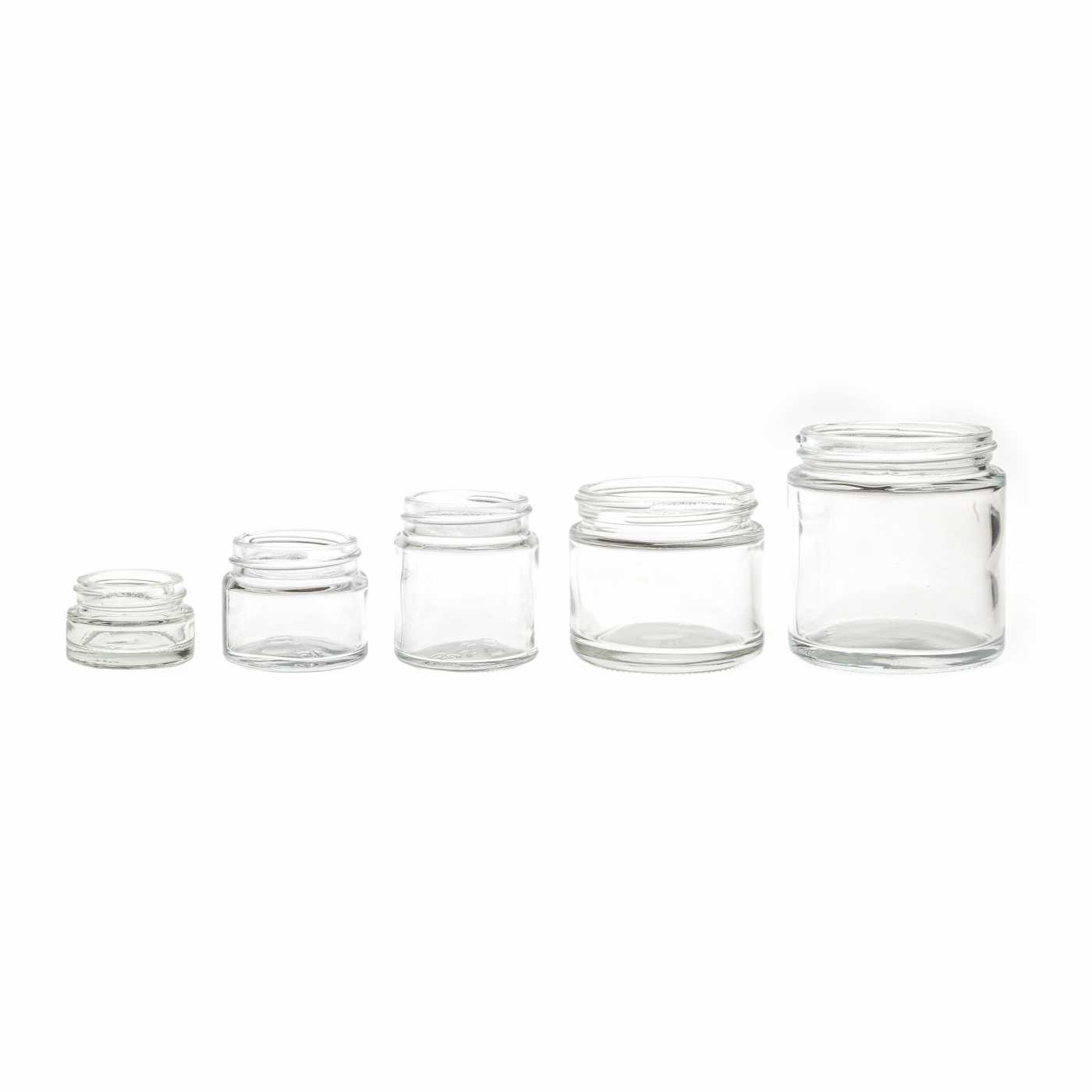
Clear Glass Jar, 100 ml, 30 pcs
Pre-order€29.39

Essential oils, 10 ml
Patchouli essential oil gives cosmetics, soaps and candles a distinctive woody fragrance that remains noticeable in the finished product even in small amounts. full description
Lowest price in the last 30 days: €6.79
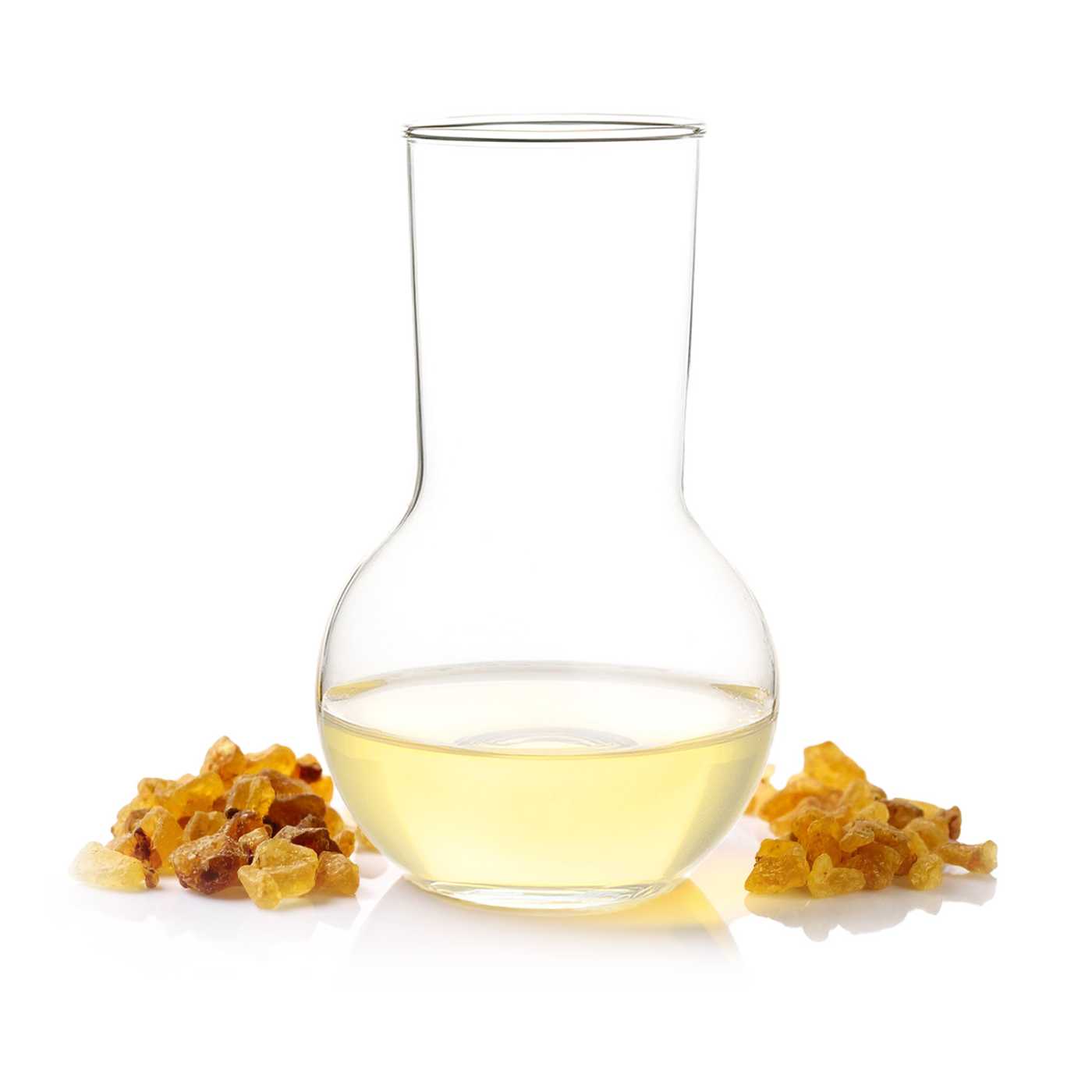
Patchouli essential oil gives cosmetics, soaps and candles a distinctive woody fragrance that remains noticeable in the finished product even in small amounts. It is obtained by steam distillation of the leaves of Pogostemon cablin and is supplied undiluted, in cosmetic quality. It is compatible with alcohol, which is why it is also used in perfumes and fragrance blends.
Beyond its scent, it also has a place in skin care. At low concentrations, it is added to preparations for oily, problem-prone and mature skin, where its antimicrobial and soothing effect is utilised. It dissolves in oils and in alcohol, not in water, and is incorporated into the formulation only after it has cooled down.
Patchouli smells woody and characteristic and makes its presence felt in a fragrance blend even at a lower proportion. When developing a recipe, therefore, start with a low dosage and add gradually. Leave the finished sample to rest for a few days and assess the scent only then.
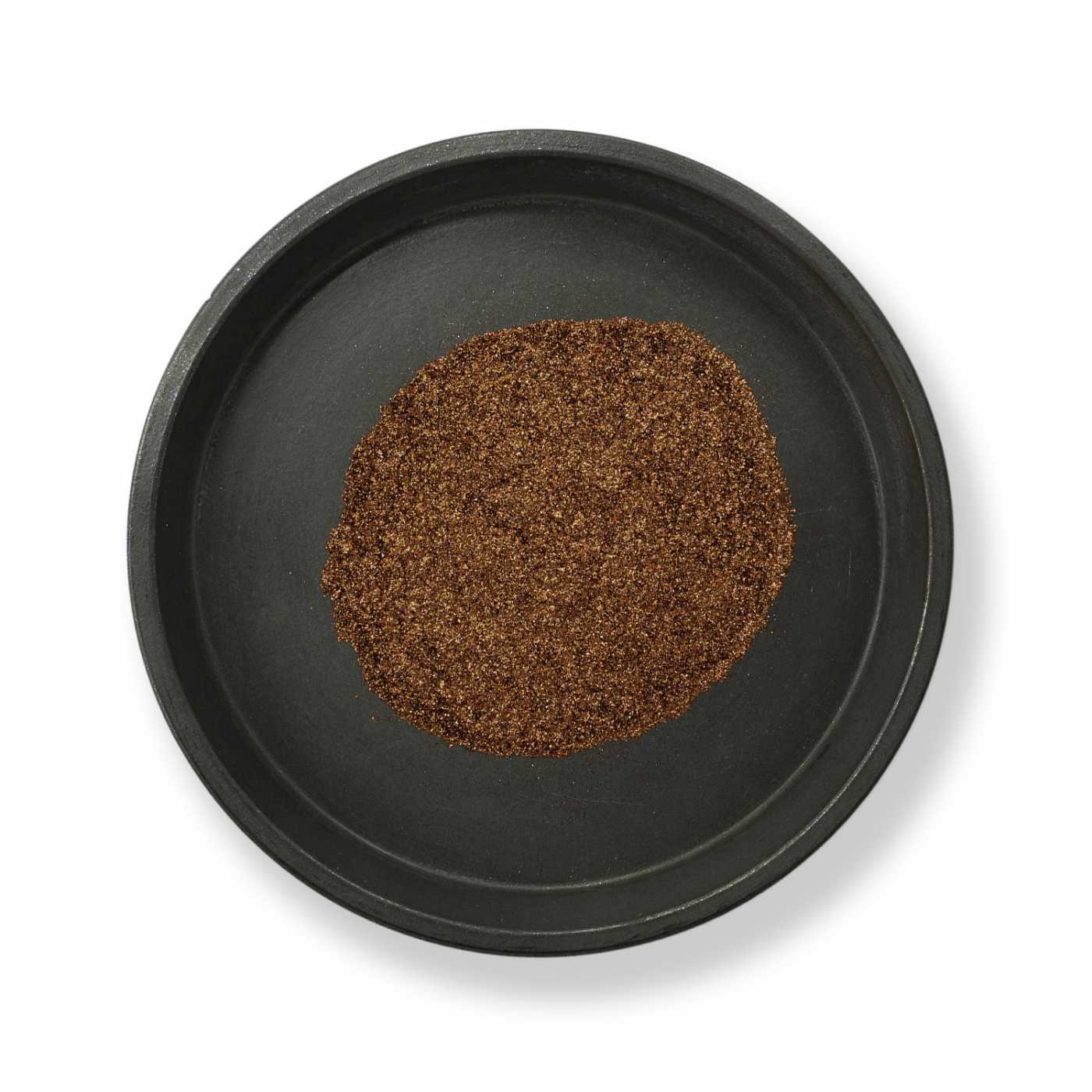
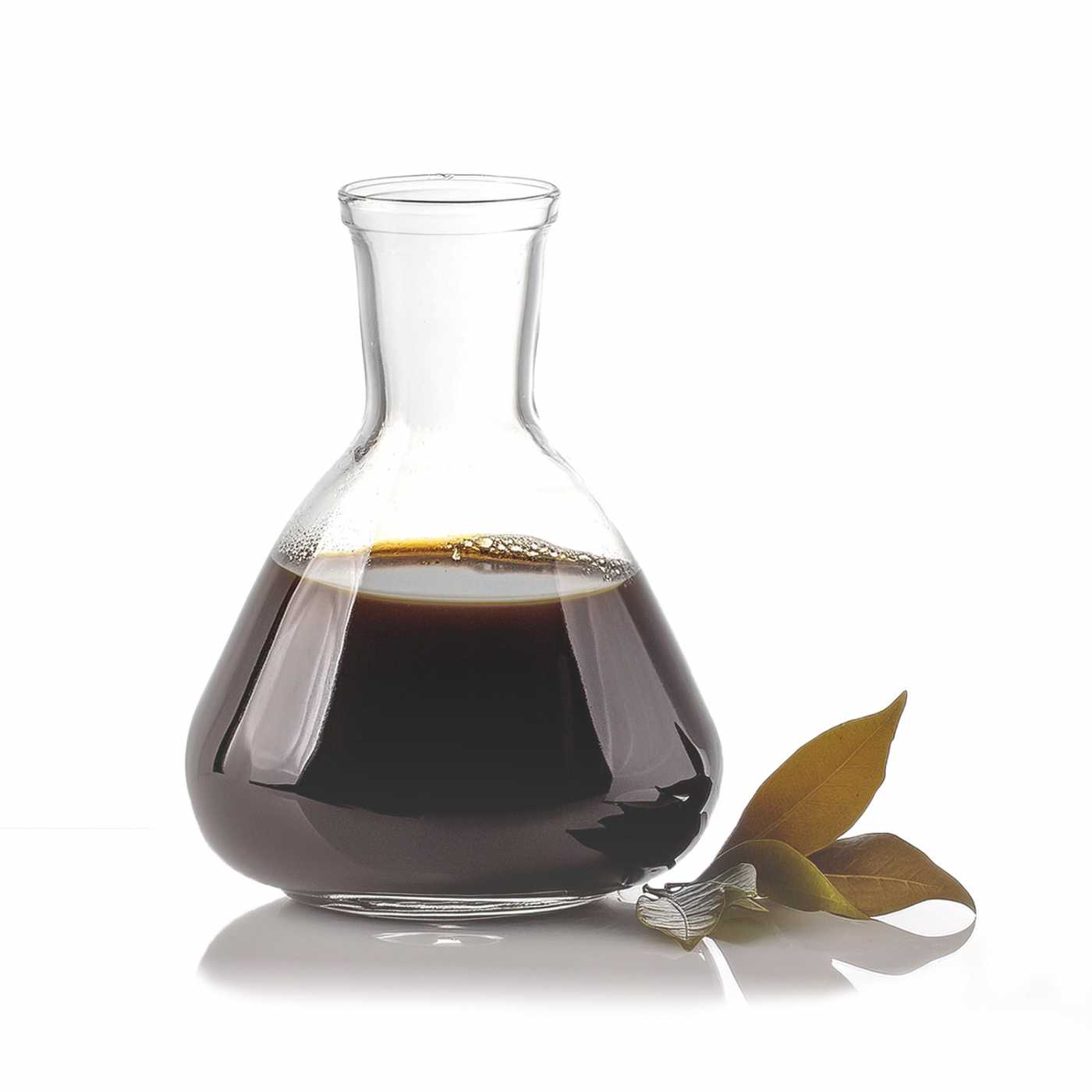
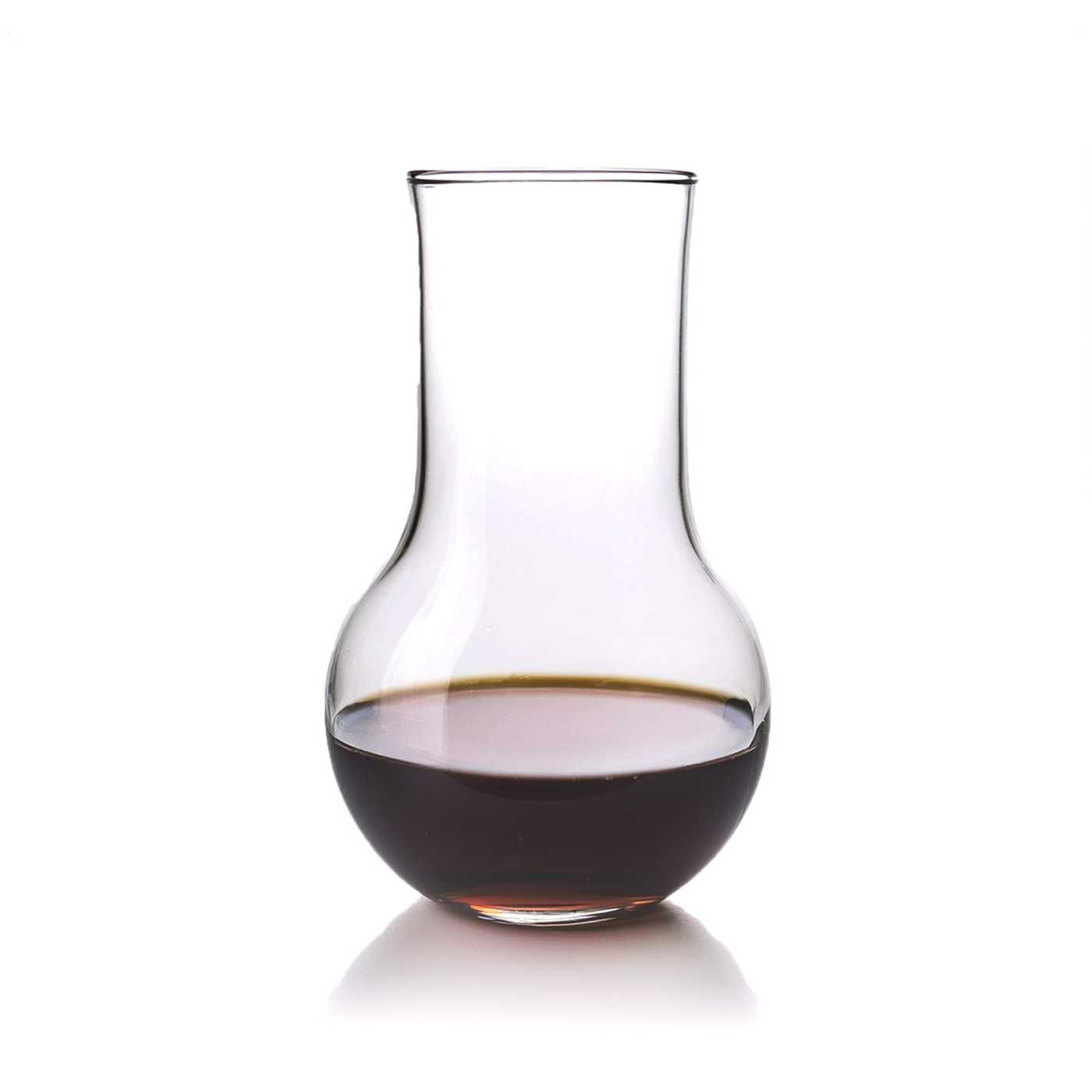
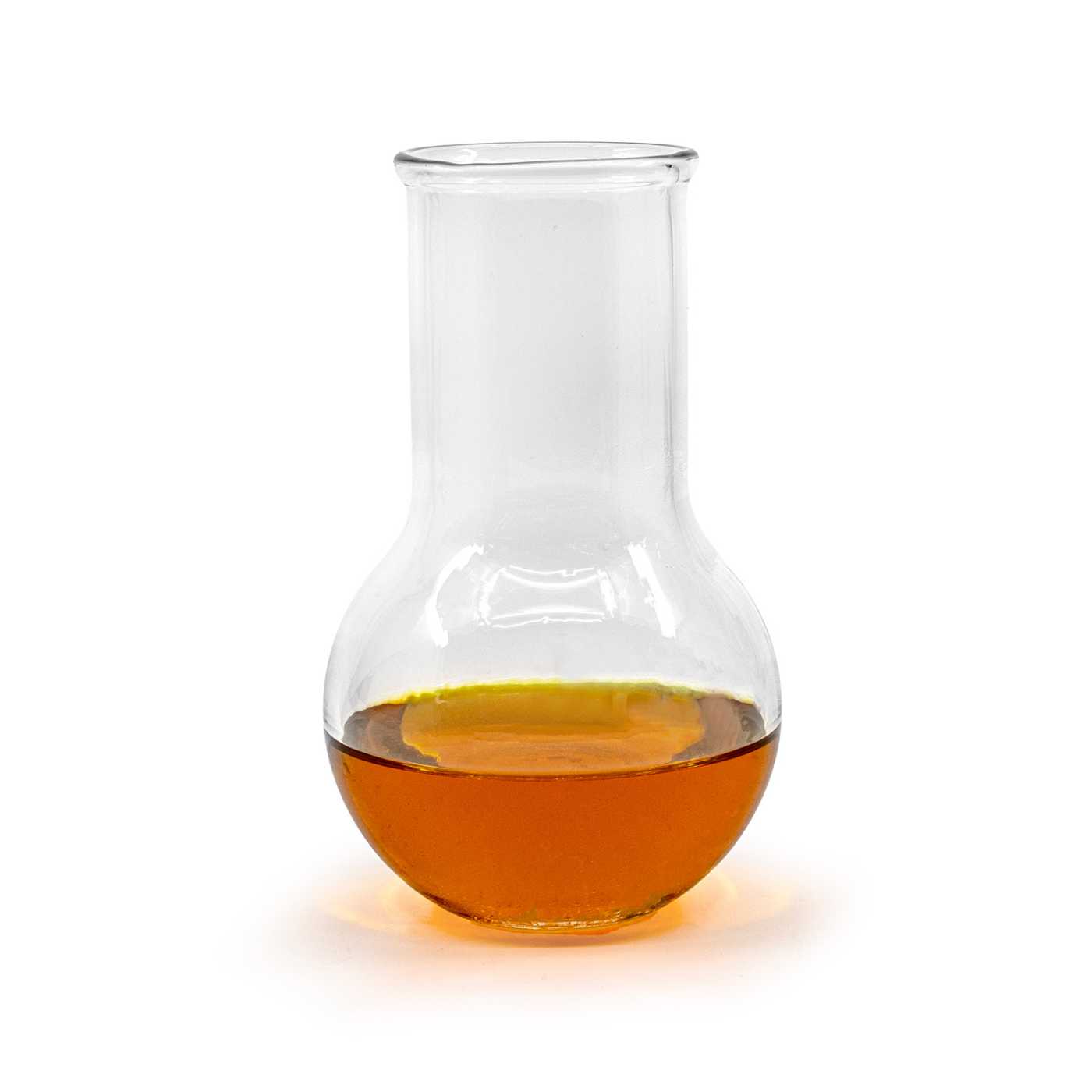
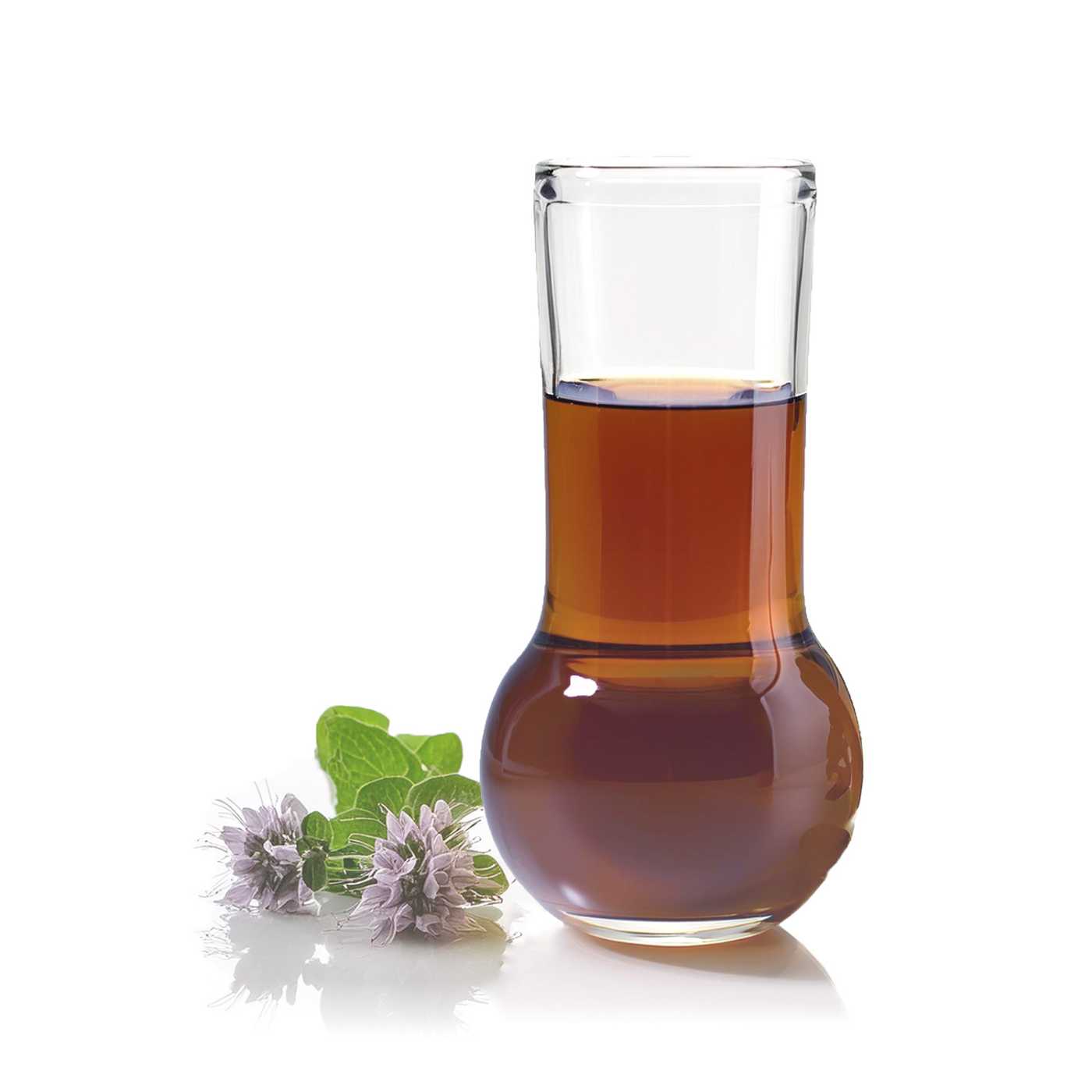
The oil itself is brown to dark reddish-brown. In light or transparent products, take this into account at higher dosages — the shade of the finished product may darken slightly.
In cosmetics, patchouli is classified among essential oils with an antimicrobial effect, which is why it is used in preparations for skin prone to acne — for example in cleansing gels, tonics or targeted oil blends. A second property is its soothing and anti-inflammatory effect, which is suitable for preparations for irritated or problem-prone skin. For mature skin, patchouli is added to oils and creams, where alongside its scent it supports the feeling of nourished skin.
All these effects are cosmetic and appear only at the correct, low dosage in the finished product. The essential oil is never applied undiluted and does not replace treatment of skin conditions.
The oil is added to the formulation at the end, at a temperature below 40 °C. In emulsions, this is the cooling phase, after the emulsion has formed and just before filling. At higher temperatures, part of the volatile components evaporate and the scent changes.
In aqueous systems such as tonics, facial mists or shower gels, it cannot be mixed in directly. It requires a solubiliser — for example Polysorbate 20 or PEG-40 Hydrogenated Castor Oil — with which the oil is first mixed and only then added to the aqueous phase. In anhydrous products — body oils, balms, bath bombs and salts — it is blended directly into the oil, butter or into the salt and carrier oil mixture.
The maximum dosage is governed by the IFRA standard and differs by product category: a different limit applies to fine fragrances, body creams, soaps or children's preparations. Before production, verify the limit for the specific type of preparation and do not exceed it.
Patchouli is commonly used in soaps, bath bombs, candles and diffusers. Before producing a larger batch, a trial batch is recommended, as fragrance intensity and colouration depend on the specific recipe.
Undiluted oil irritates skin and eyes and can be dangerous if ingested. Work with gloves, protect your eyes and do not pour leftovers down the drain — the oil is toxic to aquatic organisms.
The oil contains fragrance allergens listed in Annex III of the Cosmetics Regulation, including beta-caryophyllene. This must be accounted for when calculating the composition of the finished product, and allergens must be declared on the label once threshold values are exceeded.
The raw material is subject to CLP classification. For cosmetics, this does not change the production procedure. If you use the oil to produce candles, air fresheners or cleaning products, the classification of the finished product must be assessed separately.
Patchouli is suitable for both rinse-off and leave-on products, always within the IFRA limit for the given category.

Variant: Esenciálny olej, patchouli, 10 ml

Variant: Esenciálny olej, patchouli, 10 ml
Variant: Esenciálny olej, patchouli, 10 ml