Peruvian balsam 10 ml
Pre-order€5.39(€539.00/l)

Essential oils, 100 ml
Pack size10 ml100 ml500 ml1 l5 l
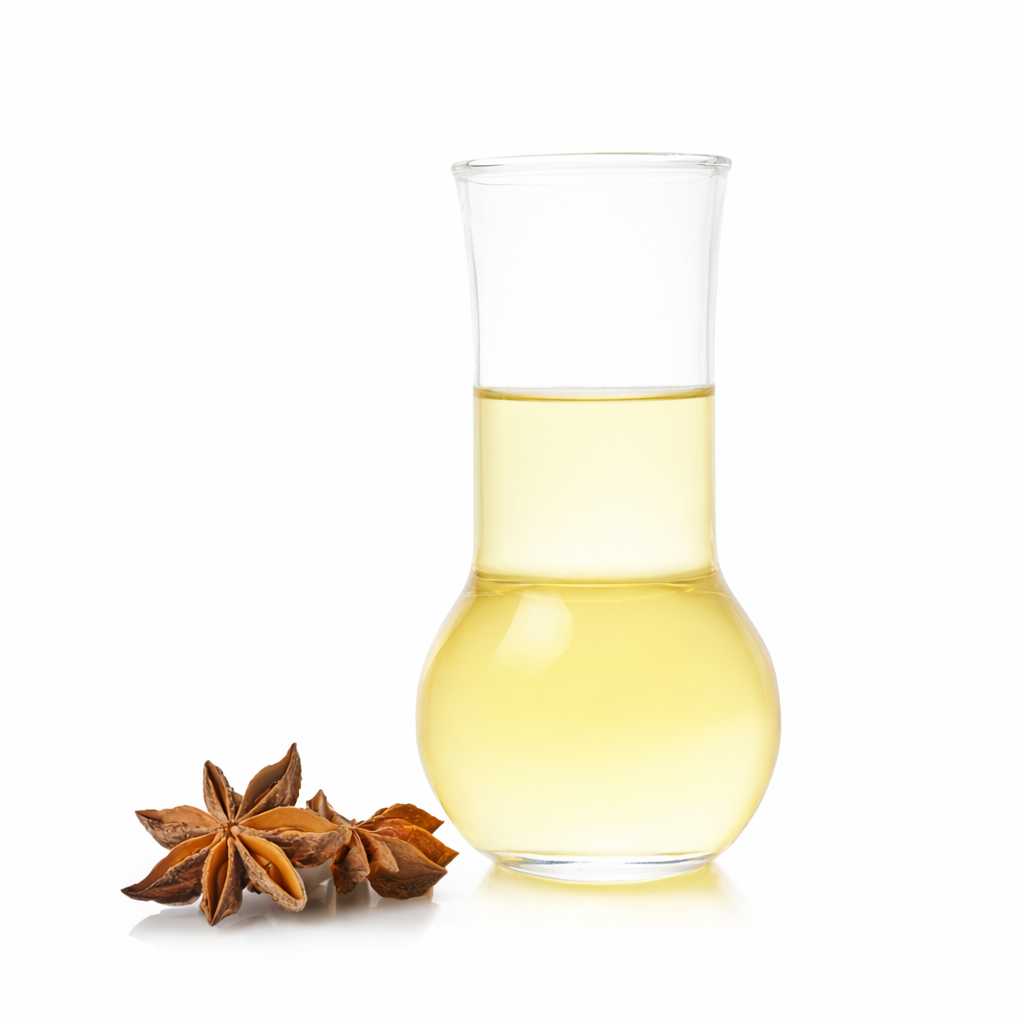
Star anise essential oil is obtained by steam distillation of the fruits of Chinese star anise (Illicium verum), a tree of Asian origin whose star-shaped fruits you will know from the kitchen. full description
Lowest price in the last 30 days: €14.69
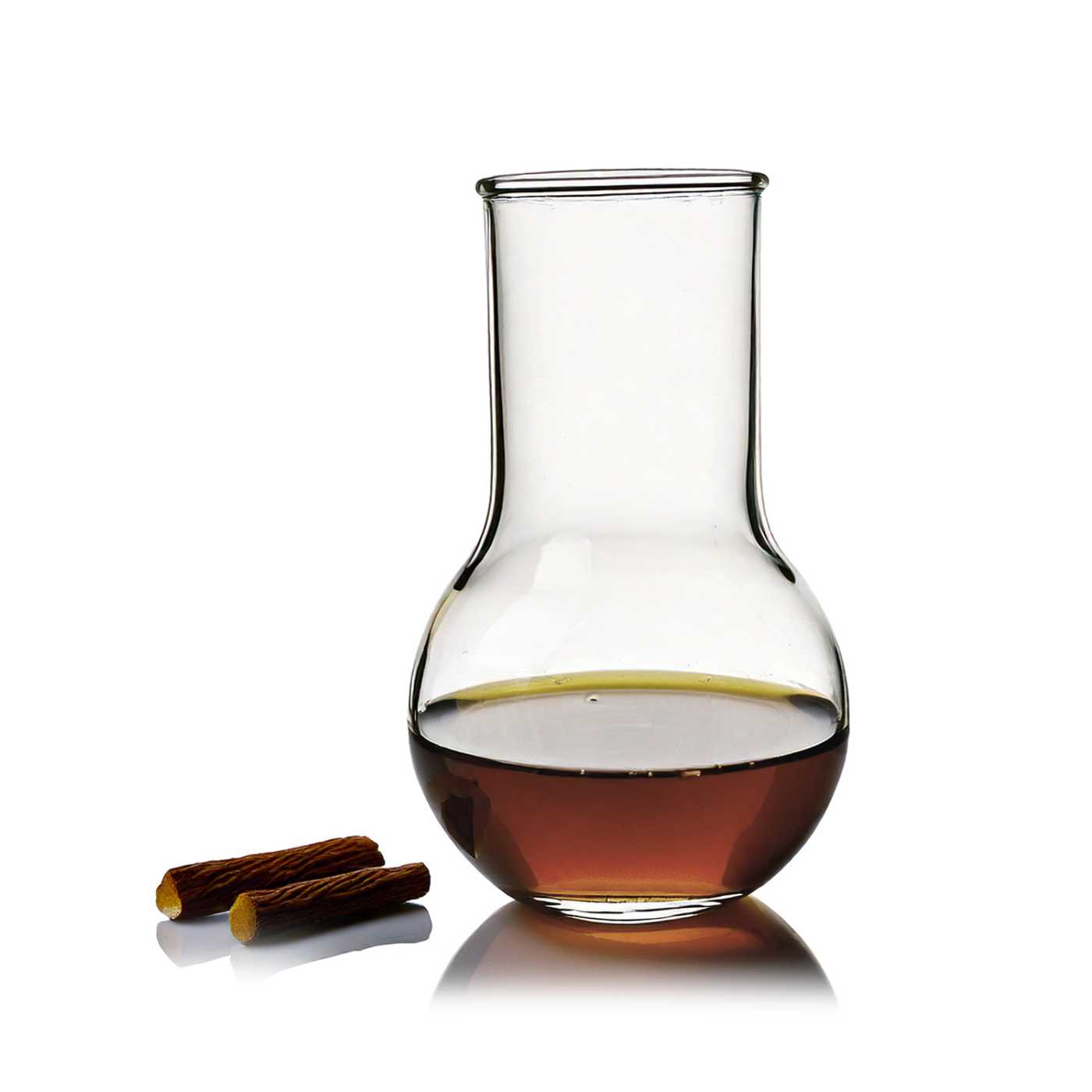
Star anise essential oil is obtained by steam distillation of the fruits of Chinese star anise (Illicium verum), a tree of Asian origin whose star-shaped fruits you will know from the kitchen. In a formulation it serves two purposes. It is a fragrance component with a sweet, spicy scent reminiscent of liquorice, and at the same time an active ingredient which the manufacturer states has a warming and soothing effect on the skin. It is most often added to massage oils, body products, soaps, bath salts and bath bombs, candles and diffusers.
According to the manufacturer, the sweet scent of star anise creates a pleasant, relaxing atmosphere, so the oil suits aromatherapy and products intended for relaxation. It can be used in both rinse-off and leave-on products, and the amount in each is determined by the IFRA limit for the given category.
The oil is added to the oil phase or, in emulsions and ointment bases, only in the cooling phase. The recommended processing temperature is below 40 °C, as the oil is a mixture of volatile components. It is worked into finished oils, serums and balms afterwards, by thorough mixing. In water-based systems (toners, sprays, bath waters) a solubiliser is needed, because the oil is insoluble in water and will separate without it.
There is no single universal usage rate. The highest permitted amount in the finished product is determined by the IFRA limit for the given product category (for example, category 1 covers lip products, category 5A body creams and oils, and category 9 soaps and shampoos). You can find the limits for all categories in the IFRA certificate in the Product documentation section, and you should check the value before you put together your recipe.
The oil dissolves well in alcohol, so it is also suitable for alcohol-based perfumes and room fragrances. It can be combined with other fragrance components without restriction. For candles, IFRA category 12 applies.
The oil is classified under the CLP Regulation and contains one or more fragrance allergens listed in Annex III of the Cosmetics Regulation. Detailed information on classification and safe handling is given in the safety data sheet (SDS) in the product documentation.
The oil carries the GHS07 (irritant, sensitisation) and GHS08 (serious long-term health hazards) pictograms. Do not apply undiluted essential oil to the skin. When working with it, follow the SDS and keep the usage rate within the IFRA limits for the given category.
The oil is colourless to yellow. For light-coloured creams and soaps with a higher proportion of oil, it is advisable to check the colour on a test sample. For cold process soap, we recommend testing how it behaves in the soap batter on a small batch first.
Star anise is often confused with anise (Pimpinella anisum). Both plants have a similar liquorice scent, but they are two different species and two different essential oils. This oil is distilled from star anise fruits and is listed in the ingredients as Illicium Verum Fruit Oil.
Only customers with a delivered order can write reviews.