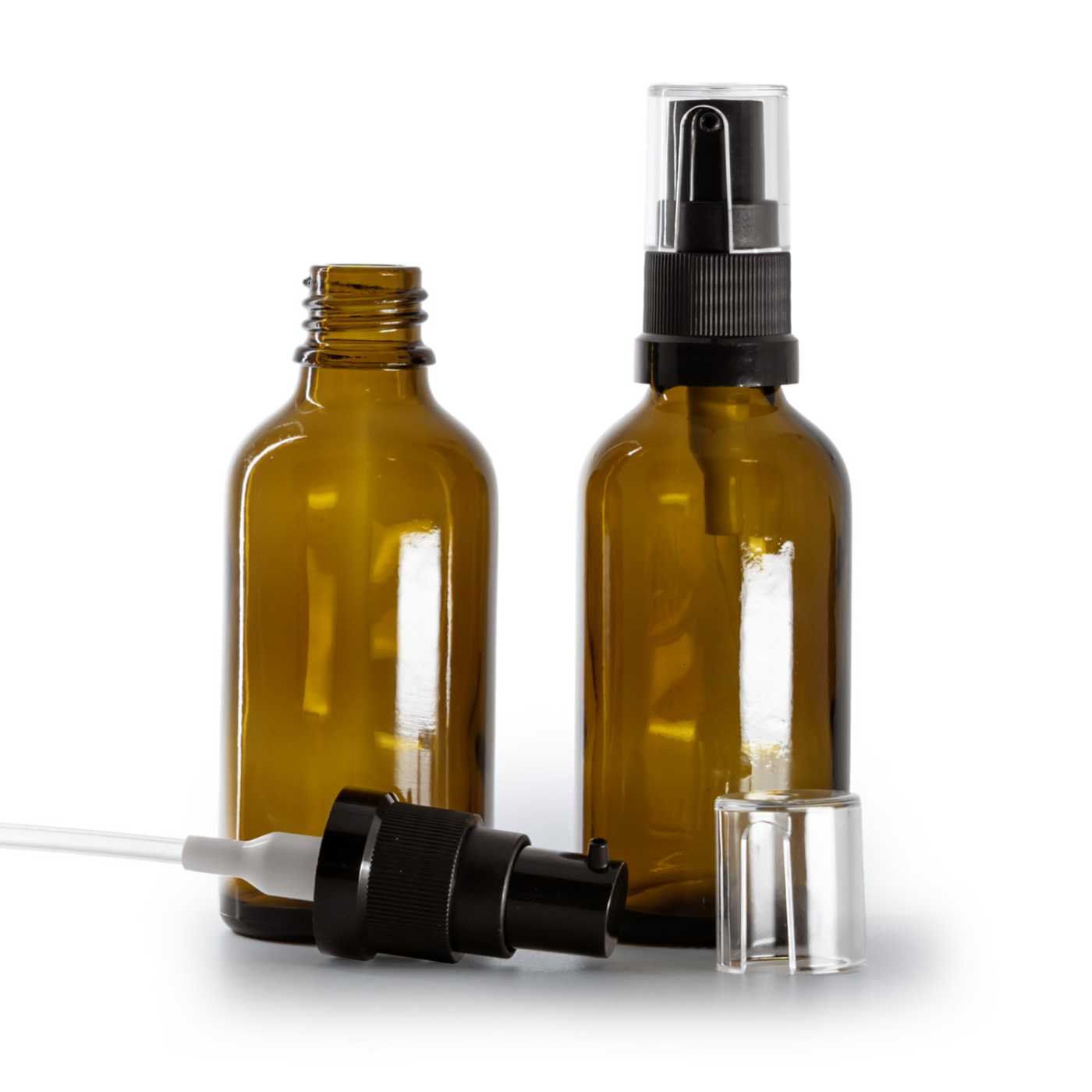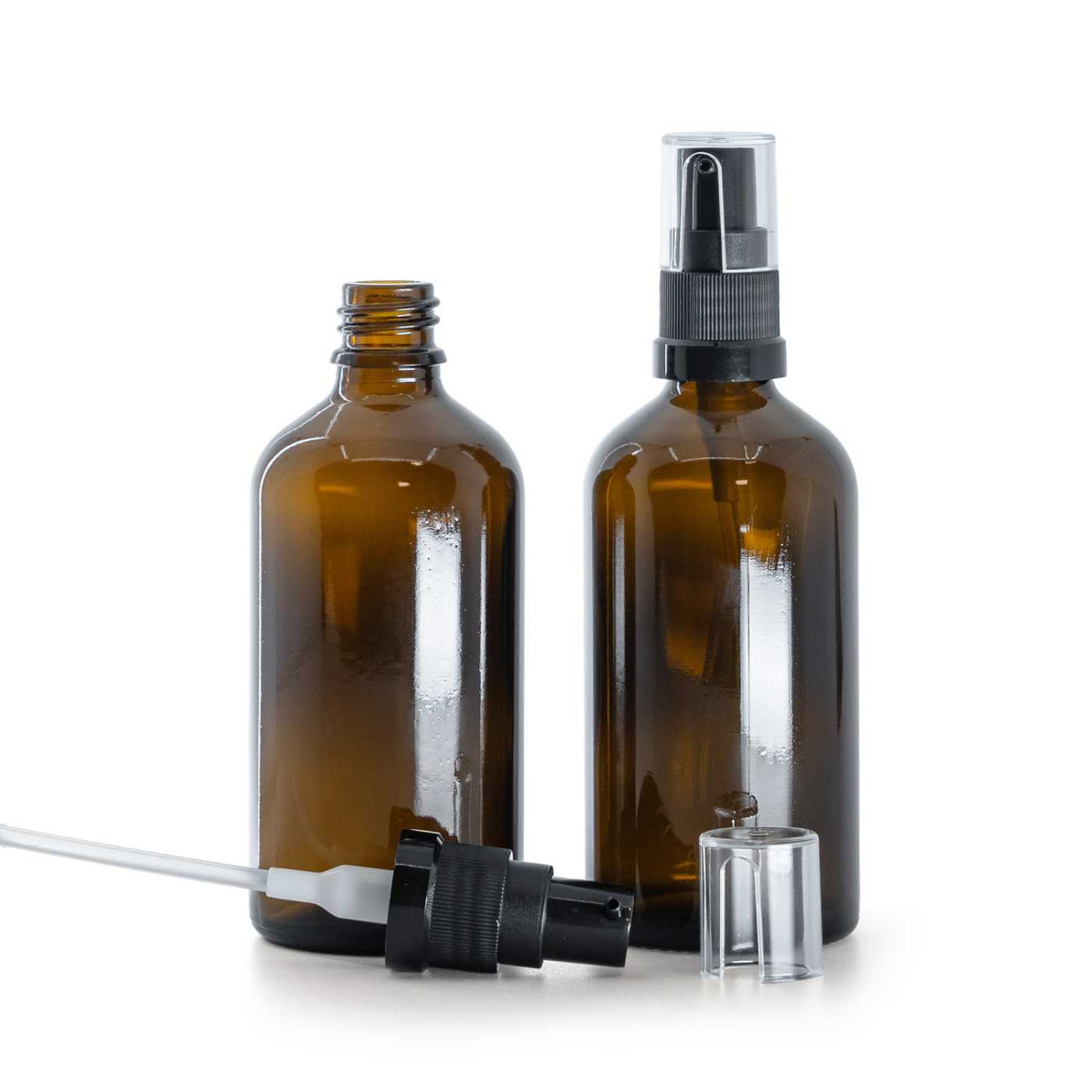
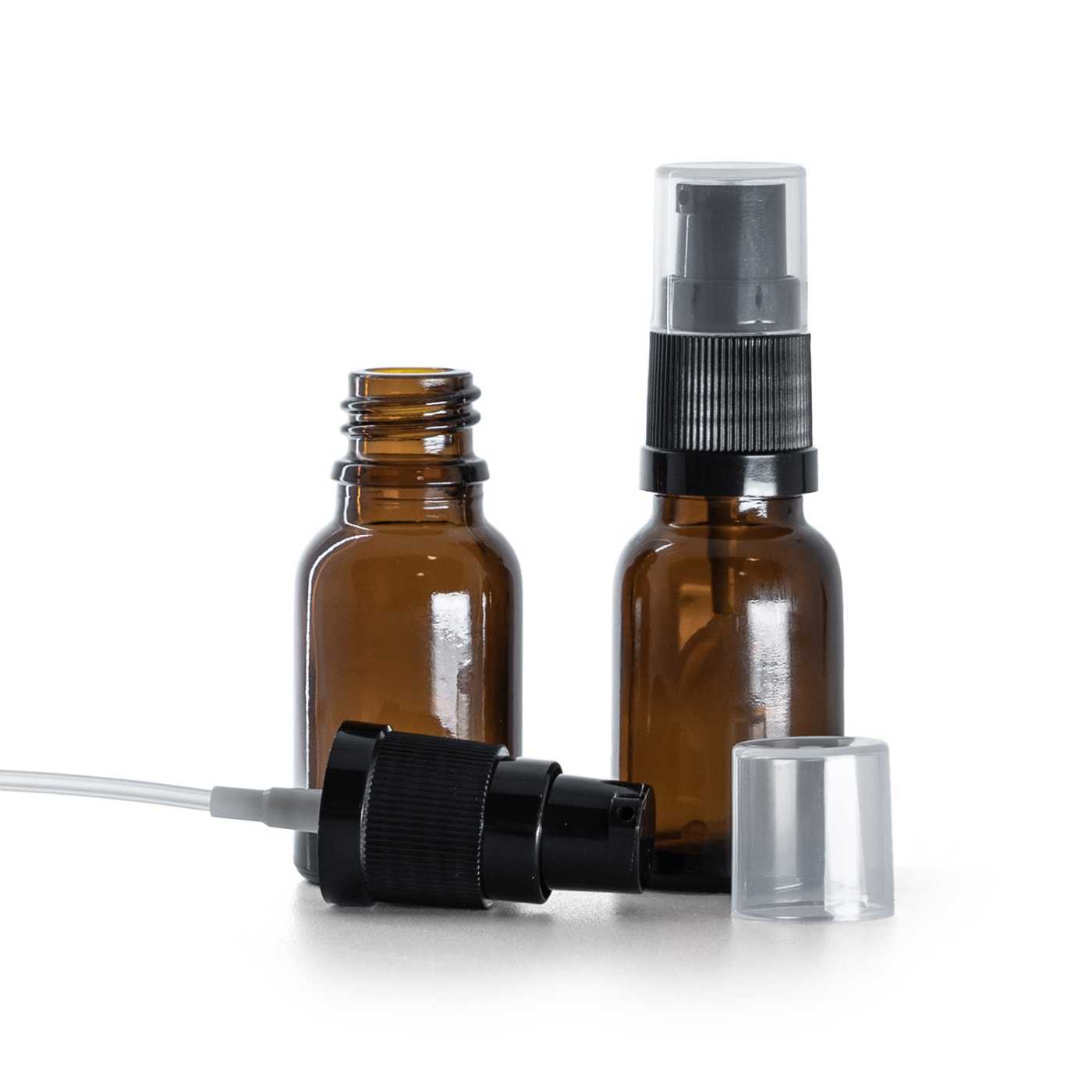
Amber Glass Bottle, Lotion Pump, 15 ml
Pre-order€0.75

Cold pressed oils 1 l +
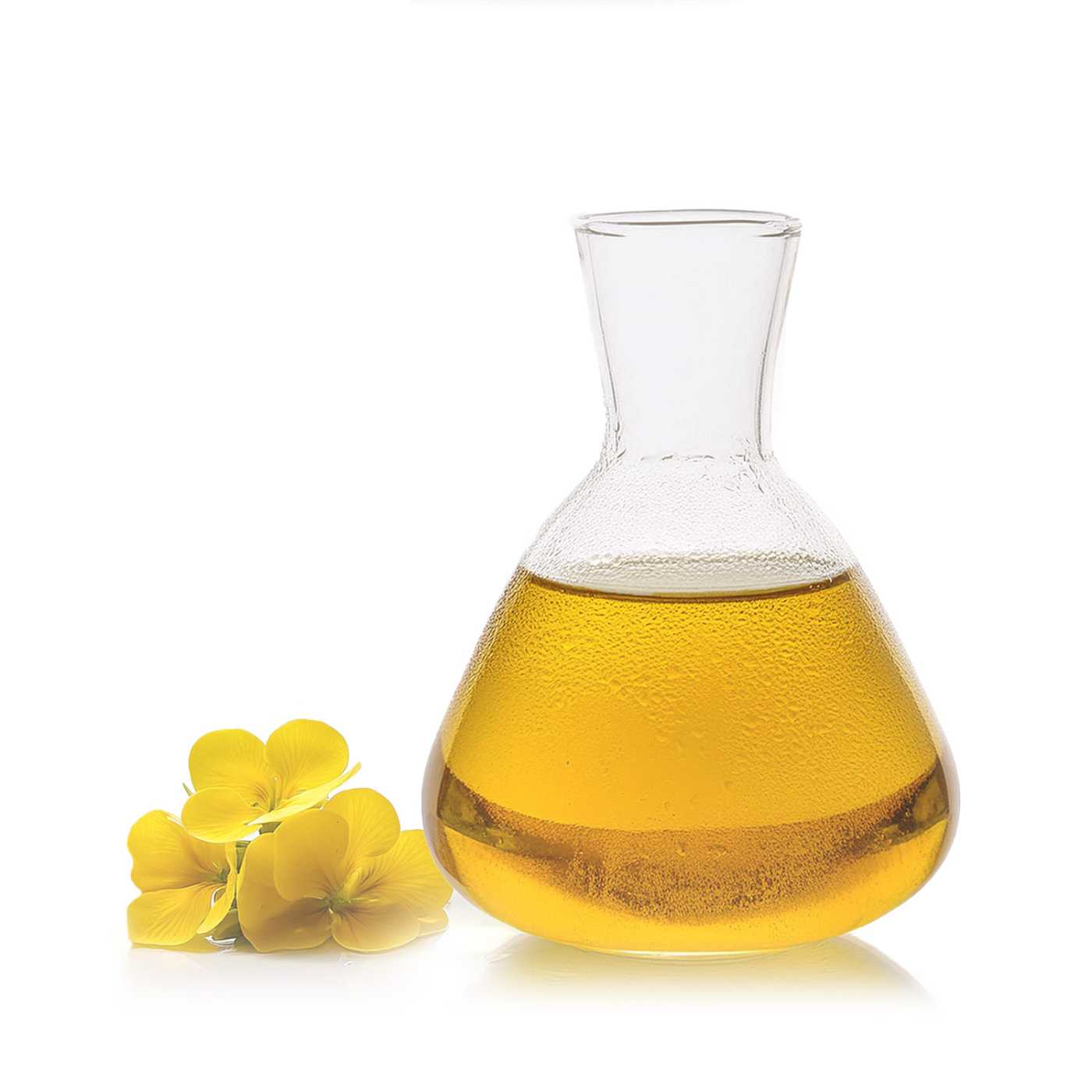
Evening primrose oil , cold-pressed, is obtained from the seeds of the common evening primrose (Oenothera biennis) from organic farming. full description
Lowest price in the last 30 days: €395.67
Evening primrose oil, cold-pressed, is obtained from the seeds of the common evening primrose (Oenothera biennis) from organic farming. It is rich in linoleic acid and also contains gamma-linolenic acid (GLA), which only a few vegetable oils have. It absorbs quickly into the skin and leaves no greasy film, so it suits face serums, oils and creams for dry, sensitive and mature skin. It has organic and vegan certification.
The properties of the oil are determined by its fatty acid composition. Linoleic acid makes up 65–85%, gamma-linolenic acid more than 8%, and the rest is mainly oleic and palmitic acid. Linoleic acid is a natural component of the lipids in the skin barrier. An oil with a high share of it softens the skin and limits water loss, so the skin stays hydrated and elastic for longer.
In terms of skin feel, it is one of the dry oils. It absorbs quickly and the skin is neither greasy nor sticky afterwards. In face care it is also valued for its soothing effect on dry and irritated skin. In products for mature skin it is used to support elasticity and smooth fine lines.
In hair care it softens the hair and scalp. Hair is more manageable afterwards and easier to style.
The oil dissolves in oils and mixes freely with them. It is insoluble in water and only partially soluble in alcohol. It can be incorporated into products with a water phase through an emulsion or with the help of a solubiliser.
Heat damages it. Add it to the oil phase in cold-process production or afterwards in the cool-down phase, when the emulsion is below 40 °C. Polyunsaturated fatty acids oxidise faster when heated, and the oil turns yellow and spoils.
The usage rate is 1–100%, and the oil can also be used on its own. In common formulations it typically falls within 1–10%: 1–2% in serums, about 4% in massage oil, about 8% in a face concentrate and about 10% in an anhydrous eye serum.
The oil contains no antioxidant and, because of its high share of polyunsaturated fatty acids, it oxidises quickly. Add tocopherol to the formulation, as it significantly slows the formation of peroxides.
In the oil phase it combines well with light emollients such as Caprylic/Capric Triglyceride or Caprylic/Capric/Succinic Triglyceride, and with avocado oil.
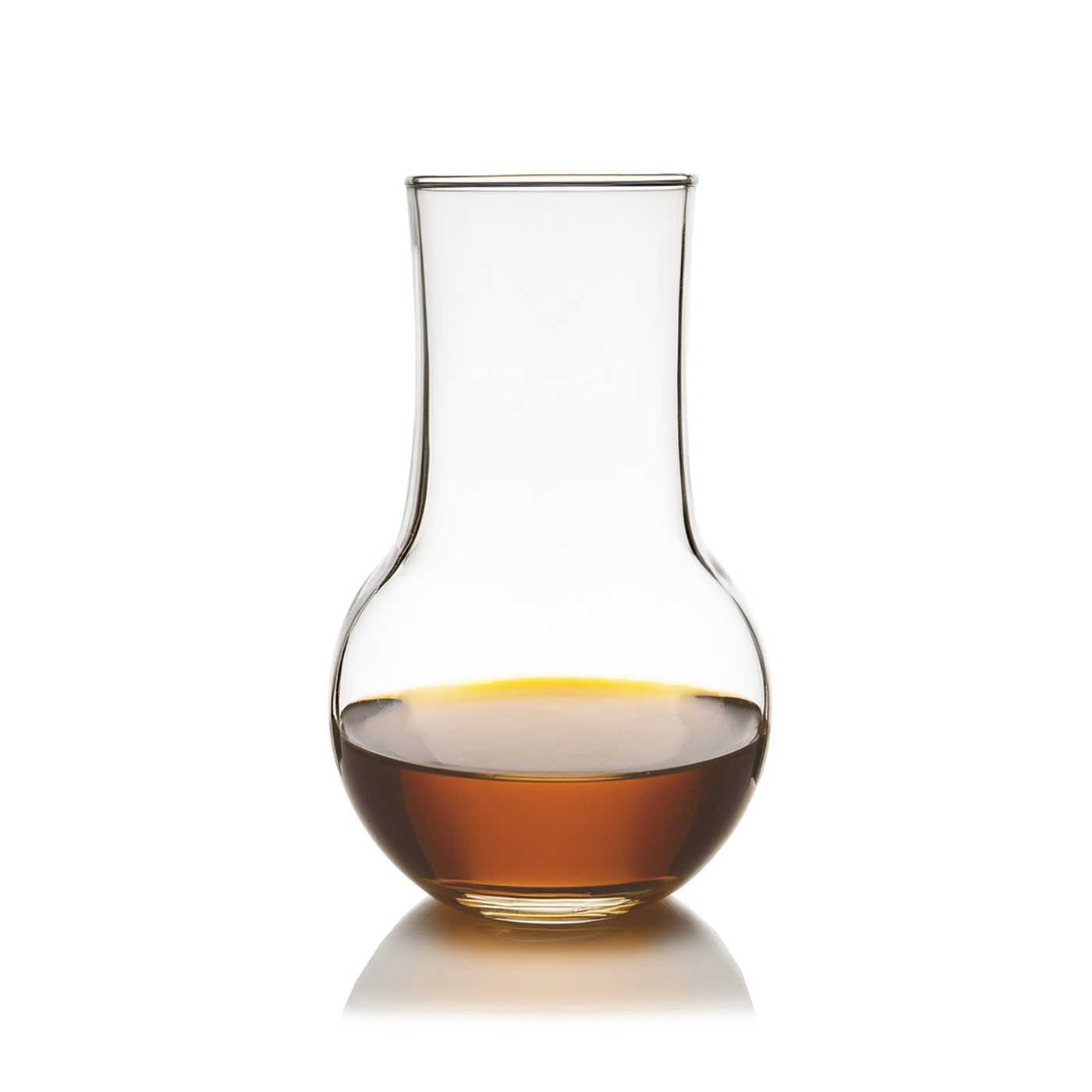
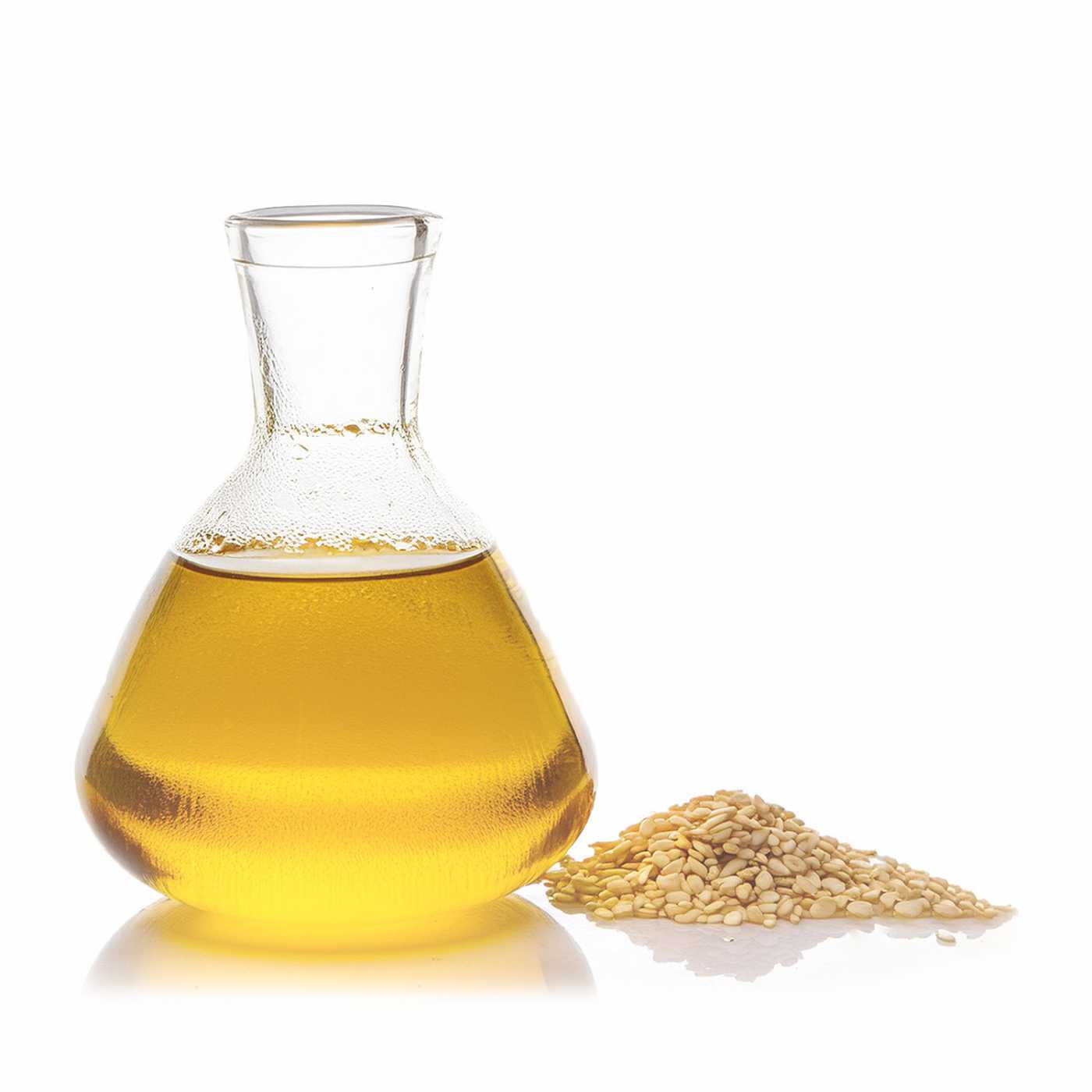
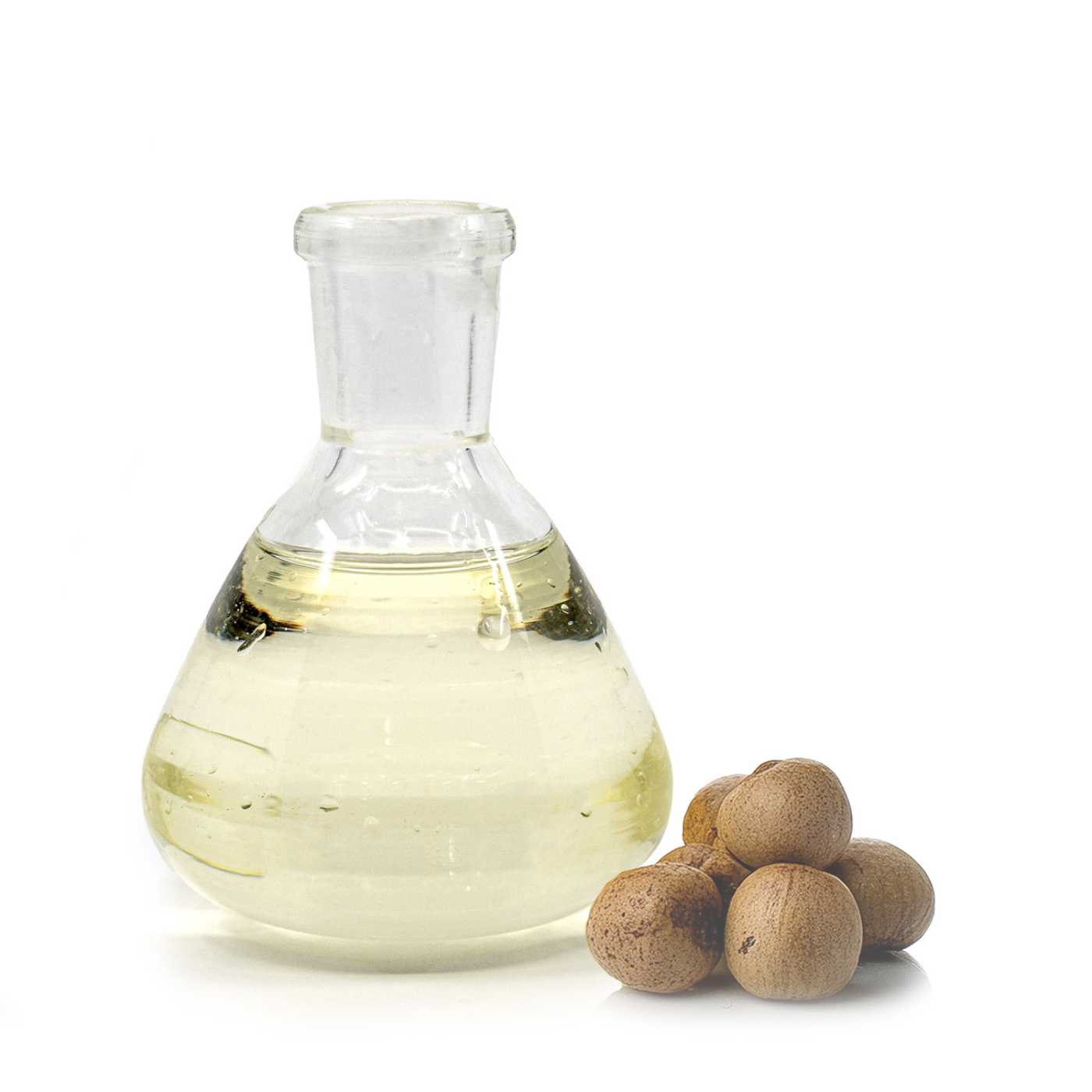
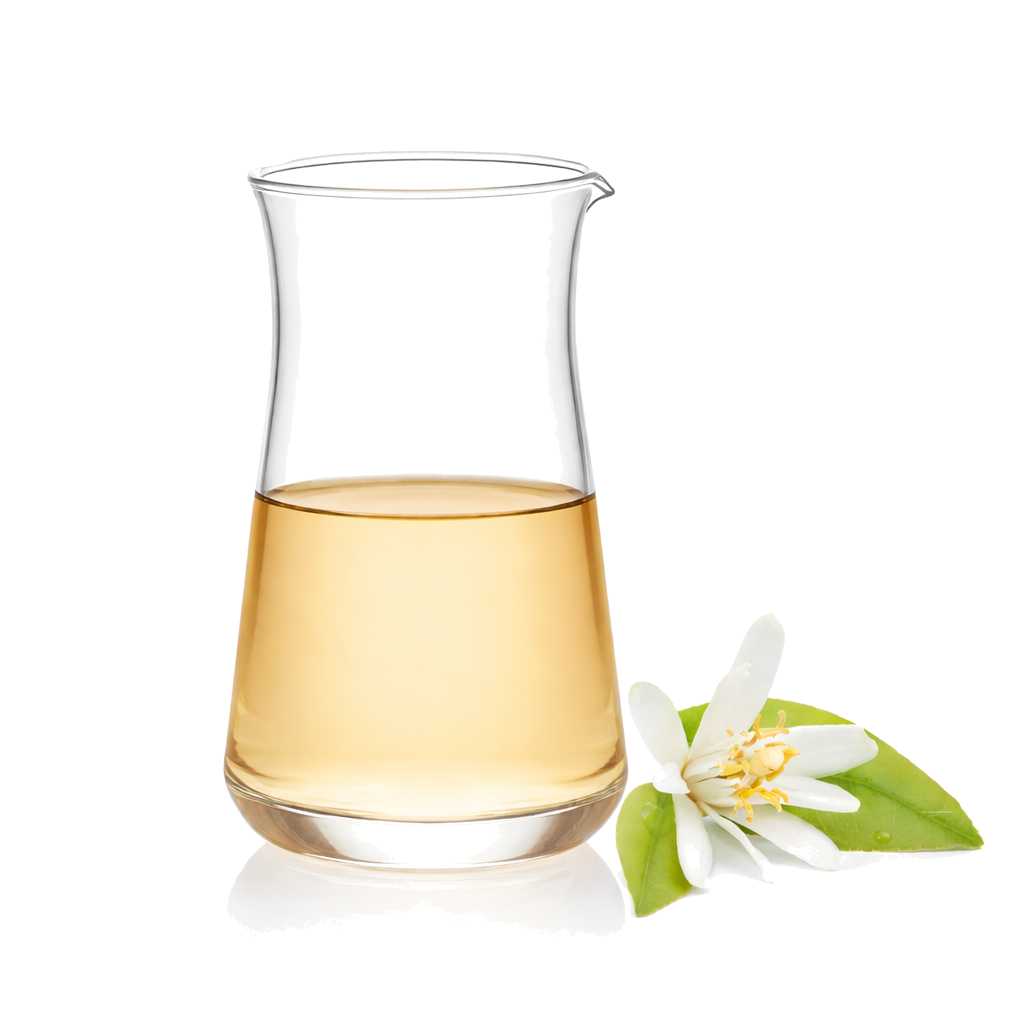
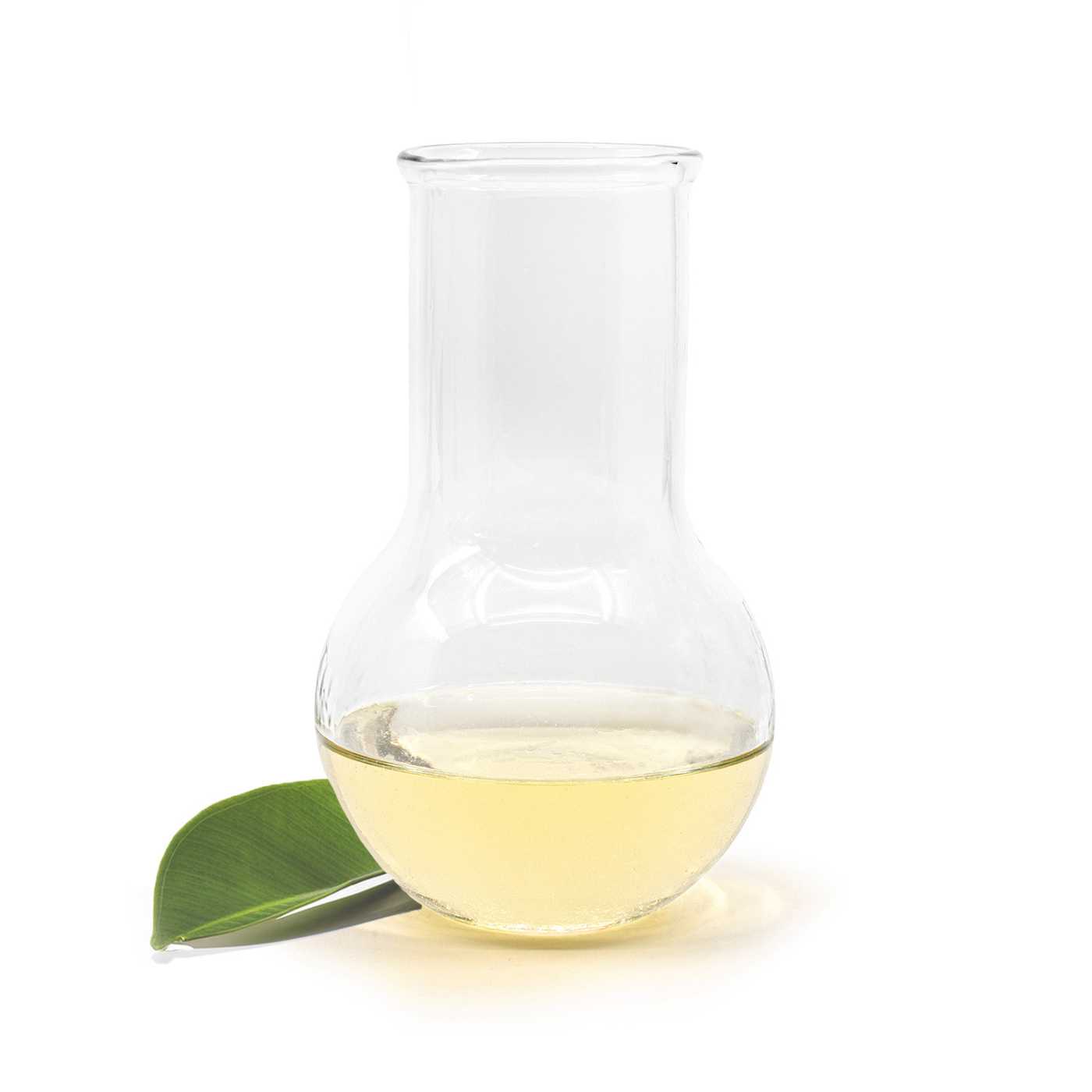
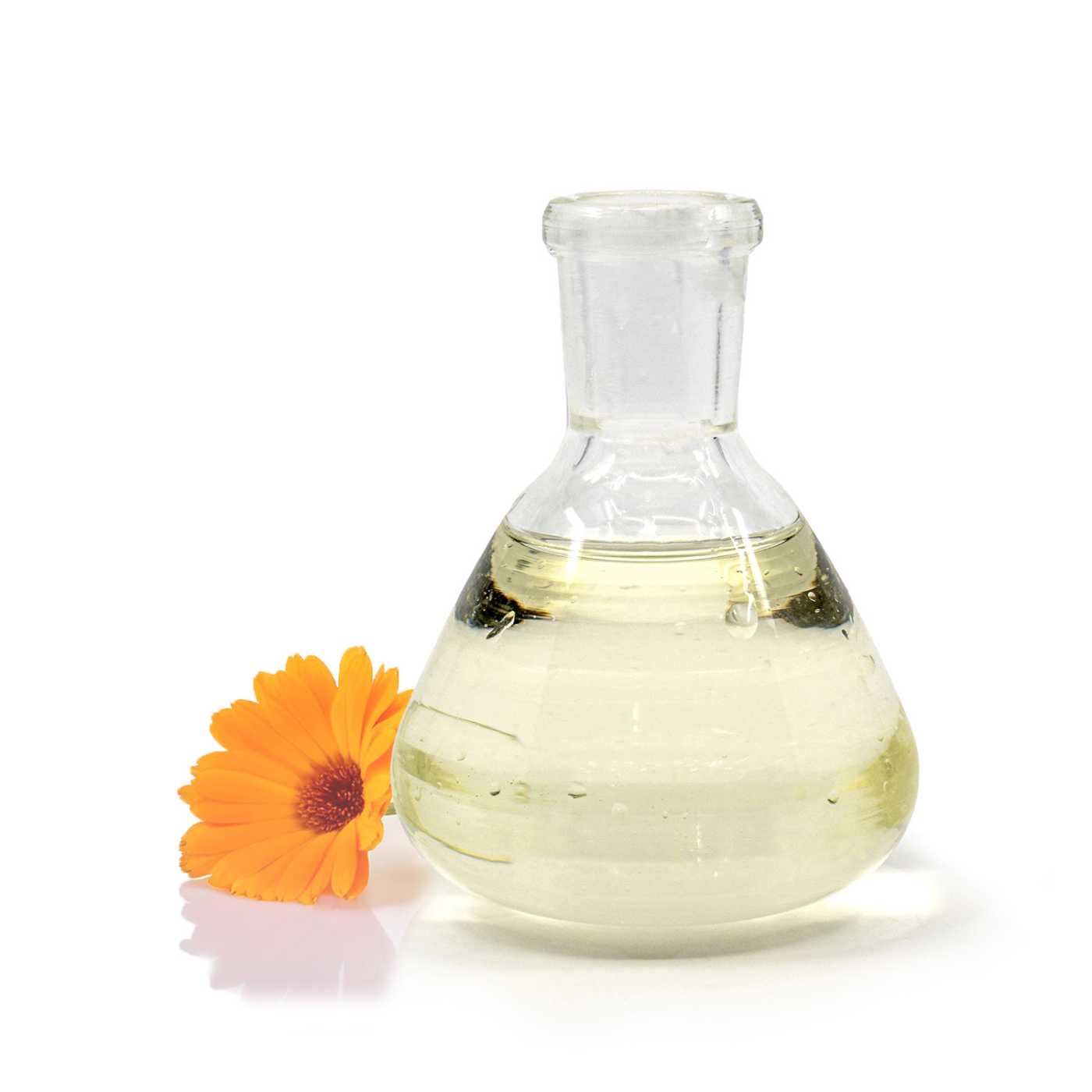
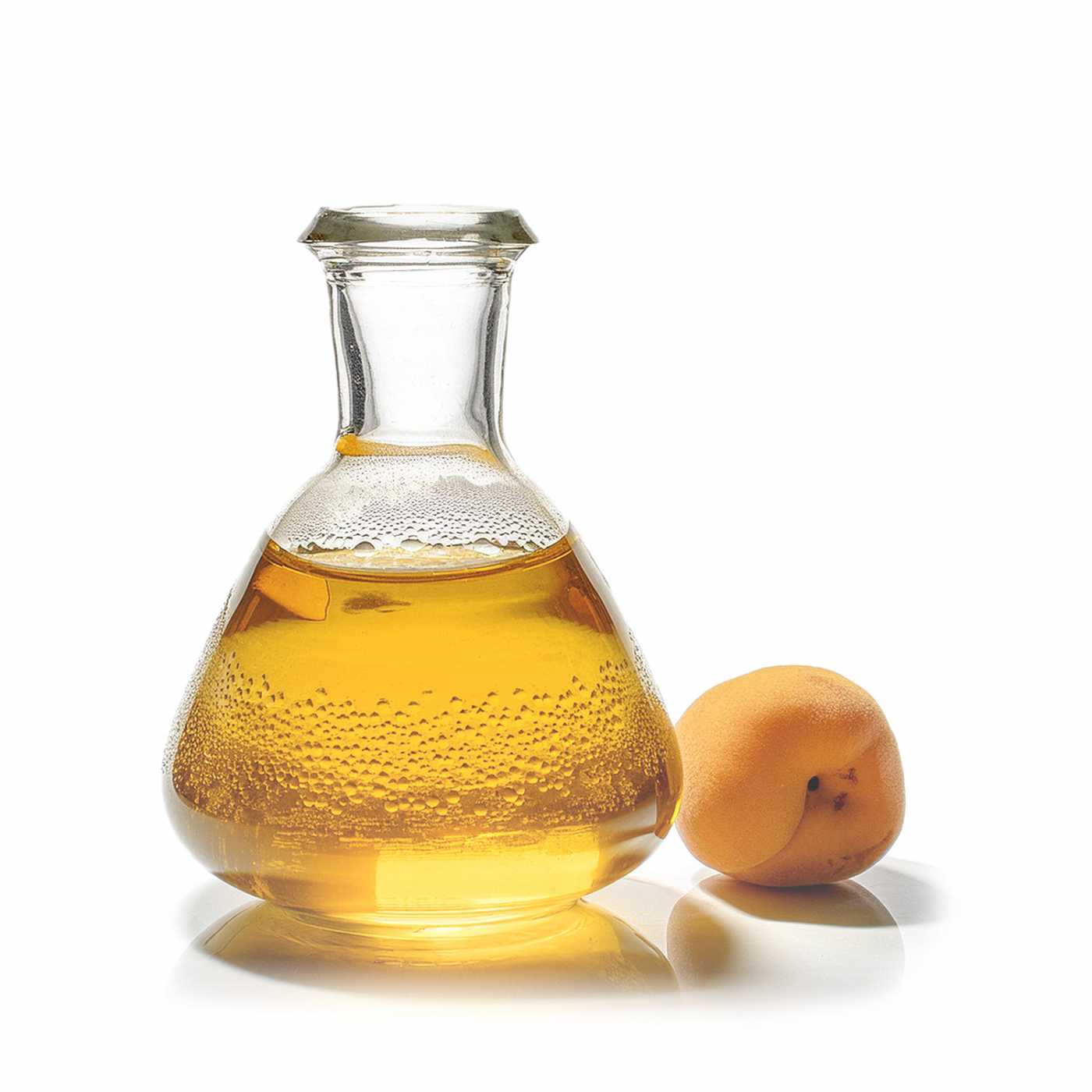
The oil is pale yellow to greenish and has a mild earthy scent.
In white creams and lightly fragranced products, expect a slight tint and the natural scent of the oil.
Tocopherol protects the oil against oxidation, but it does not protect the product against microorganisms. Emulsions and water-based serums with evening primrose oil are preserved like any other product containing water.
The oil must not come into contact with strong acids, alkalis or oxidising agents.