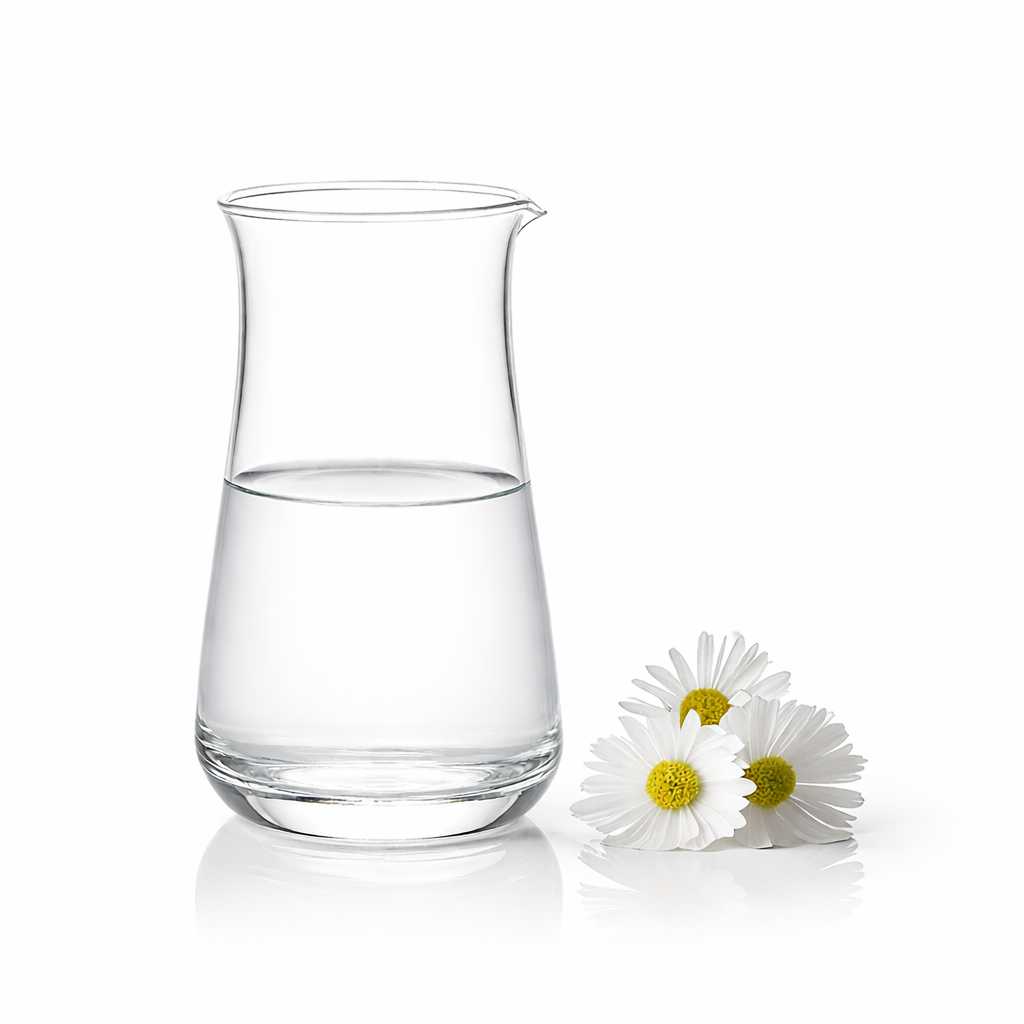
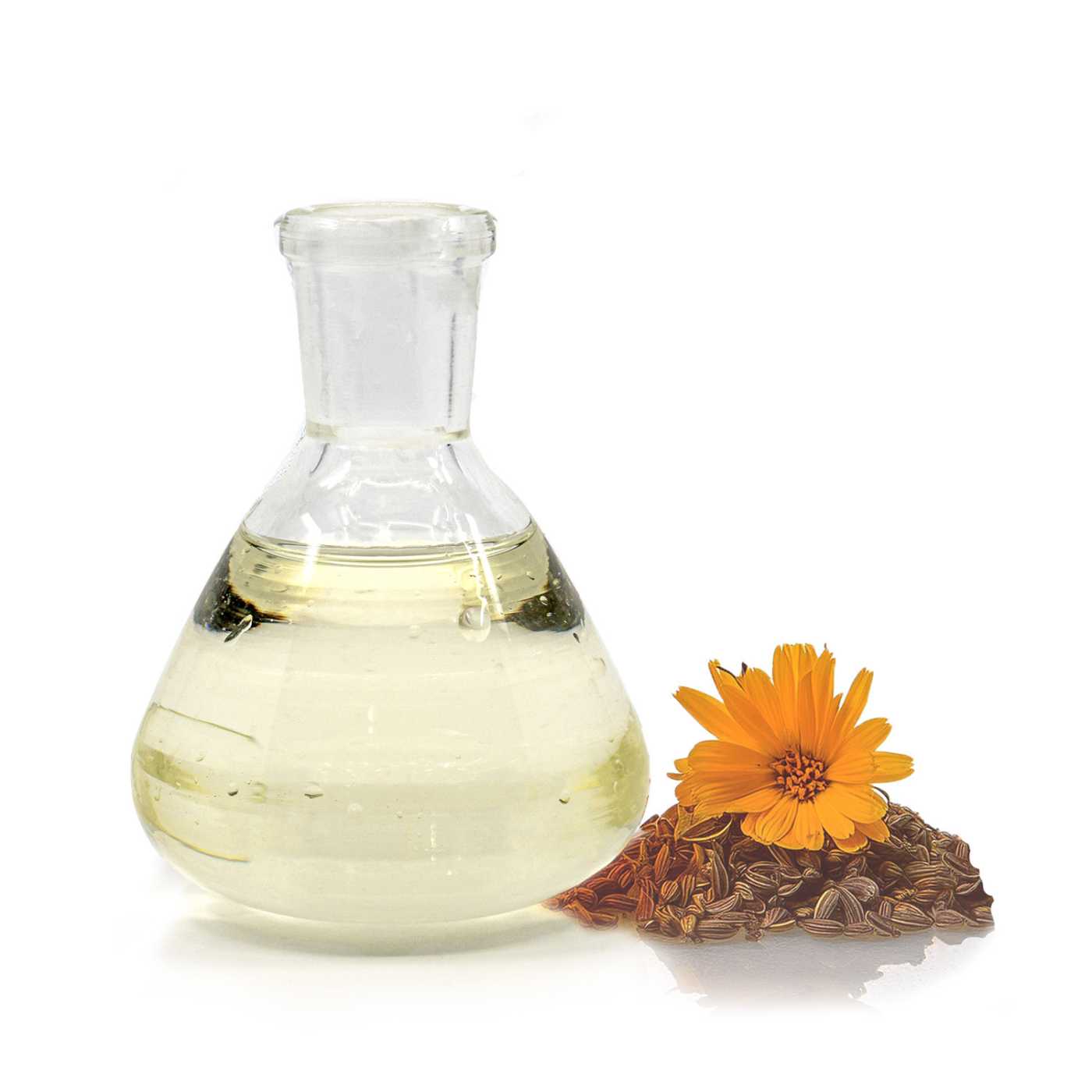
The floral water from
Anthemis nobilis, known as
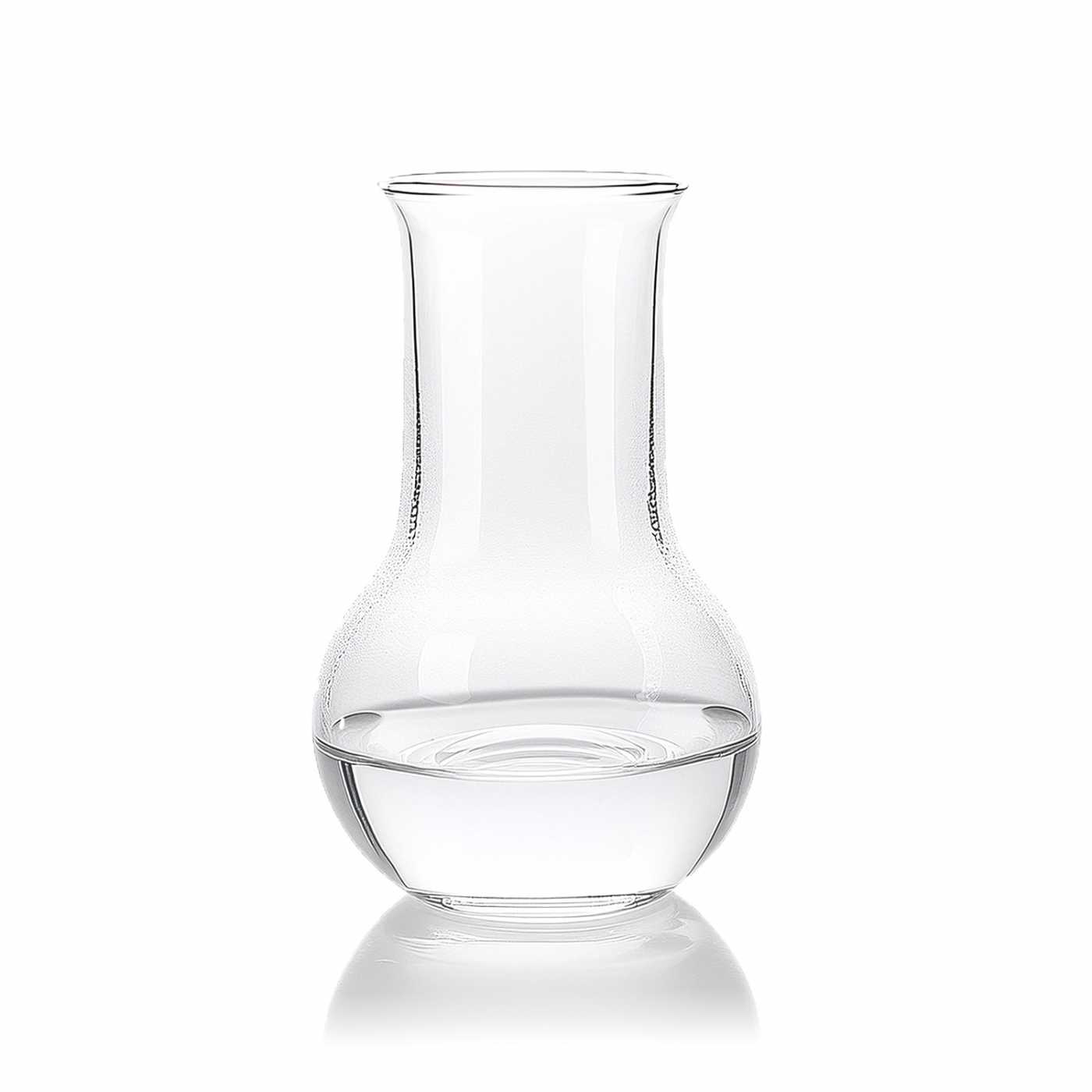
Roman chamomile, is a gentle aqueous distillate obtained by
steam distillation of the flowers. During distillation, the steam carries the naturally occurring volatile aromatic components of the plant; after cooling, an essential oil and an aqueous phase – the
hydrolat – are formed. This contains the water-soluble and trace aromatic components of chamomile, which makes it particularly suitable for cosmetics intended for
sensitive, reddened, reactive or uncomfortable skin.
Roman chamomile is valued in cosmetic formulations for its
soothing, softening and skin-conditioning character. Compared to the essential oil, the hydrolat is significantly milder, aqueous and easy to incorporate into toners, facial mists, creams, gels or hair care products. When used correctly, it helps support skin comfort without a greasy feel and without overloading the formulation.
Key benefits
- Mild hydrolat raw material suitable for the water phase of cosmetic products.
- Helps support a sense of skin soothing, especially for sensitive, dry or reddened skin.
- Suitable for products where a softening and comfort-enhancing effect is required without an oily film.
- Contributes to a refreshed and hydrated feeling on the skin surface.
- Has a naturally delicate, herbal to slightly sweet aromatic profile typical of Roman chamomile.
- Also suitable for products for fine hair and delicate scalp, especially sprays, toners and rinse-off products.
Suitable for products such as
- Facial toners and refreshing facial waters.
- Facial mists for sensitive, dry or stressed skin.
- Soothing gels and light hydrating serums.
- Creams and emulsions for sensitive, reactive or reddened skin.
- Masks with a hydrating, softening or soothing focus.
- After-sun products and cosmetics for skin exposed to external factors.
- Hair sprays, rinse waters and gentle products for the scalp.
- Baby and very gentle cosmetics, provided the overall composition of the formulation is appropriately designed for the given target group.
Use in formulation
- Soluble in and fully miscible with the water phase of cosmetic formulations.
- Compatible with common moisturizing components such as glycerin, betaine, panthenol, allantoin, hyaluronic acid or aloe vera juice.
- Miscible with other hydrolats, for example lavender, rose, cornflower or lemon balm floral waters.
- May replace part or all of the water phase in the formula, depending on the desired sensorial profile and character of the product.
- In emulsions, it is incorporated into the water phase; for heat-sensitive formulations, it is advisable to add it only at the final stage of production.
- It is recommended to add it during the cooling phase (at a temperature below 40 °C).
- In anhydrous products it is not used directly, since it is a water-based raw material; a suitable emulsifying or solubilizing system is required for its incorporation.
- In the finished product, it is necessary to take into account the overall preservation system, target pH and microbiological stability of the formulation.
Safety and storage
- Intended for use in cosmetic formulations.
- When designing the formula, we recommend verifying the tolerability of the finished product by appropriate testing, especially for products intended for sensitive skin.
- Do not use in case of known hypersensitivity to chamomile or plants from the Asteraceae family.
- Avoid contamination of the raw material during dosing; use clean tools and close the container carefully after use.
- Store in a well-closed container, protected from direct sunlight, heat and major temperature fluctuations.
- In case of a change in odour, appearance or signs of contamination, do not continue to use the raw material.
FAQ
Is Roman chamomile hydrolat also suitable for the eye area?
It may be used in cosmetics intended for the eye area, but only in a formula designed with regard to low irritation potential, suitable pH, preservation system and microbiological purity of the finished product.
Can it be combined with niacinamide?
Yes, with a suitably adjusted formulation pH it can be used in the water phase together with niacinamide. It is important to monitor the recommended pH for the entire formula, not only for individual raw materials.
Is it suitable for both leave-on and rinse-off cosmetics?
Yes, it can be used in leave-on as well as rinse-off products. For leave-on products, it is necessary to pay increased attention to preservation, production hygiene and stability testing.
Will it affect the fragrance of the finished product?
It may slightly influence the final aromatic profile, especially in fragrance-free or very lightly fragranced formulations. Its scent is usually soft, herbal and slightly sweet.
Can it be used instead of distilled water?
Yes, in aqueous and emulsion formulas it can partially or completely replace distilled water. At a higher proportion of hydrolat, it is advisable to check the fragrance, pH and stability of the final product.
Is there a difference between Roman chamomile and German (true) chamomile?
Yes, they are different botanical species with distinct aromatic profiles and natural compositions. When developing formulations, it is therefore advisable to distinguish the INCI name and not to consider them as completely interchangeable raw materials.
Also have a look at other
floral waters and hydrolats available from Handymade.sk.