+421 950 333 113info@handymade.storeHandymade Days: −10 % on all ready-made productsShop now

HYDROLATES, FLOWER WATERS

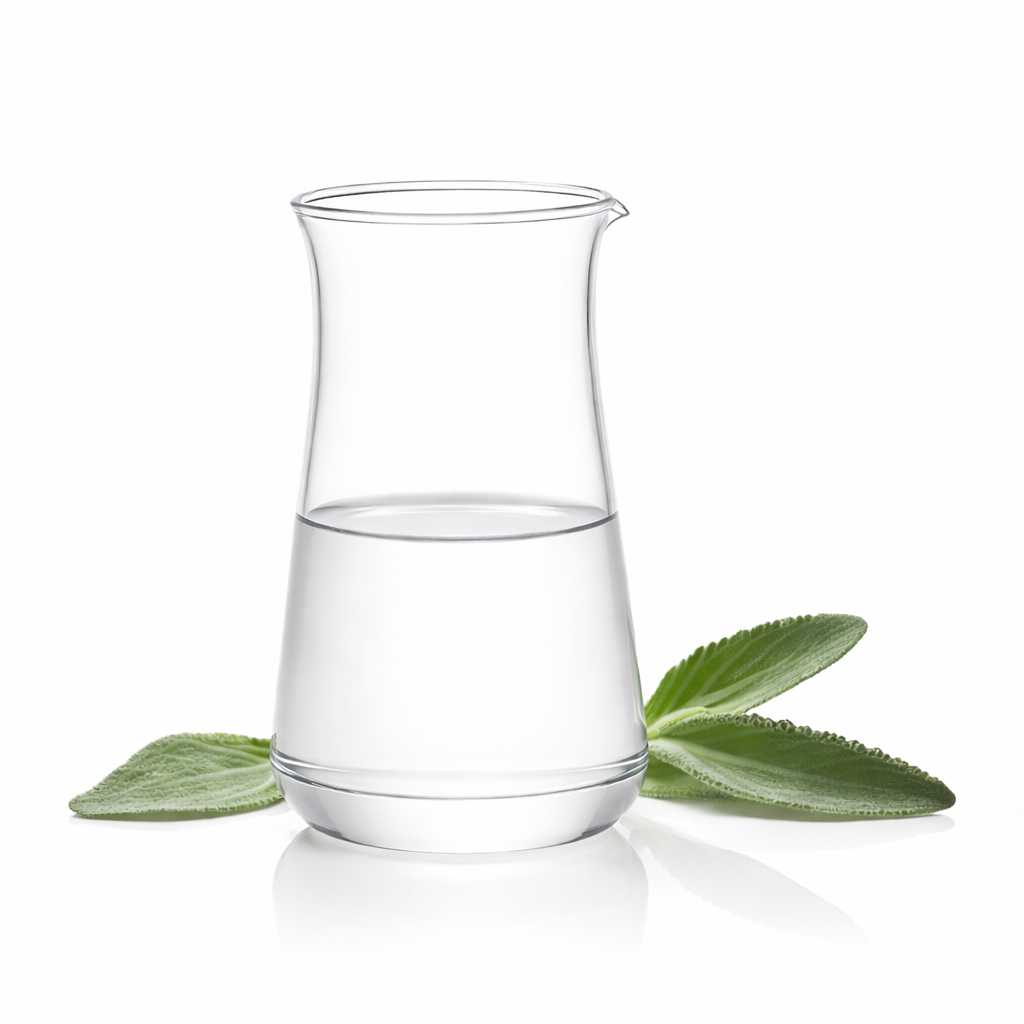
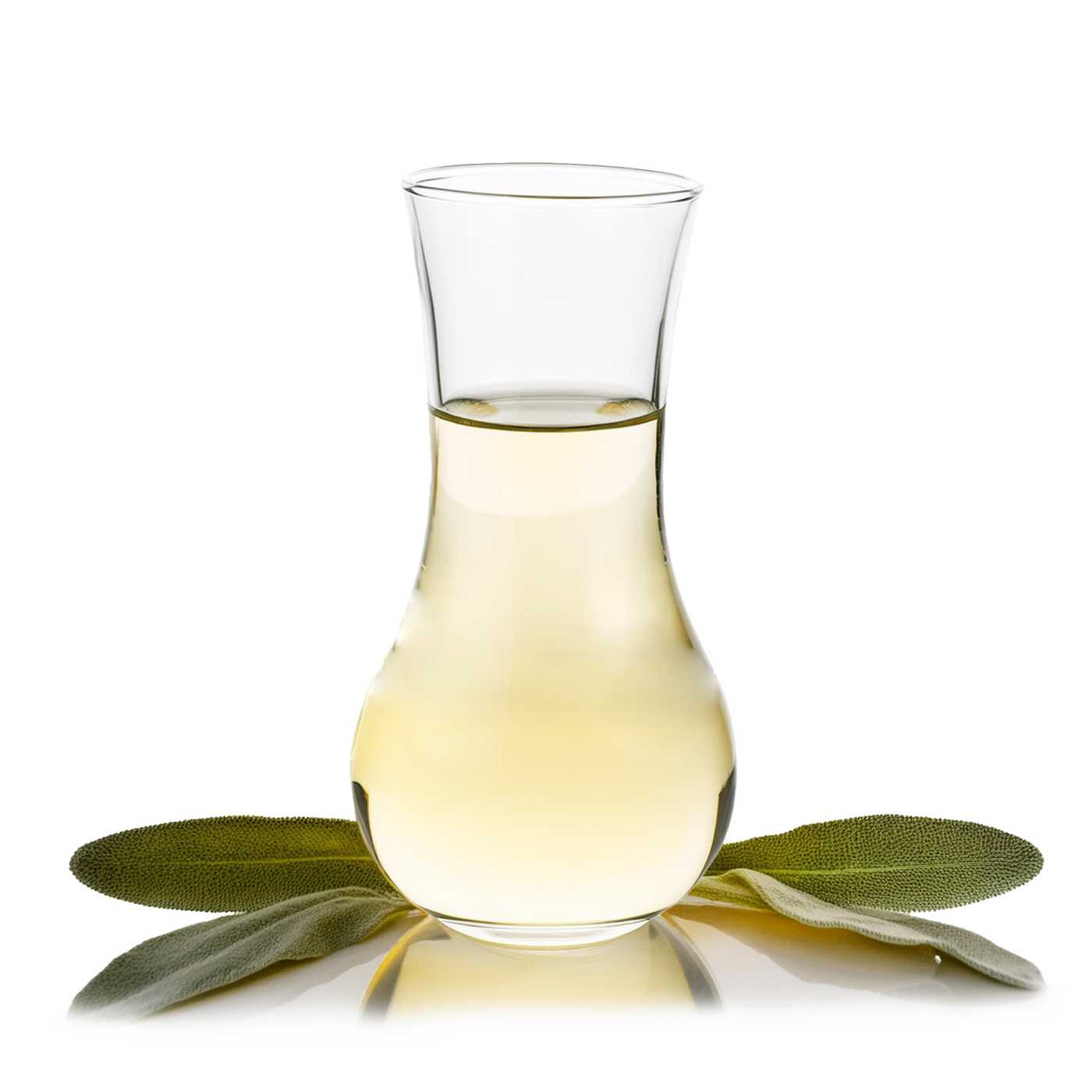
Floral Water, Sage, 5 l

Pack size100 ml1 l5 l

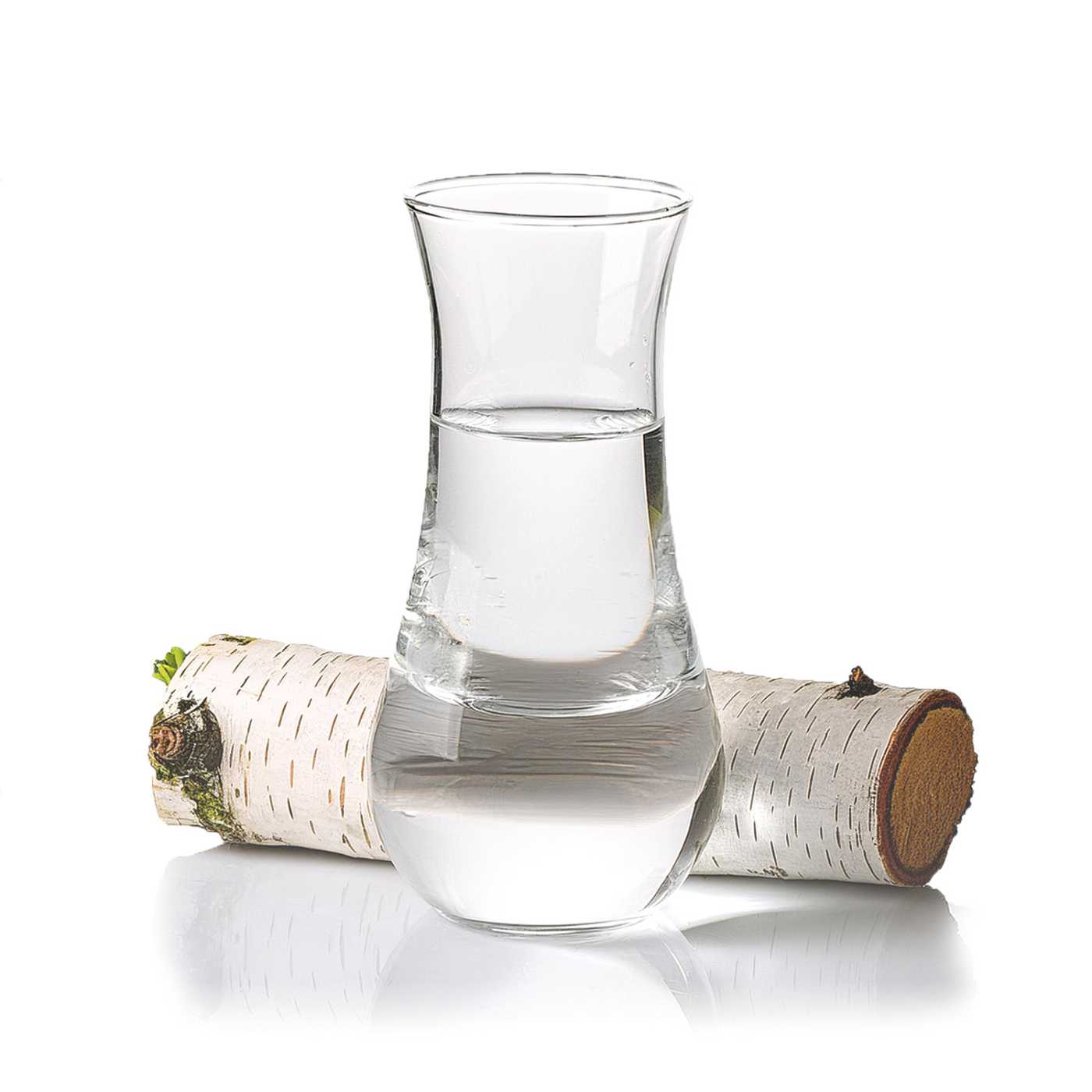
Sage hydrosol is a floral water obtained by steam distillation of sage leaves (Salvia officinalis). It is used in the care of oily, combination and problem skin and of hair that becomes greasy quickly. full description

AvailabilityIn stock · last 4 packs
Product codeHYD770_5000
Batch260928
Best before12/2028
€93.31incl. VAT€18.66/l

Lowest price in the last 30 days: €83.97

Product description

Sage hydrosol is a floral water obtained by steam distillation of sage leaves (Salvia officinalis). It is used in the care of oily, combination and problem skin and of hair that becomes greasy quickly. In a product, it can replace part of the water or the entire water phase and adds the herbal, camphor-like scent of sage.

During distillation, the volatile compounds of the plant that can disperse in water pass into it. In sage, these are mainly camphor, thujone and 1,8-cineole. The hydrosol contains them in a much lower concentration than the essential oil, and their ratio is slightly different.


Key properties

  • Sebum regulation – the hydrosol helps to limit excessive oiliness of the skin and scalp.
  • Tightening of pores – it helps to tighten enlarged pores, so they are less visible.
  • Care for acne-prone skin – it is suitable for a toner and a light gel for acne-prone and problem skin, where it complements other active ingredients.
  • Deodorising effect – it is used in body sprays and in deodorants with a water phase.
  • Antioxidant action – compounds from sage help to protect the skin from oxidative stress.

Use in formulations

Sage hydrosol belongs in the water phase and mixes with water in any ratio. The usage rate is 1–100%. It is suitable for leave-on and rinse-off products for the face, body, hair and scalp.

It tolerates both acidic and neutral environments; formulations with a pH of 3.0–8.0 are suitable. It is compatible with electrolytes, fragrances, preservatives, and oxidising and reducing agents.

Add the hydrosol only below 40 °C, to a cooled emulsion or directly to products made without heating. Do not heat it together with the water phase.


Suitable for products such as

  • face lotions and toners for oily and combination skin
  • light creams, gels and serums for problem and acne-prone skin
  • cleansing gels and micellar waters
  • hair tonics and scalp sprays for hair prone to oiliness
  • shampoos, where it replaces part of the water
  • body sprays and deodorants with a water phase

Good to know

The raw material is already preserved. It contains benzyl alcohol (0.312–0.336%), benzoic acid (0.044–0.052%) and dehydroacetic acid (0.026–0.030%). These substances protect the hydrosol itself, while a finished product with a water phase needs its own preservation. The aroma compounds of sage do not stop the growth of bacteria in a product. Benzyl alcohol acts here as a preservative and is listed on the product’s ingredient list as a regular ingredient.

The hydrosol is most easily contaminated when handled in open air. Take it out with a clean tool and close the container immediately. If it changes its scent, turns musty or sour, this is usually a sign of microbial contamination, and it is no longer suitable for use in a product.

The hydrosol contains fragrance allergens from Annex III of Regulation (EC) No 1223/2009. They must be listed on the ingredient list of the finished product when their content exceeds 0.001% in leave-on products and 0.01% in rinse-off products.

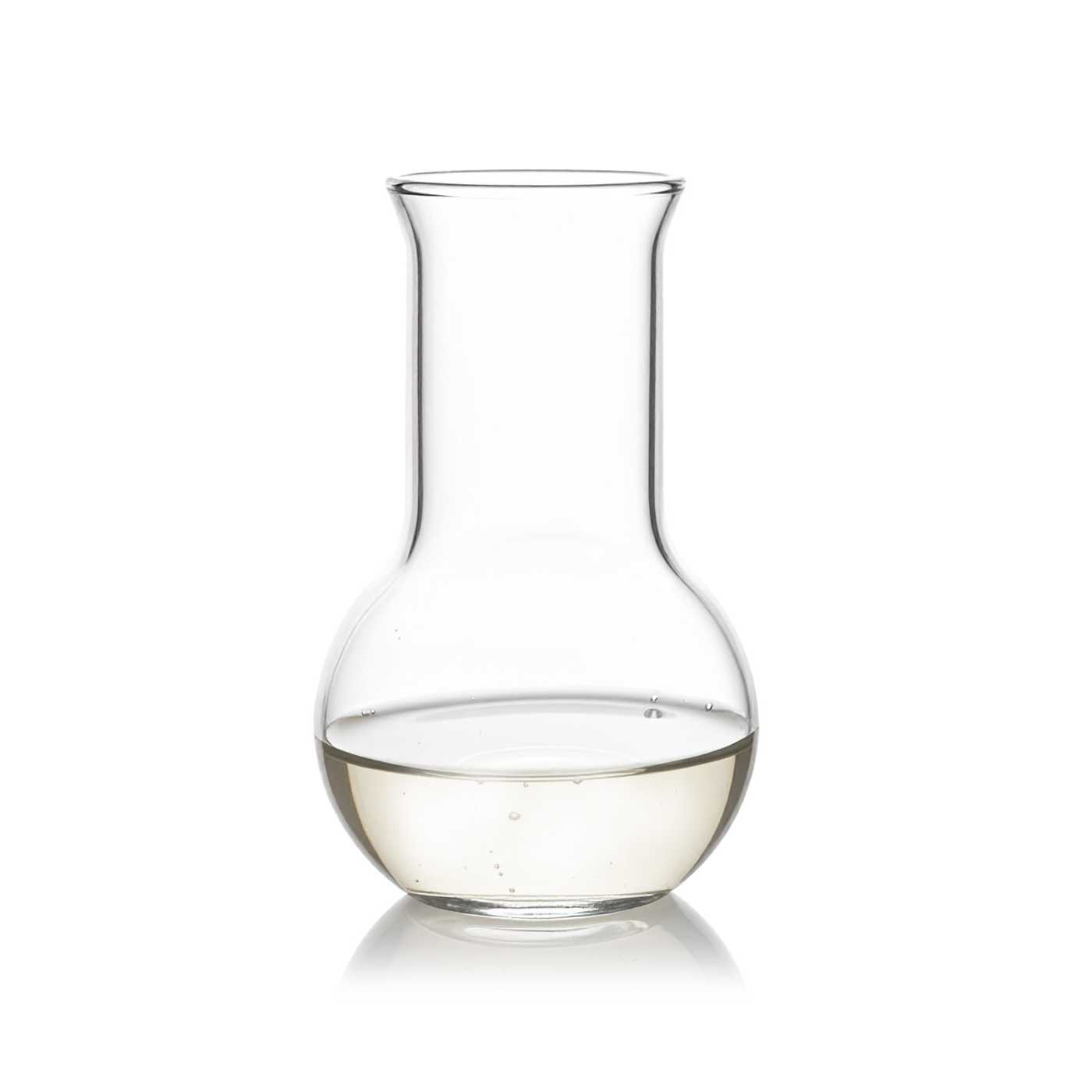
The hydrosol is colourless, contains no ethanol and holds Vegan certification.


Frequently asked questions

Can sage hydrosol be used instead of water in a cream or toner?
Yes, sage hydrosol can replace part of the water or the entire water phase. The usage rate is 1–100%, and it mixes with water in any ratio. In a toner, it can make up almost the entire product. In a cream, it is added only after the emulsion has cooled below 40 °C, so it is best used to replace only part of the water that is heated during emulsification.
What is the difference between sage hydrosol and sage essential oil?
Sage hydrosol is the water part of the distillate, while the essential oil is its concentrated oily part. The hydrosol contains the volatile compounds of sage in a low concentration, mixes with water and can also be applied to the skin undiluted. The essential oil does not dissolve in water, belongs in the oil phase or needs a solubiliser, and is used in small amounts.
Does a product with sage hydrosol need to be preserved?
Yes, a product with a water phase needs to be preserved, even though the sage hydrosol is itself preserved. Benzyl alcohol, benzoic acid and dehydroacetic acid protect only the raw material itself. The aroma compounds of sage do not stop the growth of bacteria. The finished product therefore needs its own preservative.
What skin type is sage hydrosol suitable for?
Sage hydrosol is suitable mainly for oily, combination, problem and acne-prone skin, and it can also be used on normal skin. It helps to regulate sebum production and to tighten pores. It is equally useful in hair care for hair prone to oiliness, for example in a scalp tonic or a shampoo.
Can sage hydrosol be heated?
No, sage hydrosol is processed at a temperature up to 40 °C. It is added to emulsions only after they have cooled, and to toners, gels and sprays directly without heating. If it were heated with the water phase, its volatile aroma compounds would be lost.

Parameters

INCI
Salvia Officinalis Leaf Water, Benzyl Alcohol, Benzoic Acid, Dehydroacetic Acid, Tocopherol
CAS No.
84082-79-1, 100-51-6, 65-85-0, 520-45-6, 1406-66-2
EC number
282-025-9, 202-859-9, 200-618-2, 208-293-9, 604-195-9
Product colour
Colourless
Country of origin
Bulgaria
Processing method
Steam distillation
Odour
Herbal
Appearance
Liquid
Free from
alcohol
Formulation phase
Water phase
Application area
FaceHairScalpBody
Recommended processing temperature
< 40 °C
Recommended usage rate
1 – 100 %
Recommended formulation pH range
3,0-8,0
Solubility
Water-miscible
Application type
Leave-onRinse-off
Biodegradability
Readily biodegradable
Certifications and declarations
Vegan
Natural Index (NI ISO 16128)
0.99
Natural Origin Index (NOI ISO 16128)
0,99
Organic content
99,6 %
Volume
5000 ml

Product documentation

CoACertificate of Analysis
batch 260928PDF ↓
TDSTechnical Data Sheet
Physical parameters and processingPDF ↓
IFRAIFRA Certificate
batch 260928PDF ↓
AllergensAllergen Declaration
batch 260928PDF ↓
Download all (ZIP)

4 PDF files in one archive

REVIEWS

Verified by customers.

No reviews yet.

Only customers with a delivered order can write reviews.