Cashmere Fragrance Oil, 10 ml
Pre-order€2.49(€249.00/l)

Candle fragrance oils
Night Romance fragrance oil is a concentrated fragrance composition for scenting your own products: creams, body oils, soaps, bath bombs, candles and diffusers. full description
Lowest price in the last 30 days: €16.99
Night Romance fragrance oil is a concentrated fragrance composition for scenting your own products: creams, body oils, soaps, bath bombs, candles and diffusers. In a formulation it has a single role: it gives the finished product its scent. It is added in a small amount at the end of production, to the oil phase or to a mixture that has already cooled.
The composition is soluble in oils and alcohol and does not dissolve in water. The whole working procedure follows from this: it is added directly to emulsions and anhydrous products, and to water-based products only with a solubiliser.
In emulsions (creams, lotions, conditioners), the fragrance oil is added in the cooling phase, once the temperature drops below 40 °C. It does not belong in the hot oil phase during emulsification, because at a higher temperature some of the volatile components would evaporate. Stir briefly until the fragrance is evenly dispersed, and only then fill.
In anhydrous products such as body oils, butters, balms or solid perfumes, it is mixed directly into the oil component. For balms and solid products, let the mixture cool slightly first and add the fragrance just before pouring into moulds or jars.
In water-based products (toners, refreshing sprays, cleansing waters), the oil does not dissolve on its own and would cause cloudiness or droplets on the surface. It needs a solubiliser, for example Polysorbate 20 or PEG-40 Hydrogenated Castor Oil. The fragrance oil is first thoroughly mixed with the solubiliser, and only this mixture is stirred into the water phase. Check the ratio of solubiliser to fragrance on a small sample, as it depends on the particular composition.
In cold process soap, the fragrance is added once light trace is reached, before pouring into the mould.
In a practical test in cold process soap, Night Romance fragrance oil neither accelerated trace nor discoloured the mixture. This leaves enough time for layering, swirls or other decoration.
In bath bombs and bath salts, the oil is mixed into the dry mixture together with a carrier oil, if the recipe includes one. For candles and diffusers, IFRA category 12 applies. Test the specific amount of fragrance in the wax or diffuser base on a sample, as it depends on the type of wax, the wick and the required intensity.
The manufacturer does not state a single recommended range. The amount of fragrance oil in the finished product is based on the required fragrance intensity and on the IFRA limit for the given product category. Each category has its own ceiling, for example category 1 (lip products), category 9 (soaps and rinse-off products) or category 12 (candles). The same fragrance therefore has a different upper limit in a lip balm than in a soap.
Before determining the usage rate, open the IFRA certificate in the Product documentation section and find the category your product belongs to. The value in the certificate is the maximum permitted proportion of fragrance oil in the finished product. Start at a lower level and fine-tune the intensity on a sample.
Allergens. The composition contains fragrance allergens listed in Annex III of Regulation (EC) No 1223/2009, including the additions under Regulation (EU) 2023/1545. You can find their list in the product documentation, and you need it when compiling the ingredient list on the label of the finished cosmetic product.
Classification. As a raw material, the fragrance oil is classified under the CLP Regulation and carries the pictograms GHS07 (irritant, sensitisation) and GHS09 (environmentally hazardous). Details on classification and safe handling are in the safety data sheet.
Do not apply the concentrate to the skin undiluted. In cosmetics, use it only in an amount within the IFRA limit for the given type of product.
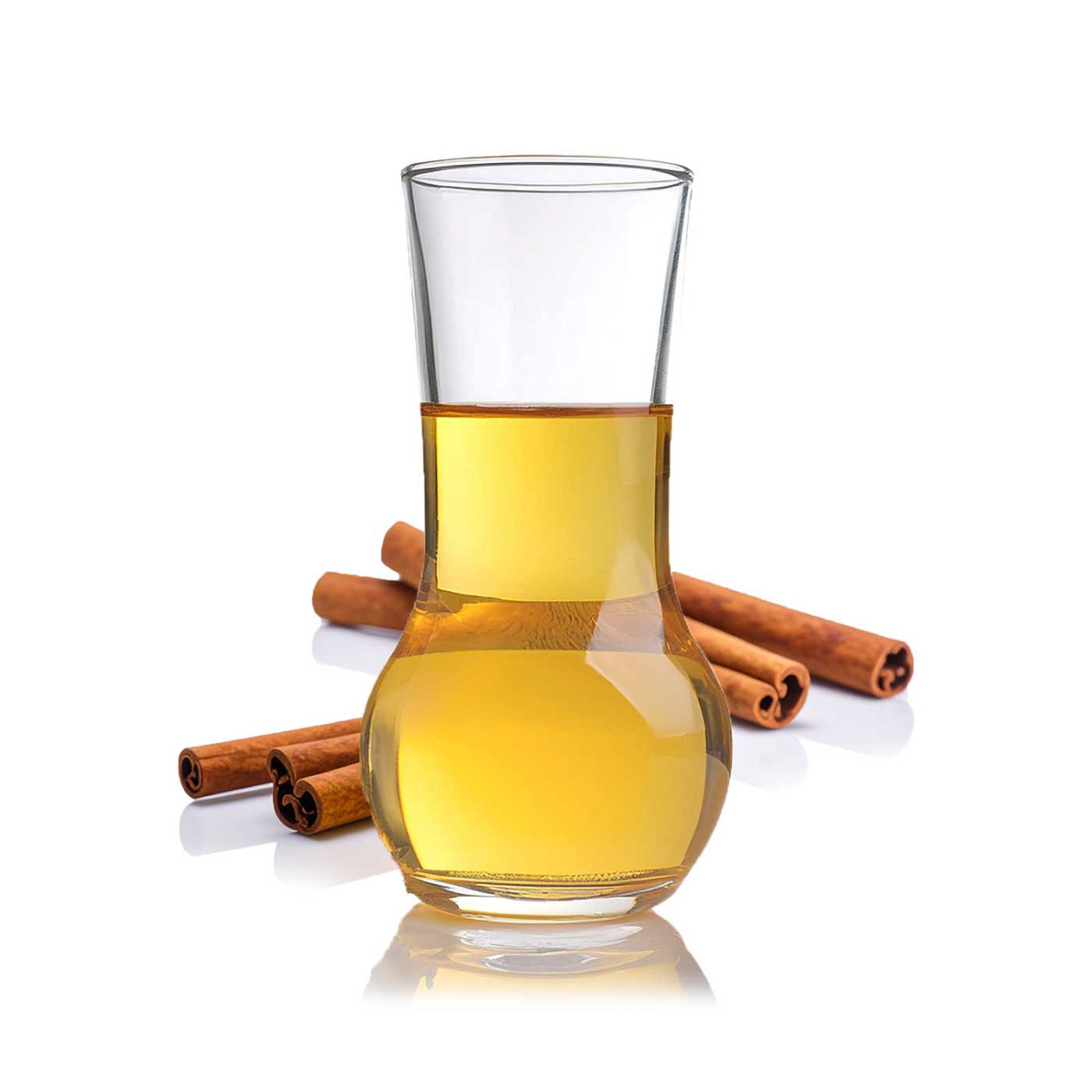
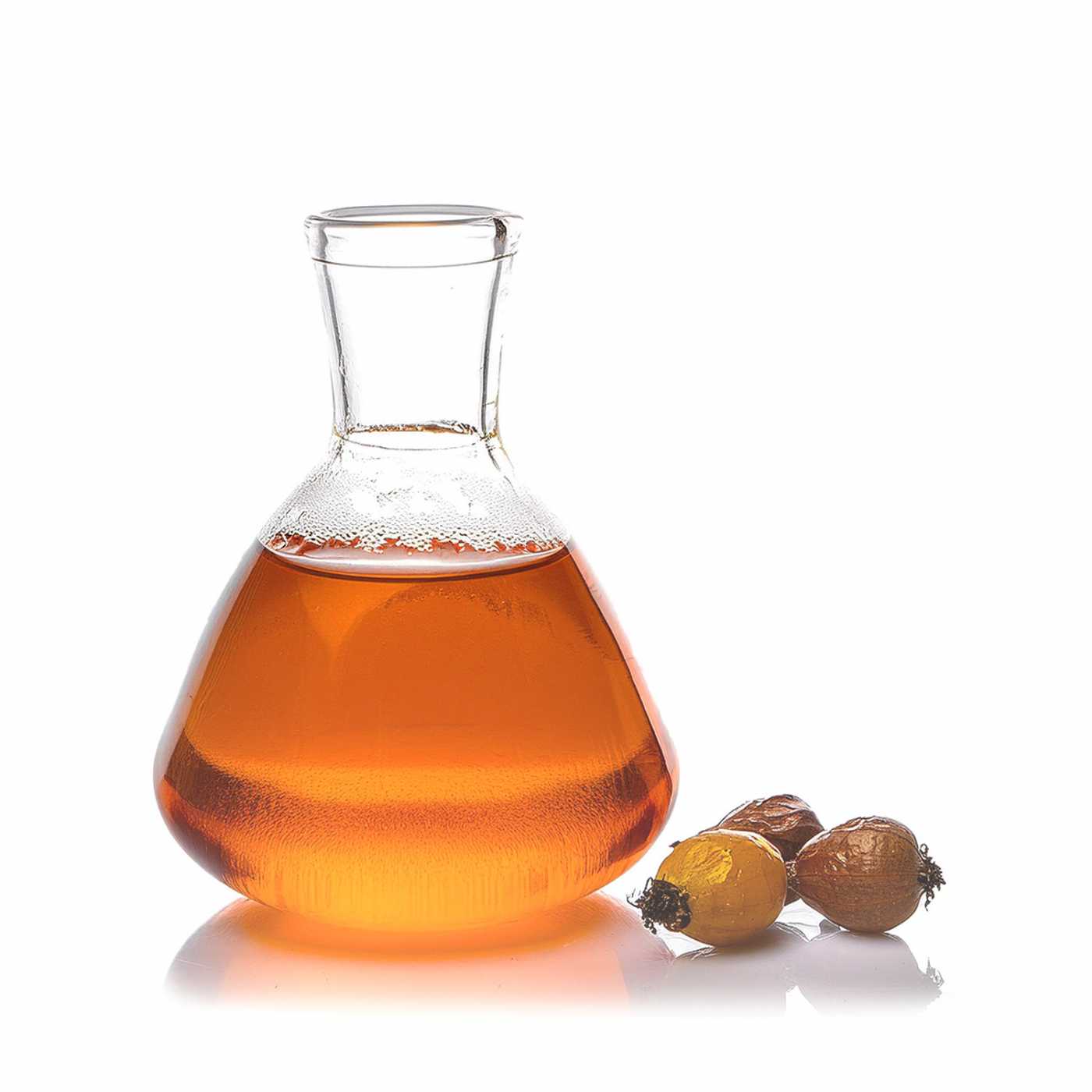
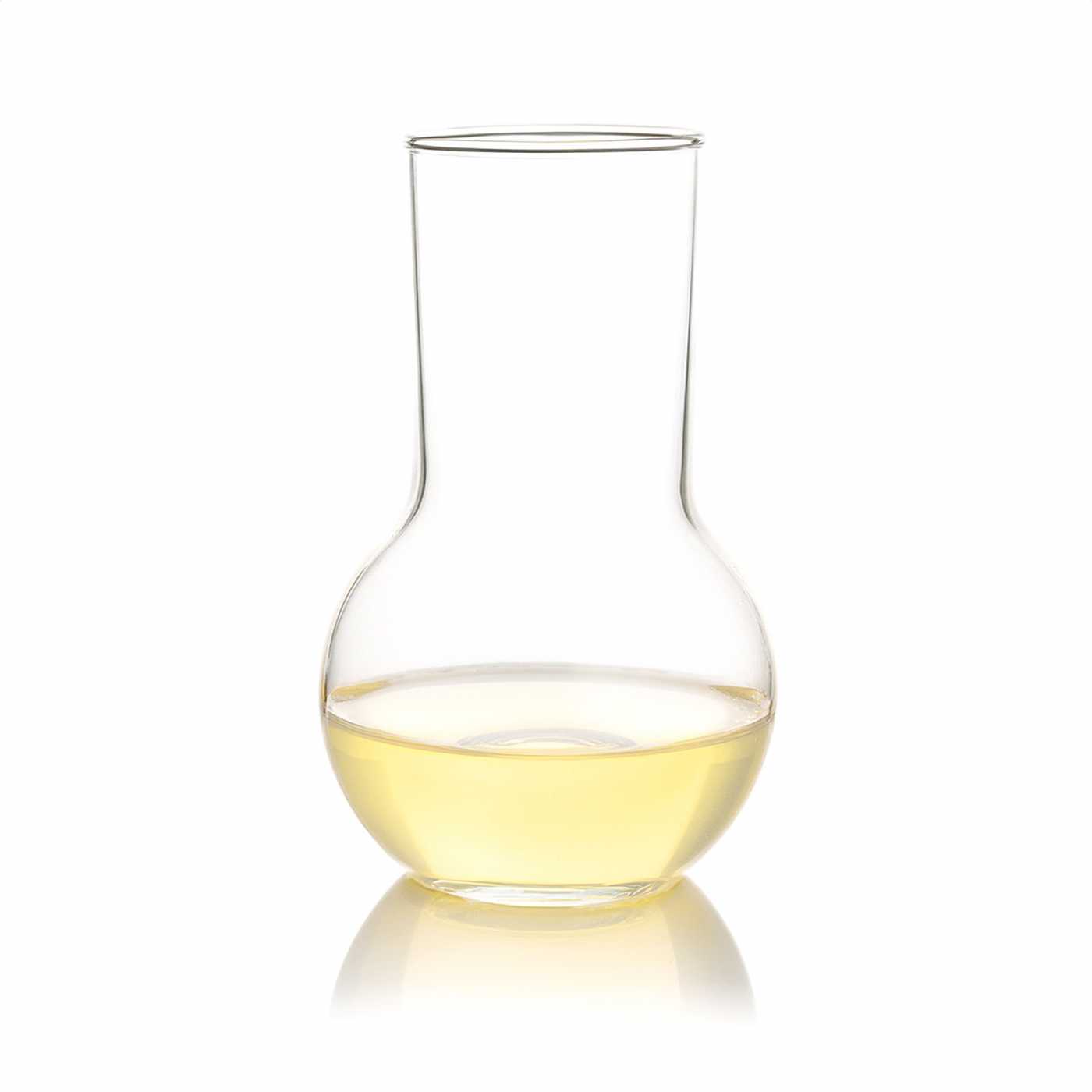
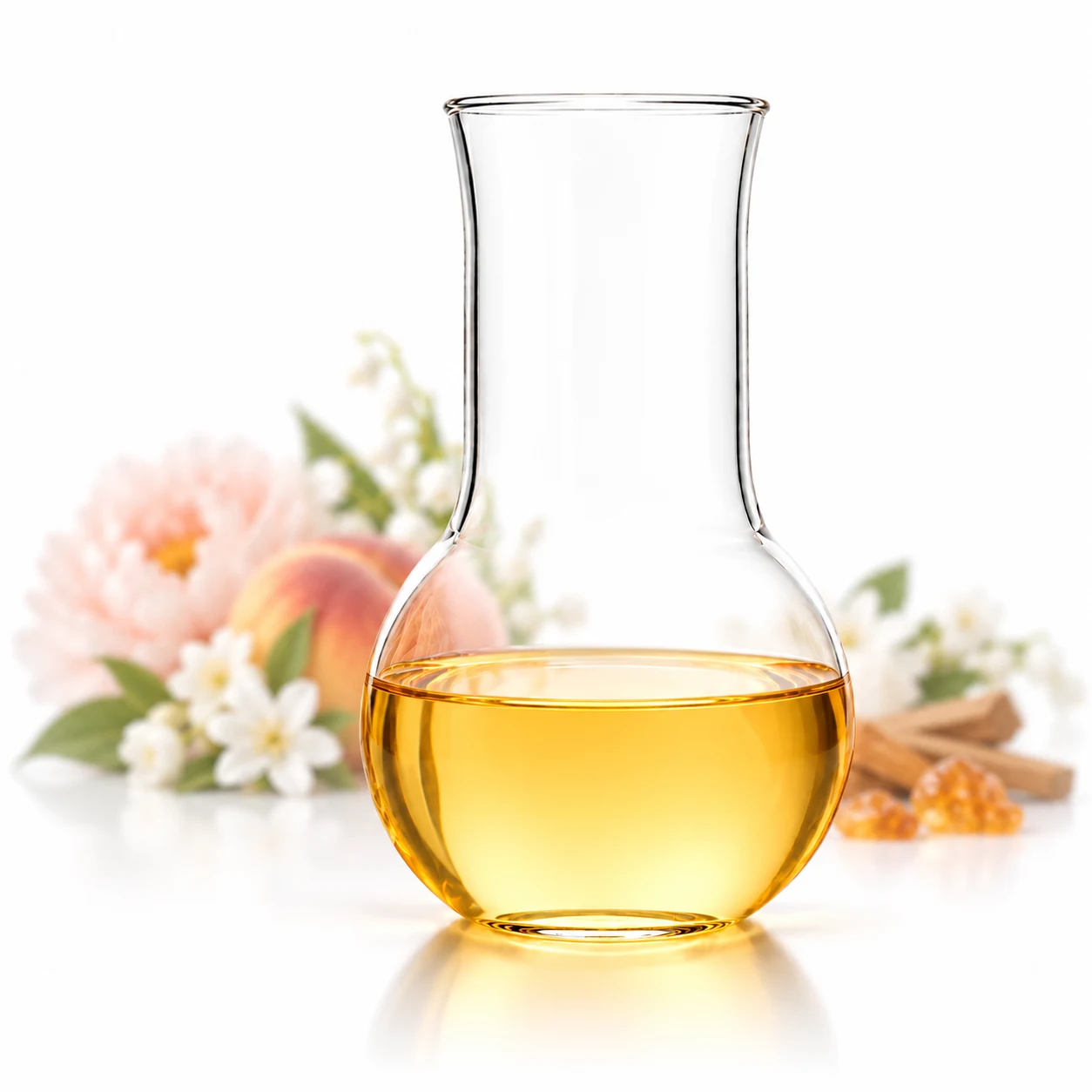
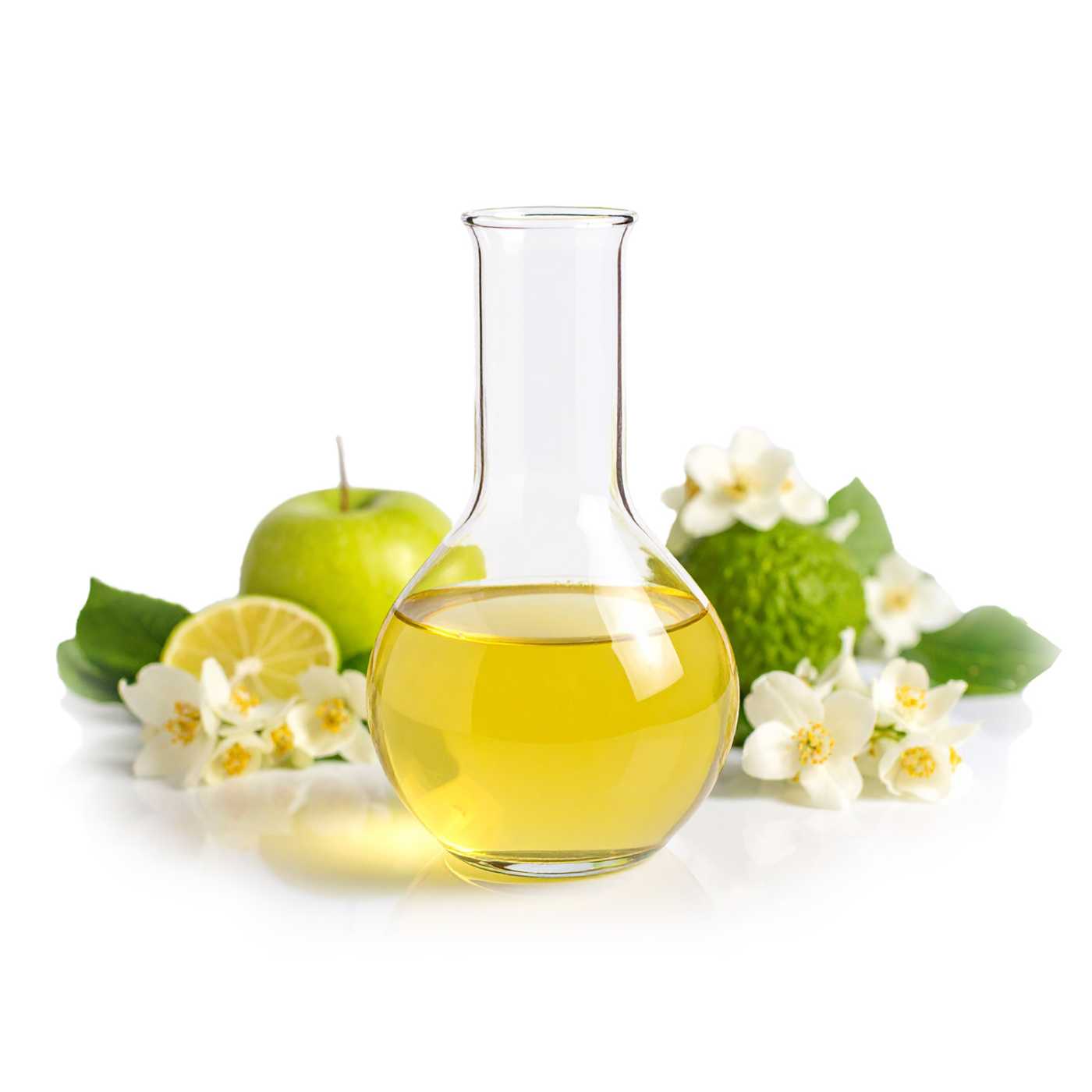
Colour. The oil has a yellow colour. It did not show in cold process soap during the test. At a higher usage rate in colourless anhydrous products, check the resulting shade on a sample.
Fragrance oil and essential oil. An essential oil is obtained from a single plant by distillation or pressing, and its scent is determined by the plant. A fragrance oil is a compound fragrance composition that combines natural and synthetic fragrance ingredients. A fragrance composition is used for scenting a product.