Pre-orderSold out
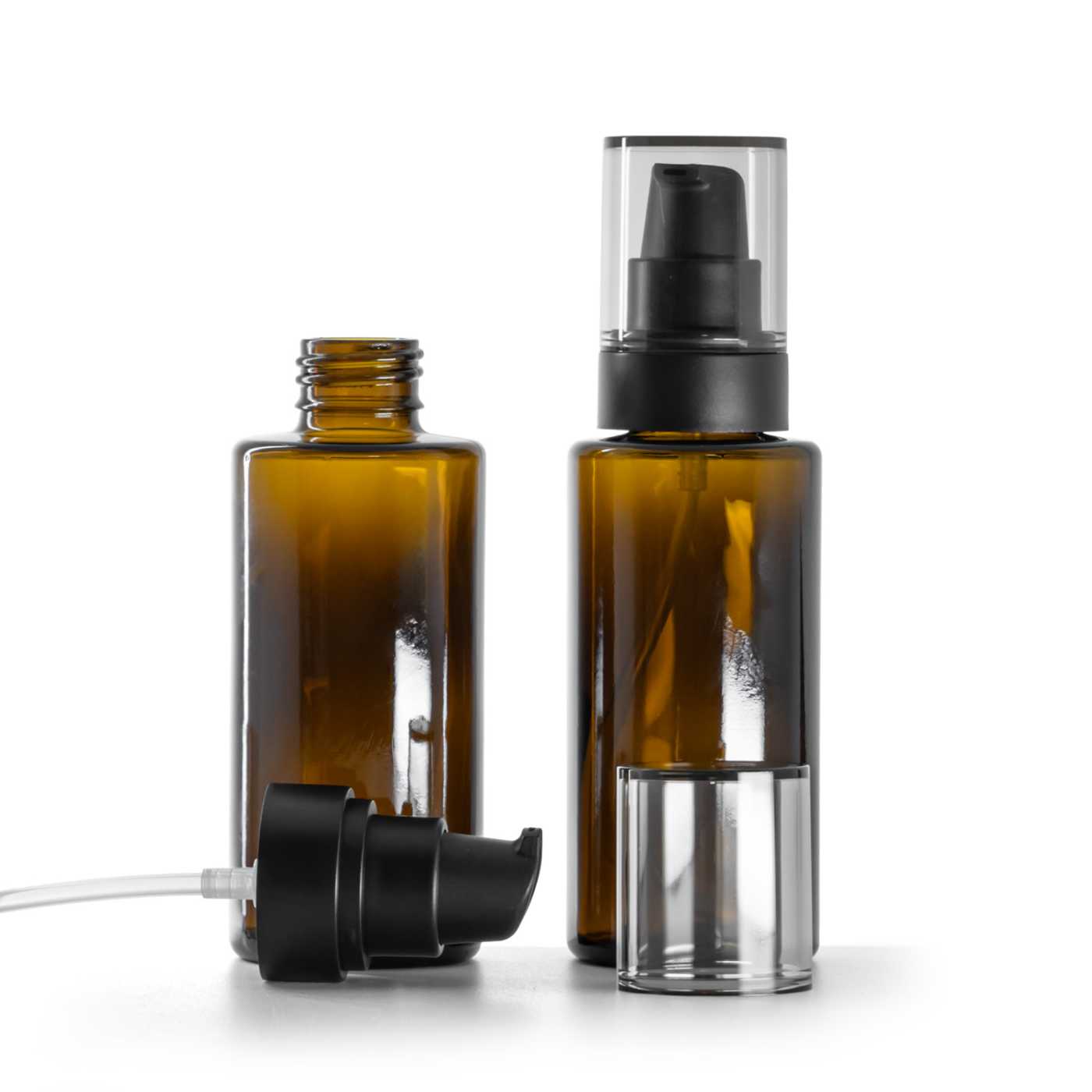
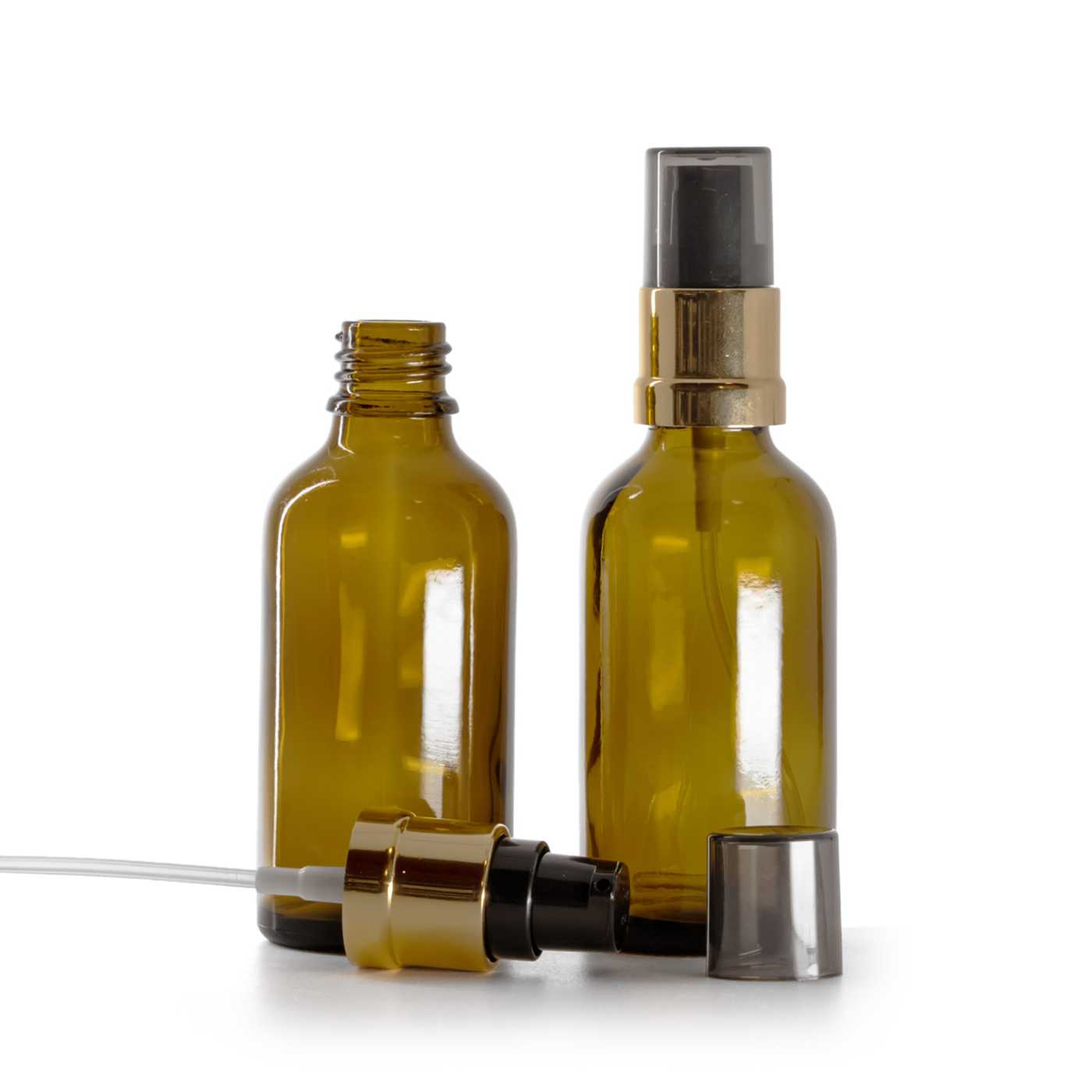
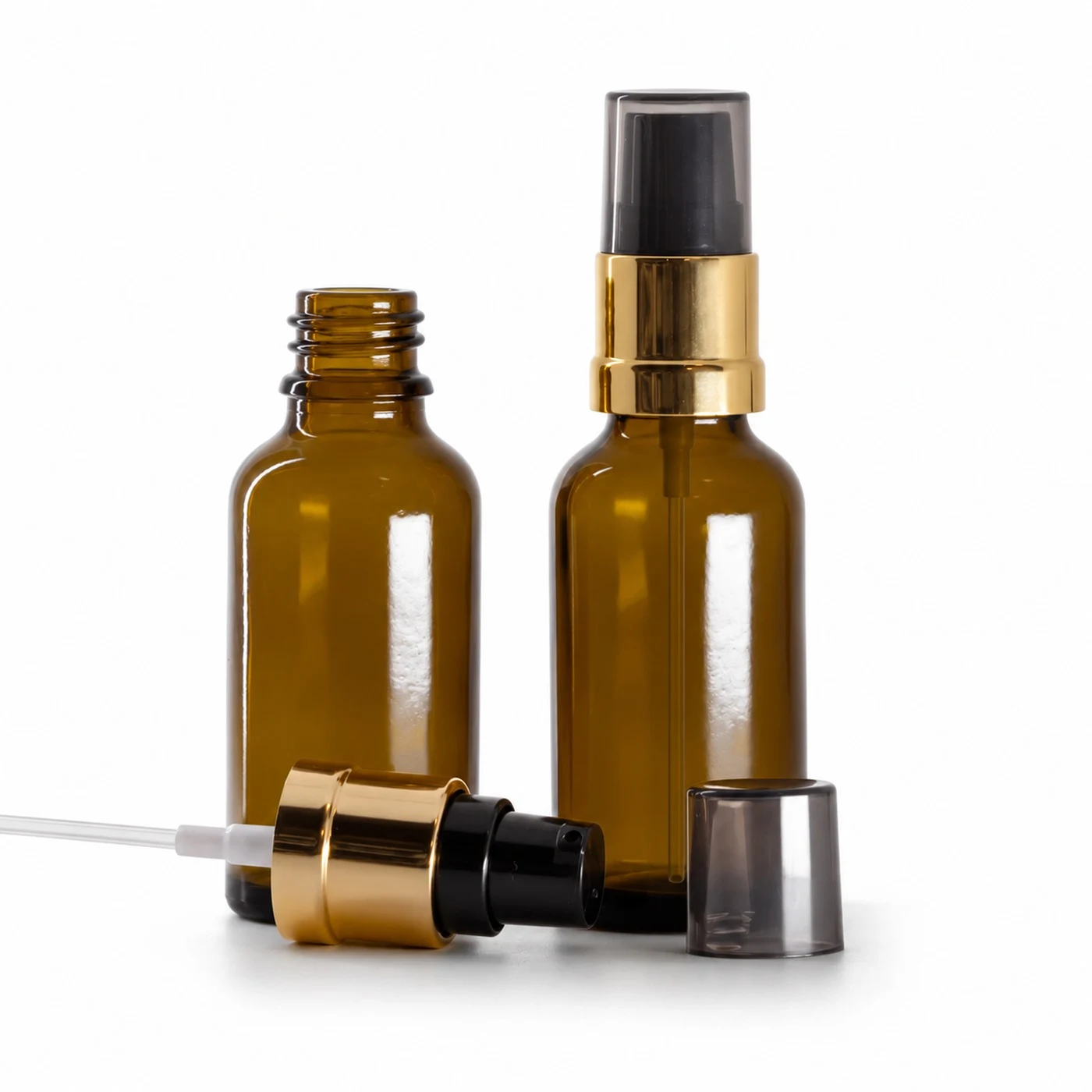
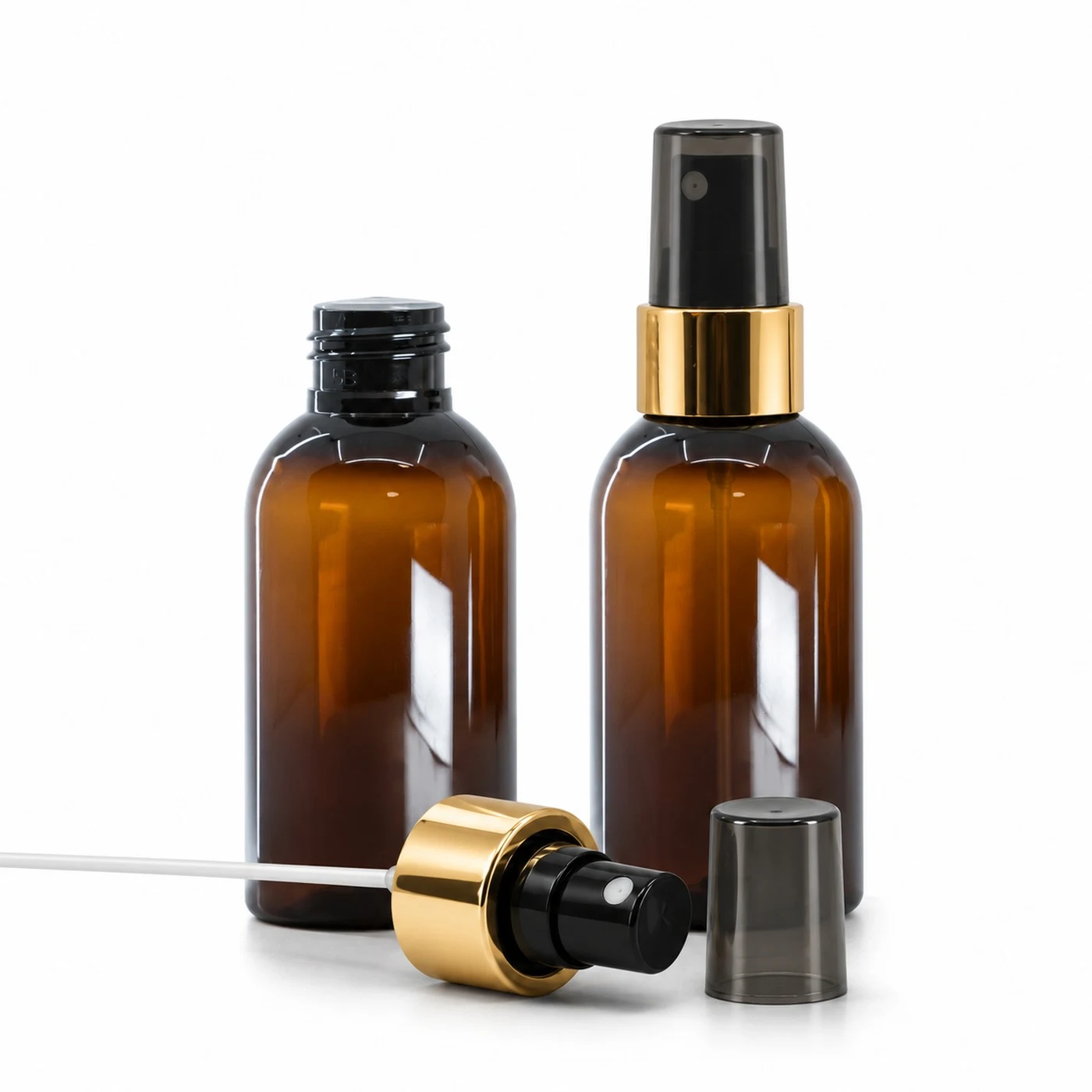
Amber Glass bottle, straight top, 24 mm, Black Pump with Smoky Overcap, 100 ml
€1.70

EMOLLIENTS
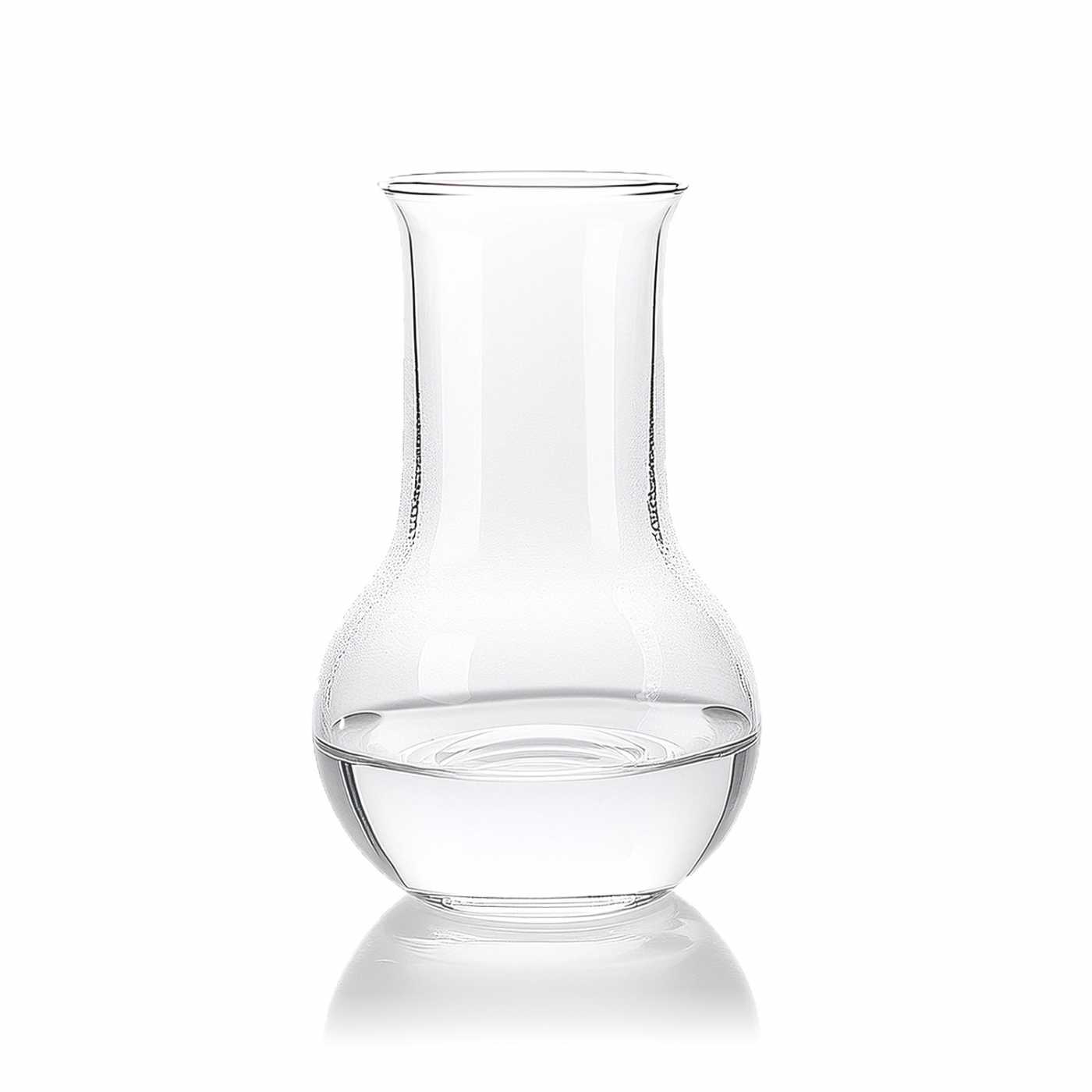
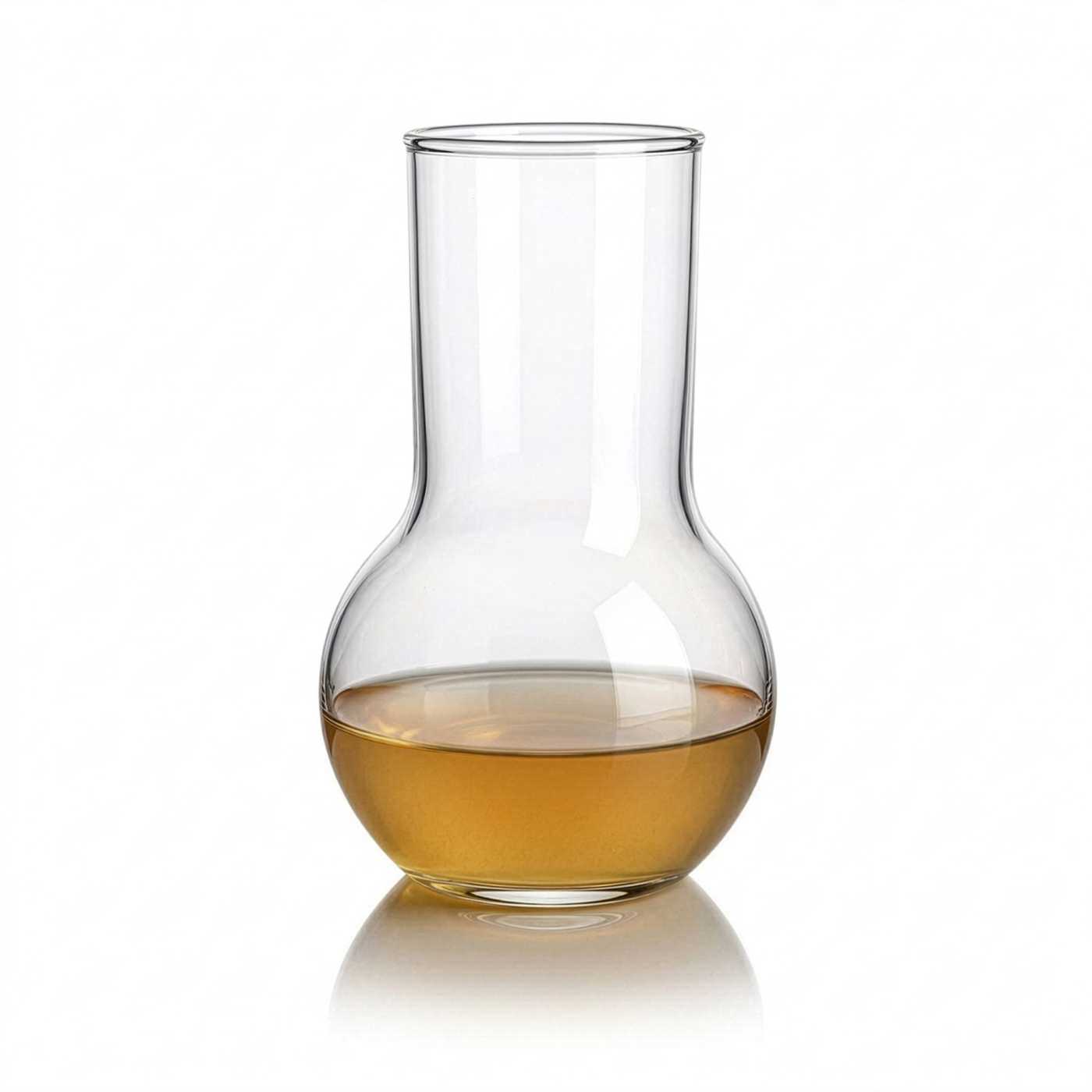
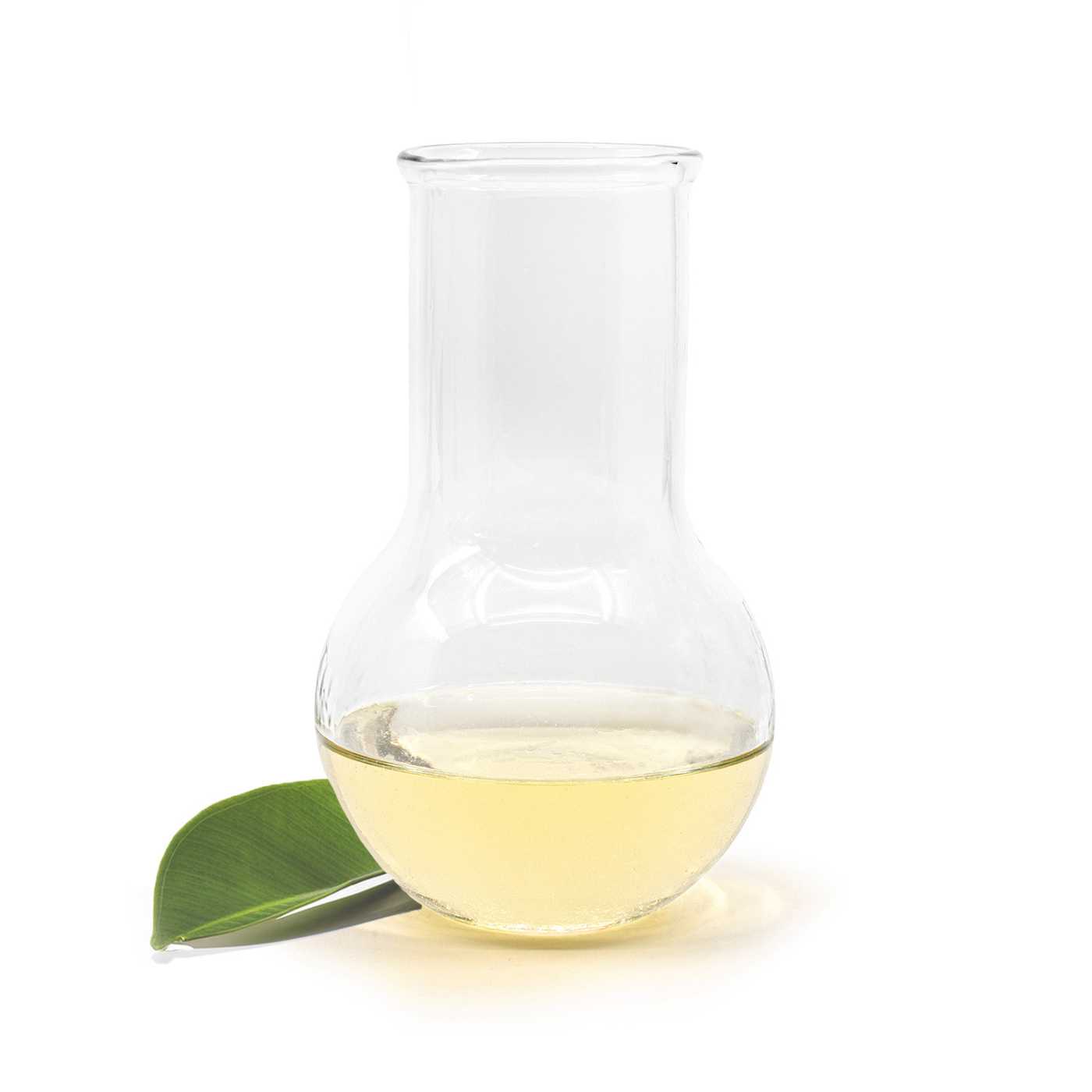
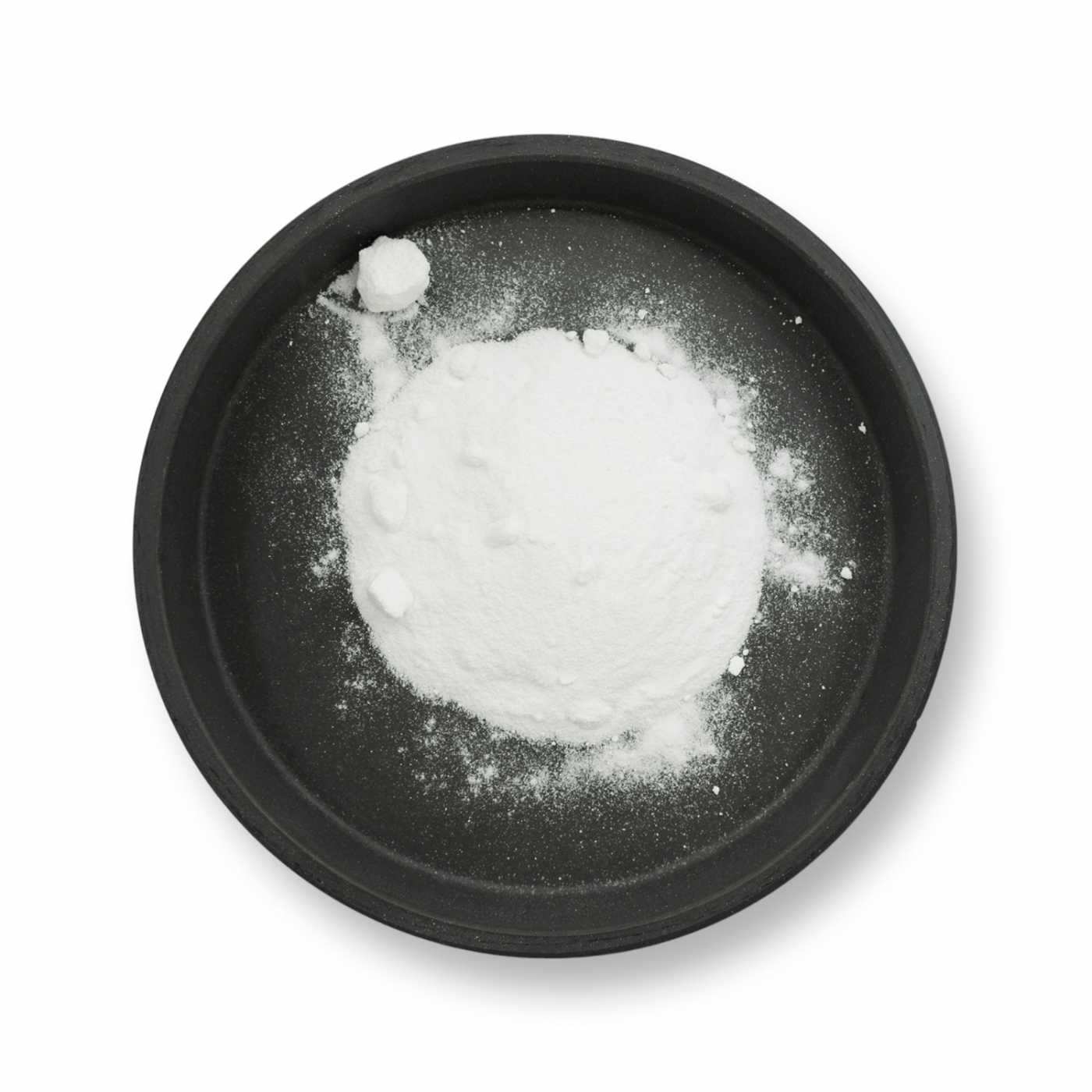
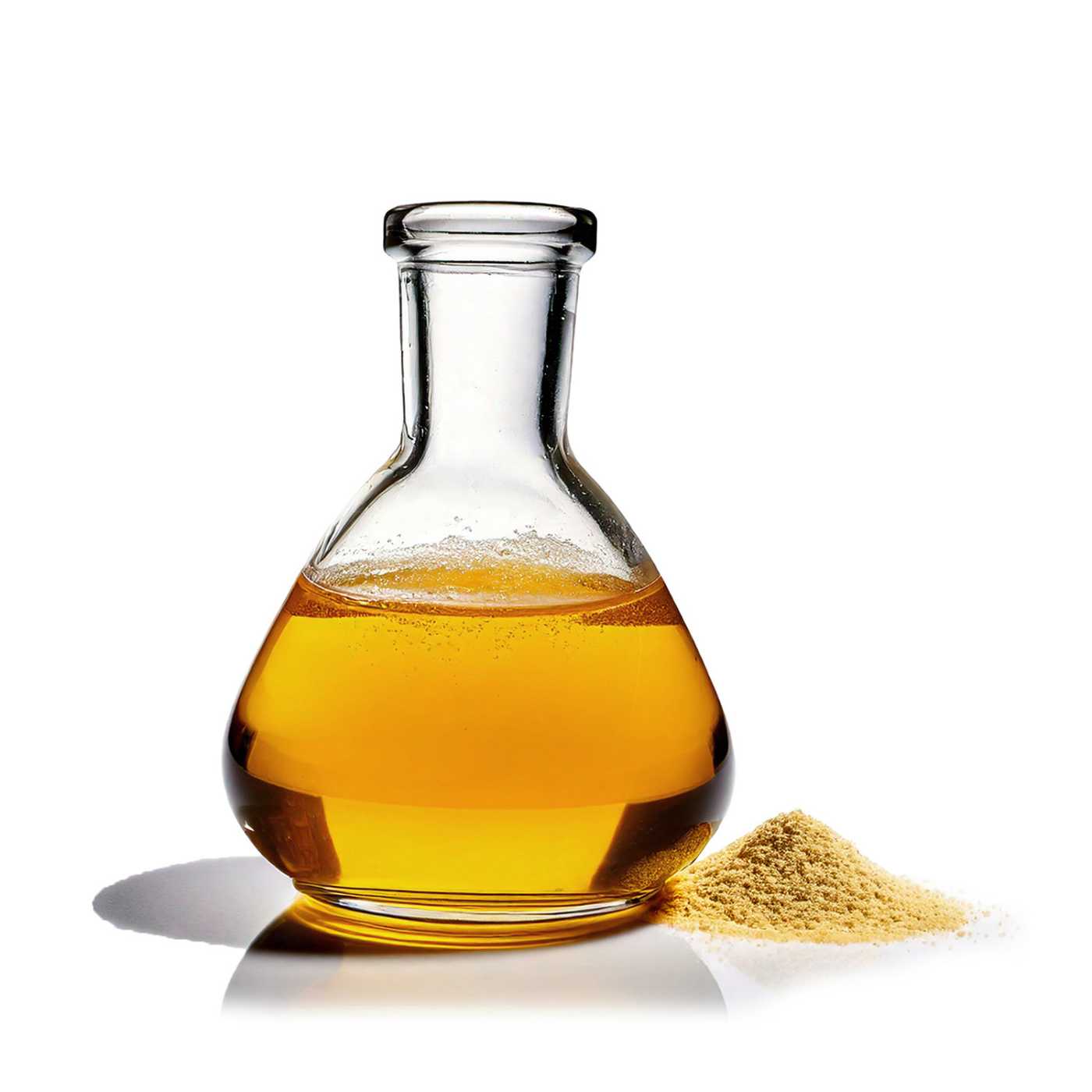
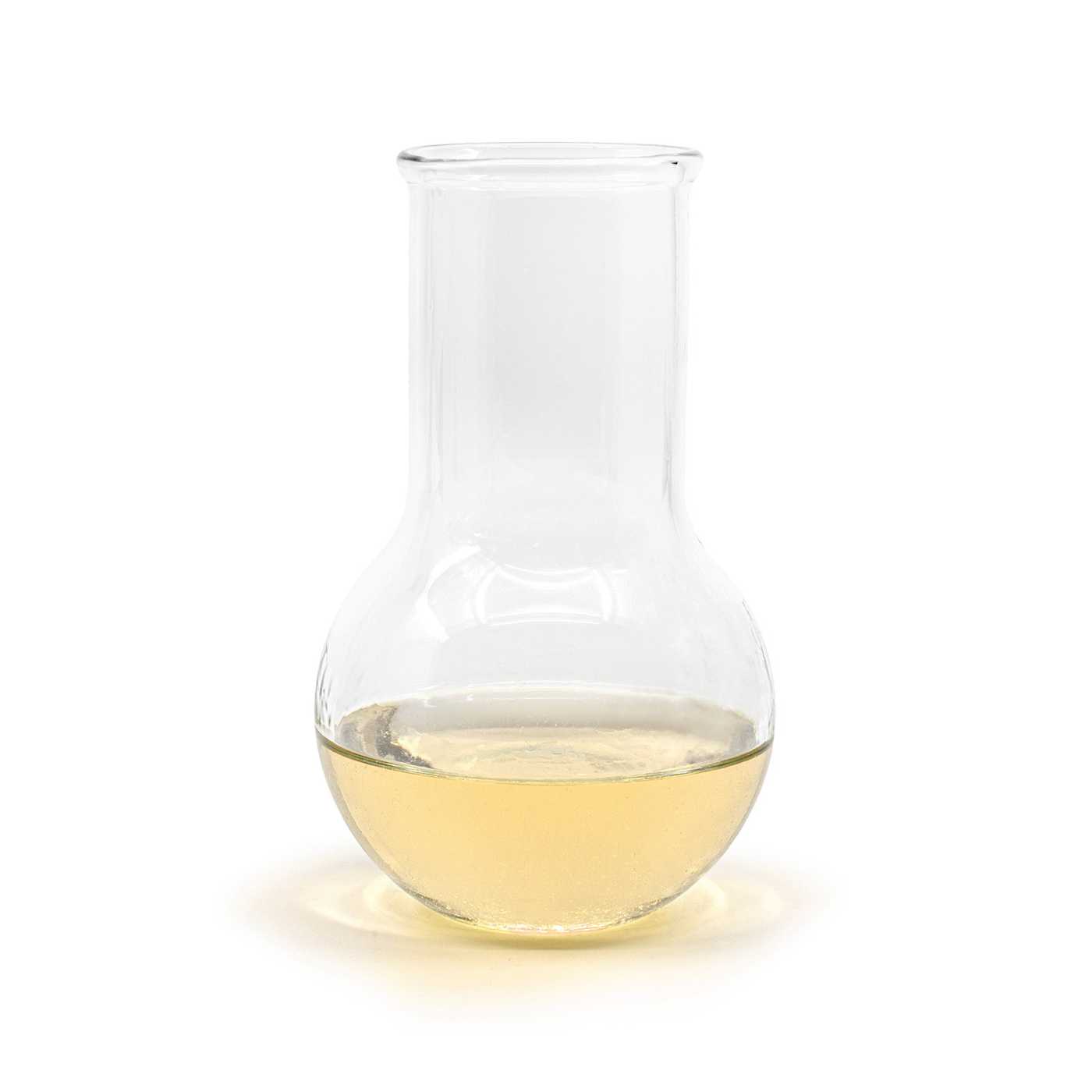
Hemisqualane is a very light emollient derived from sugarcane. It spreads quickly over skin and hair and leaves a dry, non-greasy, non-sticky feel . full description
Lowest price in the last 30 days: €7.49
Hemisqualane is a very light emollient derived from sugarcane. It spreads quickly over skin and hair and leaves a dry, non-greasy, non-sticky feel. It reduces the greasiness of creams, oils and butters, and smooths hair without weighing it down.
It is used in face and body care, make-up removers, hair care, colour cosmetics and lip products. It suits all skin types, including sensitive skin, and is non-comedogenic.
Hemisqualane is a non-polar, fully saturated hydrocarbon of plant origin. On the skin it forms a thin layer that softens and smooths. It leaves no greasy shine and no heavy film.
On hair it makes wet and dry combing easier. Hair feels smooth and is not weighed down.
In the manufacturer’s studies, hemisqualane reduced frizz by 29% and improved colour retention in coloured hair by 30%. The studies also showed heat protection for hair.
In formulations, hemisqualane replaces isohexadecane, mineral paraffins and low-molecular-weight silicones such as cyclomethicone. Its skin feel is similar to theirs. In creams, serums and hair products it can replace them without making the product heavy. It is compatible with silicones and with other lipophilic ingredients, so it can also be combined with them.
It has one limitation. Cyclomethicone evaporates after application, whereas hemisqualane stays on the skin and hair. Where the result depends on fast evaporation, for example in waterproof colour cosmetics or ultra-light hair oils, it cannot replace cyclomethicone.
Both ingredients are saturated hydrocarbons, but they differ in chain length. Hemisqualane has a shorter chain and a lower molecular weight. It is therefore thinner, spreads faster and leaves a drier feel. Squalane is more nourishing and stays noticeable on the skin for longer. The two can be used together in one formulation: squalane adds nourishment, hemisqualane adds lightness.
Hemisqualane belongs in the oil phase. It dissolves in oils and in alcohol and is insoluble in water. It can be processed cold or hot; when heating the oil phase, keep the temperature below 80 °C.
The usage rate is 1–100%. Lower rates adjust the feel of a cream or balm, while higher rates form the base of face, body and cleansing oils. In emulsions, the required HLB is 6.
Chemically it is inert across the whole pH range, so neither an acidic nor an alkaline product environment limits it. In sun care products it dissolves crystalline UV filters and reduces the greasy feel that organic filters leave behind.
When an oil blend feels too greasy on the skin, increase the share of hemisqualane at the expense of heavier oils. Make the adjustment gradually and test the result directly on the skin.
Hemisqualane is produced by fermentation using a genetically modified yeast, followed by distillation. The finished ingredient does not contain live genetically modified organisms.
The ingredient is subject to CLP classification and carries the GHS08 pictogram: it may be fatal if swallowed and enters airways (H304). Do not inhale vapours or aerosols during handling and work in a ventilated area. It may cause long-term harm to aquatic organisms, so do not release it into the environment.
Incredible
Translated automatically

Variant: Hemiskvalán, 30 ml
Perfect for hair care
Translated automatically
Variant: Hemiskvalán, 100 ml
Perfect for hair care
Translated automatically

a hydrating booster for the skin!
Translated automatically

One of my favourite oils, I put it in almost everything!
Translated automatically