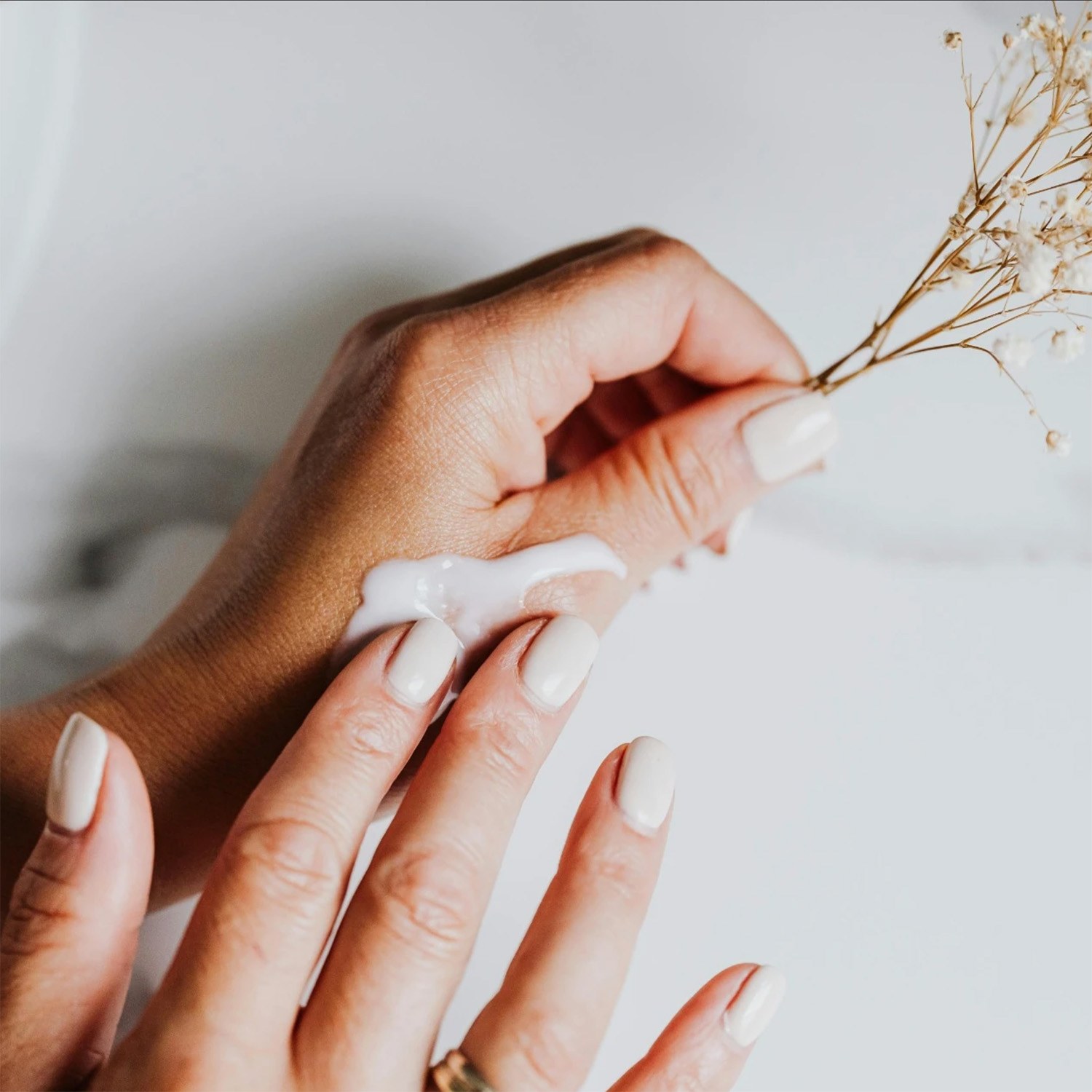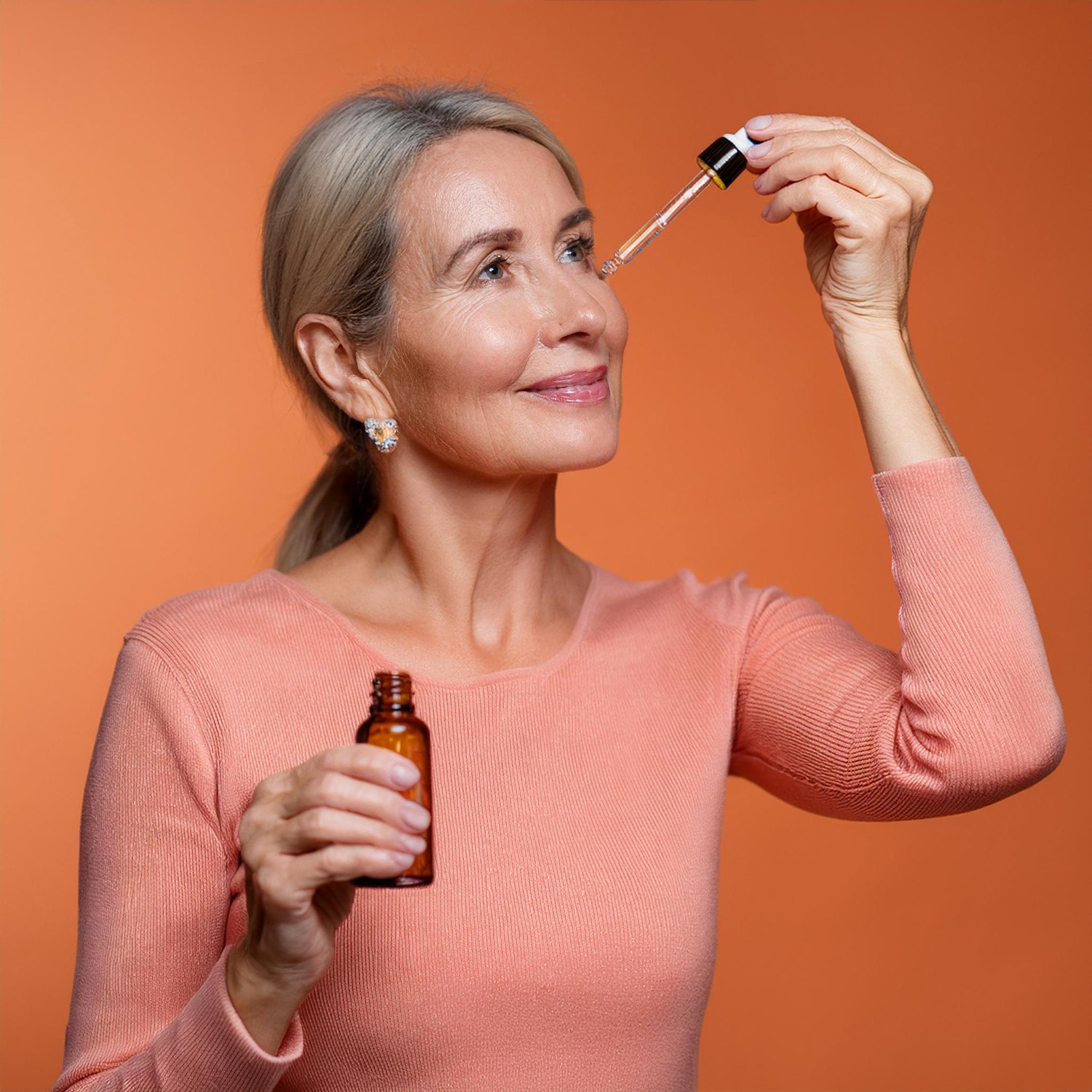

Your skin will love the hydrating facial yogurt. Make it with us.
Do you want to treat yourself to skincare that combines the hydrating effects of a serum with the caring properties of a face cream? You are in the right place — facial yogurt combines several hydrating raw materials with oils, thanks to which your skin is nourished and cared for. The hydrating facial yogurt will therefore be appreciated not only by dry skin, but also by oily or combination skin, because it does not unnecessarily burden the skin with excess oils.
Why make it
- Yogurt-like consistency
Vegeluron gel gives the product a gel-like, yogurt-like consistency and at the same time actively hydrates the skin.
- Lightweight formula
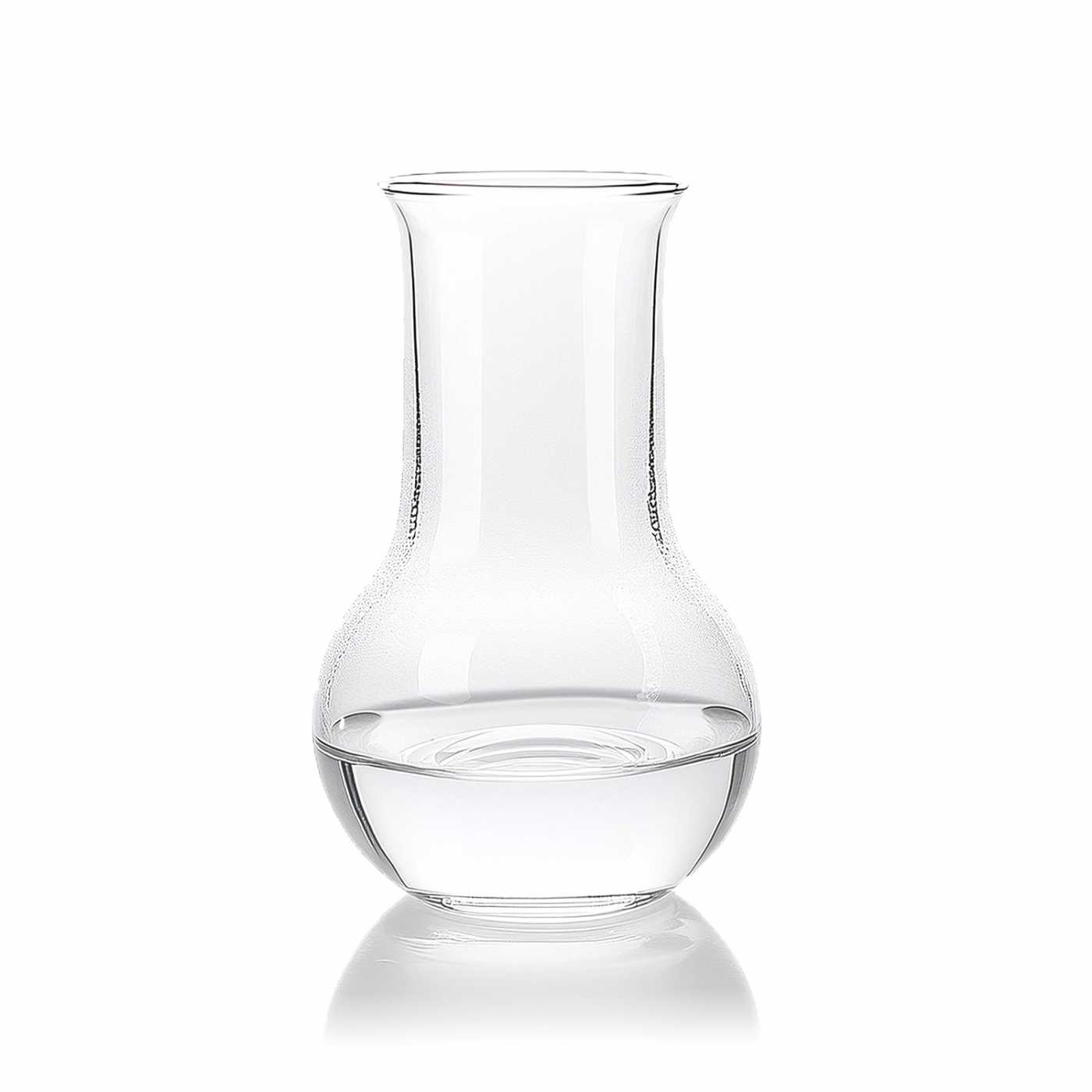
LexFeel Natural is an alternative to silicones — it leaves minimal greasiness, so the yogurt does not leave a greasy feeling on the skin.
- Physiological pH
Lactic acid brings the product to the pH that is natural to the skin.
- Natural preservation
Spectrastat G2 is a natural preservative that tolerates a broader pH range.
Formula
The procedure for making hydrating facial yogurt is similar to making a cream; however, to increase hydration, some active ingredients, such as Vegeluron, have been added; they care for the skin and bring back its lost water. Try the non-burdening composition of the hydrating facial yogurt yourself!
| Ingredient | Content in % |
|---|---|
| Phase A – water phase | |
| Demineralised water | 67.79 |
| Vegeluron gel | 10.00 |
| Phase B | |
| Mica Soft Amethyst | 0.01 |
| Glycerin | 5.00 |
| Phase C – oil phase | |
| Jojoba oil | 1.00 |
| LexFeel Natural | 10.00 |
| Beautyderm K10 | 4.00 |
| Phase D | |
| Essential oil, broadleaf lavender | 0.10 |
| Spectrastat G2 | 1.50 |
| Tocopheryl acetate | 0.50 |
| Lactic acid | 0.10 |
| Tools | |
| Glass jar, clear | — |
Shop the ingredients for this recipe
Untick what you already have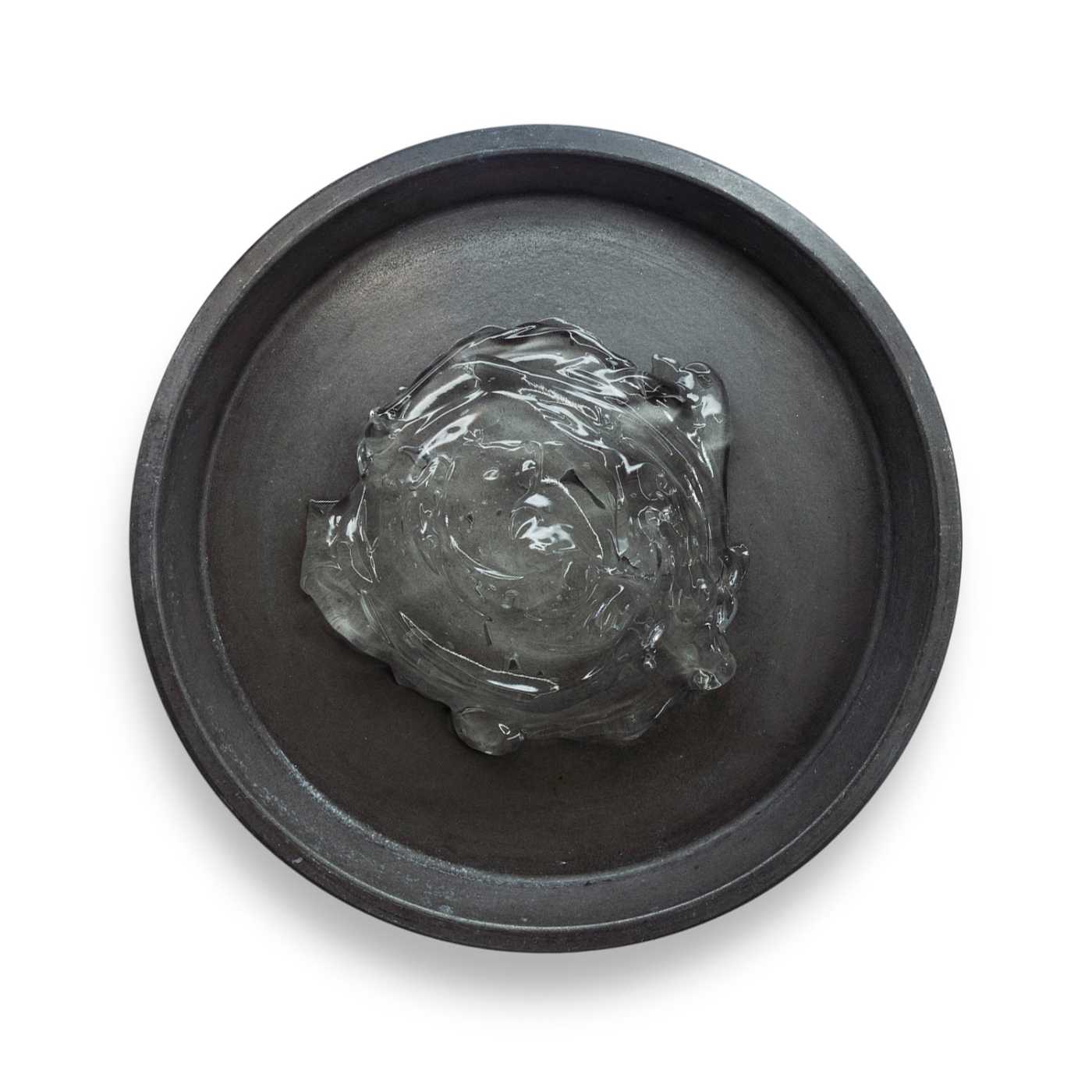 Vegeluron Gel, 50 guses 10 gsold outWatch availability€24.45
 LexFeel Natural, 50 mluses 10 gsold outWatch availability€8.91
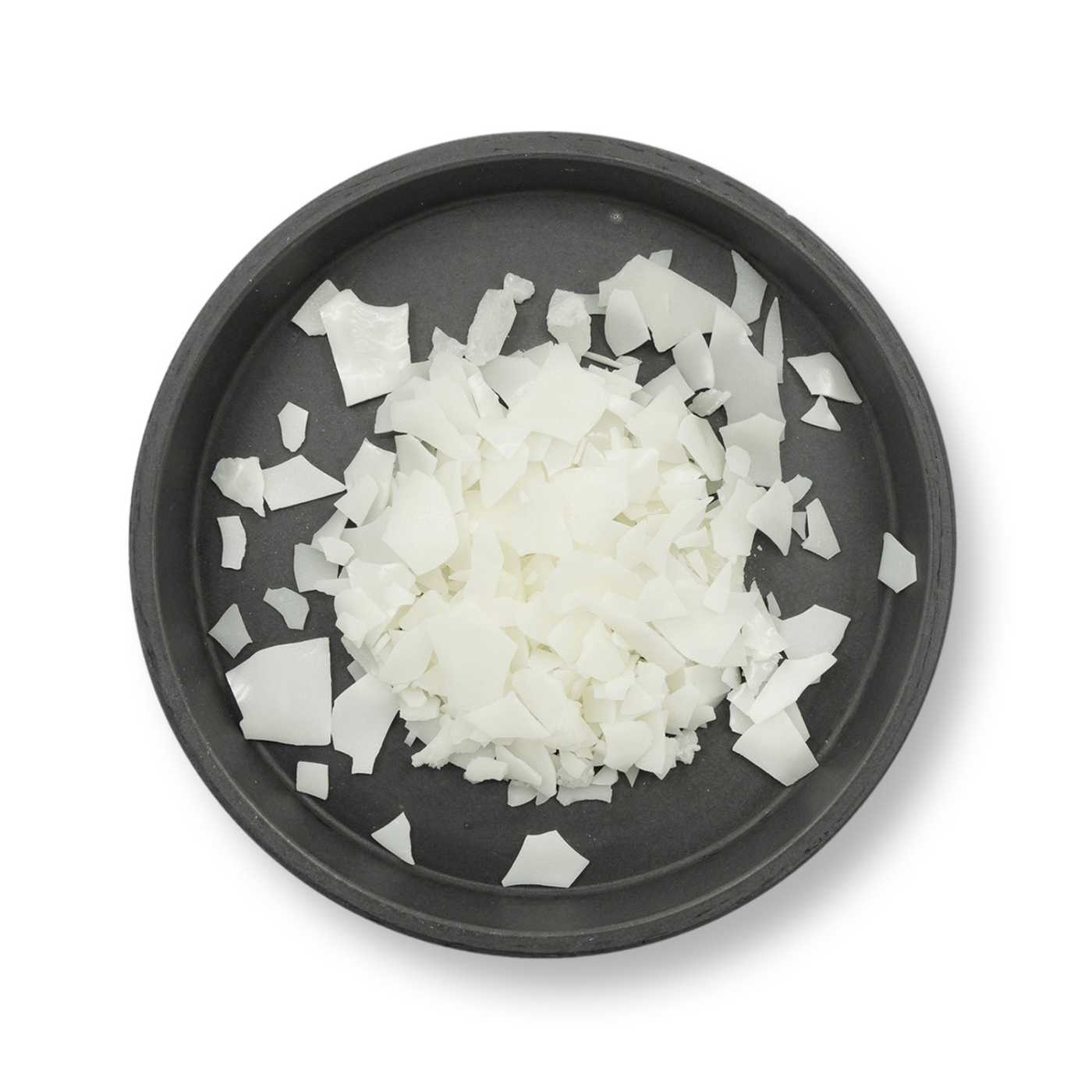 Emulpharma K10 (Beautyderm), 50 guses 4 gin stock€5.24
Procedure
You will manage the whole process in nine steps — from disinfecting your tools (step 1) to filling the finished product into its container (step 9).
- Disinfect your tools
All the tools, containers and packaging you are going to use should be disinfected, for example with ethanol.
- Prepare the water phase
Weigh out the demineralised water, pour roughly 5 g of it into another heat-resistant container and add the preservative Spectrastat G2 (the preservative must be heated to 45 °C in a water bath before use, see Tips and tricks).
Add the Vegeluron gel to the remaining water, mix well and set aside.
Phase APhase D - Mix phase B and pour in phase A
Into a heat-resistant container, weigh out the raw materials of phase B – glycerin and mica powder. Mix well so that the clumps of mica powder disappear, and pour phase A into phase B. Mix again and place in a water bath.
Phase A + B - Weigh out the oil phase
Into a heat-resistant container, weigh out the raw materials of phase C – the oil, LexFeel Natural and the emulsifier. Place in a water bath.
Phase C - Heat in a water bath
In the water bath, heat the mixture of phases A and B, phase C and the preservative. Cover all the containers with aluminium foil. Heat the preservative only up to a temperature of 45 °C. Heat the water and oil phases long enough, however, for the mixtures to reach approximately the same temperature and for the emulsifier Beautyderm K10 to be fully melted. Do not exceed a temperature of 75 °C.
preservative up to 45 °Cmax. 75 °C - Combine the phases and blend
While still in the water bath, pour the water phase into the oil phase and start to blend with an immersion stick blender. While continuously blending, remove from the water bath and carry on blending for at least 5 minutes. As it cools, the facial yogurt will gradually thicken. Then mix it again periodically every few minutes until the mixture reaches 45 °C. At this point add the mixture of preservative and water and mix well again.
preservative at 45 °C - Add the active ingredients
Carry on mixing occasionally until the mixture cools below 35 °C. At this point add the essential oil and the tocopheryl acetate. Mix well.
Phase Dbelow 35 °C - Check and adjust the pH
Check the pH, for example with indicator strips; if necessary, adjust the pH with lactic acid to a value of 4.5–5.5. The indicated amount of lactic acid is only approximate! Add the acid drop by drop, stir thoroughly and check the pH until you reach the desired range.
- Fill into the container
Fill the product into the selected disinfected container.
Tips and tricks
When making hydrating facial yogurt, let our tips and tricks inspire you; they will make the process easier and help you solve some of the issues that can come up while preparing this product.
Tip for step 2: To activate the preservative Spectrastat G2, it must be heated to 45 °C, so it is worth mixing it in advance with a little water, which makes it easier to dose into the prepared emulsion afterwards.
Tip for step 5: When heating in a water bath, do not forget to cover the containers with aluminium foil so that water from the water bath does not get into them and to prevent excessive evaporation.
If you want to be very thorough, weigh the water phase before heating and again after heating (place a saucer under the hot container before putting it on the scales – heat damages scales) and top up the missing water that has evaporated.
Tip for step 6: Before adding the water phase to the oil phase, make sure that both phases are at the same temperature.
When blending with a stick blender, the mixture will only start to thicken as it cools; at the same time, do not forget to blend the mixture periodically during cooling as well, as this reduces the risk of the phases separating.
Tip for step 8: Always check the pH of the product before you finish it and adjust its pH to a value of 4.5–5.5 by adding lactic acid.
The stated percentage of lactic acid is only approximate, because the actual amount depends on the quality of the raw materials, the accuracy of dosing and weighing, and other factors; therefore add the acid drop by drop, mix it thoroughly into the mixture after each addition and check the pH.

Raw materials and their significance
Do you want to learn more about the significance of the individual raw materials or their substitutions in the recipe for hydrating facial yogurt? You are in the right place!
Demineralised water
To prepare an emulsion we need a water base, and this is exactly where demineralised water comes in useful. Do not replace it with tap water or boiled water – such water contains minerals that can disrupt the stability of the emulsion. Demineralised water can be replaced by hydrolats (flower waters), which will also give the product a gentle floral scent.
Vegeluron gel
Vegeluron gel performs three functions at once in the facial yogurt. First of all, it gives the final product a gel-like, yogurt-like consistency. Next, it helps to thicken it and, last but not least, it acts as an active ingredient – it actively hydrates the skin and is also considered a plant-based substitute for hyaluronic acid.
If you omit Vegeluron gel from the recipe or change its amount, you will get a product with a different texture and viscosity. It can be replaced by hyaluronic acid, but you will have to play with the dosage until you achieve the desired consistency.
Mica powder
For colouring the product we chose Soft Amethyst mica powder. Mica powders have the advantage that they combine well with a wide range of products and are available in a broad palette of colours. Mica powder can also be omitted from the hydrating facial yogurt; the product will then be white.
If you want to play with the intensity of the final colour, change the amount of mica powder at the expense of the water. Do not forget to disperse it in the glycerin first (step 3) – this way you will avoid clumping and the powder will be evenly distributed through the product more quickly.
Glycerin
A popular hydrating and humectant raw material for the skin is glycerin. This glycol dissolves well in water and also withstands higher temperatures, so it can be added straight into the water phase, which will subsequently be heated. In addition, it helps to better incorporate powdered raw materials such as hyaluronic acid, plant gums or mica powders, which is another reason not to omit glycerin from the hydrating facial yogurt if you can help it.
Jojoba oil
The base oil of phase C is jojoba oil. This luxurious oil cares for the skin beautifully and has a neutral scent and colour, so it does not interfere with the final fragrance and colour of the facial yogurt. If you have another favourite liquid plant oil, however, feel free to swap it for the jojoba oil. You can also increase the amount of jojoba oil if you find the product is not emollient enough for your skin.
LexFeel Natural
An alternative to silicones in face creams is LexFeel Natural. This raw material has an appearance and properties similar to oils, which is why it is added to the oil phase of the product (step 4). Unlike oils, however, it leaves minimal greasiness and burden on the skin, so do not omit it from the product if you want a lightweight result that does not leave a greasy feeling on the skin. LexFeel Natural can be replaced by liquid plant oils.
Beautyderm K10
An emulsifier, or a substance that ensures the water and oil phases bind together, is also Beautyderm K10. Using an emulsifier is necessary in this product; otherwise the water and oil components will not combine. By increasing the amount of emulsifier in the hydrating facial yogurt you will get a thicker product with a higher viscosity, and vice versa. You can replace it with other emulsifiers, for example Olivem 1000, but expect a change in viscosity.
Essential oil
To give the hydrating facial yogurt a gentle floral scent we chose lavender essential oil. It is up to you which essential oil you choose, but before use do check its dosage (for example according to the IFRA standards) for facial products. Avoid citrus essential oils, which after sun exposure could increase the risk of an allergic reaction.
You can also omit the fragrance altogether or reach for fragrance oils, which offer an even wider range of possibilities than essential oils.
Preservative
Spectrastat G2 is a natural preservative that tolerates a broader pH range, which makes it an excellent fit for a wide spectrum of products. Before use, however, it must be heated, otherwise it will not be active. That is why in this case we exceptionally add the preservative before the product cools and the pH is adjusted. If you are going to swap Spectrastat G2 for another preservative (reach for broad-spectrum ones), check whether it is dosed only in the cooling phase and what pH it requires to be effective. Most preservatives are in fact added only below 35 °C, and sometimes the product has to be acidified for the preservative to be active.
Do not omit the addition of the preservative, though, because the hydrating facial yogurt contains water, and without a preservative it will spoil quickly (on the scale of days) and will not be usable.
Tocopheryl acetate
Tocopheryl acetate, or vitamin E, is an excellent antioxidant for the skin. It has another role as well, though – thanks to its antioxidant properties it also protects the oils in the product and so delays their oxidation.
Vitamin E is classed among the active ingredients, so add it only in the cooling phase (step 7). A substitute for tocopheryl acetate is tocopherol, or you can leave vitamin E out altogether.
Lactic acid
For adjusting the pH we chose lactic acid. An alternative to lactic acid is citric acid, but it is sold in powder form, so you first have to prepare a 50% aqueous solution of the acid (demineralised water and acid 1:1) and only then use it to adjust the pH.
Do not skip the pH adjustment, because otherwise the product will not reach the physiological pH of the skin (4.5–5.5).

Warning
As mentioned, you can experiment with homemade recipes to achieve the properties you want. The final result can, however, be influenced by many factors, such as humidity, temperature, the quality of the raw materials or the way they are stored.
Before you use any raw material to make a cosmetic product, familiarise yourself with its properties, its recommended dosage, its storage conditions and safe handling. Every raw material has the potential to trigger an allergic reaction in sensitive individuals, so before using the product we recommend finding out whether you are allergic to any of the raw materials or to the product as a whole, for example with a skin test.
If you have very sensitive or very acne-prone skin, or you have other skin and health problems, we recommend that you consult a medical professional before applying a new product to your skin, whether it is a homemade cosmetic product, a pure raw material or a commercially available product.
Frequently asked questions
Can I omit the preservative?
No. The yogurt contains water, so without a preservative it will spoil quickly and will not be usable. Spectrastat G2 also has to be heated before it is added, otherwise it will not be active.
What can I replace Vegeluron gel with?
With hyaluronic acid — you will have to play with the dosage, though, until you achieve the desired consistency. Without Vegeluron, or with a changed amount of it, you will get a product with a different texture and viscosity.
Why can't I use tap water?
Neither tap water nor boiled water is suitable — they contain minerals that can disrupt the stability of the emulsion. Use demineralised water, or hydrolats.
Why does the pH need adjusting?
Without adjustment the product will not reach the physiological pH of the skin. Add the lactic acid drop by drop and check the pH after each addition.
Conclusion
Cleanse and soften your skin with hydrating facial yogurt after every wash. We believe that with our recipe you will find it easy to make.
We thank Ivana Jačalová for the excellent contribution.
If you have any questions about the raw materials, or any observations that would help us round these instructions out, write to us at [email protected].
With joy in creating and caring.
Turn your raw materials into a light hydrating facial yogurt — you will find Vegeluron gel and the other active ingredients from the formula in our e-shop; if it happens to be sold out, hyaluronic acid will replace it.