
Pre-orderSold out
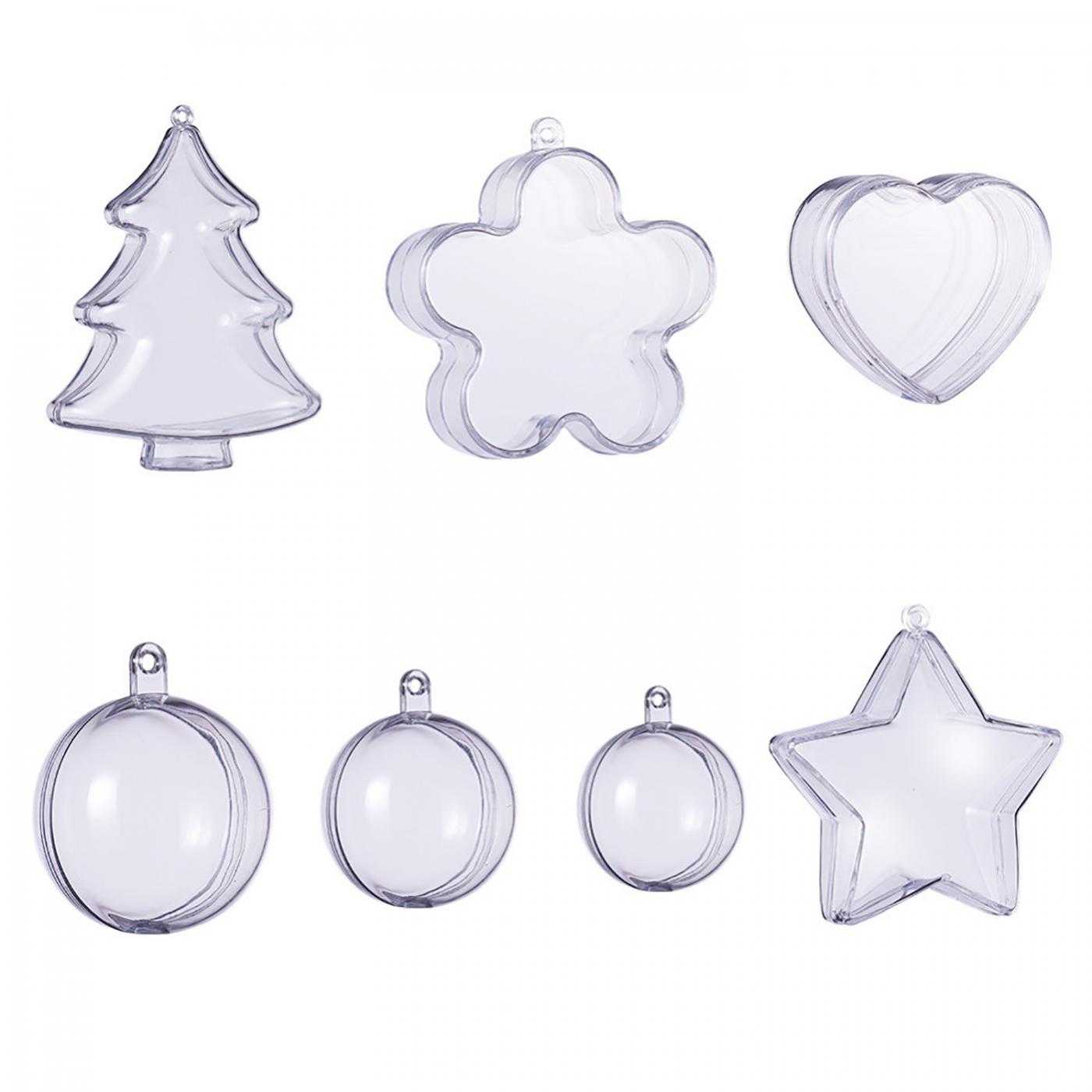
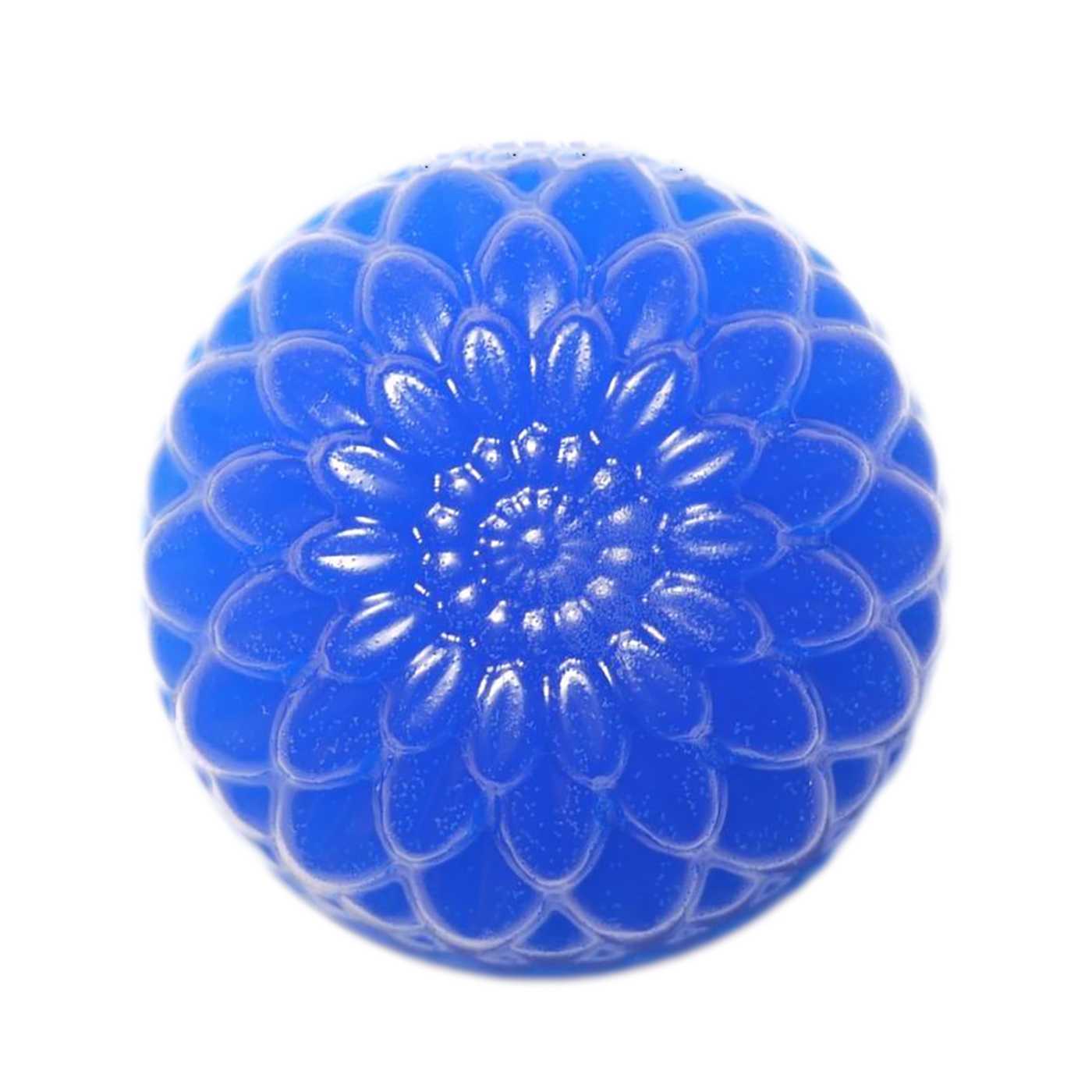
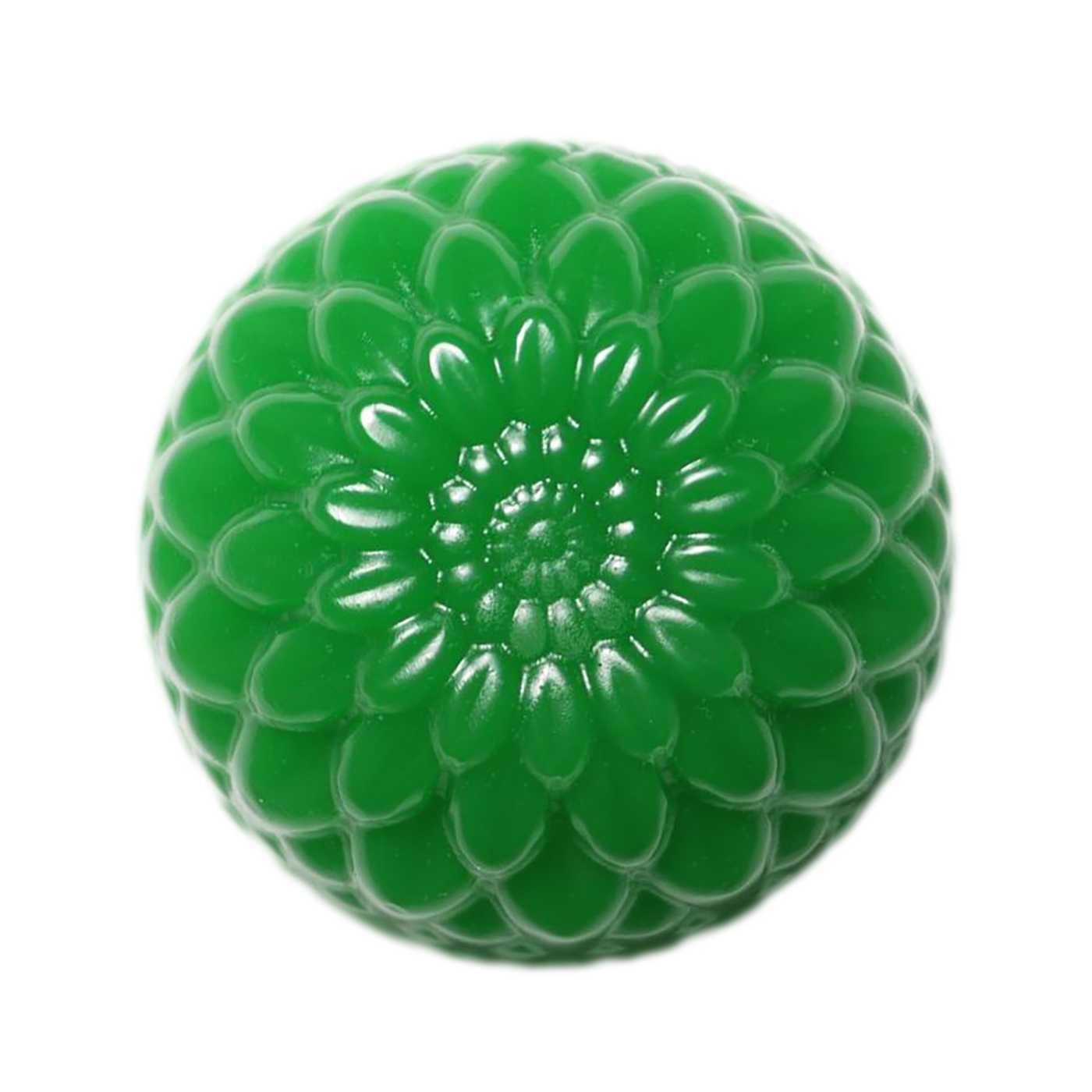
Set of plastic containers for making bath bombs
€15.74

SUGARS AND STARCHES
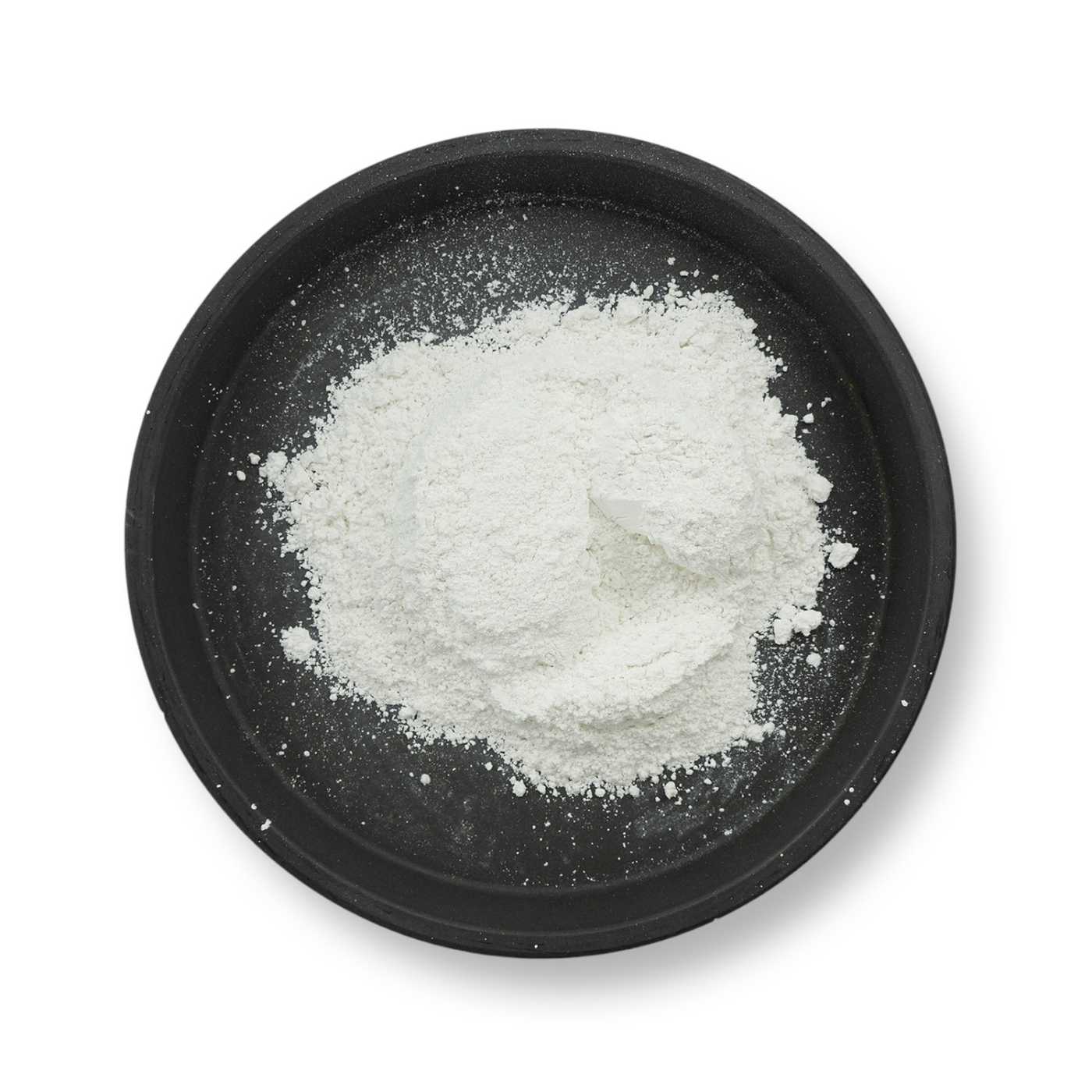
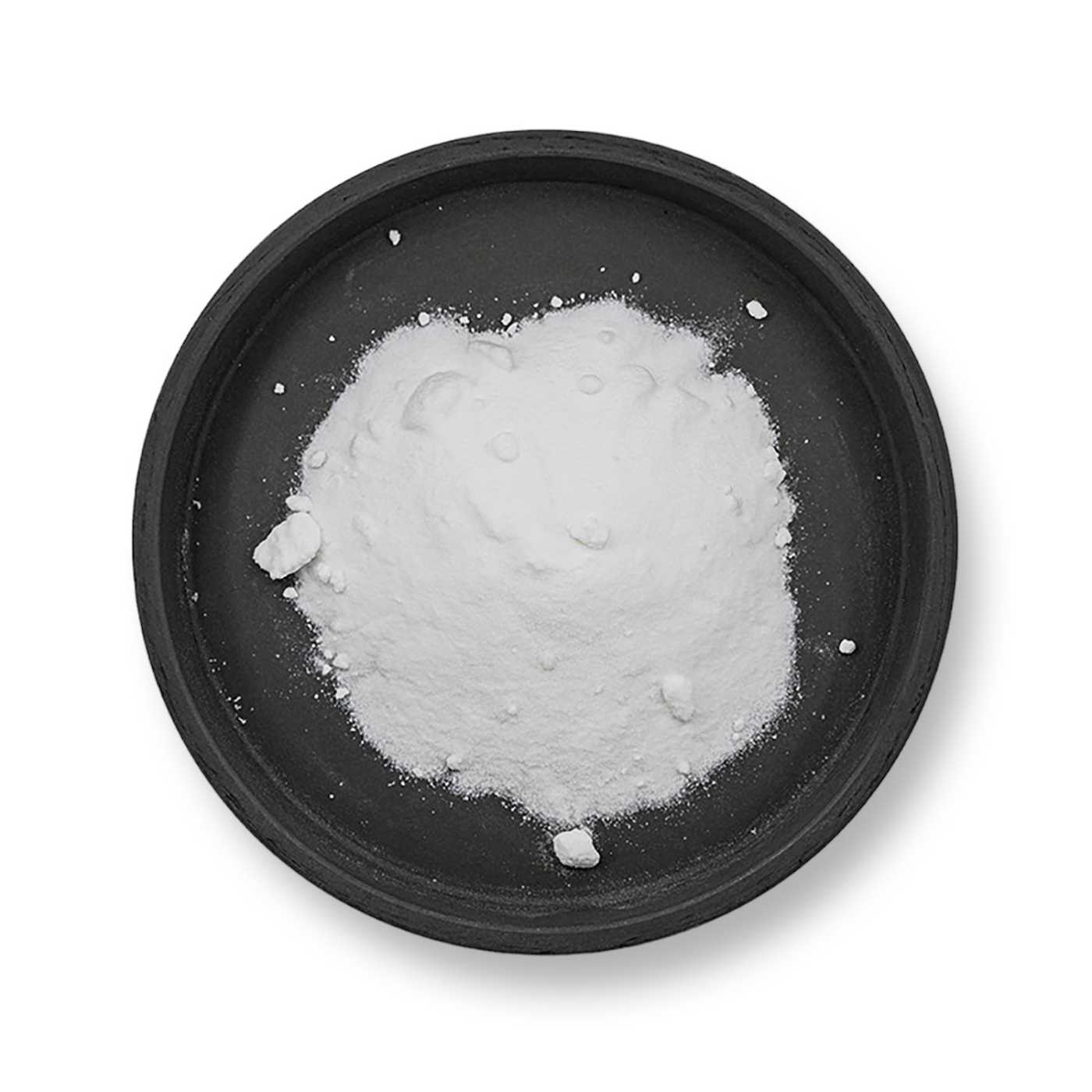
Corn starch is a plant-based thickener made from maize that has two roles in cosmetics. In powder and anhydrous products it mattifies and softens the feel on the skin . full description
Lowest price in the last 30 days: €26.49
Corn starch is a plant-based thickener made from maize that has two roles in cosmetics. In powder and anhydrous products it mattifies and softens the feel on the skin. When heated in water it forms a gel and adjusts the thickness of the product.
It is used in rinse-off and leave-on products for the face, body, hands, feet and hair. It is of European origin, produced without the use of GMOs, and supplied in both cosmetic and food grade.
In its dry state it acts as a sensory modifier. Tiny starch granules bind oil and moisture and leave a drier, matte and smooth feel on the skin. In powders and cleansing powders it forms part of the loose base. In balms and solid products with a high proportion of oils and butters it reduces the greasy feel after application.
In water it behaves differently. It only starts to thicken after heating, when the granules swell and break down. This process is called gelatinisation and it produces a gel. The final texture of the product depends on how this step goes.
Corn starch is water-dispersible, but it does not dissolve in water. It is also insoluble in oil and in alcohol. It is incorporated into the water phase or added afterwards to the finished product. In anhydrous and powder formulations it is usually part of the main phase together with the other loose ingredients.
The usage rate depends on the type of product. In formulations it ranges from 1 to 45%, most often around 9%.
If the starch is to thicken a water-based product, it must be heated in the water. Without heating it only stays dispersed in it.
The gelatinisation temperature is affected by the composition of the formulation. Salts raise it, and a product containing electrolytes may need a higher heating temperature.
In formulations it is commonly combined with cellulose, xanthan gum, acacia gum, Glyceryl Caprylate and light emollients, for example Isoamyl Laurate.
After cooking, a starch gel changes over time. The starch molecules rearrange themselves, the gel becomes firmer and may release water. This process is called retrogradation, and how it proceeds depends on the composition of the formulation and on the storage conditions. Salts with divalent cations slow it down more than salts with monovalent ones.
The pH also affects the texture. An acidic environment (pH 3–5) weakens the structure of the gel and its resistance to freezing and thawing, while an alkaline environment strengthens it. In acidic water-based products you should expect a weaker and less stable texture.
Starch is broken down by the enzyme α-amylase, which can get into the product through contamination or with plant extracts. Traces are enough, and the product thins during storage. At a higher starch concentration, longer heating or a higher temperature is needed to inactivate the enzyme, although a thicker gel is broken down more slowly.
Corn starch is not classified as hazardous under the CLP Regulation. Expert assessment considers starch from maize safe in cosmetics at normal concentrations.


Variant: Kukuričný škrob, 1 kg