+421 950 333 113info@handymade.storeHandymade Days: −10 % on all ready-made productsShop now

MICA POWDERS

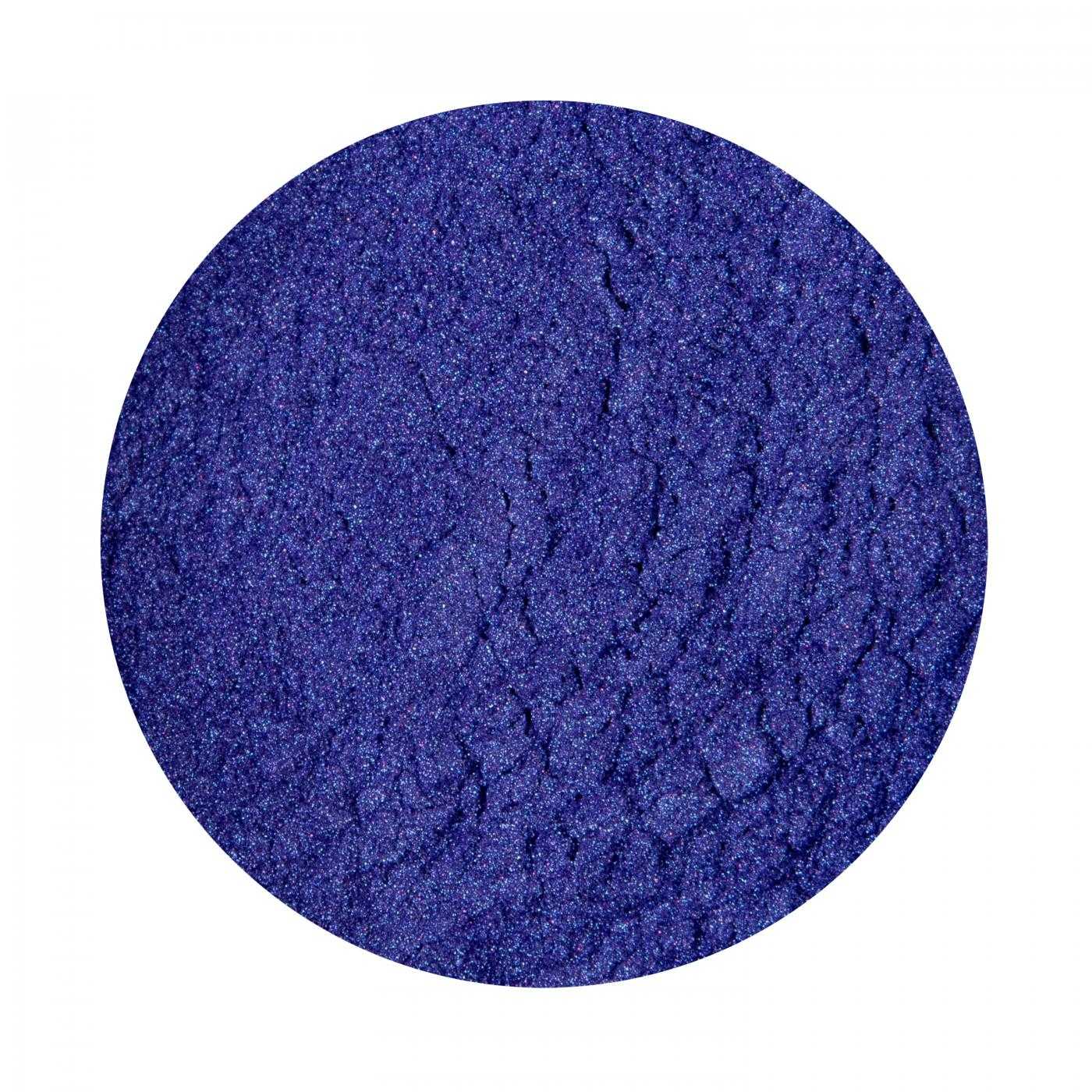
MICA Pigment Powder, Virtuous Violet, 500 g

Pack size10 g50 g200 g500 g

Mica Virtuous Violet is a purple pearlescent pigment powder that gives a product both colour and shimmer in a single step. full description

AvailabilityPre-order
Product codeFM528_500
€69.99incl. VAT€139.98/kg

Lowest price in the last 30 days: €69.99

Pre-orderThis variant is currently out of stock — your order will be a pre-order and delivery may take longer.

Product description

Mica Virtuous Violet is a purple pearlescent pigment powder that gives a product both colour and shimmer in a single step. It is based on mica coated with titanium dioxide, and the purple shade comes from manganese violet together with ultramarine. It is used mainly in decorative cosmetics, that is in eyeshadows, highlighters and powders, and at lower rates also for a pearlescent effect in creams.

The pigment is of mineral origin and is suitable for both leave-on and rinse-off products. It can be used on the face, including the eye area. It meets the requirements for cosmetic dyes under Annex IV of Regulation (EC) No 1223/2009, including the heavy metal limits.


How the shimmer and colour are created

The shimmer comes from mica. Its flat platelets, coated with a layer of titanium dioxide, reflect light and create a pearlescent effect on the skin. The particles are 10–60 µm in size, which gives a shimmer with a medium-fine sparkle.

The purple tone is provided by two mineral pigments. The main shade is created by manganese violet, complemented by ultramarine. Manganese violet is very lightfast, so the colour in the finished product does not fade as it does with many organic dyes.


Key properties

  • Colour and shimmer at once – the pearlescent base and the purple pigments are already blended, so there is no need to build the shade from several raw materials.
  • Odourless – it does not affect the fragrance of the product.
  • Microbiological purity – the total microbial count is below 100 CFU/g and no pathogens are present.
  • Free of nanomaterials and microplastics – it contains no nanomaterials and no intentionally added synthetic polymer microparticles.

Use in formulations

The powder does not dissolve in water or in oil, it only disperses. It therefore needs to be mixed in thoroughly. It is added to the oil phase, during the cooling phase, or afterwards to the finished product.

First mix the pigment into a small amount of oil or another liquid ingredient of the formulation, and add it to the other ingredients only once the mixture is smooth. This prevents lumps of pigment from remaining in the finished product.

The usage rate is 1–30%. Lower rates are enough for colouring or a pearlescent effect in creams and skincare products. Higher rates belong in decorative cosmetics, where the pigment makes up a substantial part of the mixture.

At higher rates, bear in mind that the powder binds oil. About 50–65 g of oil is needed per 100 g of pigment. In pressed powders and eyeshadows, the amount of binder is adjusted accordingly, otherwise the mixture may be dry and crumbly.

Normal processing temperatures do not limit the pigment. It withstands heating of the oil phase and melted waxes. As a whole it has a heat stability of 800 °C. The more sensitive component, manganese violet, withstands approximately 250 °C, which is far above the temperatures reached in common cosmetic procedures.


Suitable for products such as

  • pressed and loose eyeshadows
  • highlighters and blushes
  • loose and pressed powders with shimmer
  • face creams with a pearlescent effect
  • rinse-off products with a pH of 6–9

Good to know

The recommended pH of the finished product is 6–9. The pigment is not suitable for acidic products. In an acidic environment ultramarine fades, breaks down and may release hydrogen sulphide, which smells like rotten eggs. Manganese violet is broken down by strong acids and strong alkalis, and the purple shade is lost.

Cold process soap is strongly alkaline and lies outside the recommended pH range of 6–9. Before using the pigment in such soap, check the shade on a test batch.

The pigment has no preservative effect on the product. Water-based products are preserved in the usual way, and the powder should be handled with clean tools.

Under the CLP Regulation the pigment is not classified as hazardous. When handling the powder, do not inhale the dust, and use a dust mask and eye protection.


Frequently asked questions

Does Mica Virtuous Violet dissolve in water or in oil?
No, Mica Virtuous Violet does not dissolve in water or in oil, it only disperses in both. The particles remain dispersed in the product, and they are what creates the shimmer. Even mixing determines the result. It works best to first rub the powder into a small amount of oil or another liquid ingredient of the formulation and only then add it to the rest.
What is the usage rate of Mica Virtuous Violet?
Mica Virtuous Violet is used at a rate of 1–30%. Lower rates are enough for colouring or a pearlescent effect in creams and skincare products. More is used in eyeshadows, highlighters and powders. At higher rates the amount of binder needs to be adjusted, because the powder binds approximately 50–65 g of oil per 100 g.
Is Mica Virtuous Violet suitable for eyeshadows?
Yes, Mica Virtuous Violet is intended for decorative cosmetics for the face, including the eye area. It meets the requirements for cosmetic dyes under Annex IV of Regulation (EC) No 1223/2009 and the heavy metal limits. It is suitable for both loose and pressed eyeshadows. For pressed ones, the amount of binder is set according to how much oil the powder binds.
Can Mica Virtuous Violet be used in cold process soap?
Mica Virtuous Violet can be used in cold process soap only after checking it on a test batch. Such soap is strongly alkaline and exceeds the recommended pH range of 6–9 for this pigment. Strong alkalis break down manganese violet, which creates the main shade, and the purple colour in the soap may change or be lost.
Why is Mica Virtuous Violet not suitable for acidic products?
Mica Virtuous Violet contains ultramarine, which breaks down in an acidic environment. The colour fades and hydrogen sulphide with its typical smell of rotten eggs may be released. Strong acids also damage manganese violet, which creates the main shade. This pigment belongs in products with a pH of 6–9.

Parameters

INCI
Mica, Titanium Dioxide, Manganese Violet, Ultramarines, Tin Oxide
CAS No.
12001-26-2, 13463-67-7, 10101-66-3, 1317-97-1, 18282-10-5
EC number
310-127-6, 236-675-5, 233-257-4, 215-111-1, 242-159-0
CI number
77019, 77891, 77742, 77007, 77861
Product colour
Purple
Country of origin
Spain
Processing method
Surface treatment
Appearance
Powder
Original best before date
31. 1. 2027
Function in formulation
Colorant
Application area
FaceEye area
Recommended processing temperature
Bez obmedzenia °C
Recommended usage rate
1 - 30 %
Recommended formulation pH range
6,00 – 9,00
Application type
Leave-onRinse-off
Biodegradability
Not applicable
Natural Index (NI ISO 16128)
0,00
Natural Origin Index (NOI ISO 16128)
1,00
Organic content
0 %
Renewable Carbon Content (RCC)
0 %

Product documentation

CoACertificate of Analysis
batch 288956PDF ↓
TDSTechnical Data Sheet
Physical parameters and processingPDF ↓
SDSSafety Data Sheet
Available for purchased products —
Download all (ZIP)

2 PDF files in one archive

Marianna H.13 Oct 2026SK

Verified purchase

Variant: MICA, práškové farbivo, Virtuous Violet, 10 g