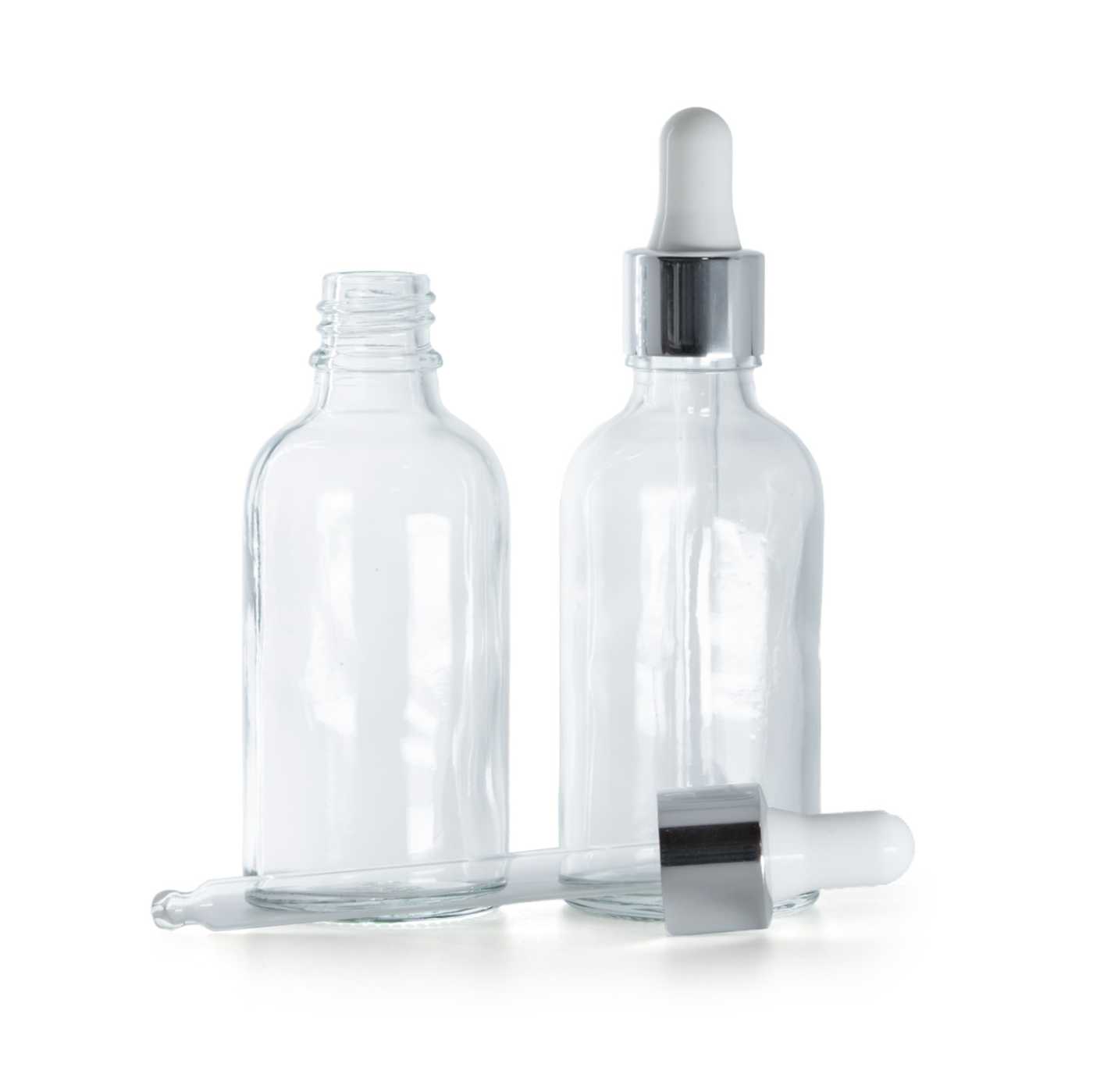
Clear Glass Bottle, Glossy Silver White Dropper, 50 ml
Pre-order€1.14

COSMETIC CLAYS
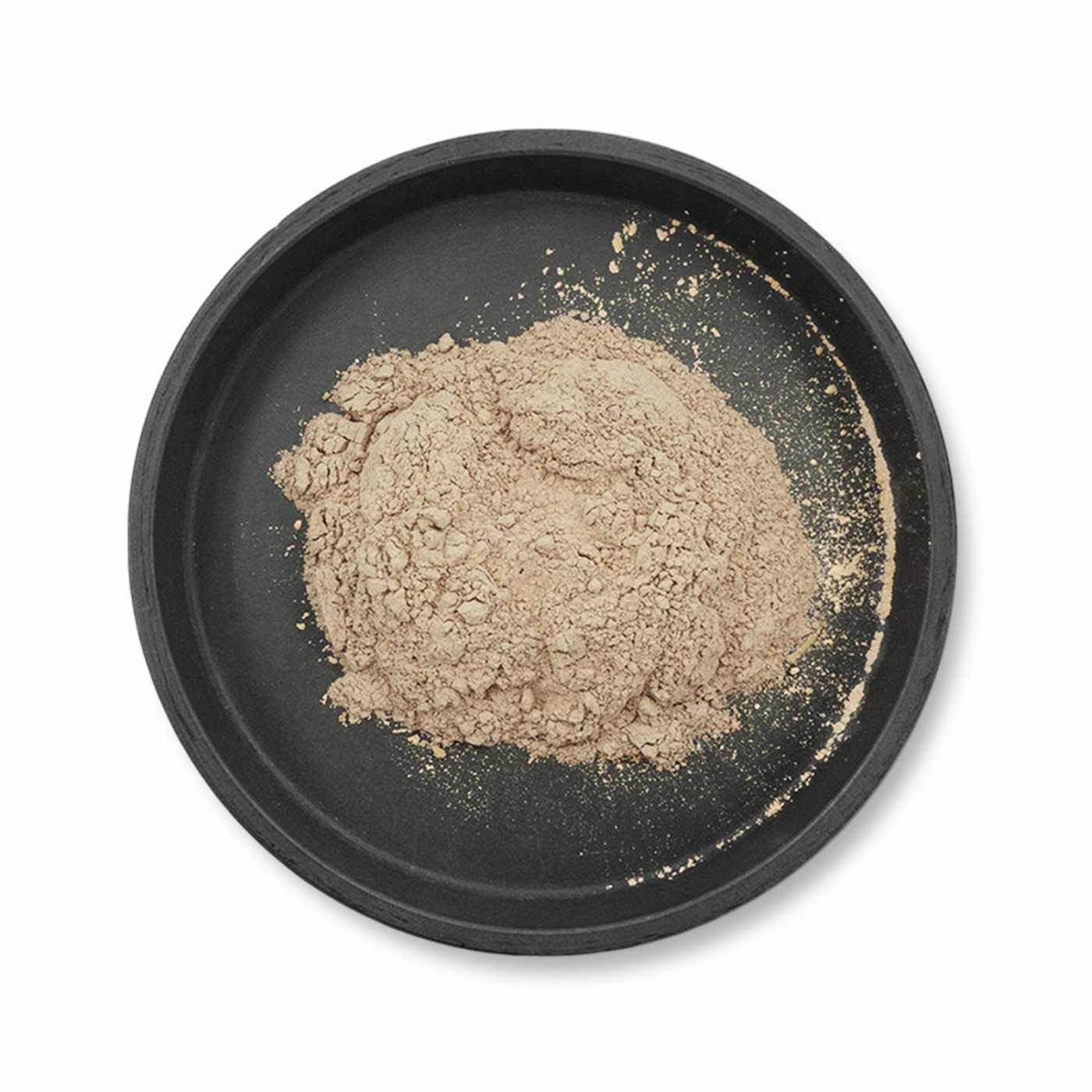
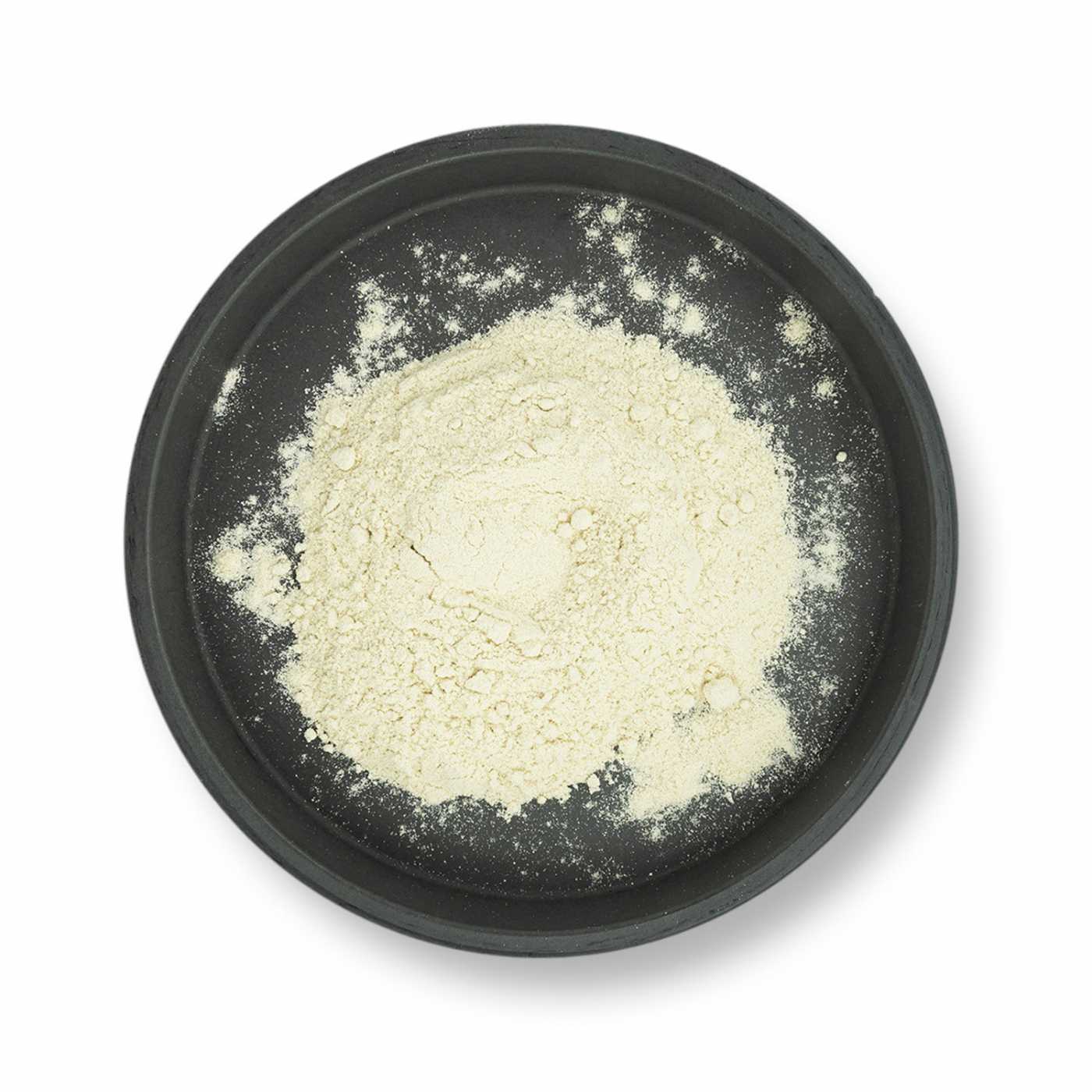
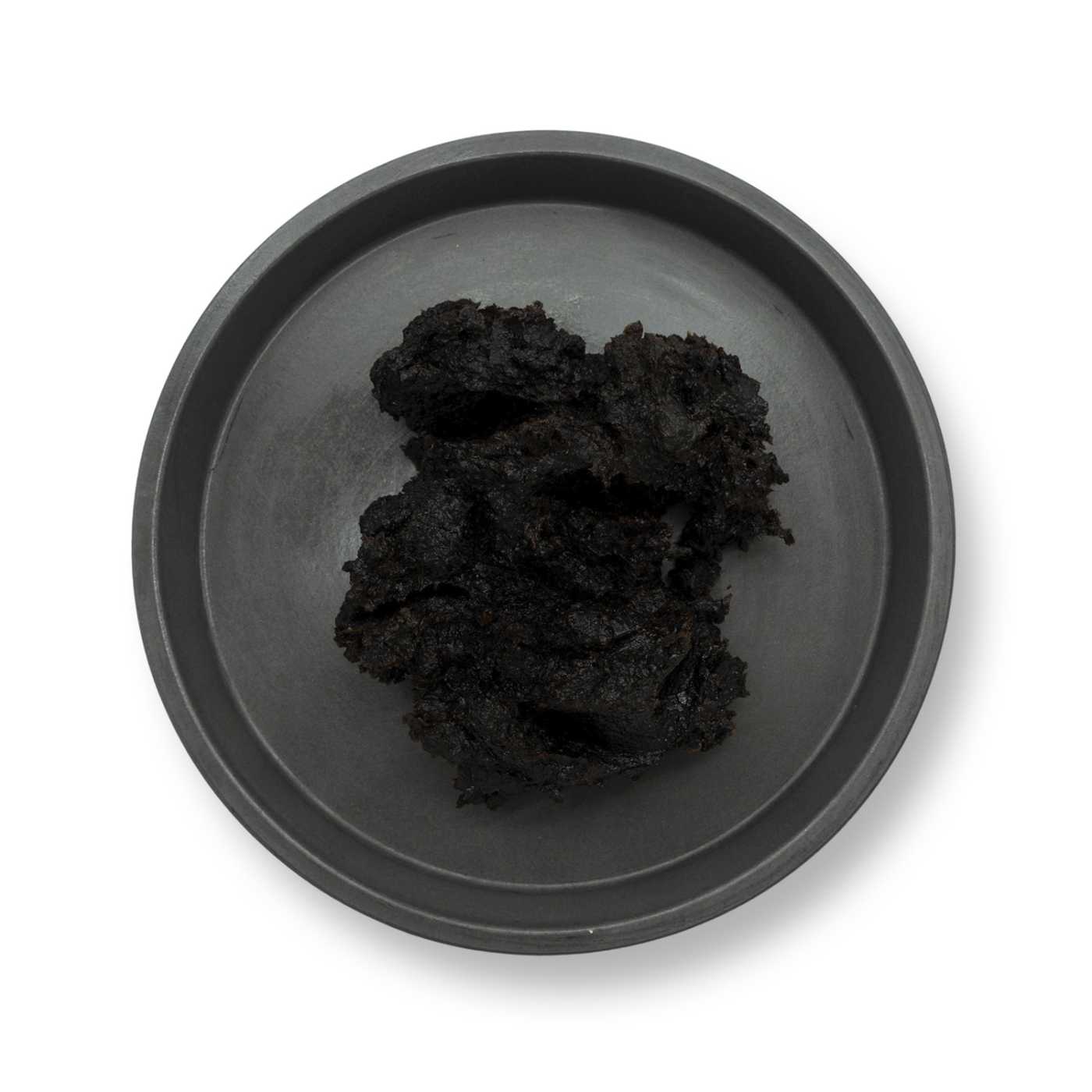
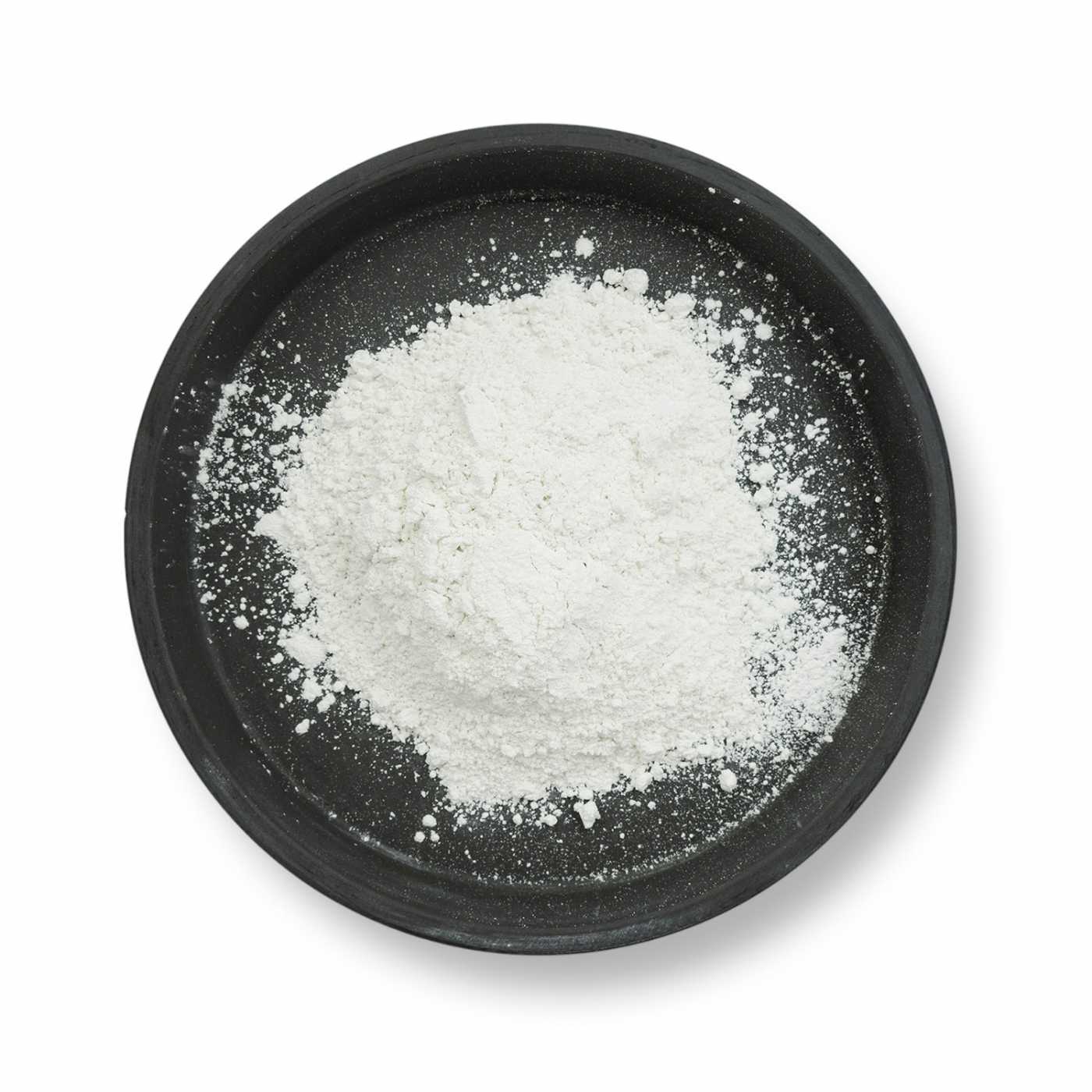
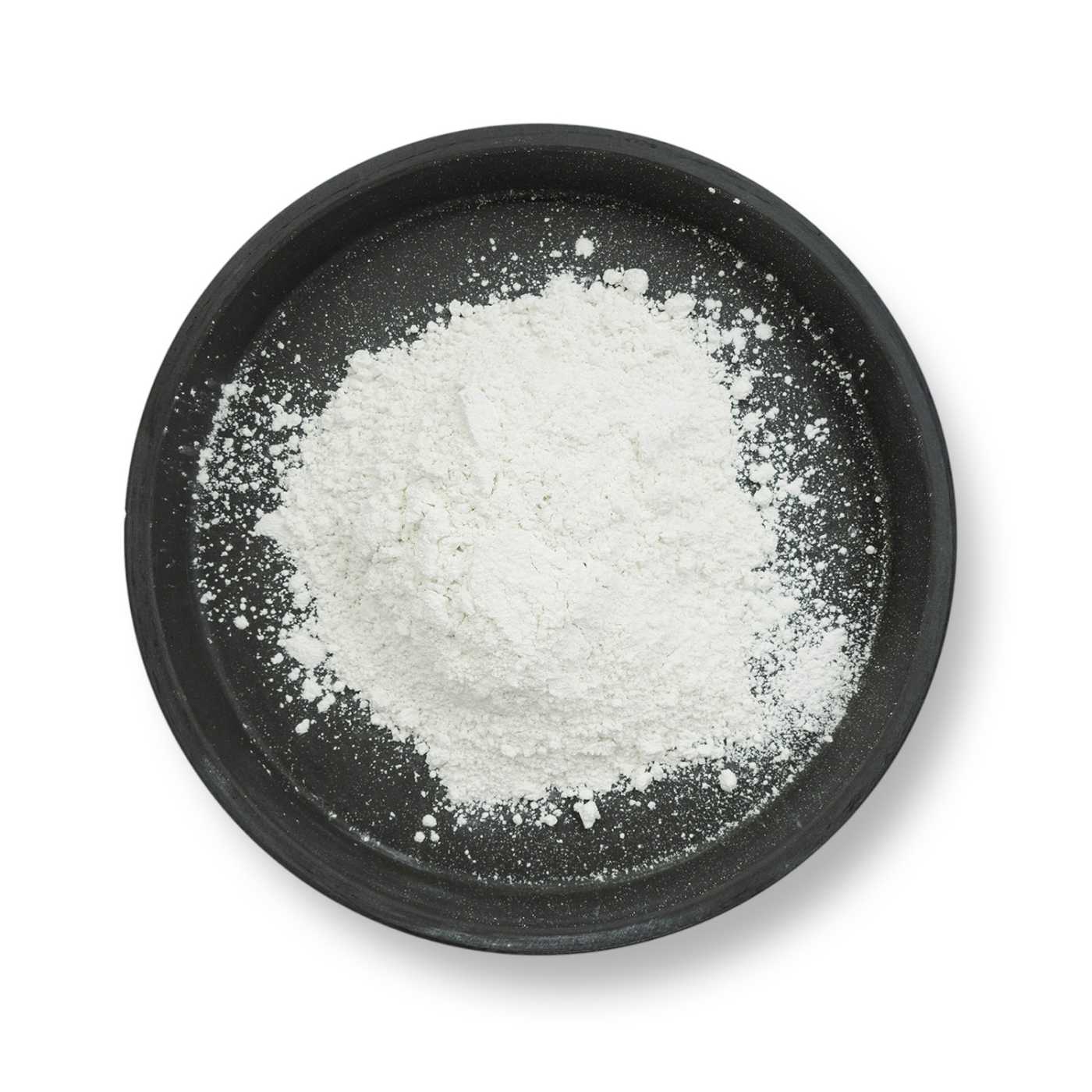
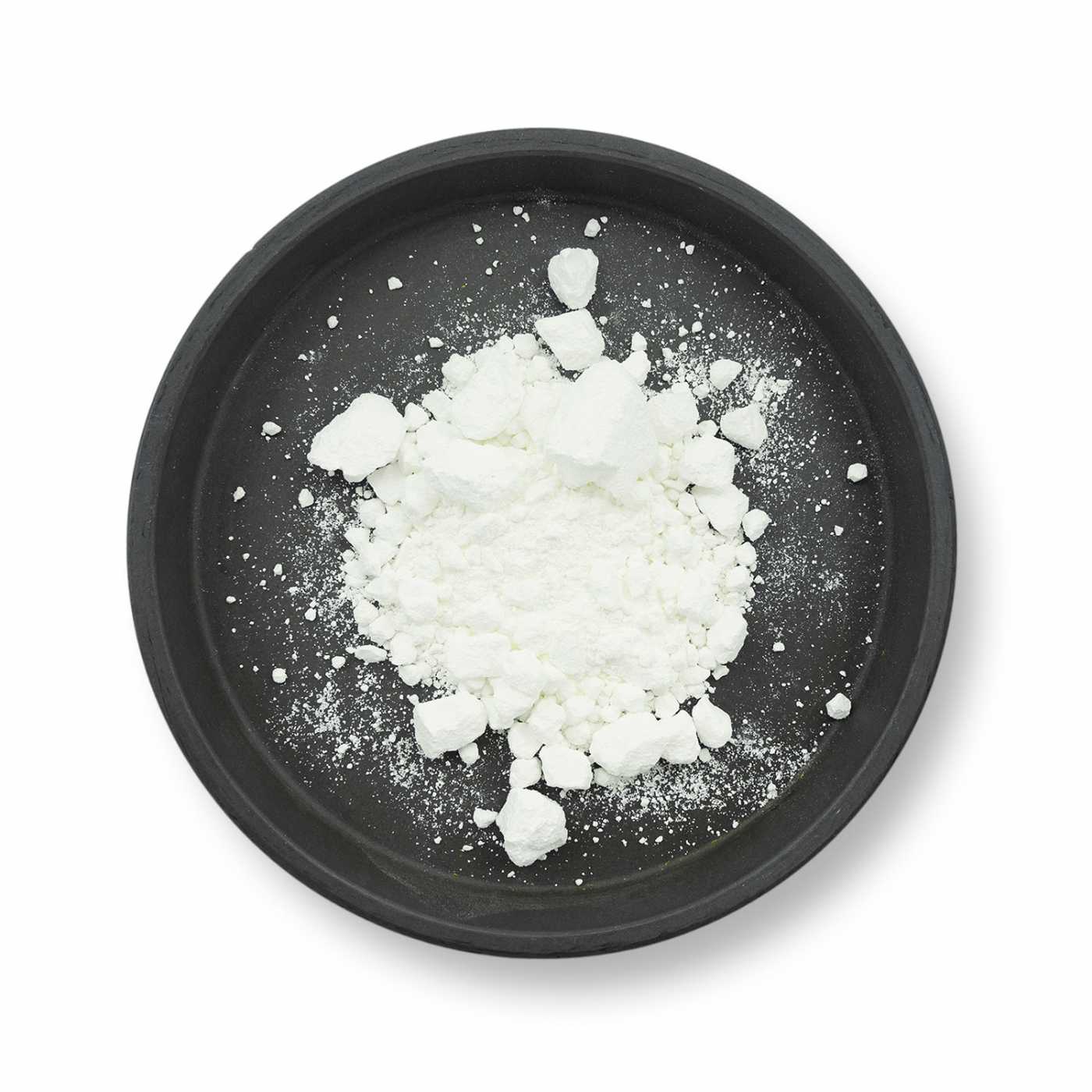
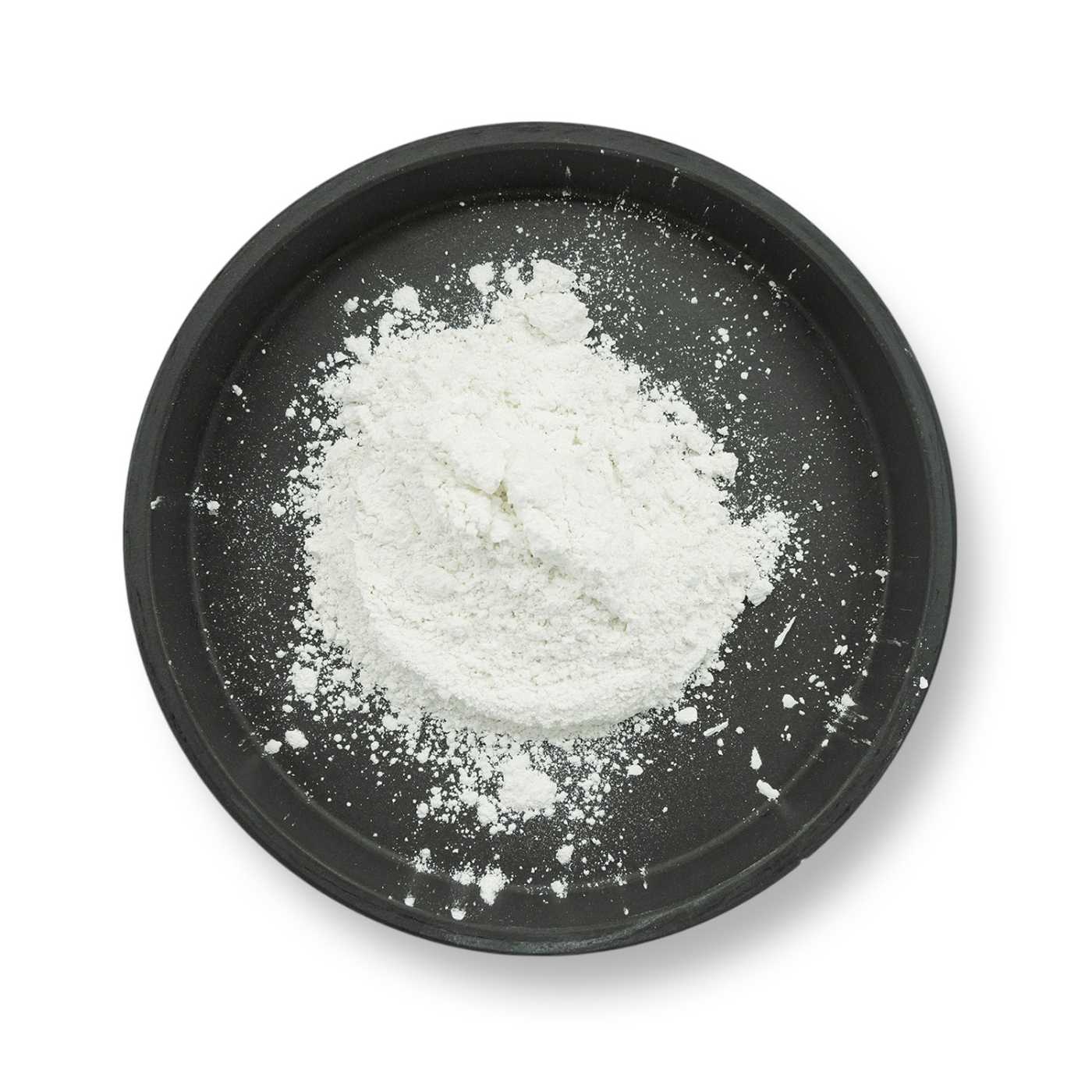
Cosmetic Moroccan clay rhassoul (also known as ghassoul ) is a natural mineral raw material traditionally used in Morocco. full description
Lowest price in the last 30 days: €3.67
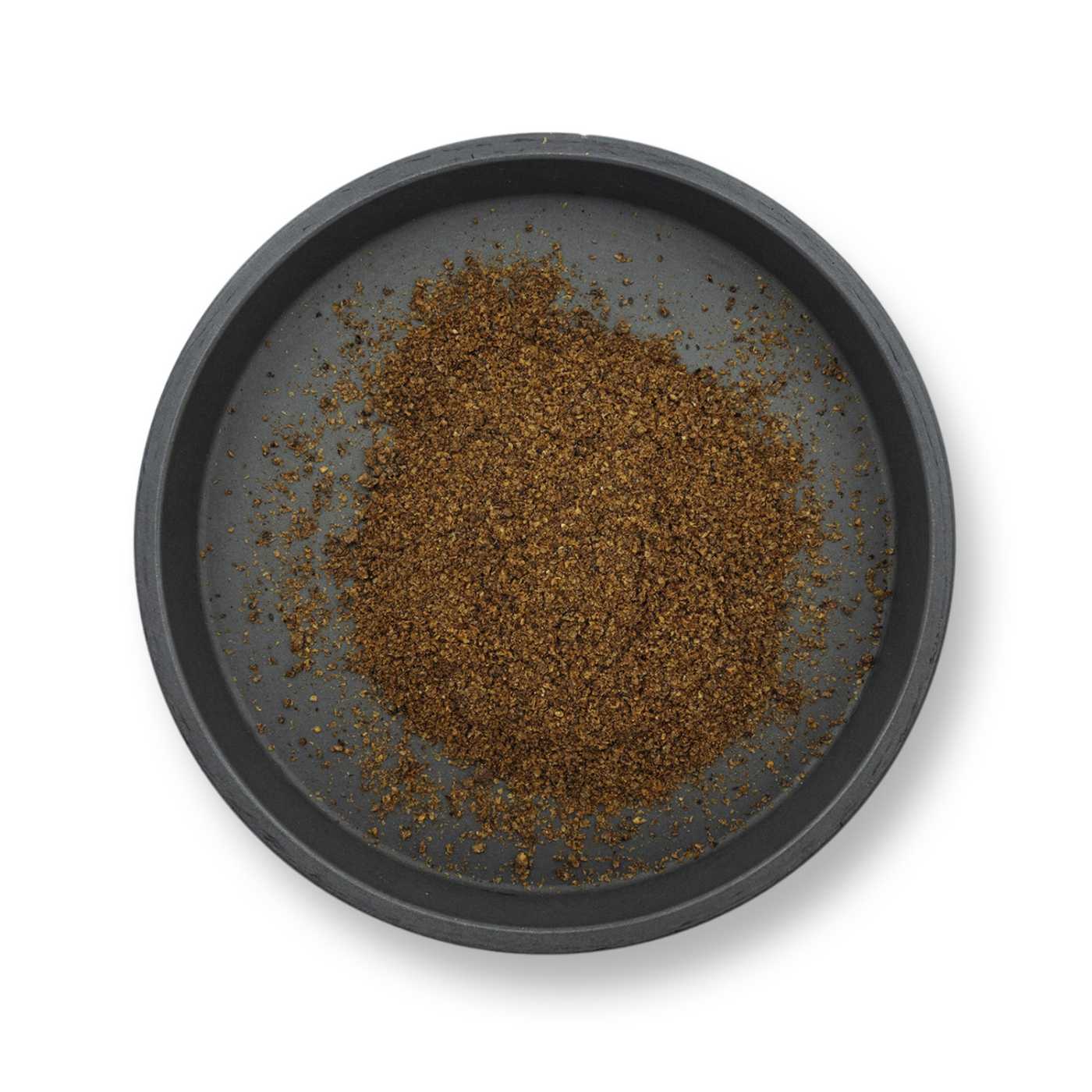
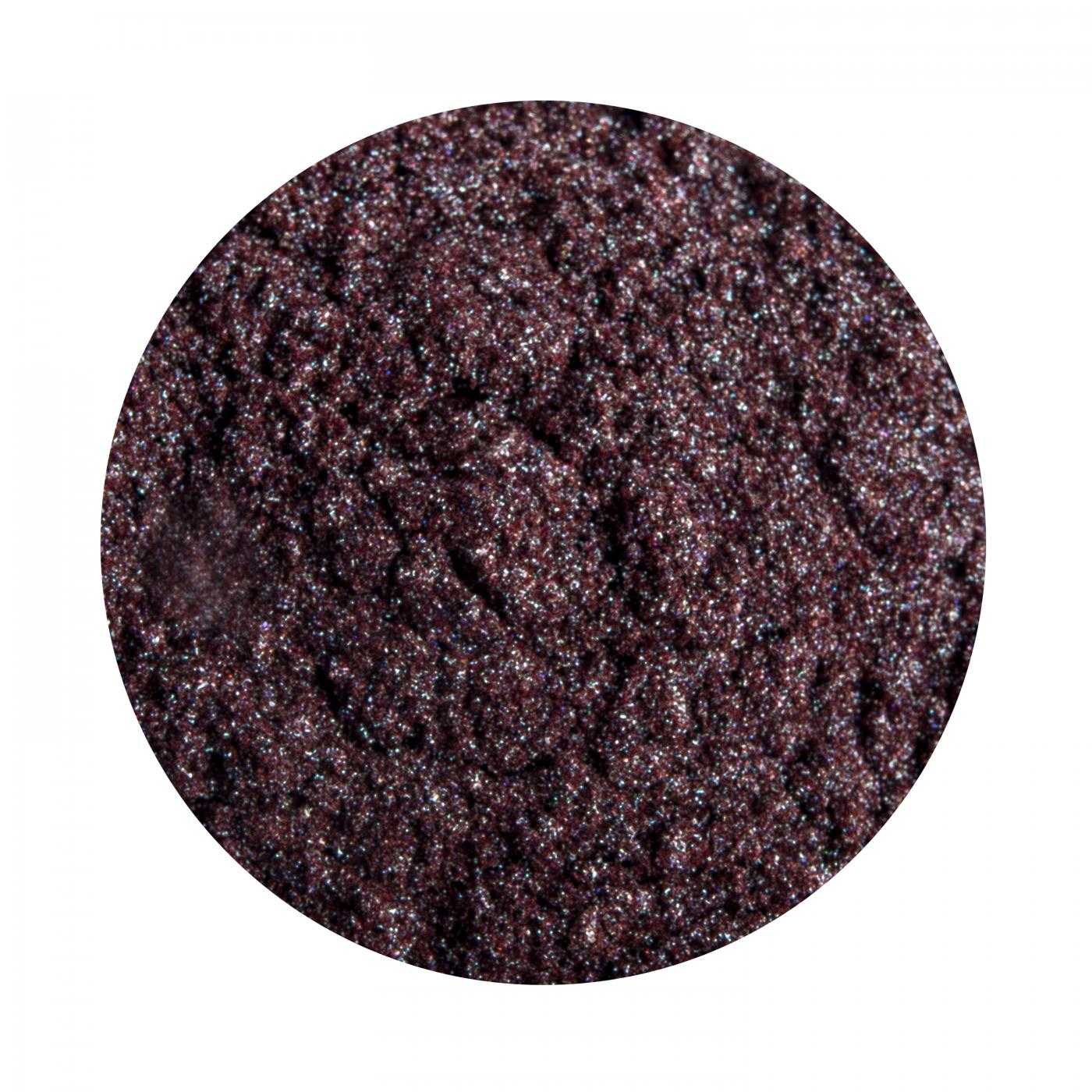
Cosmetic Moroccan clay rhassoul (also known as ghassoul) is a natural mineral raw material traditionally used in Morocco. It is obtained by mining in the Atlas Mountains, then mechanically purified, dried and milled into a fine powder suitable for cosmetic applications.
Rhassoul is valued especially for its ability to bind sebum and impurities without aggressive degreasing – therefore it is often used for both skin and hair. In formulations it acts as a gentle adsorbent and leaves the skin looking cleaner and velvety mattified.
In practice the names are used as synonyms for the same raw material; the difference lies mainly in transcription/naming according to region and supplier.
This is typical when the mineral paste dries and shrinks. It helps to apply a thinner layer, shorten the exposure time, or lightly mist the mask with a hydrolat so it does not dry out completely.
It is not recommended without preservation. After mixing with water, an environment suitable for microbial growth is created; it is safer to mix a fresh portion each time.
Yes, its natural mineral colouring can tint emulsions, soaps and powders. For colour-sensitive products, carry out a test on a small batch.
When combining with acids, work carefully: reduce the acid concentration, shorten the exposure time and always test compatibility and tolerability on a small area. For sensitive skin it is more suitable to alternate products rather than mixing them into a single mask.
If you want to learn more about the benefits and use of cosmetic clays, read our article Cosmetic clays and their use.
Also have a look at other cosmetic clays offered by Handymade.sk.
Only customers with a delivered order can write reviews.