CO2-se extract from hazelnuts, organic
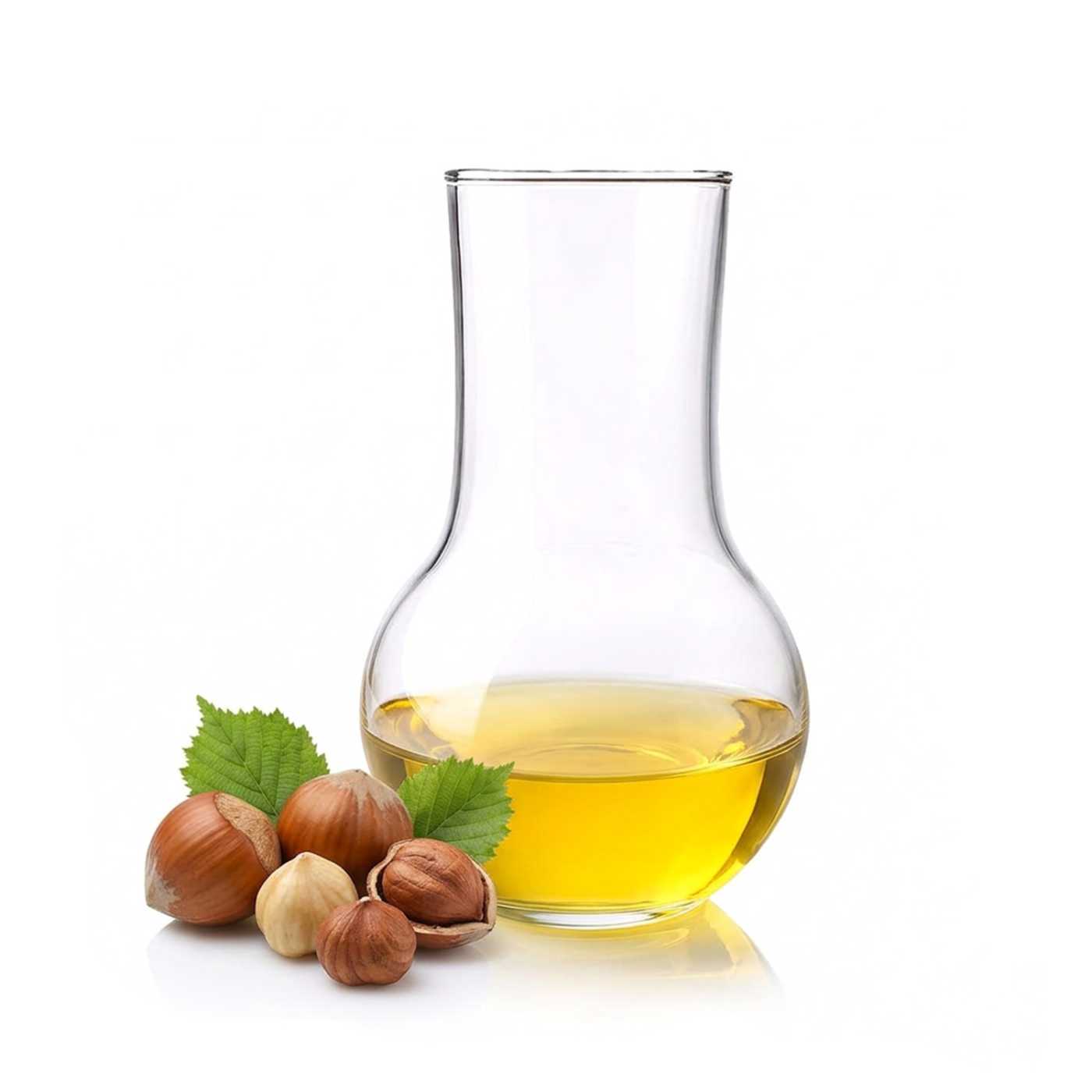
CO2-se extract from hazelnuts gives cosmetics a natural hazelnut scent and flavour without synthetic fragrance ingredients. In a formulation it works as a fragrance ingredient and is added to the oil phase of leave-on products, especially lip balms, body oils, butters and creams. The oily character of the extract also suits the care of dry and mature skin.
It is obtained from ground dried hazelnuts from organic farming by extraction with supercritical carbon dioxide. This process uses no organic solvents, so practically no solvent residues remain in the extract. The result is an oil extract of food grade quality, which is also used as a flavouring in foods. The raw material is certified organic and suitable for vegans.
Key benefits
- Natural hazelnut scent and flavour – the aroma comes directly from the nuts, not from a perfume composition, so it suits lip balms and body butters that are meant to smell like they came from the pantry.
- Food grade quality – the extract meets the requirements for a food flavouring, which you will appreciate in lip balms and other products that may get into the mouth.
- No solvent residues – carbon dioxide extraction leaves no organic solvents in the product. According to the manufacturer, the extract is free of microbial contamination and of heavy metals above the limits.
- No allergenic proteins – hazelnuts are among the food allergens, but the manufacturer states that the extract contains none of the proteins that trigger allergic reactions, because they do not dissolve in carbon dioxide.
- Certifications – organic certification, halal, kosher and vegan status, not tested on animals.
What it offers your skin
Besides scent, in a leave-on product it acts as a lipid ingredient that supports nourishment and hydration of the skin. Antioxidant action, support of regeneration and improved elasticity are also reported for it, which matches its use in the care of dry, mature and sensitive skin. The result always depends on the whole recipe and on the share of the extract in it. At a usage rate typical for a fragrance ingredient, its share is small and the main caring effect is provided by the carrier oils.
Use in formulations
The extract is oil-soluble and insoluble in water. Mix it directly into vegetable oils, butters and waxes; in emulsions it belongs in the oil phase. It cannot be incorporated into purely water-based products such as toners or hydrosol sprays without a solubiliser.
The recommended processing temperature is up to 40 °C. In anhydrous products, add the extract only to the heated and partly cooled mixture of oils and waxes, just before pouring into containers. In hot-process emulsions, do not add it to the heated oil phase before emulsification. Mix it in only after the emulsion is made, during the cooling phase, once its temperature drops below 40 °C. In cold-process emulsions, mix it into the oil part in the usual way.
The manufacturer does not state a single usage rate range. The highest permitted amount in the finished product is set by the IFRA limit for the given product category; for example, category 1 includes lip products. You will find the limits for all categories in the IFRA certificate in the Product documentation section. When choosing the amount, work from this limit and from how pronounced the scent should be.
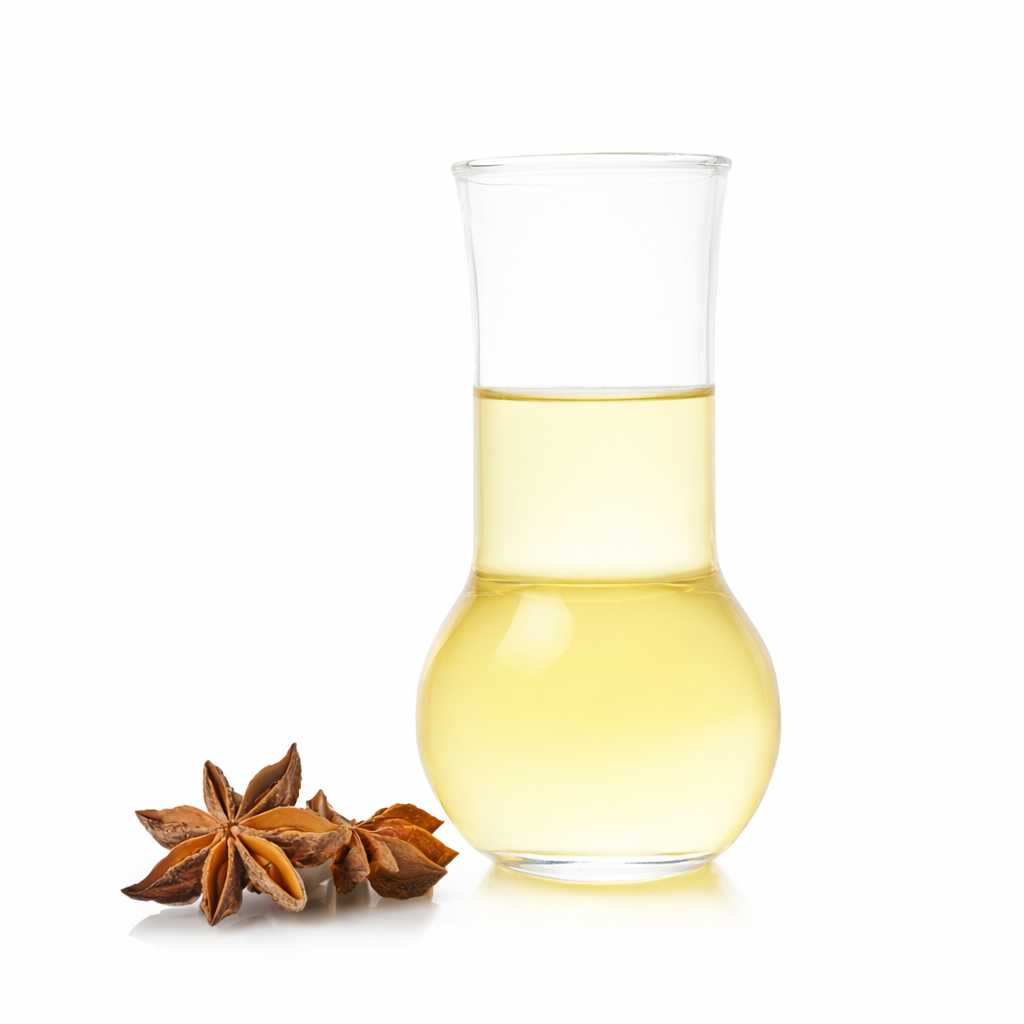
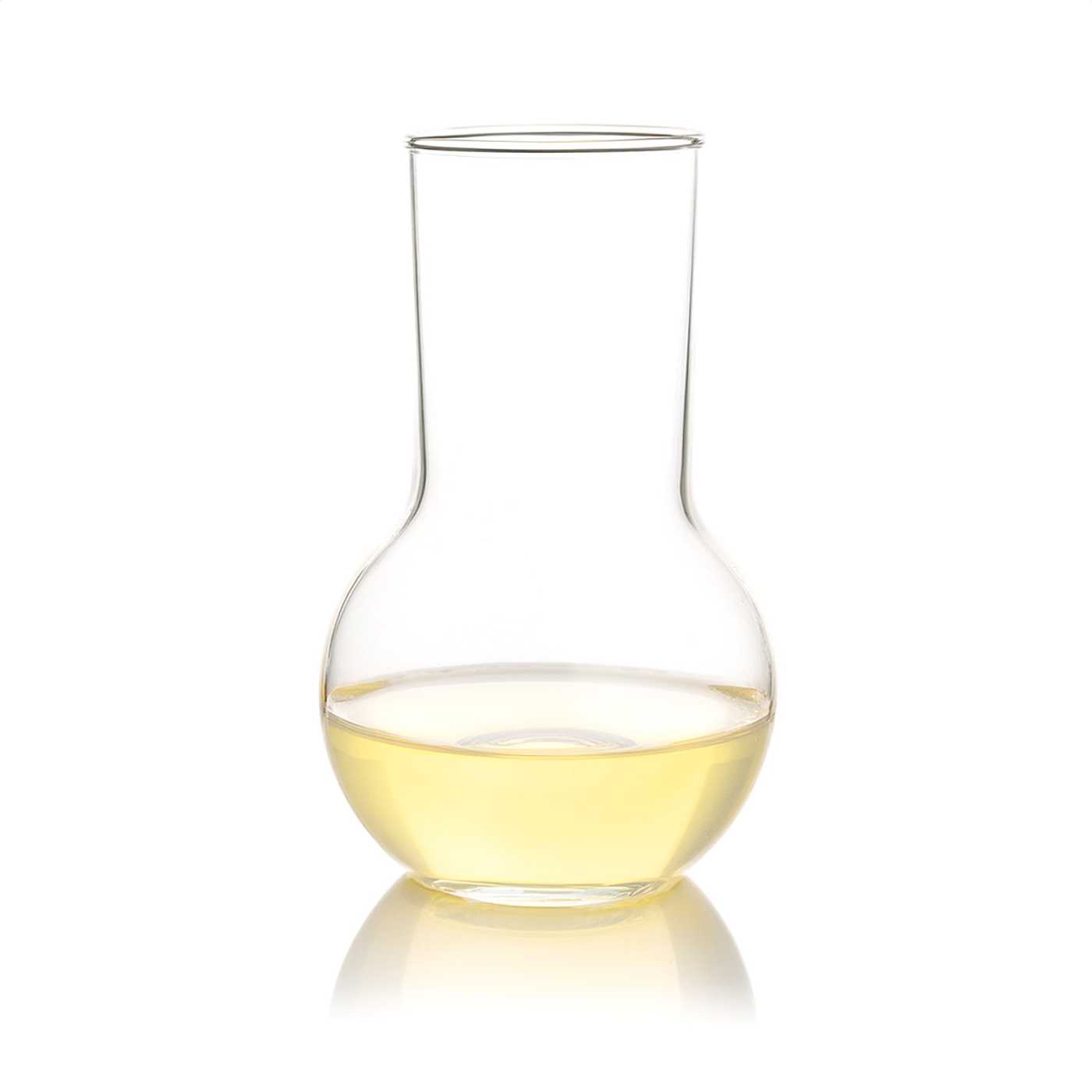
The hazelnut aroma in the extract is concentrated, so it is worth starting with a low amount and trying the recipe first in a small sample. The extract has a yellow colour, and at a higher share it may slightly tint light balms and butters.
The extract contains volatile aromatic components that weaken at high temperature. Heating above 40 °C or keeping it for a long time on a hot plate reduces the intensity of the scent of the finished product.
Suitable for products such as
- Lip balms and lip butters – the nutty flavour, the food grade quality of the raw material and its classification in IFRA category 1 make the extract a natural choice here.
- Body butters and solid body bars – an anhydrous base to which the extract is added at the end of melting.
- Body and massage oils – mix it into the carrier oil blend without heating.
- Body and hand creams and lotions – into the oil phase or into the emulsion below 40 °C, depending on the production method.
- Oil-based hair serums and masks for the ends – as a fragrance ingredient in an anhydrous oil base.
CO2-se extract and pressed hazelnut oil
Both raw materials come from the same nuts, but they are used differently. Pressed hazelnut oil is a carrier oil; it forms the base of the recipe and is used at levels of tens of percent. CO2-se extract is made by extracting ground nuts with carbon dioxide, carries a concentrated aroma and in a formulation serves as a fragrance and flavour ingredient used within IFRA limits. If the product is only meant to smell of hazelnuts, the extract is enough. If hazelnut oil is to make up the body of the recipe, use pressed oil, or combine both raw materials.
Good to know
- The substance is not classified as hazardous under the CLP regulation, so a safety data sheet is not required for it. The usual rules for cosmetic raw materials apply when working with it.
- The extract contains no proteins or carbohydrates; in composition it is practically a pure fat with aromatic substances.
- For sensitive skin, we recommend testing the finished product on a small area, as with any fragrance ingredient.
- If the raw material is part of a lip balm, it is helpful for the customer if the description of the finished product states that it contains hazelnut extract.
Frequently asked questions
Is CO2-se extract from hazelnuts soluble in water?
No, the extract does not dissolve in water; it is soluble only in oils. In emulsions, add it to the oil phase or to the finished emulsion below 40 °C, and in anhydrous products directly into the mixture of oils and butters. It cannot be incorporated into toners, hydrosols and other water-based products without a solubiliser.
How much CO2-se extract from hazelnuts can I put into a lip balm?
The upper limit is set by the IFRA certificate for category 1, which includes lip products. You will find the exact value in the Product documentation section; the manufacturer does not state a single usage rate. The aroma is concentrated, so we recommend starting low, trying a small sample and adjusting the amount to the desired scent and flavour, always up to the limit.
Can CO2-se extract from hazelnuts be added to a heated oil phase?
No, it is not added to an oil phase heated for emulsification; the recommended processing temperature is up to 40 °C. In hot-process emulsions, mix it in only during the cooling phase. In balms and solid butters, add it to the melted base that has already partly cooled, just before pouring into containers. A higher temperature weakens the scent.
Is CO2-se extract from hazelnuts safe for people with a nut allergy?
According to the manufacturer, the extract contains none of the hazelnut proteins that trigger allergic reactions, because they do not dissolve in carbon dioxide, and the manufacturer declares no food allergens in the product. Hazelnuts as such, however, are among the allergens. For a finished product, it is advisable to state in the ingredients that it contains hazelnut extract, so that the customer can decide for themselves.
What is the difference between CO2-se extract from hazelnuts and hazelnut oil?
CO2-se extract is a concentrated fragrance and flavour ingredient, while pressed oil is a carrier oil forming the base of the recipe. The extract is made by extracting ground nuts with carbon dioxide and is used in a small amount according to IFRA limits. The oil is obtained by pressing and is used at levels of tens of percent. Use the extract for the scent of the product and pressed oil for the oil base.
Will CO2-se extract from hazelnuts colour the finished product?
The extract is yellow, and at a higher share it may tint light balms, butters or creams slightly yellow. At a usage rate typical for a fragrance ingredient, the tint is slight and disappears in darker bases, for example those with cocoa butter. We recommend checking the effect on the colour of a specific recipe on a small sample.