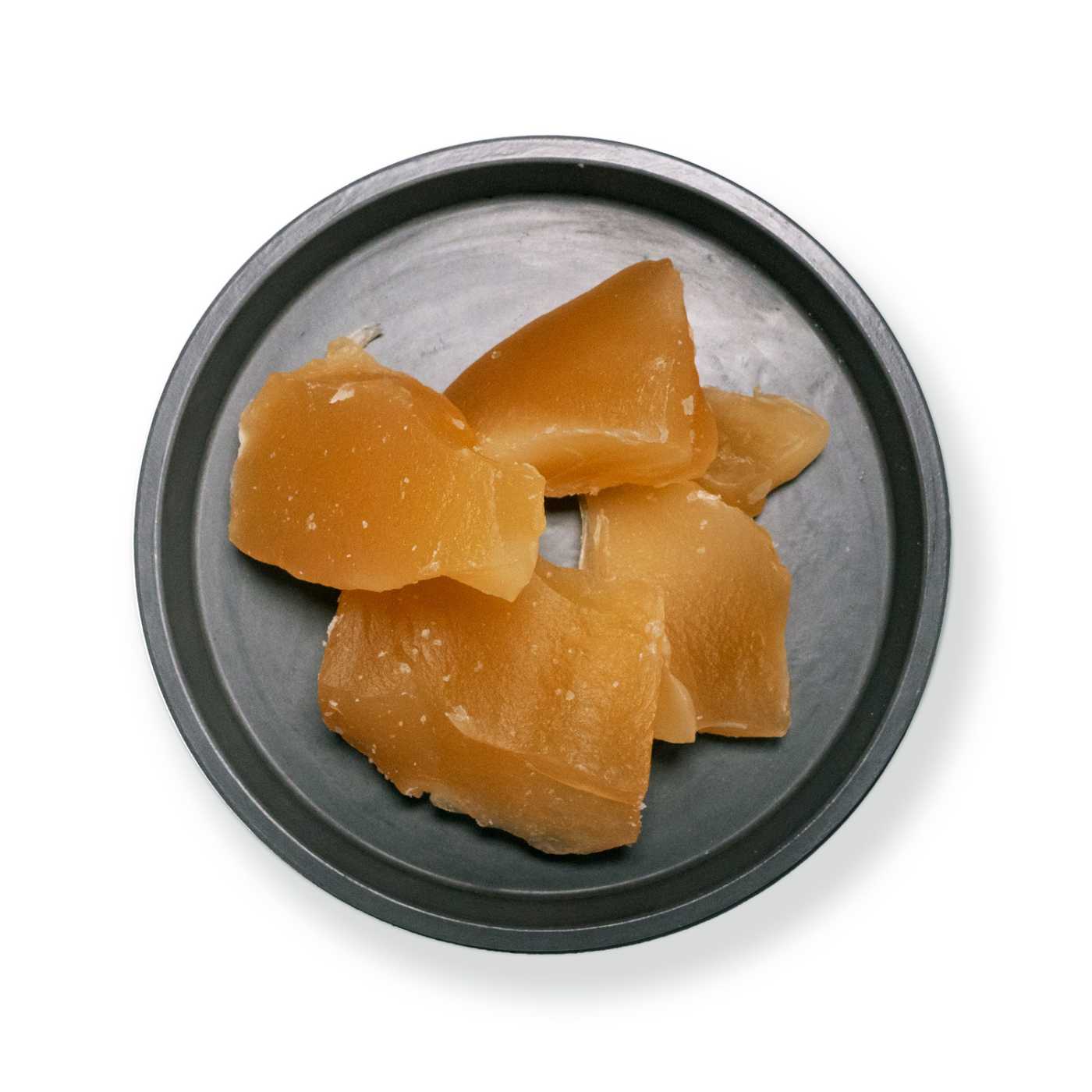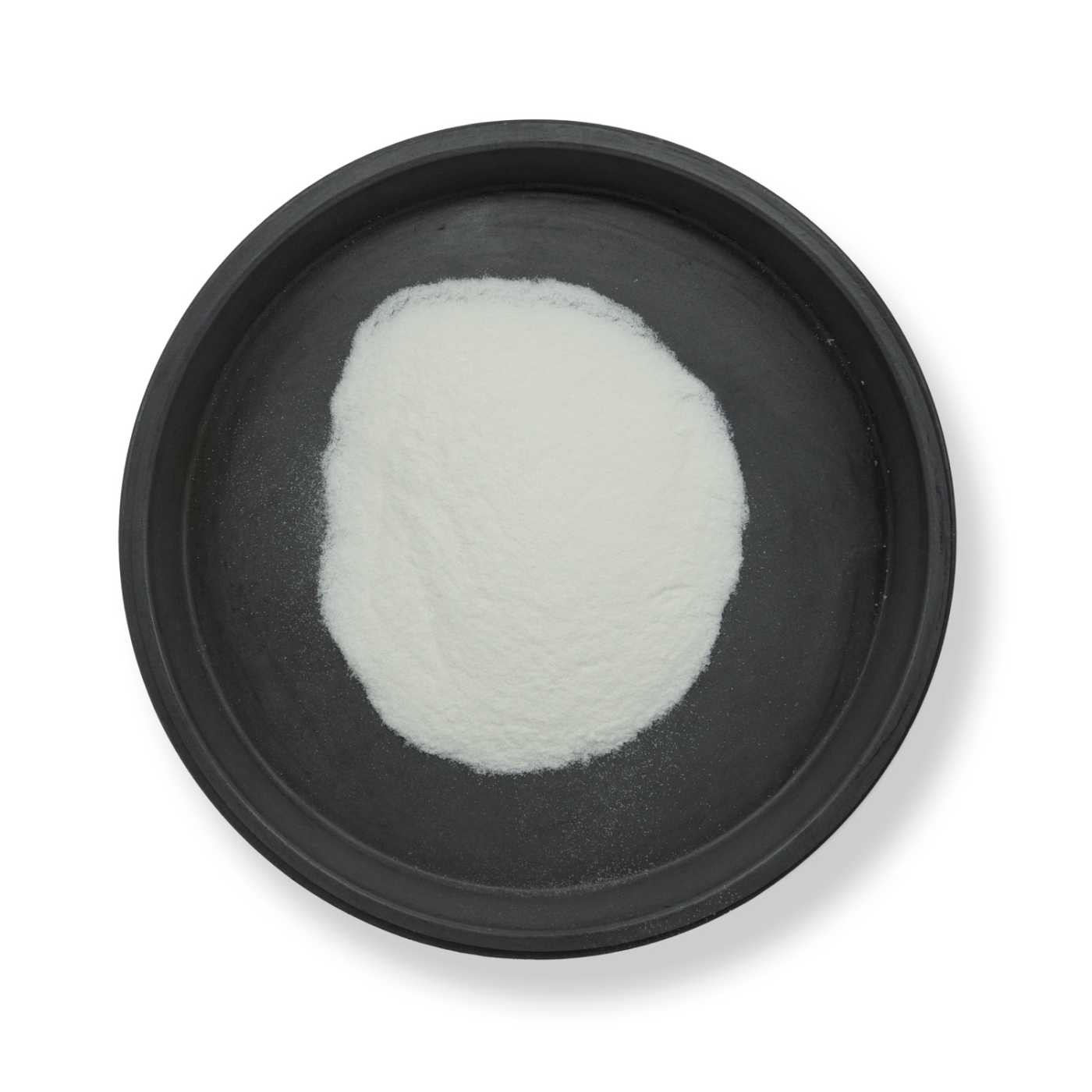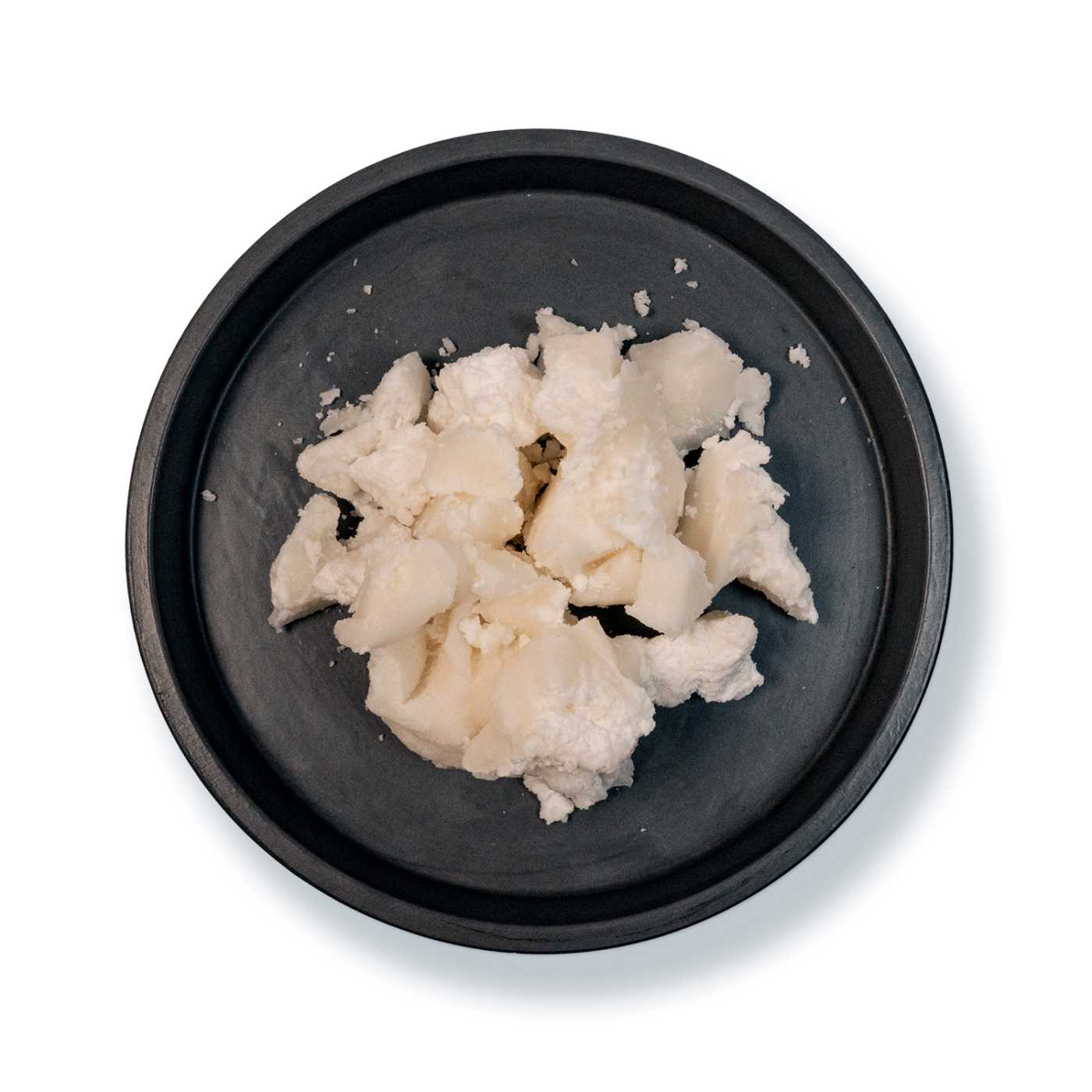
Eucarol Easy MB, powder surfactant, 50 g
Pre-order€5.24(€104.80/kg)

CONDITIONING AGENTS
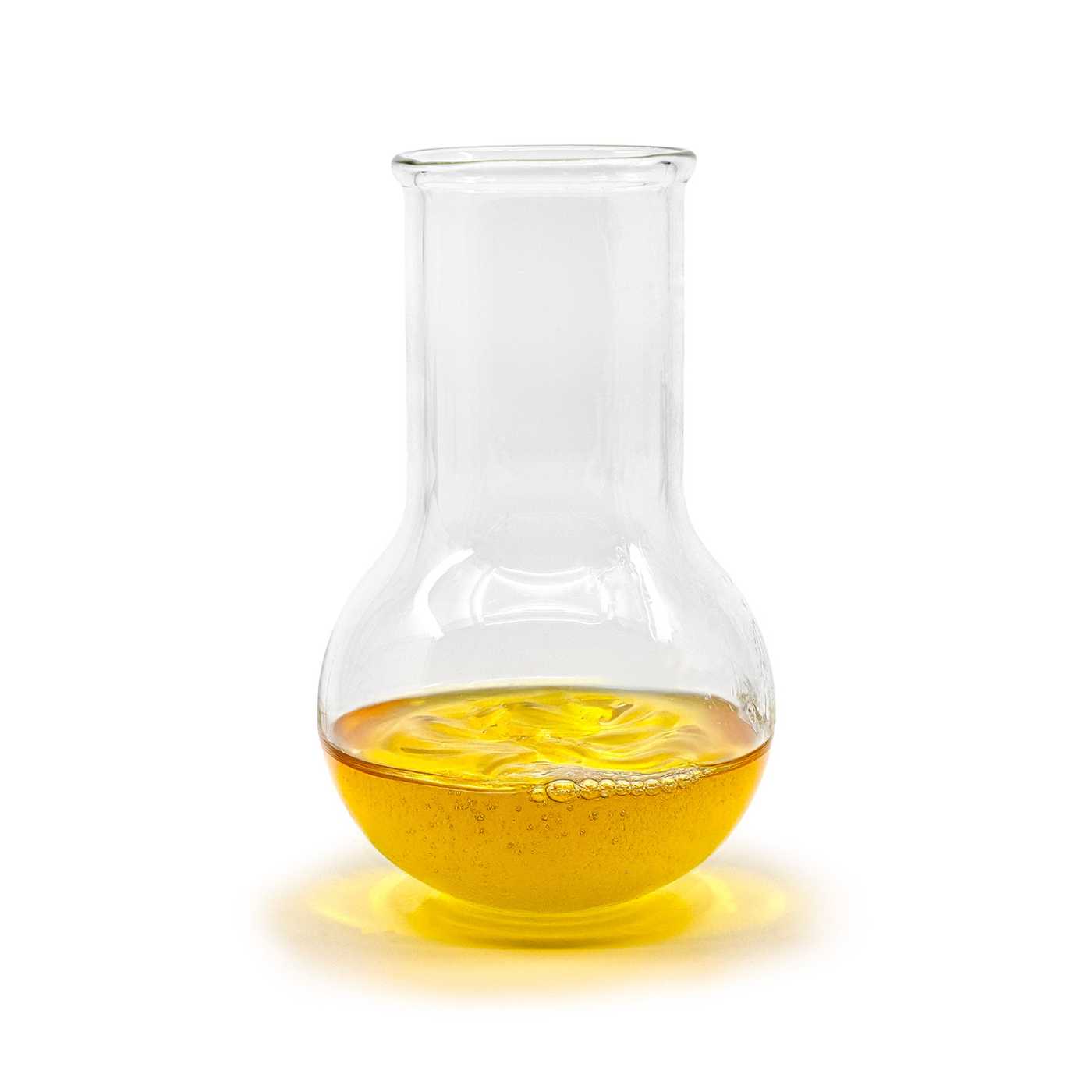
PCA Glyceryl Oleate is a plant-derived conditioning ingredient for shampoos, conditioners and other hair care products. full description
Lowest price in the last 30 days: €3.99
PCA Glyceryl Oleate is a plant-derived conditioning ingredient for shampoos, conditioners and other hair care products. It stays on the hair even after rinsing, gives hair softness and smoothness and increases its resistance to frequent washing. In shower gels and face or body products, it acts as a skin conditioning agent.
The molecule combines PCA, that is pyrrolidone carboxylic acid, which is a natural component of the skin’s moisturising factor, with glyceryl oleate, a plant-derived emollient. It is produced by the esterification of glyceryl oleate with glutamic acid. Glycerine comes from sunflower or oil palm, oleic acid from rapeseed or oil palm, and glutamic acid from sugar beet, wheat or maize. The ingredient is vegan, readily biodegradable, and free from parabens and fragrance allergens.
The manufacturer relies on a combination of two components that are not sufficient on their own. PCA binds to the hair, but it is too small a molecule to cover and protect the fibre effectively. Glyceryl oleate coats the hair, but it is rinsed off when the hair is washed. Joined in a single molecule, they form a cationic substance that binds firmly to the hair, preferentially at damaged areas, and serves as an anchor for conditioning oils, for example argan oil. Oils that would otherwise be rinsed out of the hair stay on the surface of the fibre and form a conditioning and protective film.
The manufacturer also states increased hydrophobicity of the hair. The fibre absorbs less water, so it withstands frequent washing and wetting with less damage. The result is soft, silky smooth hair.
On the skin, it acts as a conditioning and protective ingredient and leaves a silky smooth feel.
The recommended usage rate is 0.5–2%. The ingredient is oil-soluble and insoluble in water, so it belongs in the oil phase or surfactant phase. It can be processed cold or hot, and the temperature should not exceed 80 °C. Compatibility is unrestricted, and the ingredient works well with common types of surfactants.
The procedure depends on the type of product. In shampoos and shower gels, it is mixed into the concentrated surfactant blend before dilution with water. In emulsions, it is added to the oil phase before emulsification. In anhydrous products, such as hair oil treatments, it is mixed into the heated oil phase. In water-based formulations without oil, for example tonics and sprays, a solubiliser is needed, and the ingredient is first incorporated into it.
In a shampoo, do not add the ingredient to a mixture already diluted with water. Mix it into the concentrated surfactants first and only then add the water phase.
Keep the pH of the finished product in the range of 4–7. In the more acidic range, the ingredient retains the positive charge responsible for binding to the hair, while at higher pH the conditioning effect weakens.
The ingredient is classified under Regulation (EC) No 1272/2008 (CLP) with the GHS07 pictogram. When handling the concentrate, follow the safety data sheet.
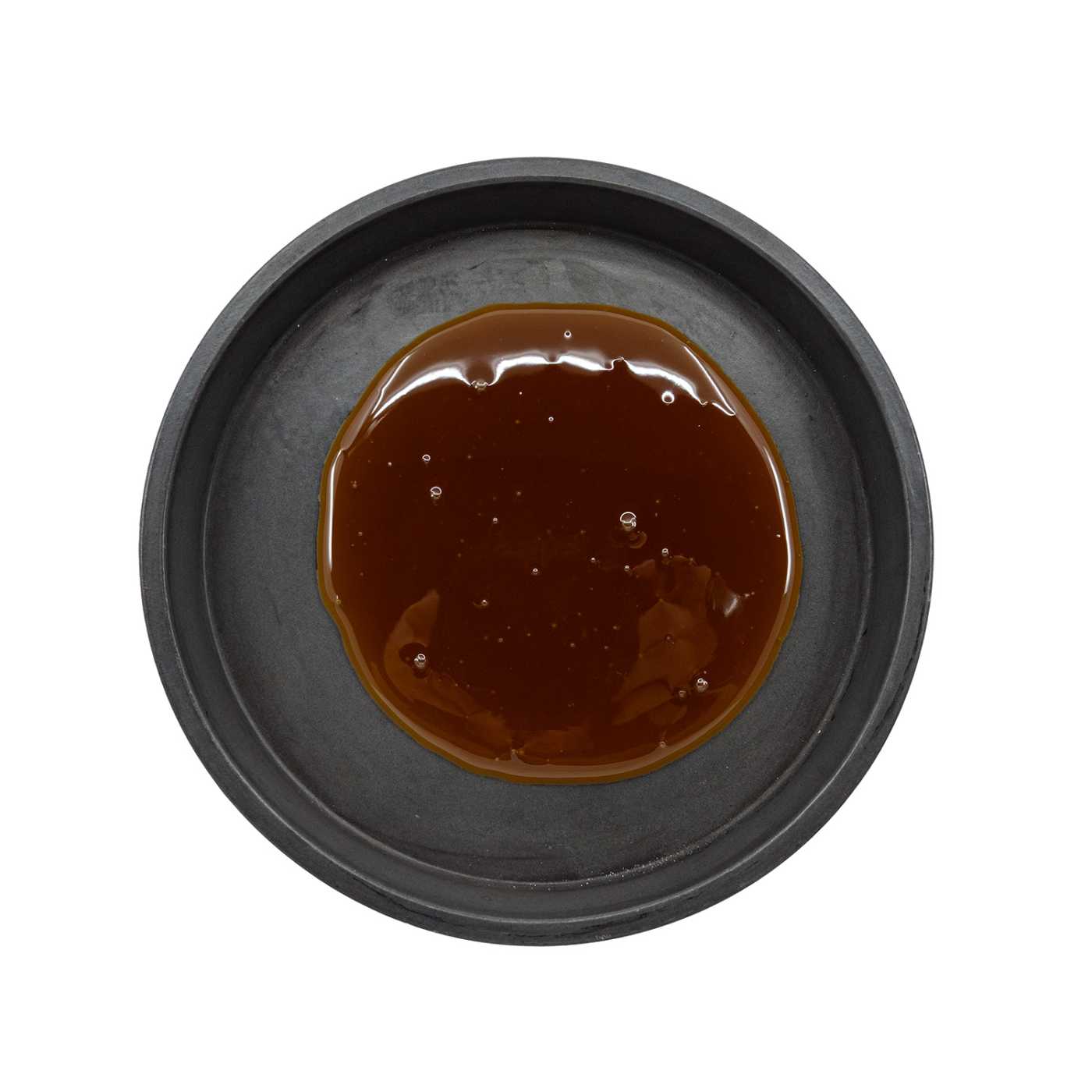
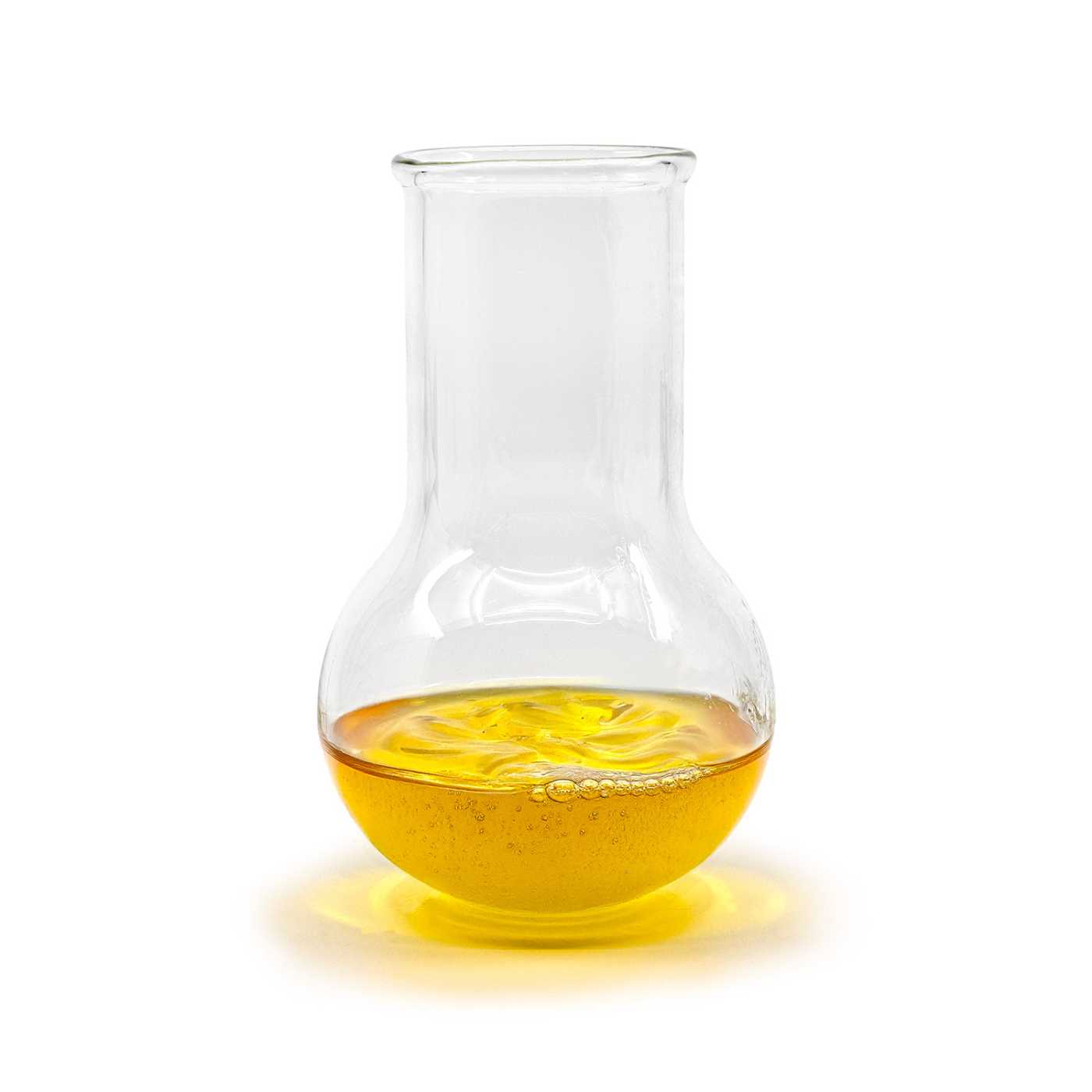
The ingredient has a brown to yellow colour. For a clear shampoo or shower gel, we recommend first preparing a small sample and checking the effect on colour and clarity at the chosen usage rate.
In hair products, the effect works best in combination with vegetable oils. Add the oil and PCA Glyceryl Oleate to the same phase.
The ingredient itself does not contain a preservative. Finished products with a water phase must be preserved in the usual way, and we recommend checking the pH, stability and behaviour of the emulsion or surfactant blend during storage.

Variant: PCA Glyceryl Oleate, 1 kg