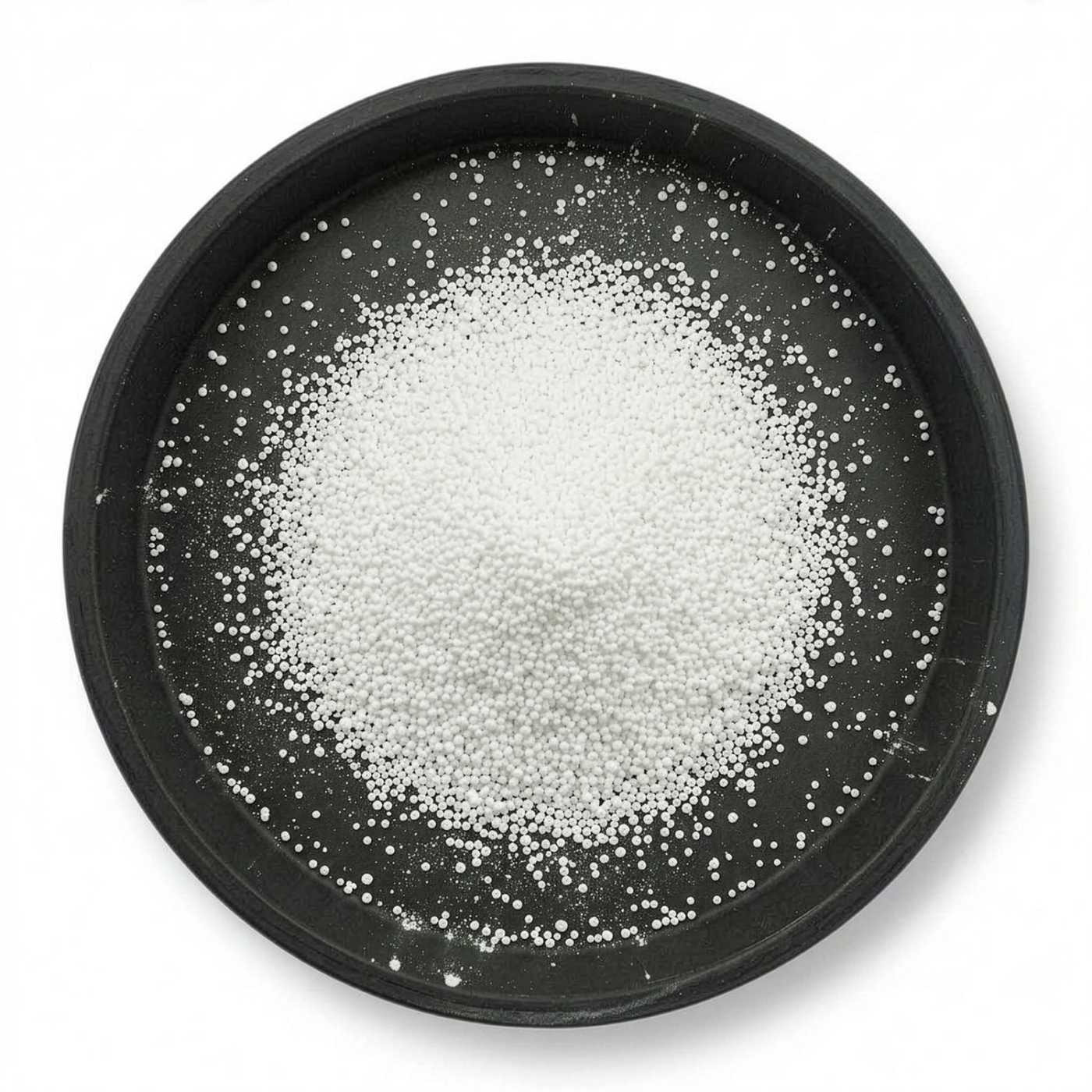
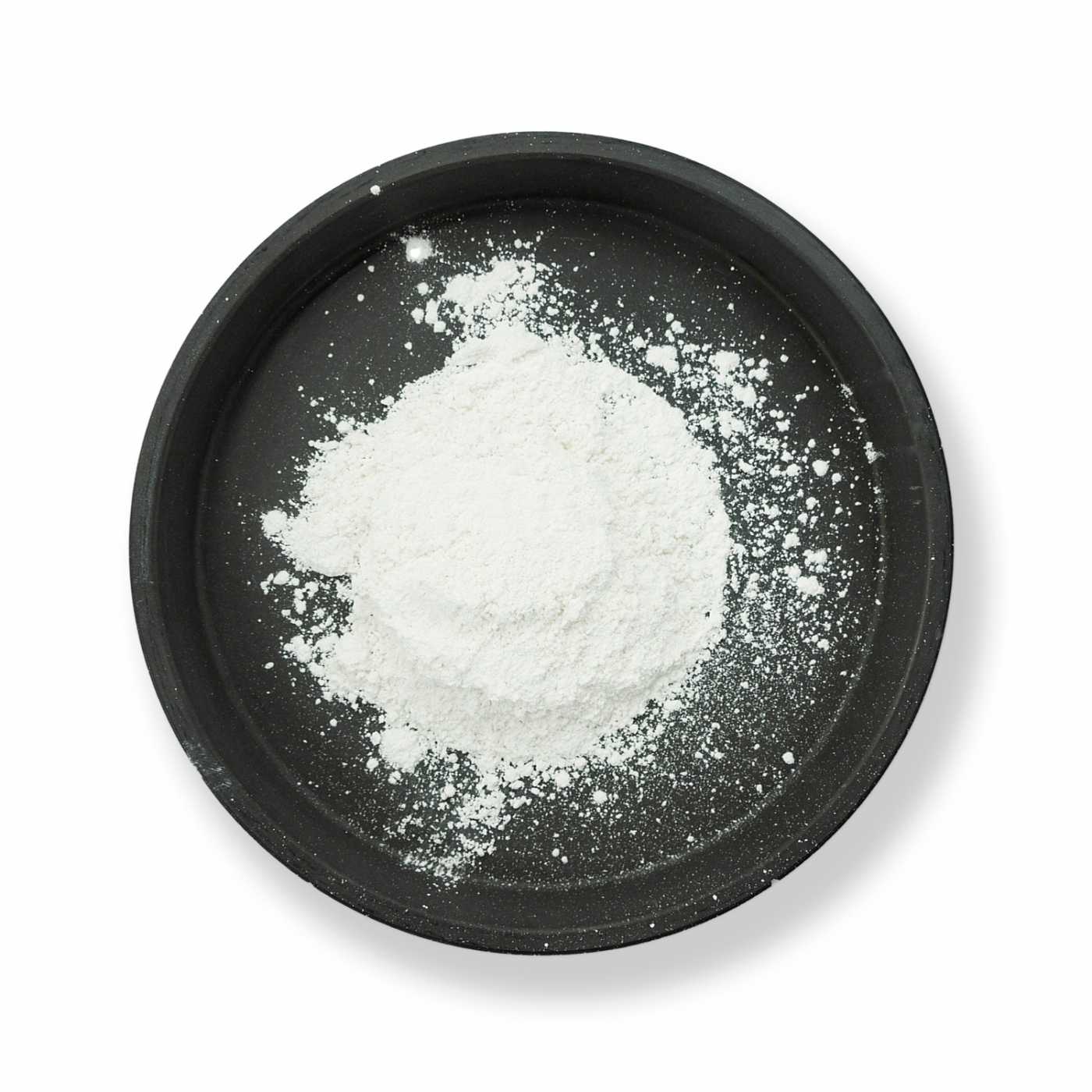
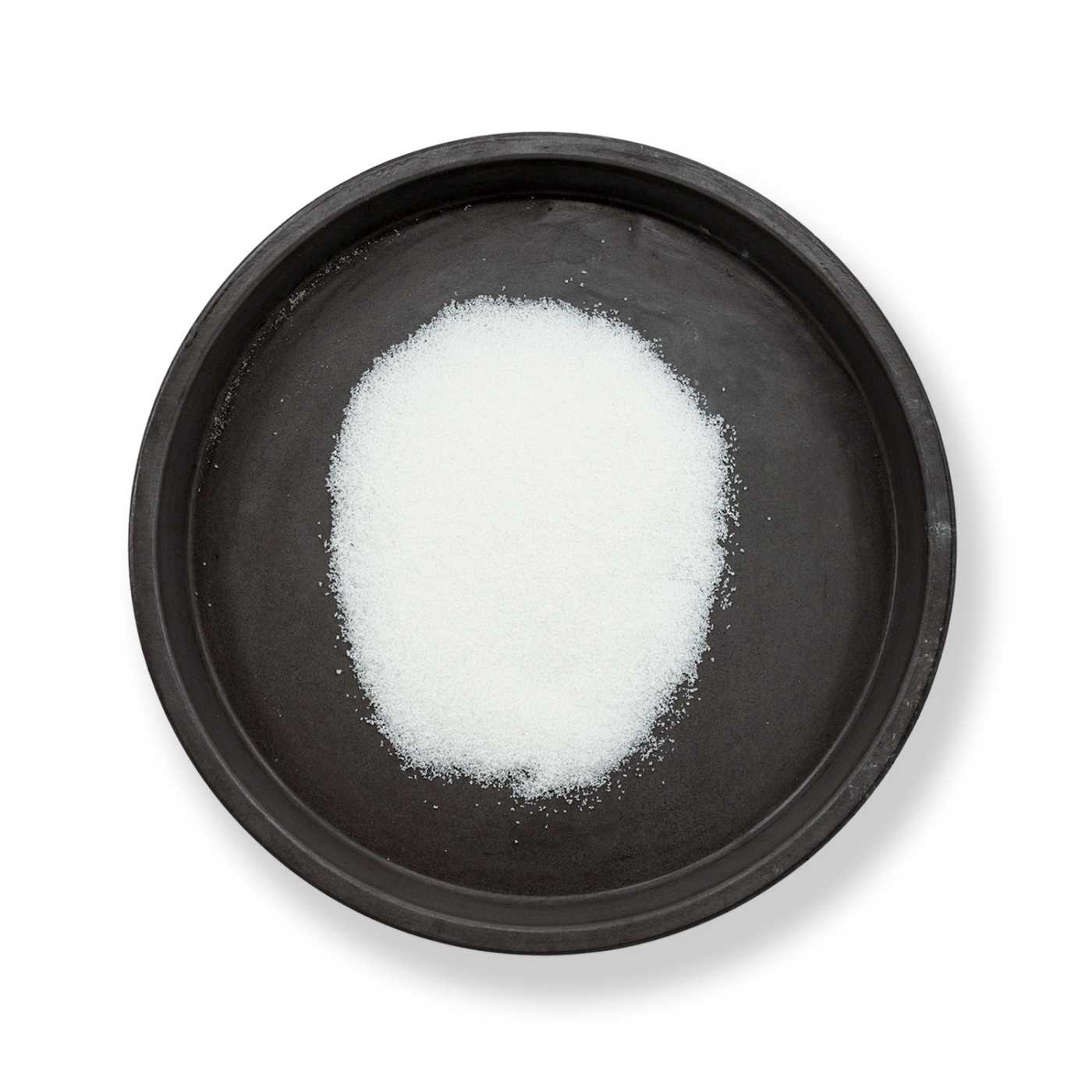
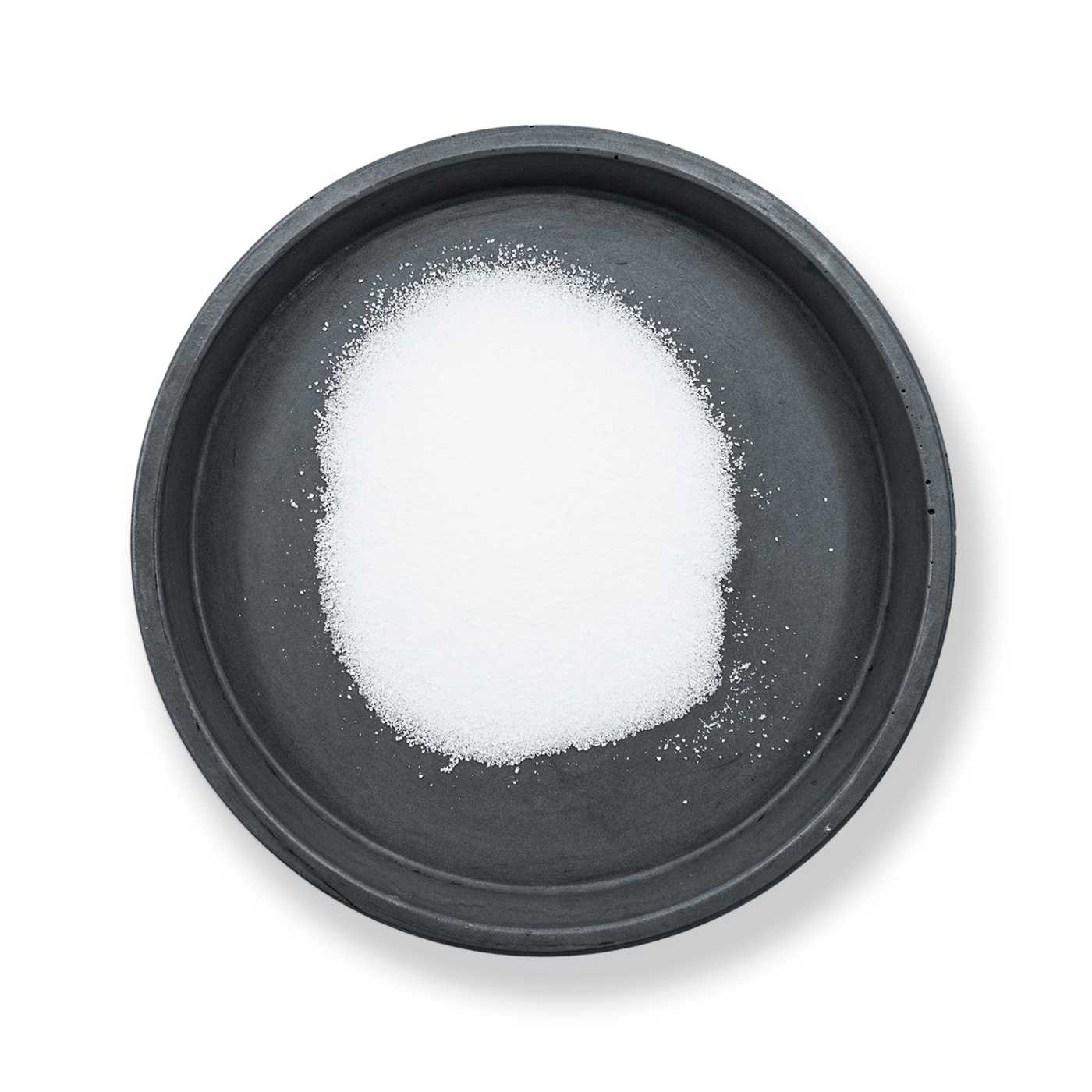
PhytoCellTec™ Goji Exosomes is an active ingredient in the form of a white powder developed by Swiss company Mibelle Biochemistry, based on a stem cell culture of goji (Lycium barbarum) seedlings. Goji is a plant native to south-eastern Europe and Asia — known primarily for its red-orange berries. This ingredient, however, does not derive from the fruit but from a plant stem cell culture, which represents a technologically distinct approach with its own spectrum of active components.
The basis of the activity are exosomes — small extracellular vesicles approximately 200 nm in size, which cells naturally release as part of intercellular communication. According to scientific research, plant-derived exosomes share a similar structure and function with exosomes found in human skin, and human cells are capable of taking them up and responding to them.
Structure of a plant exosome
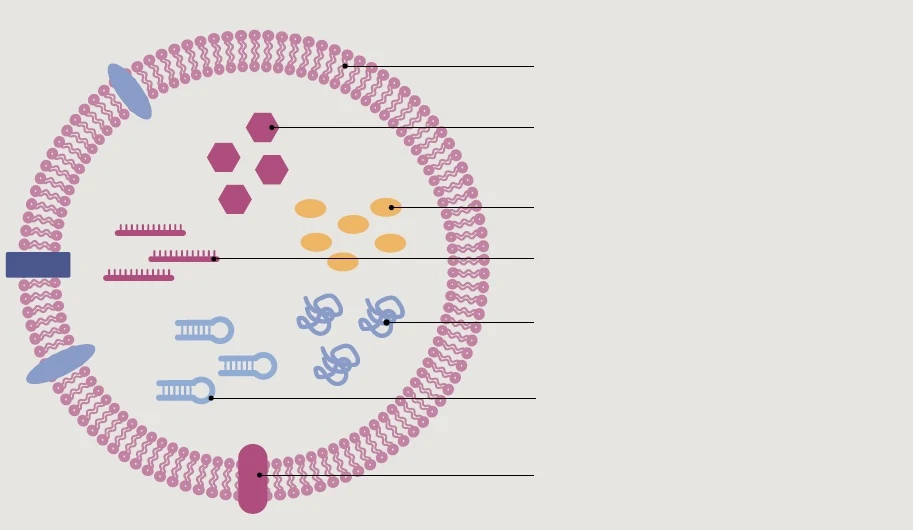
Lipid bilayer
Secondary plant metabolites
Lipids
mRNA
Enzymes
miRNA
Transmembrane proteins
An exosome is a carrier that transports active substances between cells.
Source: Mibelle Biochemistry, manufacturer's documentation for PhytoCellTec™ Exosomes (diagram adapted)
Intercellular communication via exosomes
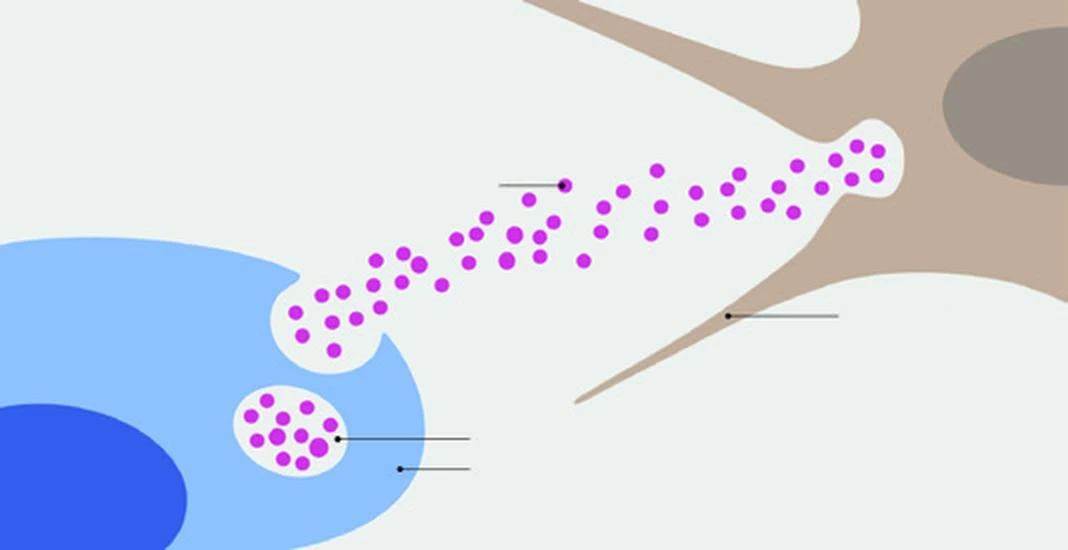
Exosome
Exocytotic release
Endocytic uptake
Receiving cell
Multivesicular body
Secreting cell
Exosomes carry signals from one cell to another: the secreting cell releases them, the receiving cell absorbs them.
Source: Mibelle Biochemistry, manufacturer's documentation for PhytoCellTec™ Exosomes (diagram adapted)
Dual mechanism of action
PhytoCellTec™ Goji Exosomes act through two complementary mechanisms:
- Exosomes from outside — plant-derived exosomes present in the ingredient act directly on the epidermis, where, according to manufacturer data, they contribute to strengthening the skin barrier and protecting against external stressors such as UV radiation and pollution.
- Exosomes from within — according to manufacturer studies, the ingredient stimulates mesenchymal stem cells in the dermis to increase their own exosome production, leading to improved collagen and elastin formation in the connective tissue matrix.
This is a technologically distinct approach compared to conventional phytoextracts — rather than directly delivering plant active substances, it utilises a signalling mechanism via exosomes that acts on both skin layers simultaneously.
What the manufacturer says about clinical results
Reduction in wrinkle depth after 2 months
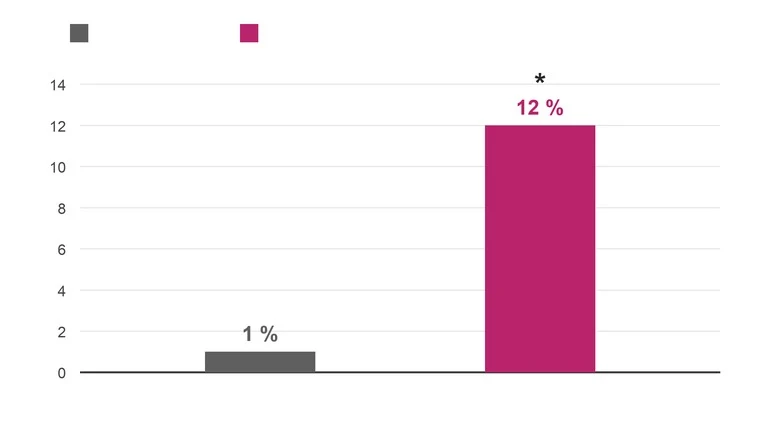
Placebo
0.4% Exosomes
Manufacturer's study: 0.4% PhytoCellTec™ Exosomes vs. placebo, measured after 2 months. Average wrinkle depth decreased by approximately 12%. The asterisk indicates a statistically significant difference from baseline.
Source: Mibelle Biochemistry, efficacy study for PhytoCellTec™ Exosomes (manufacturer's documentation)
Eye area wrinkles — before and after
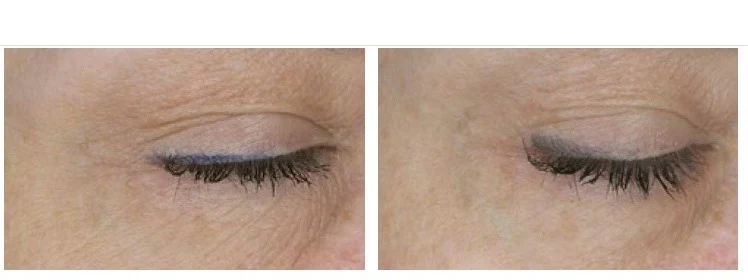
Before
After 56 days
Photographs from the manufacturer's clinical test: 0.4% PhytoCellTec™ Exosomes, after 56 days. Fine lines around the eye area appear smoother after application.
Source: Mibelle Biochemistry, clinical test for PhytoCellTec™ Exosomes (manufacturer's photographs)
The manufacturer conducted several studies during the development of this ingredient:
- In study S-755 (23 women, aged 41–69, 56 days, dosage 0.4%), the manufacturer recorded an average reduction in wrinkle depth of 11% compared to placebo — with visible improvement of fine lines under the eyes as well as deeper lines.
- In study S-749 (67 women, aged 39–70, 28 days), the manufacturer documented a statistically significant improvement in facial oval and firming of jawline contours.
- The manufacturer further reports a 6% increase in skin density after 28 days compared to baseline, and a reduction in the density of low-reflectance zones in the lower layers of the epidermis, which is considered a marker of improved dermal structure.
- In cell study S-762, the manufacturer documented that goji stem cell extract increases exosome production by mesenchymal stem cells in vitro.
These are manufacturer-internal studies, not independent clinical research. The methodology, including half-sided application and instrumental measurements, is transparently documented.
Use in formulation
Dosage ranges from 0.4–1%, with the manufacturer's clinical studies based on the lower limit of 0.4%. The ingredient is added to the water phase:
- In cold processes, the powder is dissolved directly in the water phase at room temperature.
- In hot/cold processes, it is added during the cooling phase once the formulation temperature drops below 40 °C.
According to the manufacturer, short-term temperatures up to 40 °C do not compromise exosome stability. Prolonged heating or temperatures above this threshold are not recommended.
The pH of the aqueous solution (1% in H2O) is 4.0–7.0, which is compatible with most cosmetic formulations. The ingredient contains no preservative or alcohol — when incorporated into aqueous or emulsion systems, it is therefore necessary to ensure preservation of the entire formulation in the standard manner.
Suitable products
The ingredient is intended primarily for anti-aging formulations on a water base:
- Serums and concentrates for the face and neck targeting firming and contouring
- Products supporting collagen synthesis — boosters, ampoules
- Masks with shaping and firming action
- Lifting and firming emulsions and creams
- Décolleté preparations
Thanks to its powder form (Isomalt as the granulation matrix, Lecithin as the phospholipid component) and good water solubility, the ingredient can be processed into a variety of textures — from light serums to richer emulsions — provided the temperature limit is respected.
Good to know
- It is advisable to pre-disperse the powder in a small amount of water before incorporating it into a larger batch — this minimises the risk of clumping.
- The ingredient does not contain its own preservative: standard preservation is required in every aqueous or emulsion formulation.
- Alcohol-free — suitable for alcohol-free serums and formulations with a low ethanol content.
- Store at temperatures up to 25 °C in sealed containers protected from light; shelf life 3 years.
Frequently asked questions
Is PhytoCellTec™ Goji Exosomes water-soluble?
Yes, the ingredient dissolves well in water. It is an Isomalt-based powder that disperses well when mixed into the water phase. For easier processing, it is advisable to first pre-disperse the powder in a small amount of water before incorporating it into the formulation.
At what temperature should PhytoCellTec™ Goji Exosomes be added to the formulation?
The ingredient is added below 40 °C. In cold processes, it is dissolved directly in the water phase at room temperature. In the hot/cold process, it is added during the cooling phase. Prolonged heating above 40 °C may adversely affect the structure of the exosomal components.
What is the recommended dosage of PhytoCellTec™ Goji Exosomes?
The manufacturer recommends a dosage of 0.4–1%. The manufacturer's clinical studies were conducted at 0.4%, which is also the lower recommended limit. A higher dosage does not automatically mean a better result — it is advisable to test the formulation at 0.4% and adjust as needed.
Does PhytoCellTec™ Goji Exosomes contain a preservative or alcohol?
No, the ingredient contains neither a preservative nor alcohol. When incorporated into aqueous or emulsion formulations, the entire product must be preserved separately, according to its pH and the nature of the system.
How does PhytoCellTec™ Goji Exosomes differ from a standard goji extract?
These are technologically distinct products. Standard goji extracts are obtained directly from the plant's fruit or leaves and contain classic phytoactive components. PhytoCellTec™ Goji Exosomes is based on a cell culture of goji seedlings — the active component consists of exosomes produced by plant stem cells, small vesicles intended for intercellular communication, not classical phytoextracts.
Is PhytoCellTec™ Goji Exosomes suitable for emulsions as well, or only for serums?
The ingredient is suitable for both serums and emulsions — the decisive factor is the temperature profile of the manufacturing process. For light serums and aqueous gels, it is incorporated simply at cold stage. For emulsions, it is added during the cooling phase below 40 °C. At a dosage of 0.4–1%, it has no significant effect on the viscosity or texture of the formulation.