+421 950 333 113info@handymade.storeHandymade Days: −10 % on all ready-made productsShop now

Candle fragrance oils

Fragrance oil Pink Gin, 100 ml

Pack size10 ml100 ml500 ml1 l

Pink Gin fragrance oil is a synthetic fragrance composition for scenting cosmetics, soaps and household products. full description

AvailabilityIn stock · 45 packs
Product codeVO201_100
Batch20260324SF
Best before03/2028
€14.16incl. VAT€141.60/l

Lowest price in the last 30 days: €14.16

Product description

Pink Gin fragrance oil is a synthetic fragrance composition for scenting cosmetics, soaps and household products. One concentrate covers a wide range of products, from lip balms and deodorants to shower gels and laundry products. The maximum permitted amount in the finished product is determined by the IFRA limit for the given category. The manufacturer does not provide a detailed description of the fragrance notes, so we recommend testing the fragrance in a small sample of the target base before moving on to larger batches.


Suitable for products such as

  • Bar soaps, liquid soaps, shower gels and bath products – rinse-off products in which the fragrance is the main sensory impression (IFRA category 9).
  • Body creams, lotions and oils – leave-on body cosmetics, category 5A.
  • Face creams, toners, hand creams – leave-on products with longer skin contact, categories 5B and 5C.
  • Deodorants and antiperspirants – category 2, including roll-ons and sticks.
  • Perfumes and eaux de parfum – both hydroalcoholic and alcohol-free fine fragrances, category 4.
  • Shampoos, conditioners and hair styling products – both rinse-off and leave-on hair products.
  • Cleaning products, dishwashing, laundry and fabric care – fragrance for the home, category 10A for hand dishwashing and laundry.
  • Candles – candles of all types, including container candles, in an amount up to the IFRA limit for category 12.

Use in formulation

The composition is oil-soluble and not water-soluble. In emulsions it is added in the cooling phase, and the manufacturer recommends a processing temperature below 40 °C. It is incorporated into the finished emulsion with constant stirring until evenly dispersed. In anhydrous products such as body oils, balms or solid perfumes, it is mixed directly into the oil or wax component after it has cooled.

Water-based products without surfactants (toners, air fresheners, spray waters) need a solubiliser or an alcohol content, otherwise the oil separates and causes cloudiness or droplets on the surface. In the surfactant bases of shower gels and liquid soaps, it is worth checking the behaviour of the fragrance at the target usage rate.

There is no single universal usage rate. The manufacturer does not state a recommended range, and the maximum in the finished product is determined by the IFRA limit for the product category (for example, category 1 for lip products). The limits for all categories are listed in the IFRA certificate in the Product documentation section.

In cold process soap, Pink Gin accelerates trace. In a soap maker’s practical test, after the fragrance was added, the batter thickened fairly quickly to the consistency of apple purée, but it could still be poured and shaped. The discolouration of the batter was slight, but it should still be taken into account with white soaps. We recommend adding the fragrance oil just before pouring and working quickly. For more complex designs, such as multi-coloured layers or swirls, it is better to choose a fragrance that does not accelerate trace.

In the cold process, add the fragrance as the last ingredient and have the mould ready. The batter thickens quickly, so there is not much time left for longer pouring between containers.


Good to know

The fragrance oil is classified under the CLP Regulation and carries the GHS07 (irritant, sensitisation) and GHS09 (hazardous to the environment) pictograms. Details on composition, classification and safe handling are given in the safety data sheet for the product. It contains one or more fragrance allergens under Annex III of Regulation (EC) No 1223/2009. The ingredients also include benzaldehyde, a substance classified as CMR, but the product as a whole is not classified as CMR under Regulation (EC) No 1272/2008.

The composition is of synthetic origin, contains no materials of animal origin, parabens, intentionally added microplastics or nanomaterials, and has not been tested on animals.

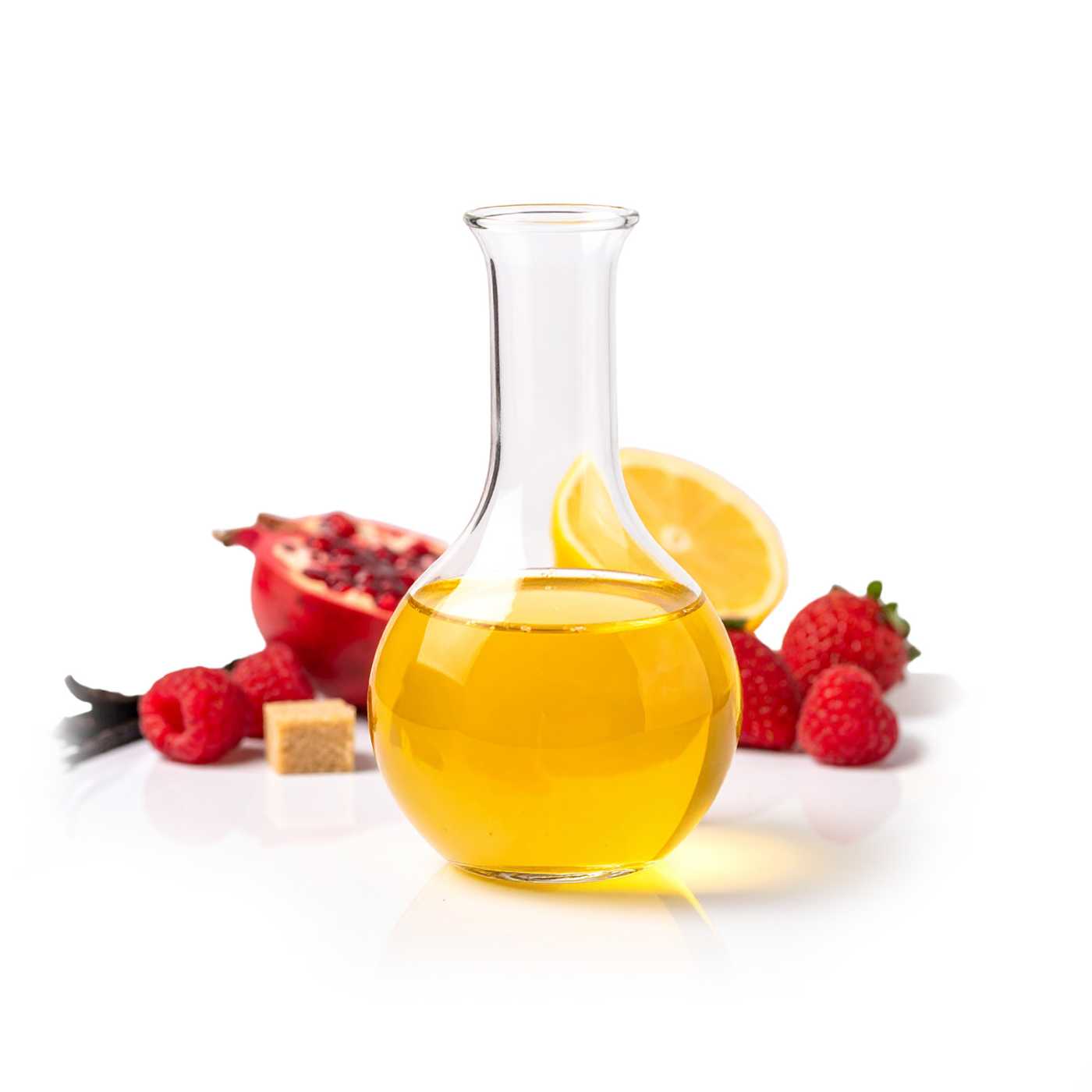
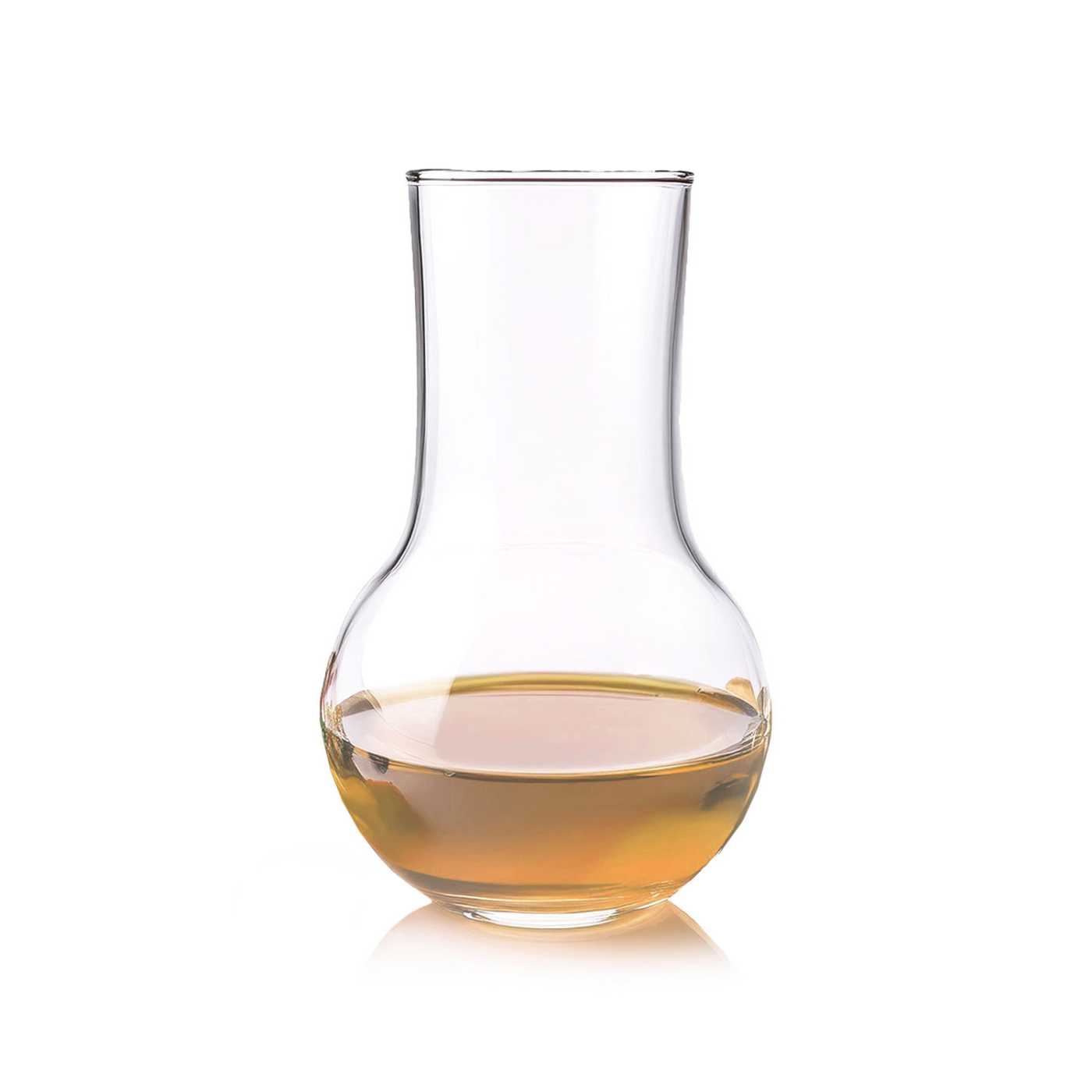
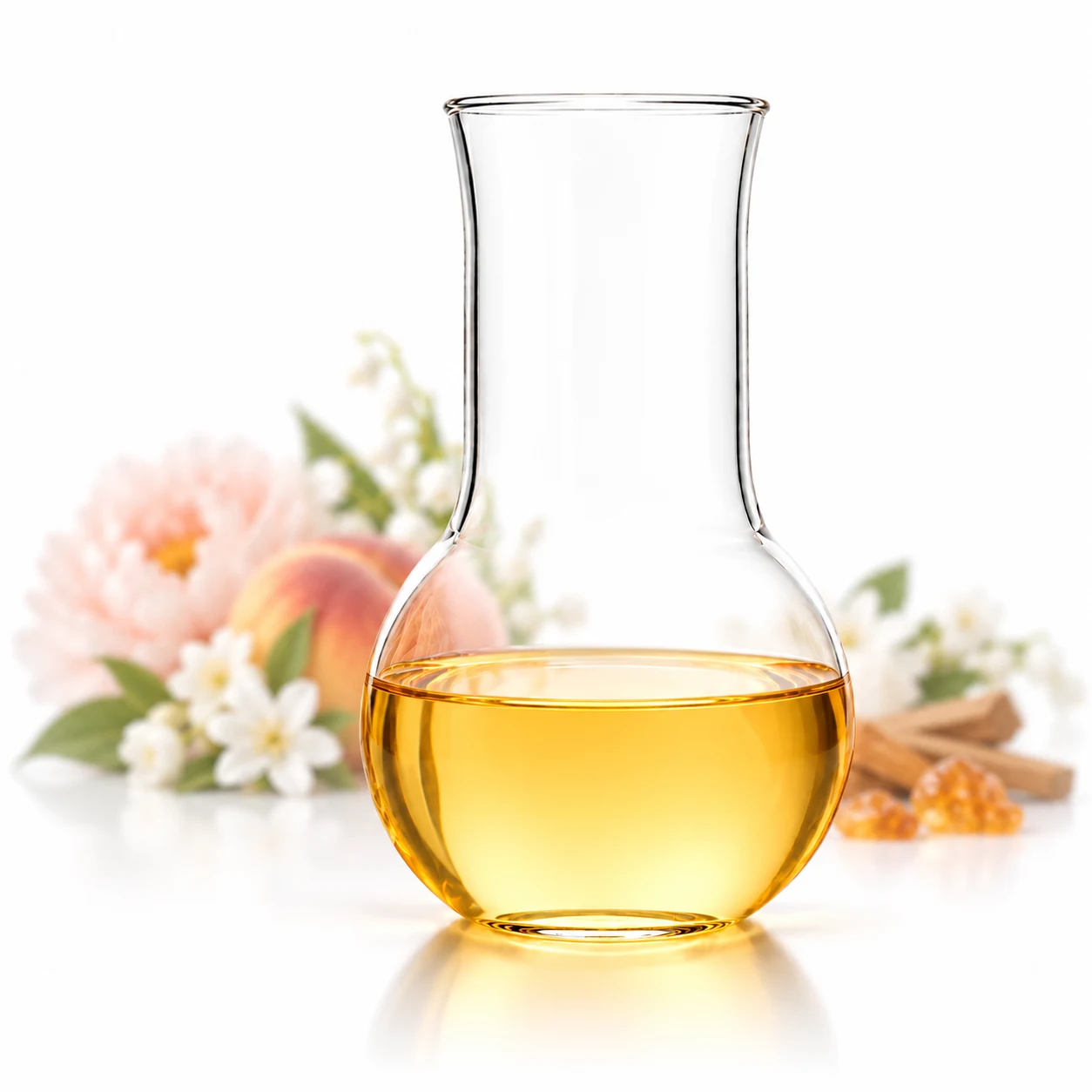
The oil is clear and yellow. In white and colourless bases, the shade may show slightly, so check the effect on colour at the target usage rate, especially in clear gel and liquid products.


Frequently asked questions

Is Pink Gin fragrance oil soluble in water?
No, Pink Gin fragrance oil is oil-soluble and does not dissolve in water. In emulsions it is added in the cooling phase, and in anhydrous products it is added directly to the oil component. In water-based products without surfactants, such as toners or sprays, it needs a solubiliser or an alcohol content, otherwise it separates and causes cloudiness.
Is Pink Gin fragrance oil suitable for cold process soap?
Yes, with caution, because it accelerates trace. In a practical test in cold process soap, the batter thickened fairly quickly to the consistency of apple purée, but could still be poured. The discolouration of the batter was slight. Add the fragrance just before pouring, work quickly and, for complex designs, it is better to choose a different composition.
How much Pink Gin fragrance oil should be added to a cream, soap or shower gel?
There is no single universal value; the maximum is determined by the IFRA limit for the product category. Face cream, body lotion and shower gel belong to different categories with different limits. The specific values for all categories are given in the IFRA certificate in the product documentation. A lower usage rate is always possible, but the upper limit must not be exceeded.
At what temperature is Pink Gin fragrance oil added to an emulsion?
The manufacturer recommends a processing temperature below 40 °C. The fragrance oil is therefore added in the cooling phase, only once the emulsion has formed and partly cooled. After adding it, simply stir until the fragrance is evenly dispersed in the base.
Is Pink Gin fragrance oil natural?
No, Pink Gin fragrance oil is a synthetic fragrance composition produced by chemical synthesis. It contains no materials of animal origin, parabens or intentionally added microplastics, and has not been tested on animals. It is also subject to CLP classification and contains fragrance allergens under Annex III of Regulation (EC) No 1223/2009.

Parameters

INCI
Parfum
Product colour
Yellow
Country of origin
European Union
Processing method
Chemical synthesis
Appearance
Liquid
Formulation phase
Cool-down phase
Function in formulation
Fragrance component
Recommended processing temperature
< 40 °C
Application type
Leave-onRinse-off
Volume
100 ml

Product documentation

CoACertificate of Analysis
batch 20250919PGPDF ↓
batch 20260324SFPDF ↓
TDSTechnical Data Sheet
Physical parameters and processingPDF ↓
IFRAIFRA Certificate
batch 20250919PGPDF ↓
AllergensAllergen Declaration
batch 20250919PGPDF ↓
SDSSafety Data Sheet
Available for purchased products —
Download all (ZIP)

5 PDF files in one archive

REVIEWS

Verified by customers.

No reviews yet.

Only customers with a delivered order can write reviews.