

Pre-orderSold out
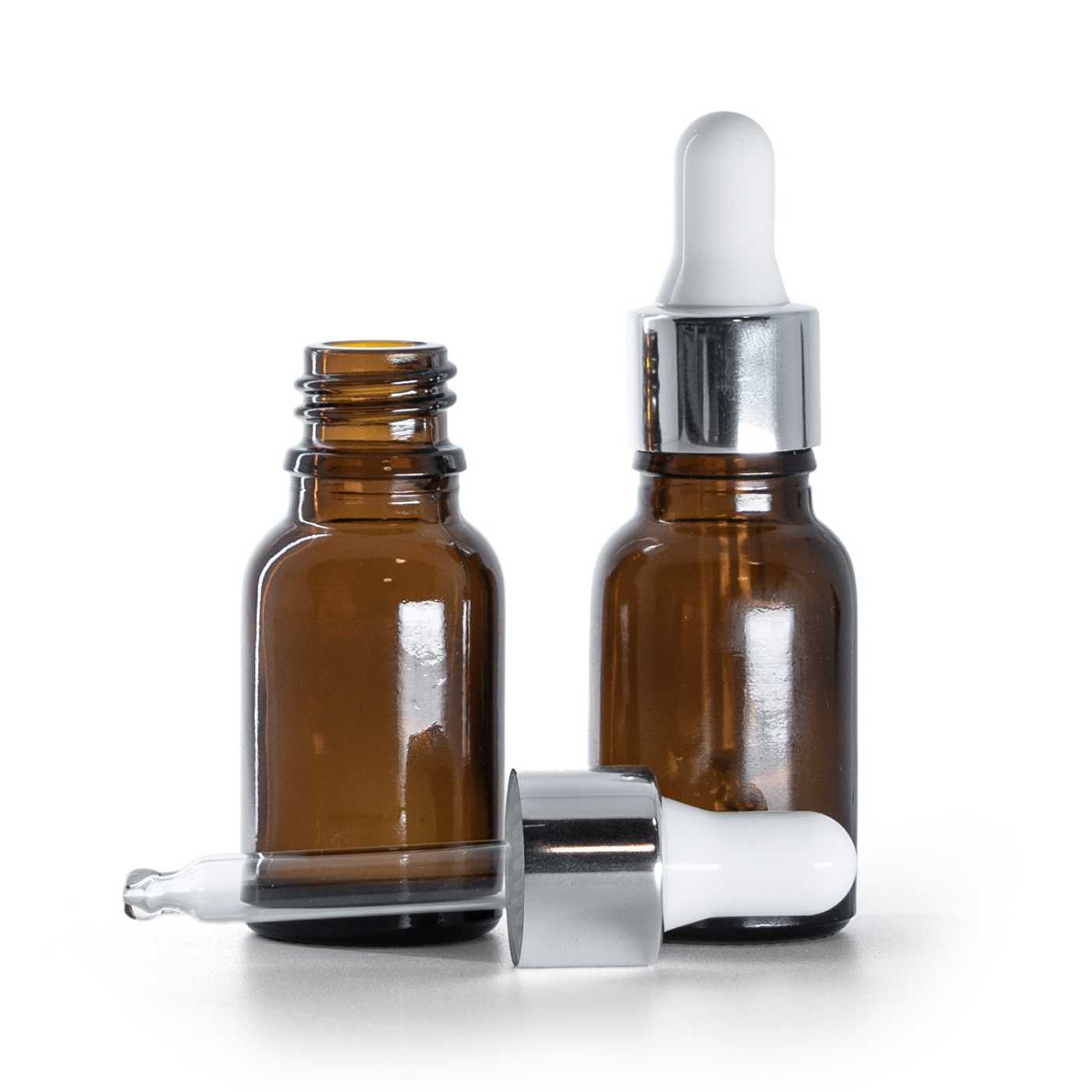
Glass bottle, dropper, silver glossy dropper cap, 15 ml
€0.98

SURFACTANTS
Pack size100 g250 g1 kg5 kg25 kg
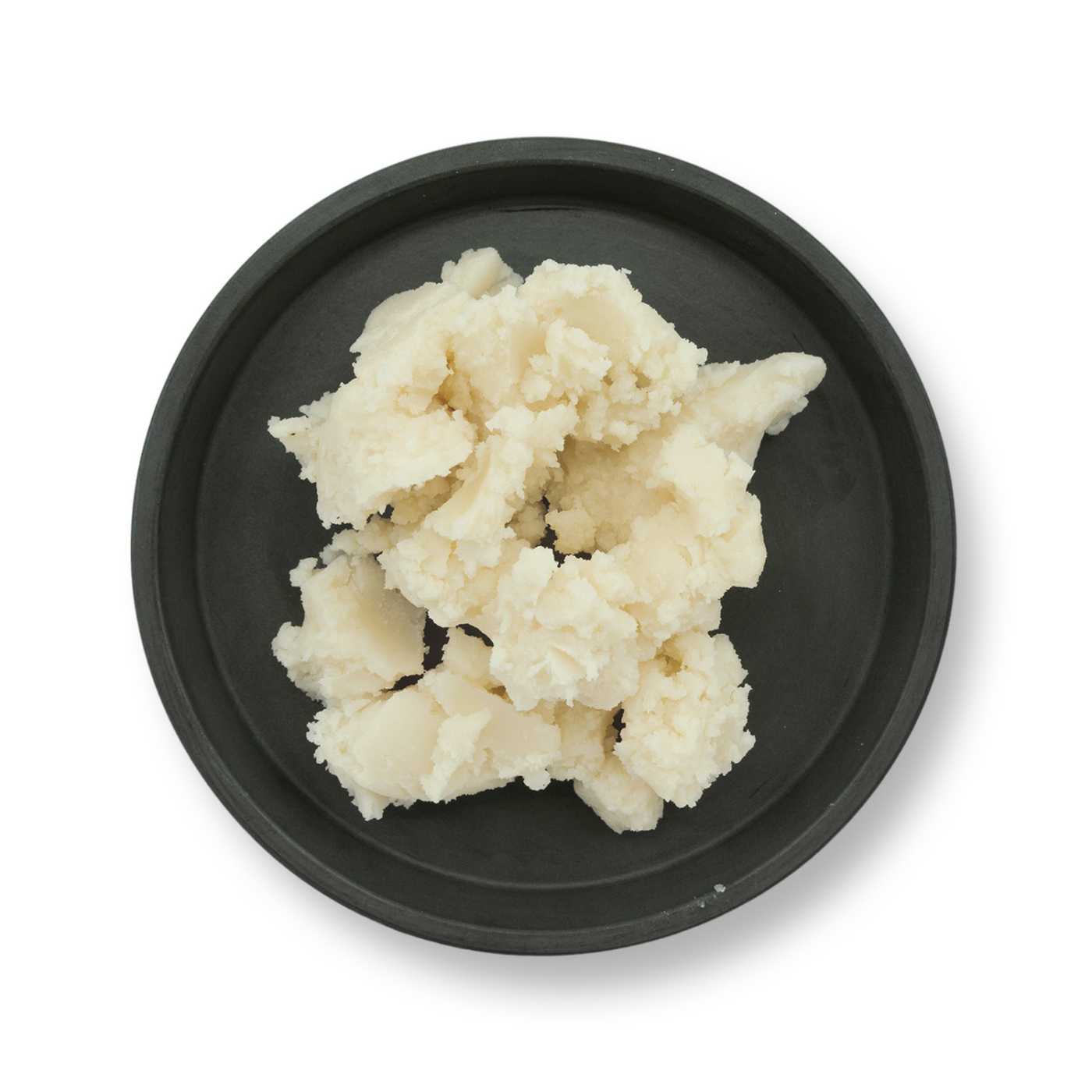
Sodium Coco Sulfate (SCS) is an anionic surfactant made from coconut and palm kernel oil fatty alcohols that cleanses strongly and forms a creamy, stable foam . In a formulation it can serve as the main surfactant. full description
Lowest price in the last 30 days: €7.34
Sodium Coco Sulfate (SCS) is an anionic surfactant made from coconut and palm kernel oil fatty alcohols that cleanses strongly and forms a creamy, stable foam. In a formulation it can serve as the main surfactant.
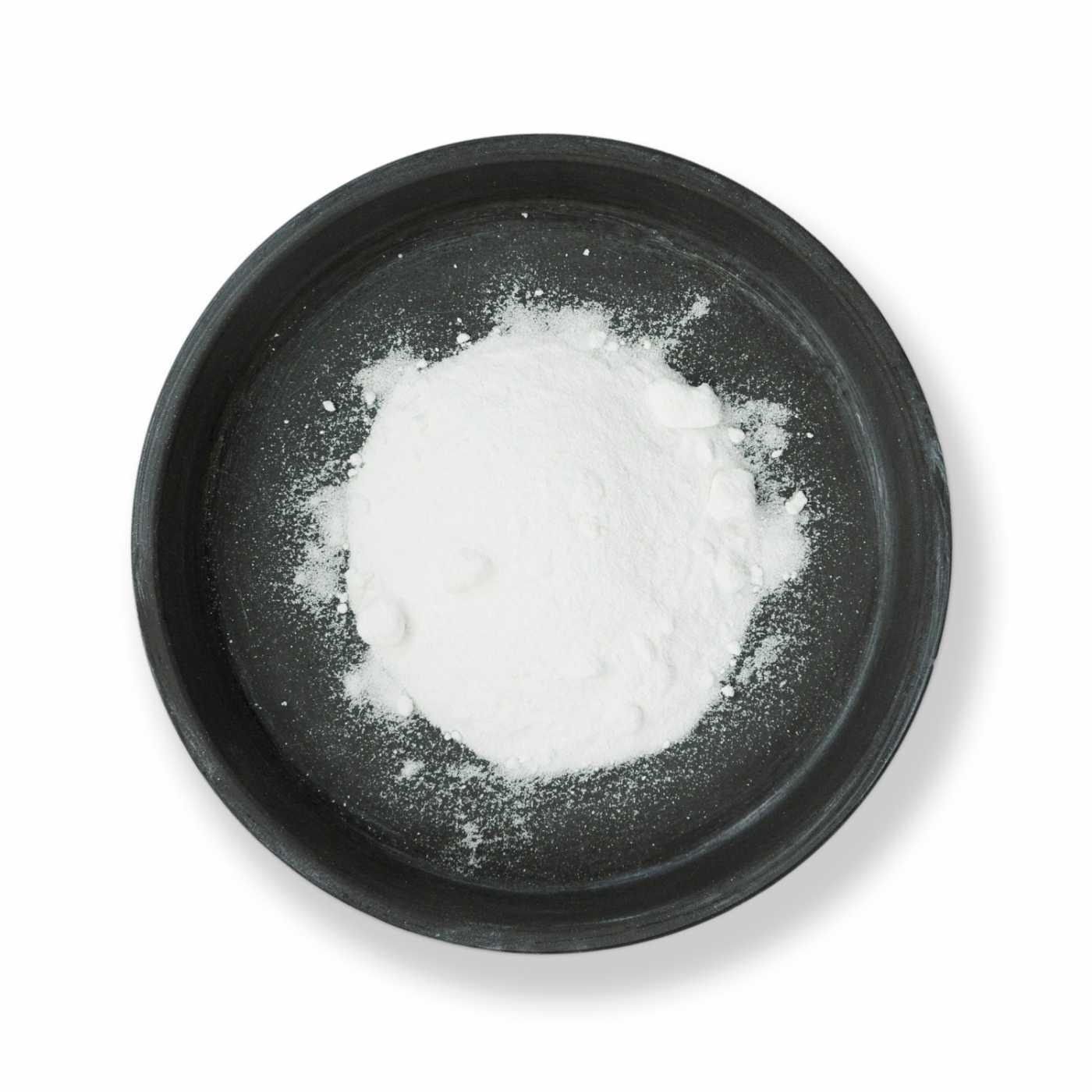
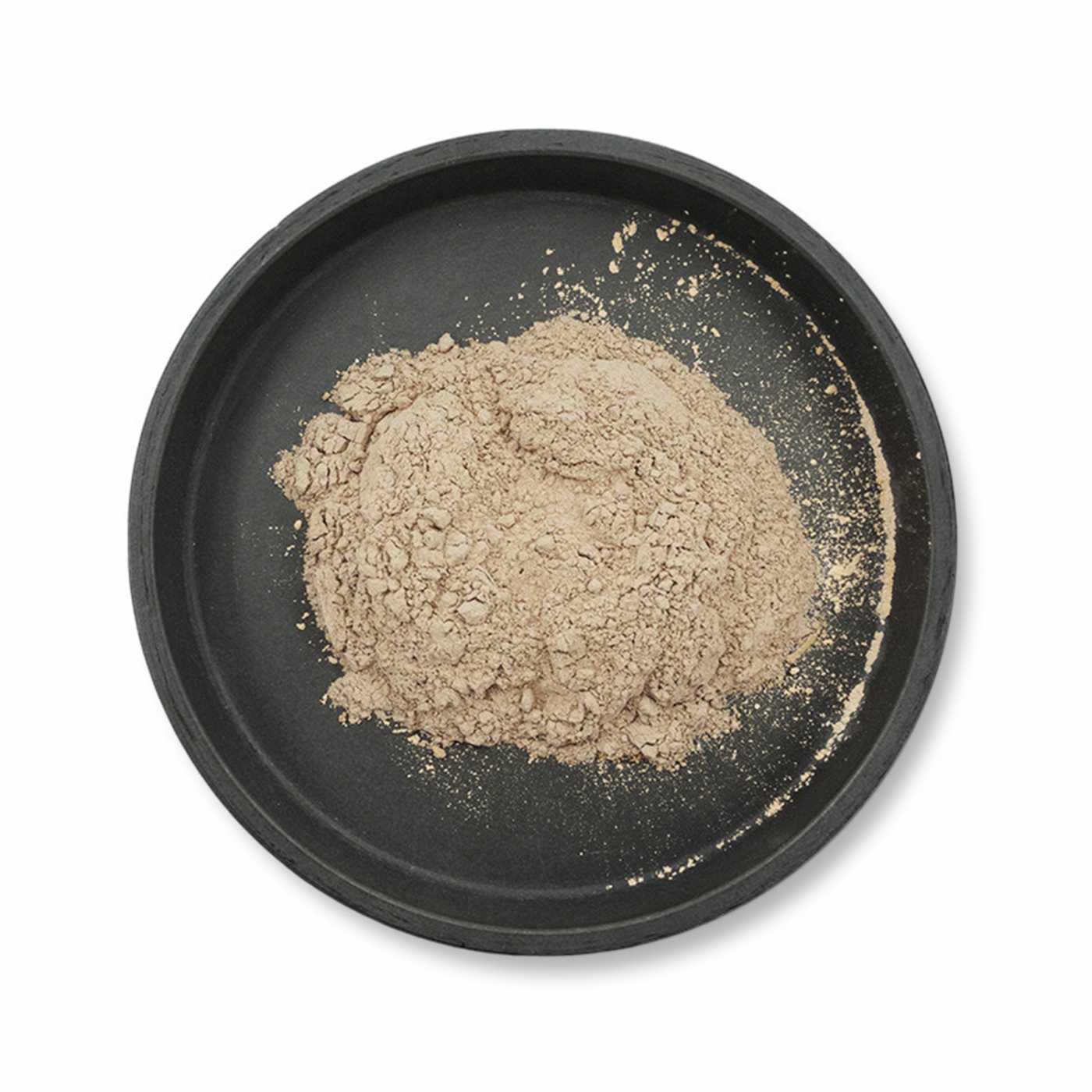
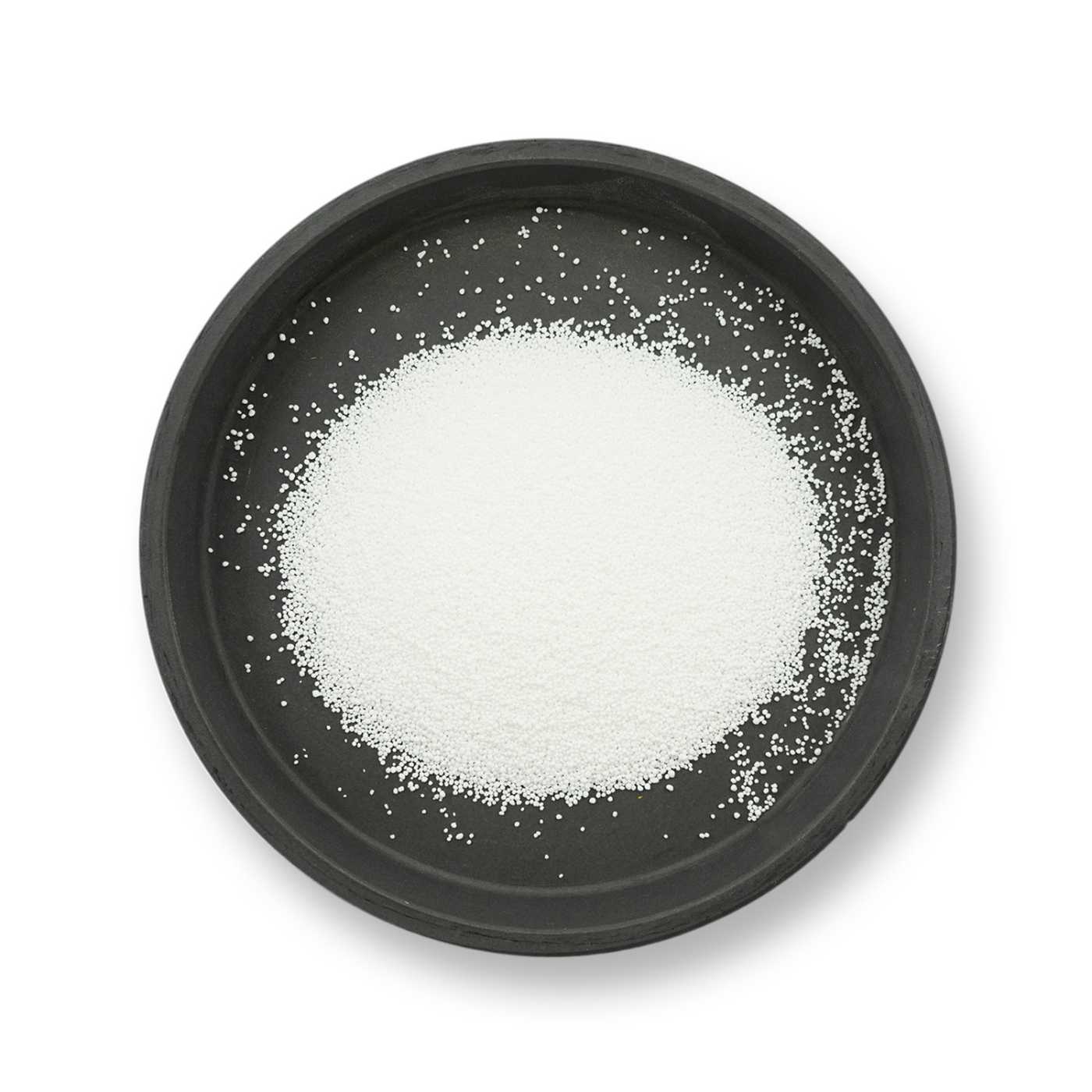
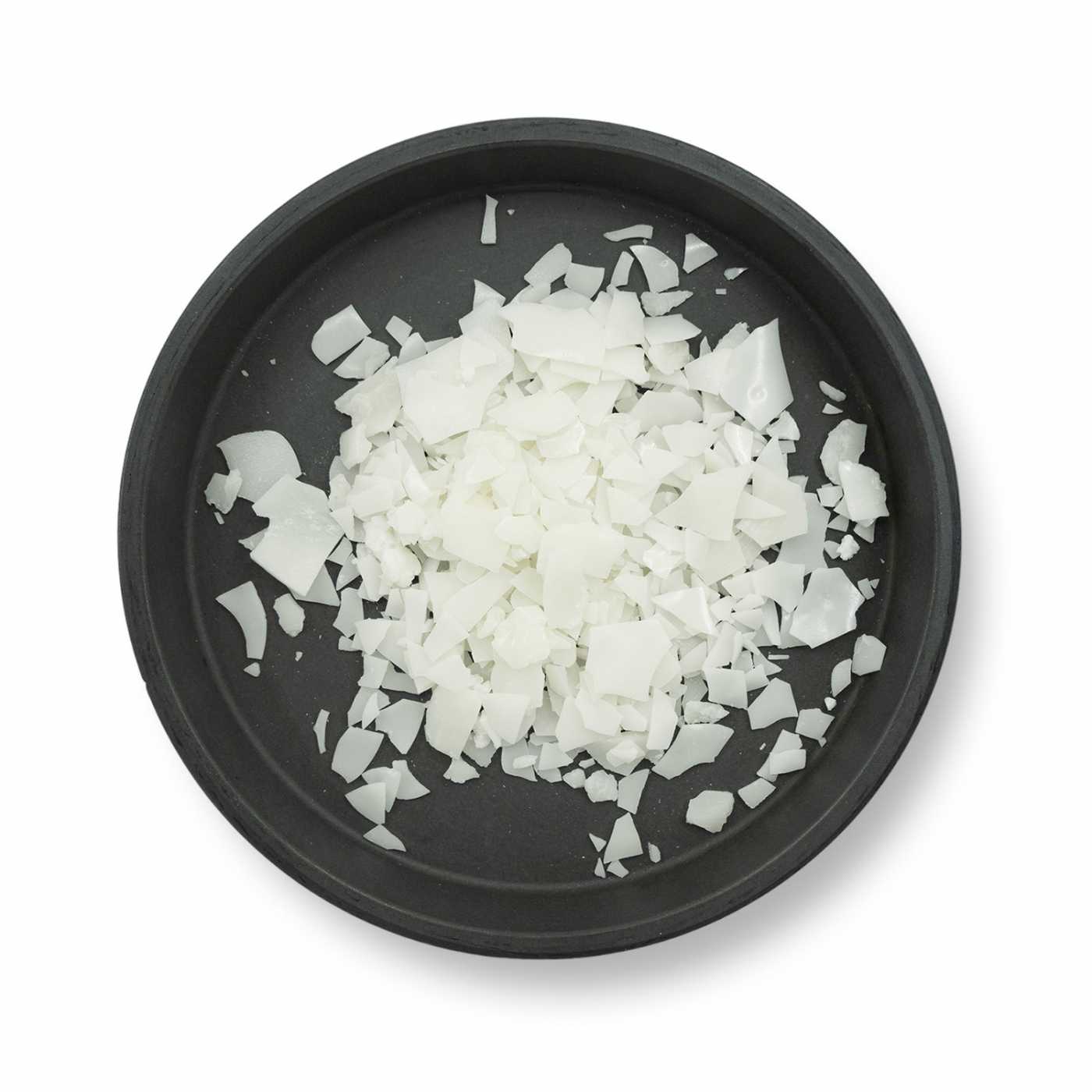
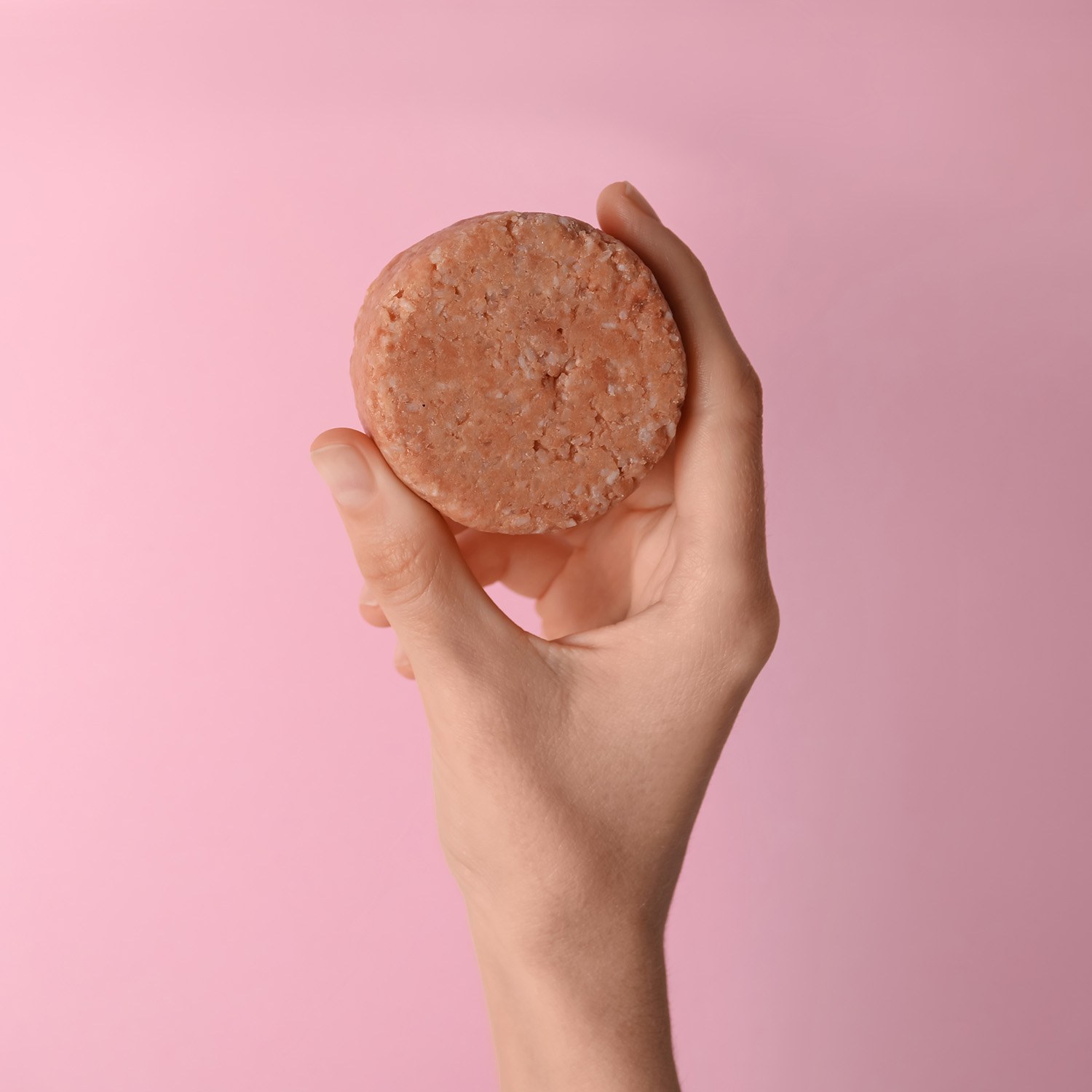
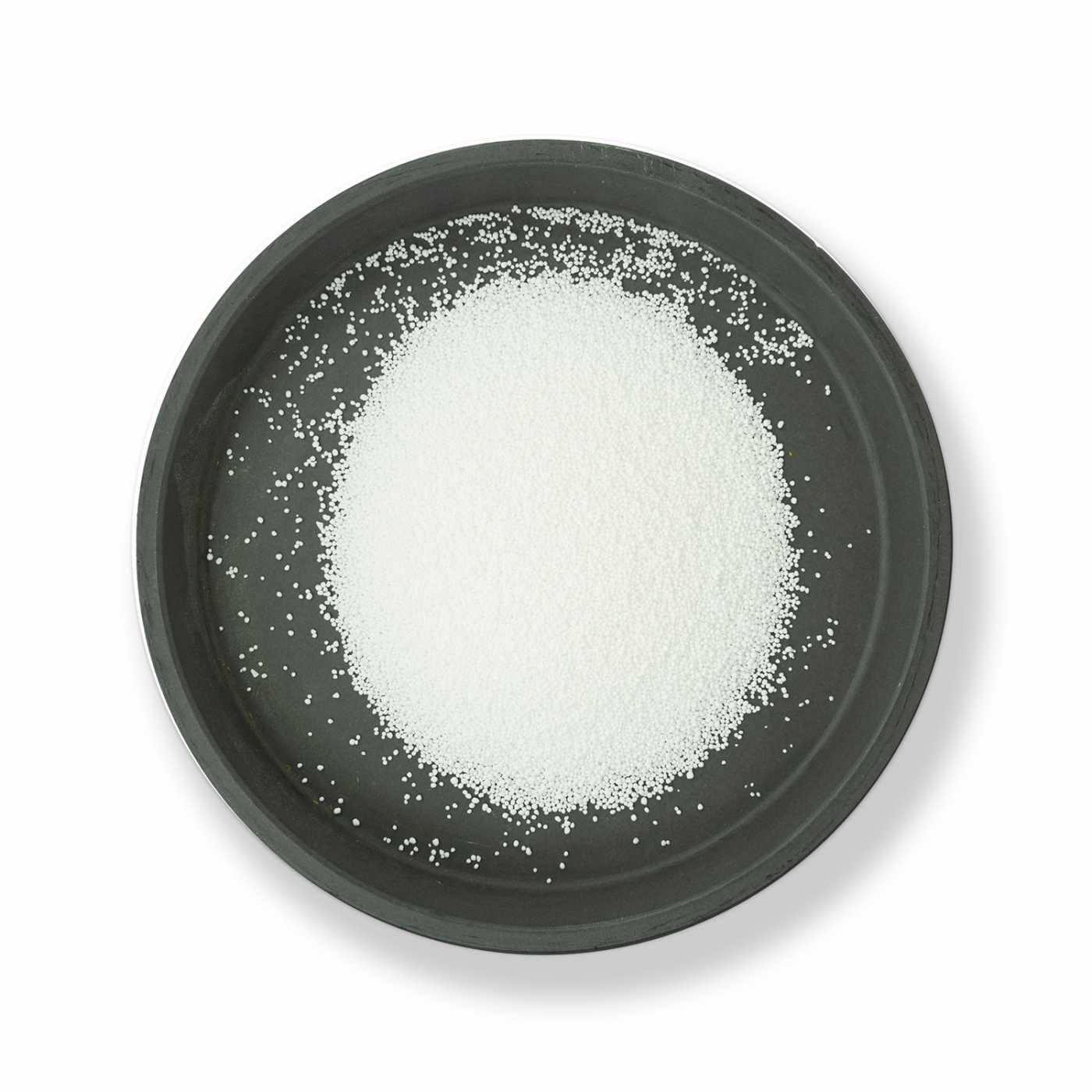
The granules pour well and are easy to weigh out. They are therefore used above all in shampoo bars, syndet bars and powder blends. They can also be used in liquid shampoos and shower gels.
SCS is one of the fatty alcohol sulfates, that is, a surfactant with high cleansing power. It binds sebum and dirt, which water then rinses from the hair and skin. It is suitable for normal and oily skin and for hair prone to greasiness.
The granules contain 90–95% active ingredient. Take this into account when converting a formulation from liquid surfactants.
In a study by the manufacturer, a solid cleansing product with 34% SCS was tested. In a laboratory test on a model of dry and wet skin, it removed long-wear foundation more effectively than the market products it was compared against. In home use (24 people), 79% of them reported that their skin felt cared for, and approximately 87% rated the feel during application as smooth and pleasant. Of the participants, 92% considered it suitable for travel. The results apply to the whole formulation, which also contained butters, fatty alcohols and other surfactants.
Both raw materials are fatty alcohol sulfates and differ in chain length. Sodium Lauryl Sulfate (SLS) is made from the narrower lauryl fraction. SCS is made from the whole fatty alcohol fraction of coconut and palm kernel oil with C12–18 chains, of which 70–80% are C12–14.
Lauryl sulfate is therefore a natural component of SCS. A product containing this raw material cannot be labelled as completely SLS-free. It differs from SLS in its INCI name and in its mixture of chain lengths.
Ethylene oxide is not used in its production, and the raw material does not contain 1,4-dioxane. It is suitable for formulations without SLES and without ethoxylated surfactants.
SCS belongs in the water phase. It dissolves readily in water – more than 250 g/l at 20 °C.
In solid products it has two roles at once. It cleanses and, together with fatty alcohols (cetearyl alcohol, behenyl alcohol), stearin and butters such as cocoa or shea butter, forms the firm body of the bar.
Process the raw material at a temperature below 50 °C. Above this limit, its properties change irreversibly. This also applies to solid bars with butters: do not heat SCS for long or above 50 °C.
SCS combines easily with other surfactants. It is compatible with anionic, non-ionic and amphoteric surfactants. It is most often combined with Cocamidopropyl Betaine and with glucosides such as Lauryl Glucoside, which soften and stabilise the foam. In solid bars, Sodium Cocoyl Isethionate is also added to it.
Liquid products with SCS can be thickened with salt. Add it gradually and check the viscosity as you go.
The recommended usage rate is 5–40%, and the specific amount depends on the product format.
An aqueous solution of the raw material is alkaline. It has a pH of 10–11, because the granules contain 0.6–2% sodium hydroxide.
Adjust the finished product with an acid, for example a citric acid solution, to the recommended pH of 5.5–7.5.
SCS is intended for rinse-off products. In general safety assessments, a limit of around 1% is given for leave-on products.
The raw material does not contain preservatives, antioxidants or solvents. A product that contains water needs its own preservation.
The ingredient is of vegetable origin and is readily biodegradable. It has COSMOS Approved and NATRUE Approved manufacturer certificates.
The raw material is classified under the CLP Regulation and carries the GHS05 pictogram (corrosive). Wear gloves and eye protection when working with it, limit dust formation when weighing and do not inhale the dust.

Variant: Sodium Coco Sulfát (SCS) 250 g
Foams well but needs to be mixed with other things to soften it. Otherwise it's pretty harsh on the scalp. For the body it's totally okay.
Translated automatically
I appreciate that it comes in powder form (or rather small beads), great as far as I'm concerned, satisfied
Translated automatically