+421 950 333 113info@handymade.store10% off all active ingredientsShop active ingredients

HUMECTANTS

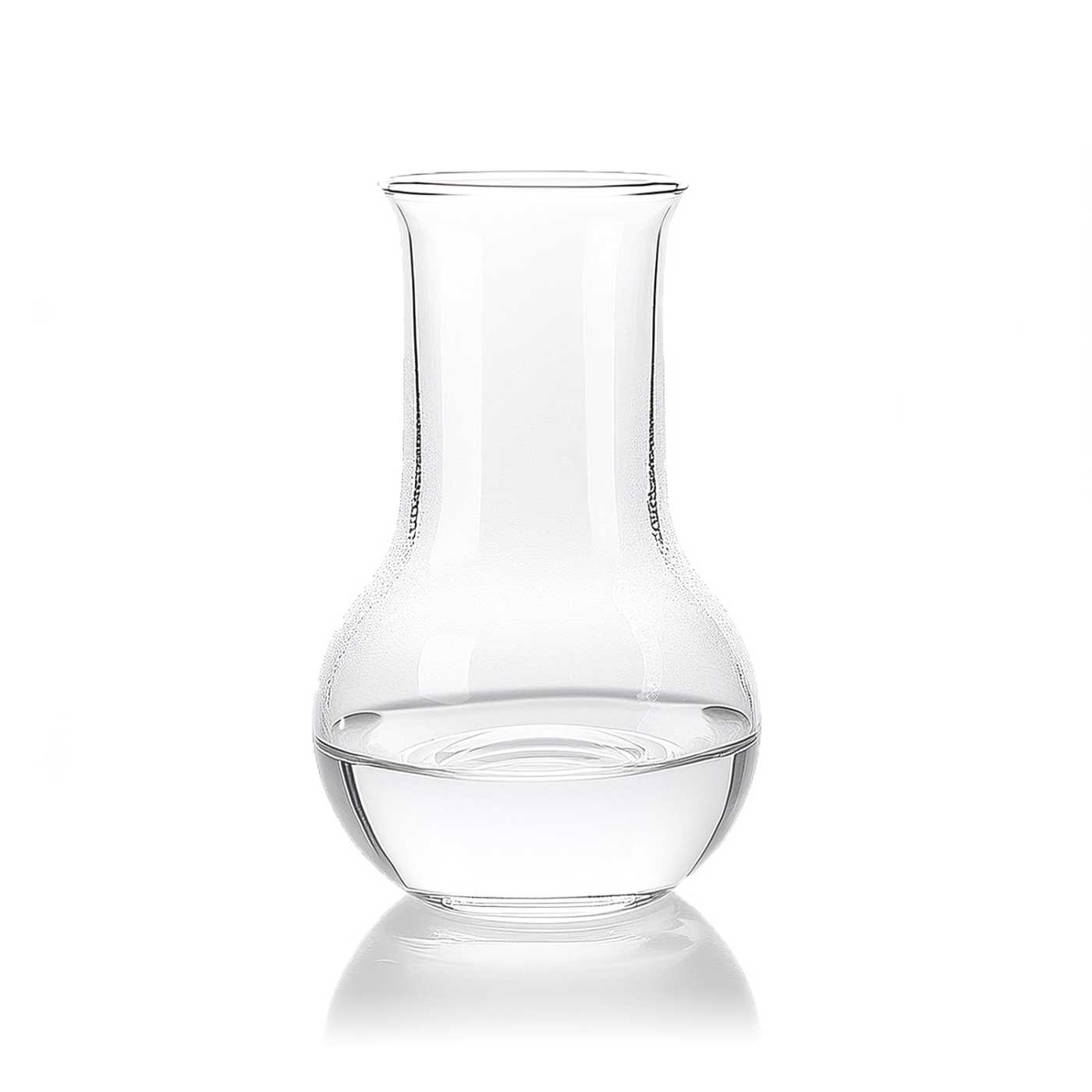
Sorbitol 70%, 100 ml

Pack size100 ml500 ml1 l

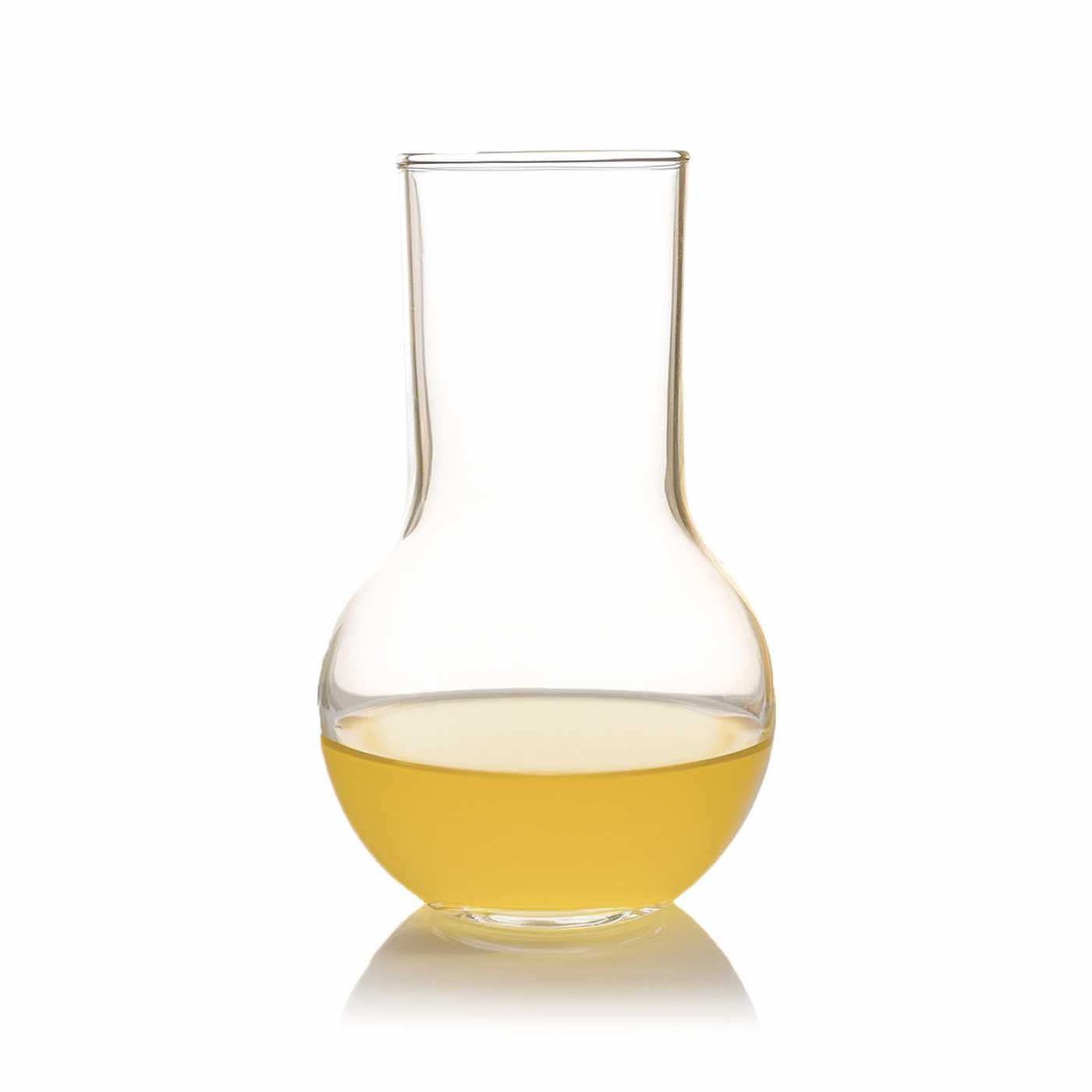
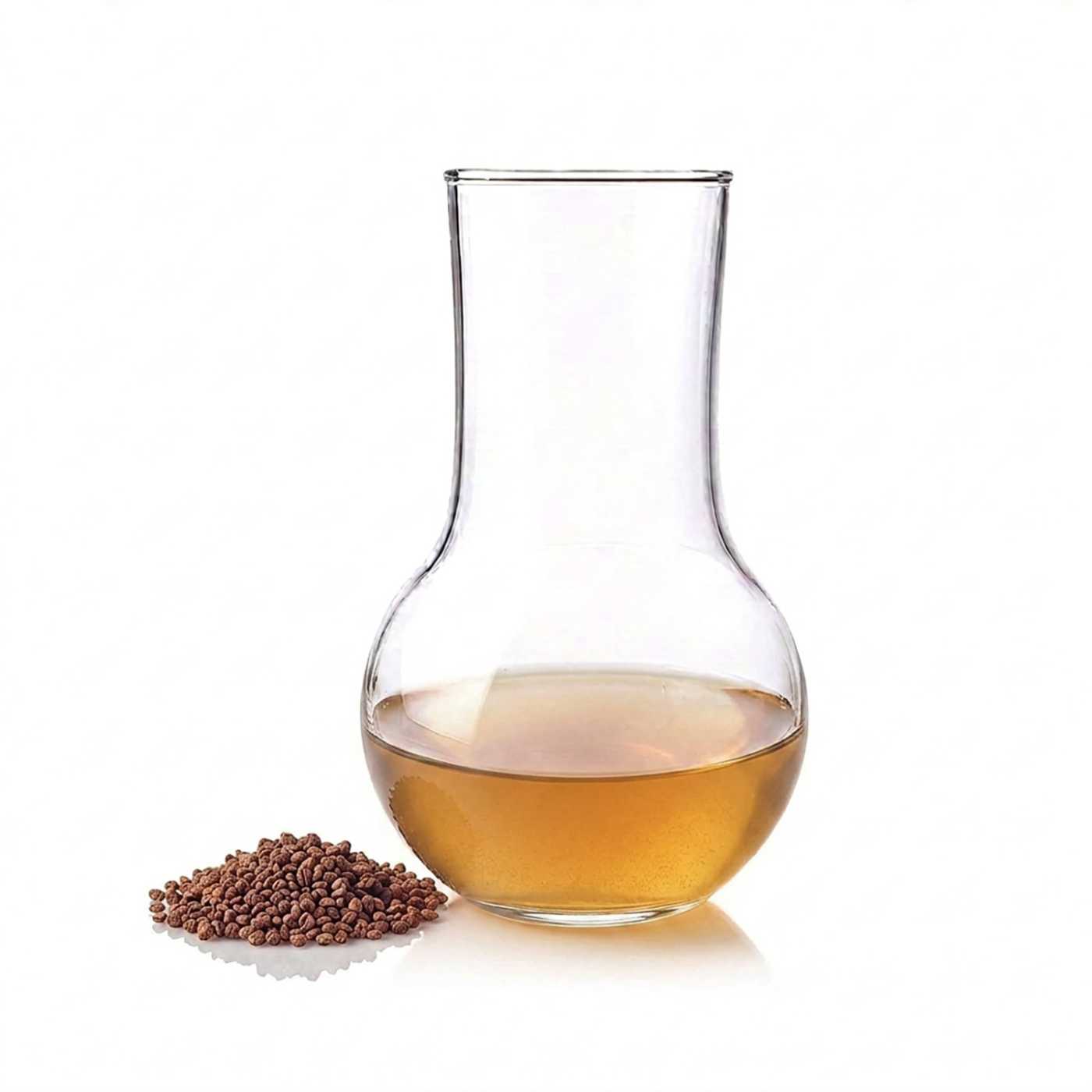
Sorbitol 70% is an aqueous solution of polyols of plant origin that acts in cosmetics as a humectant : it binds water and helps keep skin and hair hydrated. full description

AvailabilityIn stock · 62 packs
Product codeEM010_100
BatchX0138805
Best before08/2027
€3.03incl. VAT€30.30/l

Lowest price in the last 30 days: €3.03

Product description

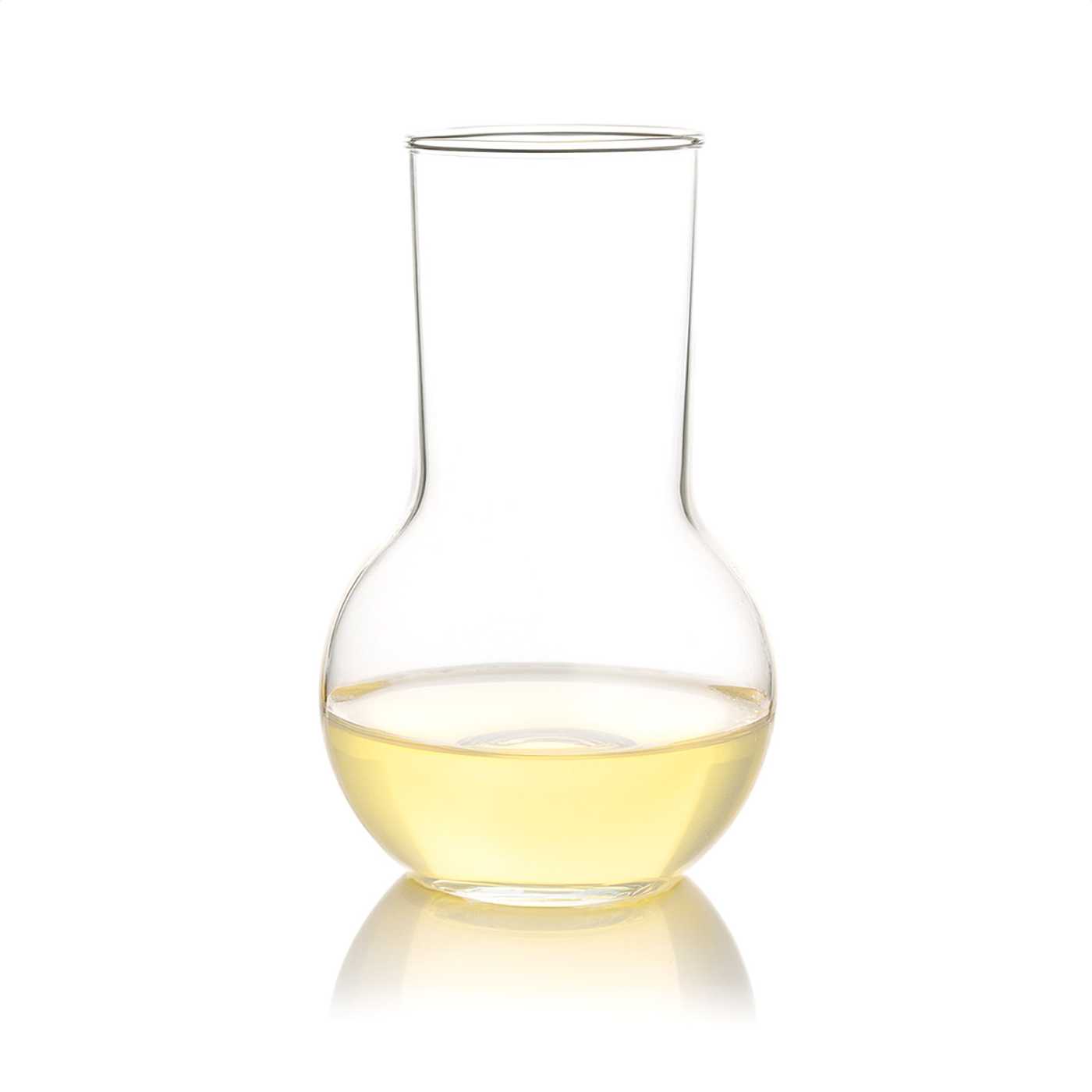
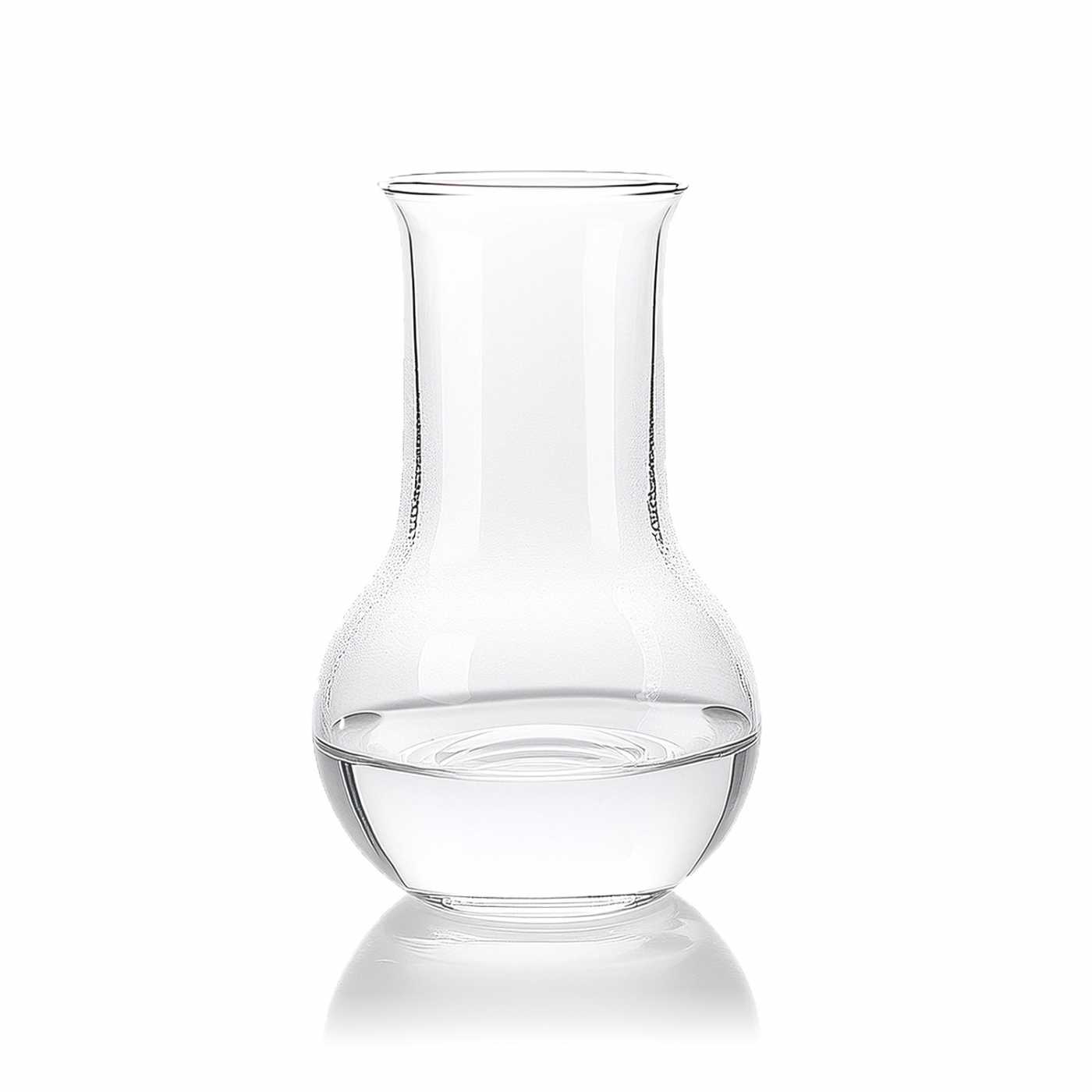
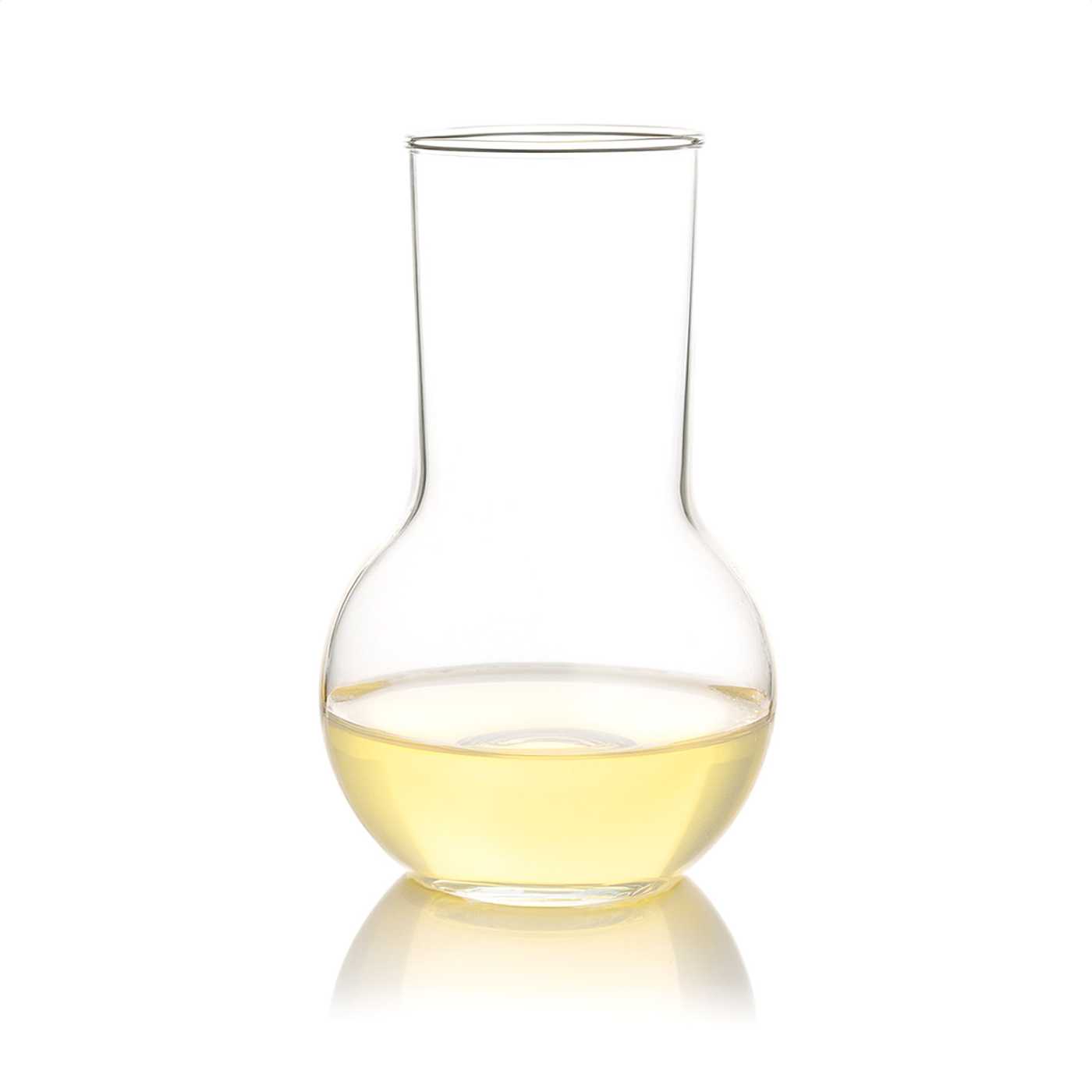
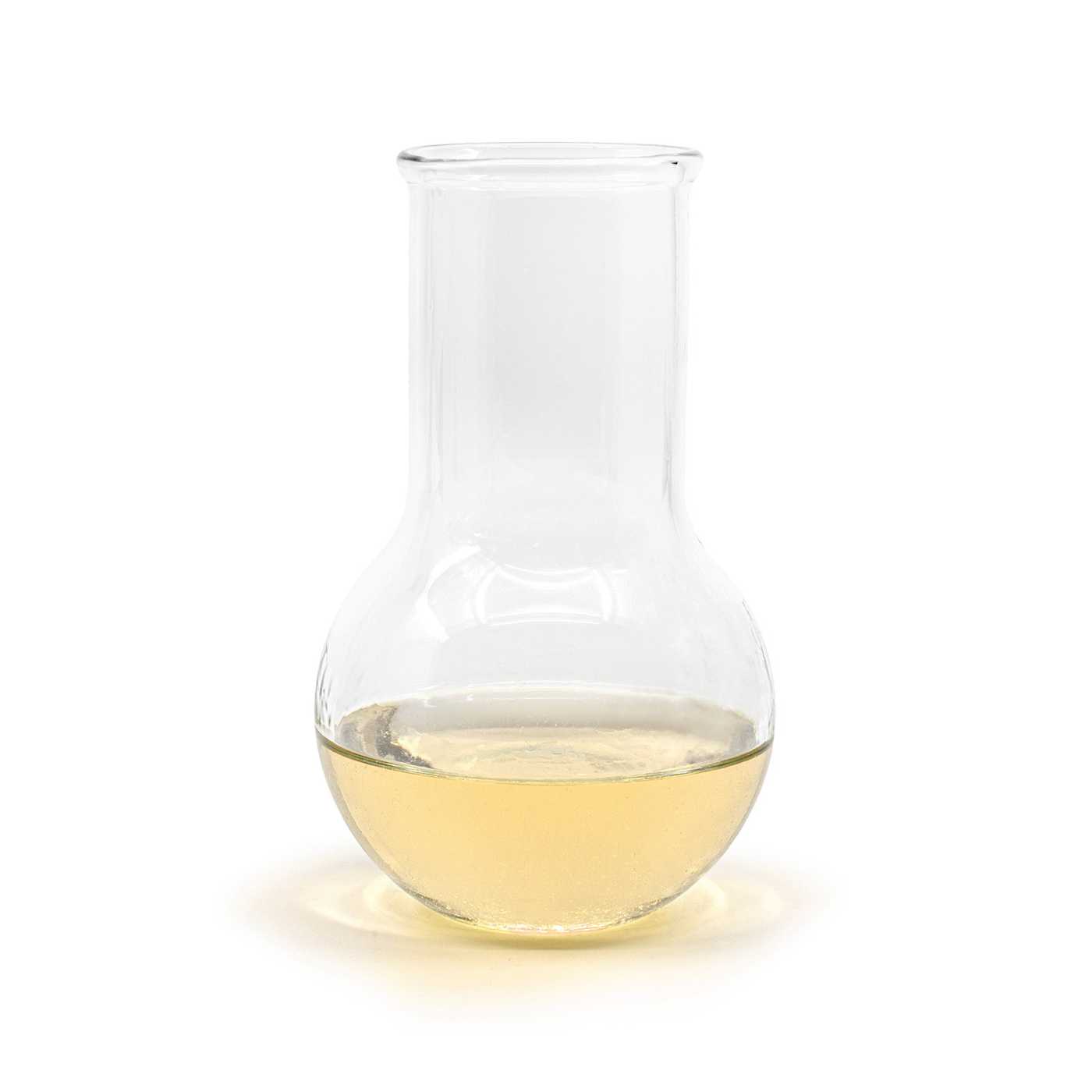
Sorbitol 70% is an aqueous solution of polyols of plant origin that acts in cosmetics as a humectant: it binds water and helps keep skin and hair hydrated. It is mixed directly into the water phase of the formulation, with no need to dissolve it first.

It is used in face, body and hair cosmetics as well as in oral care, in both rinse-off and leave-on products.


How it works on skin and hair

Sorbitol is a polyol, like glycerine. Its molecules bind water and hold it in the surface layer of the skin, so the skin does not dry out as quickly after the product is applied. It works the same way in the product itself, where it slows down drying.

In hair cosmetics, it serves as a conditioning agent. In conditioners, masks and treatments, it is combined with cationic conditioning agents and fatty alcohols and adds hydration to them.

The raw material is suitable for all skin types, including dry, sensitive and baby skin.


Key benefits

  • Hydration – binds water on the surface of the skin and in the hair.
  • Non-ionic character – can be combined with both anionic and cationic ingredients.
  • Fuller water phase – besides hydration, it gives the water phase body and slightly thickens it.
  • Vegetable origin – produced by hydrogenation of corn and/or wheat starch hydrolysate; suitable for vegans, GMO-free and preservative-free.
  • Cosmetic, food and pharmaceutical grade – the solution complies with the European Pharmacopoeia (Ph. Eur.) and is also suitable for mouthwashes and other oral care products.

Use in formulations

Sorbitol 70% is water-soluble and can be heated with the water phase up to 80 °C.

The usage rate is 1–30%, most often around 7%. In hair conditioners, treatments and masks, use 7–12%; in mouthwashes around 4%; and in whipped body creams approximately 7%.

When calculating the formulation, take the water in the raw material into account. Dry matter makes up 68–72% and the rest is water. The solution contains at least 45% sorbitol itself, and the remainder of the dry matter consists of other polyols. At a usage rate of 10%, this brings approximately 7% polyols and 3% water into the product.

The raw material has little effect on the pH of the product; in a 14% solution, the pH is 5.0–7.5. The recommended pH of the finished formulation is 5–7.

In formulations, it is often combined with glycerine and with diols such as Pentylene Glycol or Isopentyldiol.

The raw material is sold in millilitres, but formulations are calculated in weight percentages. The syrup is heavier than water, 100 ml weighs roughly 130 g, and it is difficult to pour from a measuring cup. We recommend weighing it.


Suitable for products such as

  • Hair conditioners, masks and treatments – a conditioning agent that supports hair hydration.
  • Face and body creams, lotions and whipped creams – a humectant in the water phase of the emulsion.
  • Toners, serums and gels – hydration in water-based formulations.
  • Mouthwashes and oral care products – a humectant in the water base.
  • Shampoos, shower gels and intimate hygiene products – a non-ionic humectant that is compatible with both anionic and cationic surfactants.
  • Hand, foot and lip products with a water phase.

Outside cosmetics, sorbitol is also used in cleaning tablets for hard surfaces, where at around 3% it makes pressing easier.


Good to know

The raw material does not contain preservatives and, as a syrup containing water, it is a breeding ground for microorganisms. When taking it from the bottle, work with clean tools and always preserve any finished product that contains a water phase.

At low temperatures, the solution may turn cloudy, partially crystallise or gel. Gentle heating with stirring will dissolve the crystals again.

At a higher pH or in the presence of peptides, proteins and amino acids, polyols may turn yellow if they contain free reducing sugars. This solution contains at most 0.2% of them, which reduces the risk. For formulations outside pH 5–7 or with proteins, we recommend monitoring the colour in a stability test.

The raw material is not compatible with strong oxidants. Otherwise, it is stable under normal conditions.

The gluten content is below 20 mg/kg, so the raw material does not require allergen labelling.


Frequently asked questions

Is Sorbitol 70% soluble in water?
Yes, Sorbitol 70% is soluble in water and is added to the water phase. It is supplied as a ready-made aqueous solution and is simply mixed into water, hydrosol or the water phase of an emulsion. The water phase containing it can be heated up to 80 °C. It is not suitable for products without water, such as oil serums and balms.
What is the usage rate of Sorbitol 70% in cosmetics?
Sorbitol 70% is used at 1–30%, most often around 7%. In hair conditioners, masks and treatments, 7–12% is used, and in mouthwashes around 4%. The usage rate applies to both rinse-off and leave-on products. Approximately 30% of the raw material is water, which must be taken into account when calculating the formulation.
What is the difference between sorbitol and glycerine?
Sorbitol 70% is an aqueous solution of polyols with approximately 30% water, whereas glycerine is commonly used in an almost anhydrous form. Both raw materials are polyols and bind water in cosmetics, but sorbitol attracts atmospheric moisture less strongly than glycerine. The usage rates cannot be swapped one to one. In formulations, the two raw materials are often combined.
Does a product with Sorbitol 70% need to be preserved?
Yes, a product with a water phase needs to be preserved even when it contains Sorbitol 70%. The raw material does not contain preservatives. A syrup containing water is a breeding ground for microorganisms, so when working with an opened pack, we recommend using clean tools and maintaining good hygiene.
Does Sorbitol 70% contain gluten?
Sorbitol 70% has a gluten content below 20 mg/kg and does not require allergen labelling. It is made from corn and/or wheat starch, which is hydrolysed and hydrogenated. The raw material is of plant origin, suitable for vegans and GMO-free, and it contains no materials of animal origin.
Does Sorbitol 70% affect the pH or colour of the product?
Sorbitol 70% has little effect on pH; in a 14% solution, the pH is 5.0–7.5. The solution is clear, colourless and odourless. At a pH outside the 5–7 range, or in combination with proteins, peptides and amino acids, polyols containing free reducing sugars may turn yellow. This solution contains at most 0.2% of them, but we recommend verifying the colour with a stability test.

Parameters

INCI
Hydrogenated Starch Hydrolysate, Aqua
CAS No.
68425-17-2
EC number
270-337-8
Product colour
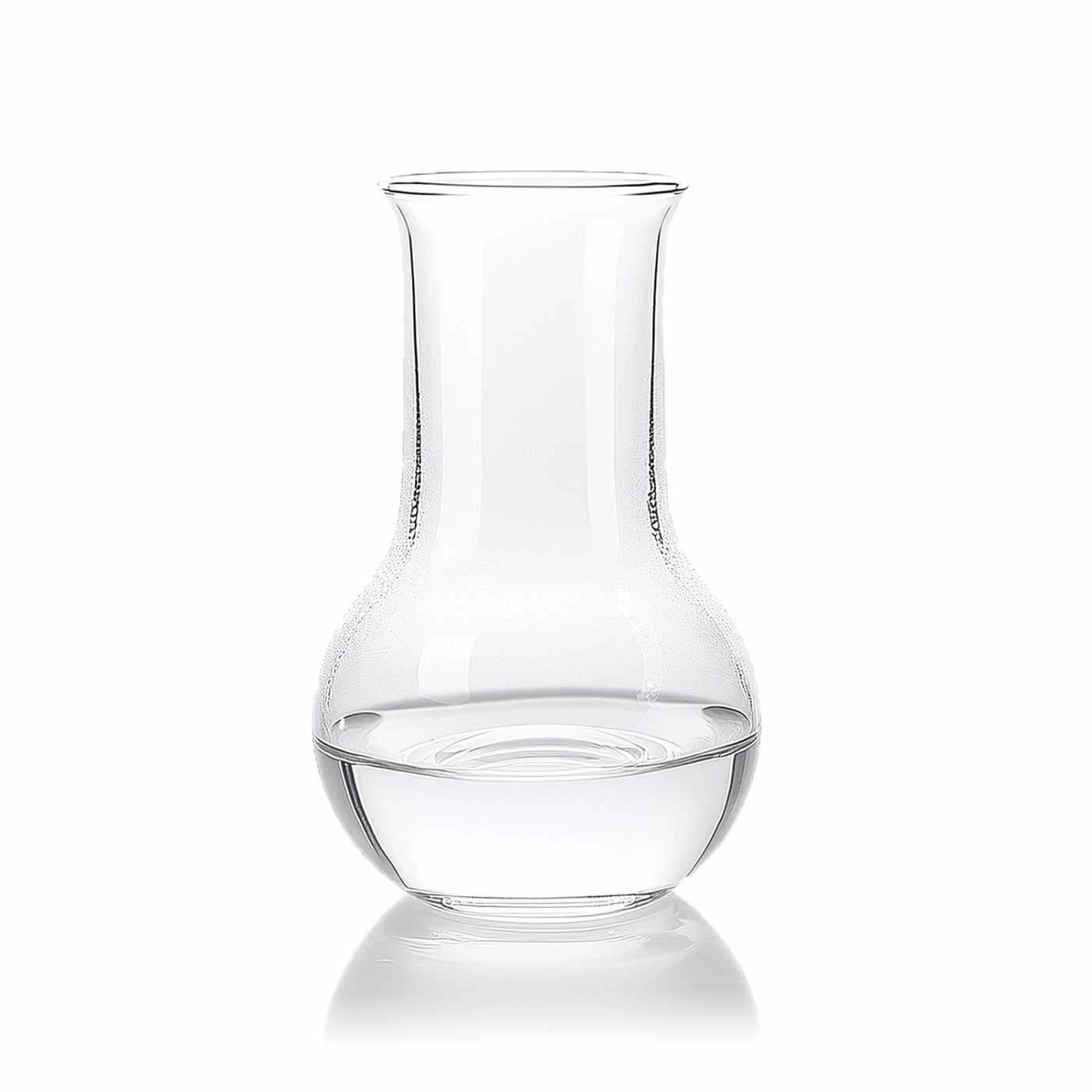
Colourless
Country of origin
Italy
Processing method
Hydrogenation
Appearance
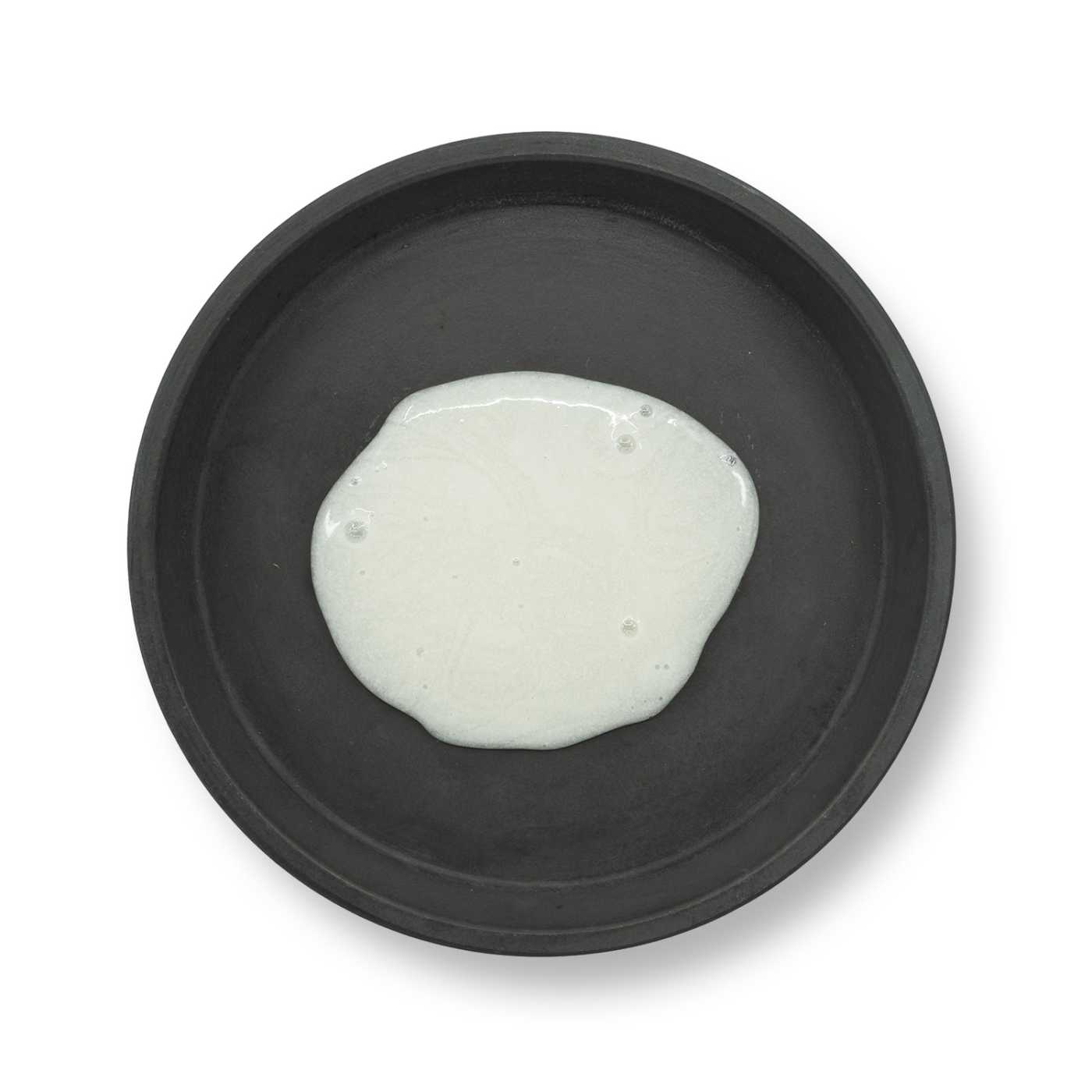
Thick liquid
Original best before date
28. 2. 2027
Formulation phase
Water phase
Function in formulation
HumectantConditioning agent
Ionic character
Non-ionic
Recommended processing temperature
< 80 °C
Recommended usage rate
1 – 30 %
Recommended formulation pH range
5 – 7
Solubility
Water-soluble
Application type
Leave-onRinse-off
Effects
Hydration
Biodegradability
Readily biodegradable
Certifications
Vegan
Natural Origin Index (NOI ISO 16128)
1,00
Volume
100 ml

Product documentation

CoACertificate of Analysis
batch X0138805PDF ↓
TDSTechnical Data Sheet
Physical parameters and processingPDF ↓
SDSSafety Data Sheet
Available for purchased products —
Download all (ZIP)

2 PDF files in one archive

Learn how to work with it

From our blog
Kalliopi R.22 Oct 2026EN

Verified purchase

Nataliya20 Aug 2026DE

Verified purchase