+421 950 333 113info@handymade.store−10 %Shop now

ACTIVE INGREDIENTS

Tremella fuciformis, powder, 10 g

Pack size10 g50 g100 g500 g

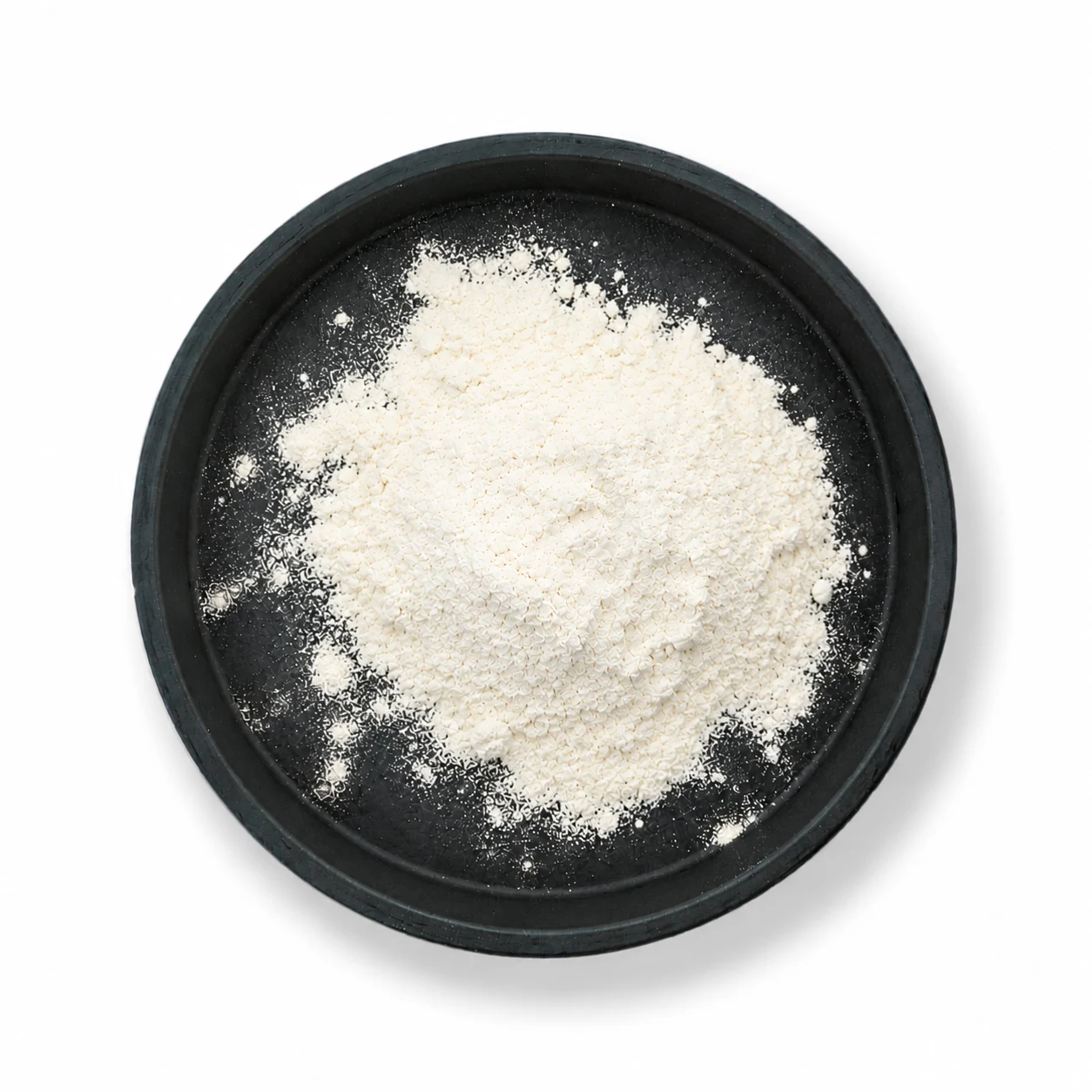
Tremella fuciformis is a polysaccharide obtained by extraction from the mushroom you may know as the snow mushroom . On the skin it binds water and forms a thin moisturising film that limits water evaporation. full description

AvailabilityIn stock · 94 packs
Product codeAD082_10
BatchTMS26070401
Best before07/2028
€14.49incl. VAT€1,449.00/kg

Lowest price in the last 30 days: €14.49

Product description

Tremella fuciformis is a polysaccharide obtained by extraction from the mushroom you may know as the snow mushroom. On the skin it binds water and forms a thin moisturising film that limits water evaporation. In natural cosmetics it is used as an alternative to hyaluronic acid.

It belongs in products for the face, body, hair and scalp, both leave-on and rinse-off. It suits all skin types, especially dry, sensitive and mature skin, and is suitable for dry hair care.


How it works

The effect is based on its ability to bind water. The tremella polysaccharide is a humectant that captures water and holds it in the upper layer of the skin. At the same time, it remains on the surface as a film that slows moisture loss. The skin looks firmer and feels softer to the touch. In hair care it helps retain moisture in the hair and on the scalp.

The effect is related to chain length. Longer chains give the solution a higher viscosity, stay on the surface and form a more pronounced film. Shorter chains penetrate deeper and moisturise at a greater depth.


Comparison with hyaluronic acid

Both raw materials are polysaccharides that bind water and behave similarly in a formulation. They dissolve in water, belong in the water phase, thicken the solution and leave a moisturising film on the skin.

The difference lies in their origin and chain structure. Hyaluronic acid is today produced mainly by biotechnology. The tremella polysaccharide comes from a mushroom, and its chain is built on mannose with attached xylose and glucuronic acid. For a cosmetics maker, the difference is mainly in the raw material, not in how you work with it.


Use in a formulation

The powder belongs in the water phase. It works best to first mix it with glycerine and a little water, and then stir this premix into the water phase with gentle mixing. The humectant helps disperse the polysaccharide evenly and limits the formation of lumps. Heating is not necessary; it was added to the formulation cold.

A premix with glycerine or another humectant dissolves without lumps, and the subsequent incorporation into the water phase is then quick.

Once dissolved, the solution thickens. The resulting viscosity depends on the molecular weight of the raw material and on the concentration of the solution. The solutions are pseudoplastic: they thin when stirred and when applied to the skin. Monovalent salts, for example sodium or potassium, increase the viscosity because they form ionic bridges between the chains.

Keep the finished product in the pH 4–9 range. A 0.5% aqueous solution on its own has a pH of 5.5–8.0. Tremella polysaccharides give the highest consistency and the best emulsion stability at around pH 6. In strongly acidic and alkaline environments the chains hydrolyse, the solution loses viscosity and the emulsion may break down.

The polysaccharide is negatively charged, anionic, across the entire usual pH range. The reason is glucuronic acid, of which it contains at least 18%. Work carefully with cationic ingredients, especially conditioning ones.

For formulations with cationic surfactants, conditioning polymers or a pH outside the middle range, we recommend running a compatibility and stability test in a small quantity beforehand.

A 0.1% solution is very clear, with a transmittance of at least 99%. The raw material therefore does not cloud transparent gels and serums. The documentation does not state a usage rate; it is chosen according to the desired consistency and effect. In a formulation of a cleansing foam with a pump foamer, it was used at 0.1% as a moisturising and film-forming ingredient. Every product with a water phase needs preservation.


Suitable for products such as

  • Moisturising serums and gels – a clear solution and a moisturising film on the skin.
  • Creams and lotions – a humectant in the water phase that also slightly supports the consistency.
  • Face masks – hydration while the mask is on.
  • Cleansing products and shower gels – a moisturising and film-forming ingredient in rinse-off products.
  • Shampoos and conditioners – moisture for dry hair and scalp; in conditioners, check compatibility with cationic ingredients.

Good to know

  • Hygroscopic powder – it attracts moisture from the air, so reseal the pack immediately after weighing.
  • Low protein content – less than 0.1%.
  • Origin – the raw material is vegan, GMO-free and free of materials of animal origin.
  • Solution stability – temperature and storage time had no significant effect on the pH or conductivity of the solutions.

Frequently asked questions

Is Tremella fuciformis soluble in water?
Yes, Tremella fuciformis powder is soluble in water and is added to the water phase. Once dissolved, the solution thickens and remains clear at low concentrations. It dissolves without heating. For even dissolution without lumps, it is best to mix the powder with glycerine or another humectant first.
How do I add Tremella fuciformis to a cream?
First mix the powder with glycerine and a small amount of water, then stir this premix into the water phase with gentle mixing. It does not need to be heated. The water phase is then processed using the usual emulsification procedure. The polysaccharide solution thickens, so take this into account when adjusting the consistency of the finished cream.
What is the difference between Tremella fuciformis and hyaluronic acid?
Both raw materials bind water, form a moisturising film on the skin and are processed in a similar way in a formulation. Tremella fuciformis is a polysaccharide from a mushroom, while hyaluronic acid is produced by biotechnology. In natural cosmetics, tremella is used as a substitute for it.
At what pH is Tremella fuciformis stable?
Tremella fuciformis is used in the pH 4–9 range and gives the best consistency at around pH 6. In strongly acidic or strongly alkaline environments the polysaccharide hydrolyses, the solution thins and the emulsion may break down. It is therefore not suitable for strongly acidic or alkaline products.
Is Tremella fuciformis suitable for an anhydrous product?
No, Tremella fuciformis dissolves only in water; it does not dissolve in oils, butters or waxes. In an anhydrous balm or oil it would remain as undissolved powder. It belongs in products with a water phase: serums, gels, creams, masks, cleansing products and hair care.
Can Tremella fuciformis be used in shampoo and conditioner?
Yes, Tremella fuciformis is used in both shampoos and conditioners as a moisturising ingredient for dry hair and scalp. The polysaccharide is negatively charged, so it may precipitate with cationic conditioning ingredients. In conditioners, we recommend checking compatibility in a small test batch.

Parameters

INCI
Tremella Fuciformis Polysaccharide
CAS No.
9075-53-0
EC number
616-532-7
Product colour
White
Country of origin
China
Processing method
Extraction
Appearance
Powder
Formulation phase
Water phase
Function in formulation
Humectant
Recommended formulation pH range
4 – 9
Application area
FaceHairScalpBody
Solubility
Water-soluble
Application type
Leave-onRinse-off
Effects
Hydration
Certifications
Vegan
Natural Index (NI ISO 16128)
1,00
Natural Origin Index (NOI ISO 16128)
1,00

Product documentation

CoACertificate of Analysis
batch TMS26070401PDF ↓
TDSTechnical Data Sheet
Physical parameters and processingPDF ↓
SDSSafety Data Sheet
Available for purchased products —
Download all (ZIP)

2 PDF files in one archive

REVIEWS

Verified by customers.

No reviews yet.

Only customers with a delivered order can write reviews.