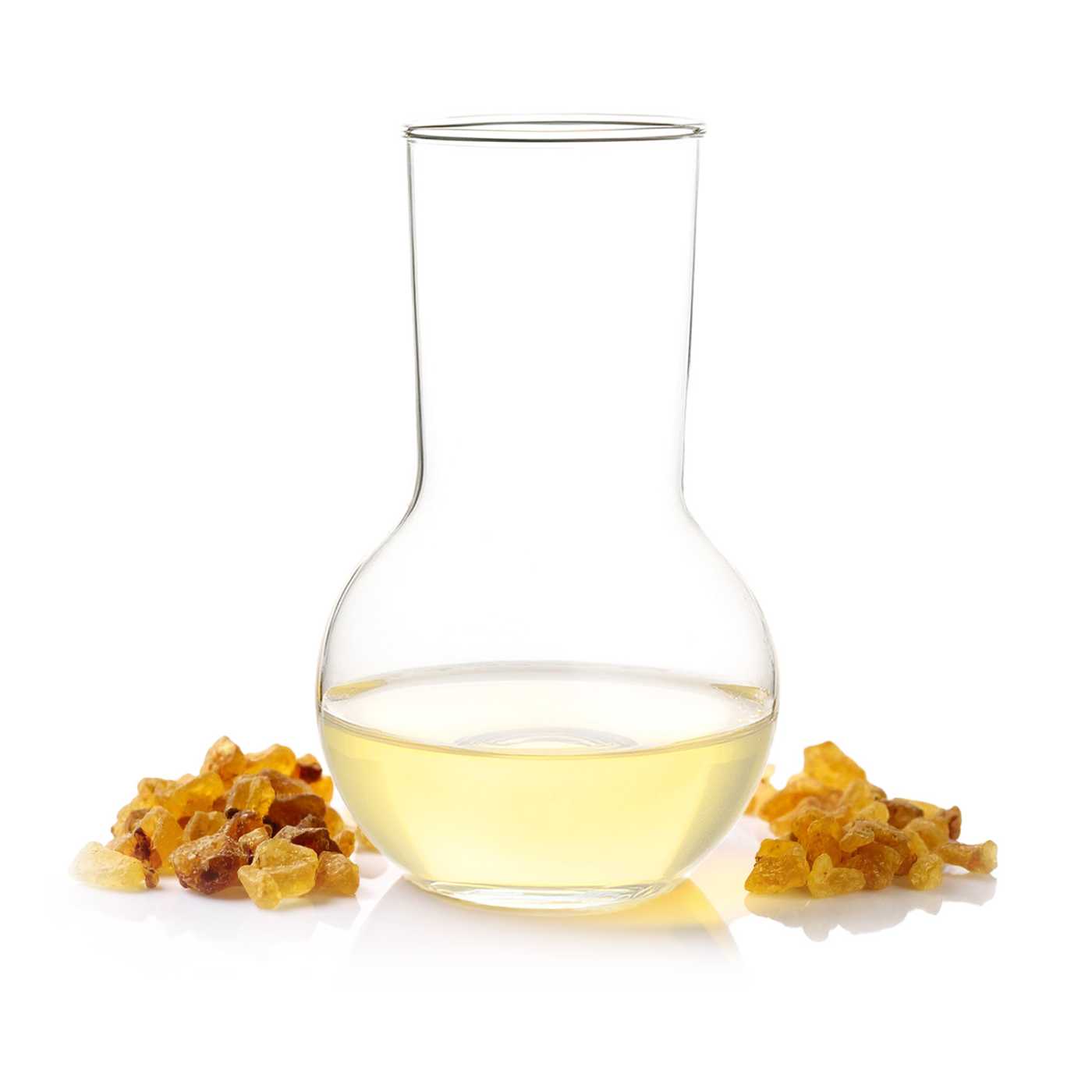
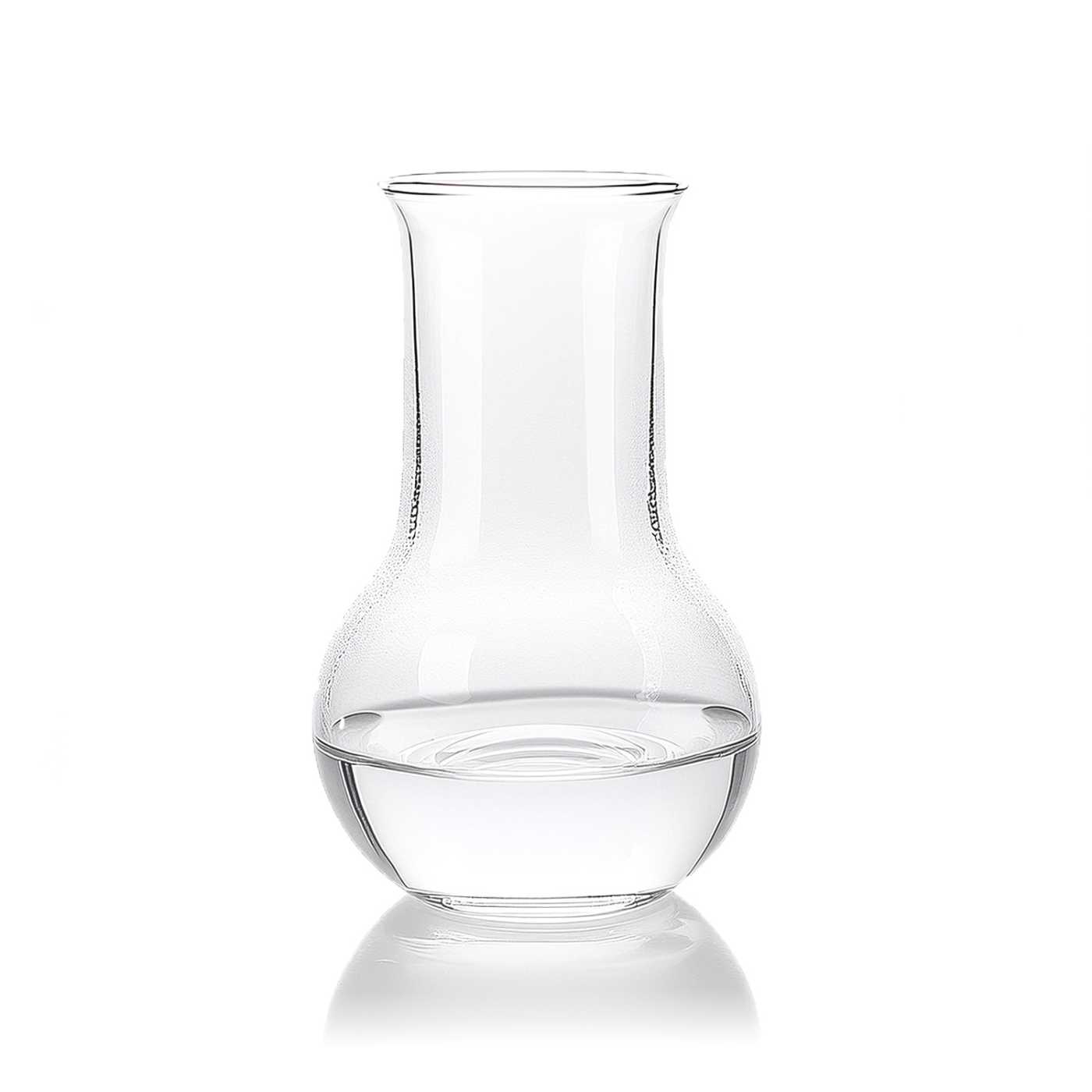
Natural vitamin E from sunflower oil is added to cosmetics as an antioxidant active ingredient for the skin. It helps protect the skin from free radicals and complements care for mature and dry skin in facial oils, serums, creams, and lip balms. More than 90 % of the content consists of alpha-tocopherol, the form with the highest biological activity in the human body. The raw material comes from a single plant source, sunflower, and contains no added carrier oil.
Key benefits
- Antioxidant skin protection – alpha-tocopherol is among the substances that help the skin cope with the effects of free radicals. Suitable for all skin types, including sensitive skin.
- Mature skin care – used in preparations aimed at slowing visible signs of ageing and protecting cells. The result depends on the dosage and the overall formulation.
- High alpha-tocopherol content – the natural composition of sunflower tocopherols with an alpha isomer content above 90 %. The manufacturer states that natural alpha-tocopherol is more active in the skin than the synthetic form, which is a mixture of two stereoisomeric forms.
- Plant-based origin – sunflower is inherently non-GMO, the raw material carries COSMOS Approved certification and is suitable for natural and certified cosmetics.
- Oil phase without dilution – dissolves in oils and butters, not in water. It brings only the tocopherol itself to the formulation, without a foreign oil that would alter the product's sensory properties.
Use in formulation
The recommended dosage is 0.05 – 0.5 % as an active ingredient for the skin. It is added to the oil phase or directly to an anhydrous base, where it blends in easily.
Prolonged exposure to higher temperatures reduces the activity of the raw material. Keep the heating time of the oil phase with vitamin E to a minimum, or add it during cooling in emulsions, when the temperature drops below 40 °C.
In creams and lotions, add vitamin E together with essential oils and other heat-sensitive ingredients to the cooled emulsion with continuous stirring. This preserves its antioxidant effect to the fullest.
The raw material tolerates acidic and neutral pH, alcohol, fragrance, and all common types of surfactants, so it can be incorporated into rinse-off and leave-on products. In purely aqueous products without an oil phase, such as toners, it will not disperse on its own.
Suitable for products such as
- Facial oils and serums – anhydrous products for mature and dry skin, where vitamin E acts as an active ingredient and simultaneously slows the oxidation of oils.
- Creams and lotions – day and night emulsions for all skin types, including sensitive skin and the eye area.
- Lip balms and solid balms – oil and wax bases in which the raw material dissolves without difficulty.
- Hair care – oil treatments and masks for dry and damaged hair, scalp preparations.
- Decorative cosmetics – lipsticks, tinted balms, and other anhydrous products.
- Baby cosmetics and body, hand, and foot products – the raw material is suitable for these categories as well; assess the specific formulation as a whole.
Good to know
This type of vitamin E is formulated to focus on efficacy in the skin. To protect the product itself from yellowing, the manufacturer states that beta and gamma isomers are more effective. If your primary need is to stabilise an oil or butter, choose a tocopherol with a higher proportion of these isomers. If you want an active ingredient for the skin, this alpha-tocopherol is the right choice.
Vitamin E is an antioxidant, not a preservative. Aqueous products and emulsions require a separate preservation system; the antioxidant only protects the oil component from oxidation.
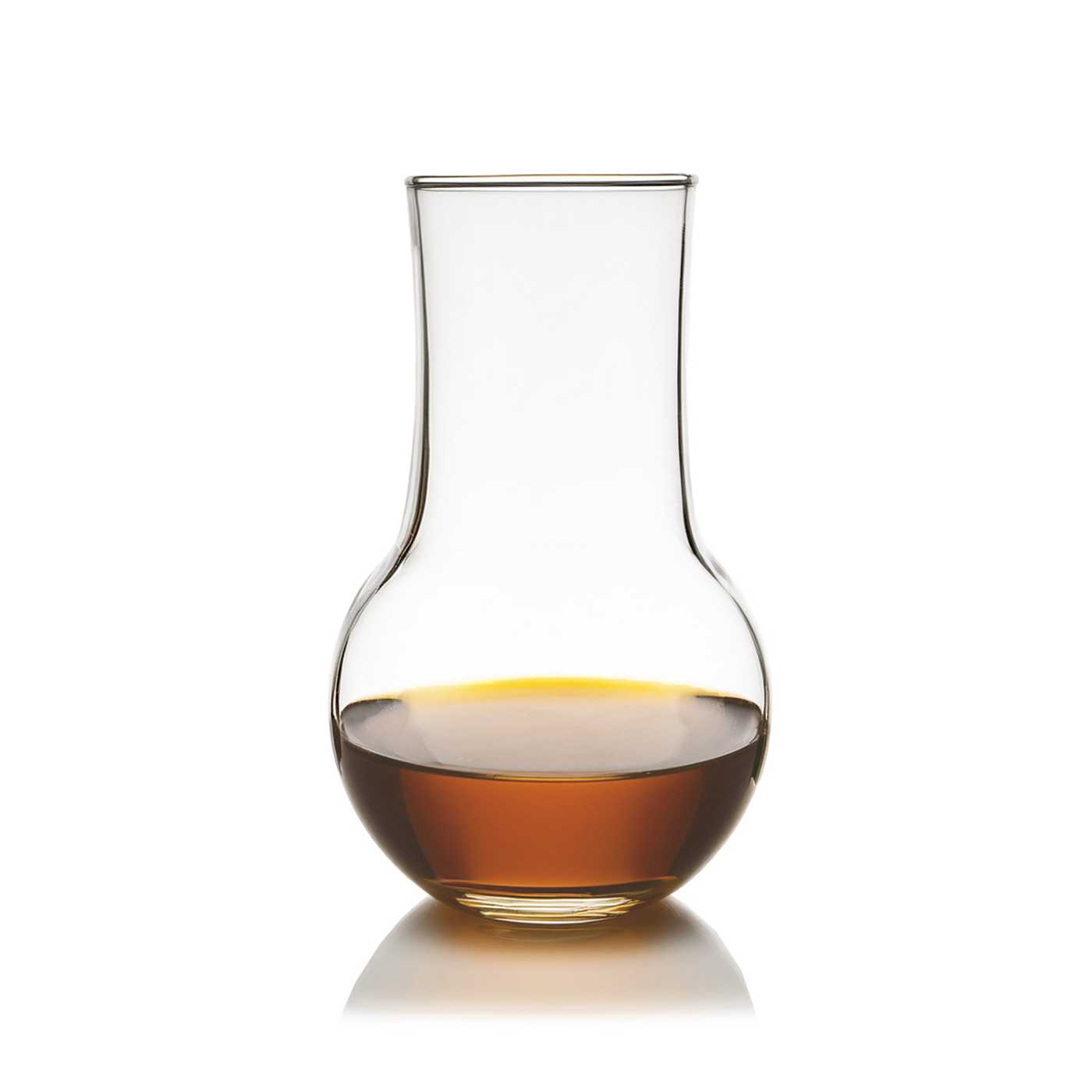
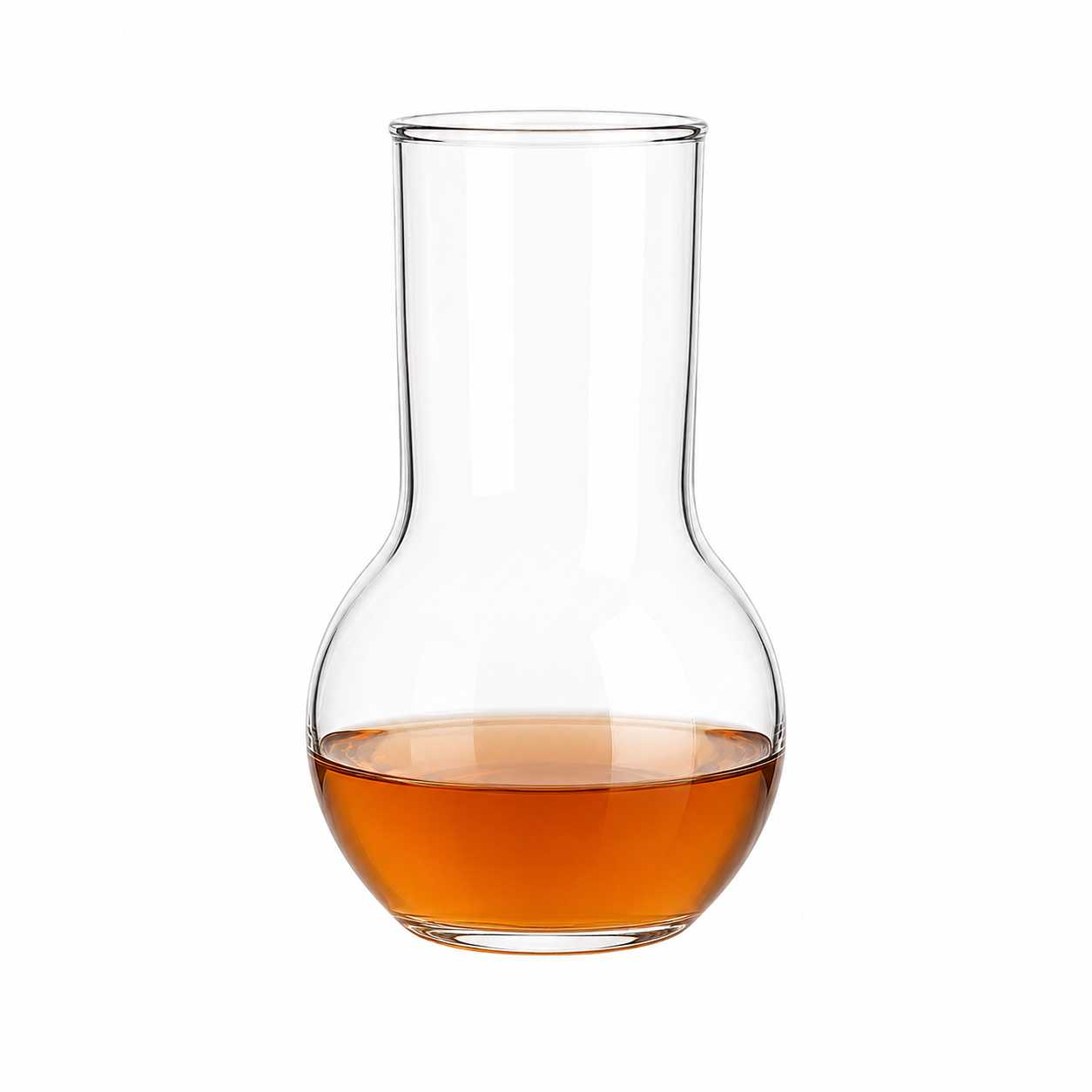
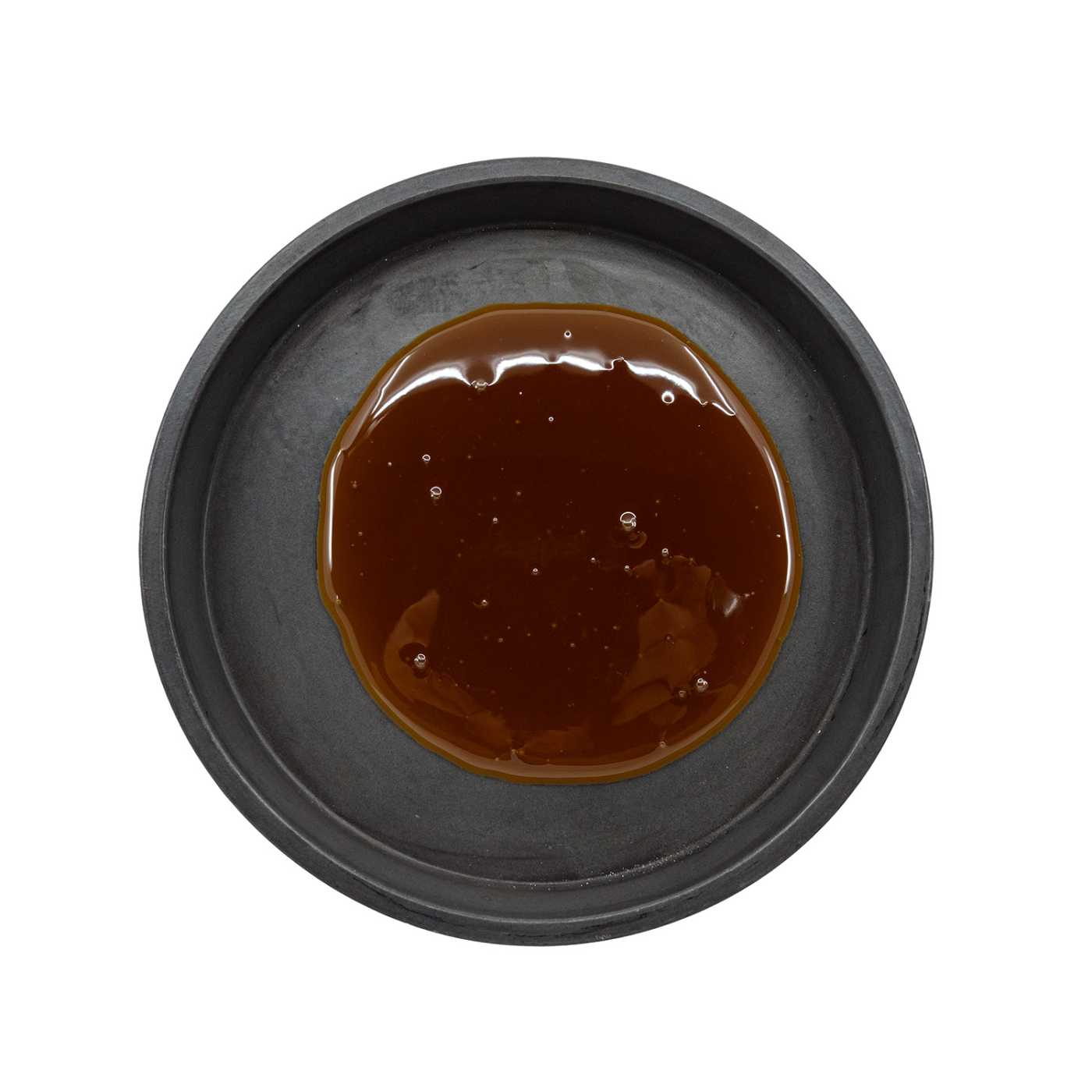
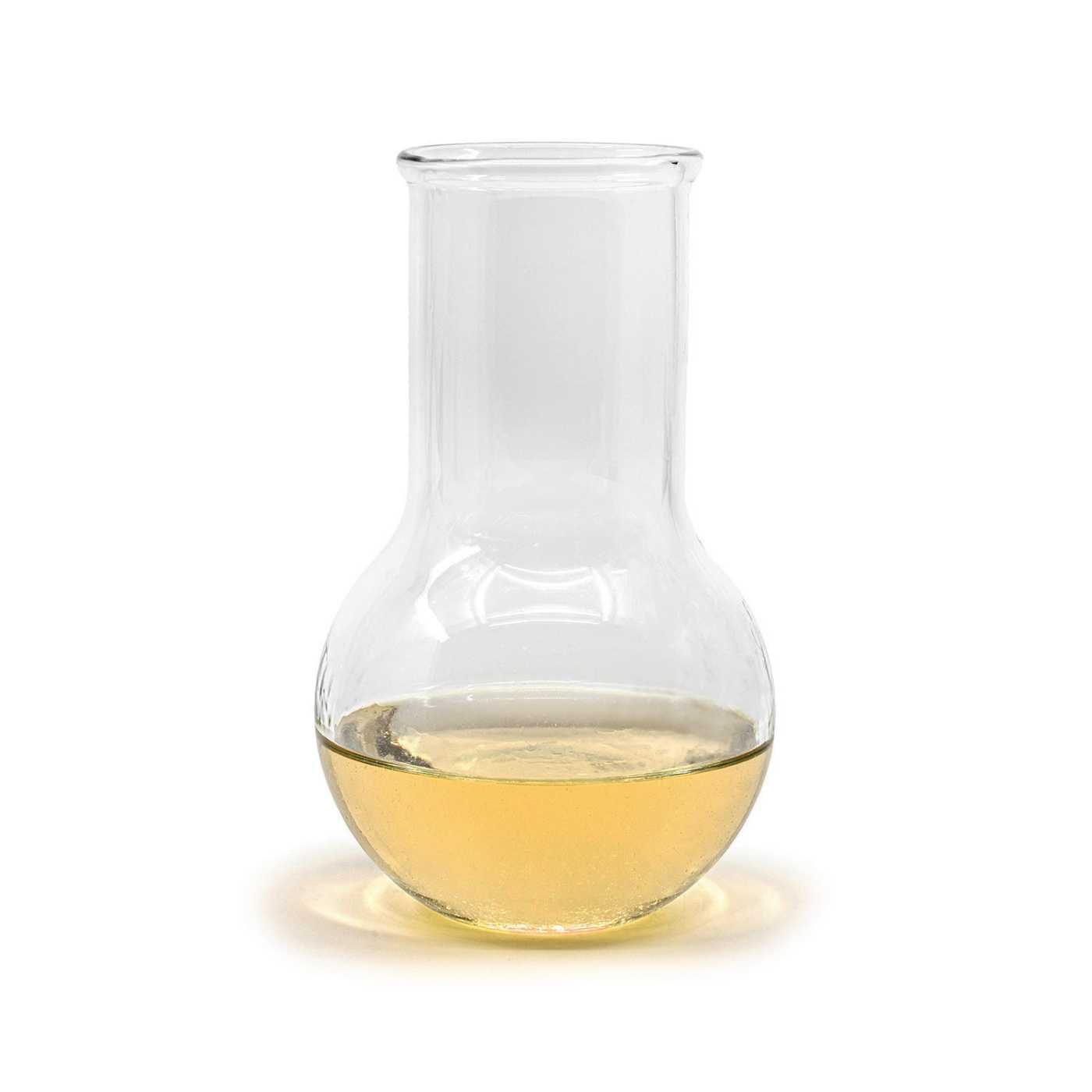
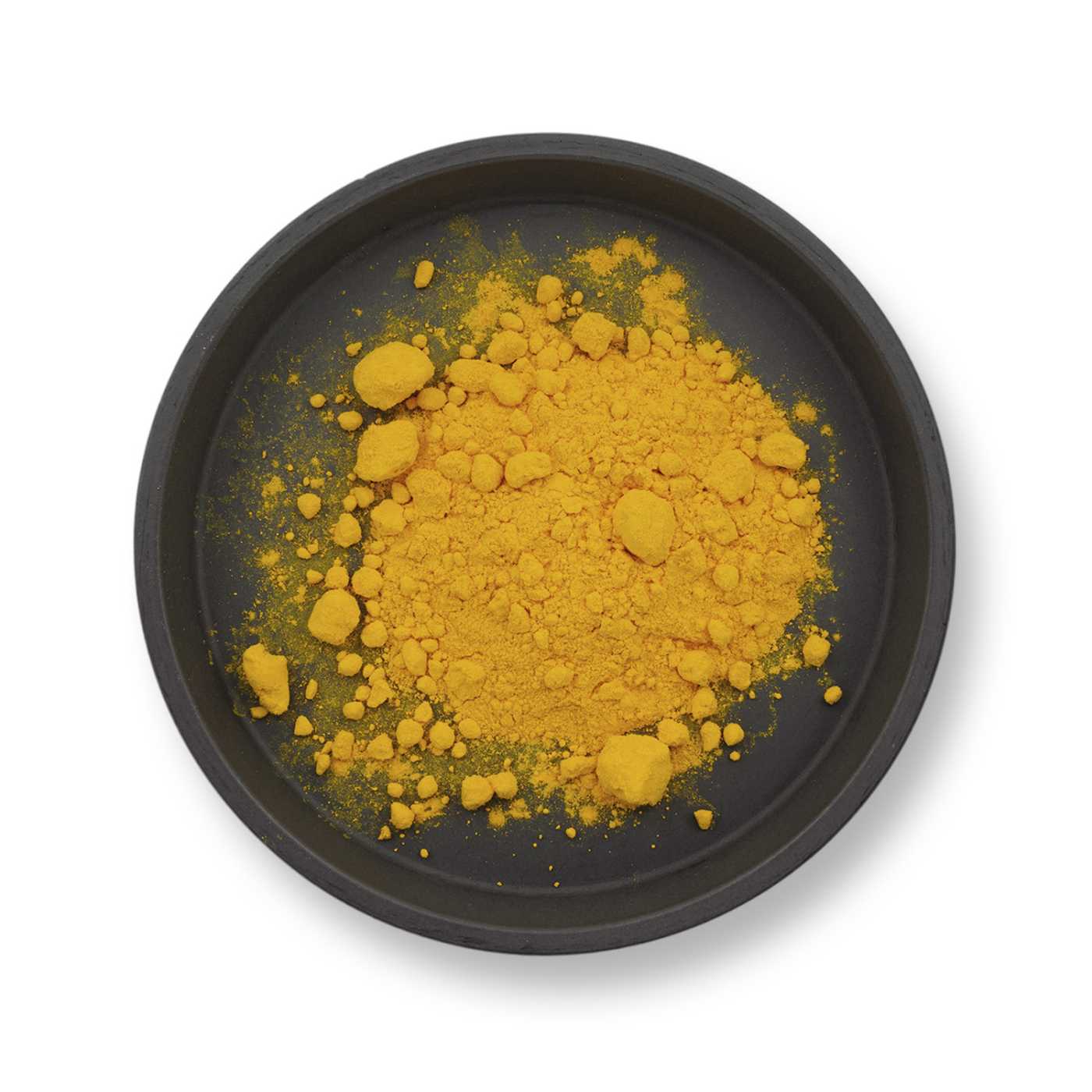
The raw material has a yellow to brown colour. For very light or transparent products, we recommend checking the appearance on a test sample.
The substance is not classified as hazardous under the CLP regulation and contains no fragrance allergens or CMR components.
Frequently asked questions
Is vitamin E from sunflower oil water-soluble?
No, natural vitamin E is oil-soluble and does not dissolve in water. It is added to emulsions in the oil phase, and directly to anhydrous products. If you want to use it in a toner or another purely aqueous product, you need a solubiliser and must verify the stability of the blend.
At what temperature is vitamin E added to a cream?
Vitamin E is added to a cream at a temperature below 40 °C, ideally at the end, into the cooled emulsion. Higher temperatures and prolonged heating reduce its activity. If it must be added to the oil phase before emulsification, keep the time at higher temperature to a minimum.
What is the dosage of vitamin E in cosmetics?
The recommended dosage of natural vitamin E is 0.05 – 0.5 % as an active ingredient for the skin. The exact proportion depends on the type of product and the effect you expect from the raw material. At higher doses, check the colour of the finished product on a test sample; the raw material is yellow to brown.
What is the difference between natural and synthetic vitamin E?
Natural vitamin E from sunflower contains more than 90 % alpha-tocopherol in a single natural stereoisomeric form, while synthetic alpha-tocopherol is a mixture of two forms. According to the manufacturer, the natural form is biologically more active in the skin. The natural raw material also carries COSMOS Approved certification and is suitable for natural cosmetics.
Does this vitamin E protect the oils in the product from yellowing?
Partially yes, but it is primarily intended as an active ingredient for the skin, not as a product stabiliser. For protecting oils from oxidation, beta and gamma isomers are more effective, and this alpha-tocopherol contains them only in a small proportion. If you need to extend the stability of an oil or butter, a tocopherol with a higher proportion of these isomers is more suitable.