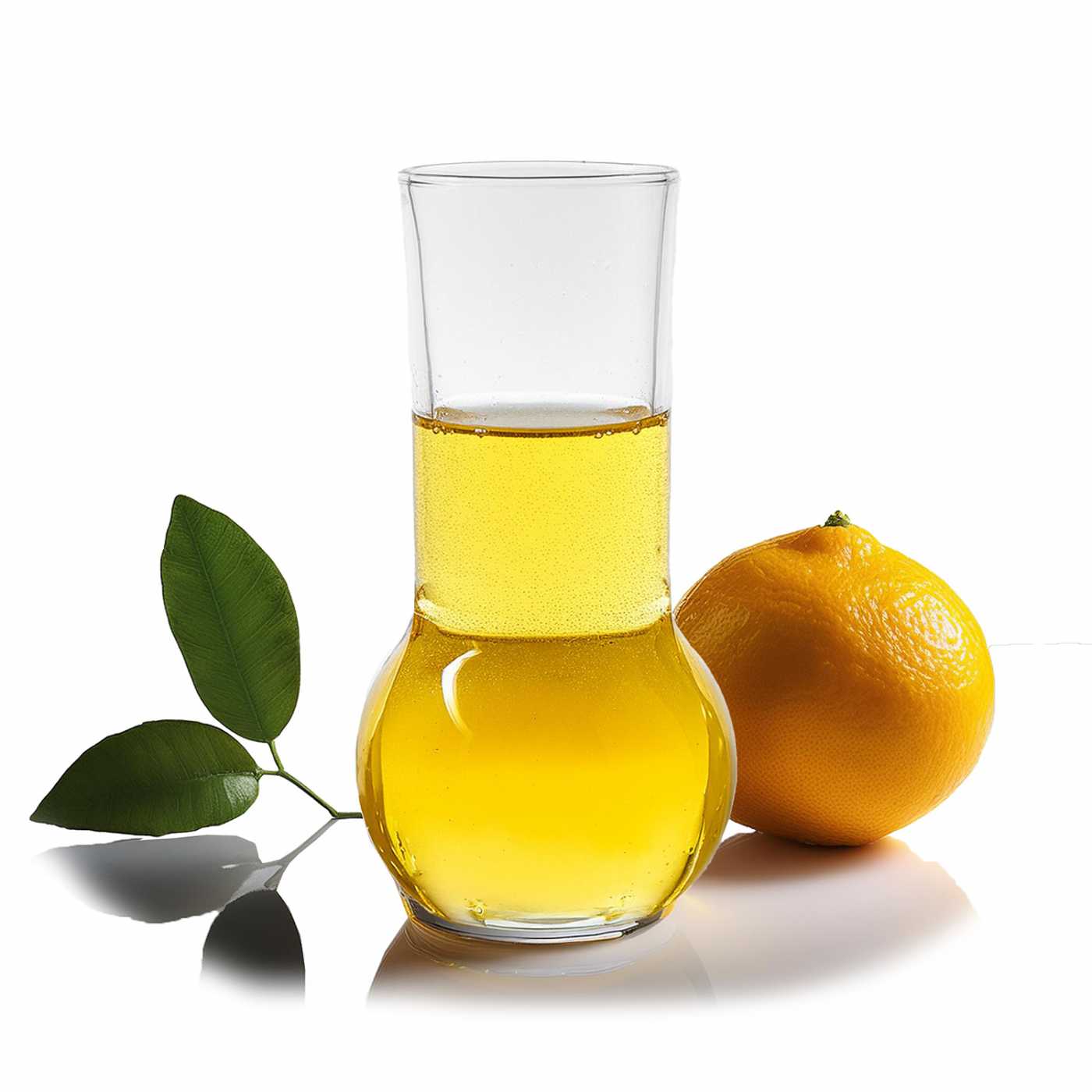
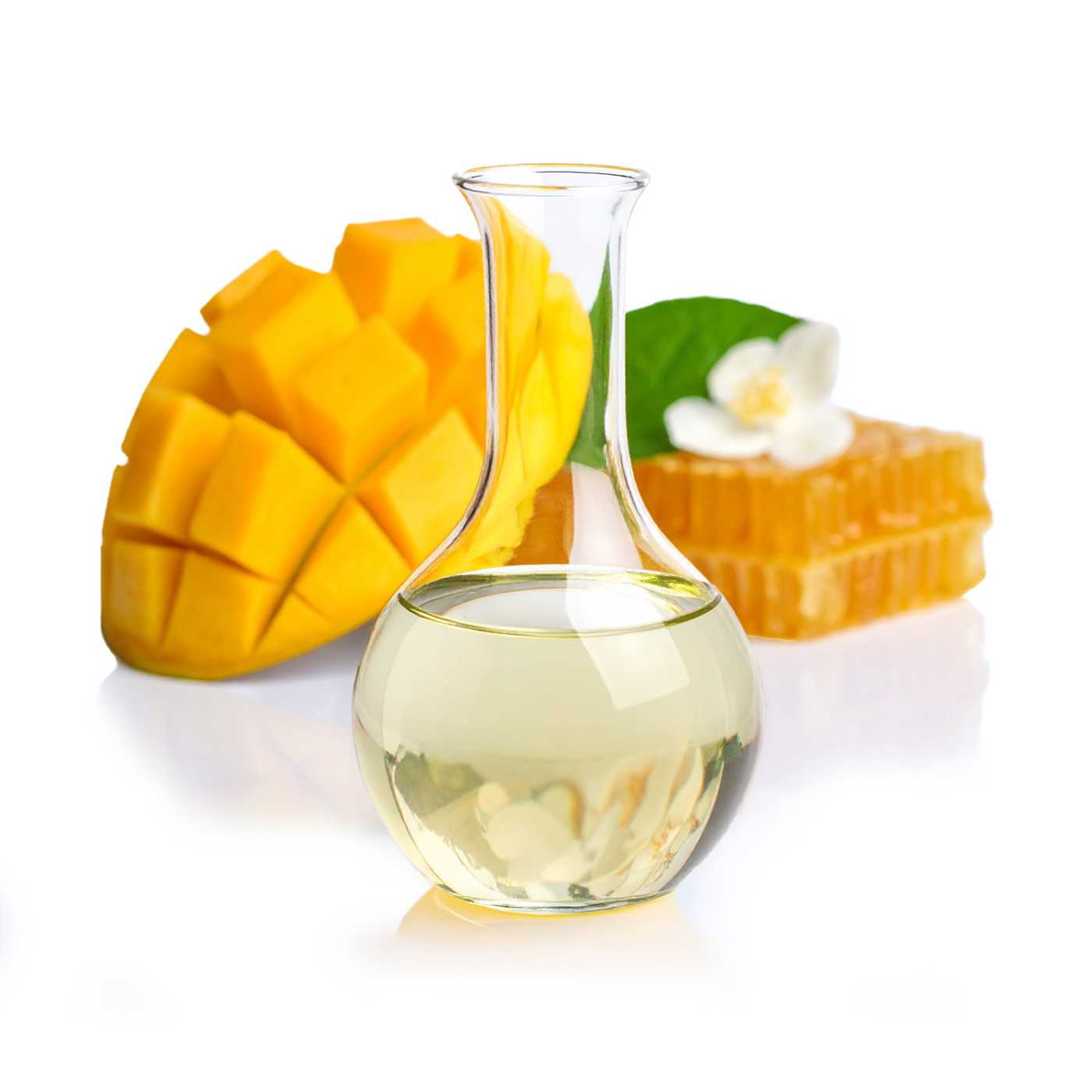
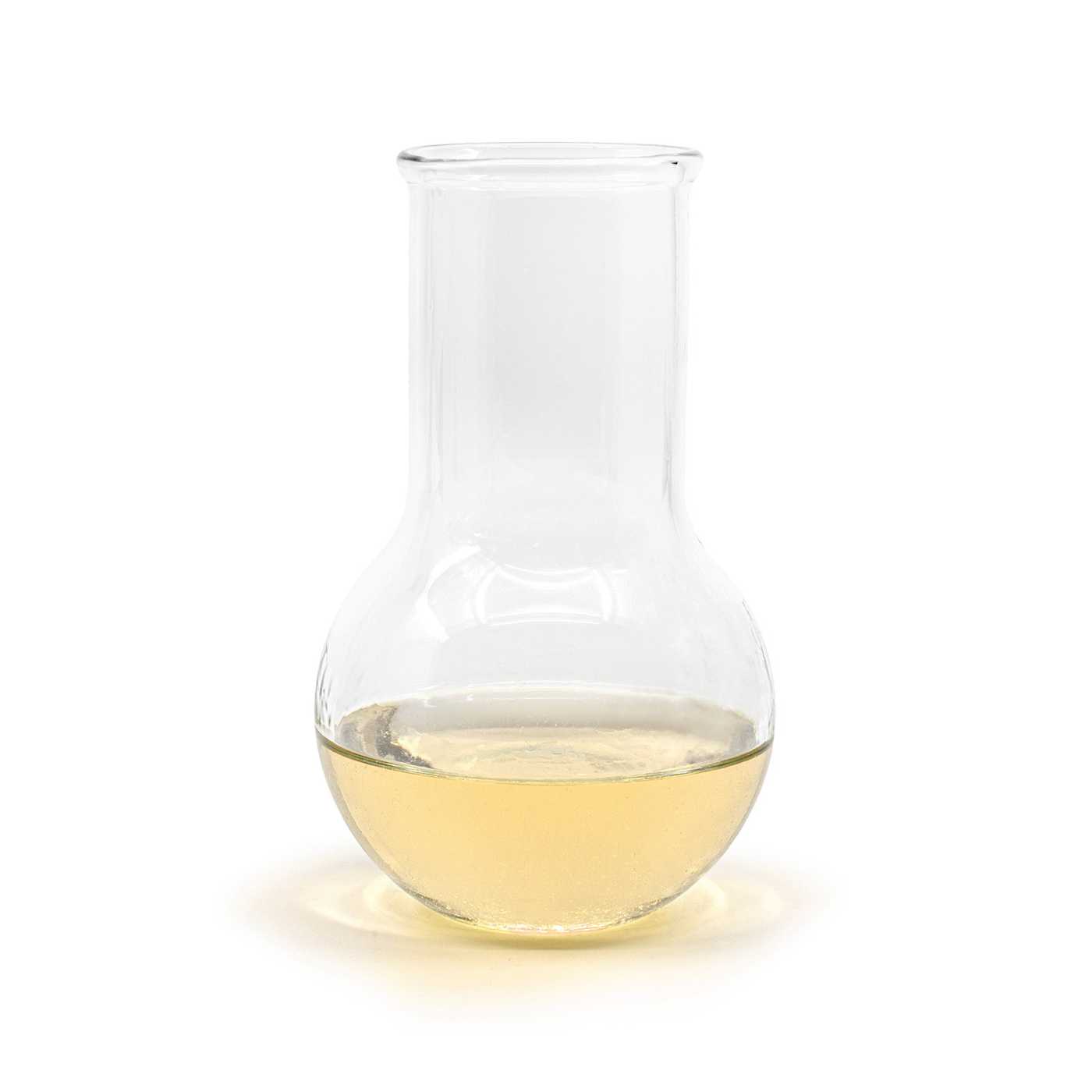
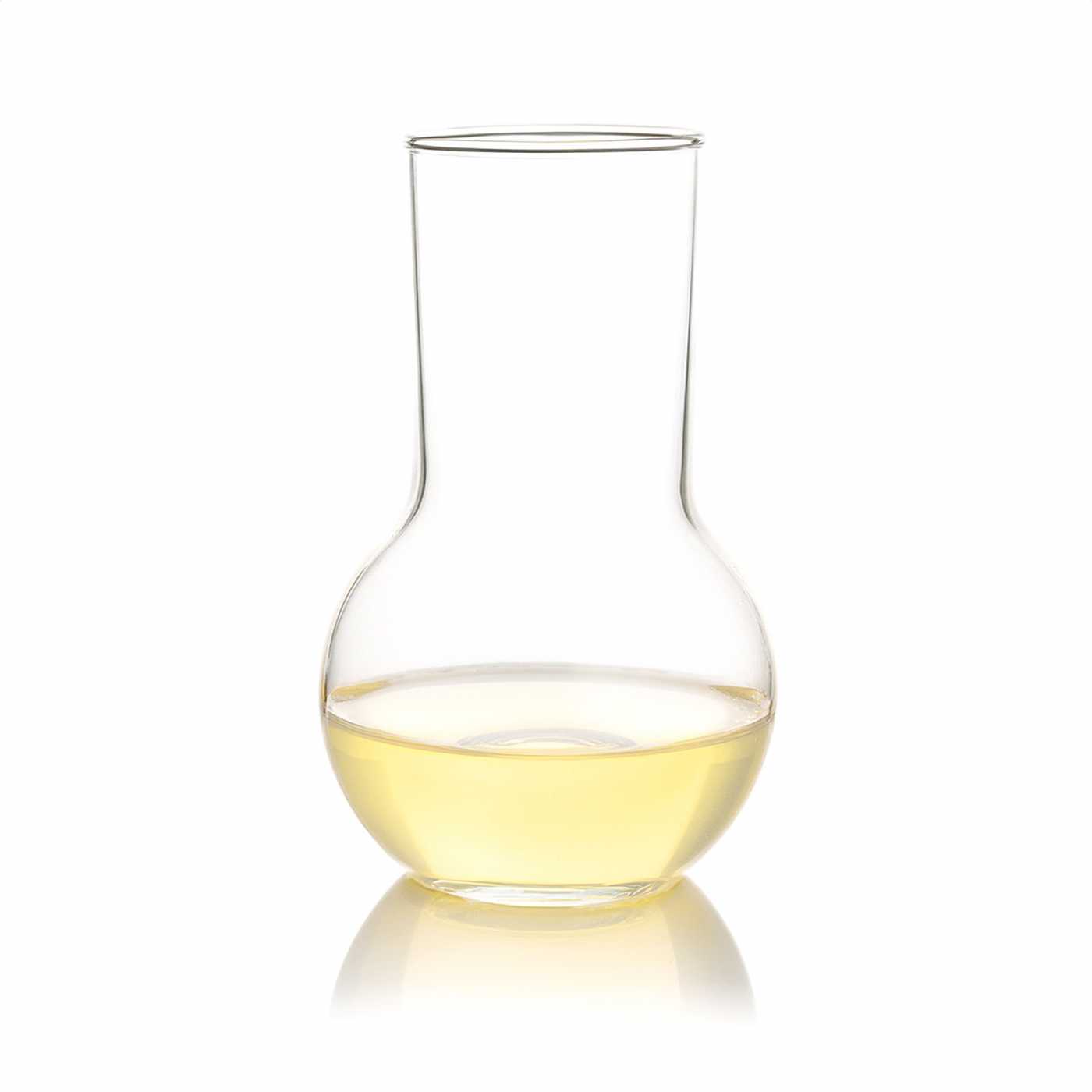
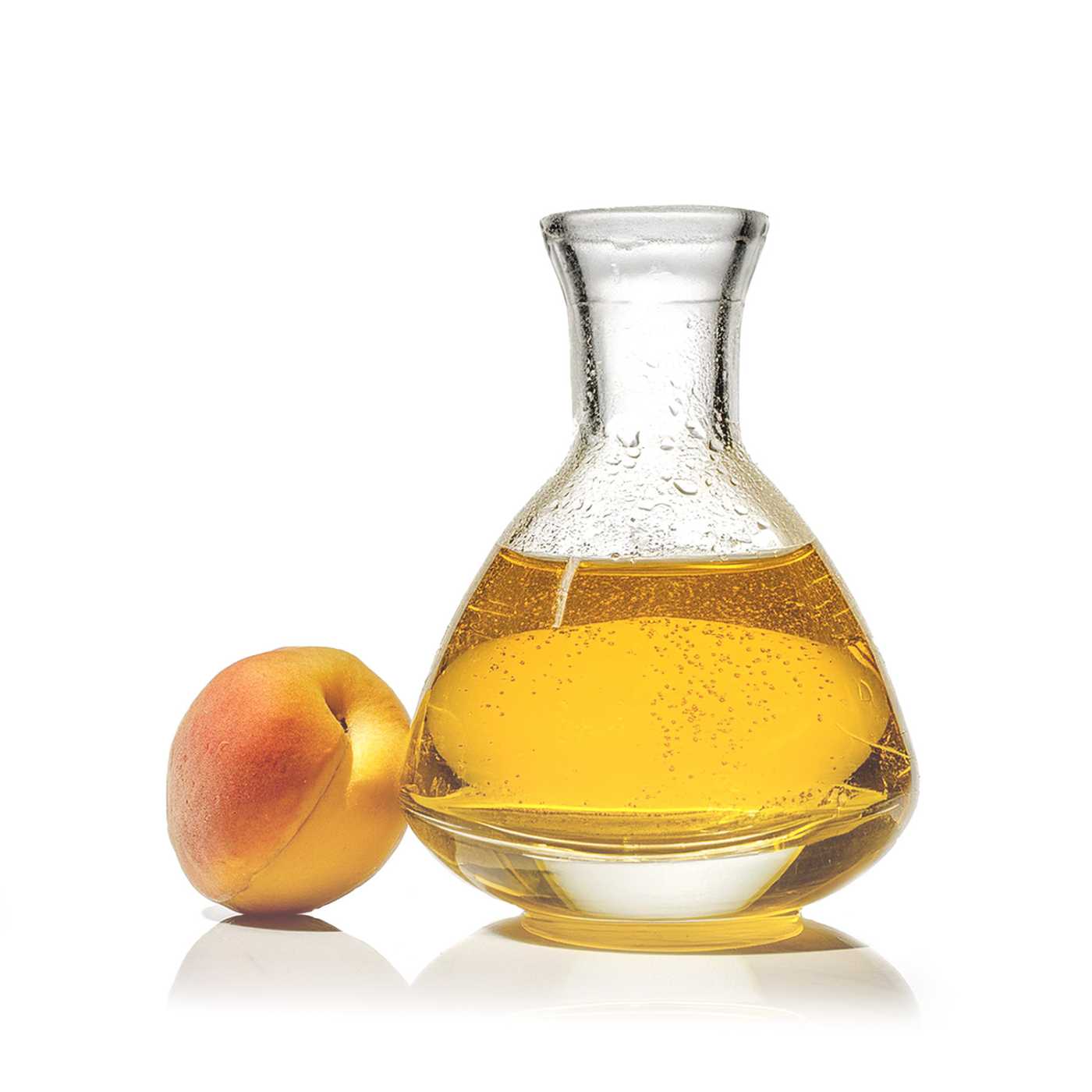
Essential oil from yuzu peel (Citrus junos) brings a fresh citrus fragrance to cosmetics and serves as a fragrance component in formulations. It is obtained by mechanical pressing of the peel of the fruit followed by filtration, and its only ingredient is pressed Citrus junos peel oil. The manufacturer describes its fragrance as bright, uplifting and energising, and in hair care products it supports a feeling of cleanliness and freshness.
In formulations it can be used on the face, body, hands, hair and scalp, in both rinse-off and leave-on products. It is most often included in products for oily, problematic and acne-prone skin.
How it works in a product
- Fresh citrus fragrance – the main reason the oil is added to formulations. It gives the product a light, invigorating citrus character that suits morning skincare, cleaning products and summer body cosmetics.
- Antioxidant action – according to the manufacturer, it helps neutralise free radicals and protect the skin from environmental influences. In oil serums and facial oils, it thus complements the protective function of the carrier oils.
- Skin soothing – it helps relieve redness and irritation and supports a more even-looking complexion.
- Cooling sensation – according to the manufacturer, it leaves a refreshing, cooling feel on the skin. It suits body oils, mists and products for refreshing the skin after sun exposure.
- Antimicrobial properties – the manufacturer states an antimicrobial effect and also recommends the oil for cleaning products and formulations for oily and acne-prone skin.
Use in a formulation
The oil is oil-soluble. In emulsions and balms it is incorporated into the oil phase or added separately at the end. For water-based toners and facial and body mists, it must first be combined with a solubiliser or an alcohol component, otherwise it will separate in the finished product. For spray products, check that the product stays clear after a few days. A lack of solubiliser shows up as cloudiness or droplets of oil on the surface.
It is added in the cool-down phase or as a post-addition, at a temperature below 40 °C. In an emulsion, stir it in only after cooling. In anhydrous products, for example balms and solid oils, add it just before pouring, when the mixture starts to set.
There is no single universal usage rate. The manufacturer does not state a recommended range, and the maximum amount in the finished product is determined by the IFRA limit for the given product category, for example category 1 covers lip products. You can find the limits for all categories in the IFRA certificate in the Product documentation section, and the category definitions are in the parameters on this page.
The oil has a yellow to orange-red colour. In clear and colourless products, a higher proportion may cause a slight tint.
The raw material is subject to classification under the CLP Regulation and contains gamma-terpinene, an ingredient classified as a CMR substance. The flash point is 48 °C, so keep it away from open flame when working with it. Before including it in a formulation, read the safety data sheet and handle the labelling of the finished product in line with applicable legislation.
Suitable for products such as
- Facial and oil serums – a fragrance component with antioxidant action according to the manufacturer, especially in formulations for oily and acne-prone skin.
- Face creams and lotions – added at the end, after the emulsion has cooled.
- Cleansing products, shower gels, soaps – rinse-off products in which the freshness of citrus comes through during washing.
- Shampoos, hair oils and serums – for fragrance and a feeling of cleanliness in the hair.
- Body and massage oils – a cooling and refreshing character for summer body care.
- Facial and body mists – a fresh citrus fragrance in a light, refreshing product.
- Perfume compositions and candles – the manufacturer lists them among the recommended applications.
Good to know
The Citrus junos fruit from which the peel is pressed comes from Japan. The oil is Vegan certified and contains no alcohol, palm oil or GMO ingredients. The manufacturer holds a BRC certificate.
We recommend checking the stability of the fragrance and colour of the finished product with your own test on a small sample, especially in clear formulations and before producing a larger batch.
Frequently asked questions
Is yuzu essential oil soluble in water?
Yuzu essential oil is oil-soluble, and it is incorporated into water-based products through a solubiliser. In emulsions it is added to the oil phase or at the end after cooling. For toners, mists and water-based sprays, it must first be combined with a solubiliser or an alcohol base so that it does not separate in the finished product.
How much yuzu essential oil should be added to a cream or lip balm?
There is no universal usage rate, and the maximum amount is determined by the IFRA limit for the product category. Lip balms belong to category 1, face creams to category 5B and body lotions to category 5A. The specific limits for all categories are listed in the IFRA certificate in the Product documentation section.
At what temperature is yuzu essential oil added to an emulsion?
Yuzu essential oil is added at a temperature below 40 °C, that is, in the cool-down phase or as a post-addition to the finished emulsion. In balms and solid oils it is added just before pouring, when the mixture starts to set.
What is the difference between yuzu essential oil and yuzu fragrance oil?
Yuzu essential oil is a pure plant product pressed from the peel of Citrus junos fruit, whereas a fragrance oil is a composed blend of aroma compounds that imitates the yuzu fragrance. The essential oil has a single ingredient and is subject to classification under the CLP Regulation.
Is yuzu essential oil suitable for oily and acne-prone skin?
Yes, yuzu essential oil is included in formulations for oily, problematic and acne-prone skin. The manufacturer states antimicrobial and antioxidant properties and a soothing effect on reddened skin, which are used in cleansing products and light facial oils. We recommend checking suitability for a specific formulation on a small sample.
Can yuzu essential oil be used in candles?
Yes, the manufacturer lists candles and perfume compositions among the recommended applications. Candles of all types belong to IFRA category 12, and you can find its limit in the IFRA certificate in the Product documentation section. When working with candle wax, observe the flash point of 48 °C and add the oil only to wax that has cooled, away from open flame.