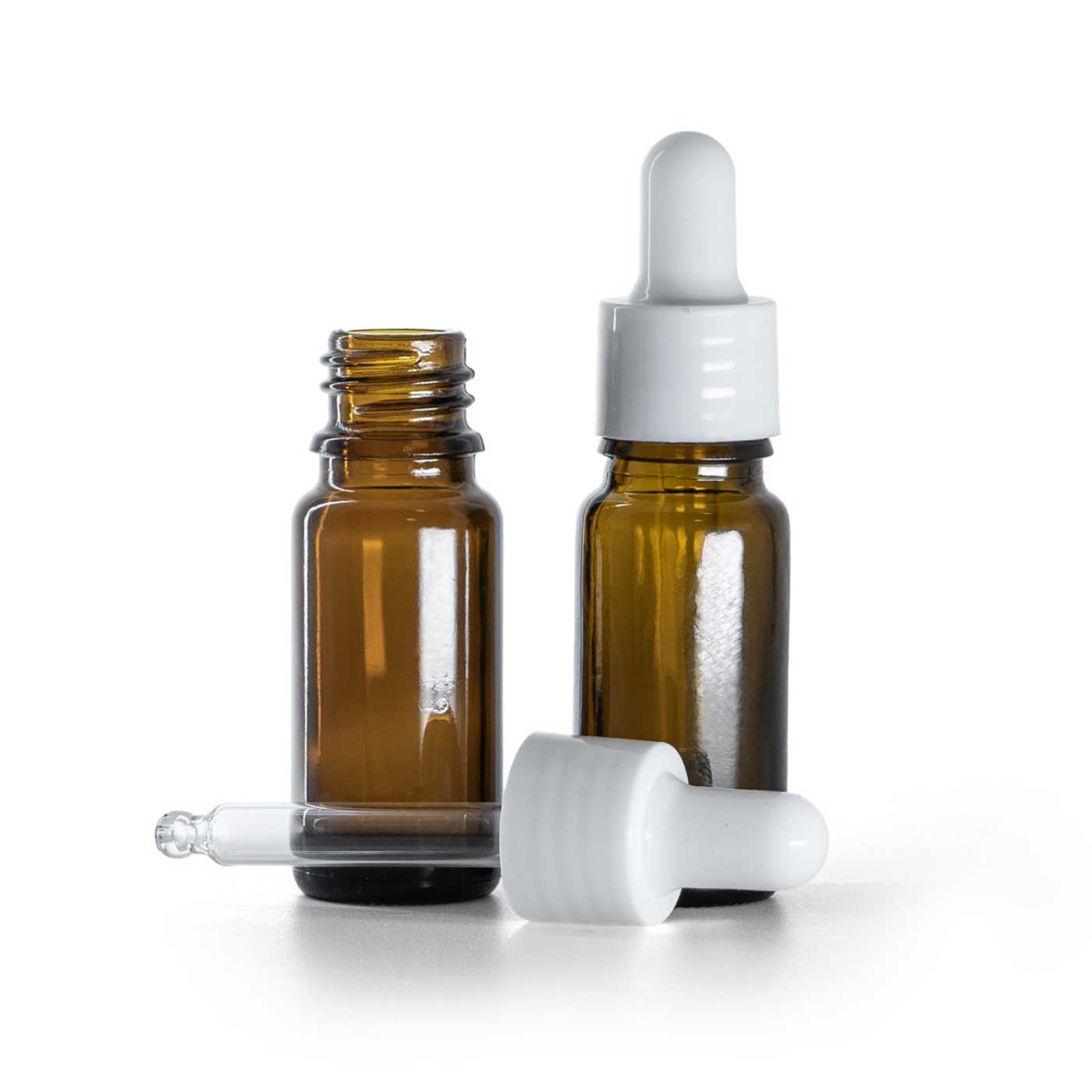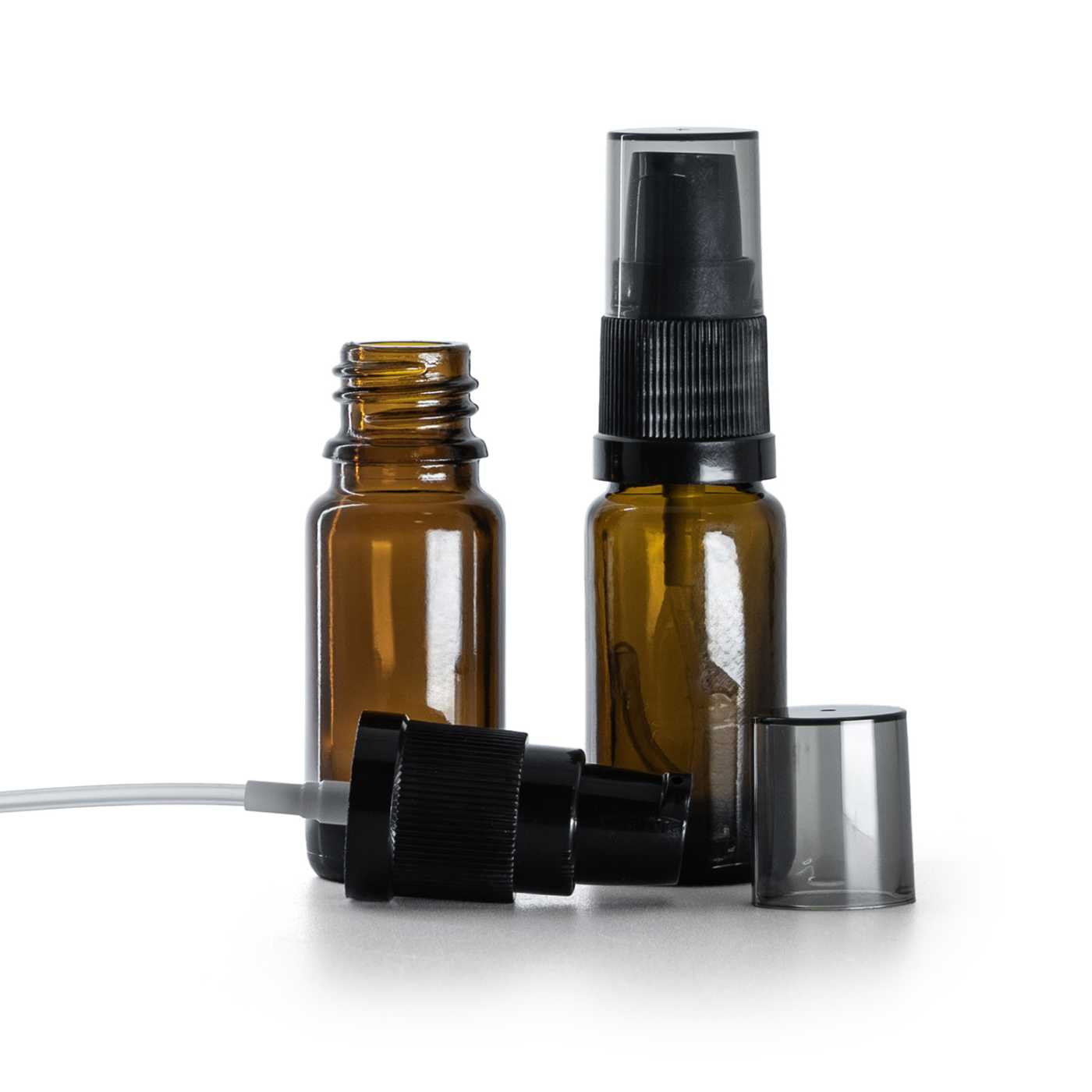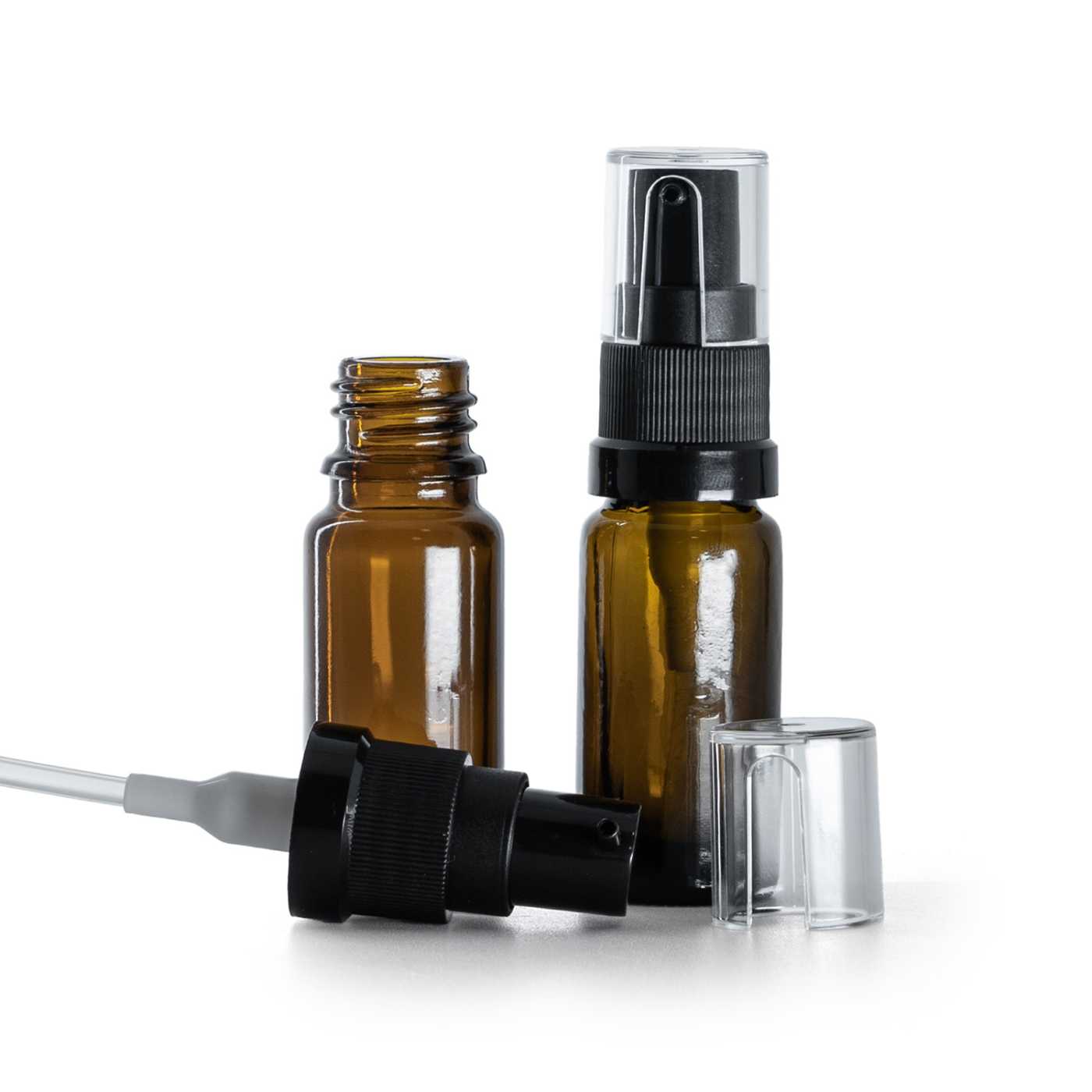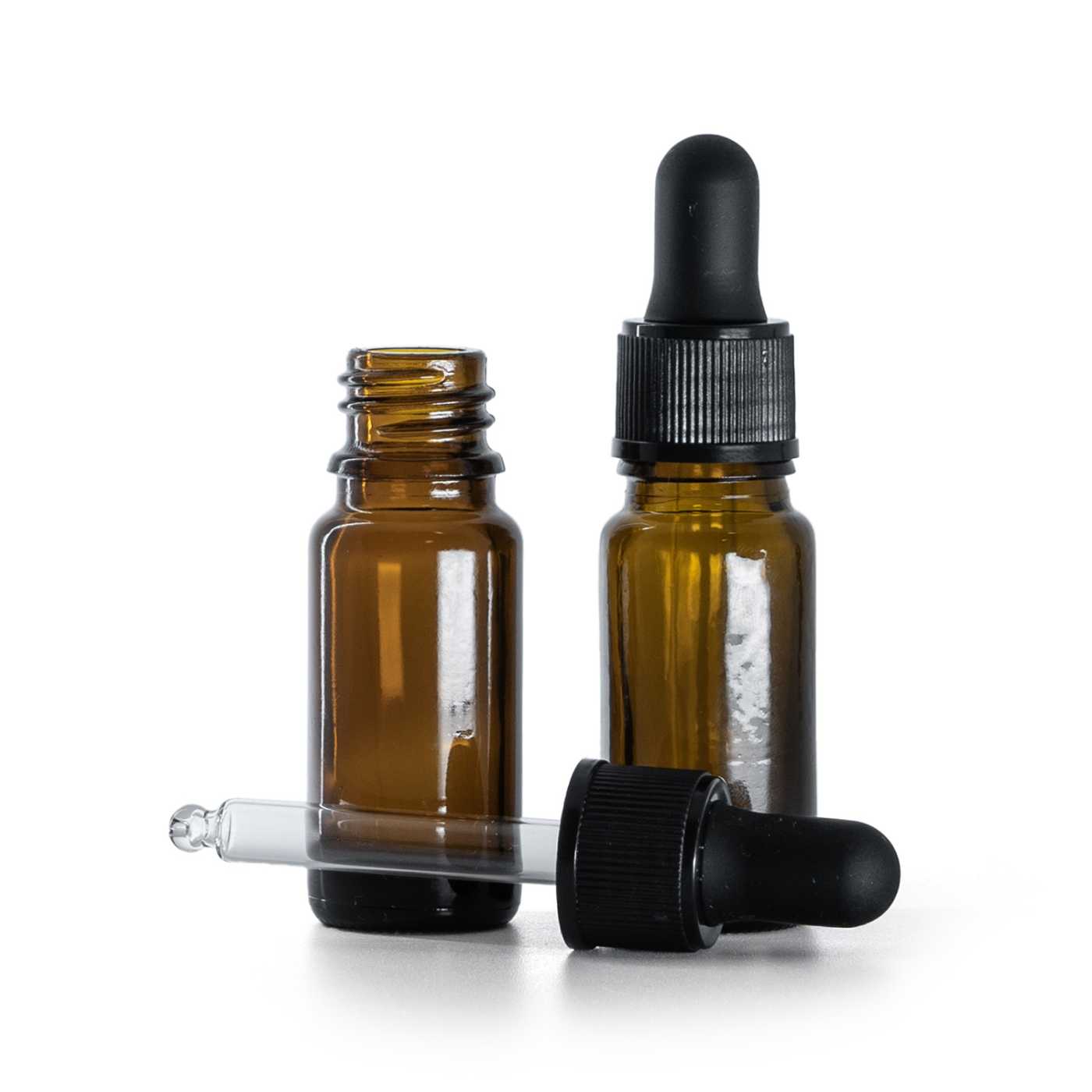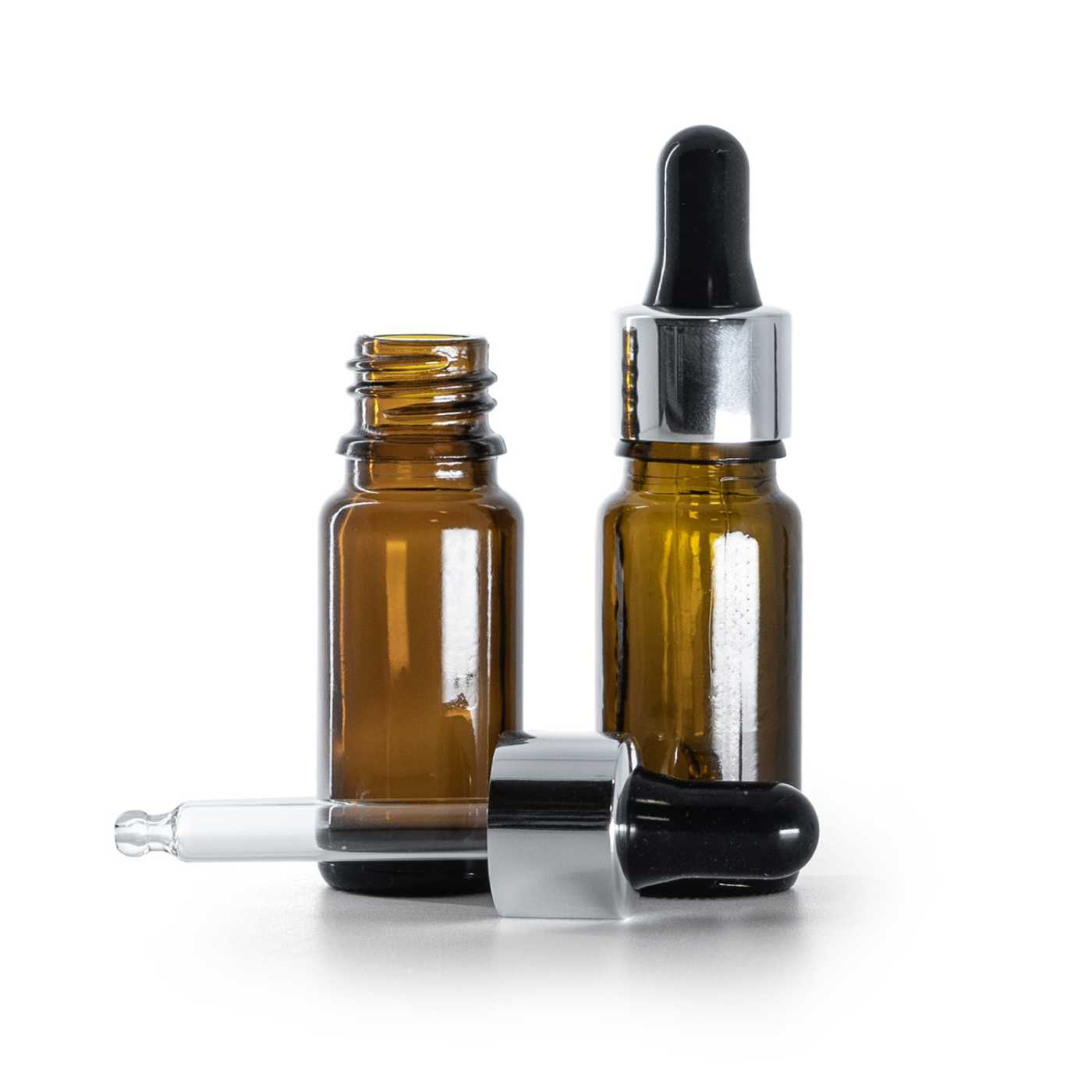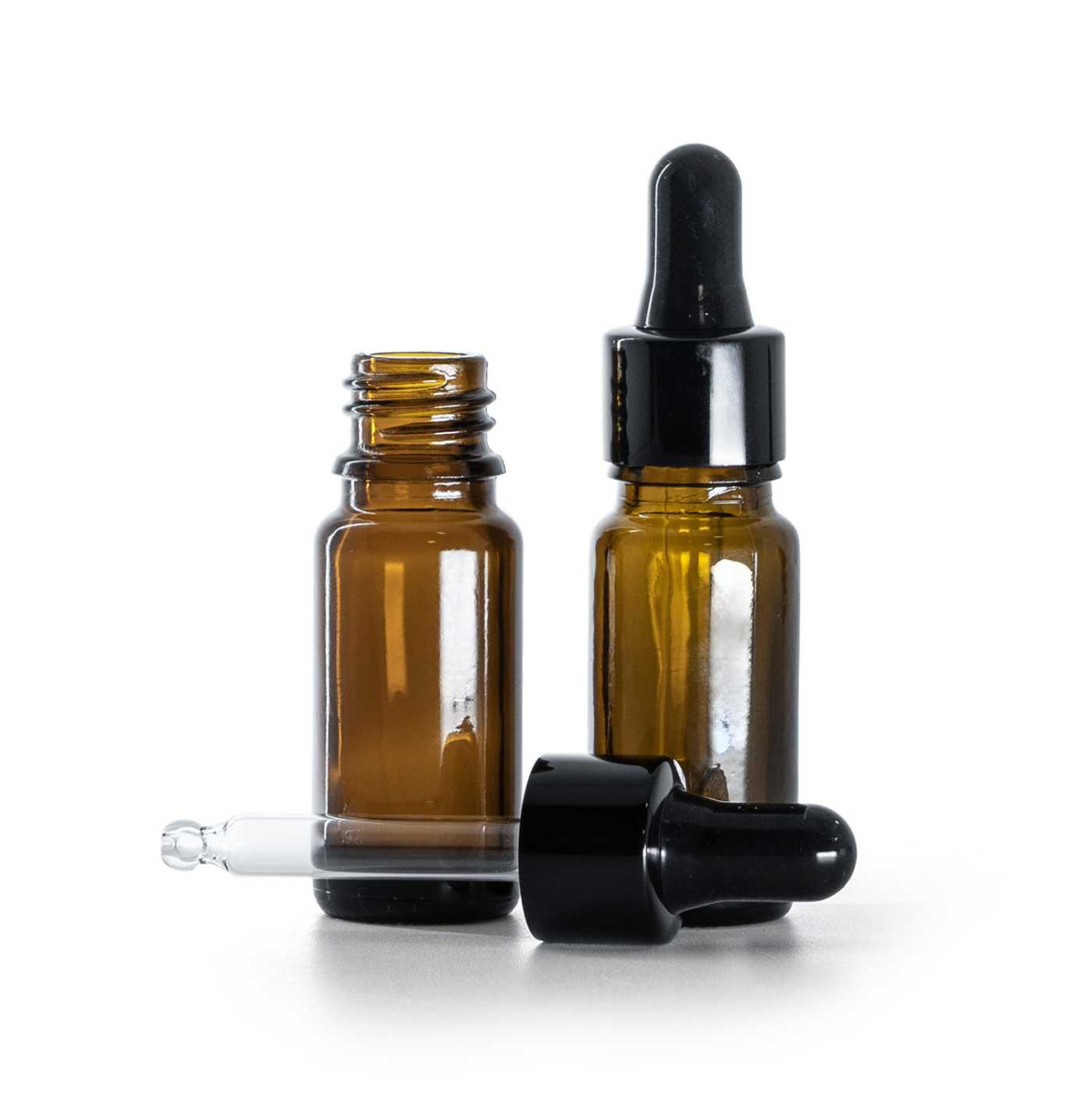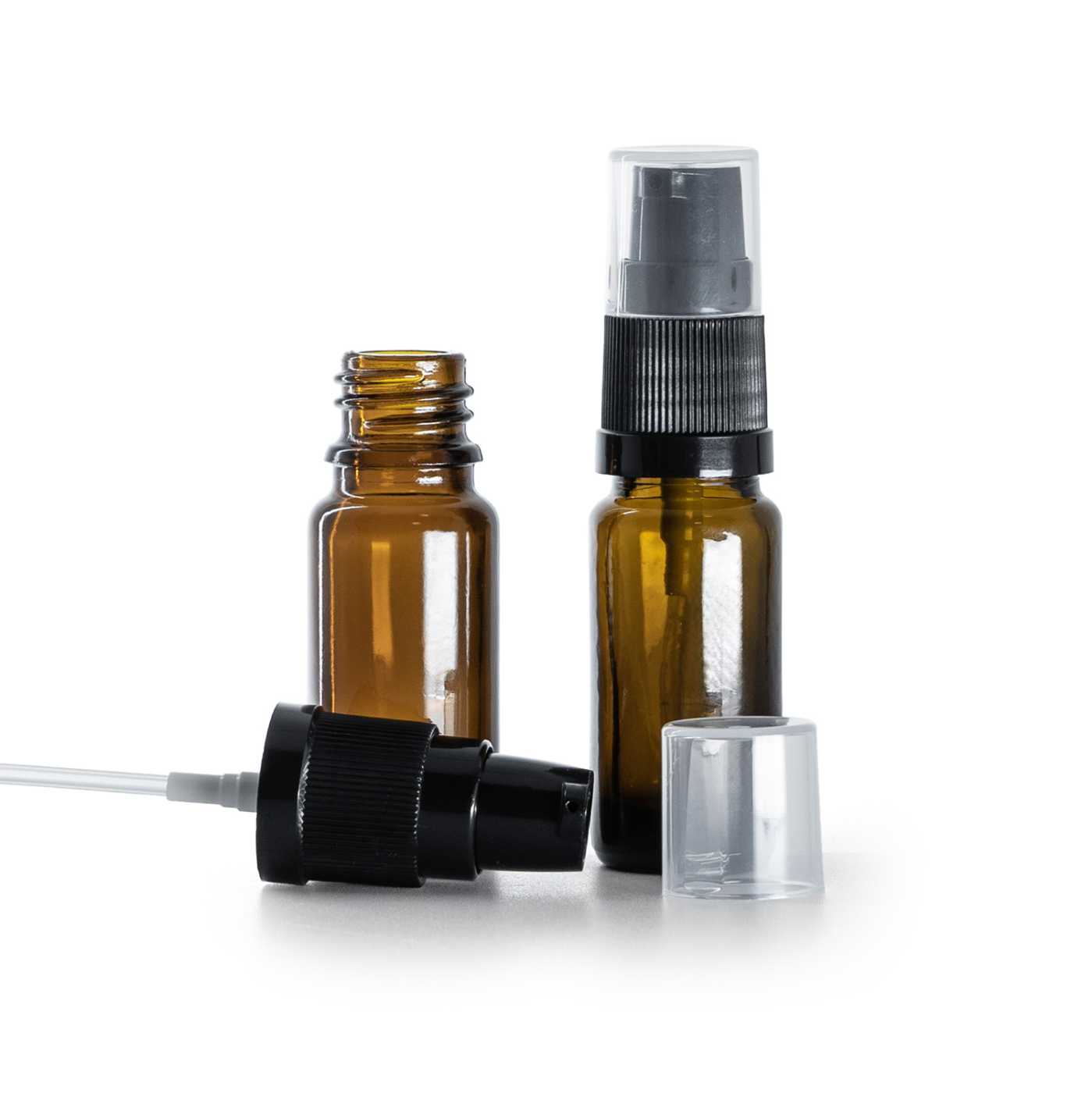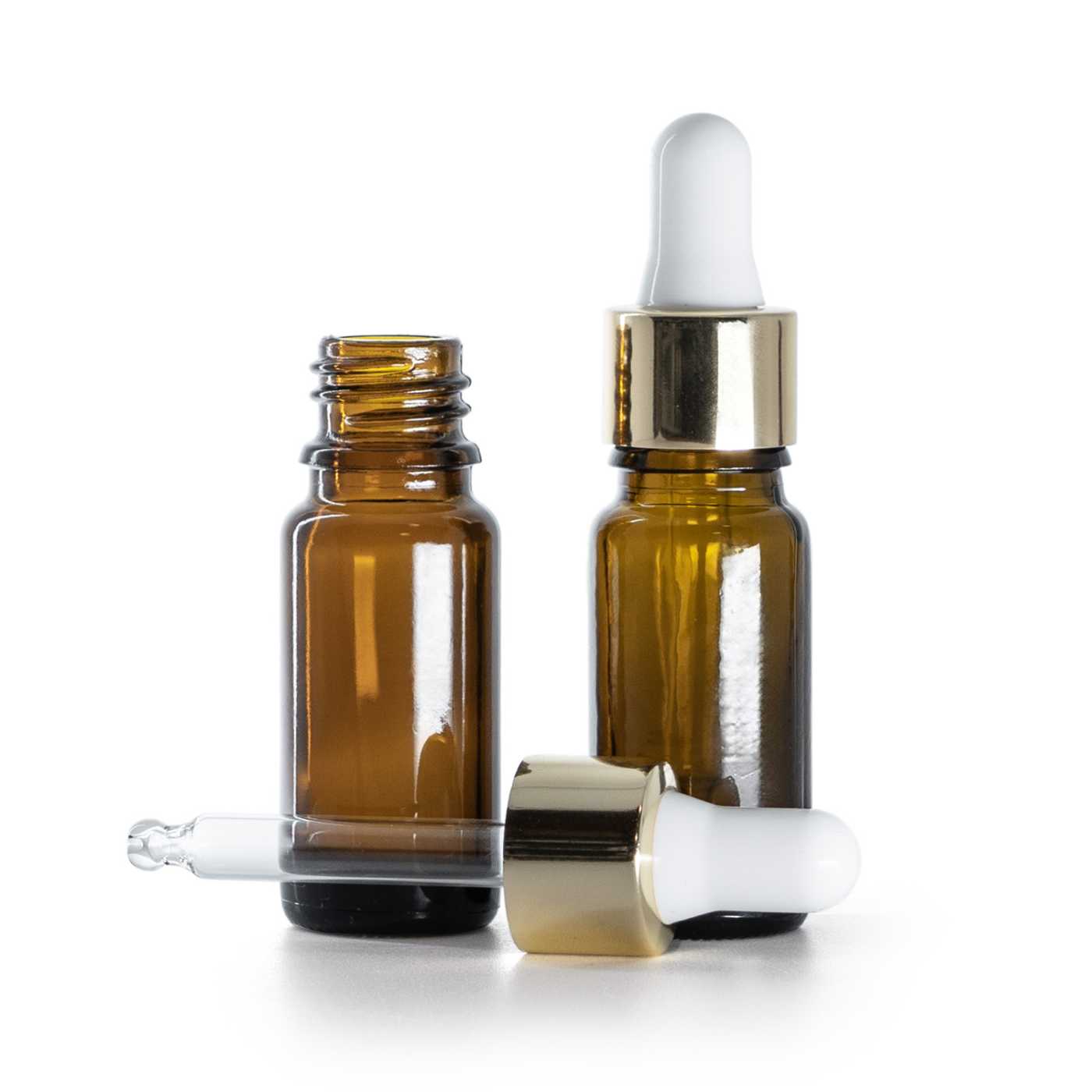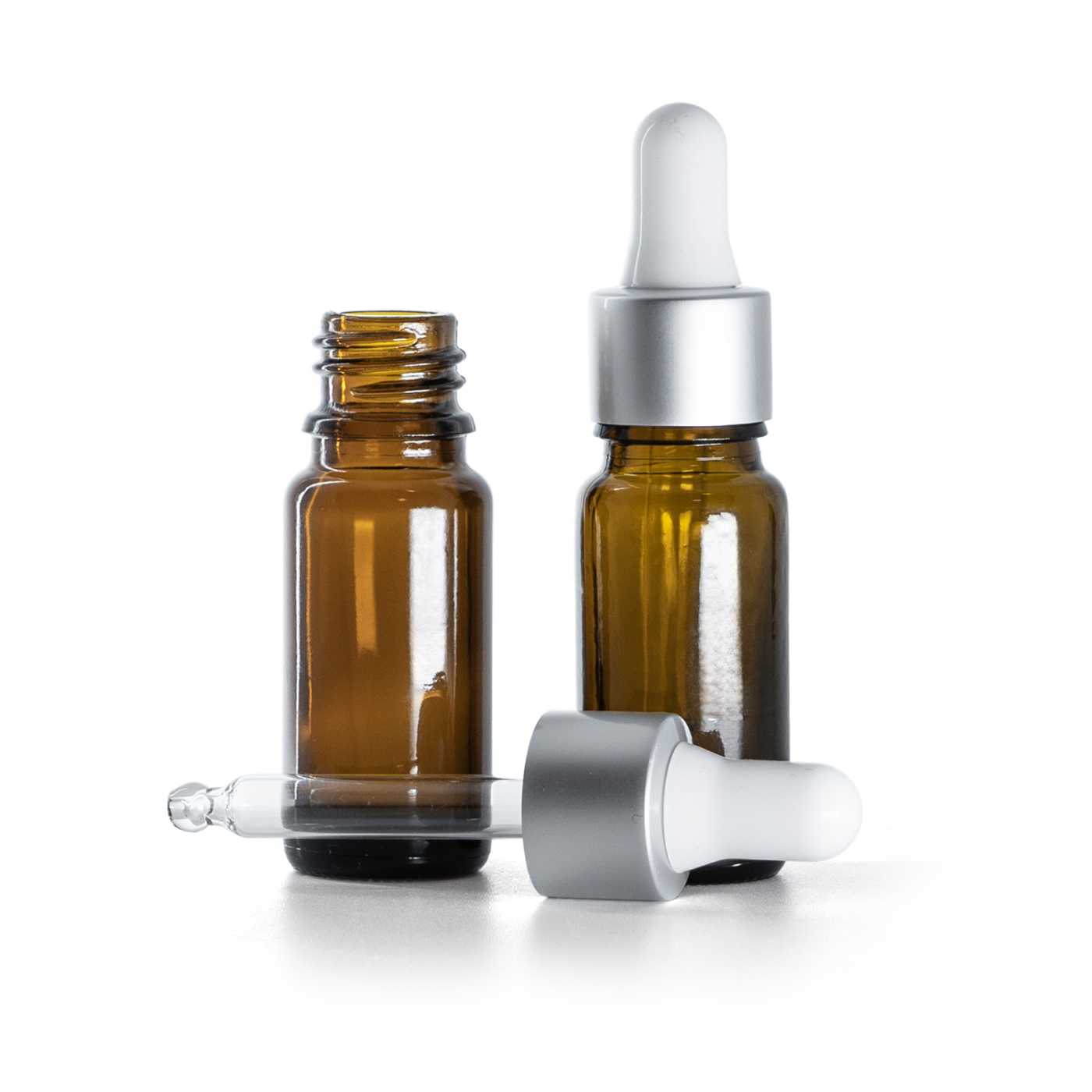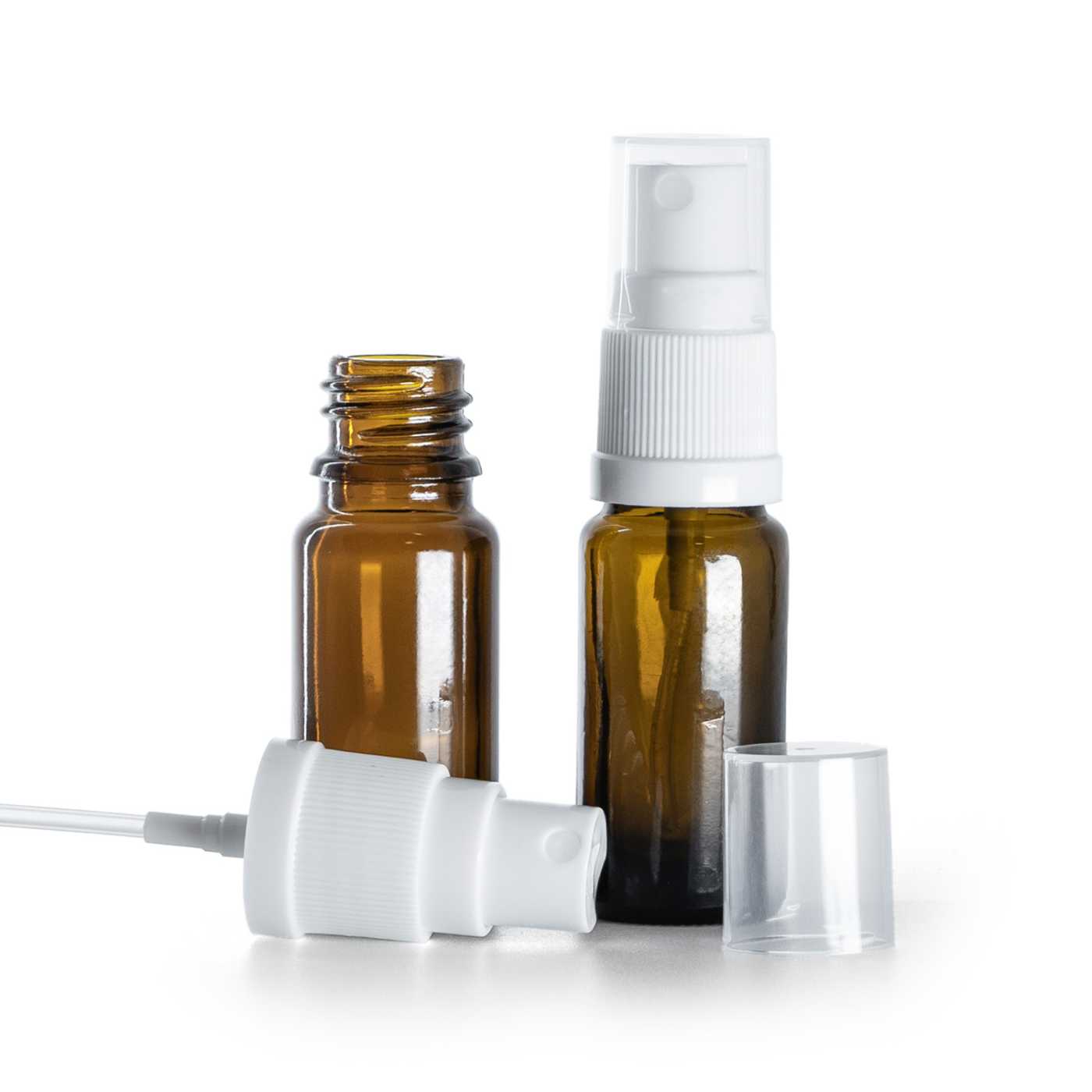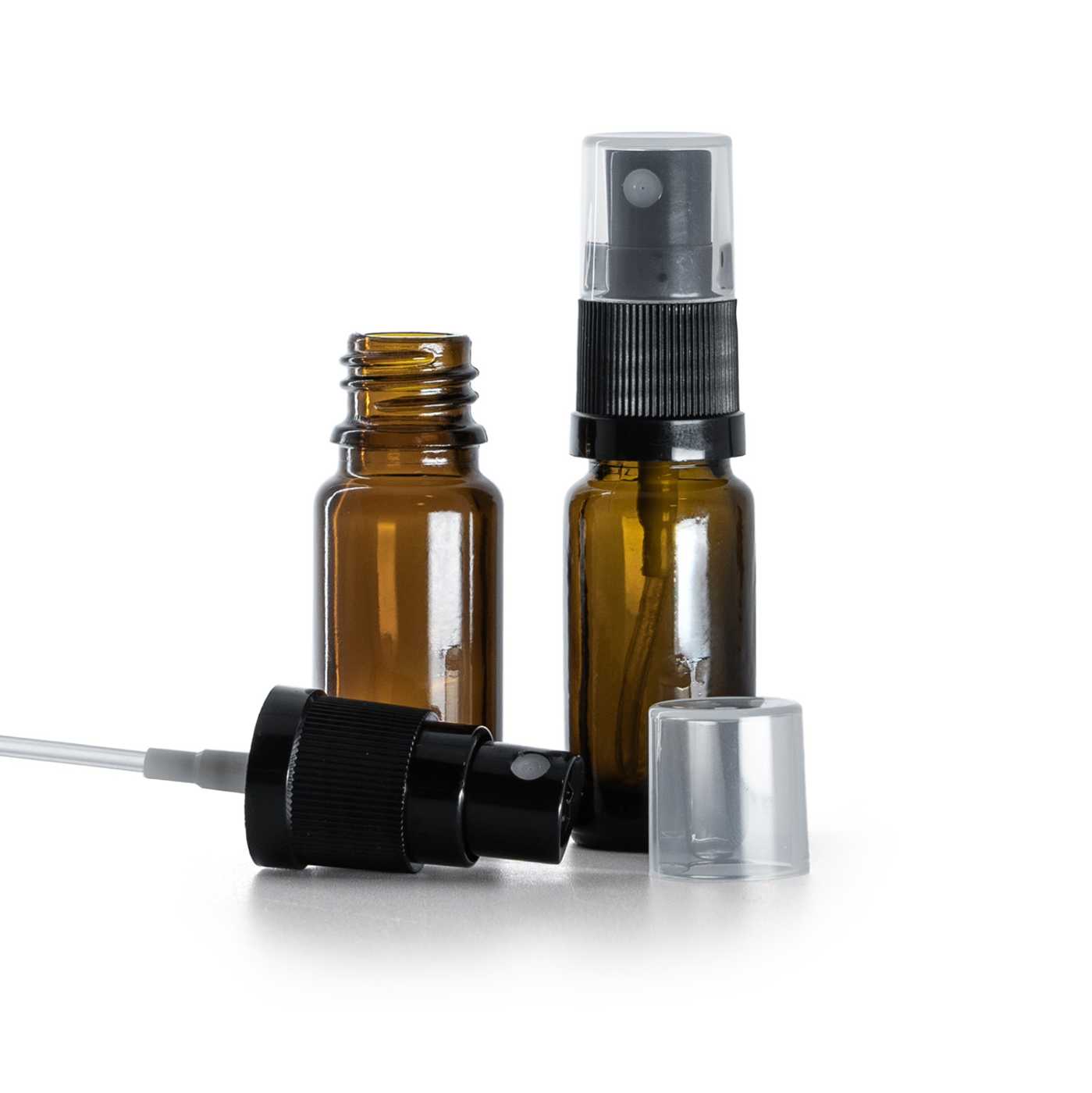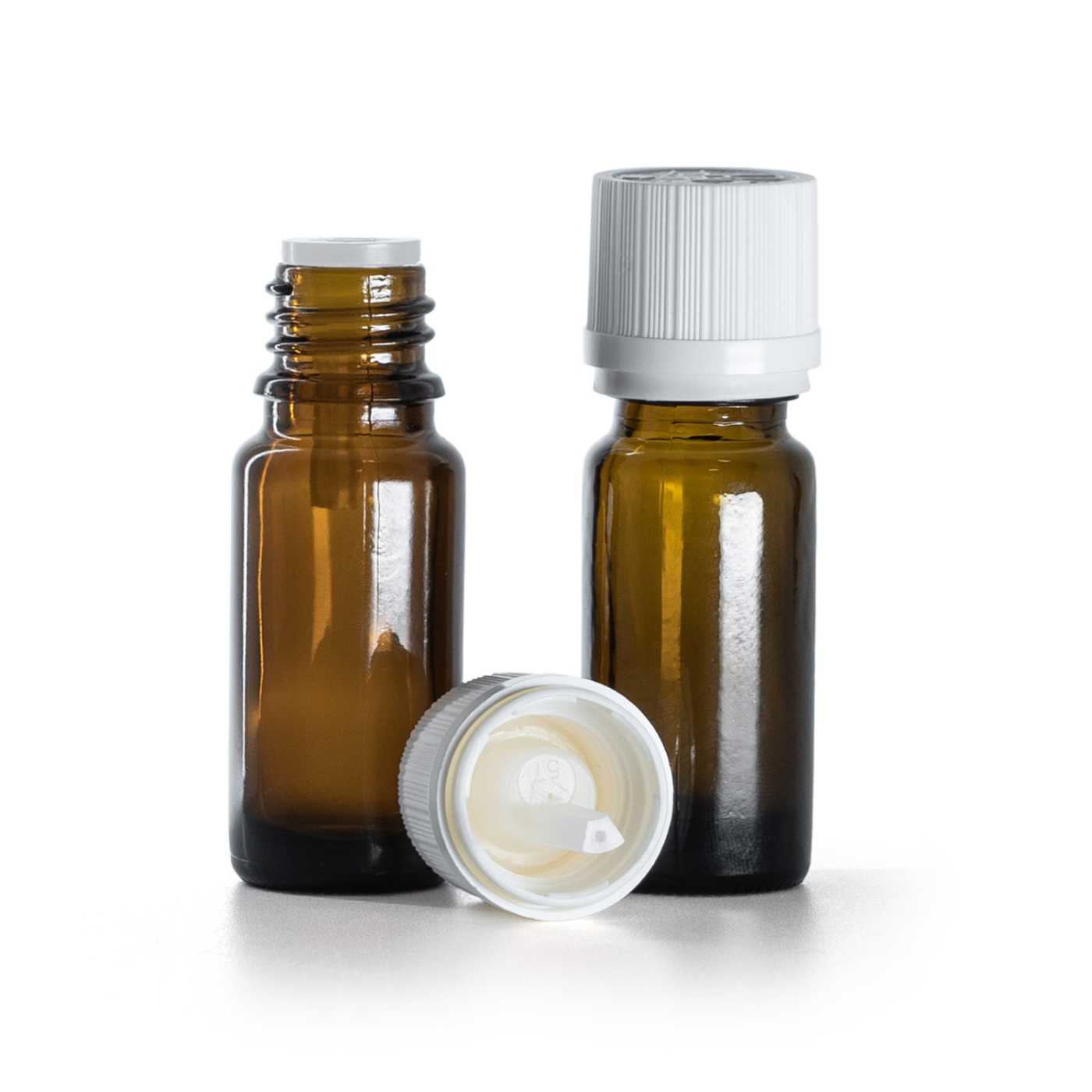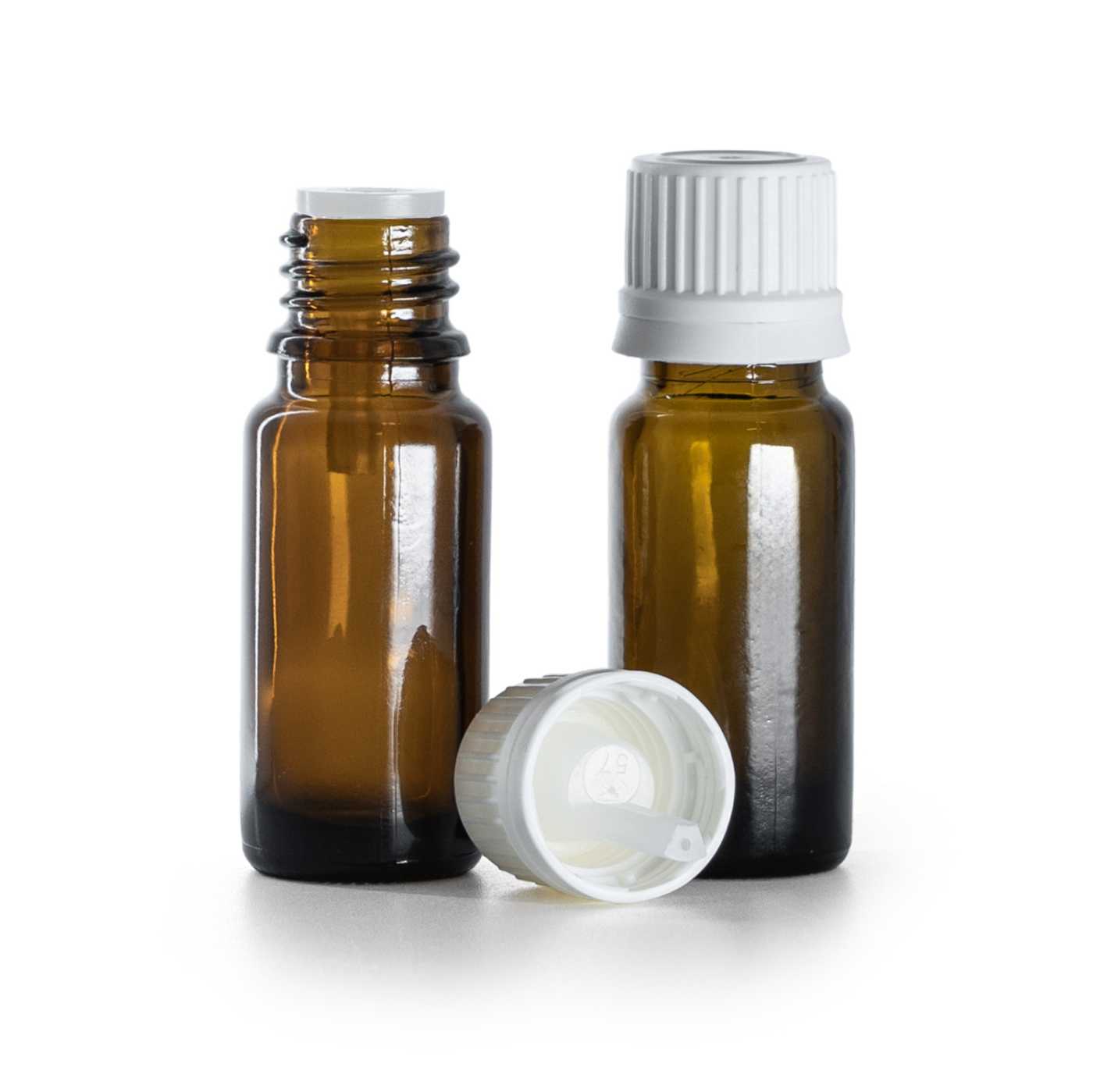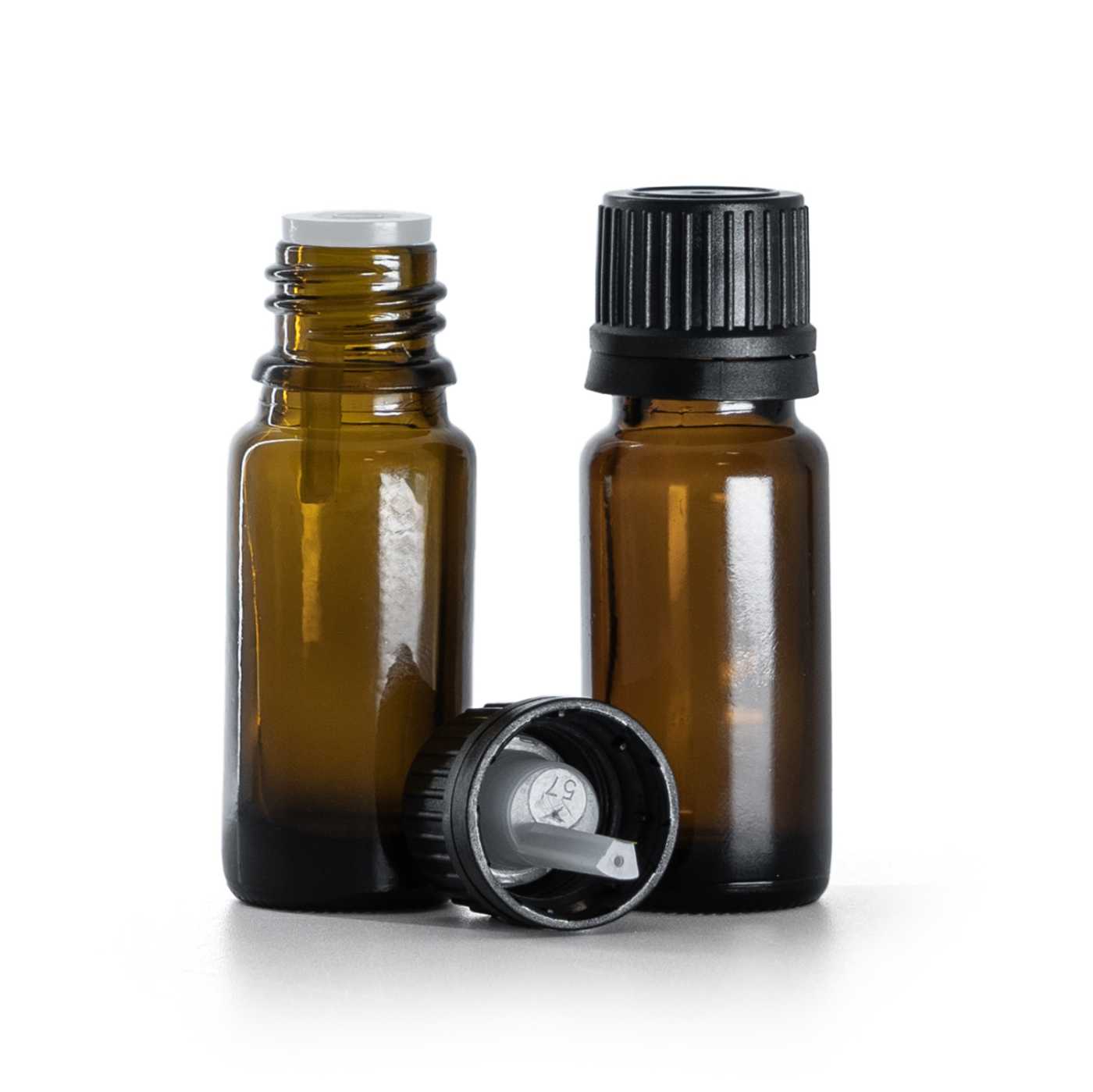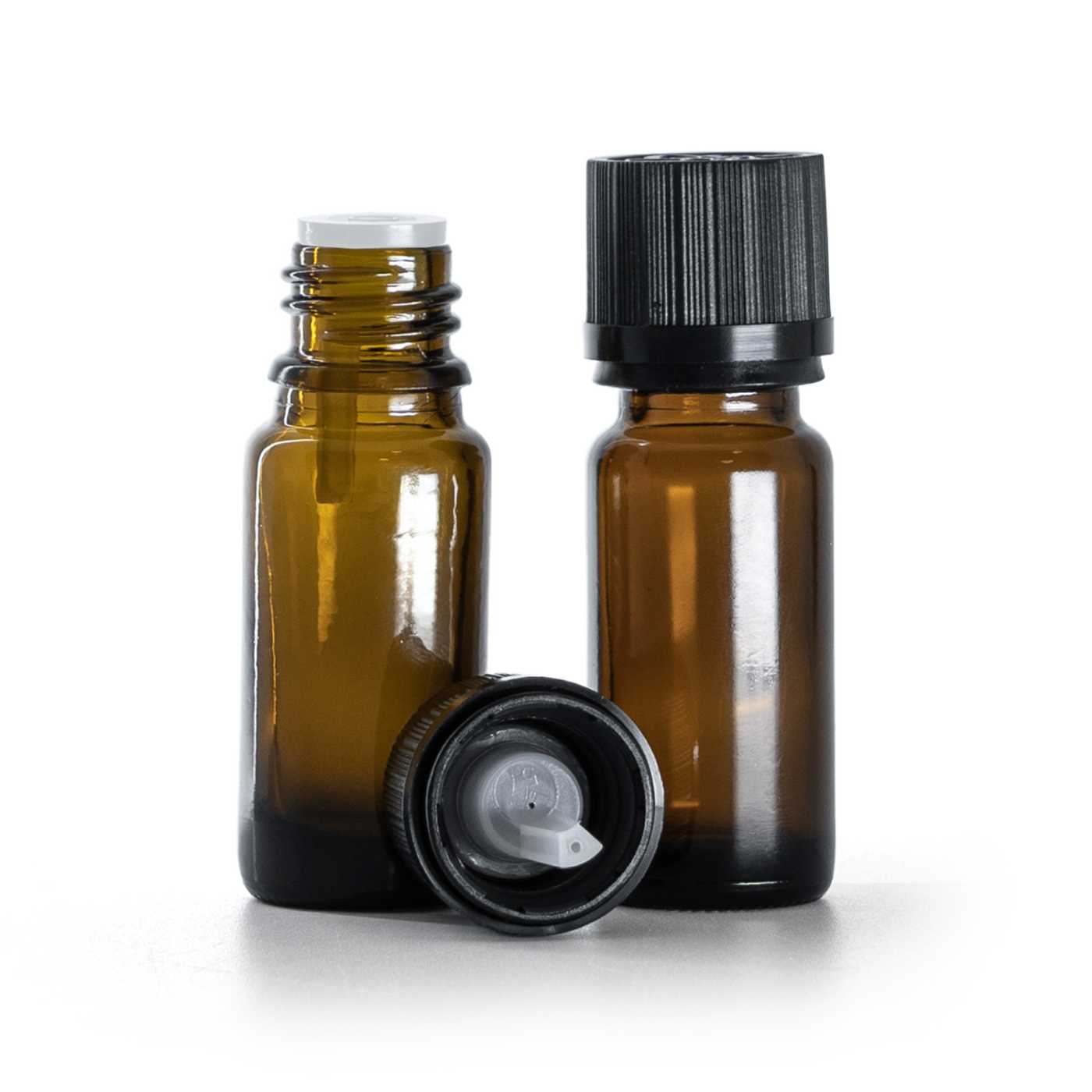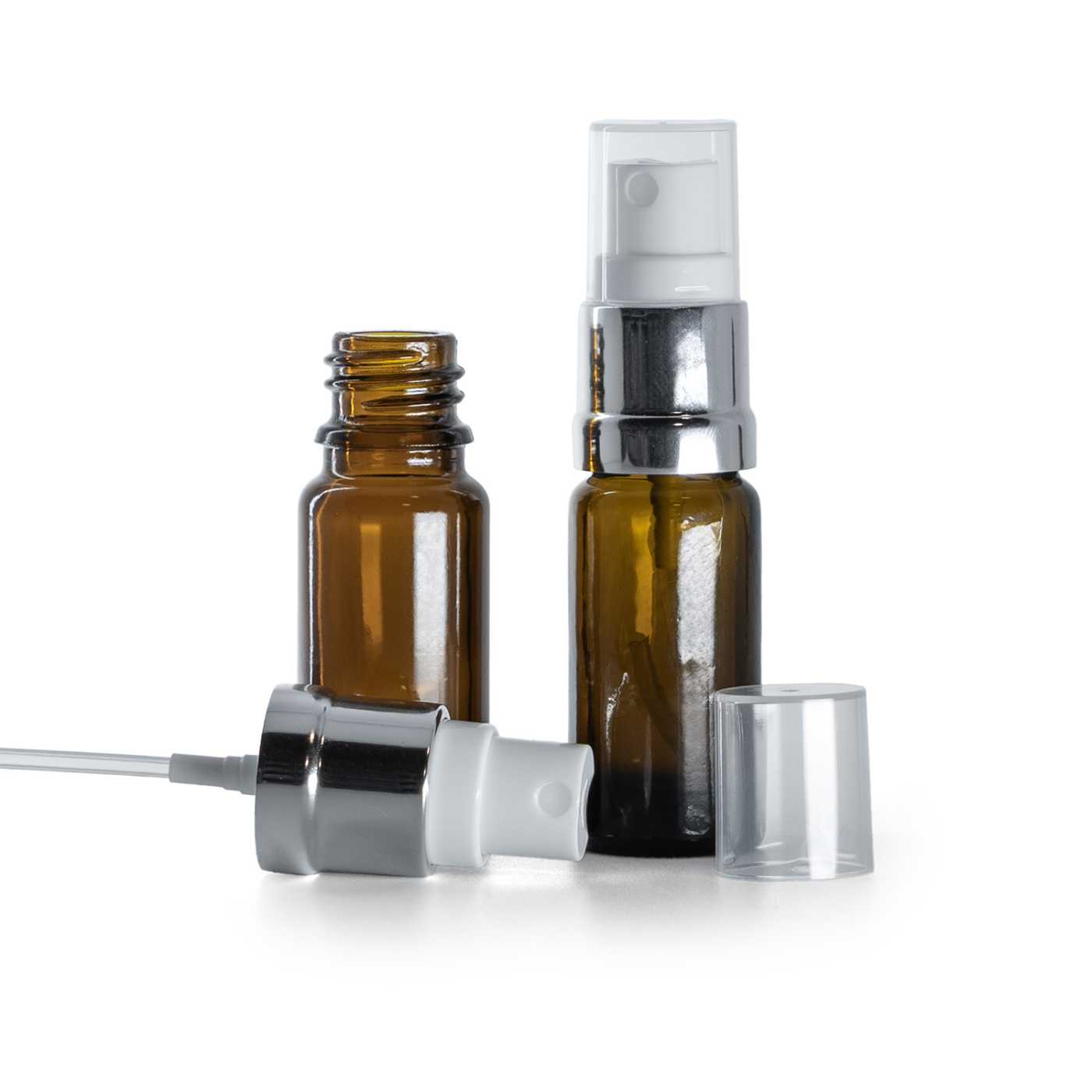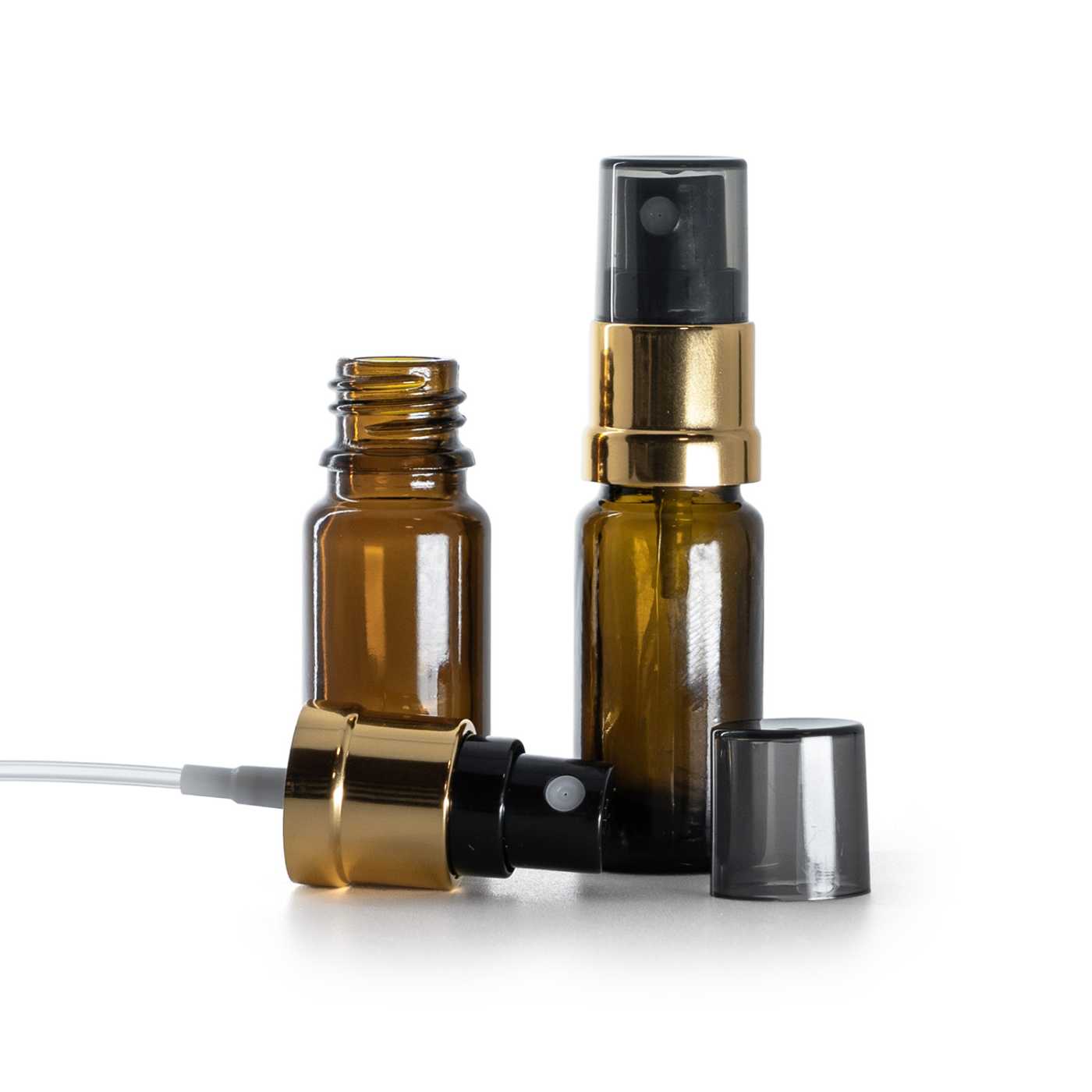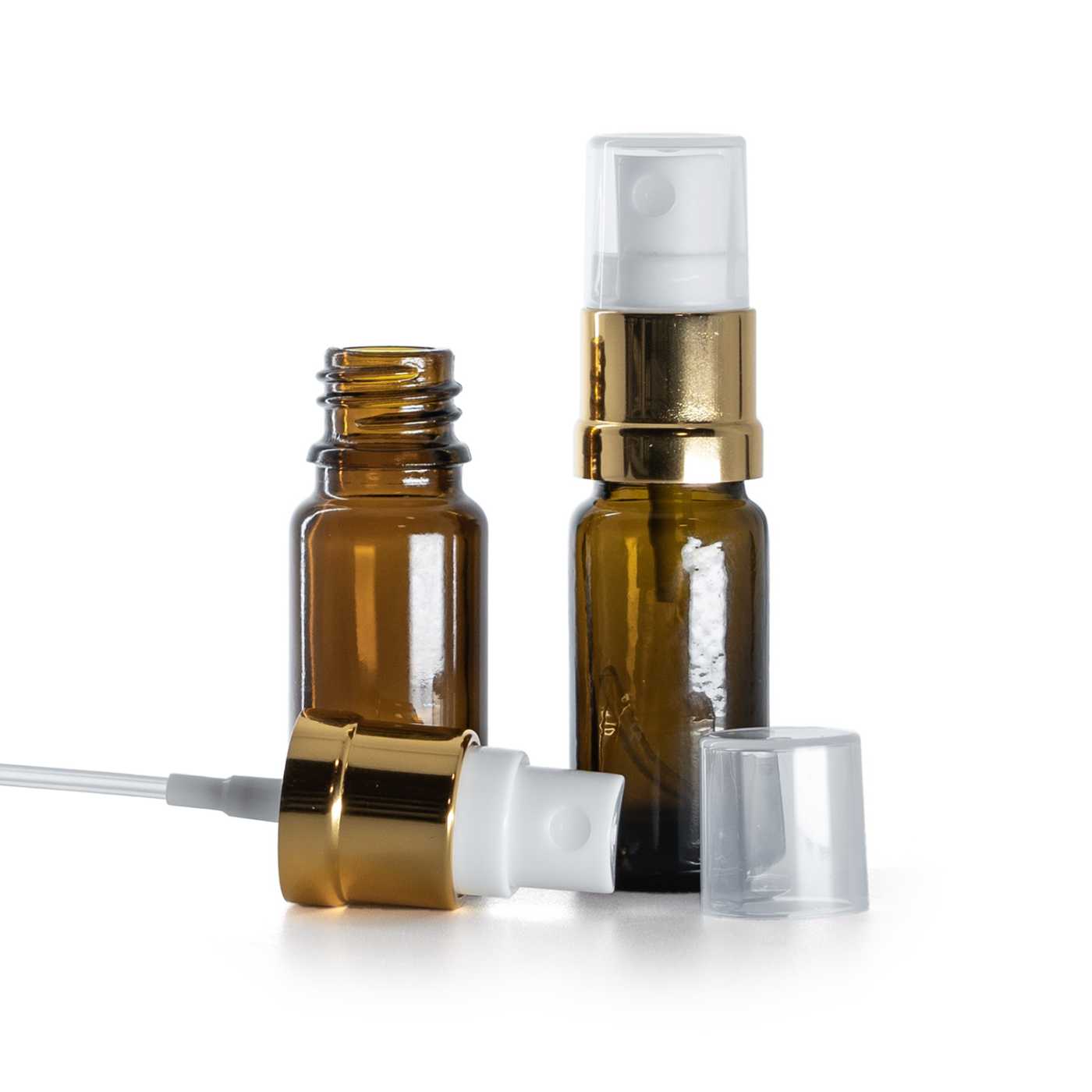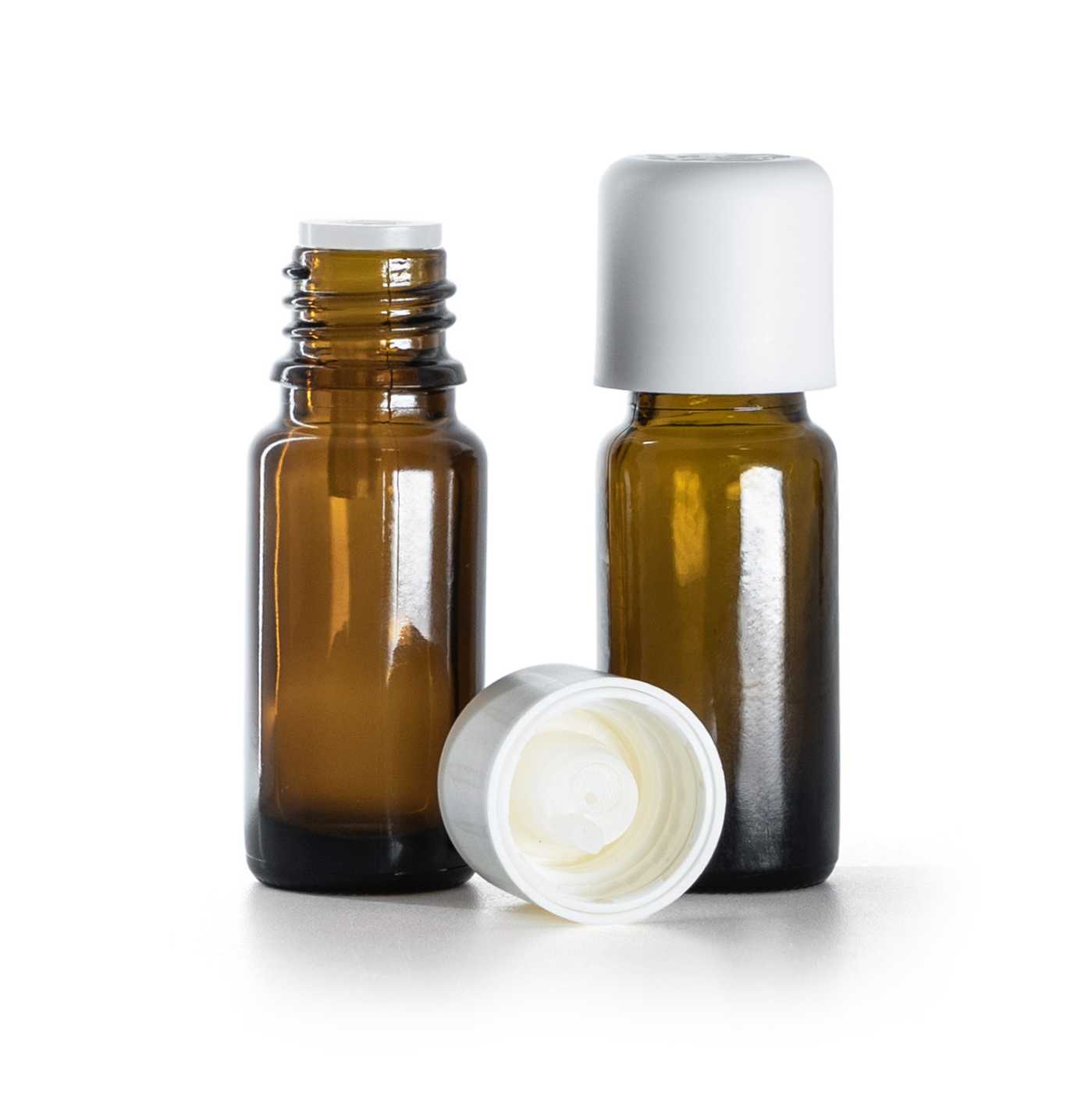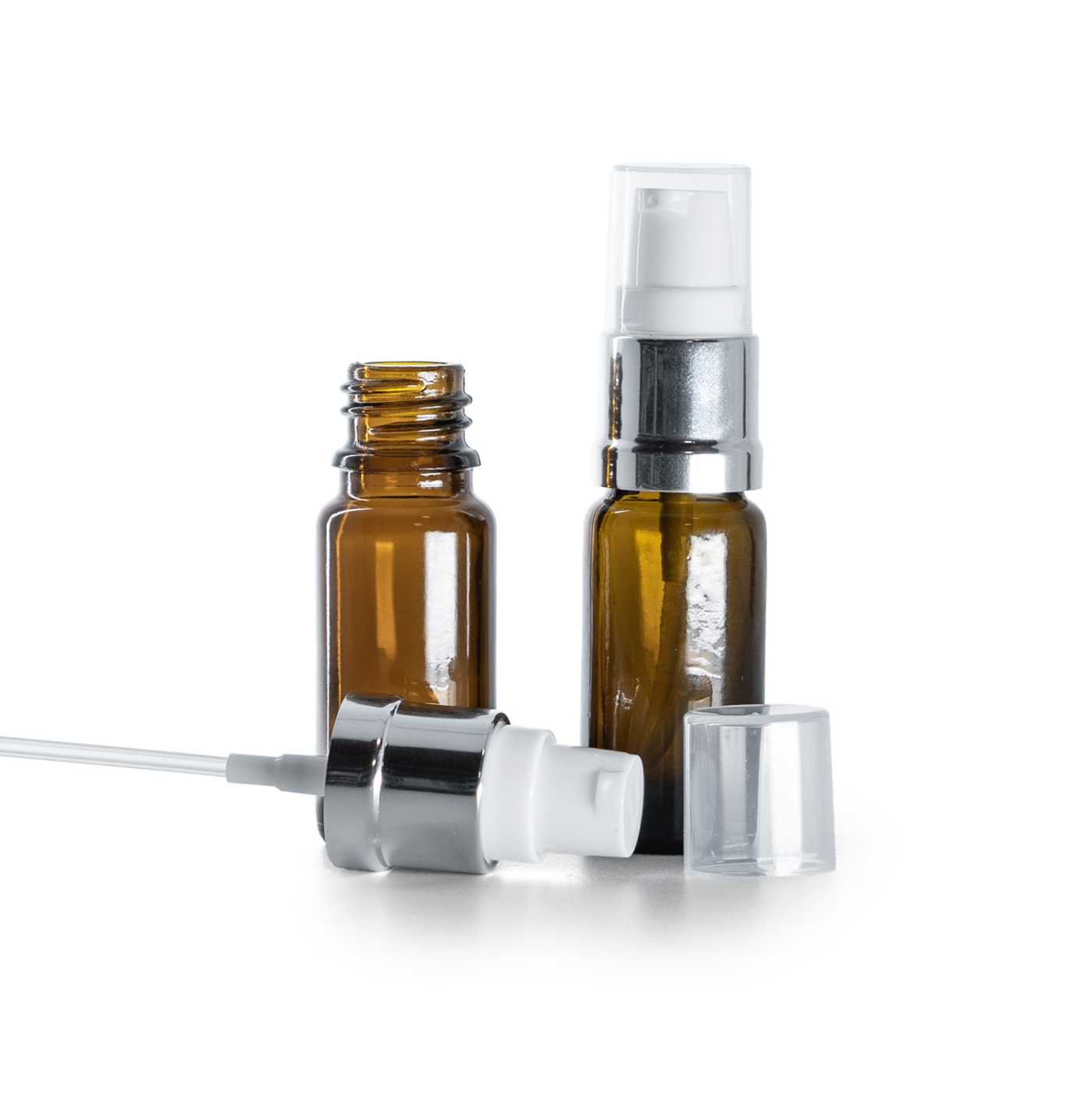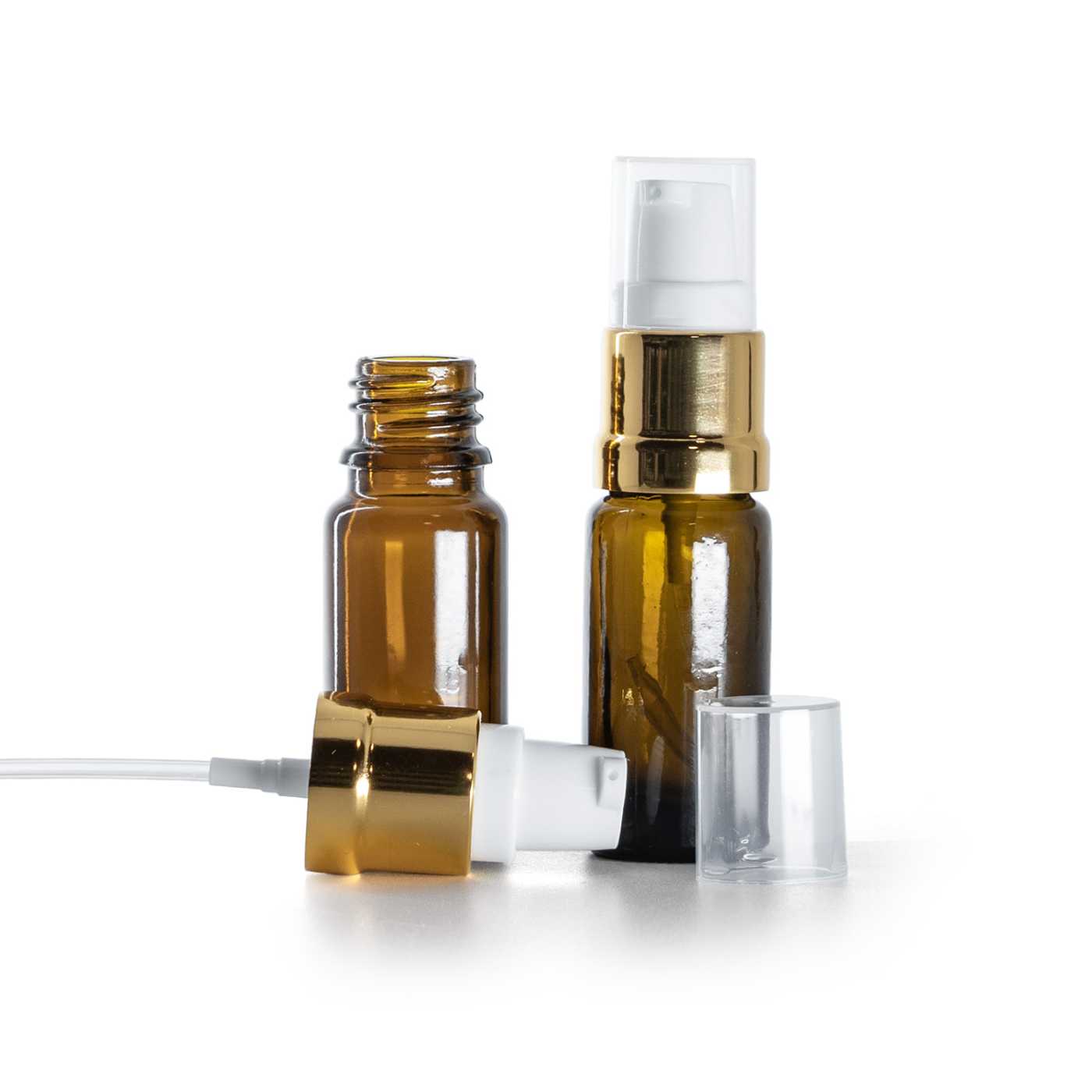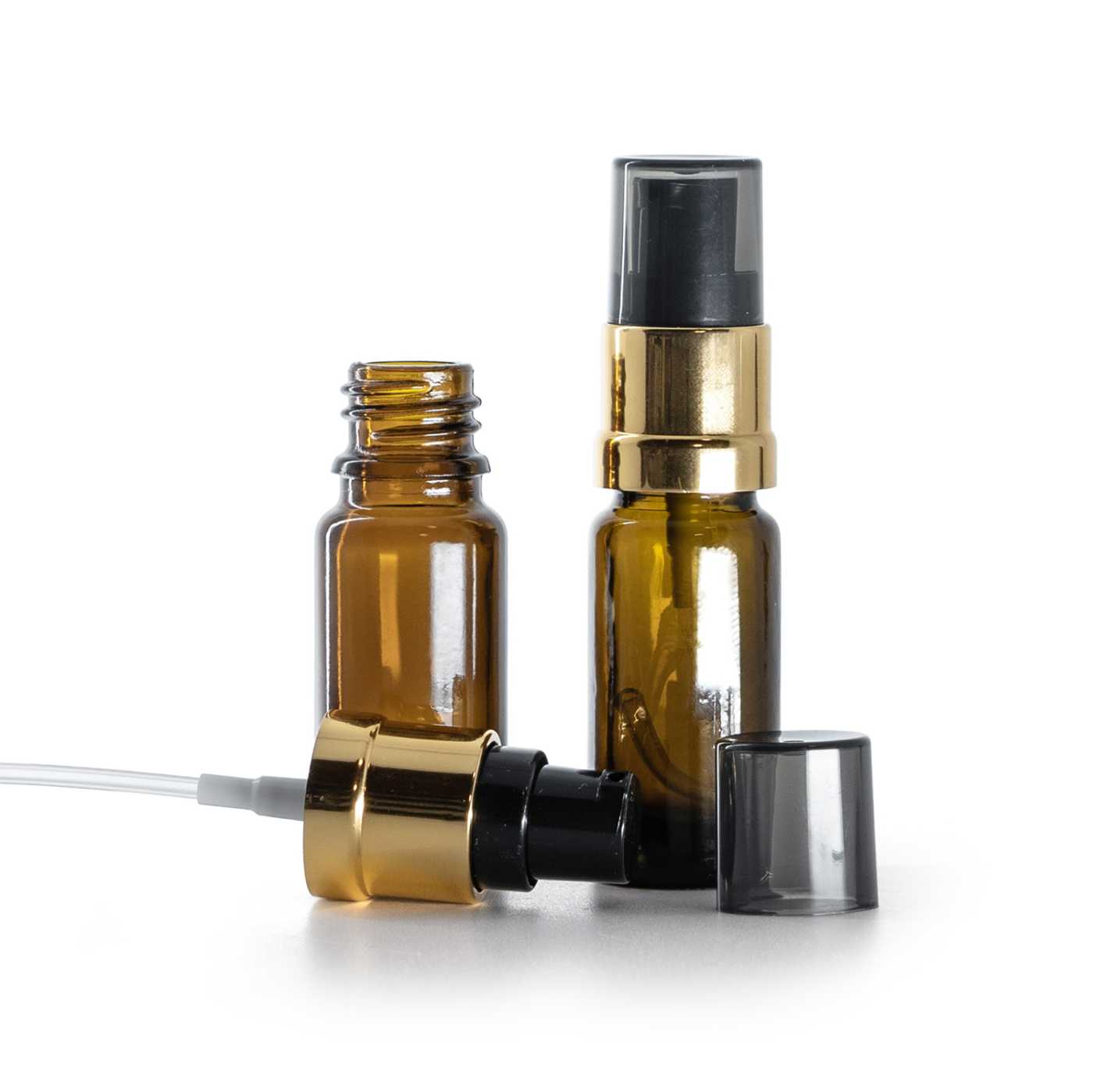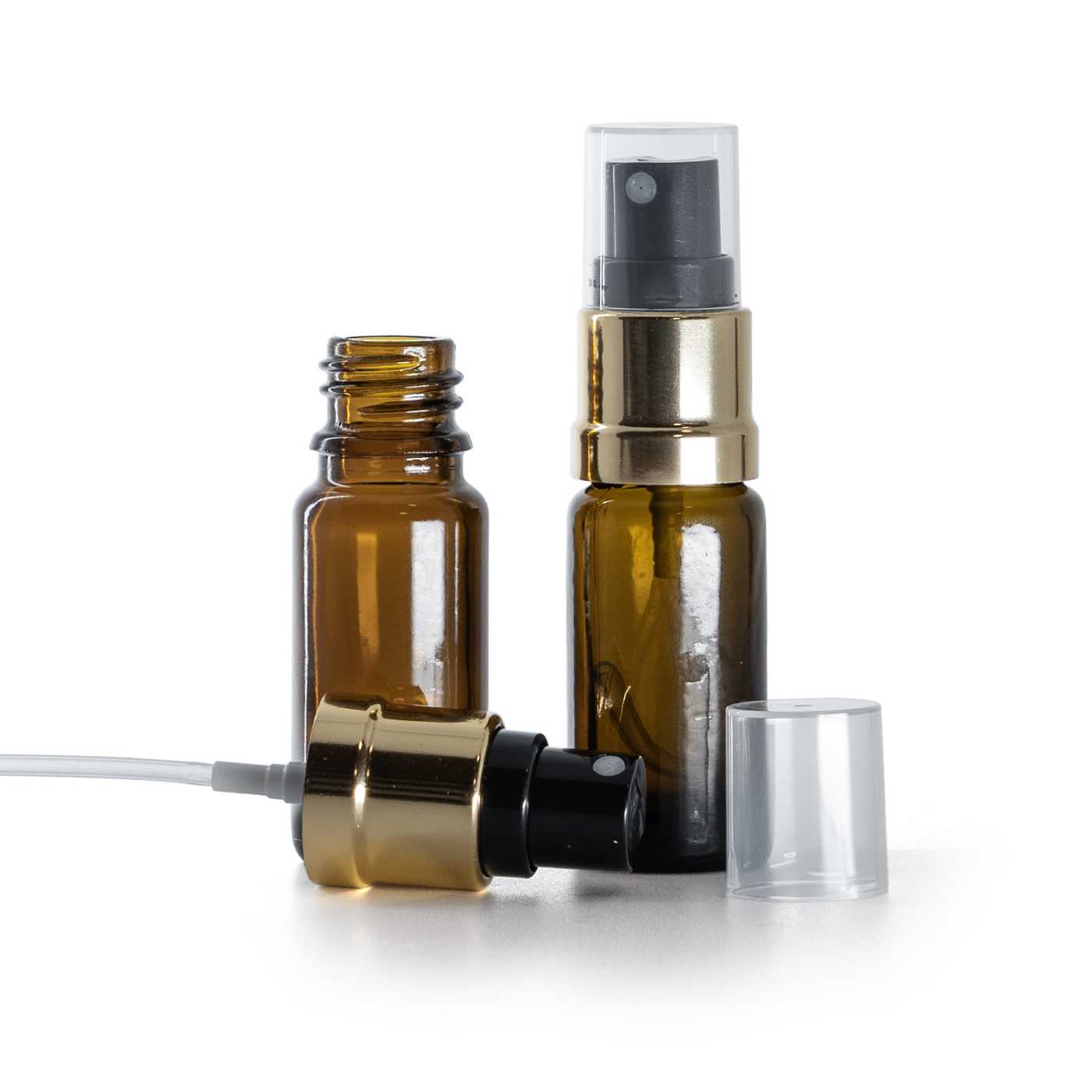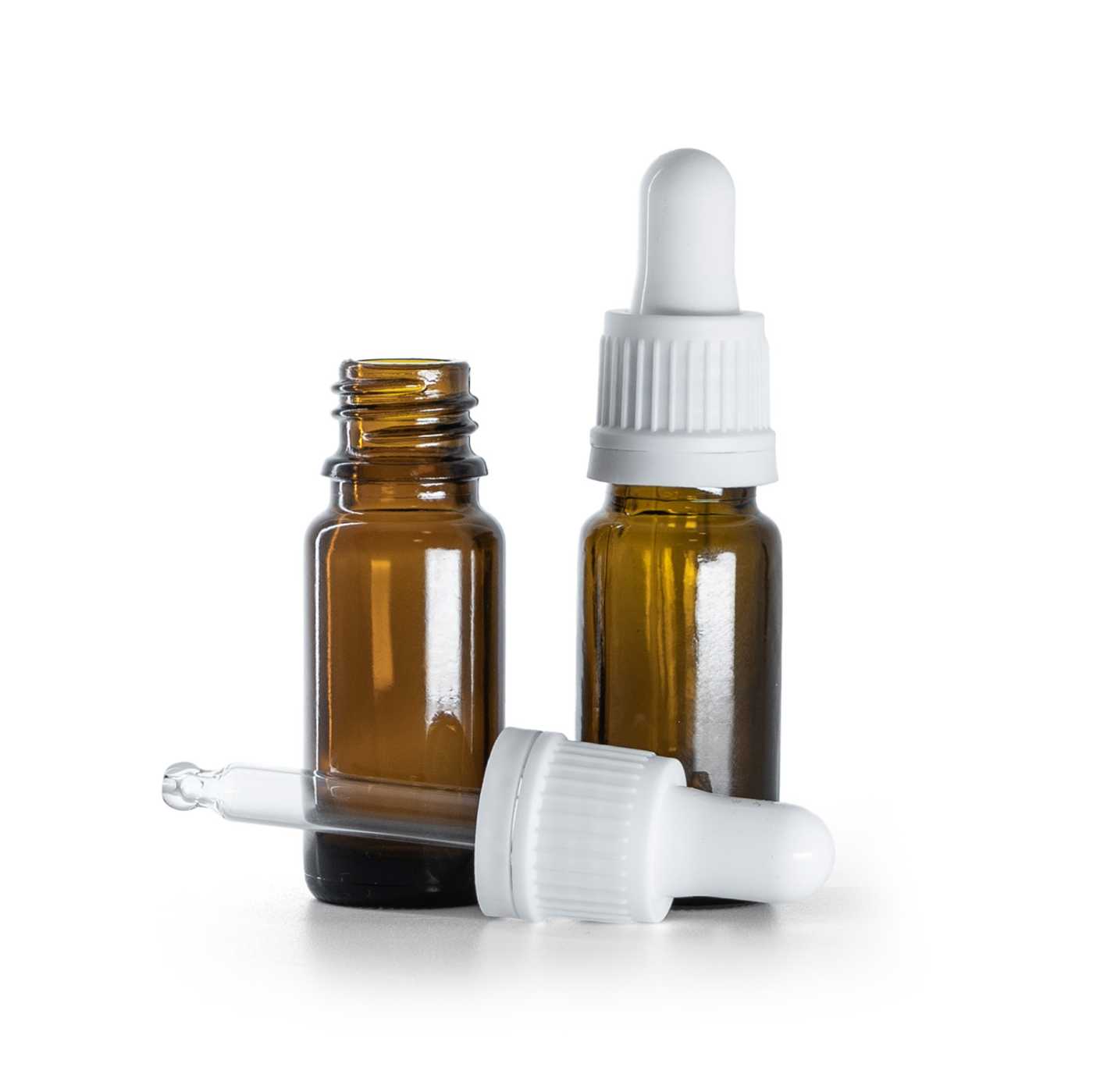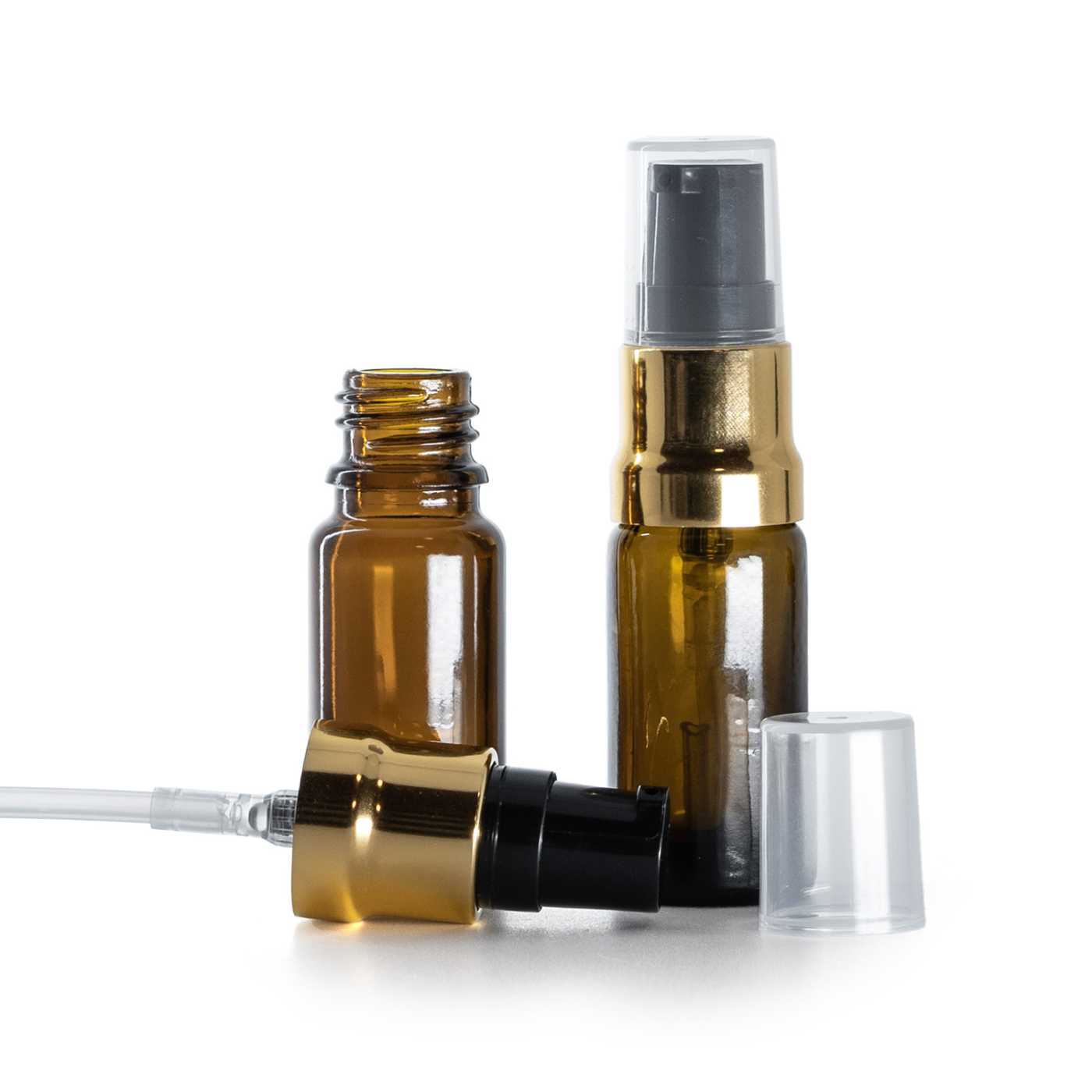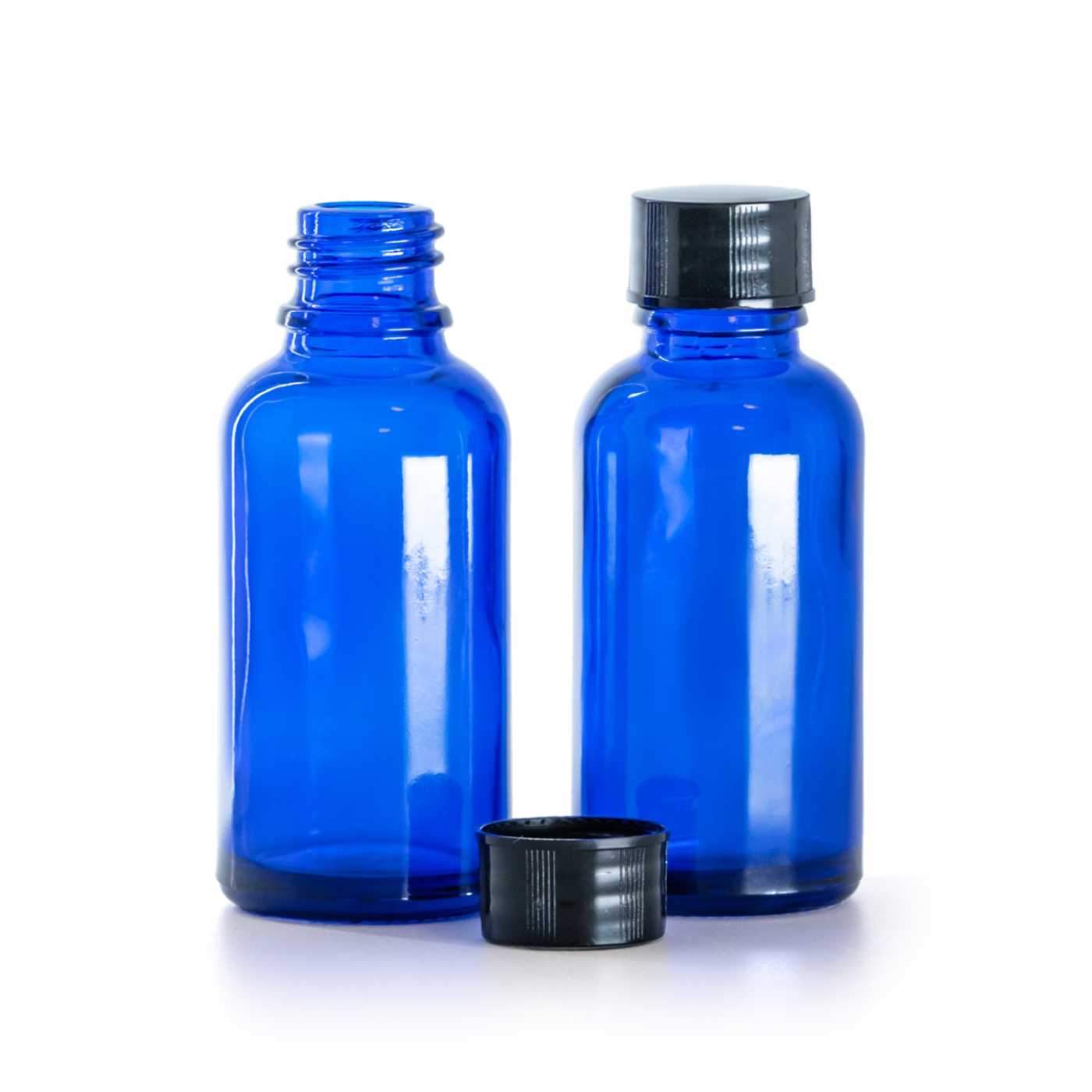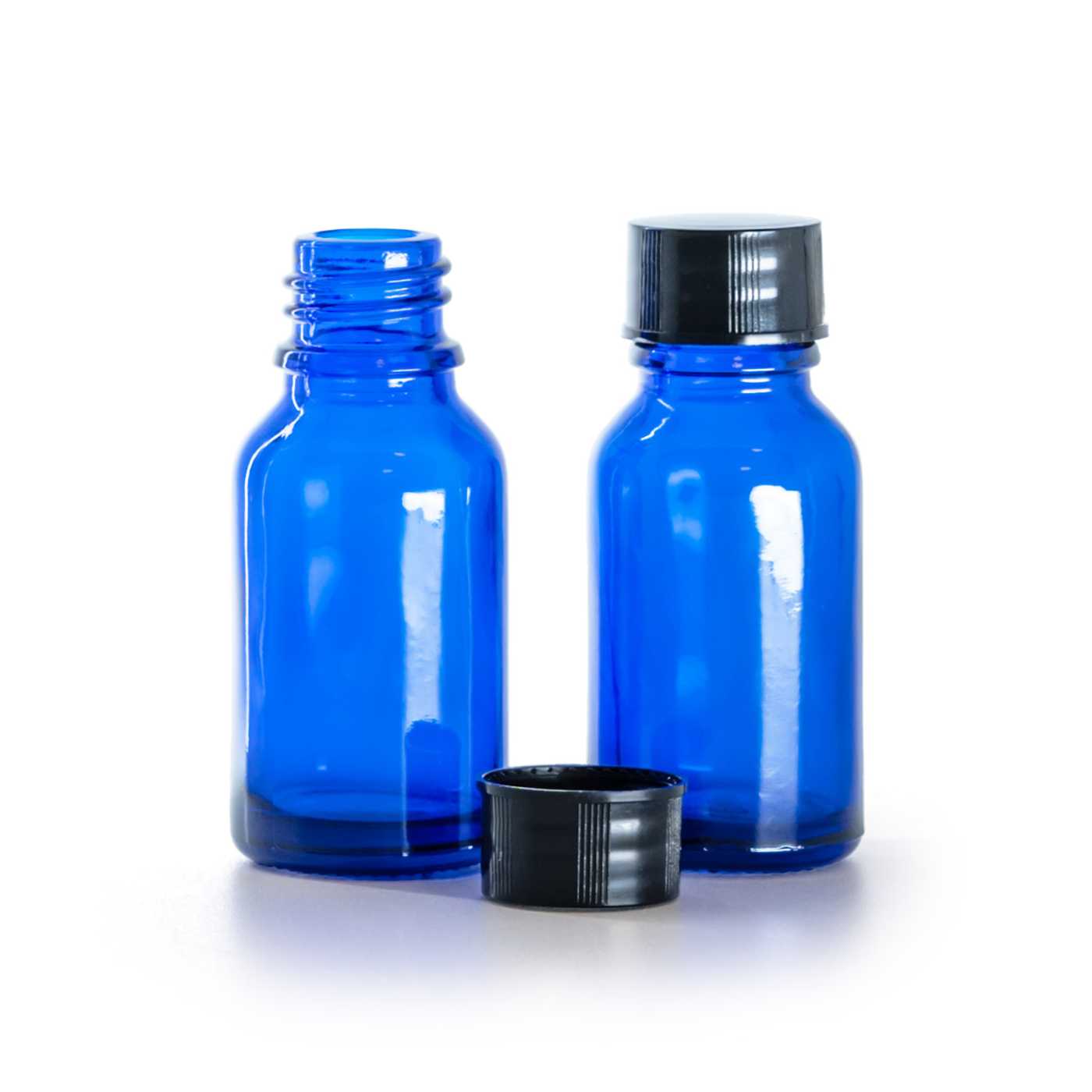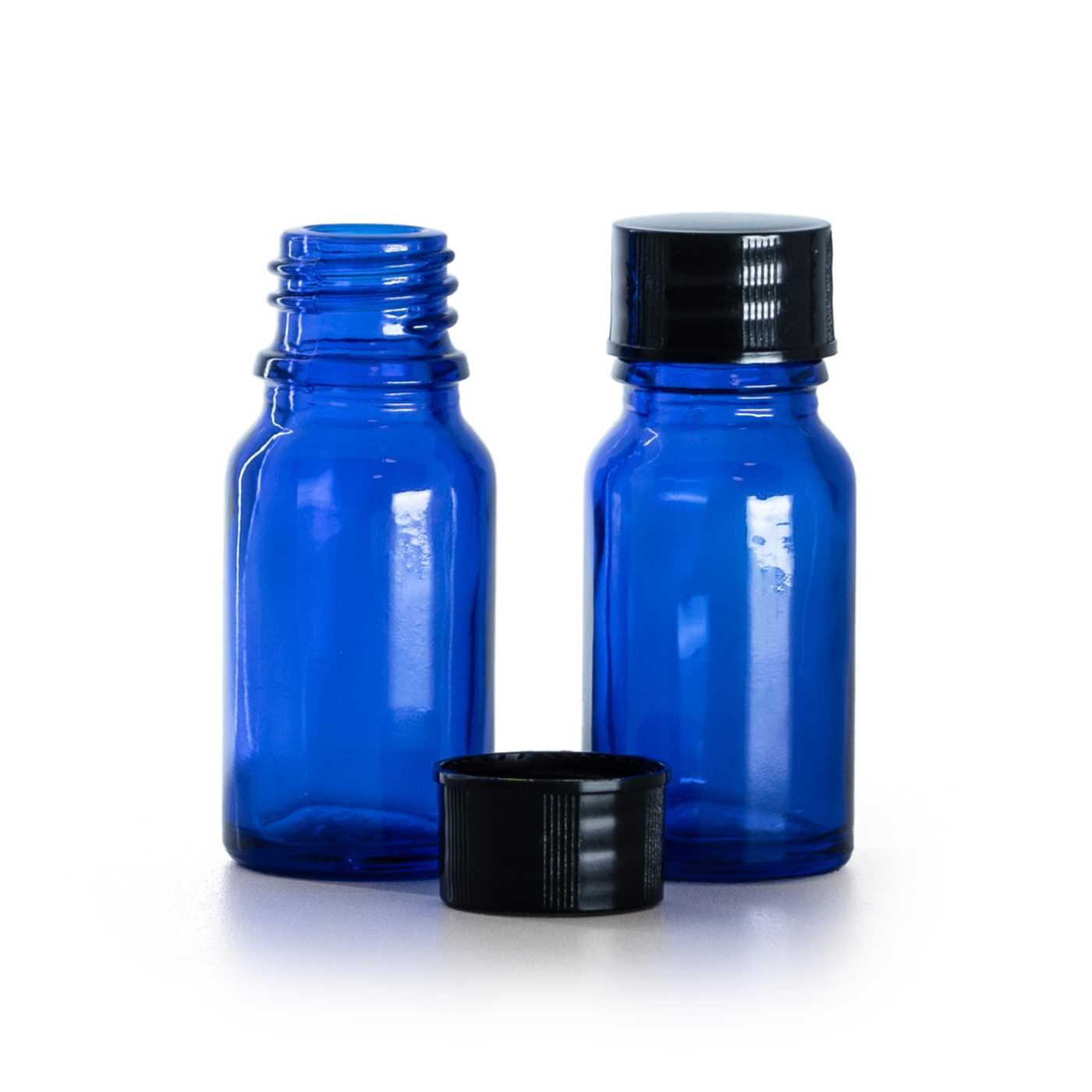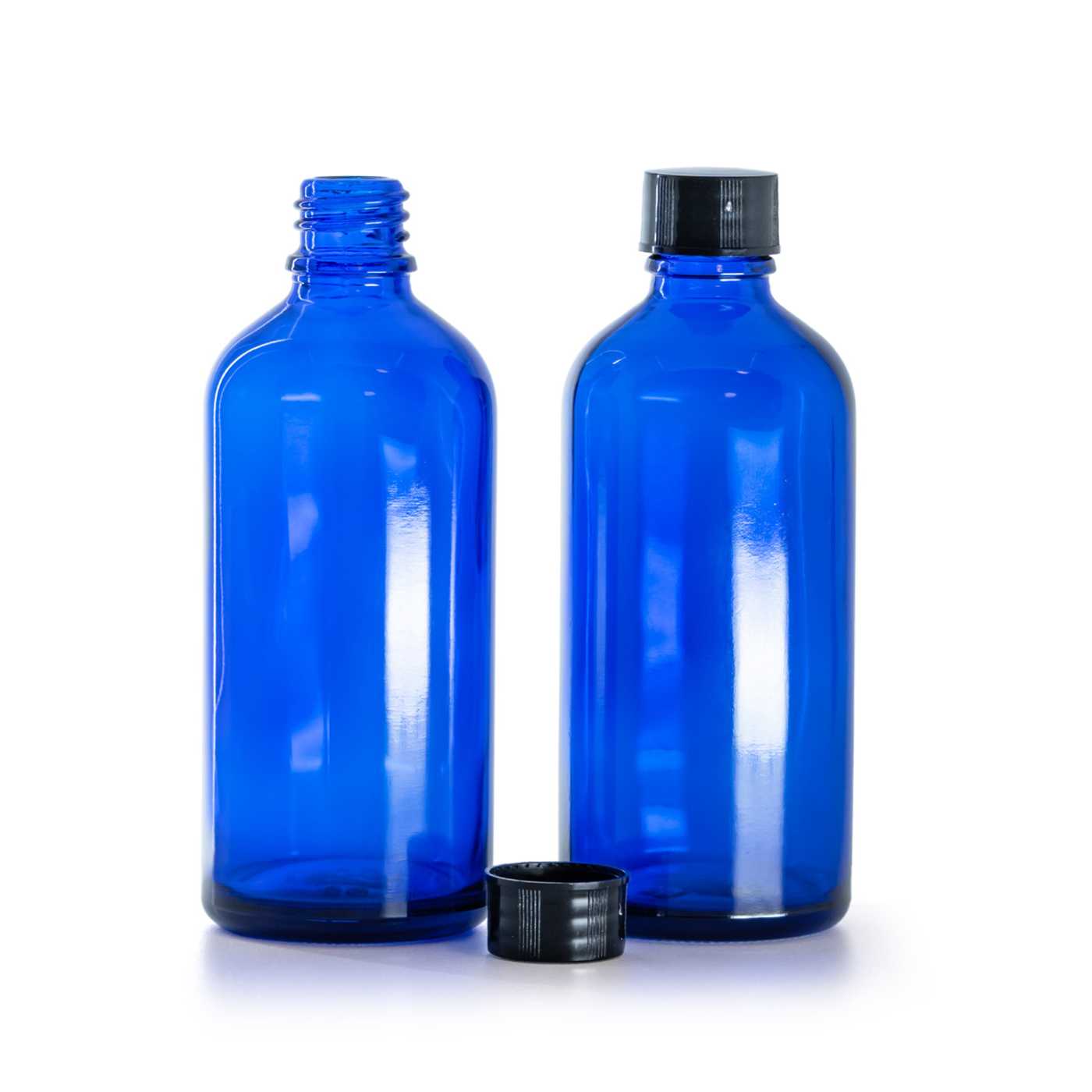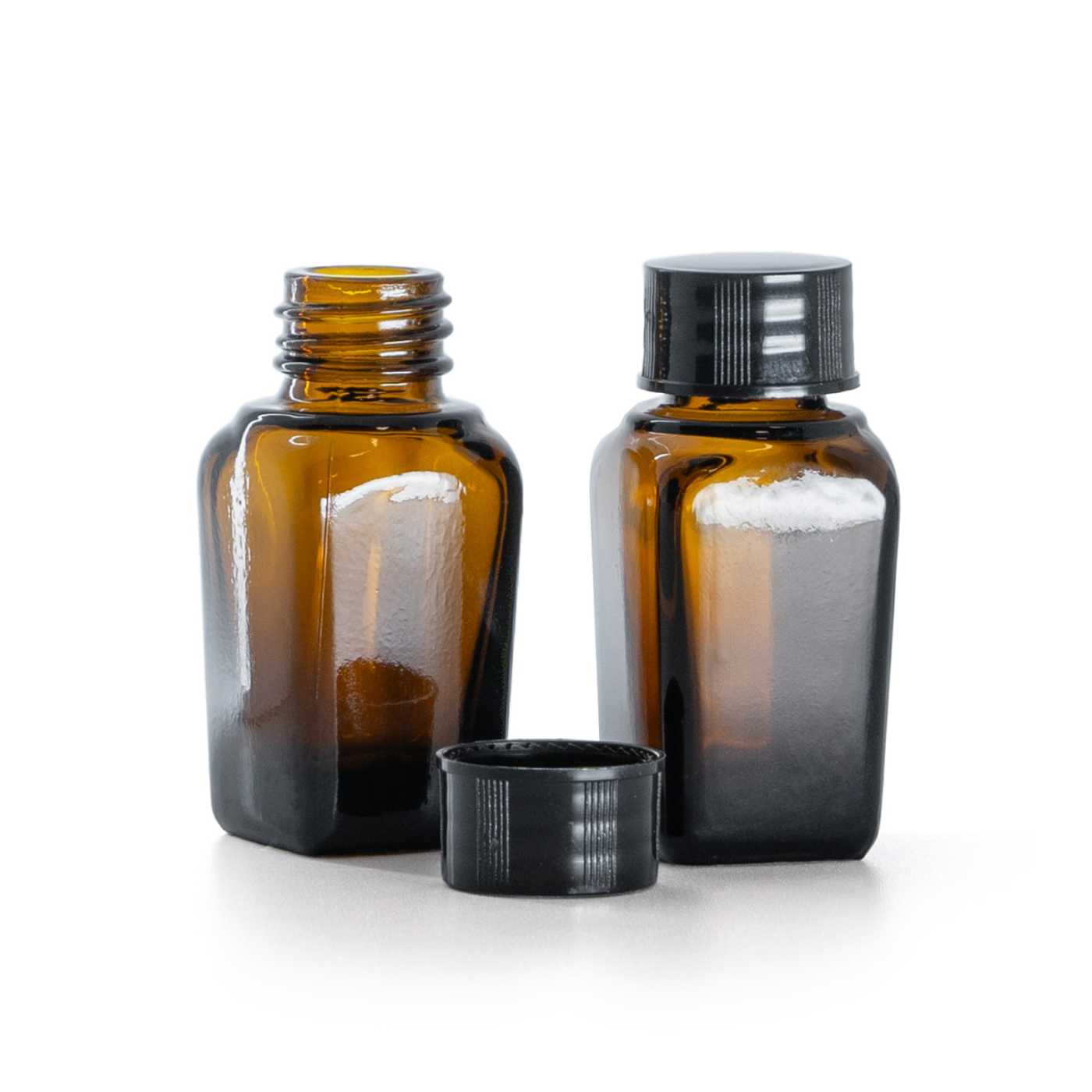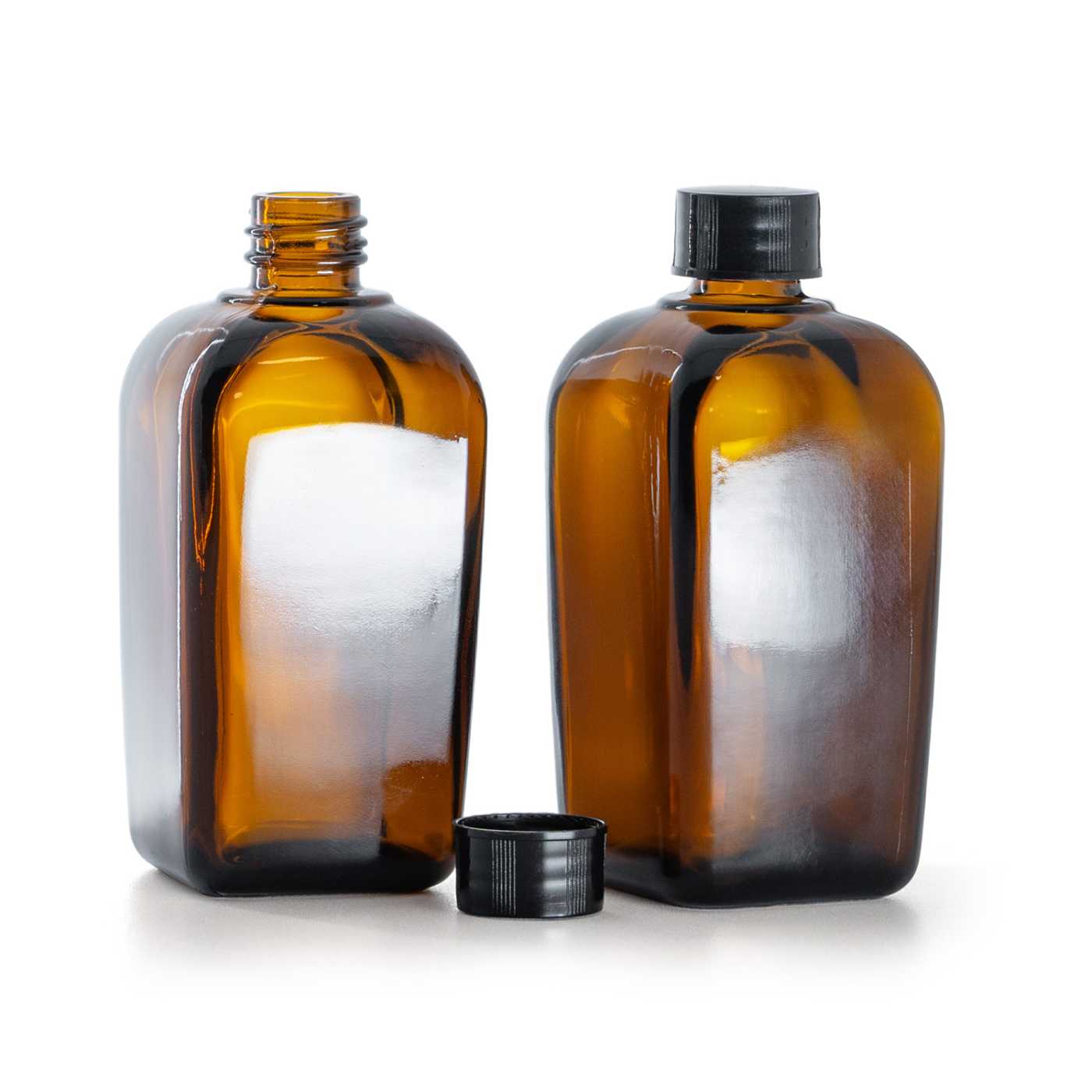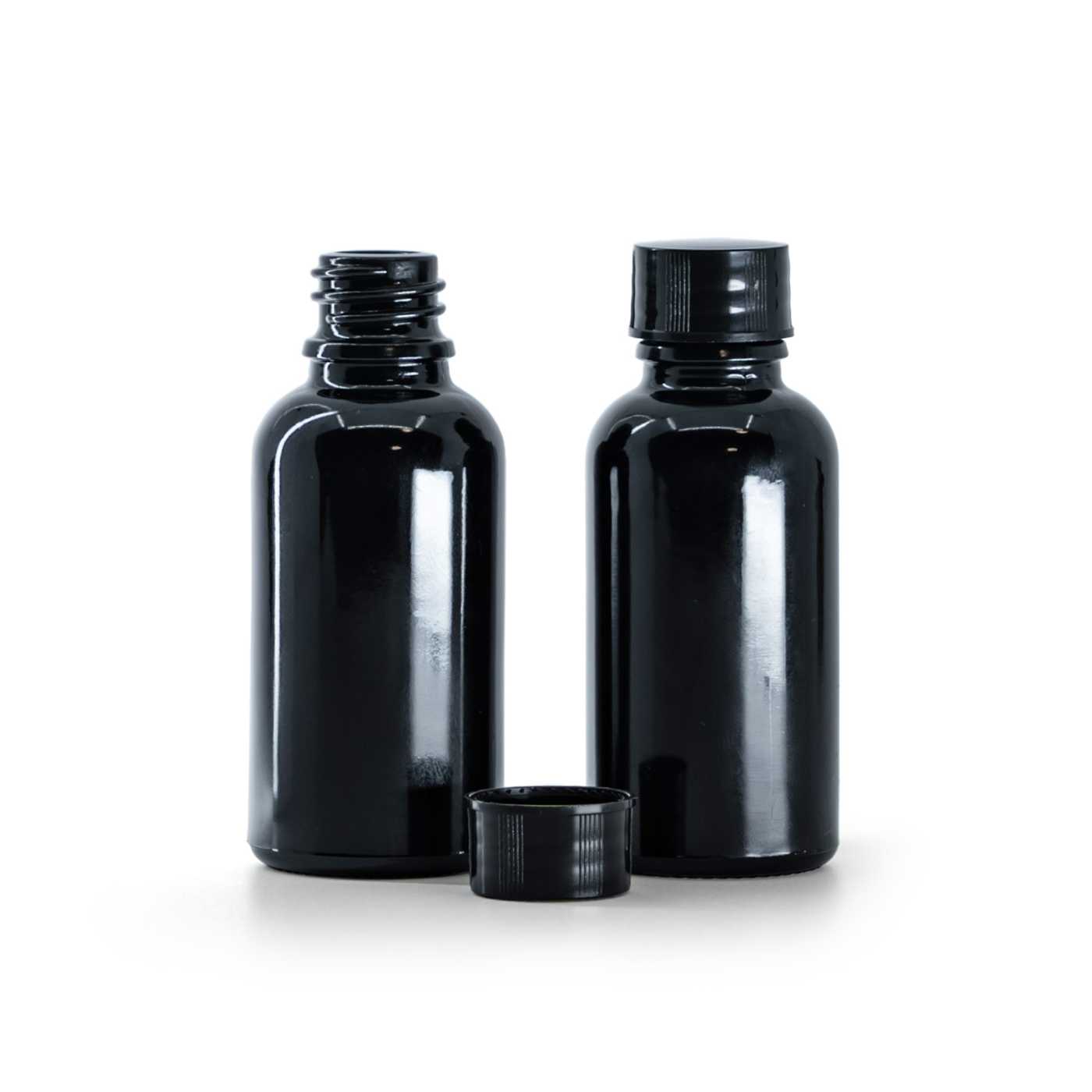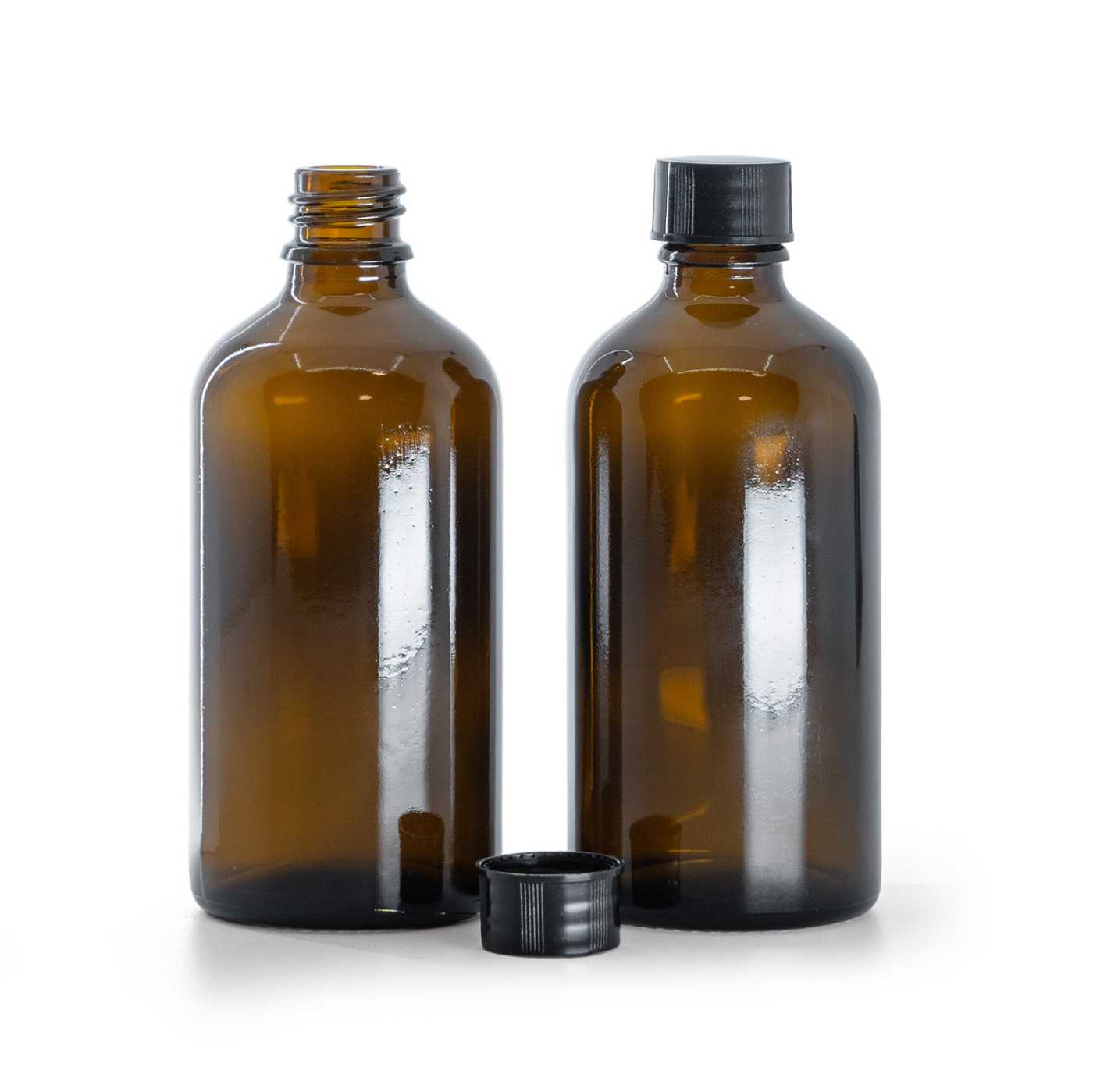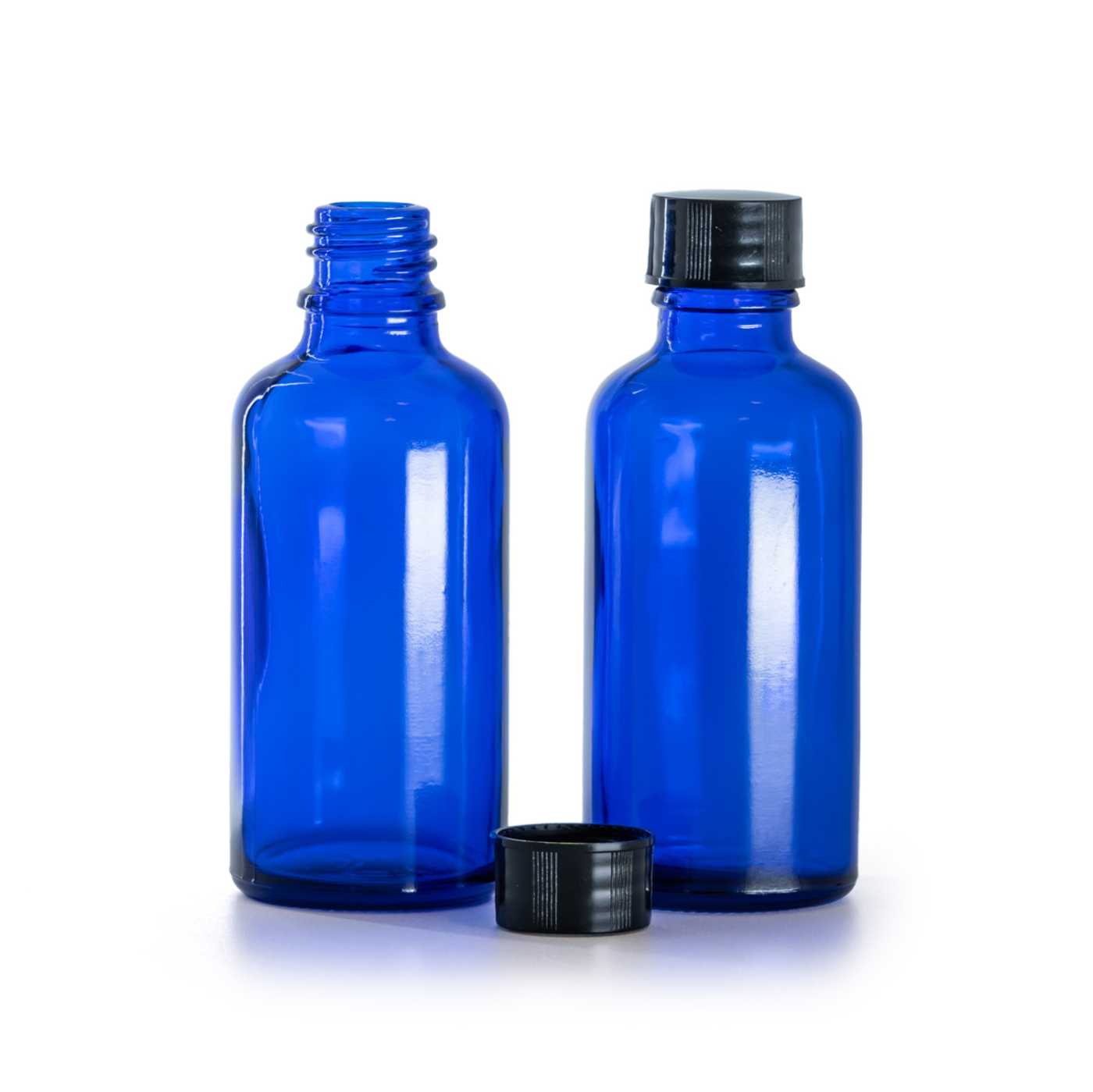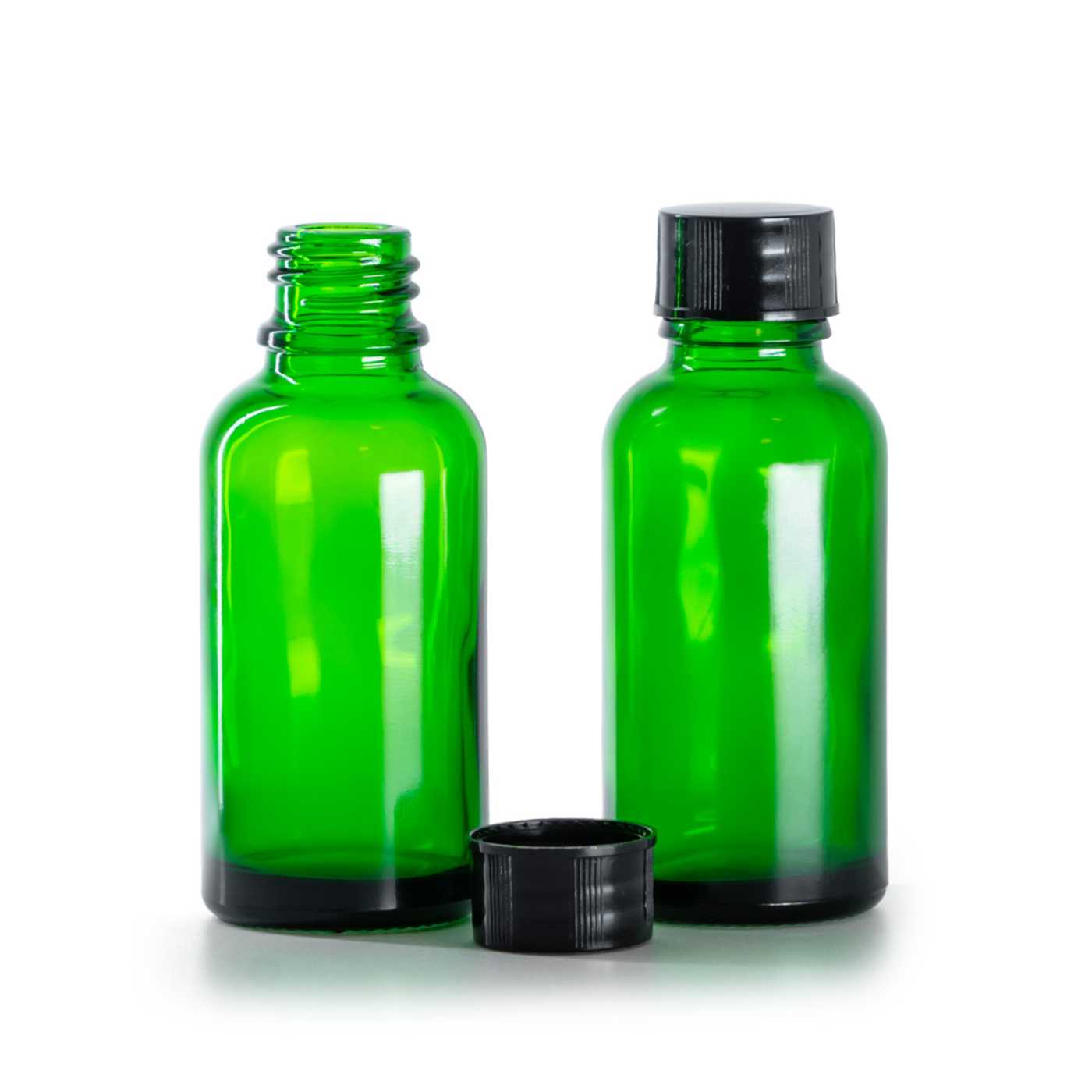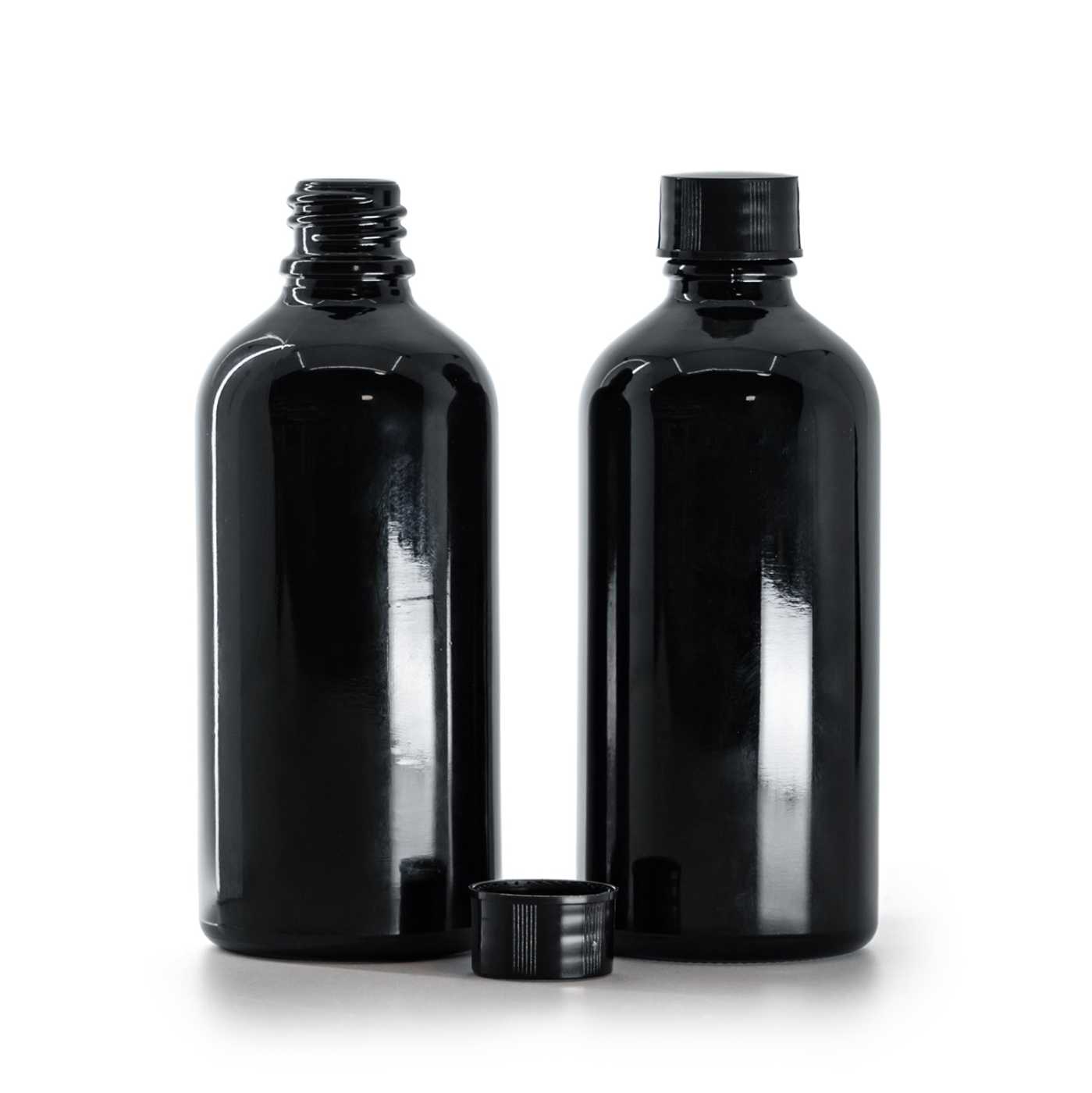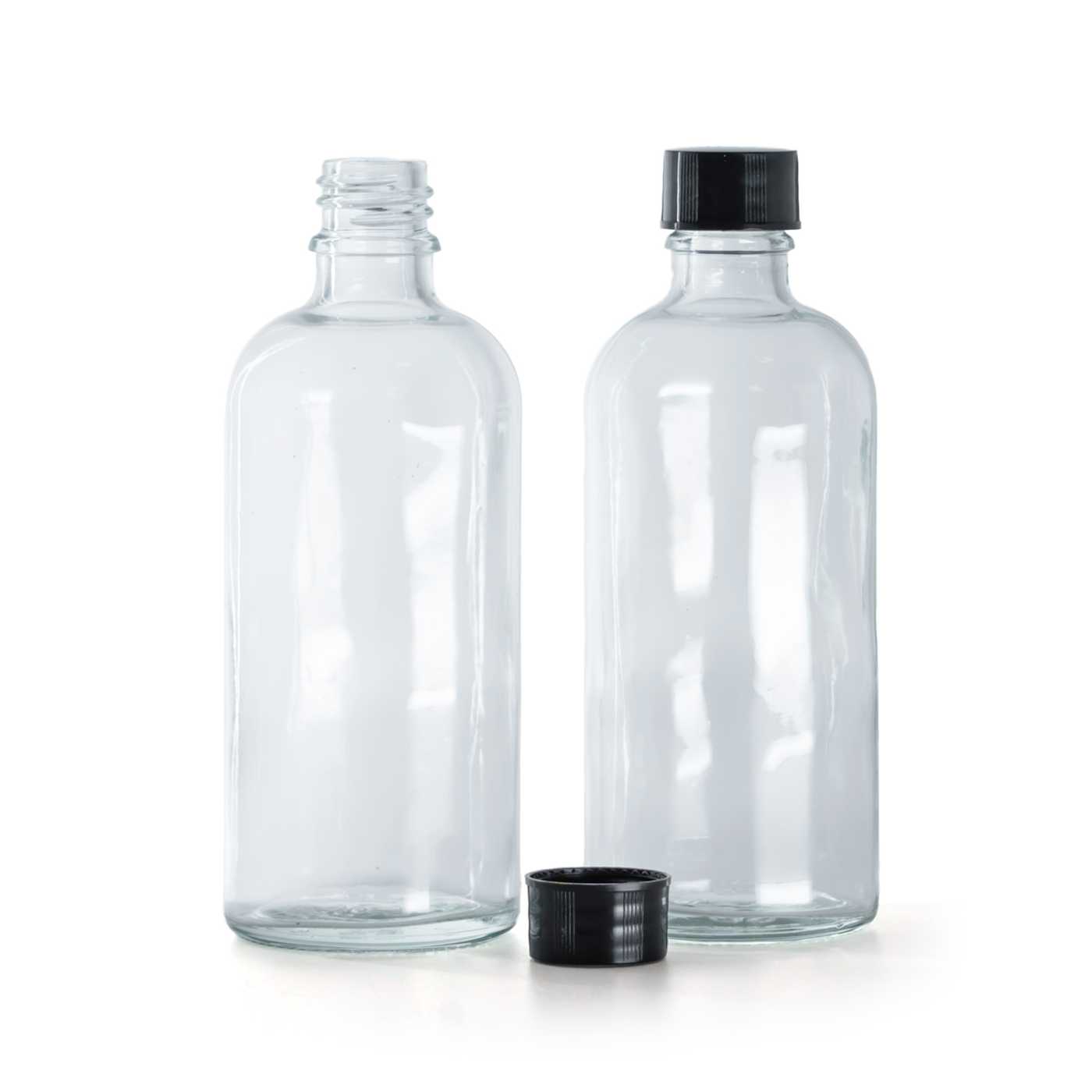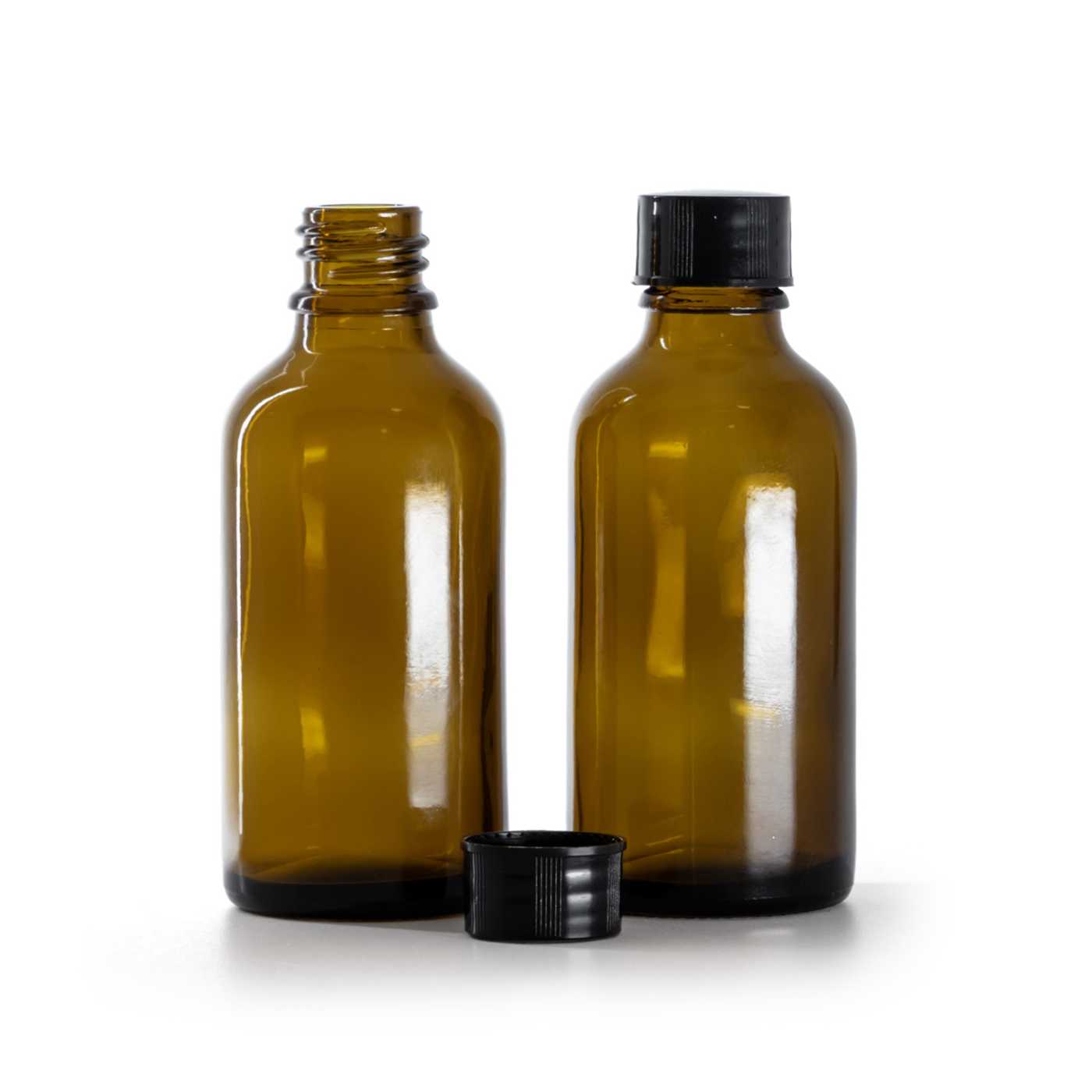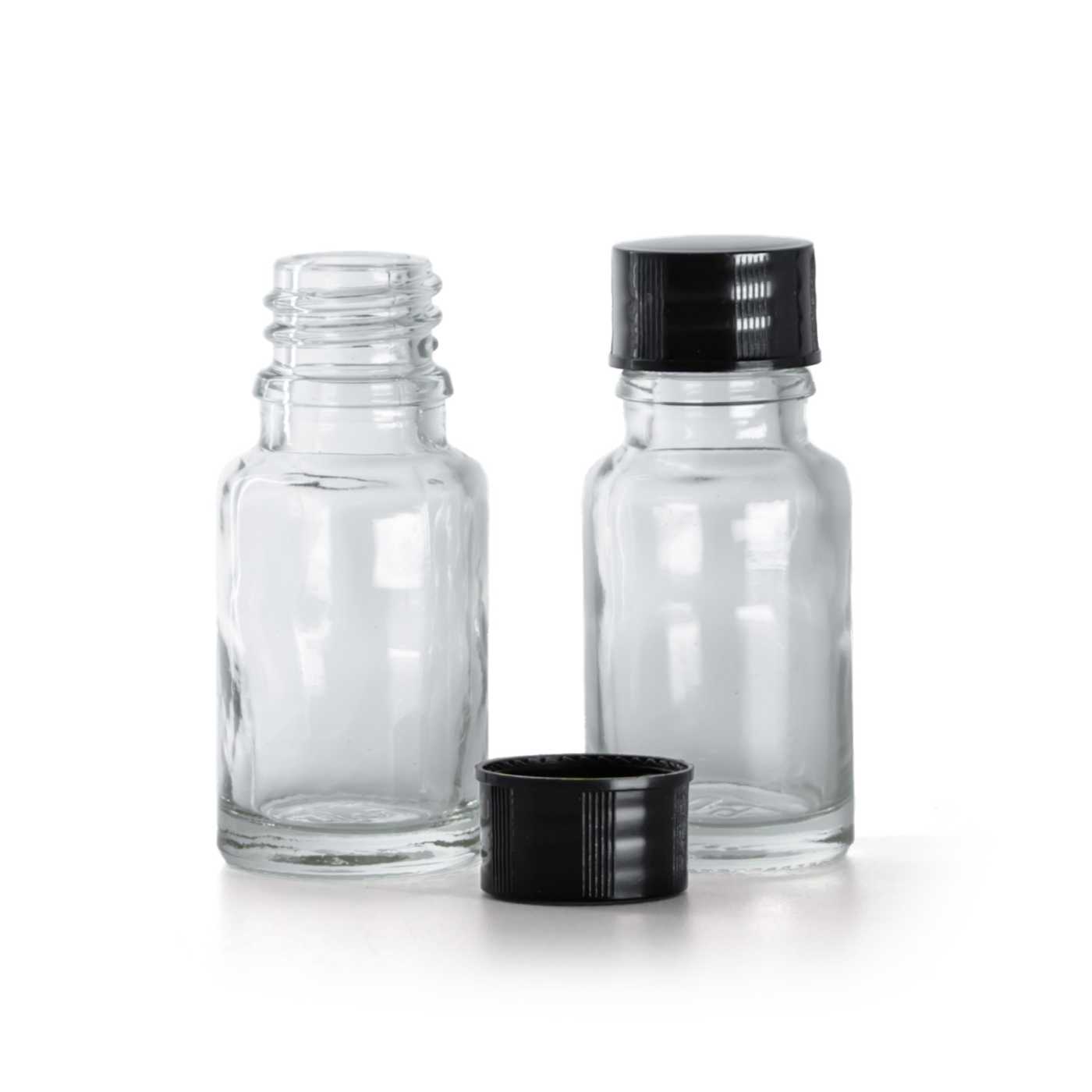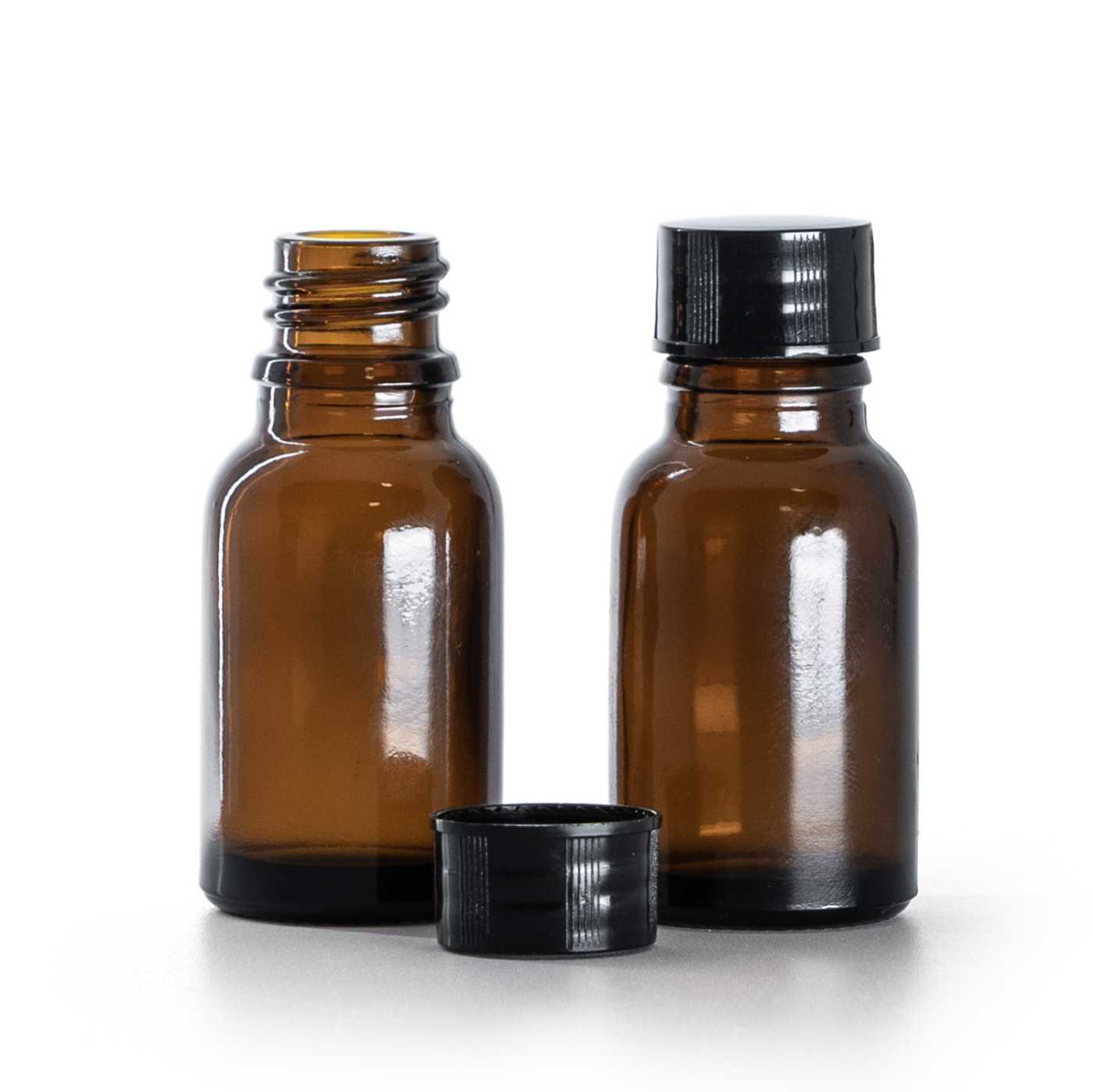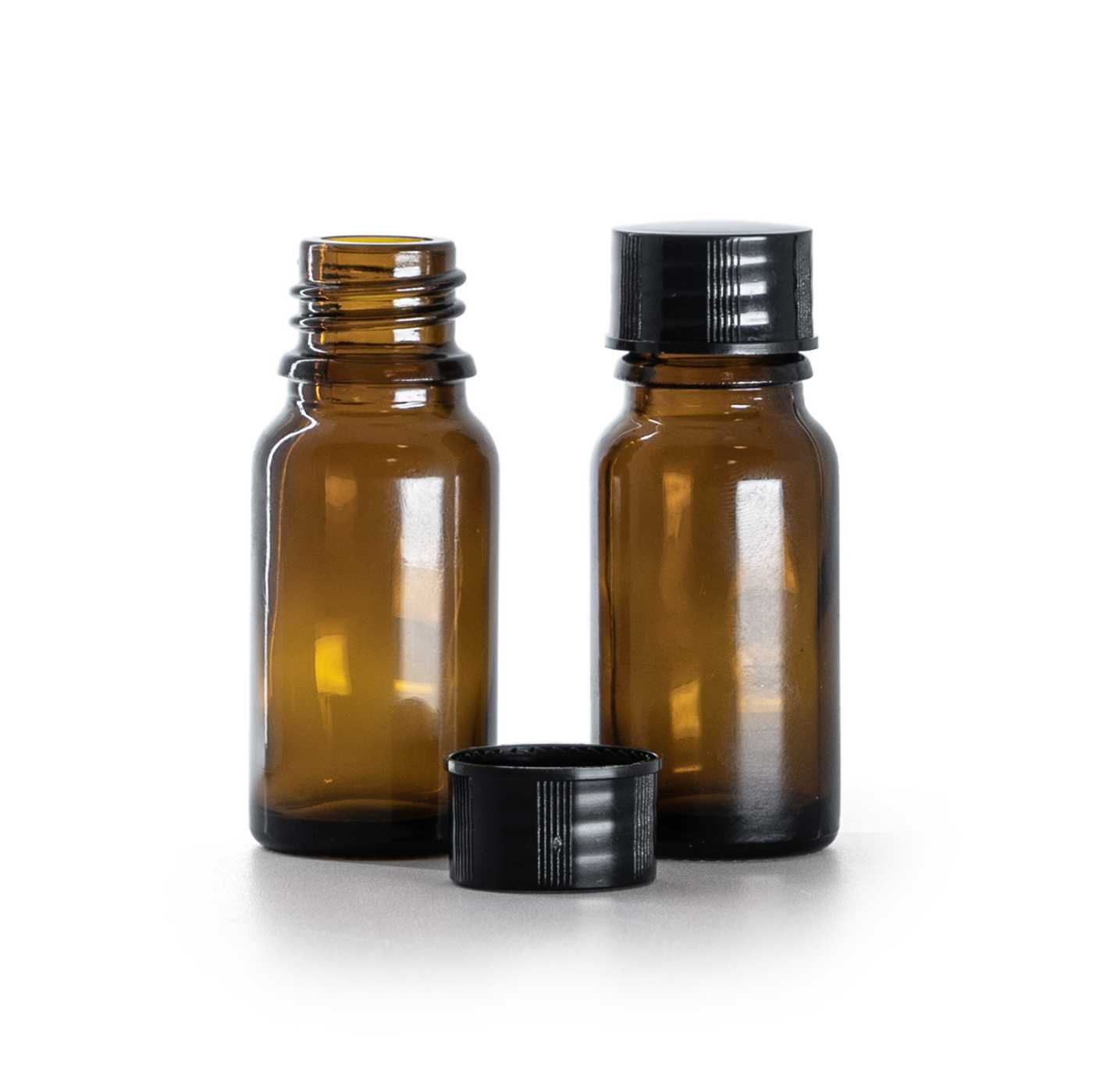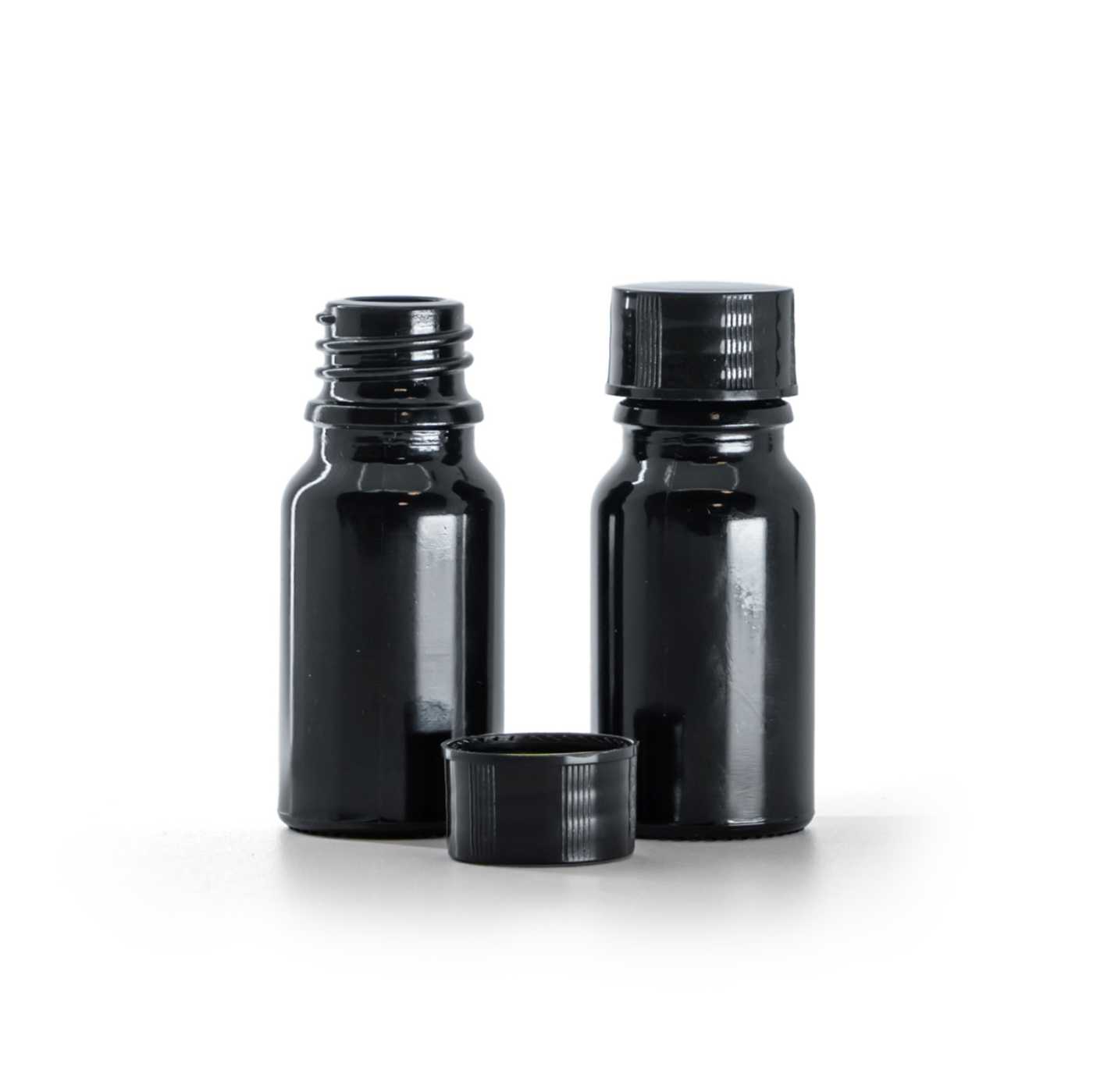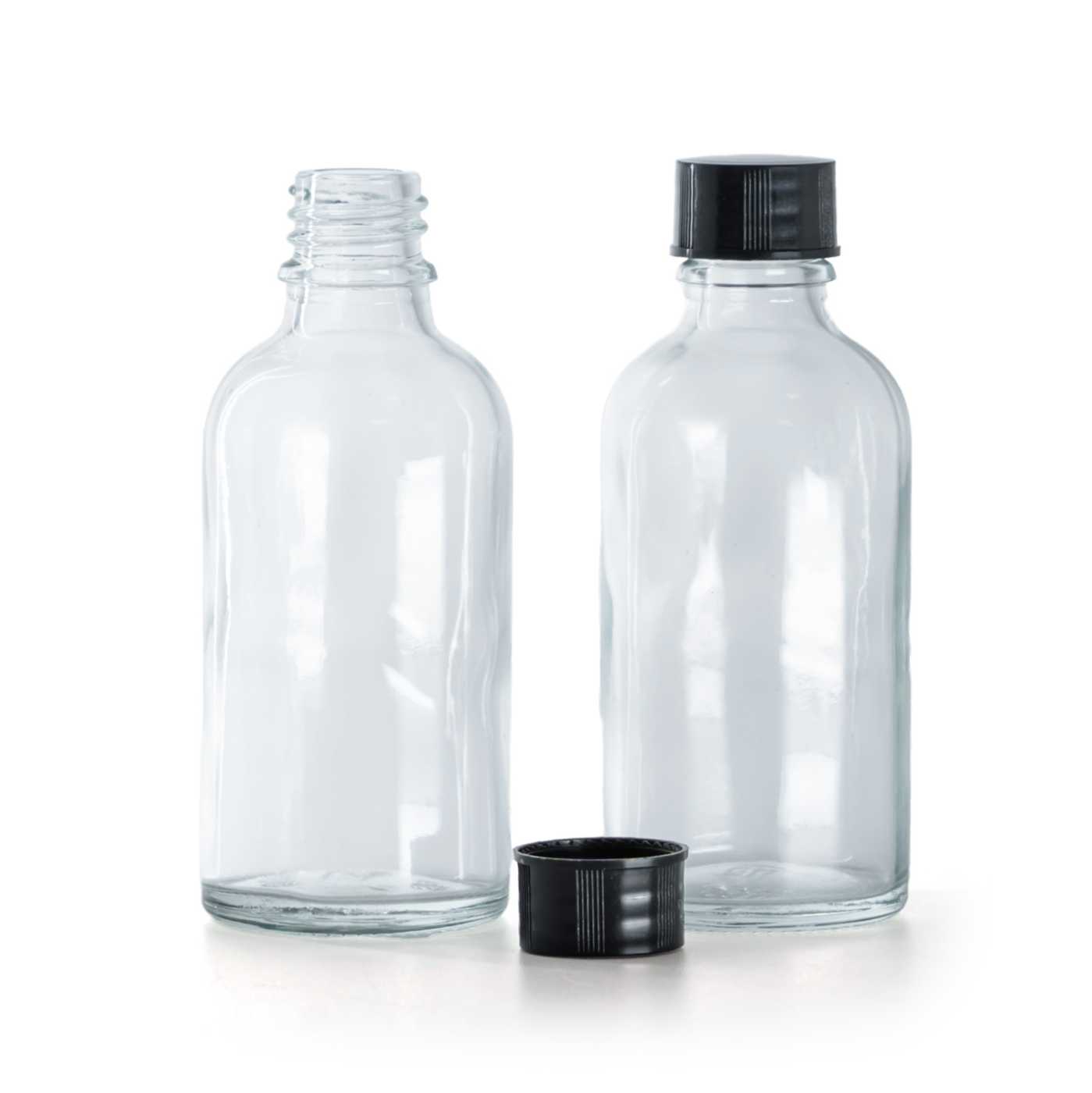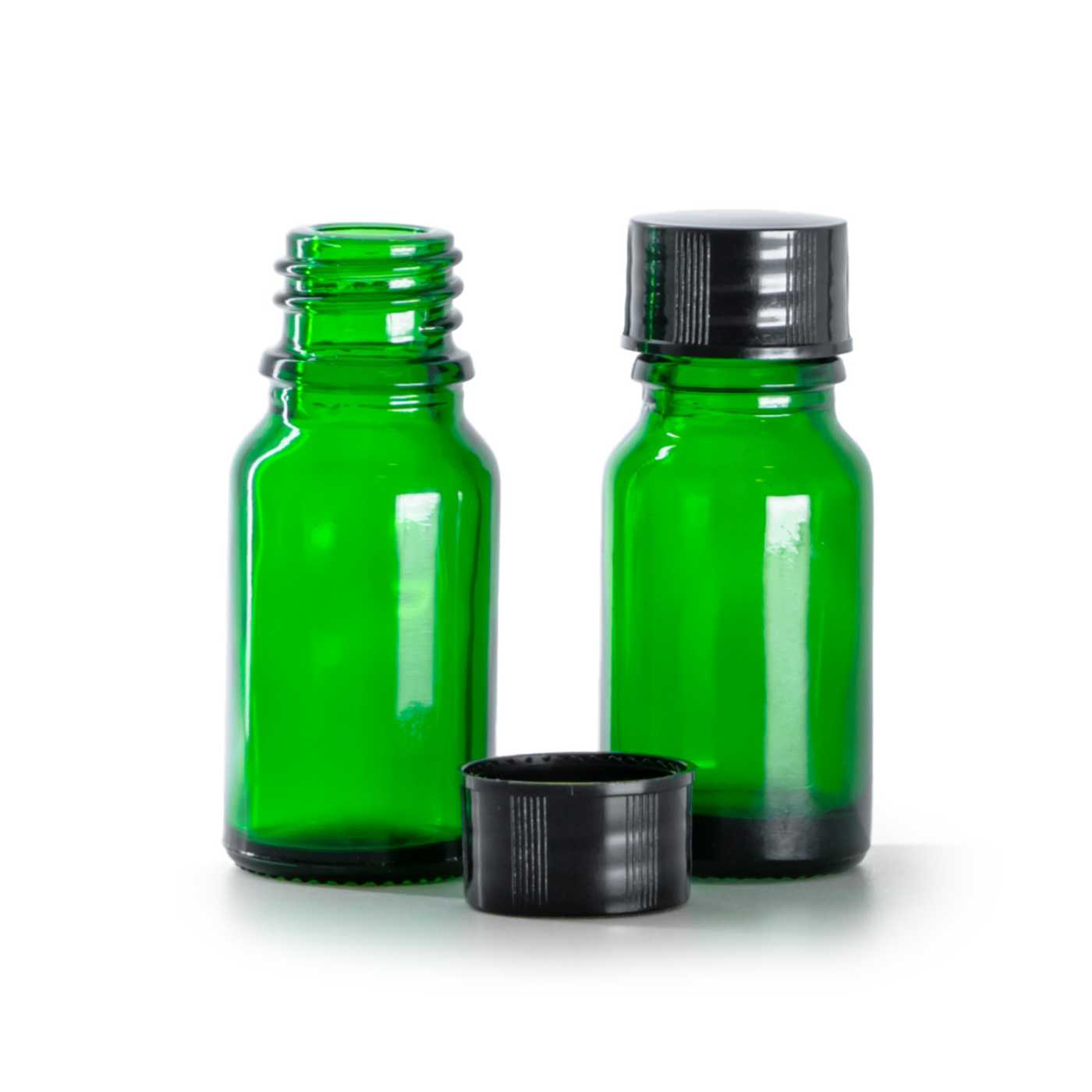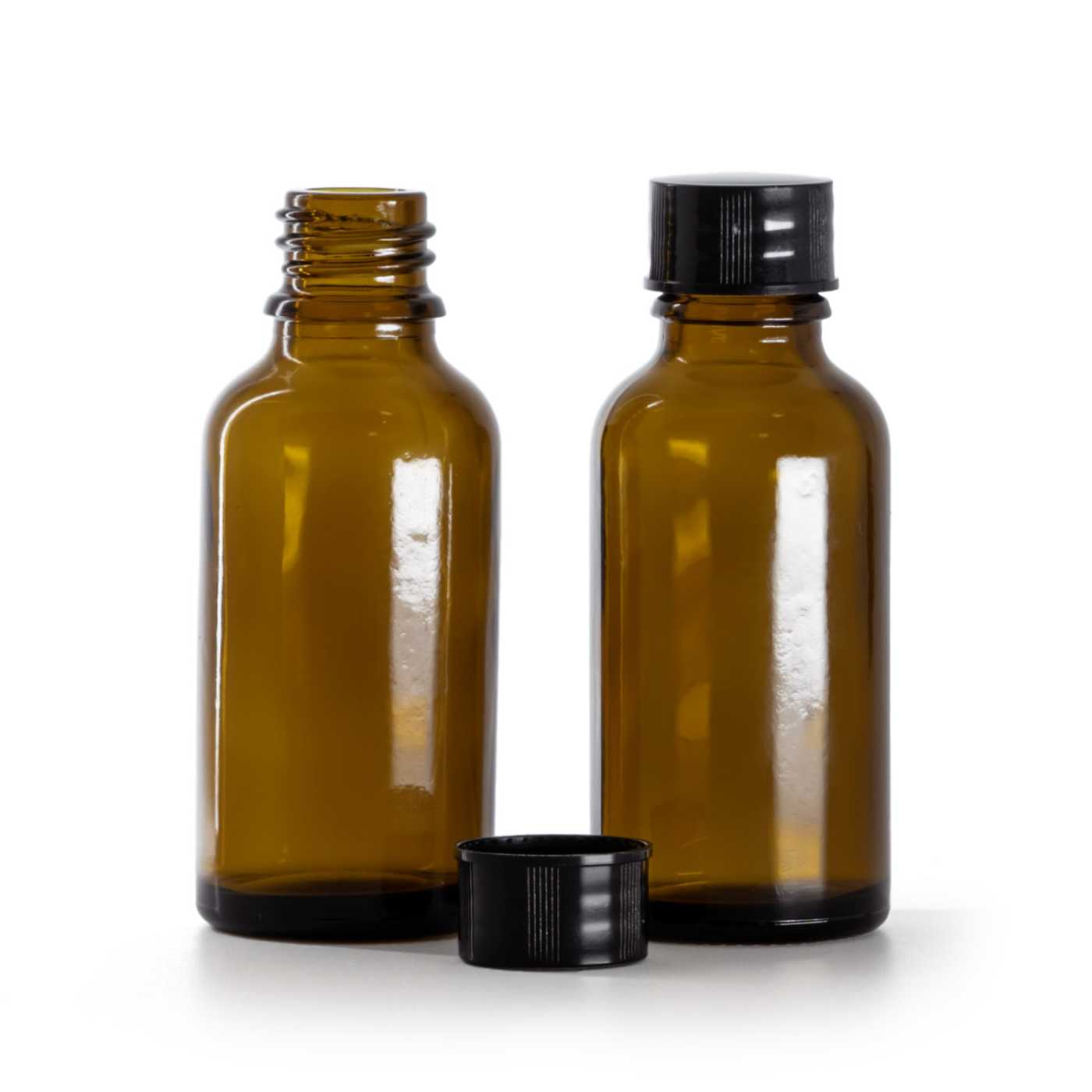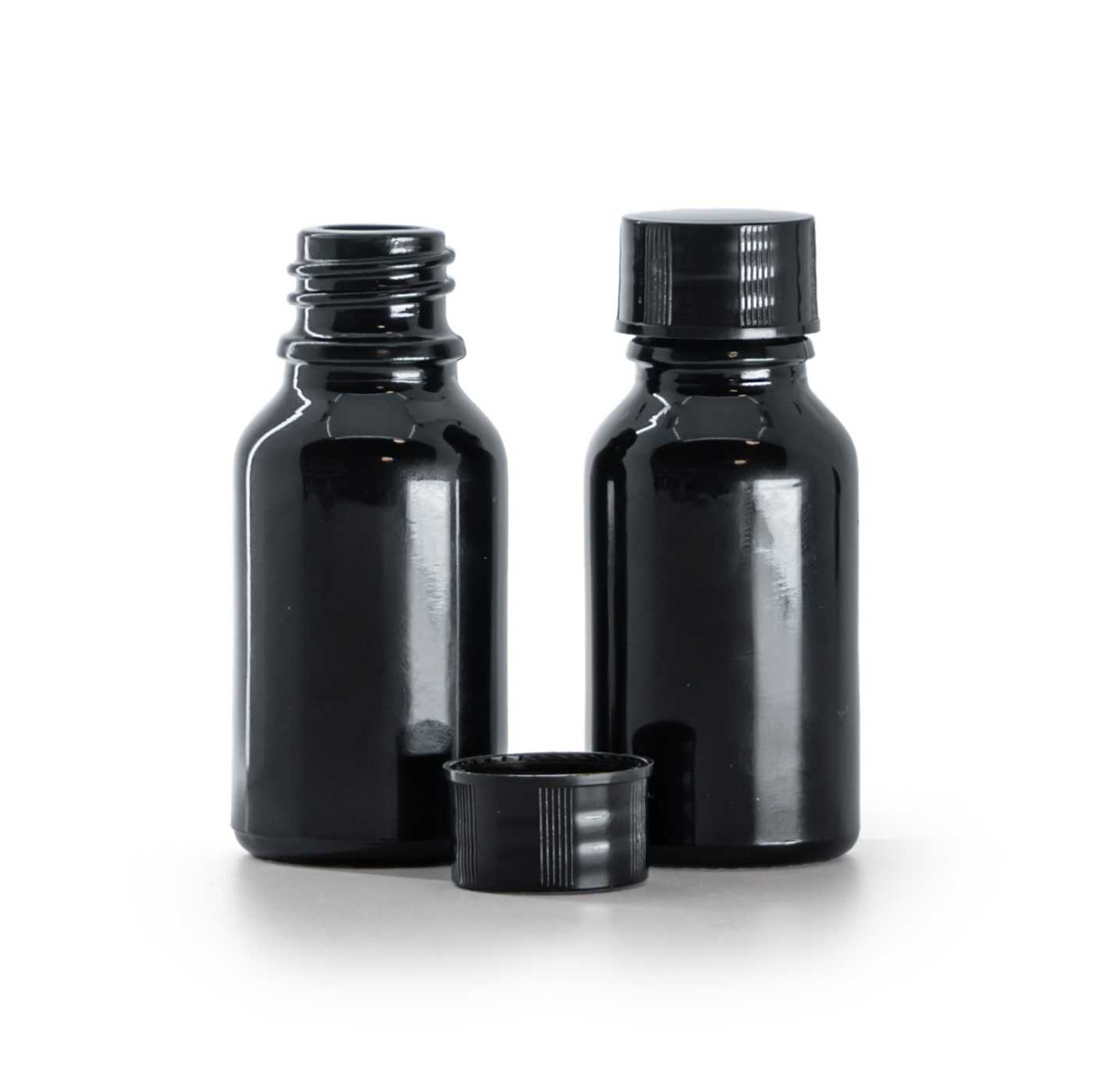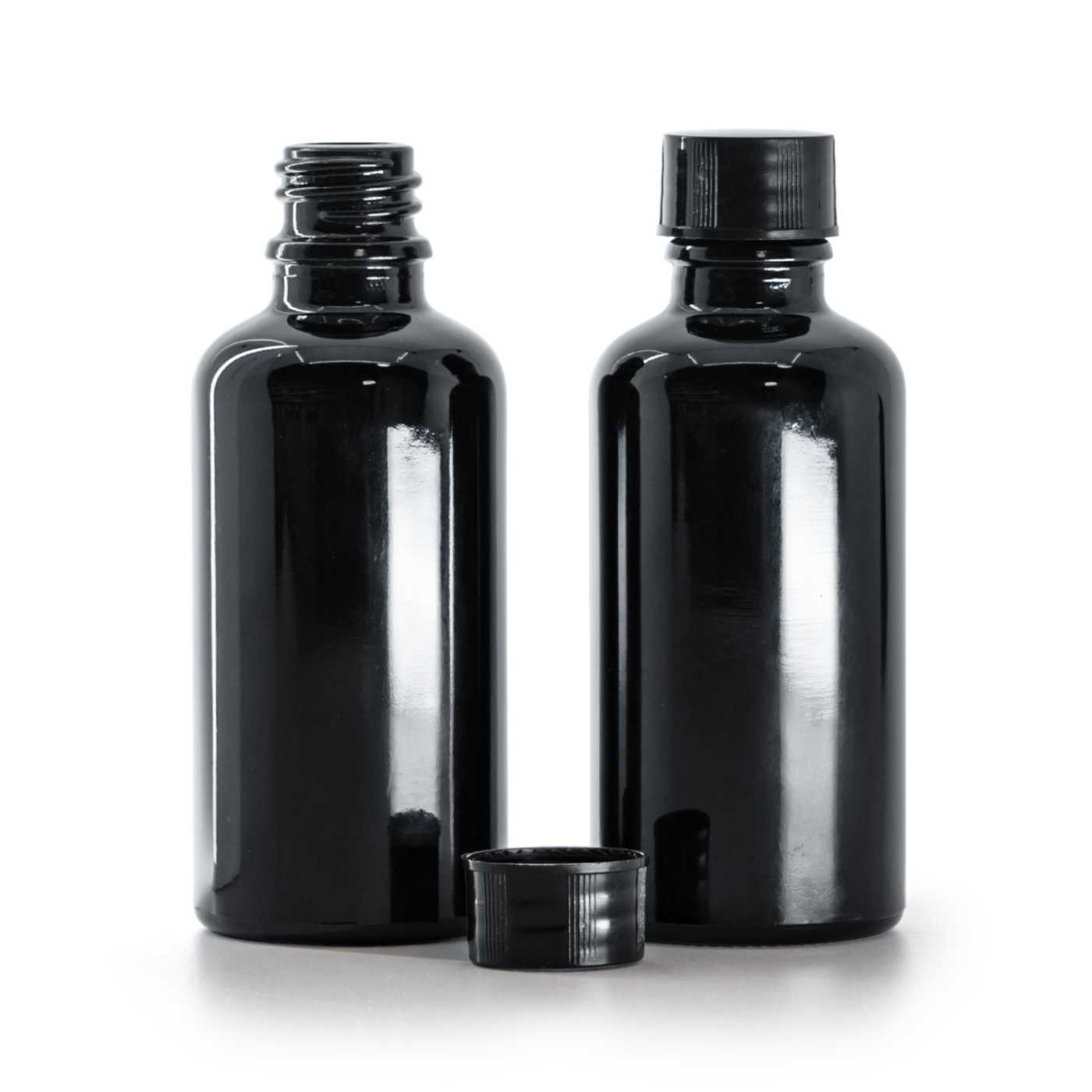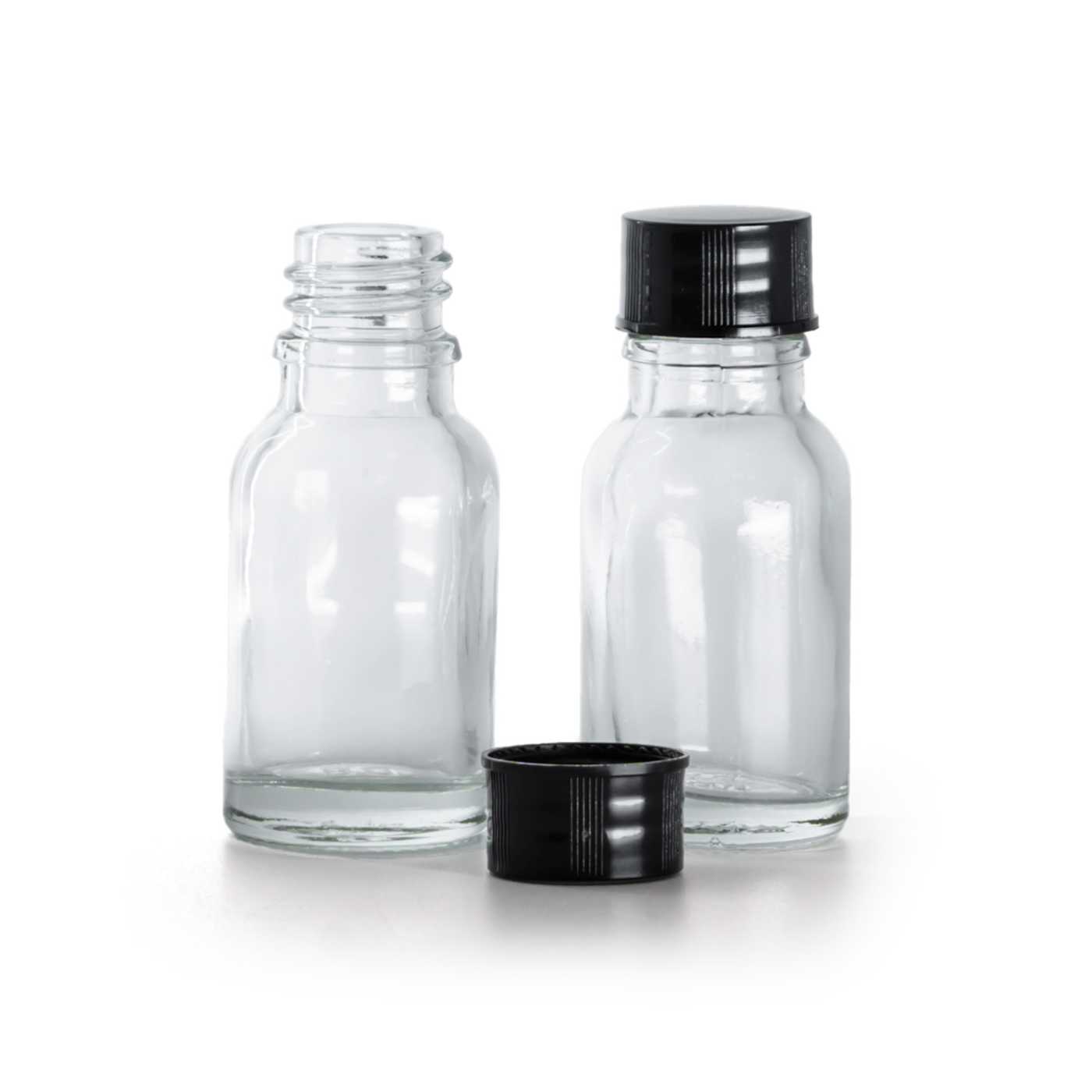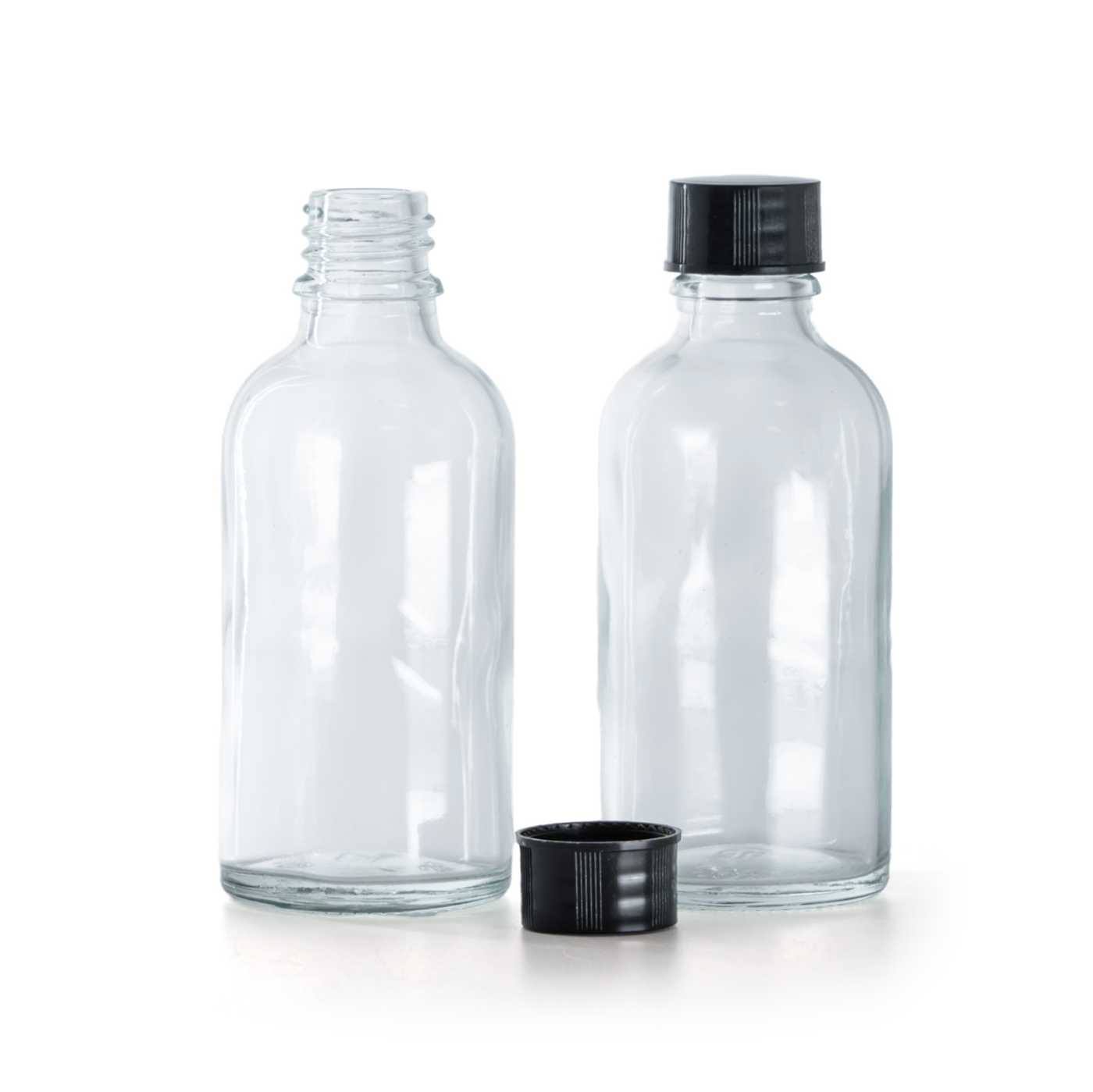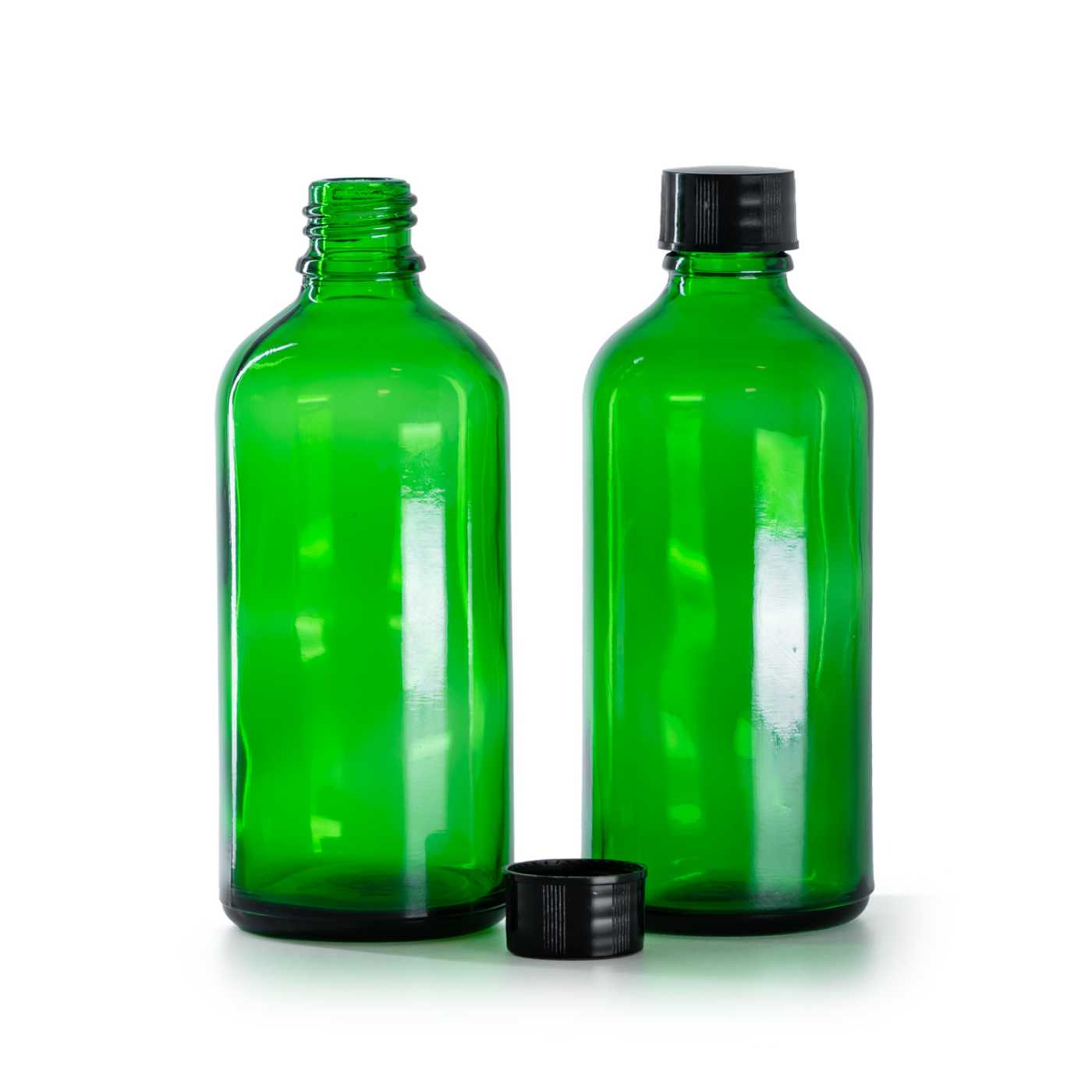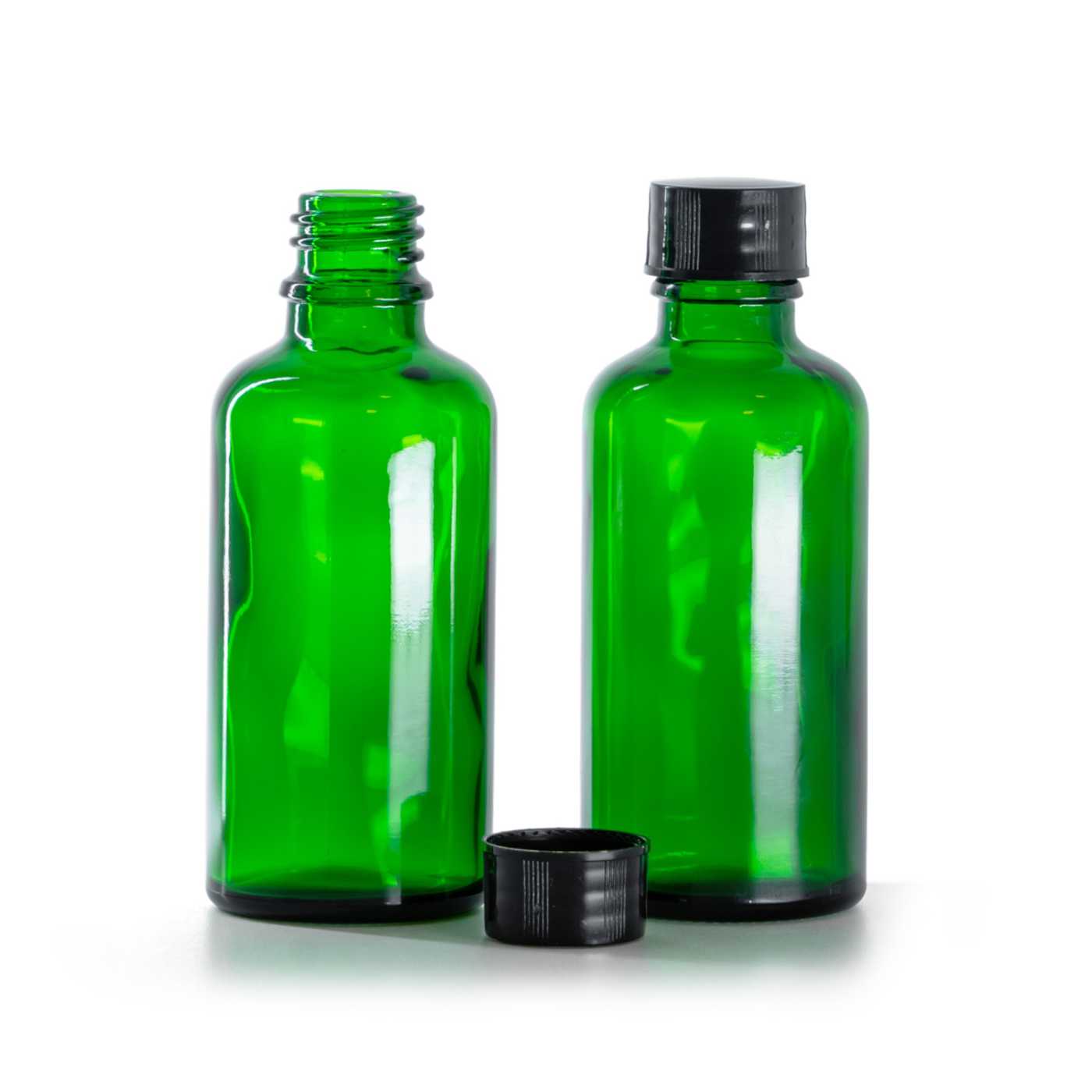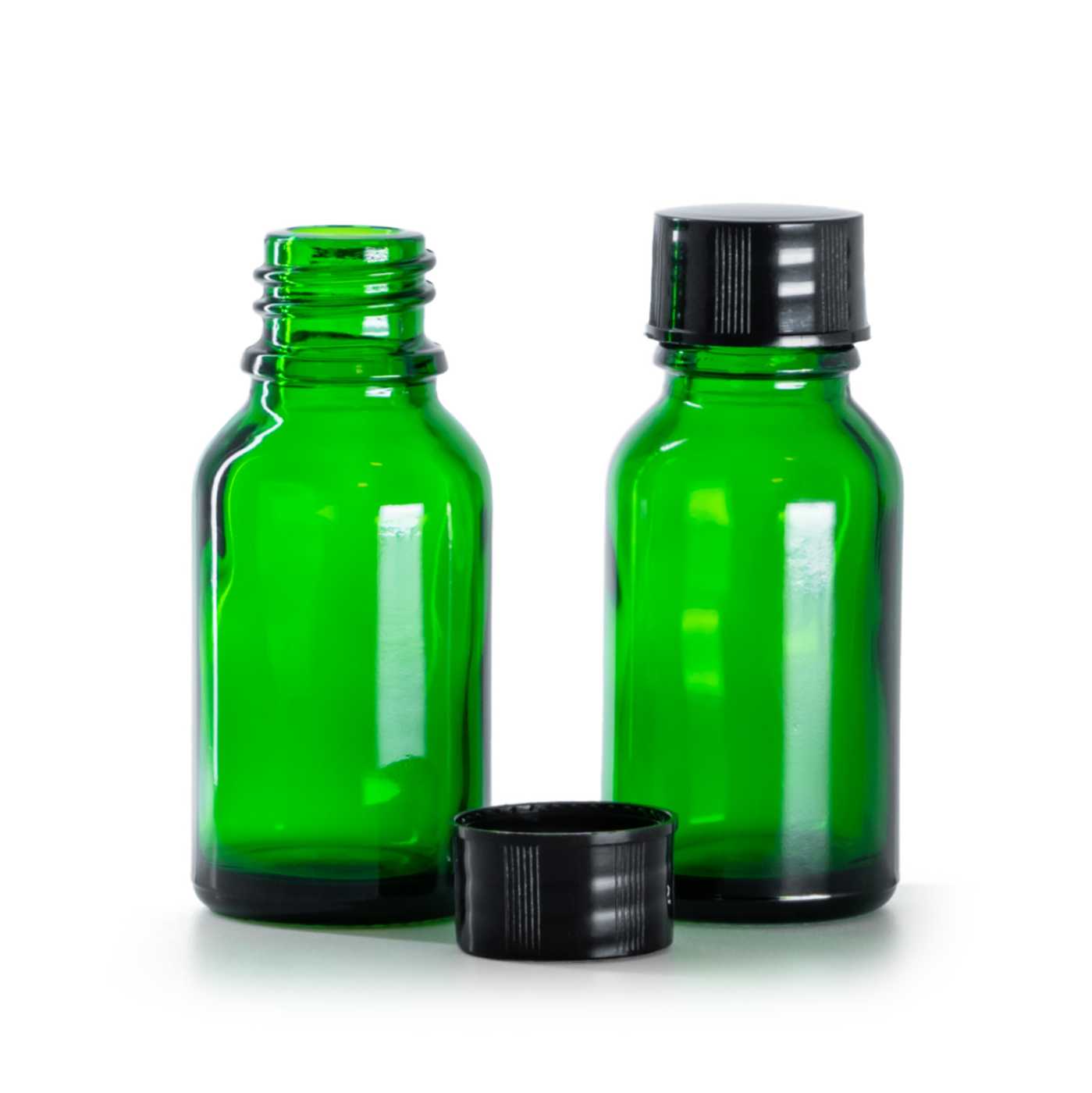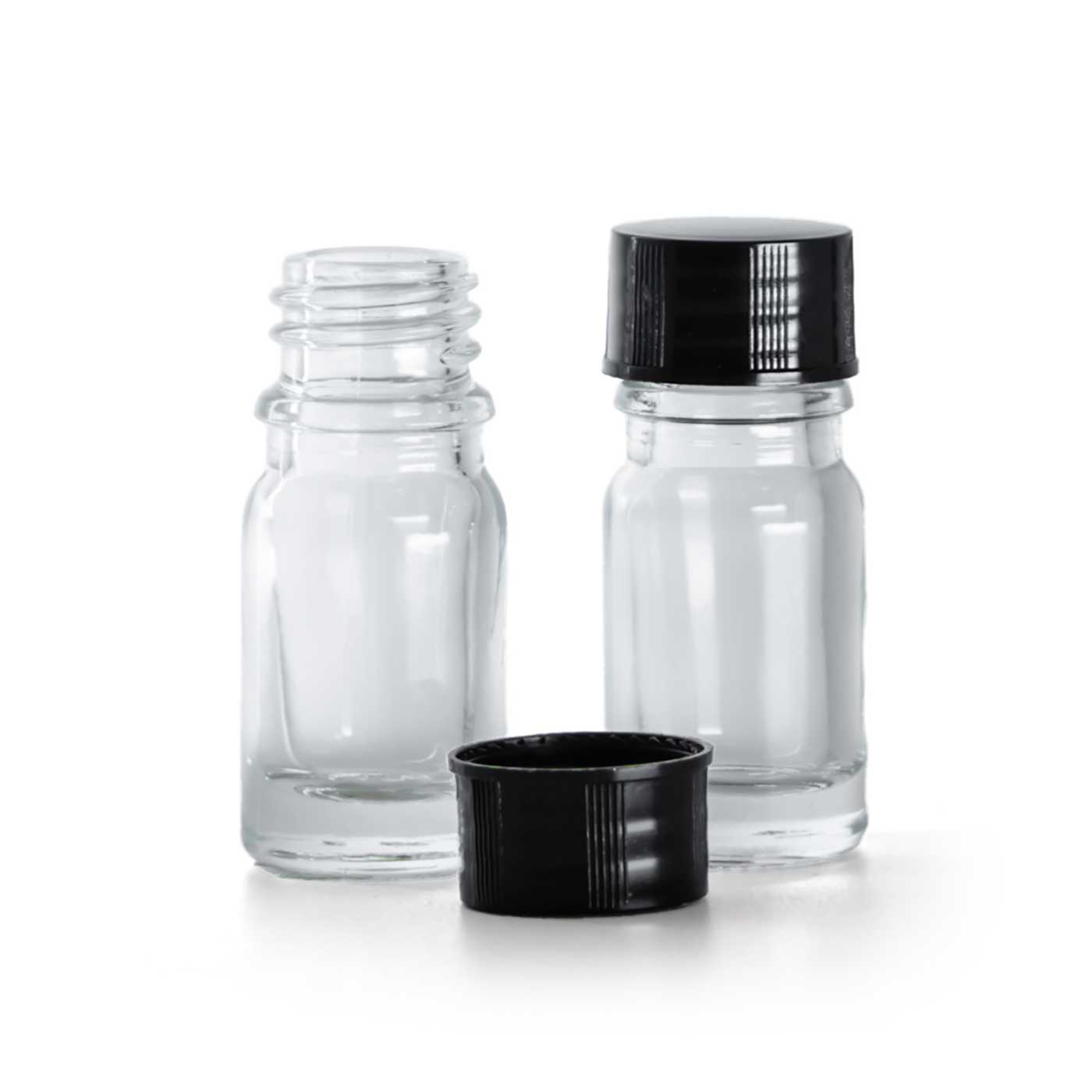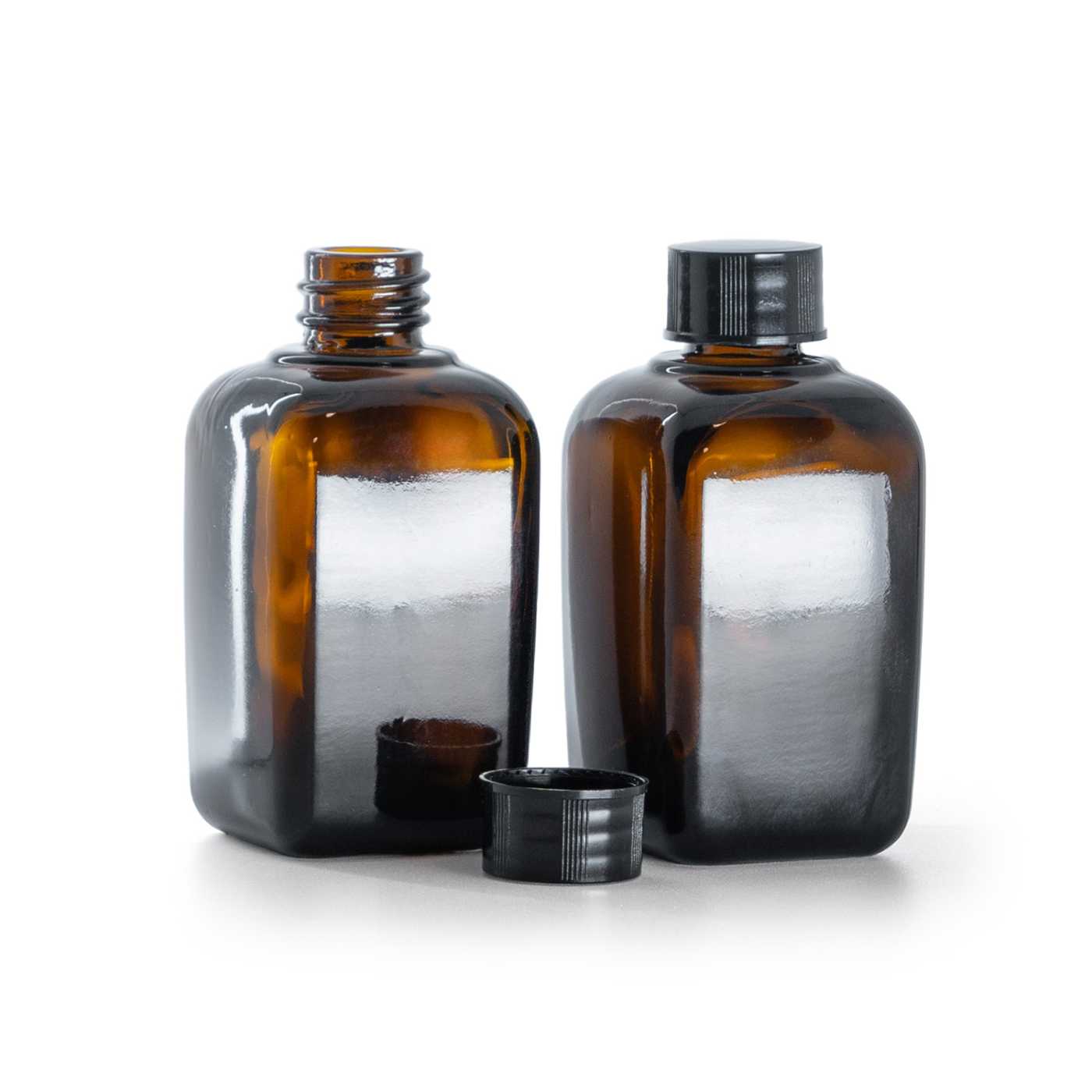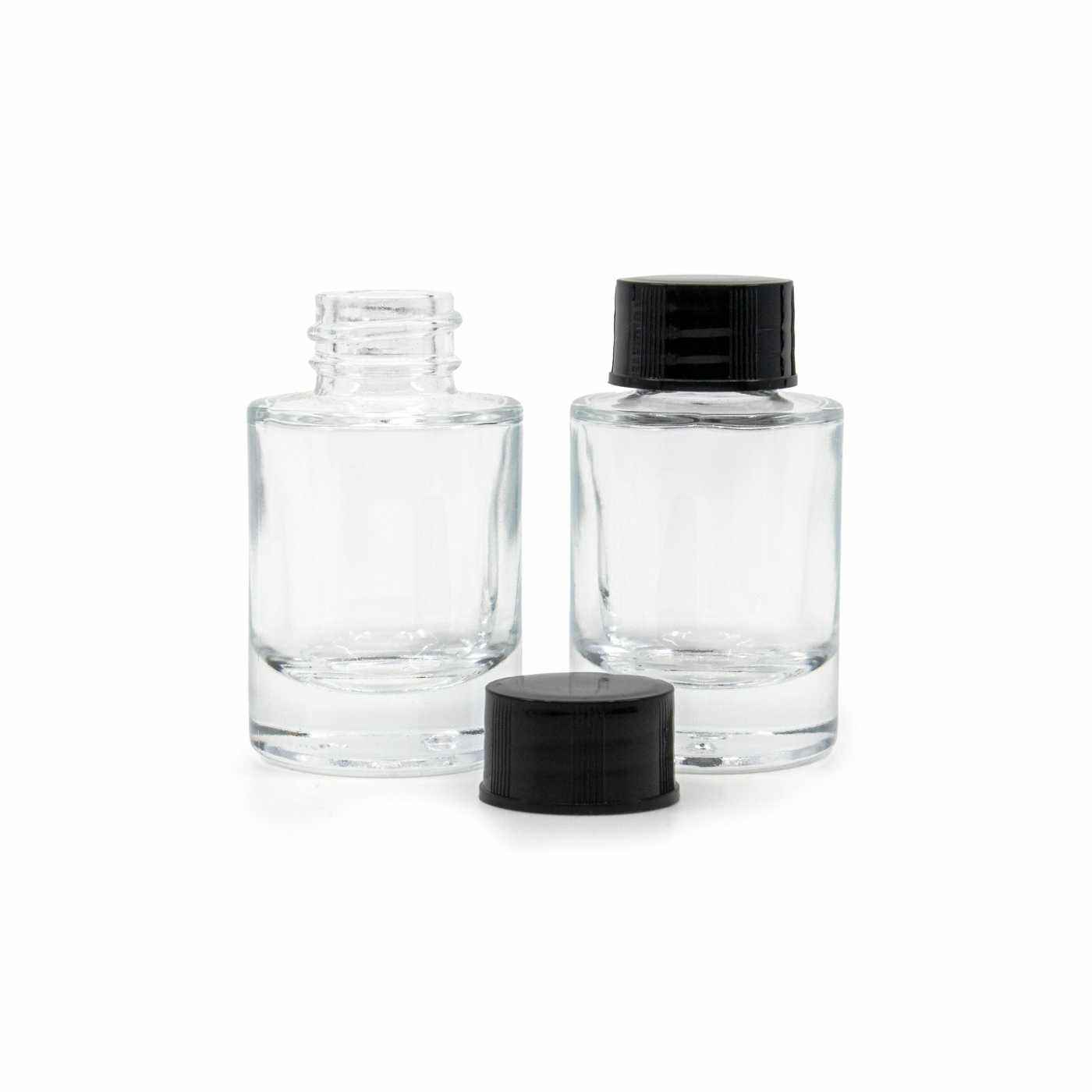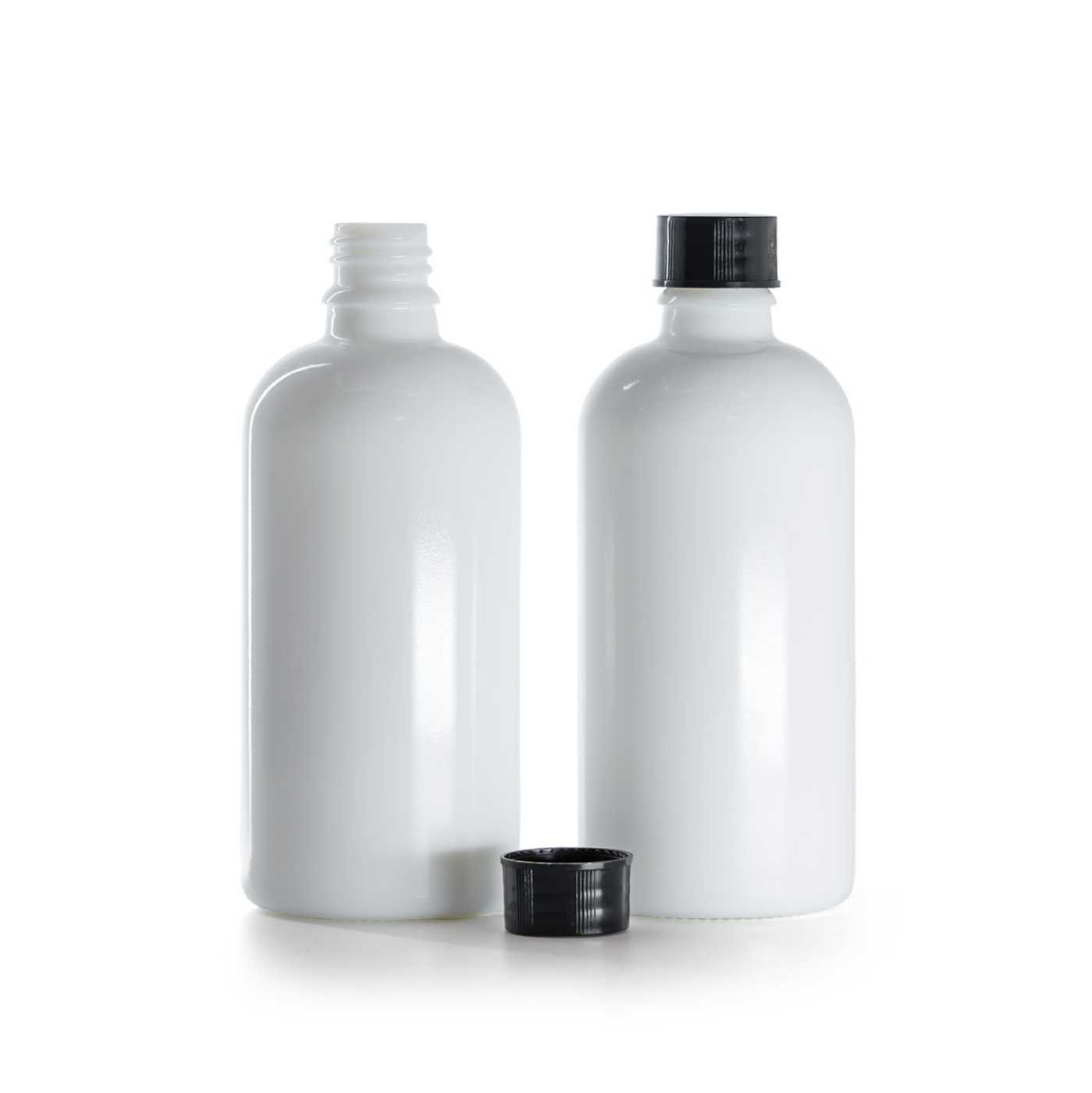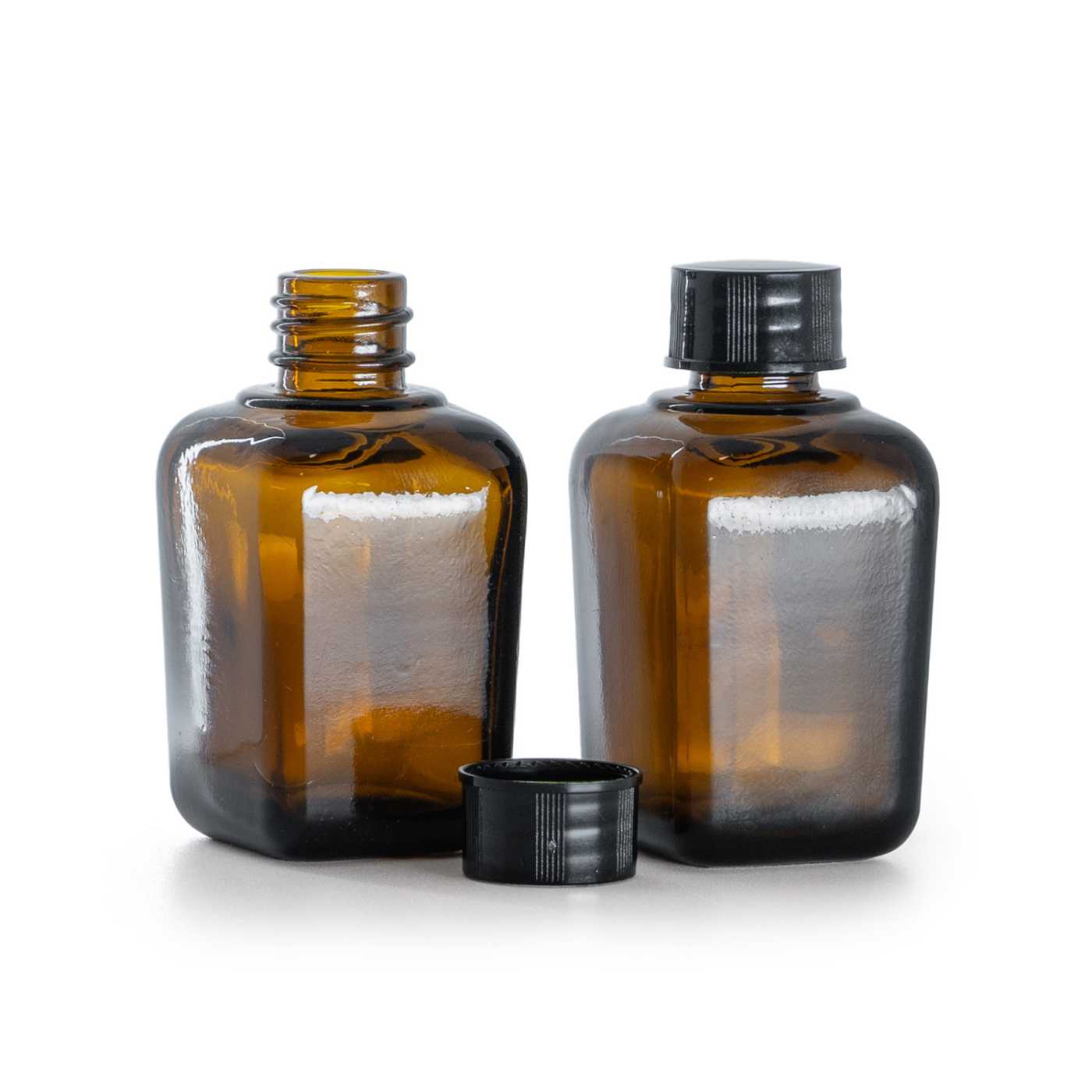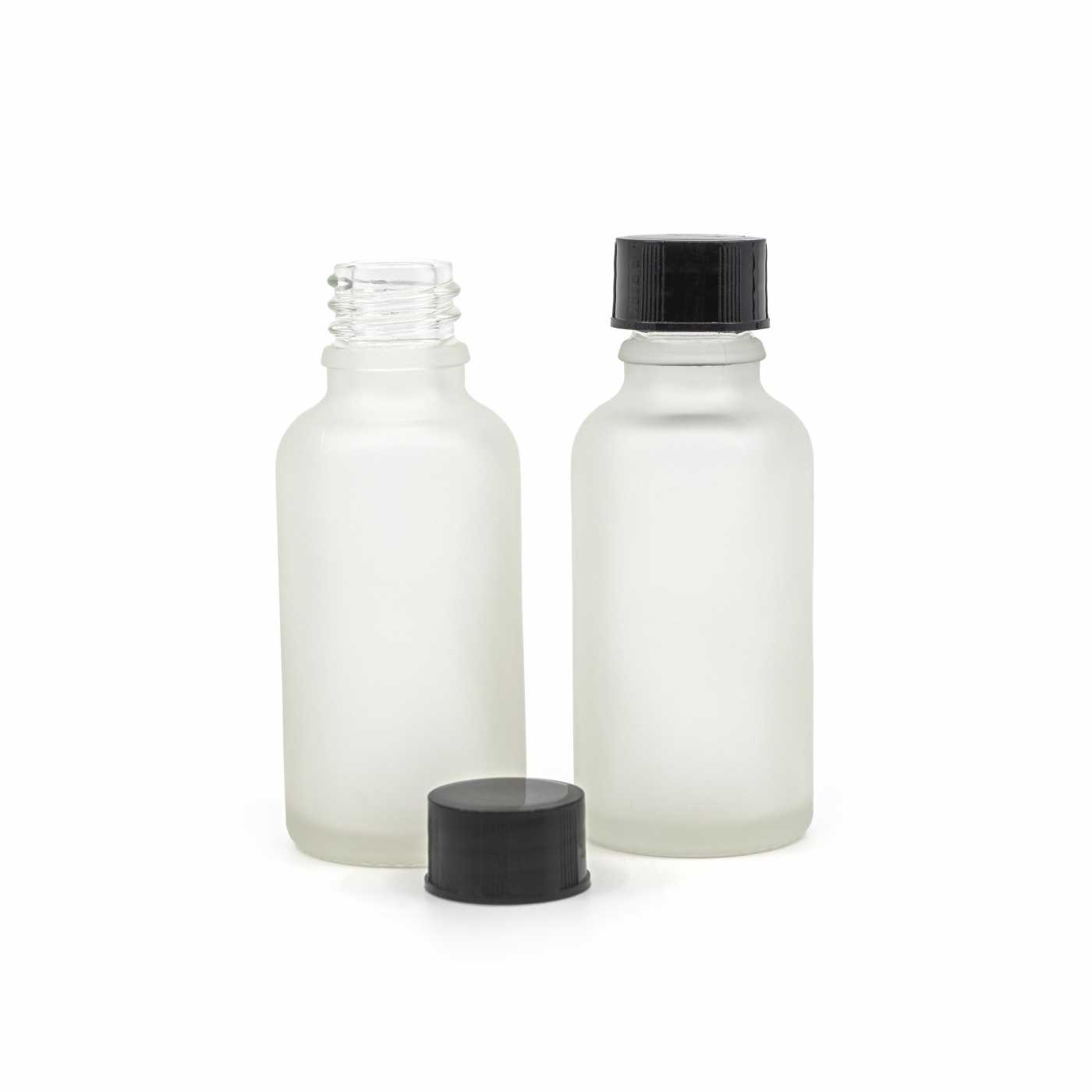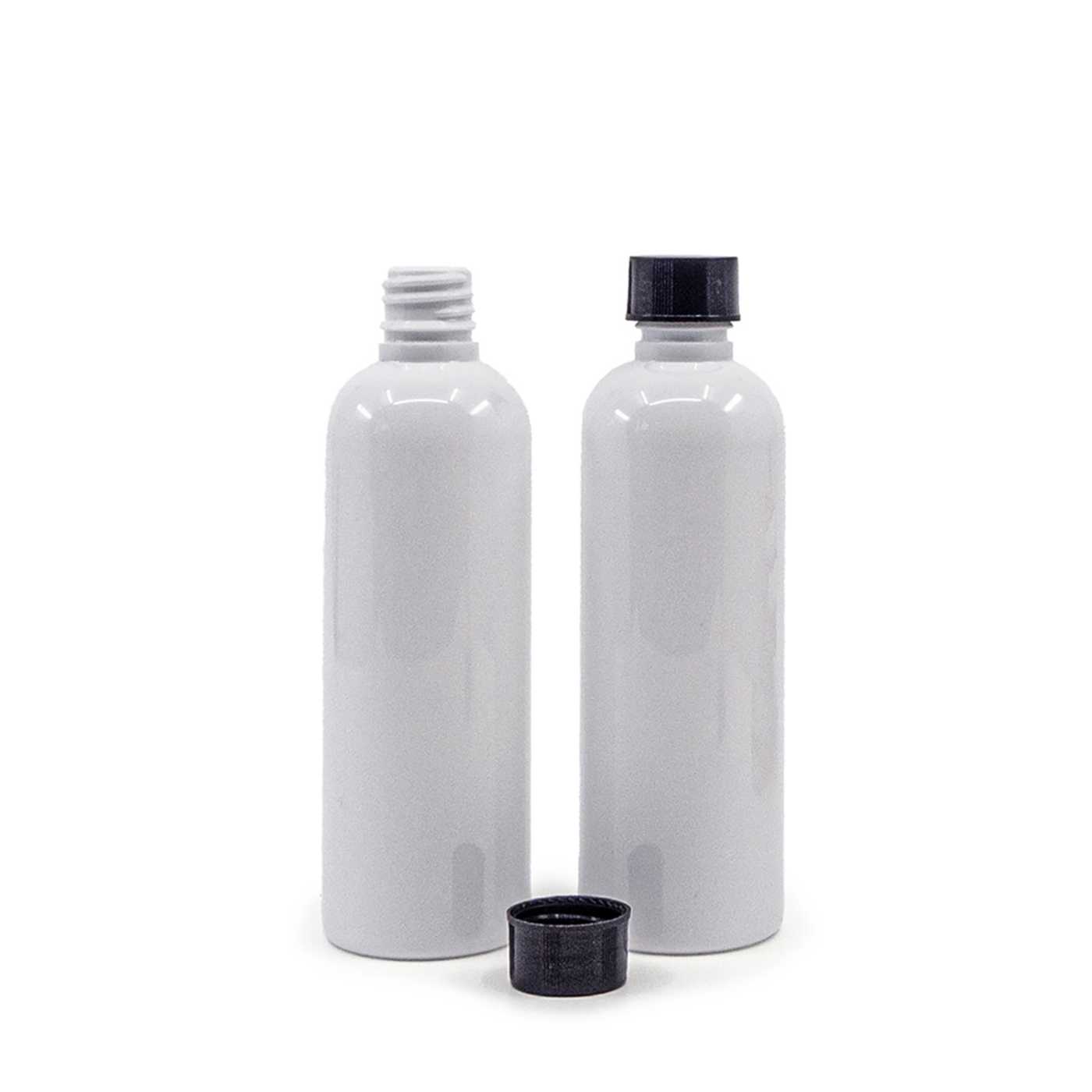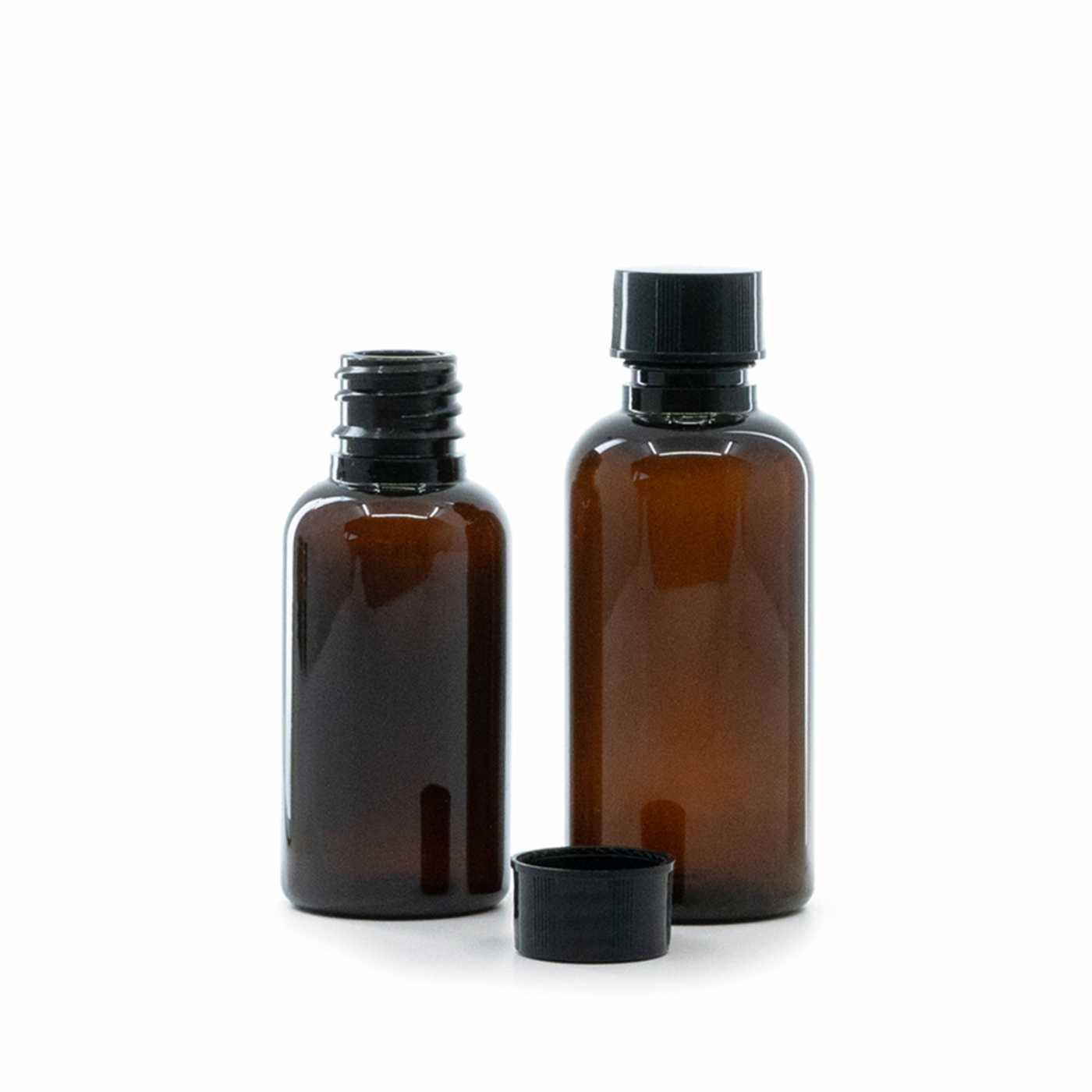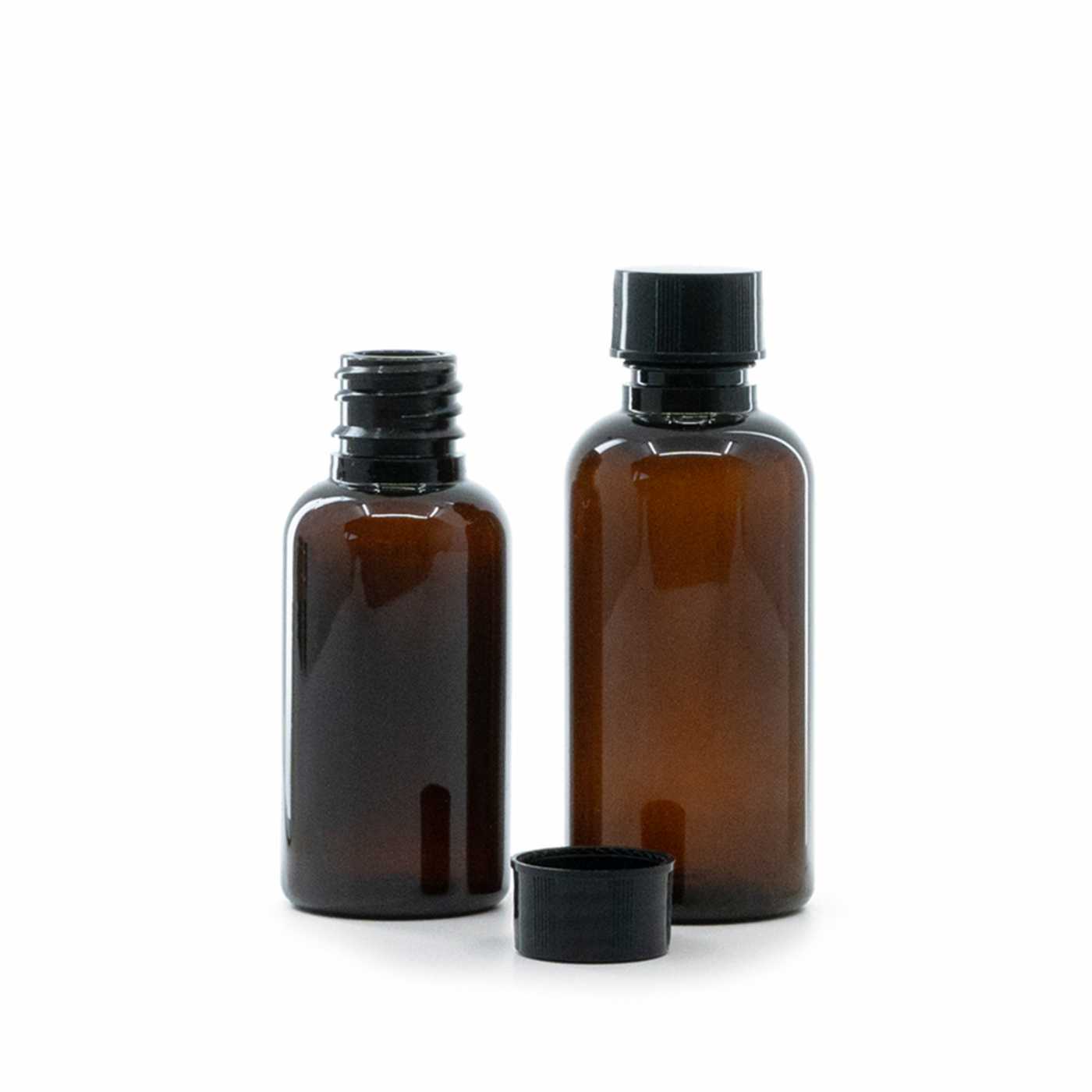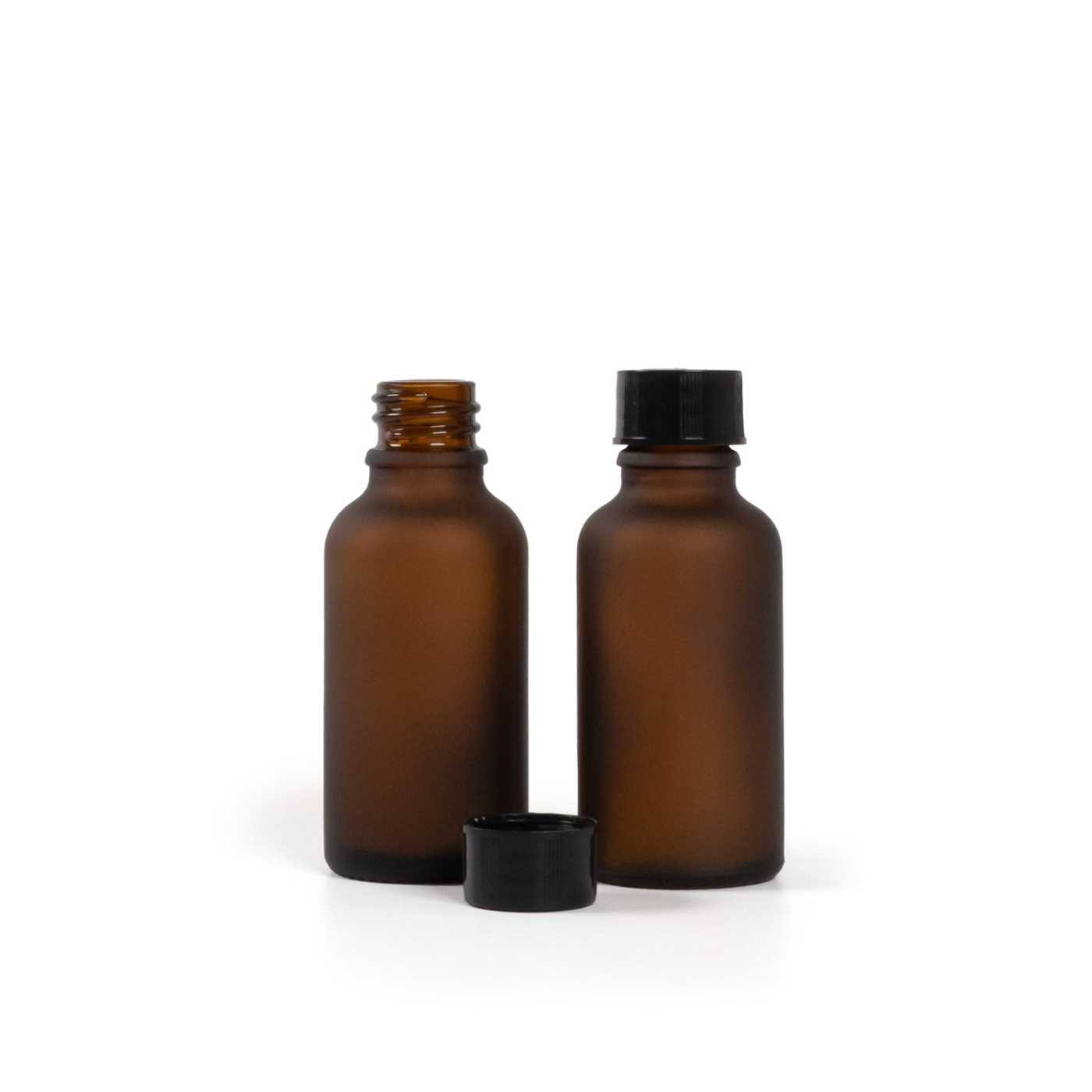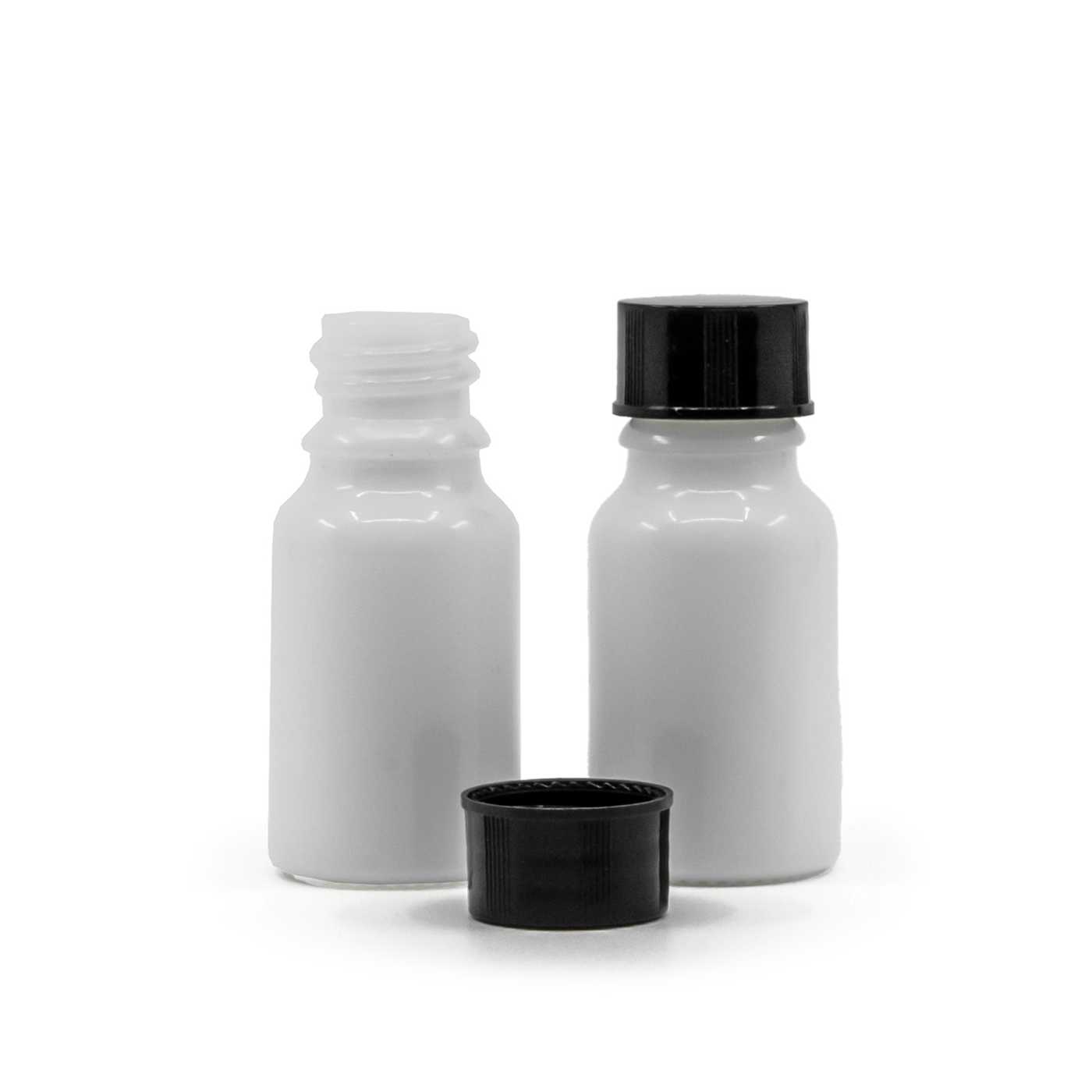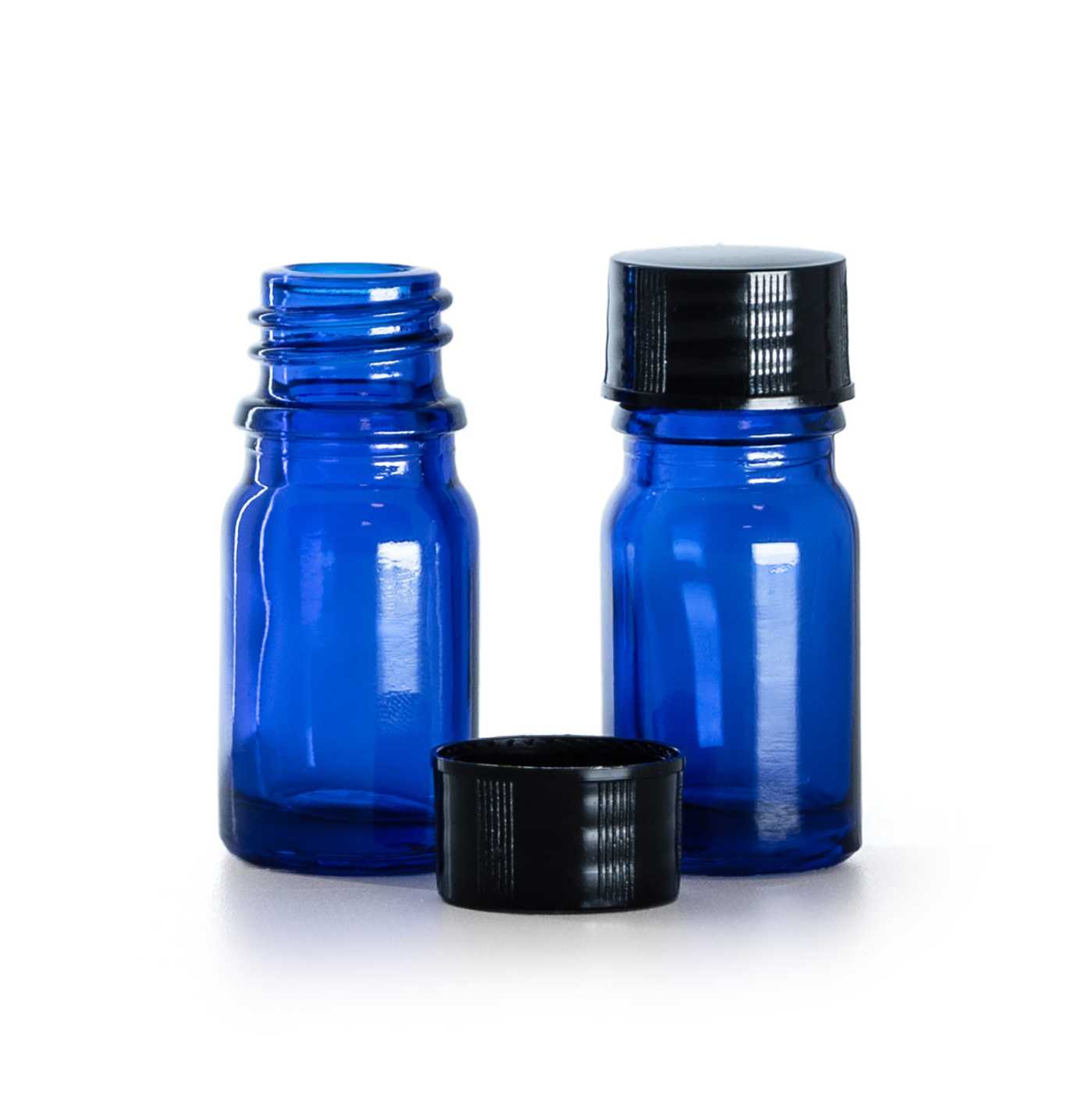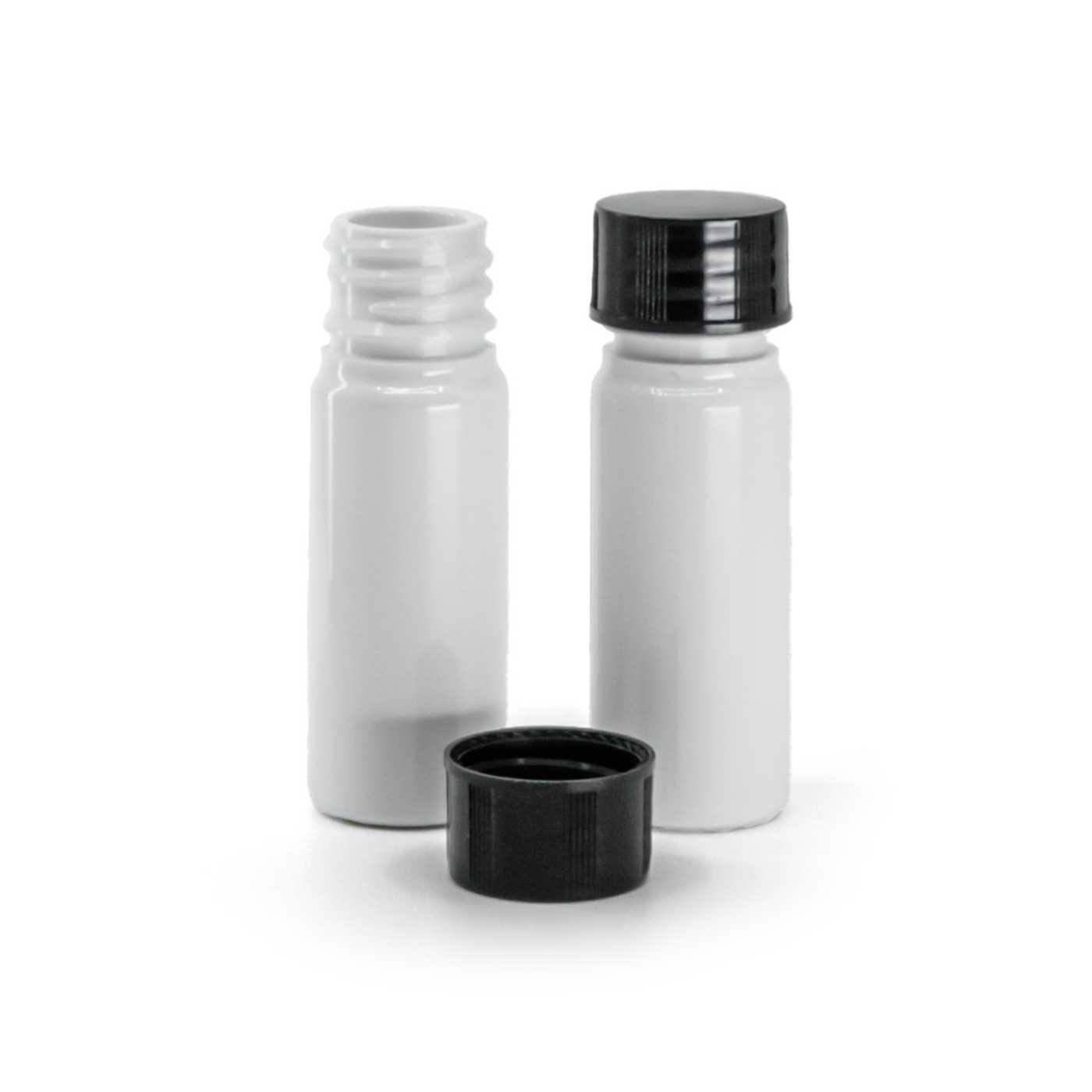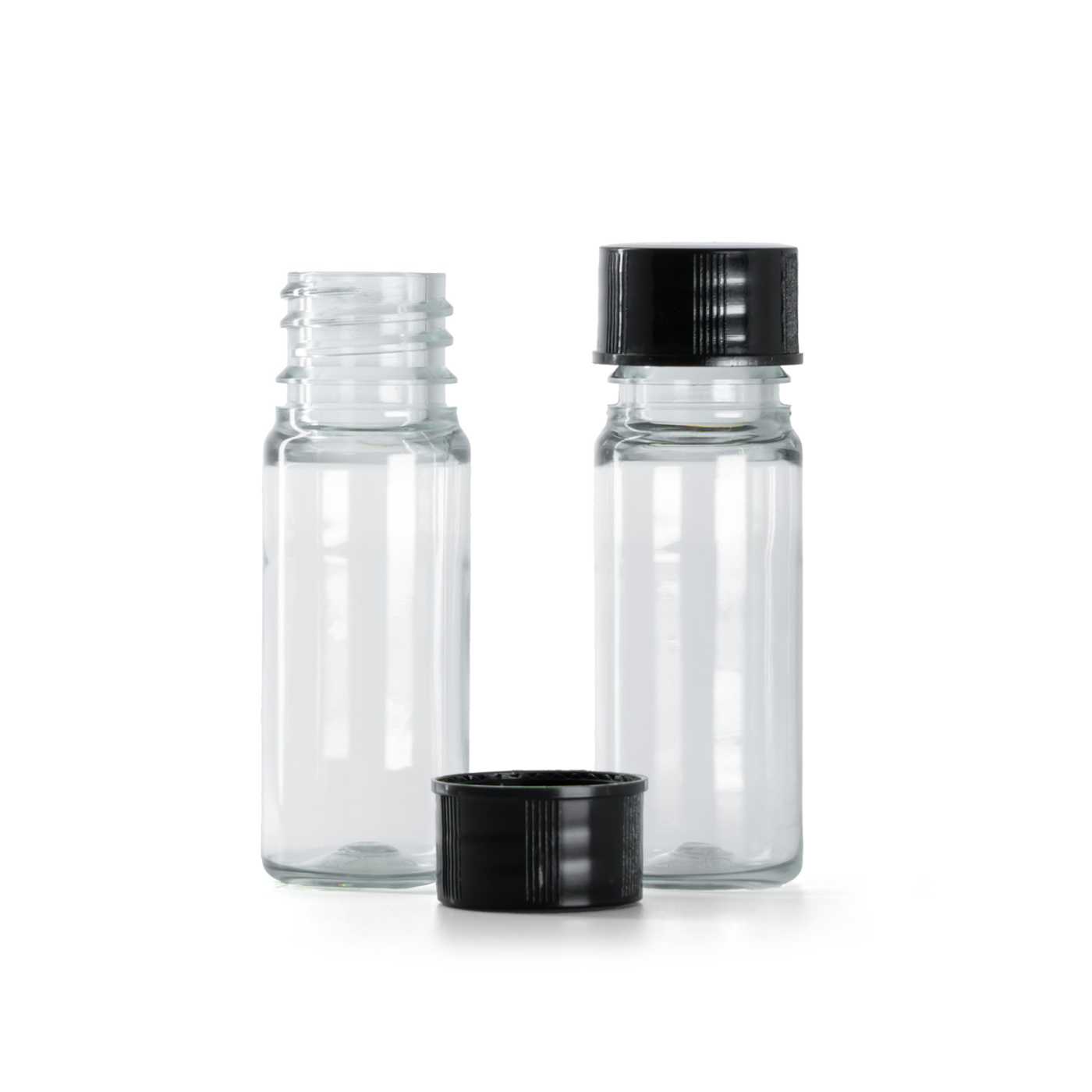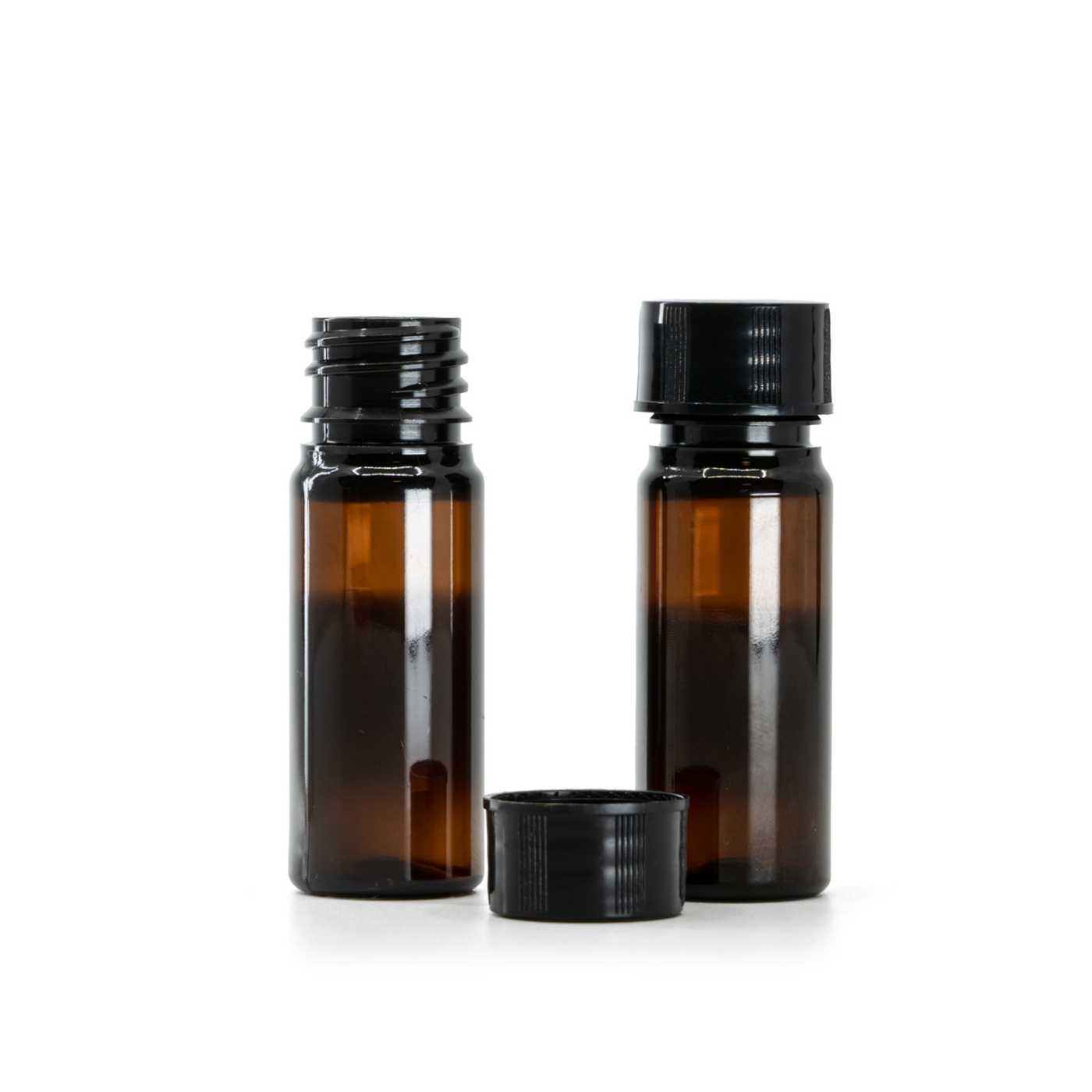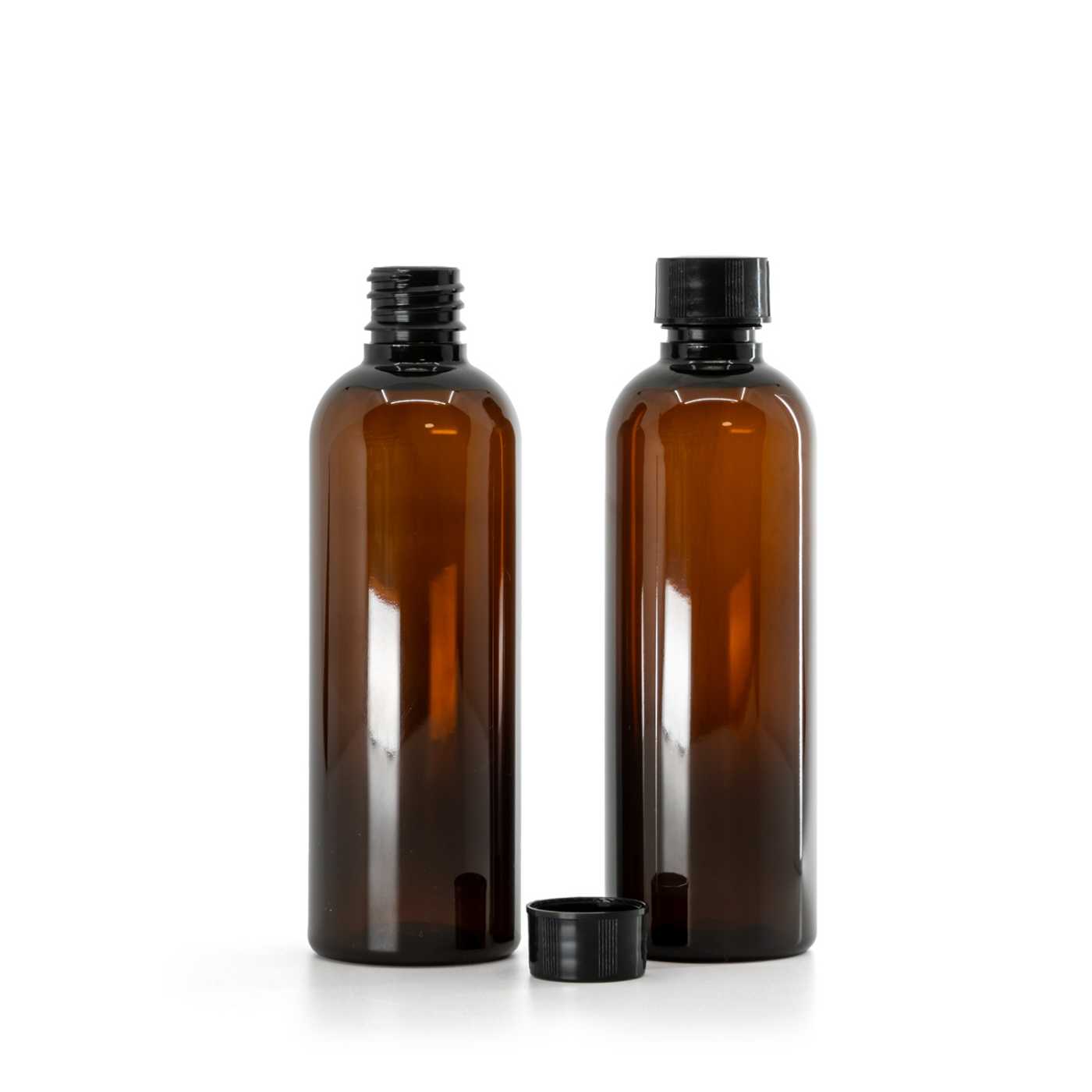
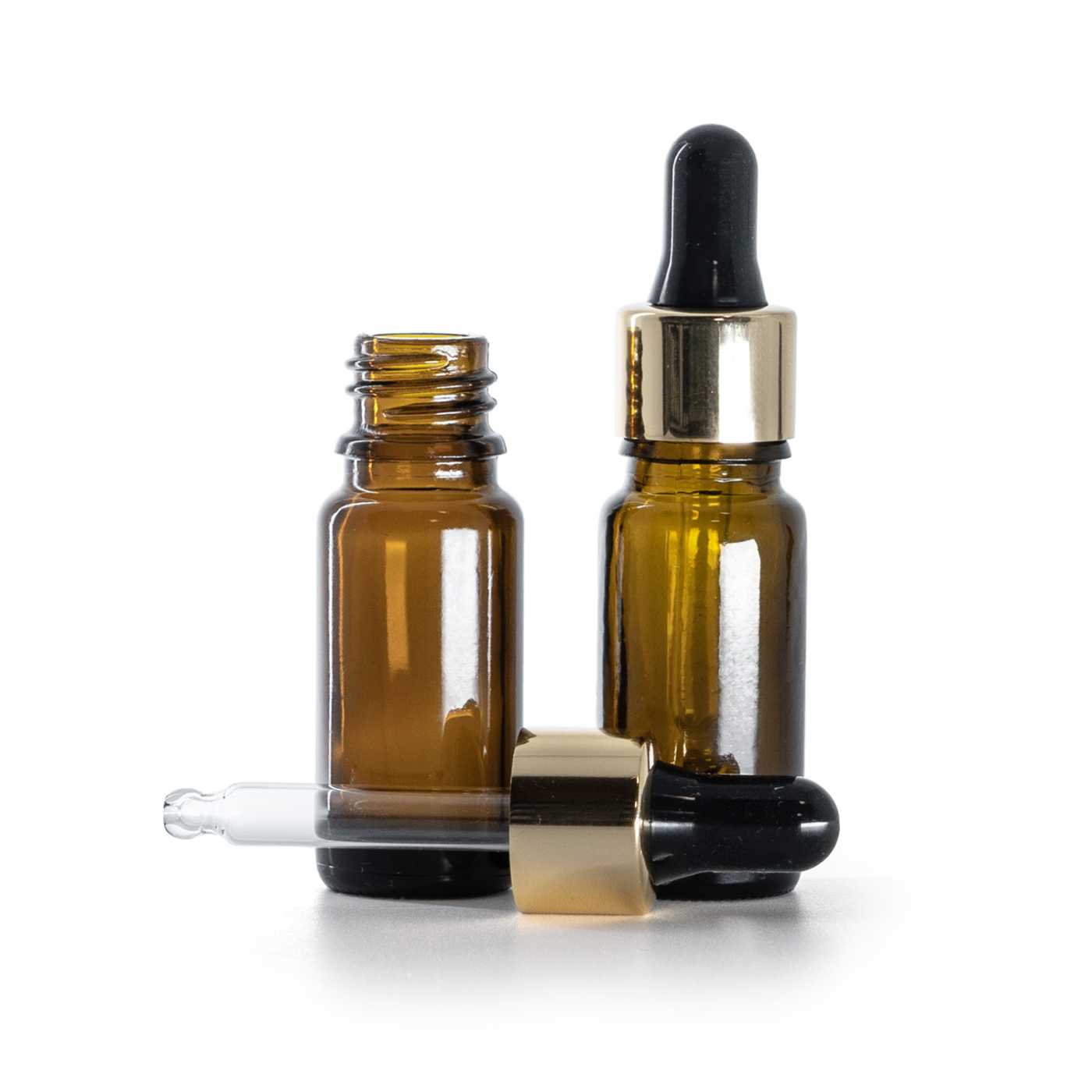
Amber Glass Bottle, Type B, Slim, Gold Black Dropper, 10 ml
Pre-order€0.84

GLASS BOTTLES up to 10 ml
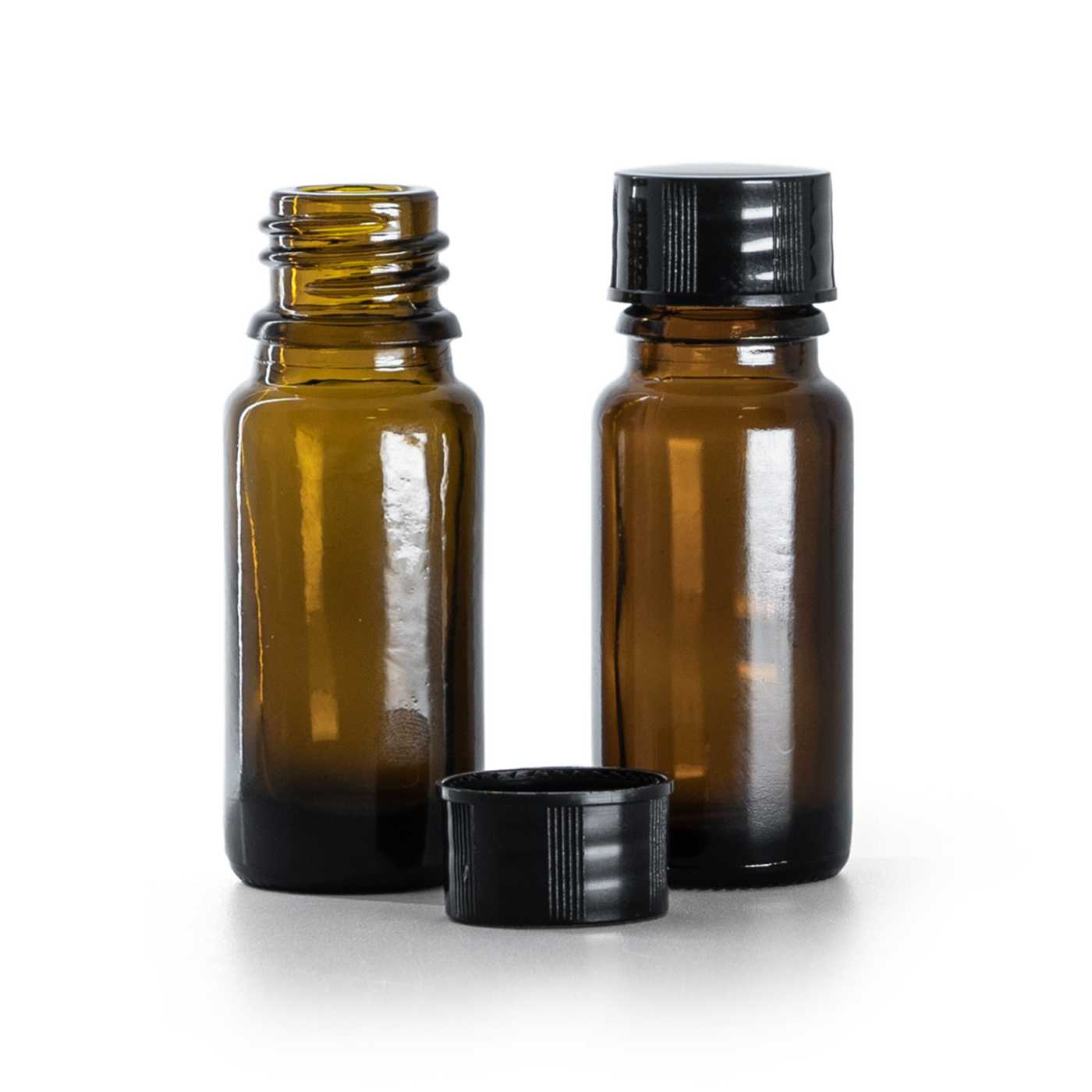
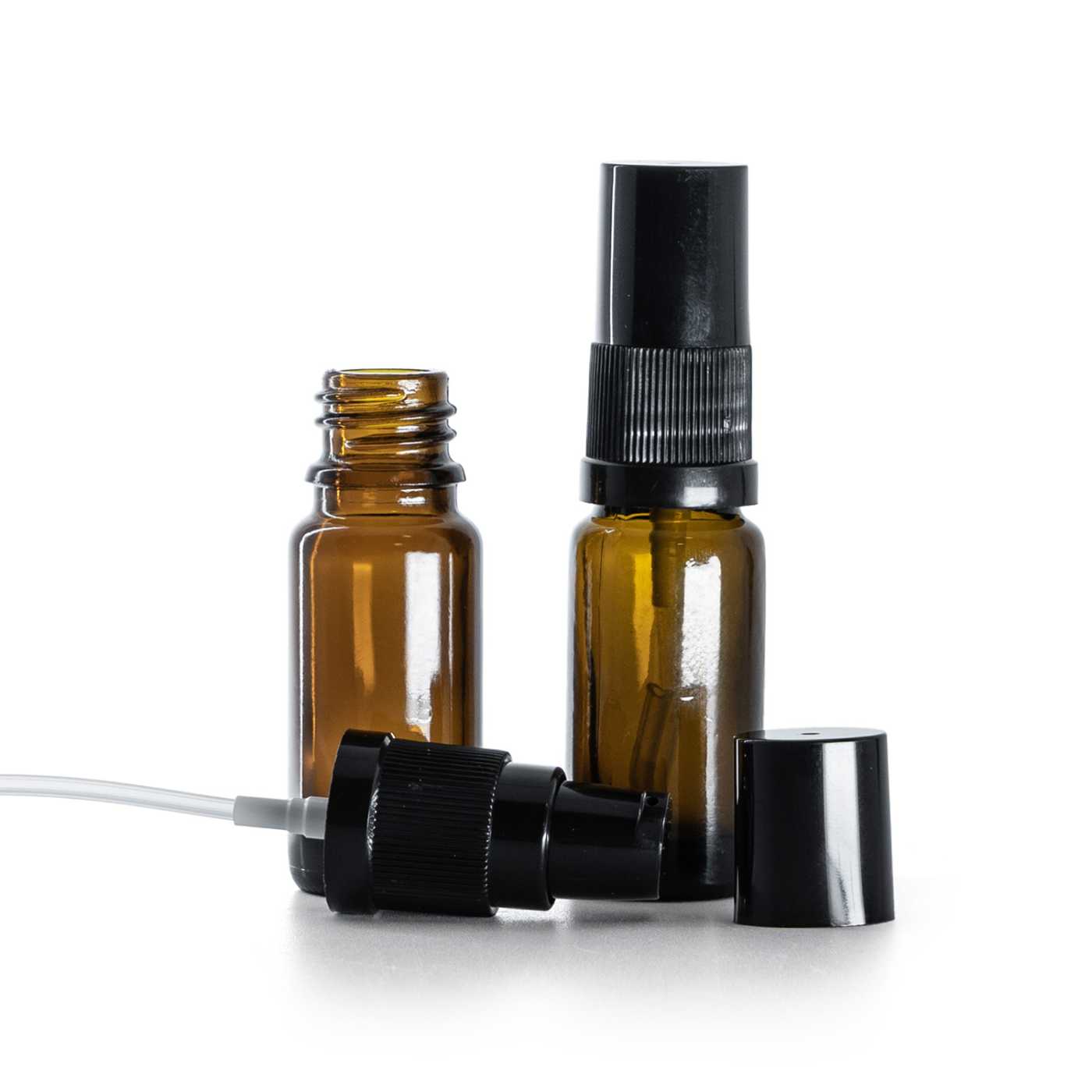
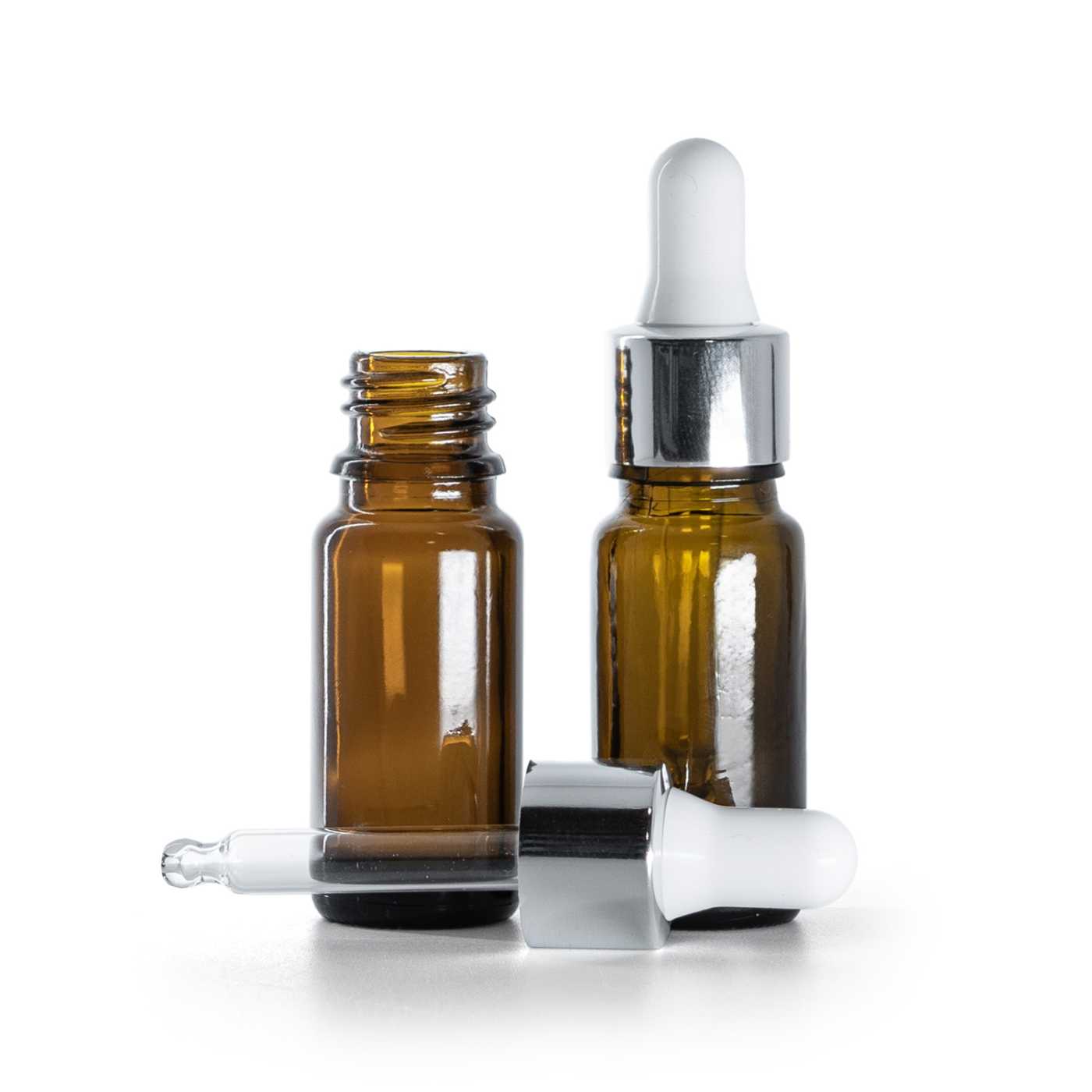
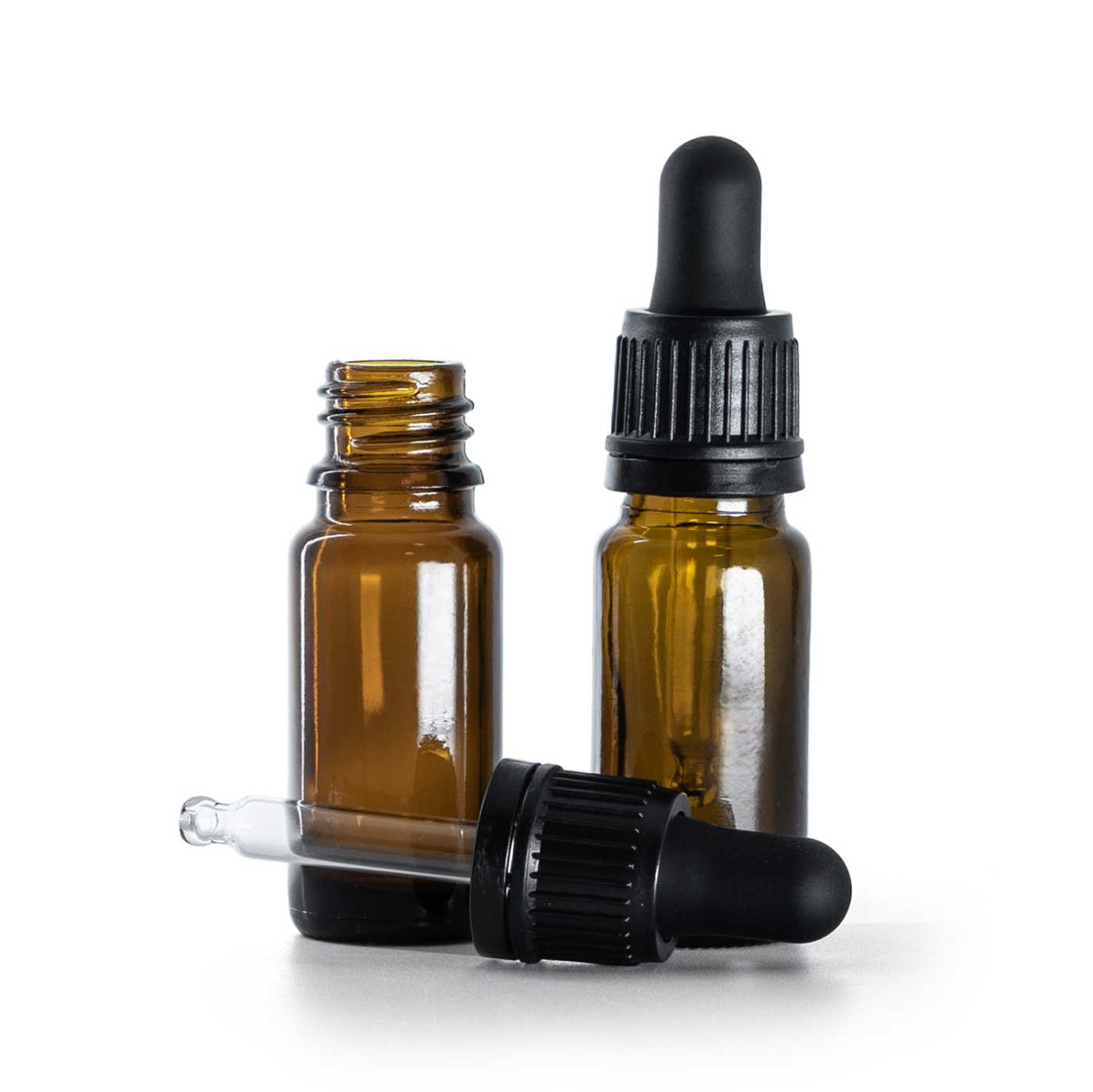
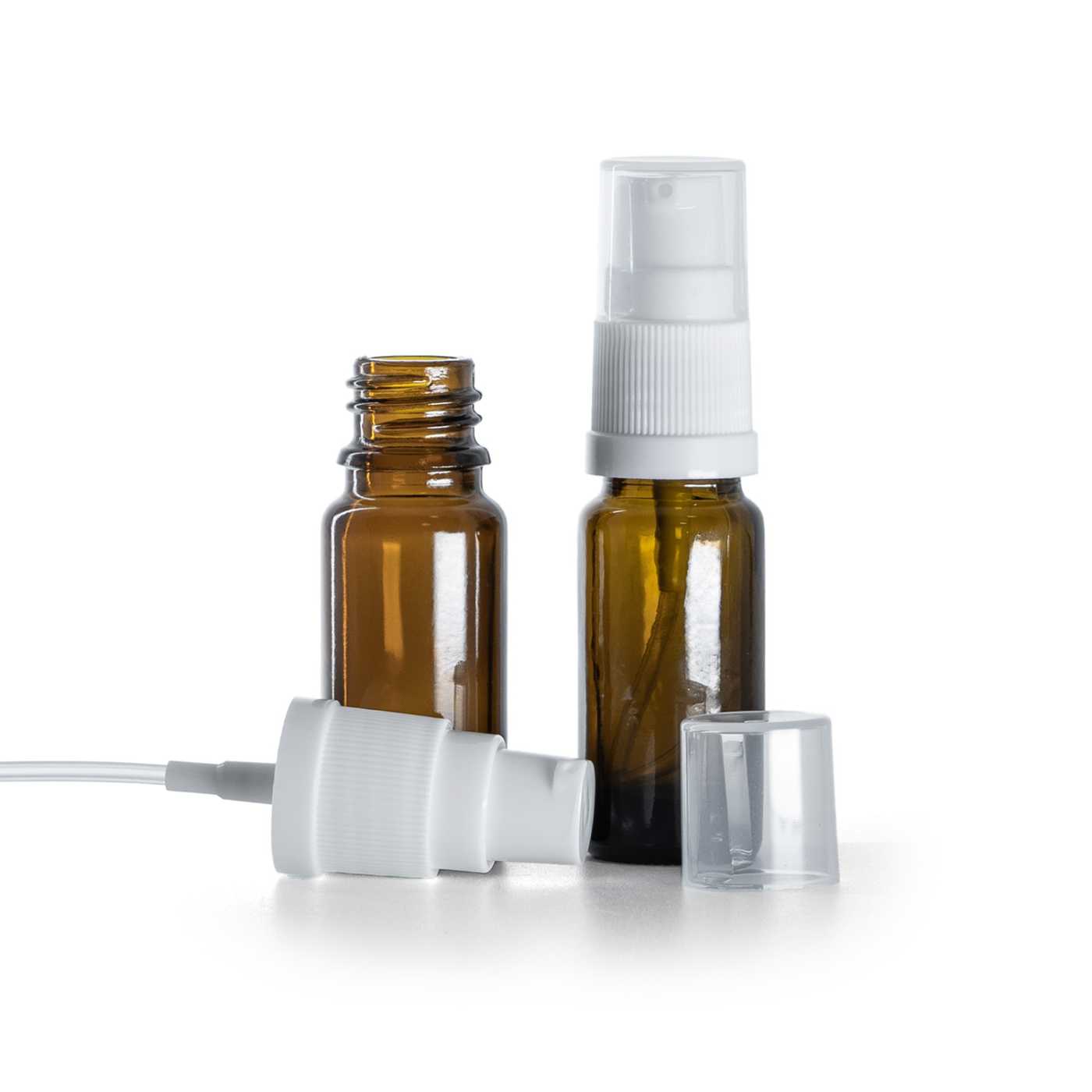
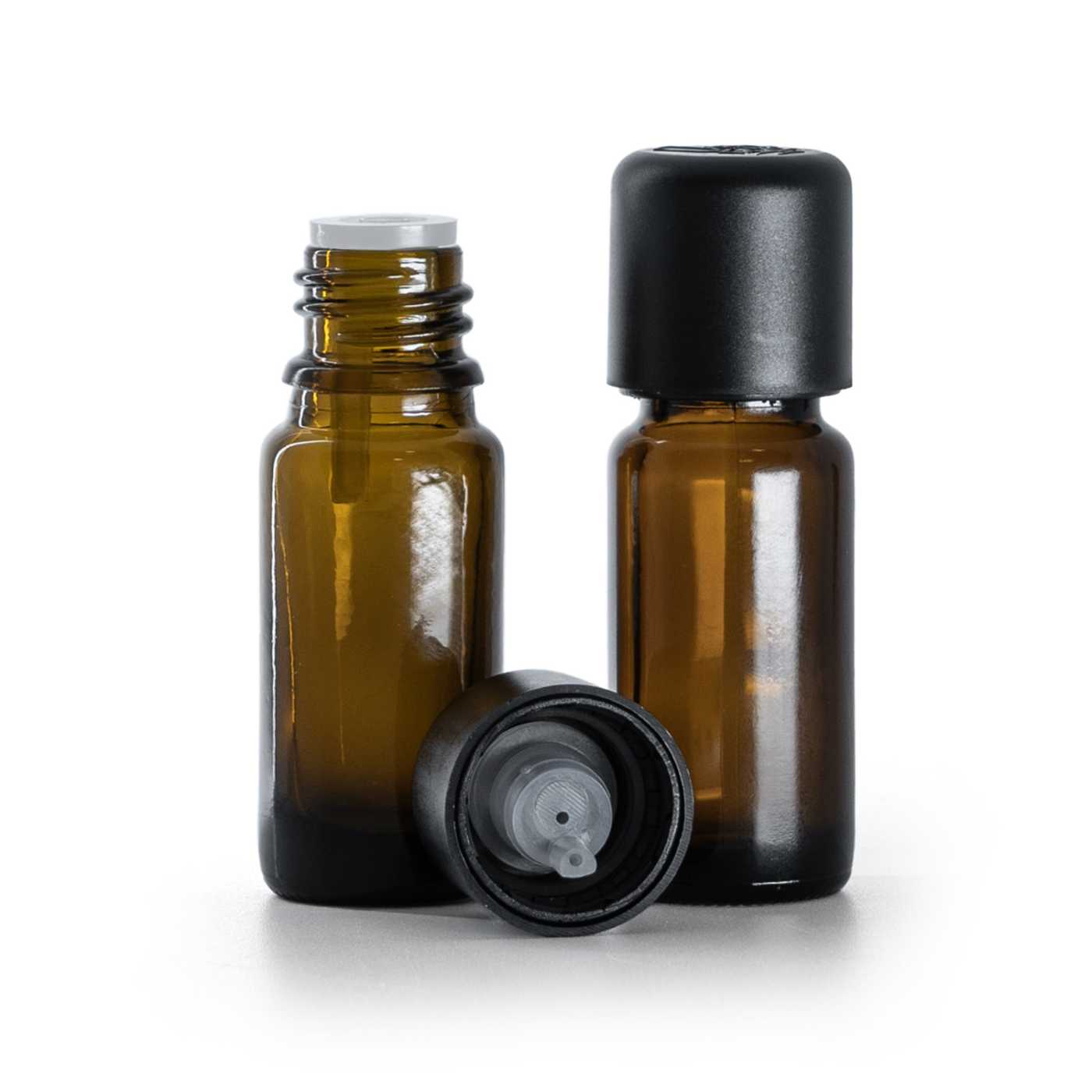
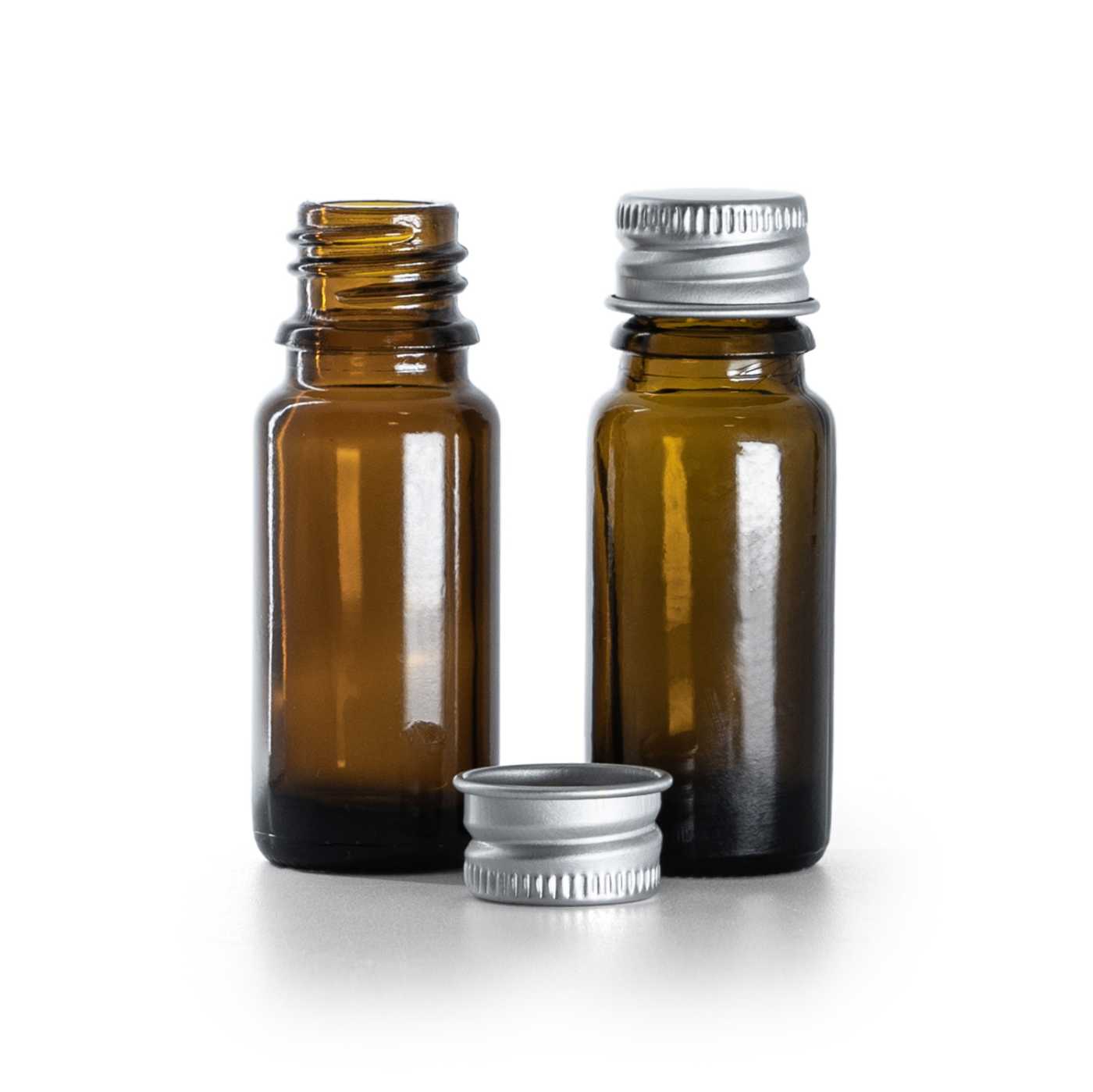
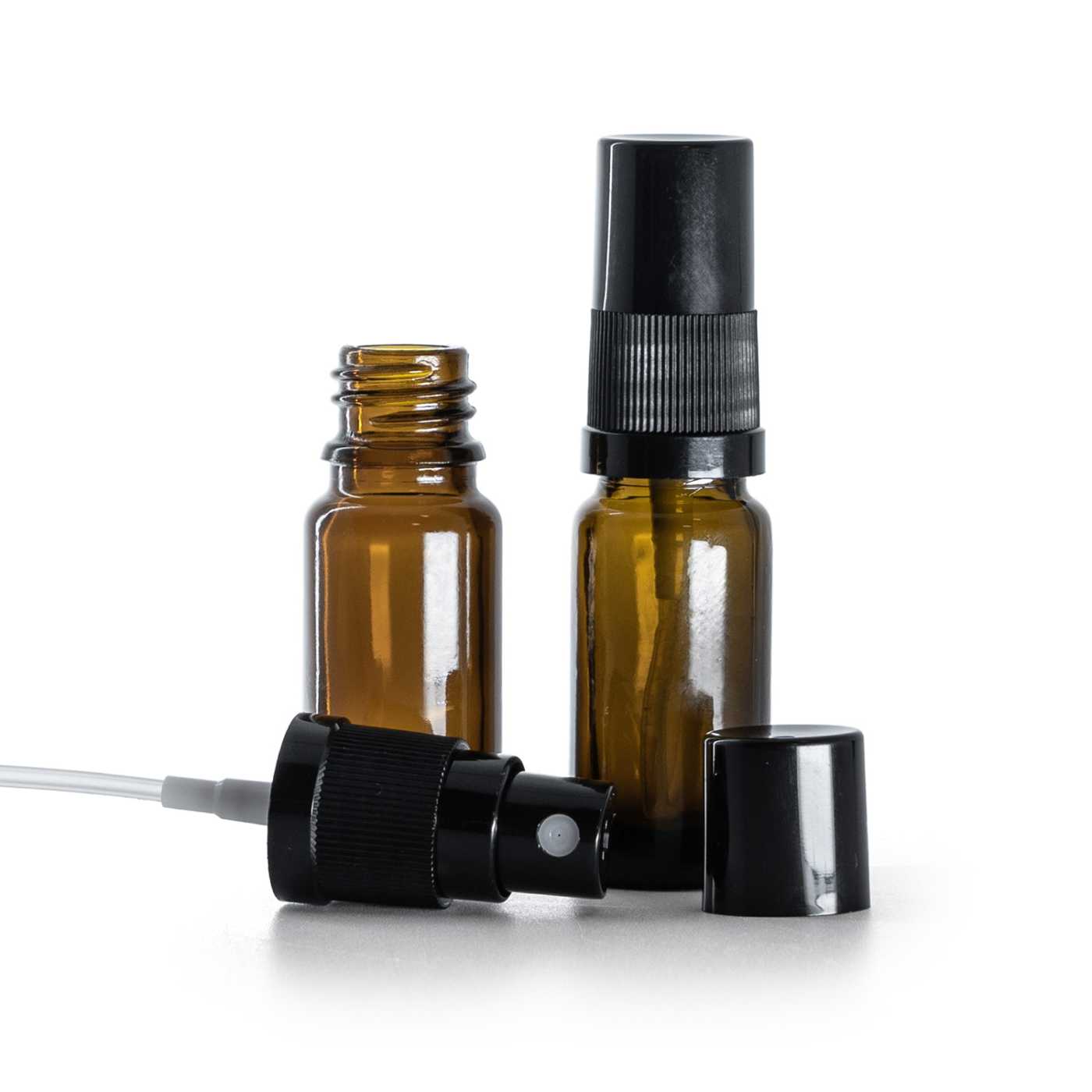
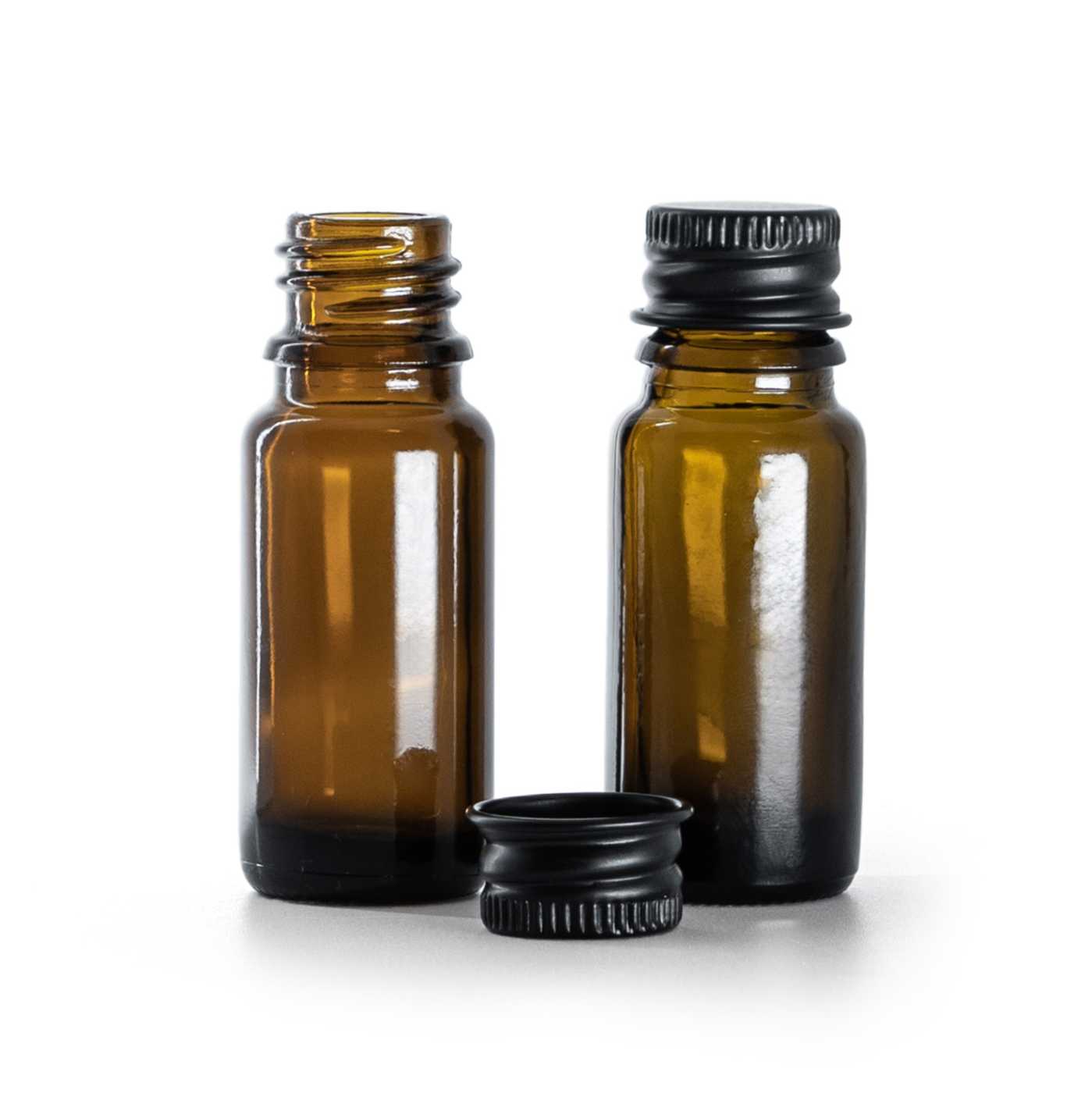
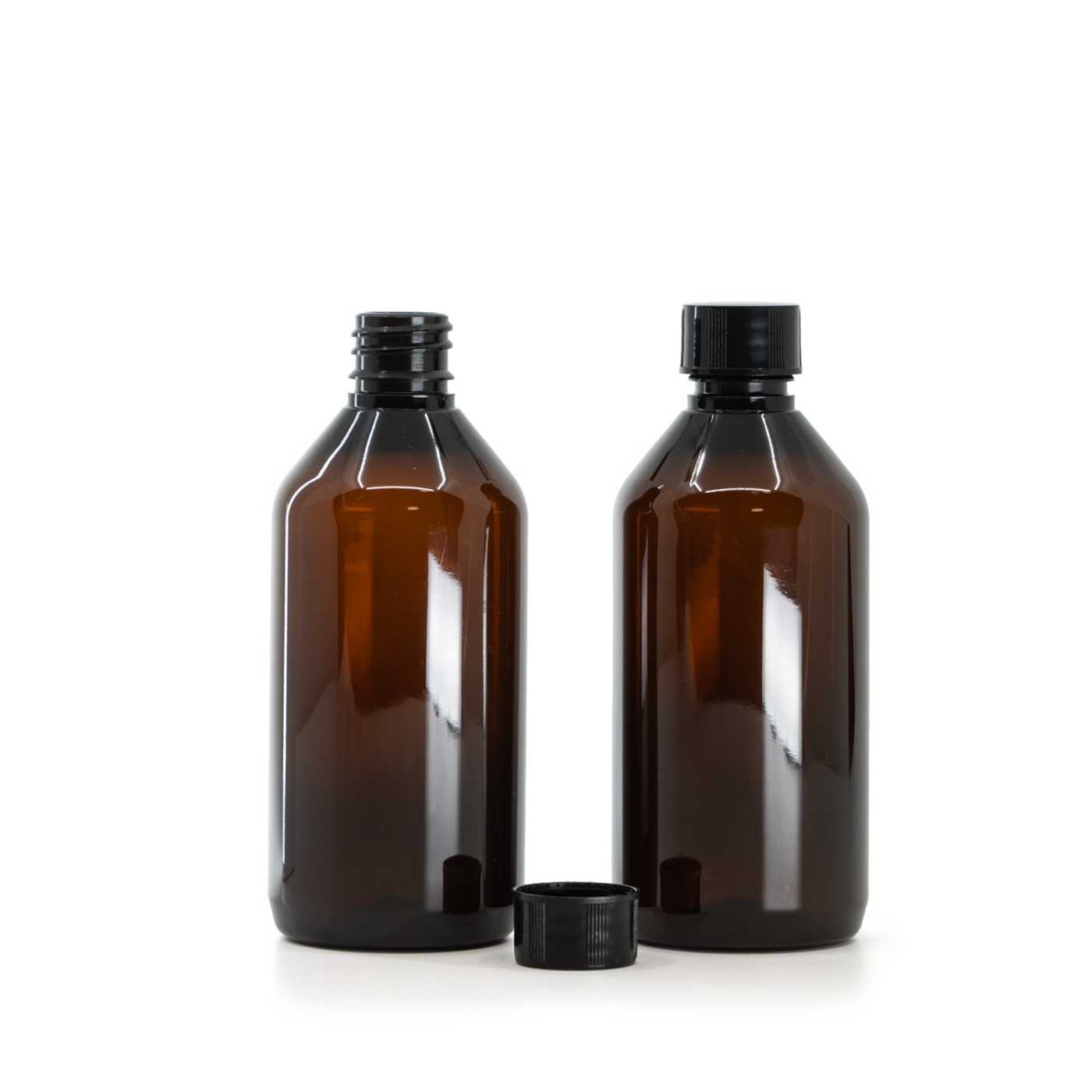
This is a ready-made set for small quantities of sensitive liquids: a type B glass vial in a tall, slim shape with a nominal volume of 10 ml and a simple black plastic screw cap. full description
Lowest price in the last 30 days: €0.37
Total for 1 pcs: €0.37
Quantities add up across all combinations of this bottle.
This is a ready-made set for small quantities of sensitive liquids: a type B glass vial in a tall, slim shape with a nominal volume of 10 ml and a simple black plastic screw cap. Brown glass filters light penetration, making the set especially suitable for contents that light gradually degrades – essential oils and their blends, fragrance compositions, oil serums, tinctures, and concentrated active substances. The small volume is also practical for samples, trial batches, and travel packaging.
The set is declared suitable for contact with cosmetic products. The glass vial alone has a certificate for direct food contact; the set as a whole – the vial with this cap – is intended for cosmetics.
The set is designed for liquid and low-viscosity fills: pure essential oils and their blends, fragrance oils, face and nail oil serums, alcoholic tinctures, hydrosols in travel packaging, or concentrates of active substances dosed by drops. With aqueous contents, keep in mind that the packaging does not ensure stability – the formulation must be preserved.
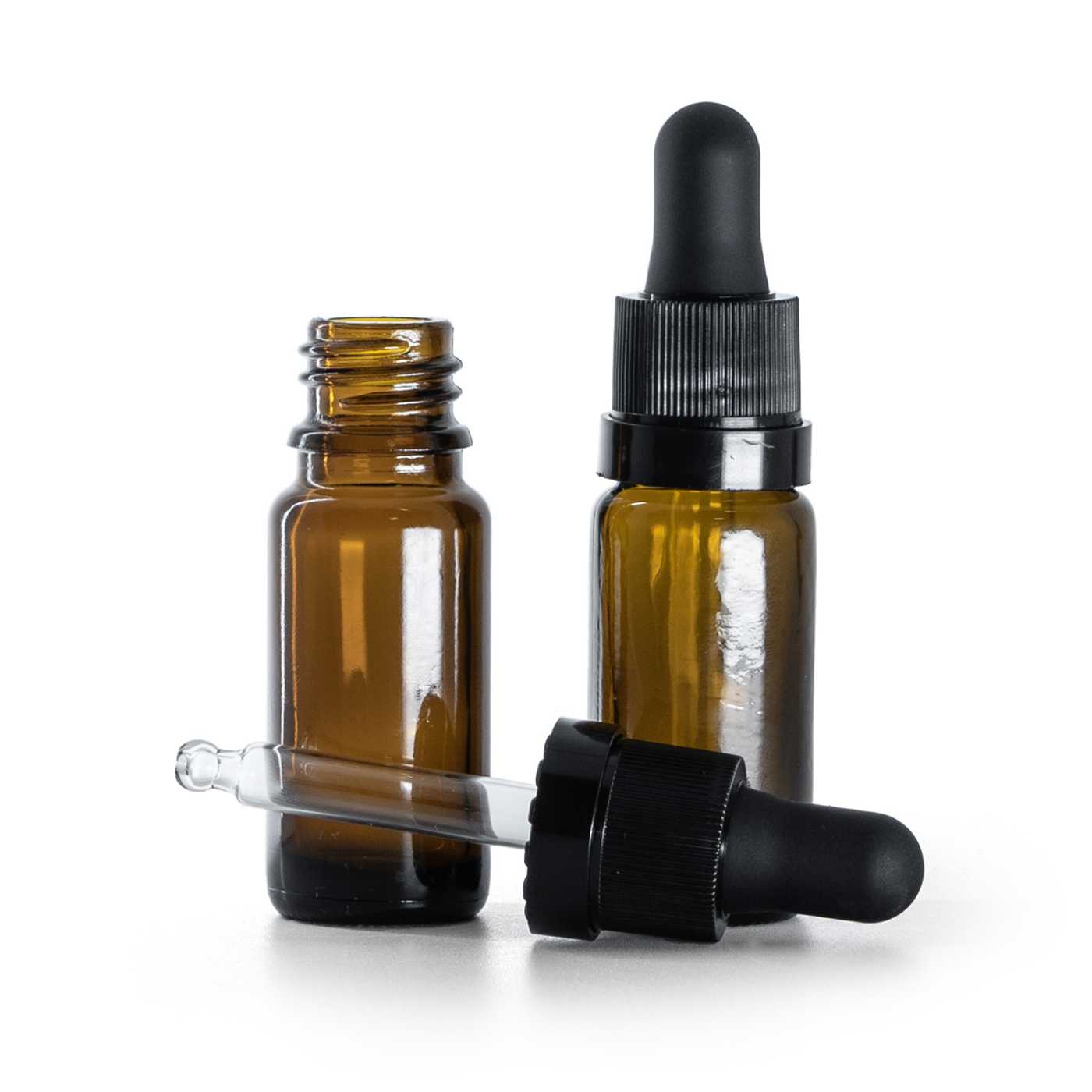
Thick creams and butters are difficult to fill into the vial and hard to remove through the narrow neck; a jar is more suitable for these. For products intended for drop-by-drop dispensing directly during application, a combination with a dropper is more practical.
For every container, we distinguish two volumes. The nominal volume is the quantity the container is designed for during normal filling. The total fill-to-rim volume is the physical volume up to the neck and is slightly larger. The difference is an intentional reserve: space for the cap or dropper, an air gap, and room for expansion of the contents with a temperature change. The vial should therefore be filled to the nominal volume, not to the brim – an overfilled vial will overflow during closing and the contents will get onto the thread, where it sticks and seals poorly.
The cap is a plain polypropylene screw cap with a foam polyethylene sealing insert that seats against the neck rim. It is tightened by hand, not by force – excessive tightening deforms the insert and sealing performance deteriorates. With concentrated essential oils and solvents, it is advisable to leave the filled vial lying on its side for several days and check whether the insert has absorbed liquid or softened.
Before a larger batch, fill one piece and test it on its side and with a temperature change. This verifies the cap seal and the behaviour of the container with your specific formulation before filling the entire batch.
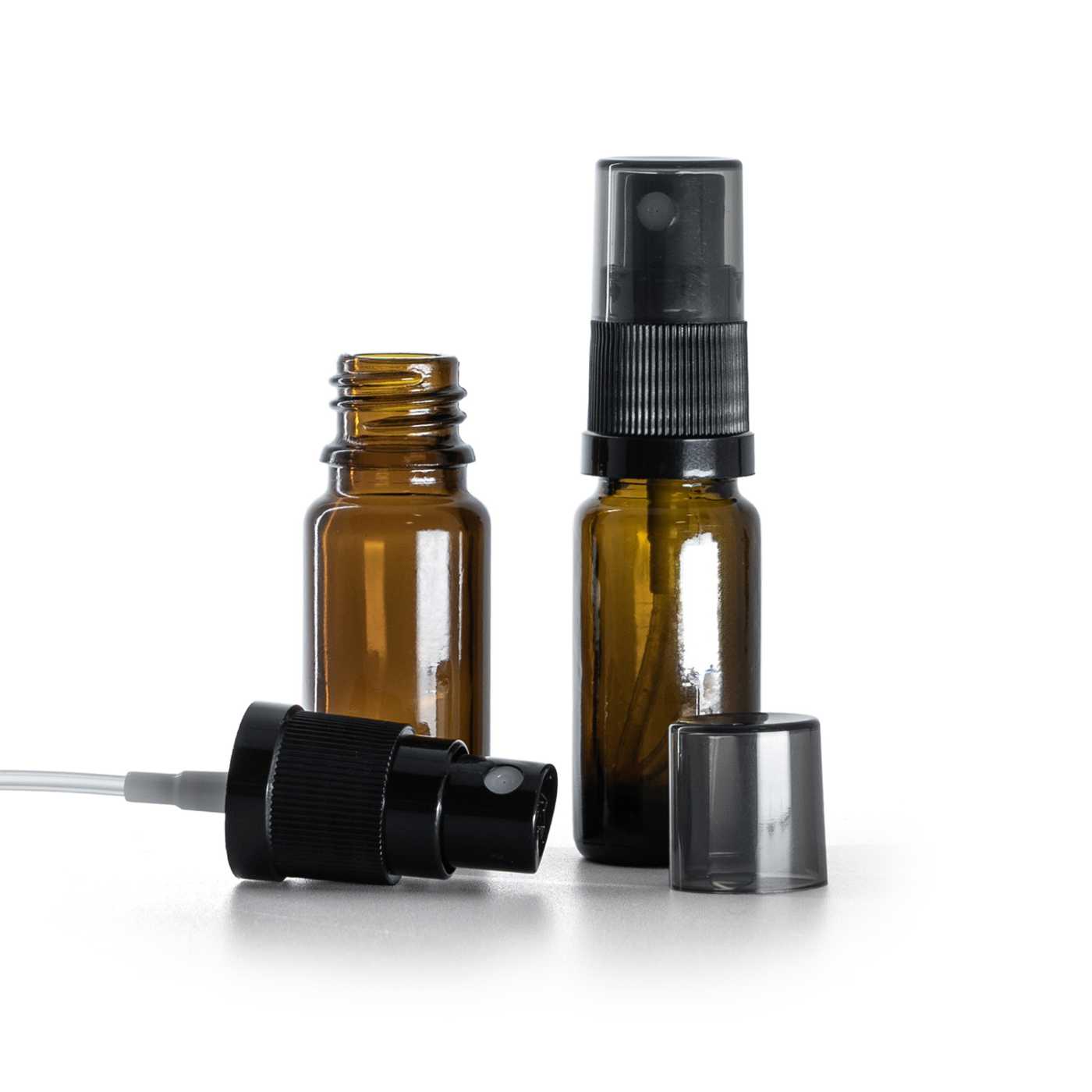
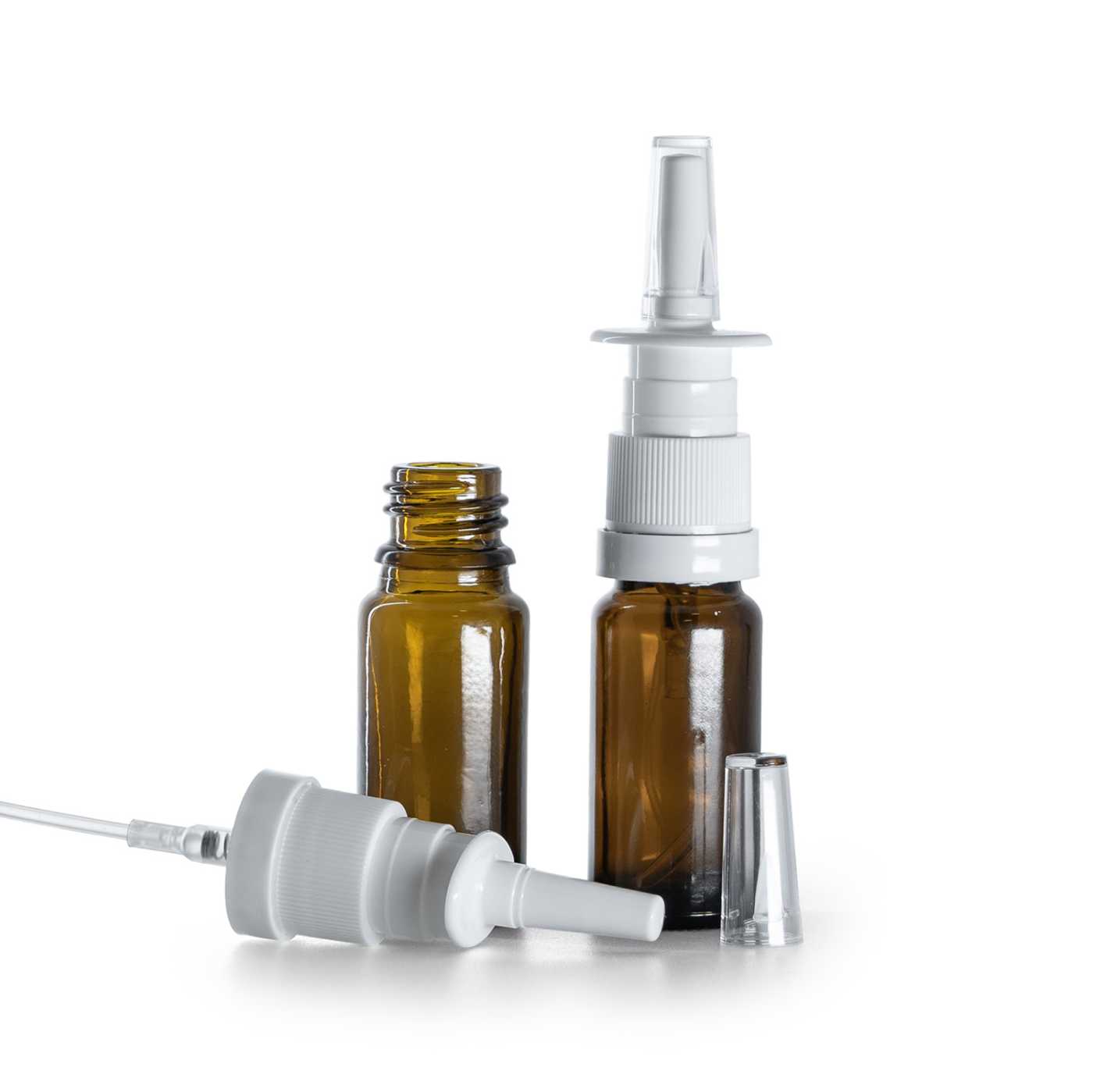
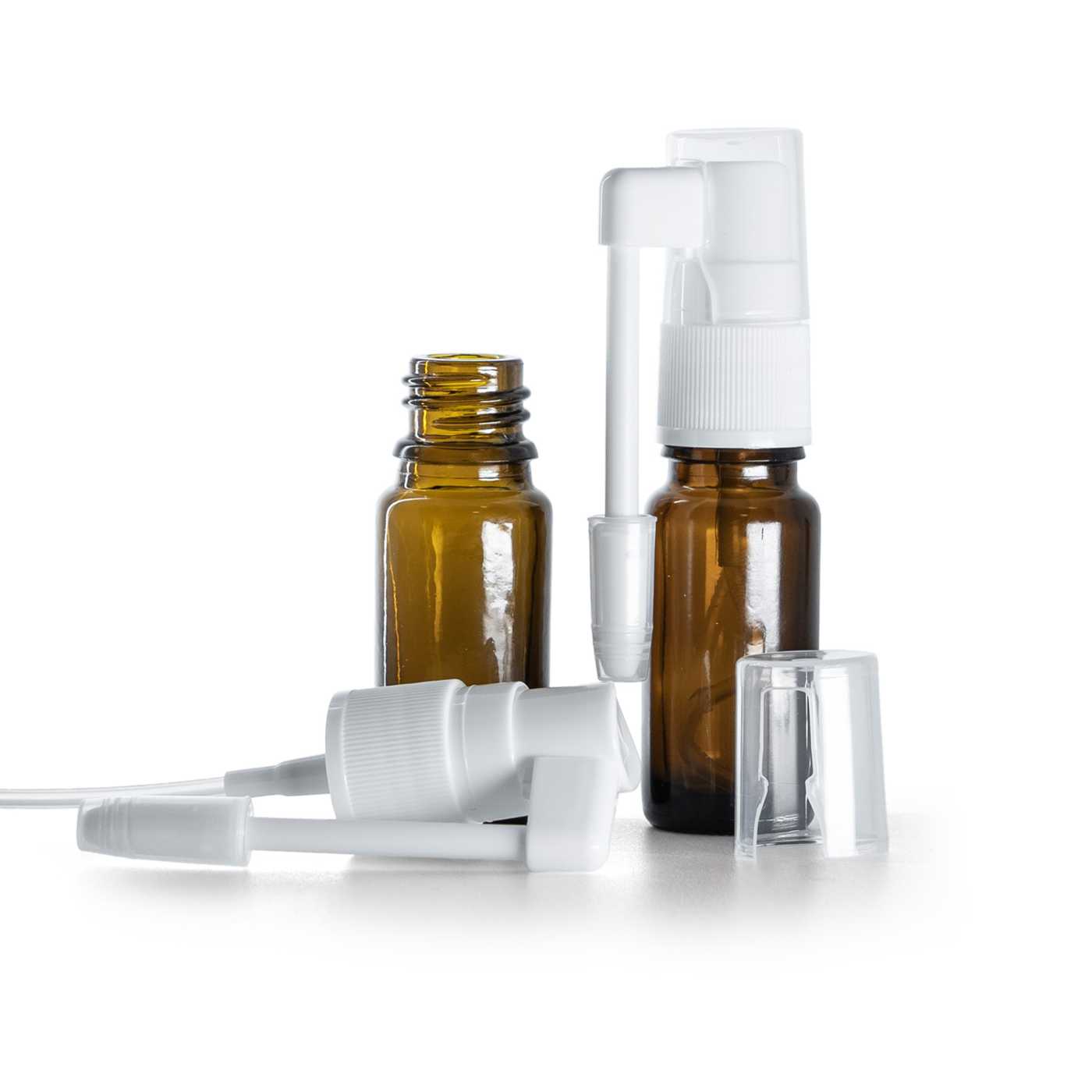
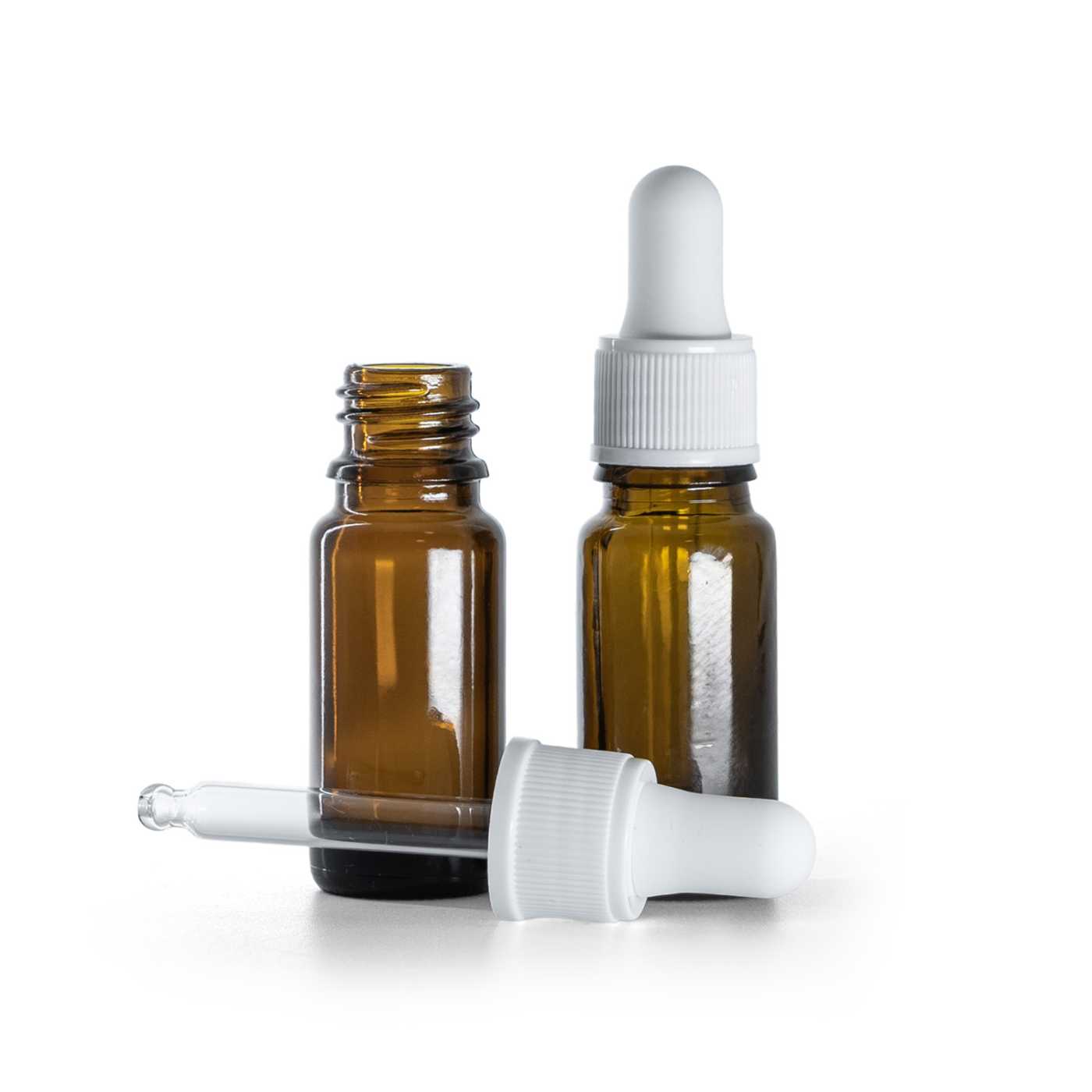
The vial has a neck with the thread type listed in the parameters; closures with the same thread type – droppers, sprayers, or other caps – and ready-made combinations are available in the Handymade range. With your own combination, we recommend verifying the seal, dispensing performance, and container behaviour with the specific formulation.
Before the first fill, wash the vial, disinfect with isopropyl alcohol or ethanol and leave it to dry completely upside down – residual water in oil-based contents promotes microbial growth. The same applies to repeated use. The cap with its insert absorbs scent from strongly aromatic fills; when changing the contents, it is therefore better to replace it with a new one.
The straight cylindrical wall of the vial labels well. For small containers, a narrow label around the circumference or a tag on the cap works well.
Glass does not tolerate sudden temperature changes. Do not pour hot contents into a cold vial and do not expose a filled vial to freezing temperatures – there is a risk of cracking. Allow the contents to cool to room temperature before filling.
The glass vial belongs in glass recycling and the plastic cap in plastics – separate them before disposal.