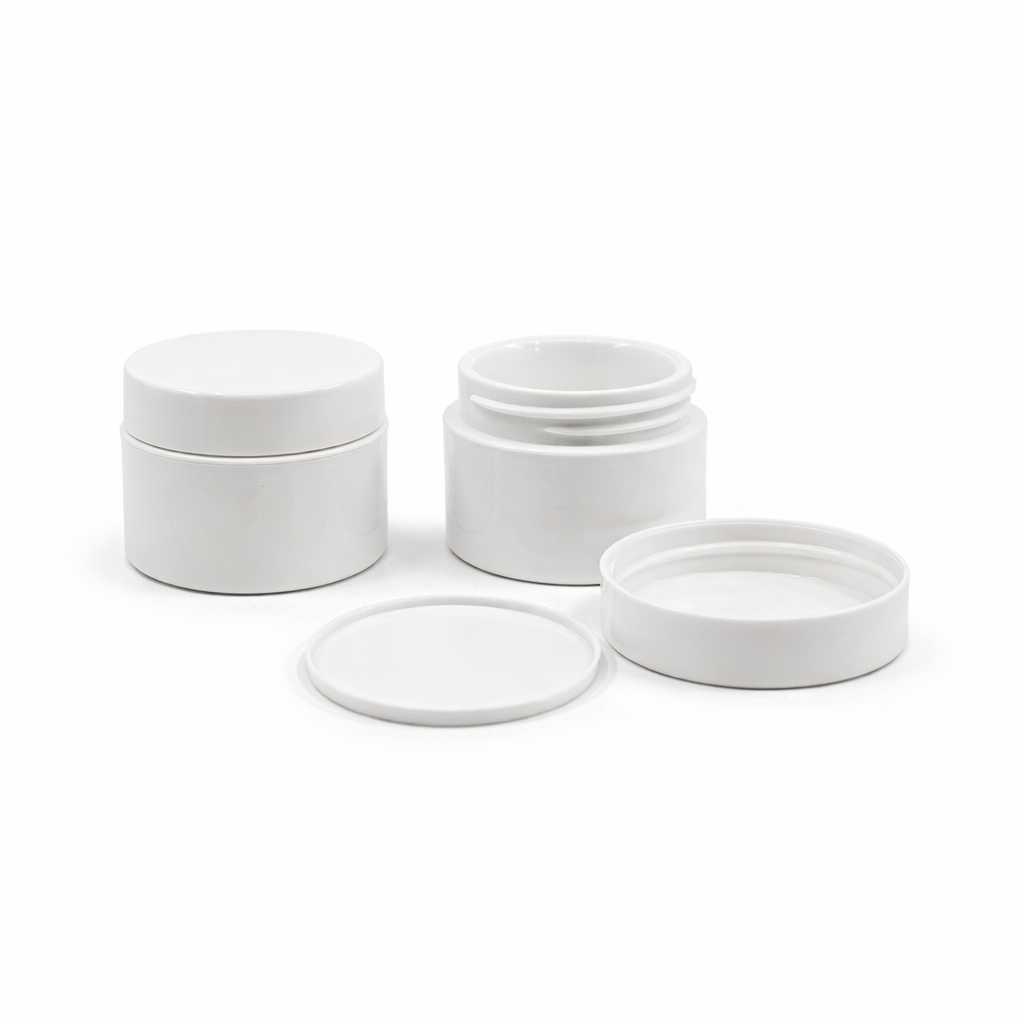

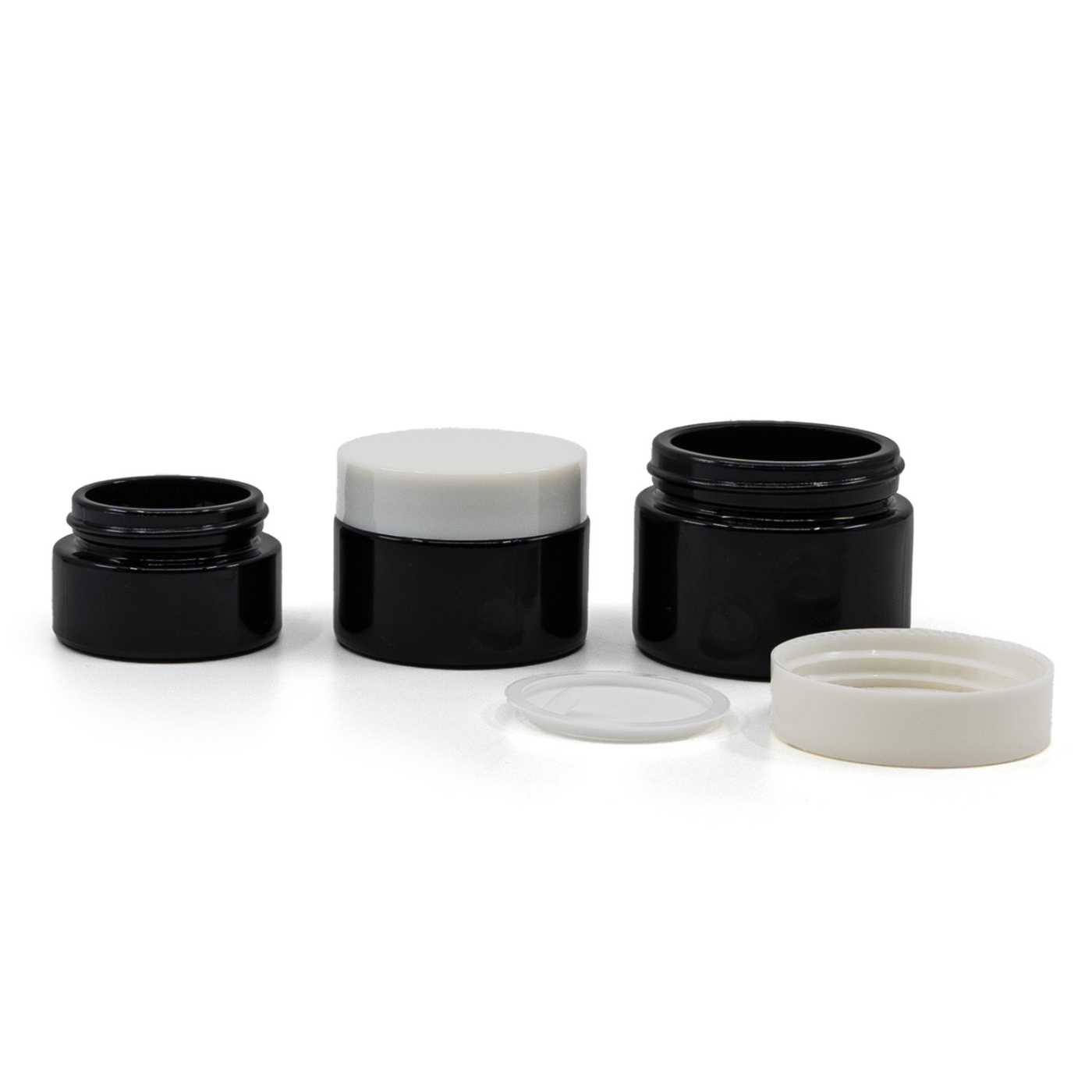
Glossy Black Glass Jar, White Plastic Lid, 30 ml
Pre-order€1.41

COSMETICS WAXES
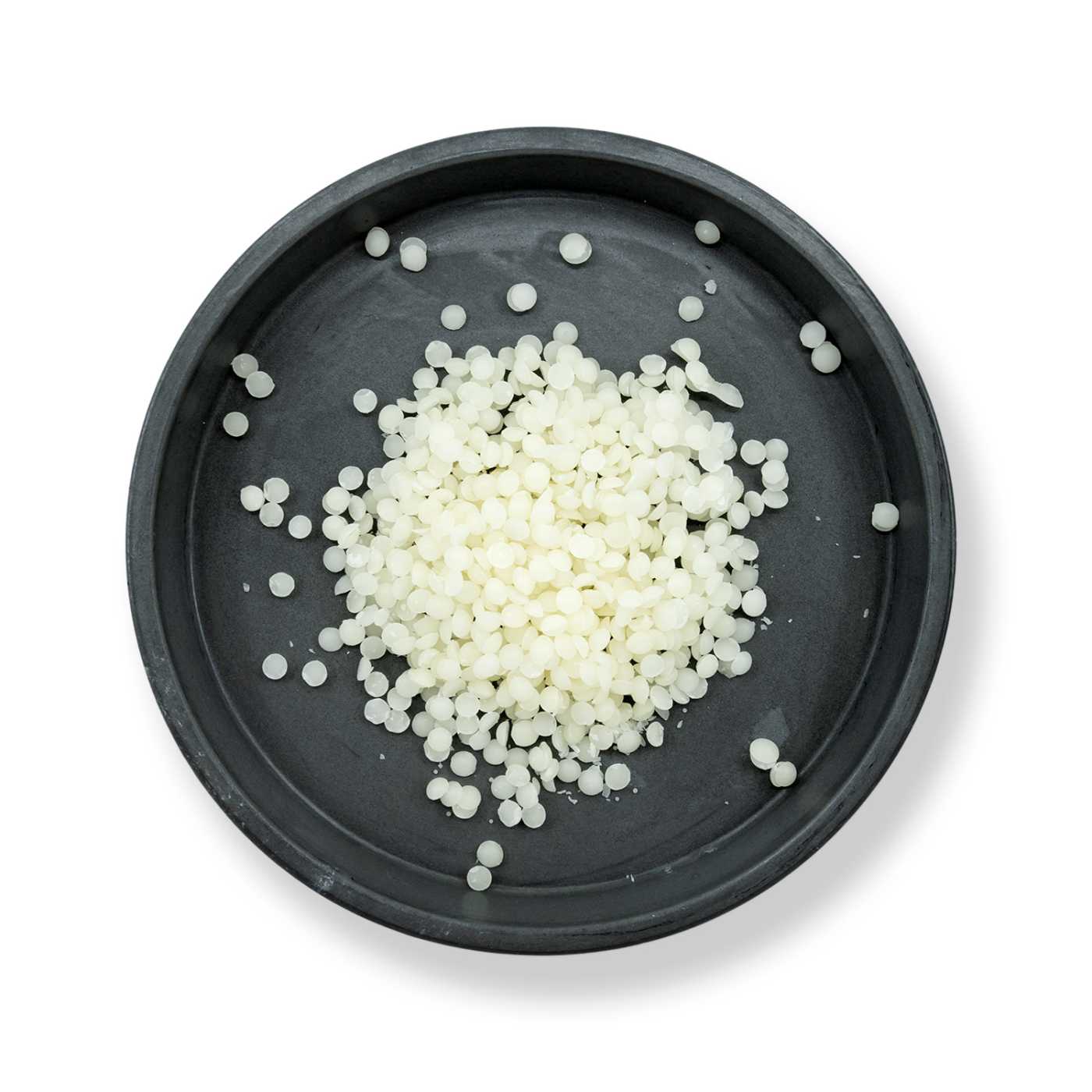
White beeswax White beeswax firms up and stabilises anhydrous products and leaves a protective film on the skin that helps reduce moisture loss. full description
Lowest price in the last 30 days: €16.33
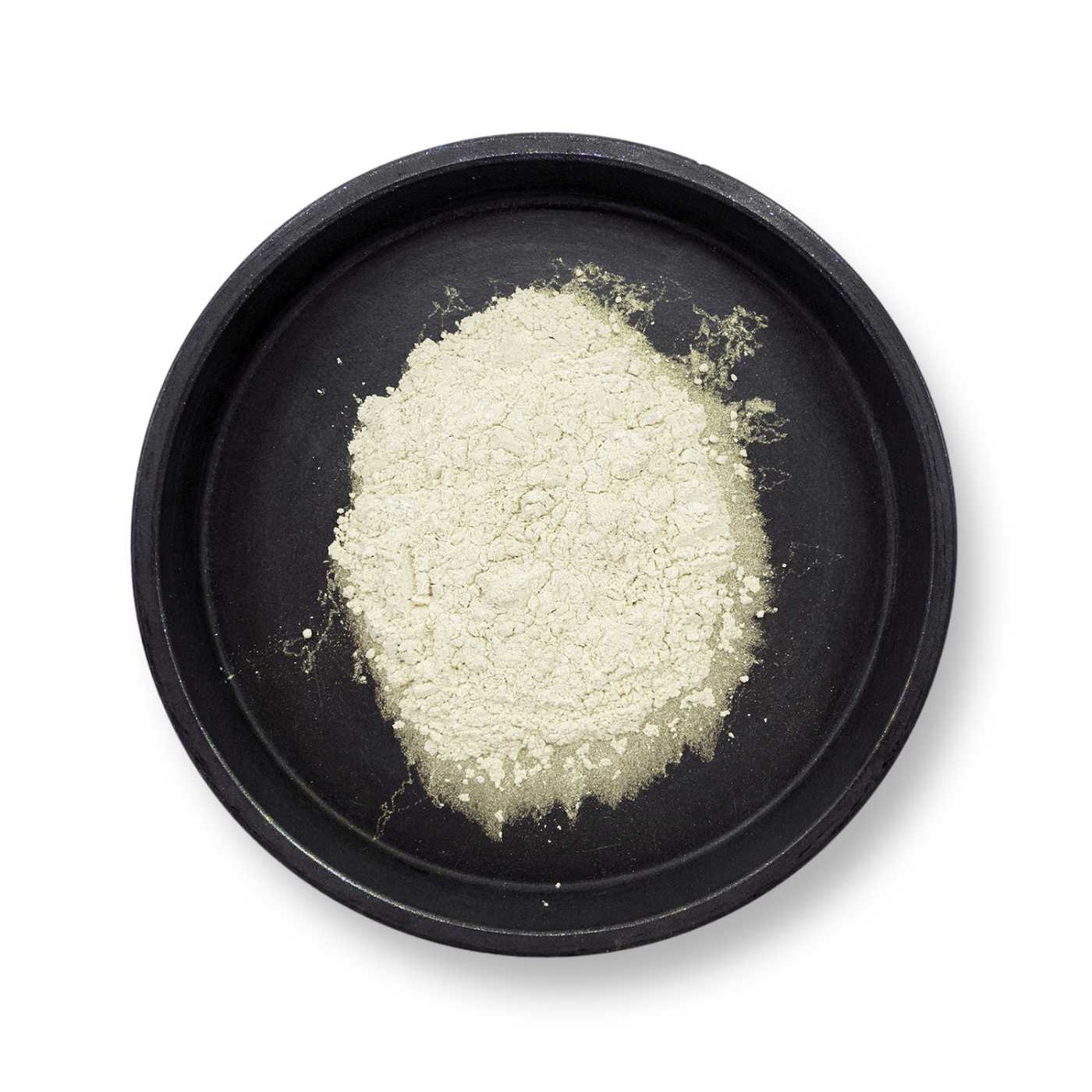
White beeswax firms up and stabilises anhydrous products and leaves a protective film on the skin that helps reduce moisture loss. It adds firmness to oils and butters, so a liquid mixture becomes a balm, stick or ointment that holds its shape. In emulsions it acts as a thickener and stabiliser and, together with an emulsifier, helps keep the cream homogeneous.
The raw material comes from the honeycomb of the honey bee and is supplied bleached, refined and filtered. The wax is of European origin and is available in cosmetic and pharmaceutical grade. It belongs in the oil phase and suits leave-on products for the face, lips, hands, body and hair, including formulations for sensitive and dry skin.
The wax is insoluble in water and dissolves only in a heated oil phase. Its melting point is 62–67 °C, so heat the oil phase above this temperature and stir until all flakes or pellets have melted and the phase is clear. Only then add the other ingredients or combine it with the water phase during emulsification. Heat-sensitive ingredients, such as essential oils or tocopherol, belong in the mixture only once it is cooling.
The recommended usage rate is 3–30% for products that stay on the skin. In lip balms it is near the upper end of the range, in solid balms and ointments generally 3–15%. Considerably less is enough in emulsions: in creams roughly 1–5% is used, in light body lotions 0.15–2% as a thickener and stabiliser. The amount depends on the hardness of the butters used and on the consistency you expect from the product.
With a new formulation, prepare a small test sample and let it cool until the next day. The hardness of a balm only shows once it has fully set, and you can then adjust the amount of wax up or down accordingly.
In the oil phase it combines well with vegetable oils, for example sunflower oil, with Caprylic/Capric Triglyceride, Decyl Cocoate, Hydrogenated Castor Oil, Cetyl Ricinoleate and tocopherol. In sticks and balms it is complemented by Zinc Stearate. In emulsions the wax is often combined with glycerine in the water phase. Entirely anhydrous products do not need preservation, but in emulsions a preservative always belongs in the formulation.
The cooling speed determines the structure of the product. When a balm cools slowly and without stirring, the wax forms large, coarse crystals in the oil and the finished product feels grainy. With stirring during cooling, or with controlled, faster cooling, a finer and more even consistency forms. Even cooling also benefits the shelf life of the oils: in an accelerated test, the oil in a wax gel oxidised significantly more slowly with controlled cooling.
The wax always belongs in the oil phase. If you add it to the water phase, it forms lumps and the emulsion will not come together. Melt it together with the oils and keep both phases at a similar temperature during emulsification.
The raw material is of animal origin, so it is not suitable for vegan formulations. A vegetable alternative with a similar function is candelilla wax or sunflower wax; when substituting, however, expect a different hardness and melting point and adjust the usage rate. The wax is readily biodegradable. Protect it from heat, strong acids and oxidising agents, and avoid creating dust when measuring out pellets.
White and yellow beeswax are the same raw material and are used in the same way in a formulation. White wax has been bleached and filtered, so it has a white colour and does not tint the product. Yellow wax stays naturally yellowish and gives the finished balm a warm shade. Choose white wax for white creams and products with precisely matched pigments; for rustic ointments and balms, yellow wax does no harm.

Super - I recommend it, the wait was worth it.
Translated automatically