


ACTIVE INGREDIENTS
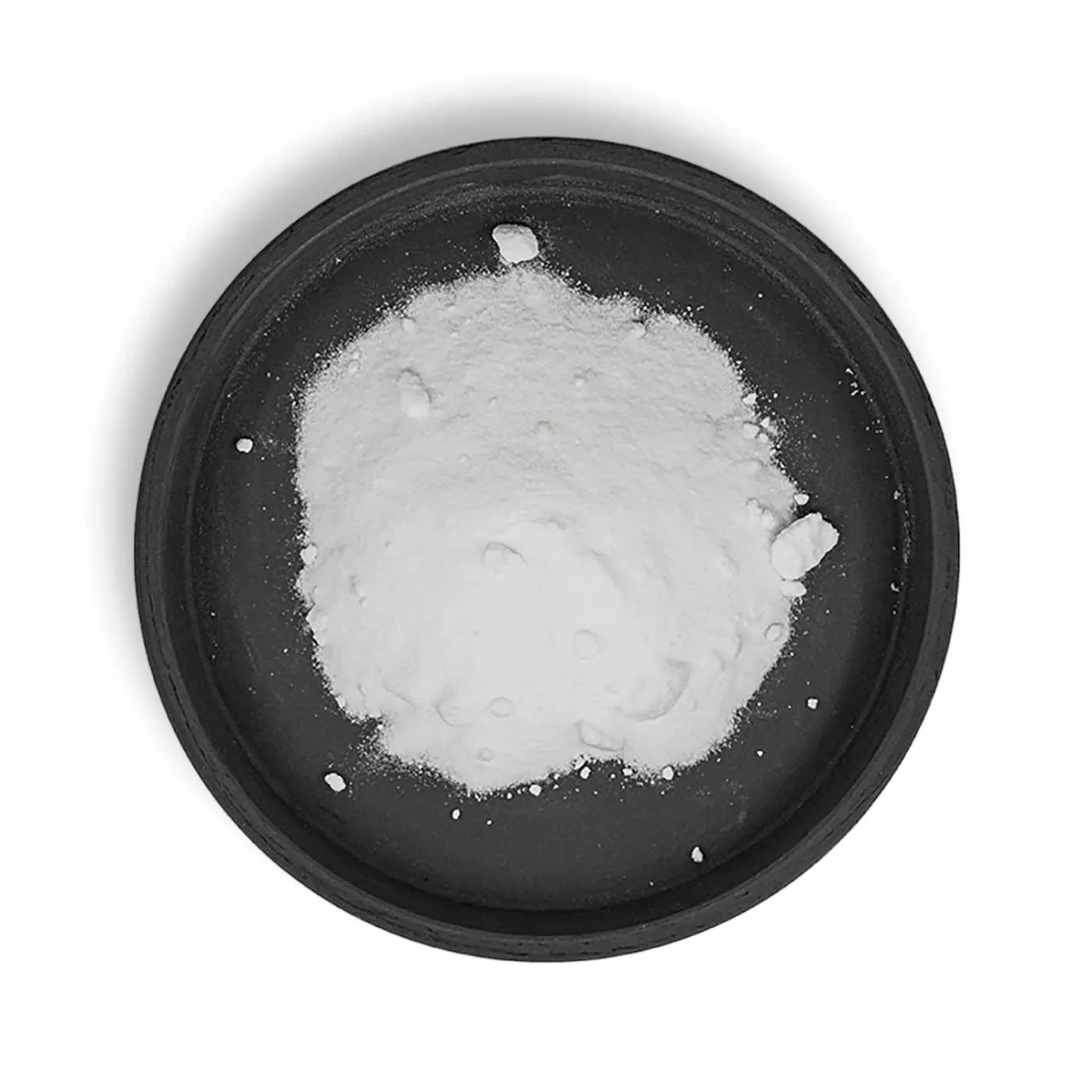
Ectoin, powder, 100 g
Ectoin is a protective molecule from nature produced by microorganisms living in extreme conditions – in salt lakes, on dried-out soils or in places with intense sunlight. full description
Lowest price in the last 30 days: €44.99
Product description
Ectoin is a protective molecule from nature produced by microorganisms living in extreme conditions – in salt lakes, on dried-out soils or in places with intense sunlight. It helps them survive drought, heat and high salt concentrations. In cosmetics it plays the same role: it provides long-lasting hydration, protects the skin from external stress and supports the renewal of the skin barrier.
It is easy to incorporate into a formulation, in the water phase or during the cool-down phase. It is effective even at a low usage rate, tolerates a wide pH range and does not discolour the finished product. It is most useful in products for sensitive, dry and stressed skin, but also in protective daily care, hair care or baby products.
How Ectoin works on the skin
The effect is based on the molecule’s ability to bind water. Around itself it forms a stable hydration shell that surrounds cell structures, proteins and lipids in the skin. This shell keeps moisture in the skin and at the same time reduces the impact of external stressors – dry air, urban pollution, UV radiation or blue light from screens.
The result is skin that is better hydrated, less prone to irritation and restores its own barrier function faster.
Key benefits
- Long-lasting hydration – binds water in the skin and keeps it there even in a dry environment, which shows as smoother, suppler skin without a feeling of tightness.
- Skin barrier renewal – stabilises lipids and proteins in the skin, supports its natural protective function and reduces water loss from the skin.
- Soothing of sensitive skin – helps to reduce signs of irritation, redness and a feeling of tightness, which makes it suitable for products for reactive and problematic skin.
- Protection from external influences – supports the resistance of the skin and its cells to pollution, UV stress and blue light. It is a complement to protection, not a replacement for UV filters.
- Support for ageing skin – well-hydrated skin with a functioning barrier looks smoother and fine lines are less visible.
- Conditioning effect on hair and scalp – increases the hydration of the hair fibre and soothes the scalp, which is useful in shampoos and conditioners for a sensitive scalp.
Use in a formulation
Ectoin is water-soluble and insoluble in oil. The powder is added to the water phase or during the cool-down phase, and the processing temperature should not exceed 80 °C. In a classic emulsion you can dissolve it in the water phase before heating, or, more gently, add it already dissolved in water during cooling – the second method is especially suitable for higher usage rates.
The recommended usage rate is 0.3–2%. As a guide: lower rates of around 0.5% are enough for regular hydration support in day creams and toners, while the upper limit of 1–2% is used in serums and intensive products for sensitive and stressed skin. The formulation can have a pH in the range of 4–12, so it can be used in acidic serums as well as in cleansing products with a higher pH.
First stir the powder into a small amount of water or hydrosol until you get a clear solution, and only then pour it into the rest of the formulation. This prevents undissolved residue at higher usage rates and when adding it to thicker gels.
Compatibility is unrestricted – Ectoin is commonly combined with hyaluronic acid, niacinamide, panthenol, ceramides, plant extracts, and with common emulsifiers and thickeners. In the finished product it does not discolour or change the clarity, so it is also suitable for clear serums and toners. Ectoin itself has no preservative effect; every water-based formulation containing it needs a standard preservative system.
Suitable for products such as
- Hydrating and soothing serums – a water base allows the full range of usage rates to be used, and the active ingredient works most effectively here.
- Day and night creams – added during the cool-down phase, it gives the emulsion a long-lasting hydrating and protective component.
- Eye creams and products for the eye area – delicate skin will appreciate hydration without irritating substances.
- Toners, hydrating mists and sprays – good solubility and a clear solution are ideal prerequisites for these forms.
- After-sun products and protective daily care – support for skin stressed by sun, wind and pollution.
- Baby cosmetics – suitable for baby skin, without CLP classification and without fragrance allergens.
- Shampoos, conditioners and scalp care – a conditioning component for a dry and sensitive scalp.
- Shower gels, body lotions and hand creams – hydrating support in both rinse-off and leave-on products.
- Emulsion lip balms and colour cosmetics with a water phase – for example BB creams or hydrating primers.
Good to know
Ectoin does not belong in purely oil-based and anhydrous products (oil serums, massage oils, classic balms made only from oils and waxes) – it does not dissolve in oil and would remain in the finished product as undissolved powder. If you want to use its effect in lip or body products, choose an emulsion or water-based form.
Ectoin works in both rinse-off and leave-on products. In shampoos or shower gels the contact with the skin is shorter, so it is more often used there as a conditioning and soothing component. It develops its full hydrating potential in products that stay on the skin.
The ingredient is vegan, GMO-free, palm oil-free and paraben-free. It is not classified as hazardous under CLP, so it can be handled without special safety measures and does not require a safety data sheet.
When designing marketing claims for the finished product, keep in mind that this is a cosmetic ingredient: a product may hydrate, soothe and support barrier renewal, but not treat skin diseases.
Ectoin, glycerine and hyaluronic acid – what is the difference
All three ingredients are humectants, but each hydrates in a different way. Glycerine attracts water from the surroundings and acts mainly on the surface of the skin; it is inexpensive and reliable, but at higher usage rates it can feel sticky. Hyaluronic acid forms a hydrating film on the skin and, depending on its molecular weight, acts on the surface or in the upper layer of the skin. Ectoin binds water directly around cell structures and adds protection from external stress. In practice these substances are not substituted for one another but complement each other – a combination of all three in one serum is common.
Frequently asked questions
Parameters
- INCI
- Ectoin
- CAS No.
- 96702-03-3
- Product color
- White
- Country of origin
- China
- Grade
- Cosmetic Grade
- Odour
- Characteristic
- Appearance
- Powder
- Formulation phase
- Water phaseCool-down phase
- Function in formulation
- Active ingredientHumectantConditioning agent
- Recommended processing temperature
- < 80 °C
- Recommended dosage range
- 0,3 – 2 % %
- Recommended formulation pH range
- 4 – 12
- Solubility
- Oil-insolubleWater-soluble
Product documentation
Verified by customers.
No reviews yet.
Only customers with a delivered order can write reviews.