Essential oil sage
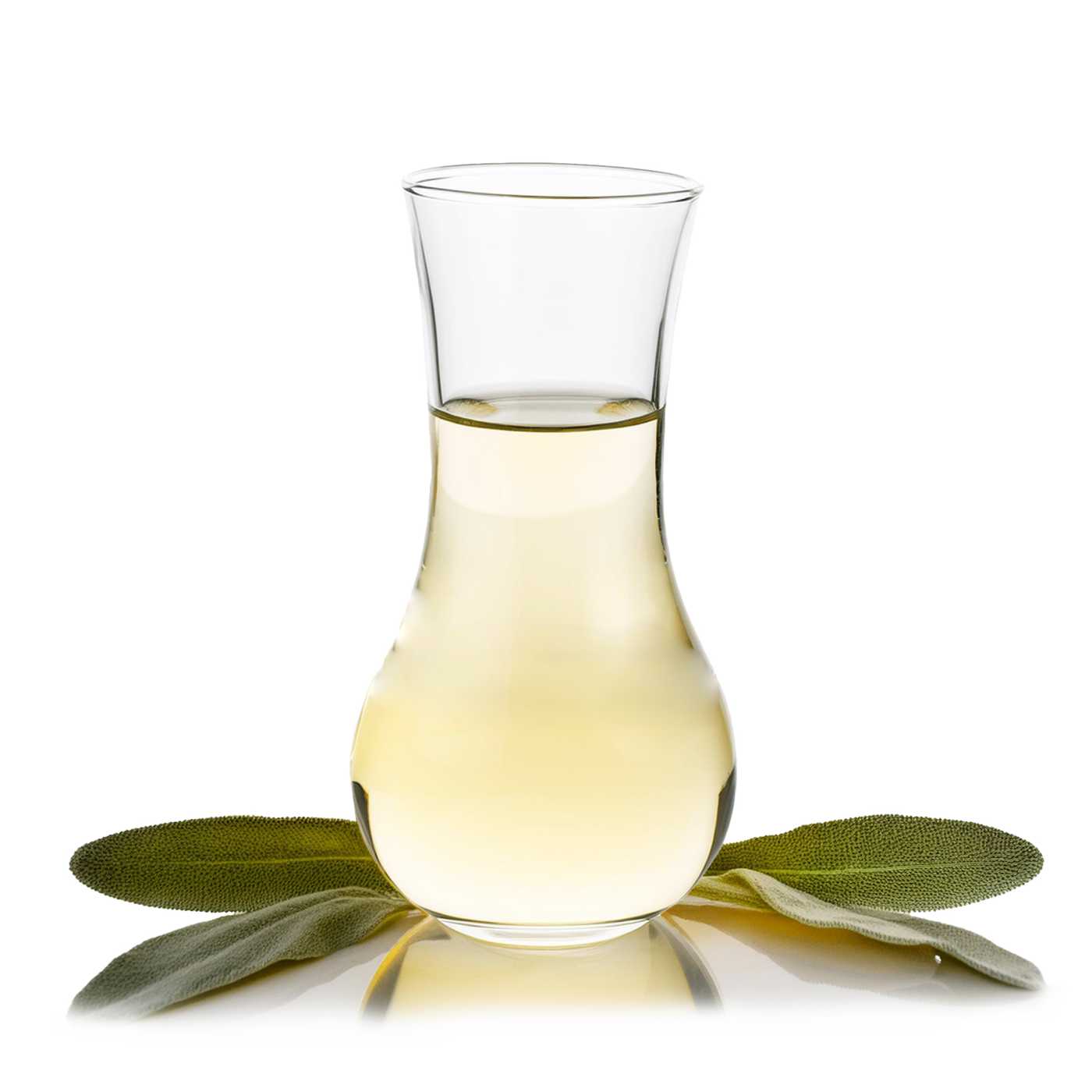
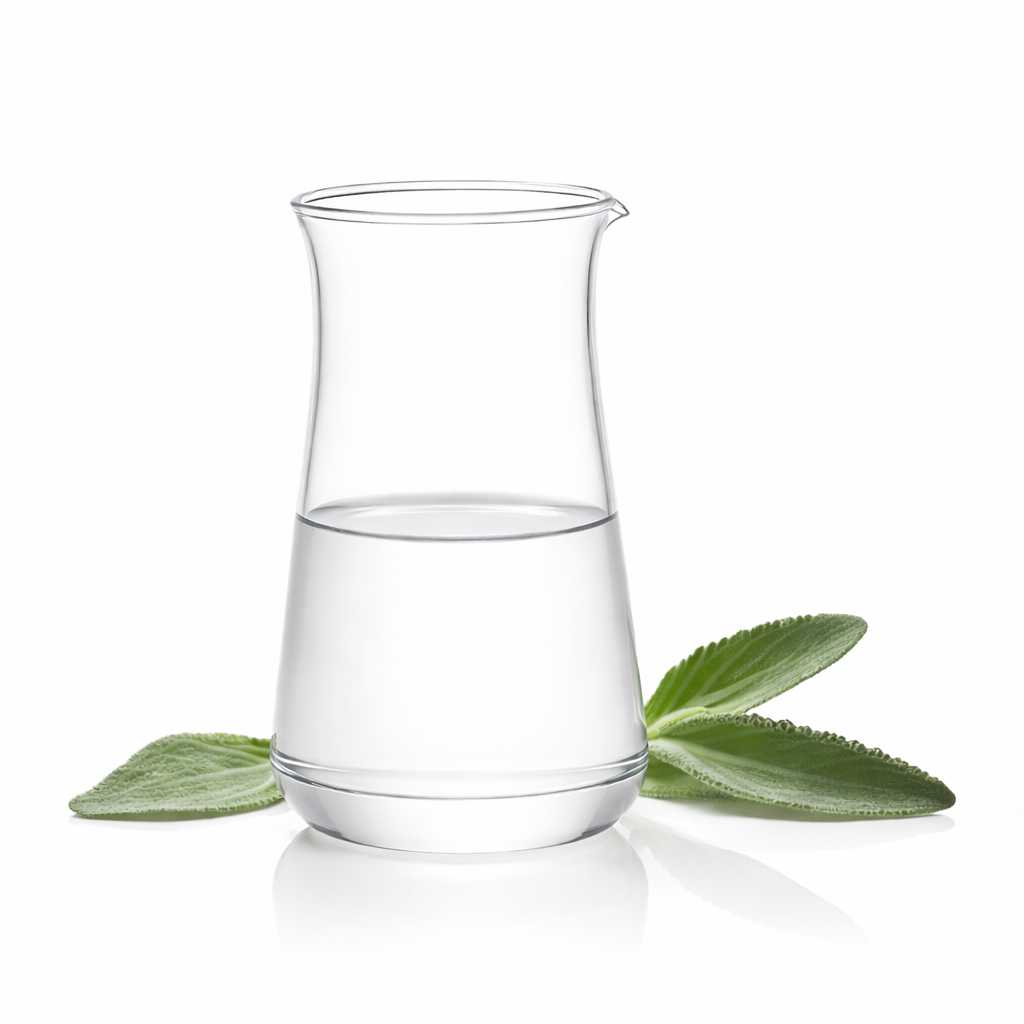
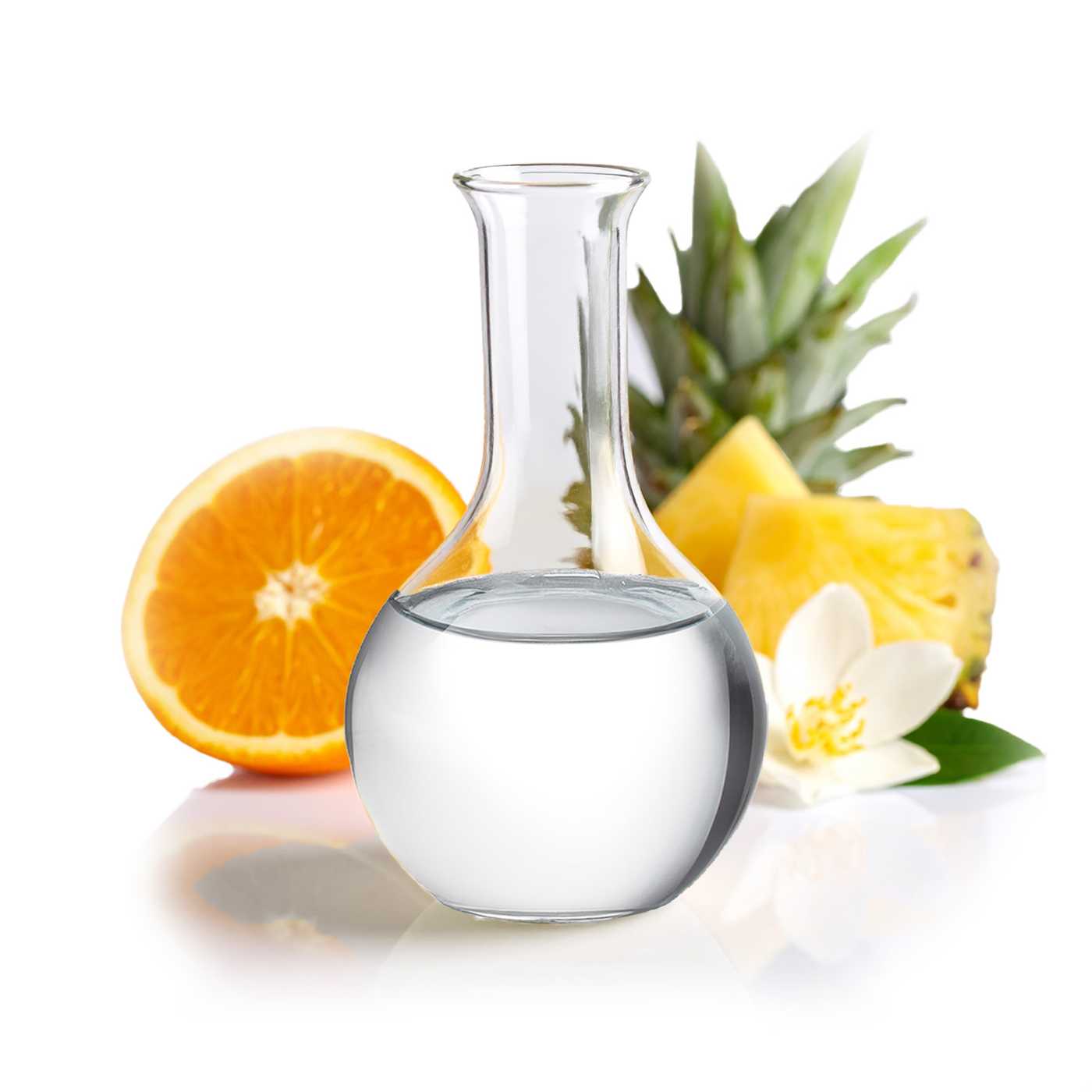
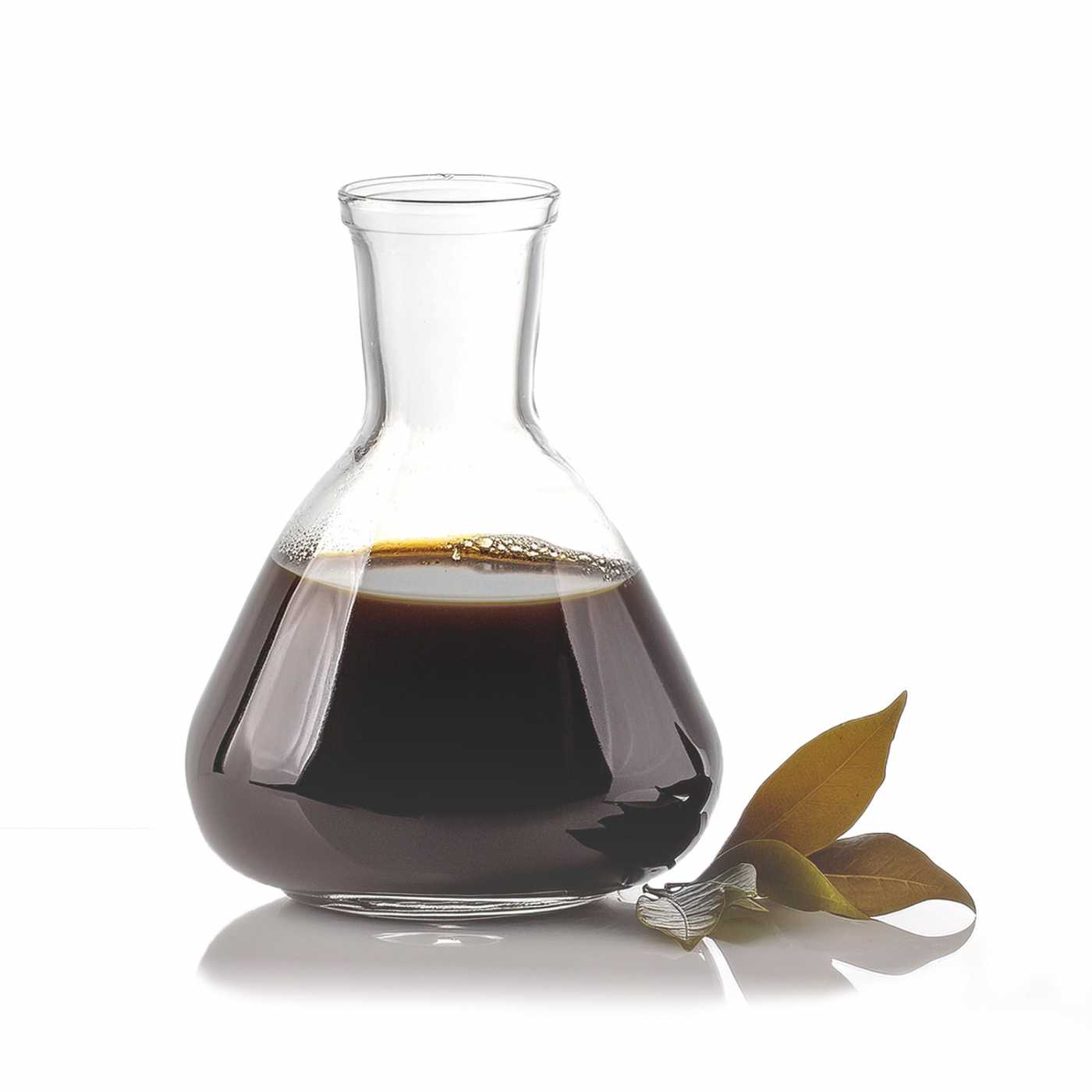
Sage essential oil is added to formulations as a herbal fragrance and as an active ingredient in preparations for oily skin and scalp. It is obtained by steam distillation from the plant Salvia officinalis L. of European origin. The manufacturer states a purifying effect and support for balanced sebum production, making it a raw material for skin prone to oiliness.
The oil is vegan, not tested on animals and produced without the use of solvents.
Key benefits
- Herbal fragrance – a distinctive herbal note used in perfumery, deodorants, soaps and candles.
- Purifying effect on skin – according to the manufacturer's data, it helps balance sebum production and promotes a clearer complexion, which is why it is added to preparations for oily and combination skin.
- Scalp care – the manufacturer states support for a balanced and clean scalp environment; suitable for shampoos, hair tonics and scalp oils.
- Warming sensation – the manufacturer describes a mild warming effect on the skin, used in massage oils and relaxation creams.
- Soothing irritated skin – according to the manufacturer's marketing materials, the oil soothes irritated skin; in the finished product, the effect depends on the dosage and the overall formulation.
Use in formulation
Sage essential oil is soluble in oils and alcohol, it does not dissolve in water. It is added to emulsions in the oil phase or at the end, once the emulsion has cooled. For anhydrous preparations, it is blended with the carrier oil or butter. For water-based products (tonics, sprays, hydrolate waters) it must first be dissolved in a solubiliser or alcohol, otherwise it will separate and form an oil film on the surface.
It is processed at temperatures below 40 °C. The oil is a mixture of volatile components that evaporate faster at higher temperatures and the fragrance changes character. Therefore, add it only after the oil phase has cooled, not into a hot mixture.
Dosage is governed by the IFRA certificate for the specific product category. The values differ for face preparations, body oils, rinse-off products or candles, so check the maximum proportion for your product type in the IFRA certificate at the product before manufacturing.
Suitable for products such as
- Shampoos and hair tonics – an active ingredient for oily scalp and carrier of herbal fragrance.
- Facial preparations for oily and combination skin – cleansing gels, toners and light creams dosed according to IFRA for the relevant category.
- Massage and body oils – make use of the warming sensation stated by the manufacturer.
- Deodorants – herbal fragrance for natural deodorants, dosage according to IFRA category 2.
- Solid and liquid soaps, shower gels – rinse-off products of IFRA category 9.
- Bath bombs and salts – herbal fragrance for the bath.
- Candles, fragrance waxes and air fresheners – a herbal note for green and woodland compositions.
- Perfumes and eau de cologne – a herbal component in hydroalcoholic perfumery.
Good to know
The oil is subject to CLP classification: it is flammable, irritating and sensitising, poses a serious health risk upon prolonged exposure and is harmful to the environment. When working with undiluted oil, use gloves and work in a ventilated area, away from heat sources and open flame. Details can be found in the safety data sheet at the product.
The oil contains fragrance allergens according to Annex III of Regulation (EC) No 1223/2009 as amended by Regulation (EU) 2023/1545. In the finished cosmetic product they must be listed in the ingredient list if they exceed the specified limit. The product also contains ingredients classified as CMR, although the mixture as a whole is not classified as CMR. Therefore, always base the dosage on IFRA and on the safety assessment of the finished product.
The colour of the oil ranges from colourless to yellow or slightly greenish. In light-coloured anhydrous products and in clear-packaged perfumery the shade may be slightly noticeable.
Frequently asked questions
Is sage essential oil soluble in water?
No, sage essential oil does not dissolve in water. It dissolves in vegetable oils and in alcohol. Therefore, add it to a tonic, spray or hydrolate water only after dissolving it in a solubiliser or a sufficient proportion of alcohol, otherwise an oil film will appear on the surface and the fragrance will be distributed unevenly in the product.
How much sage essential oil is added to a cream or oil?
The maximum dosage is determined by the IFRA certificate for the specific product category — there is no single figure that applies to all products. A face cream, body oil, shampoo or candle each fall into different categories with their own limit. Before manufacturing, check the value in the IFRA certificate at the product and adjust the dosage also for the sensitivity of the people you are preparing the product for.
Is sage essential oil suitable for a shampoo for oily hair?
Yes, sage essential oil is commonly added to shampoos and hair tonics for oily scalp. The manufacturer states that it supports a balanced and clean scalp environment. Shampoo falls under IFRA category 9 (rinse-off products); the permitted proportion for this category can be found in the IFRA certificate at the product.
What is the difference between sage and clary sage?
Sage (Salvia officinalis) and clary sage (Salvia sclarea) are two different plant species, each with its own essential oil. This product is a distillate from Salvia officinalis L. Do not substitute one oil for the other in a formulation without recalculating the dosage — each has its own IFRA certificate with its own limits.
Can sage essential oil be added at high temperature?
No, sage essential oil is not added to the hot phase. The recommended processing temperature is below 40 °C. The oil is a mixture of volatile components that evaporate faster at higher temperatures and the fragrance loses its freshness. Add it to an emulsion only after it has cooled, and to anhydrous preparations with cooled oil or butter.
Do allergens need to be listed on the label for sage essential oil?
Yes, the oil contains fragrance allergens according to Annex III of Regulation (EC) No 1223/2009 as amended by Regulation (EU) 2023/1545. If their concentration in the finished cosmetic product exceeds the specified limit, they must be listed in the ingredient list. The precise allergen composition can be found in the allergen declaration and in the safety data sheet at the product.