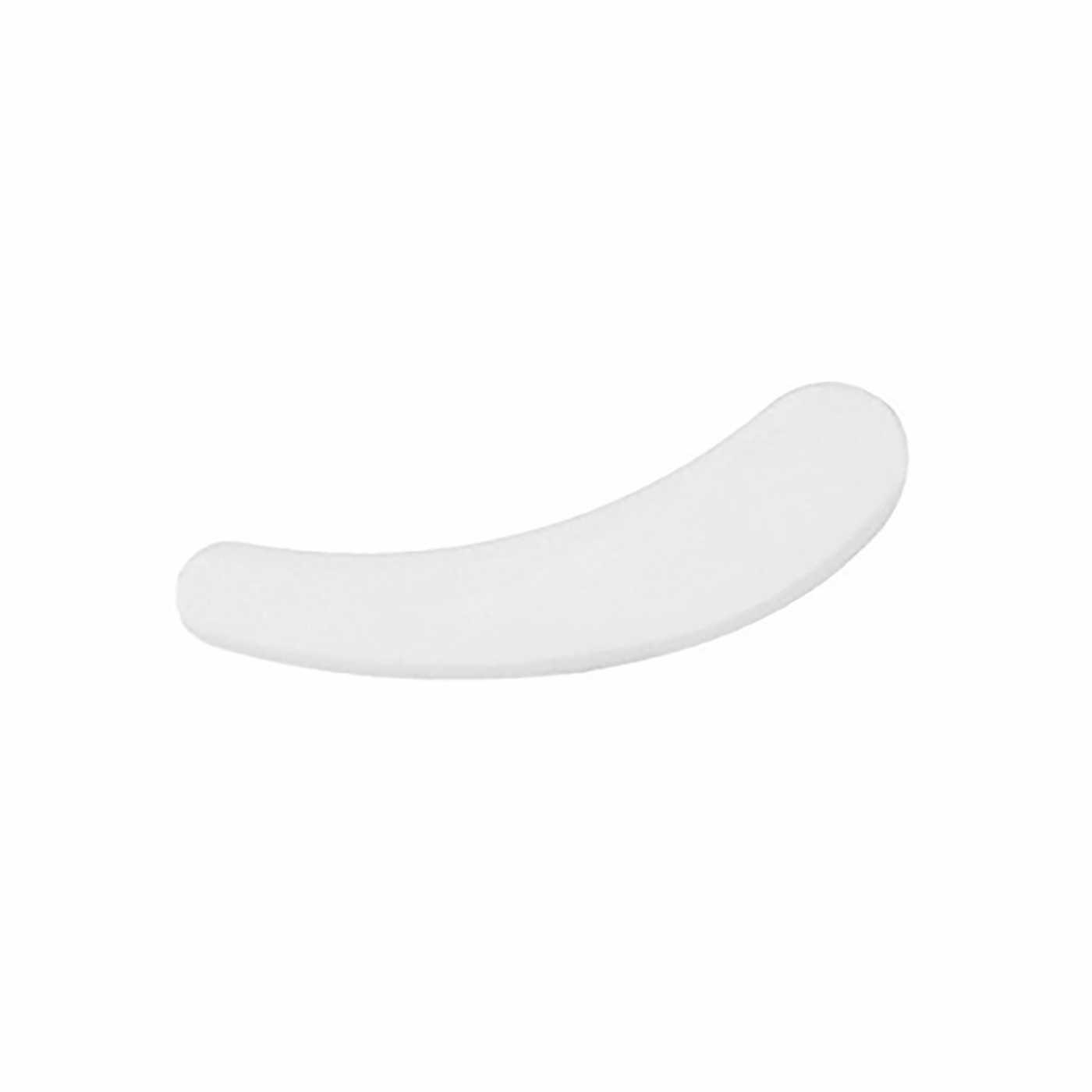
White Plastic Cosmetic Spatula
Pre-order€0.29

PRESERVATIVES
Pack size10 ml50 ml100 ml1 l5 l
Euxyl PE 9010 is a liquid broad-spectrum preservative based on phenoxyethanol and ethylhexylglycerin that protects cosmetics containing a water phase against bacteria, yeasts and moulds. full description
Lowest price in the last 30 days: €7.99
Euxyl PE 9010 is a liquid broad-spectrum preservative based on phenoxyethanol and ethylhexylglycerin that protects cosmetics containing a water phase against bacteria, yeasts and moulds. It acts evenly on all three groups of microorganisms and is suitable for both leave-on and rinse-off products. The manufacturer recommends it especially for clear gels, which it neither clouds nor colours.
The blend is based on phenoxyethanol at 88.5–91.5%, supplemented with 8.5–11.5% of ethylhexylglycerin stabilised with synthetic alpha-tocopherol. According to the manufacturer, ethylhexylglycerin alters the surface tension at the cell membrane of microorganisms and thereby increases the effectiveness of phenoxyethanol. The product is paraben-free, of synthetic origin and readily biodegradable, and it holds Vegan and Halal certificates. On the market you may also come across the name Verstatil PE, which corresponds to the same blend.
The recommended usage rate is 0.5–1.0% for both leave-on and rinse-off products, and the legal limit in the European Union is 1.11% of the blend. The specific dose depends on the product type. Clear water-based gels managed with a lower concentration in the manufacturer’s tests, while emulsions with an oil phase needed the upper end of the range.
The preservative is added in the cooling phase below 80 °C or afterwards to the finished product at room temperature. It dissolves in water only to a limited extent, approximately 10 g per litre at 20 °C, which is sufficient for usual usage rates up to 1%. It dissolves well in glycols and alcohol, so for water-based gels you can first stir it into the glycol or alcohol part of the formulation and then mix it into the water phase. In emulsions it is added after emulsification with constant stirring.
The recommended pH range of the formulation is below 12, which covers usual cosmetic products from acidic facial preparations to soaps.
At temperatures around 5 °C and below, the concentrate may solidify or crystallise. Before use, warm the container to 40–45 °C and mix the contents thoroughly until the crystals dissolve.
For rinse-off products with a high content of ethoxylated (PEG) surfactants, the manufacturer states reduced effectiveness. For shampoos and shower gels based, for example, on Sodium Laureth Sulfate, we therefore recommend a challenge test.
The preservative protects the product against microbial contamination during use; it is not intended to rescue an already contaminated product. The manufacturer states that destroying microorganisms in a contaminated product requires a contact time of at least 48 hours. The basis remains production hygiene, disinfected containers and raw materials with a low microbial load.
The concentrate is compatible with stainless steel, brass, copper, zinc and aluminium, and among plastics with polyethylene, polyoxymethylene, polyamide and rigid PVC. For other non-metallic materials, such as the seals of dosing equipment, the manufacturer recommends verifying compatibility.
Undiluted, the preservative is classified under the CLP Regulation as a hazardous mixture with GHS05 (corrosive) and GHS07 (irritant) pictograms. When measuring and handling the concentrate, follow the safety data sheet.
The preservative is not classified as CMR, contains no materials of animal origin, GMO ingredients or palm oil, and has not been tested on animals.

My favourite preservative.
Translated automatically

I'm discovering it.
Translated automatically