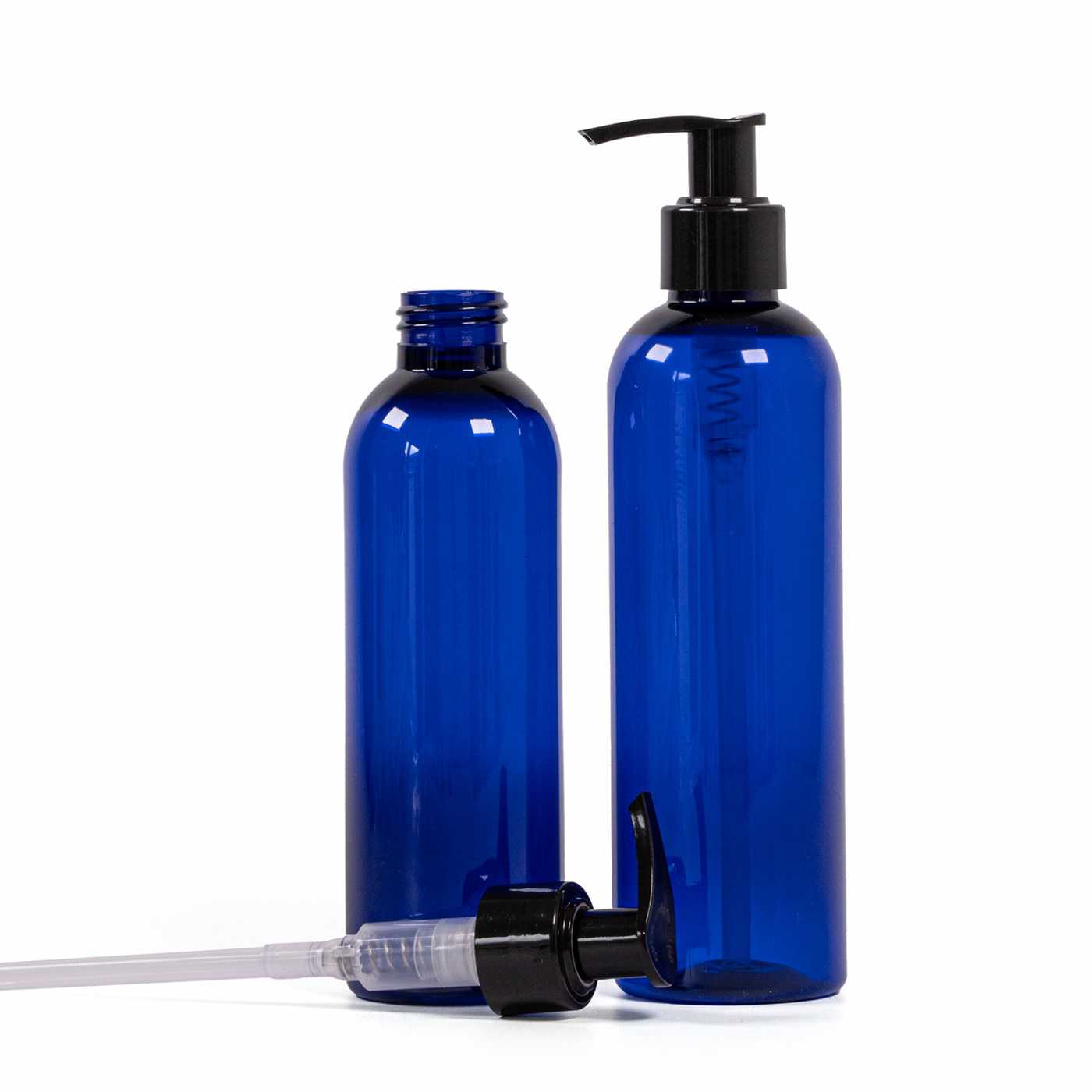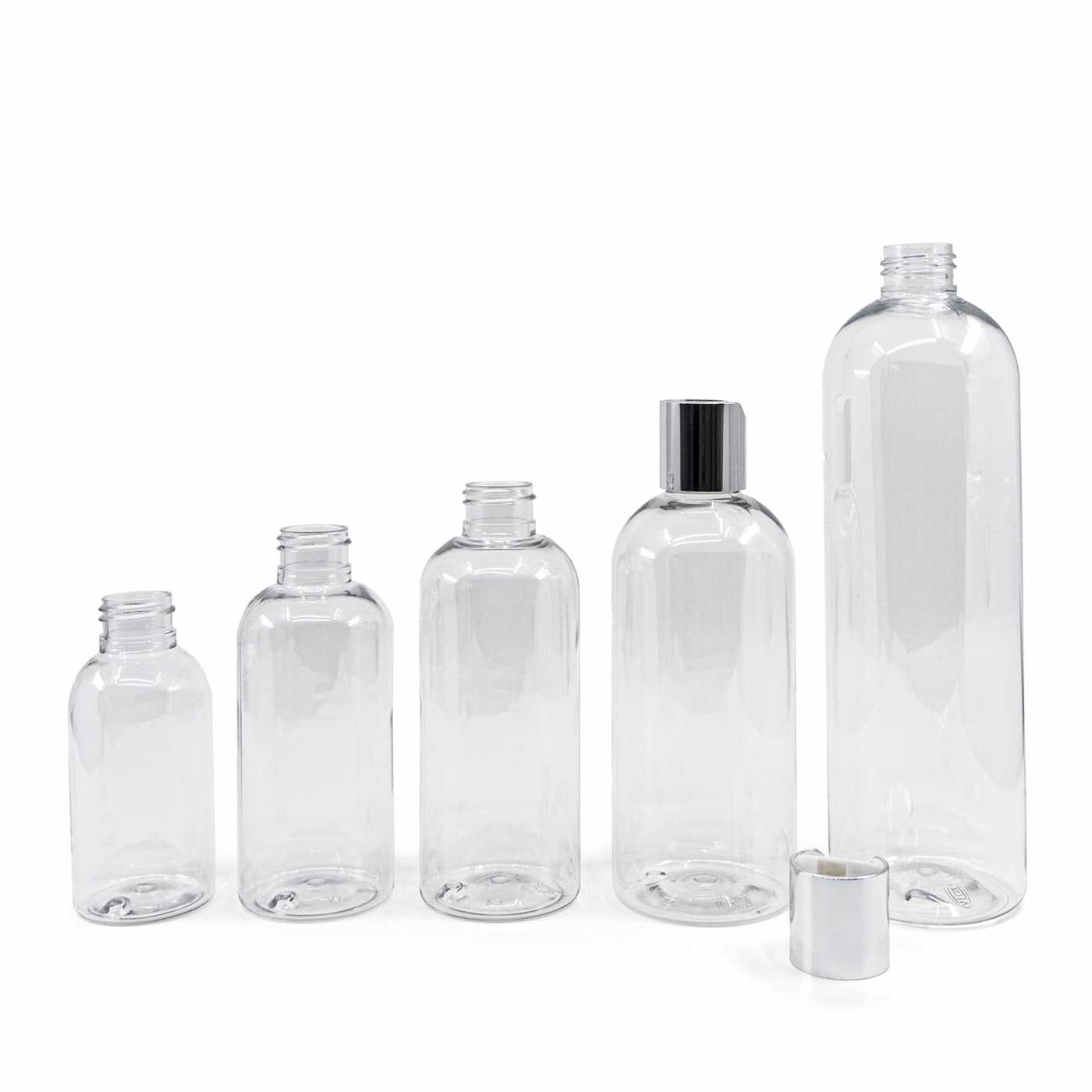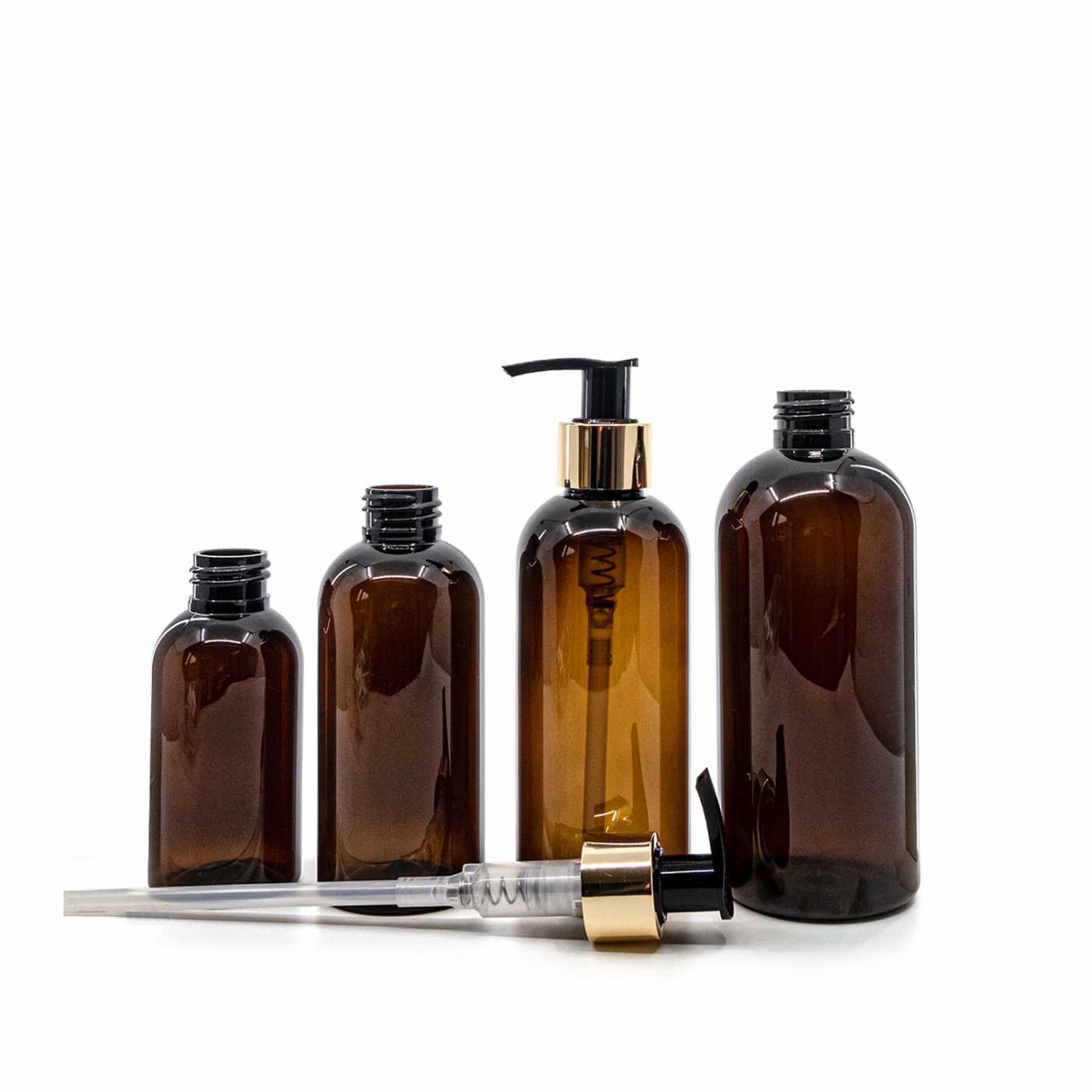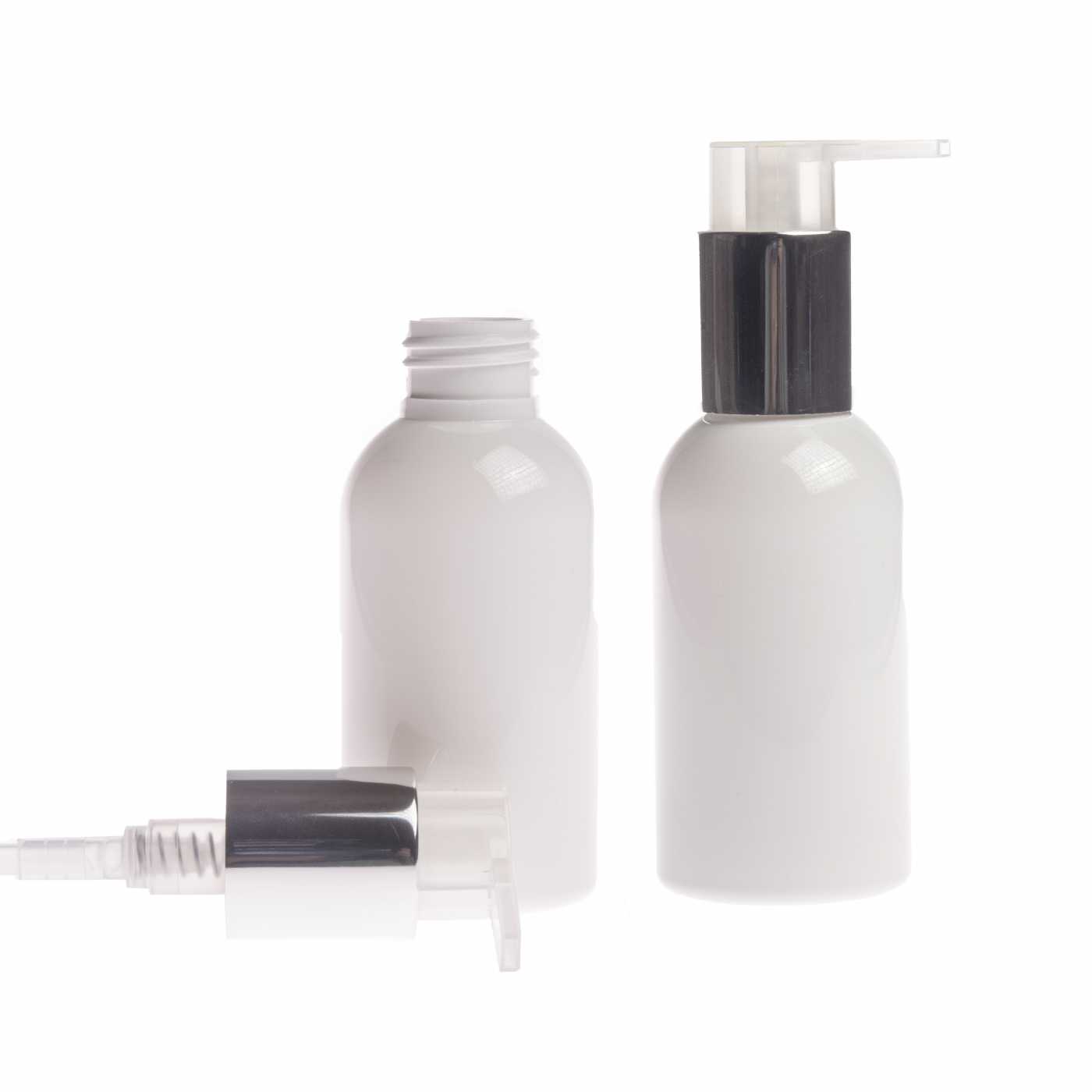
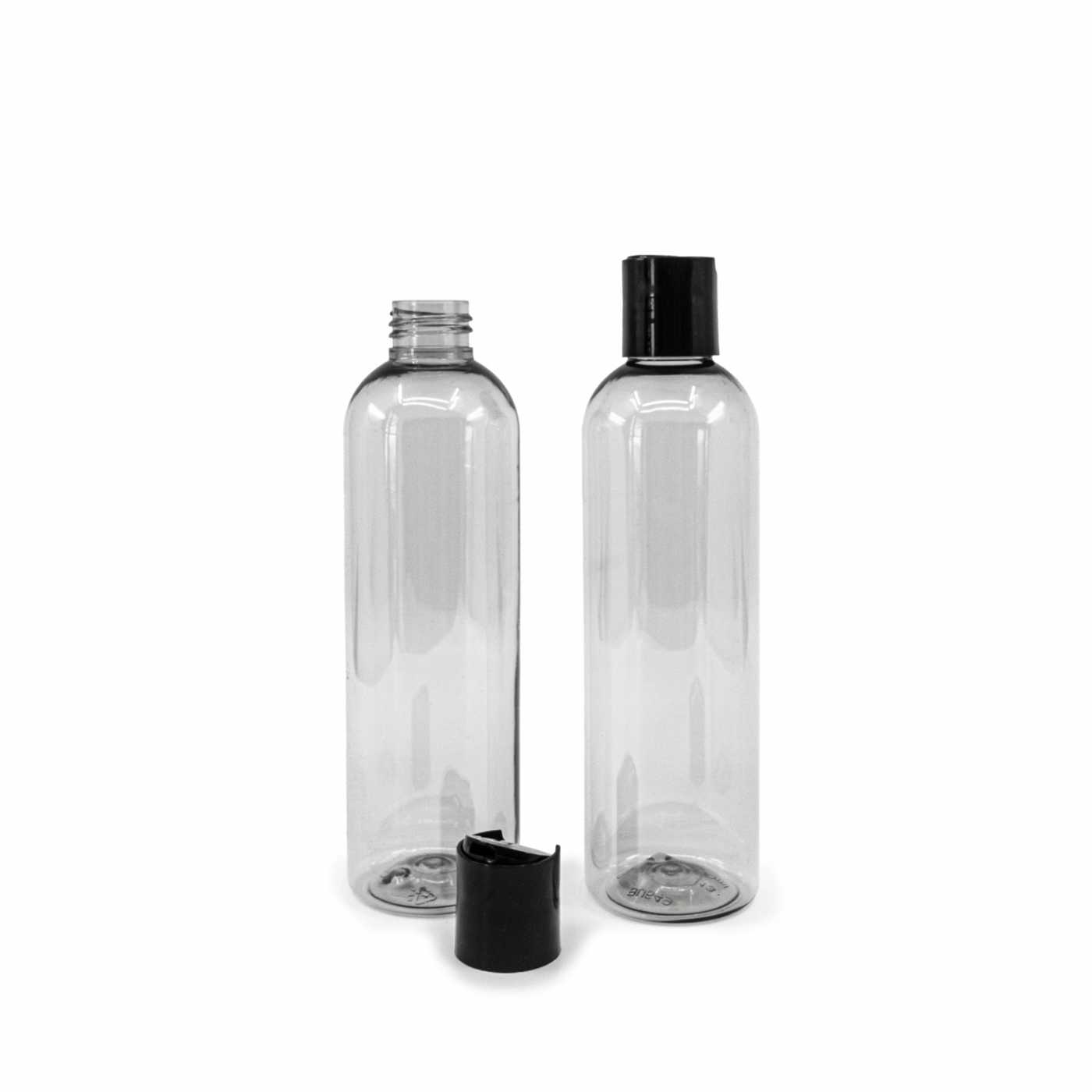
Recycled Plastic Bottle, Black Disc Top, 250 ml
Pre-order€1.12

HUMECTANTS
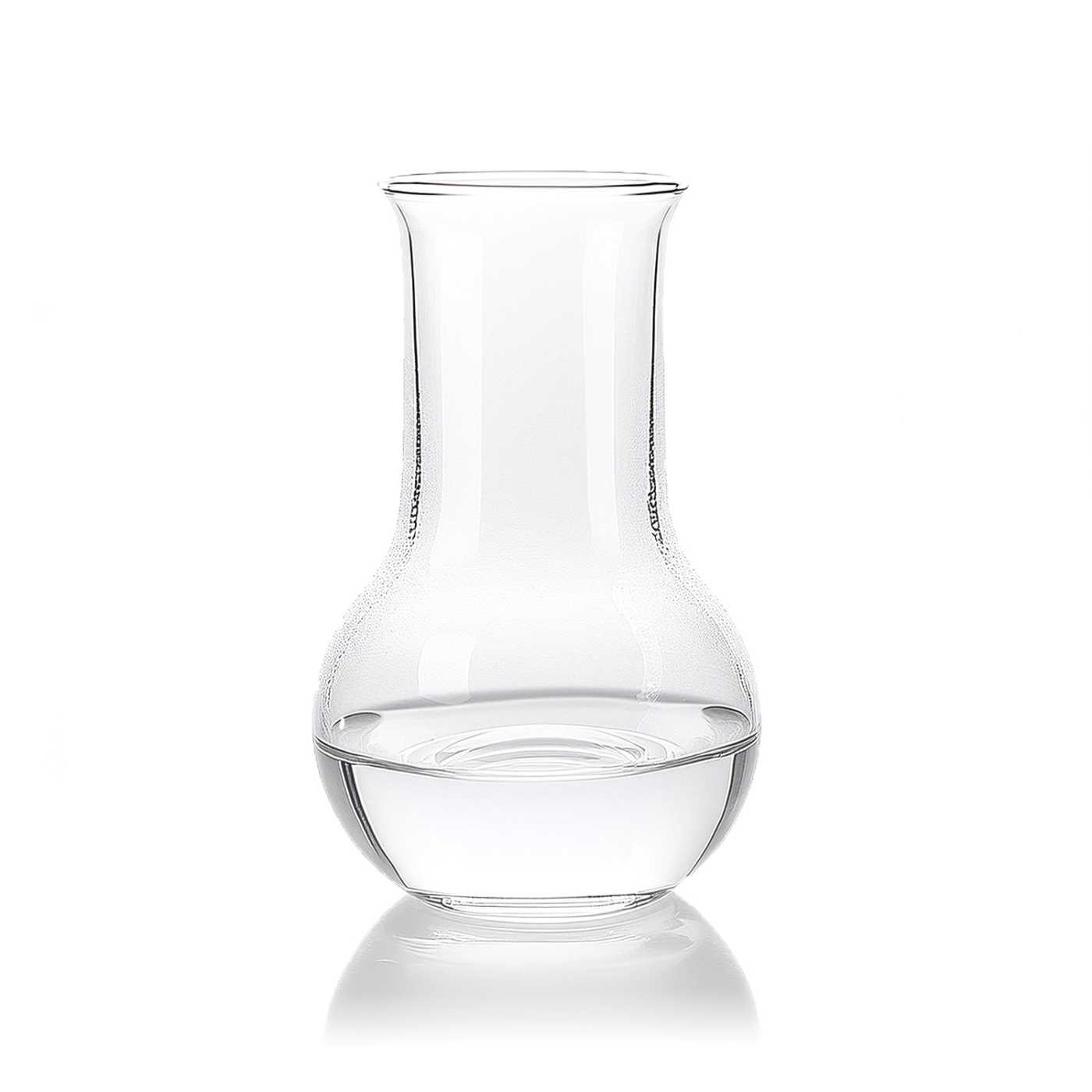
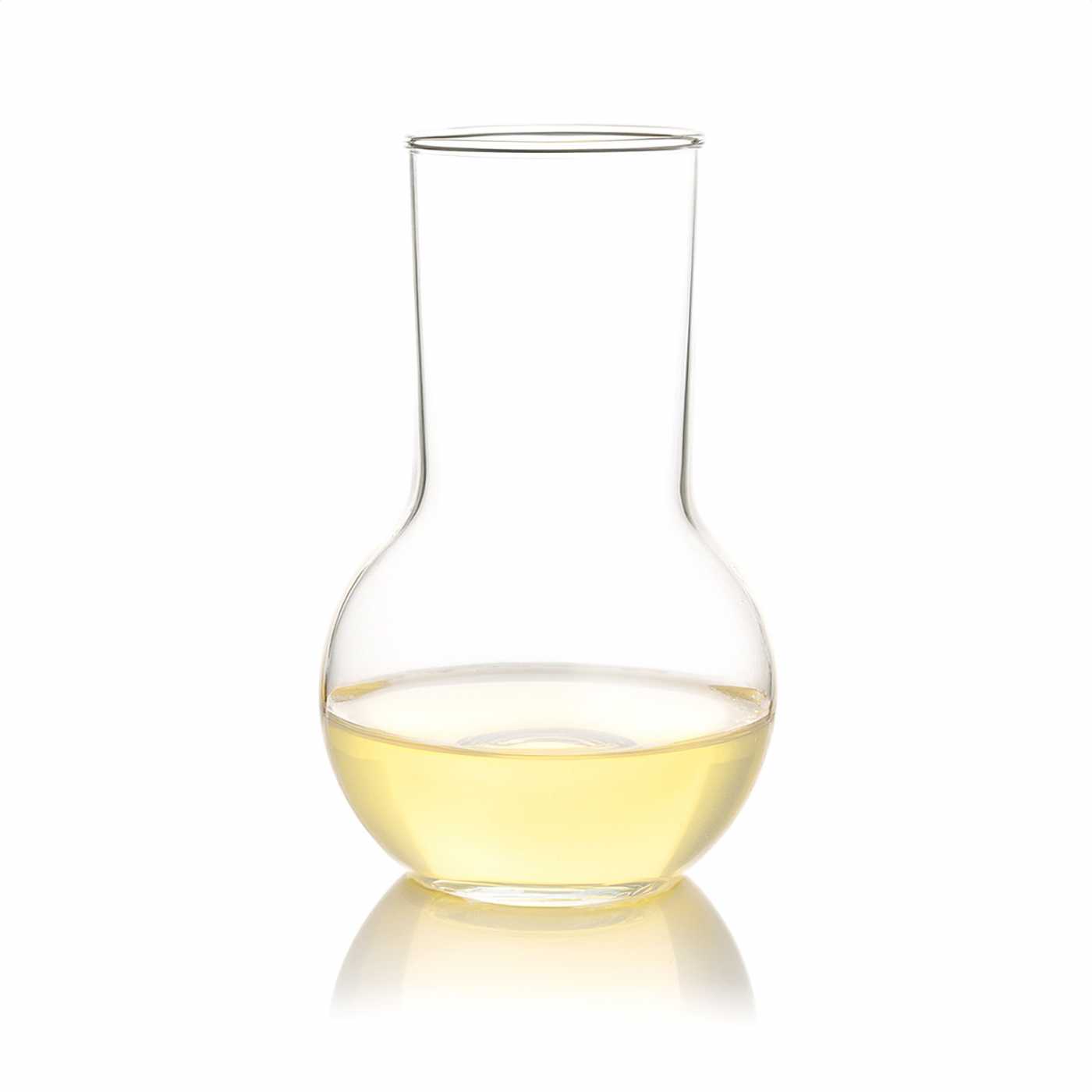
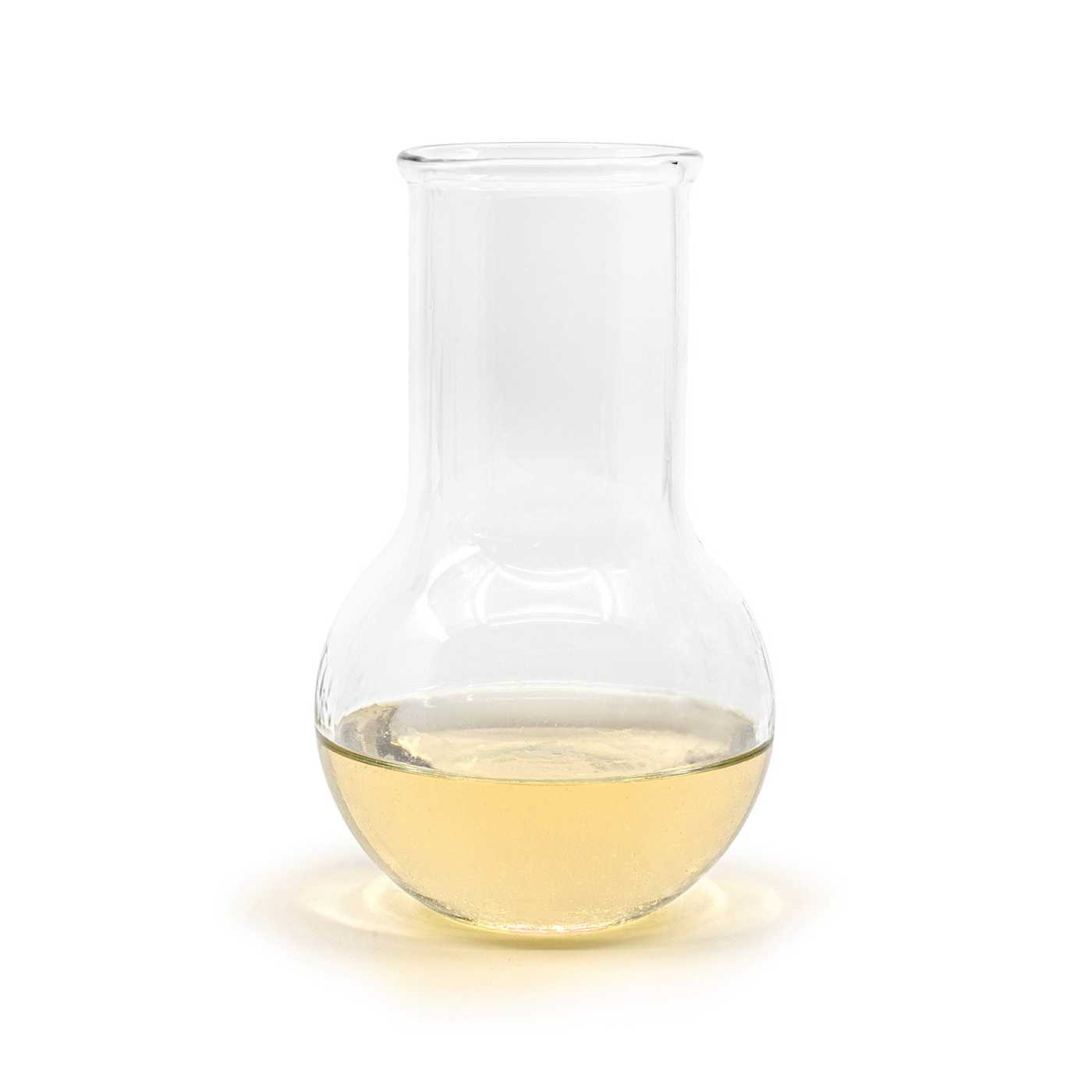
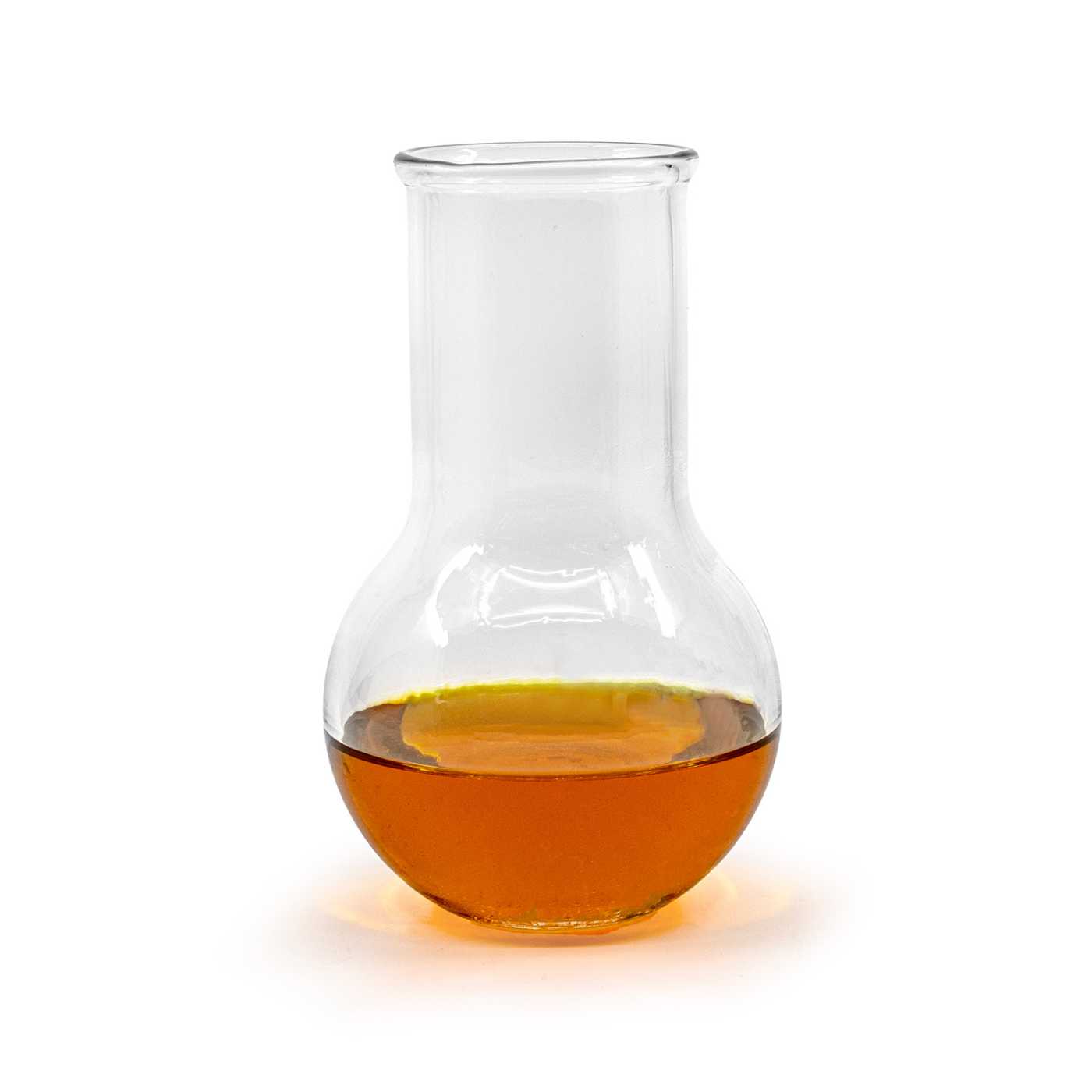
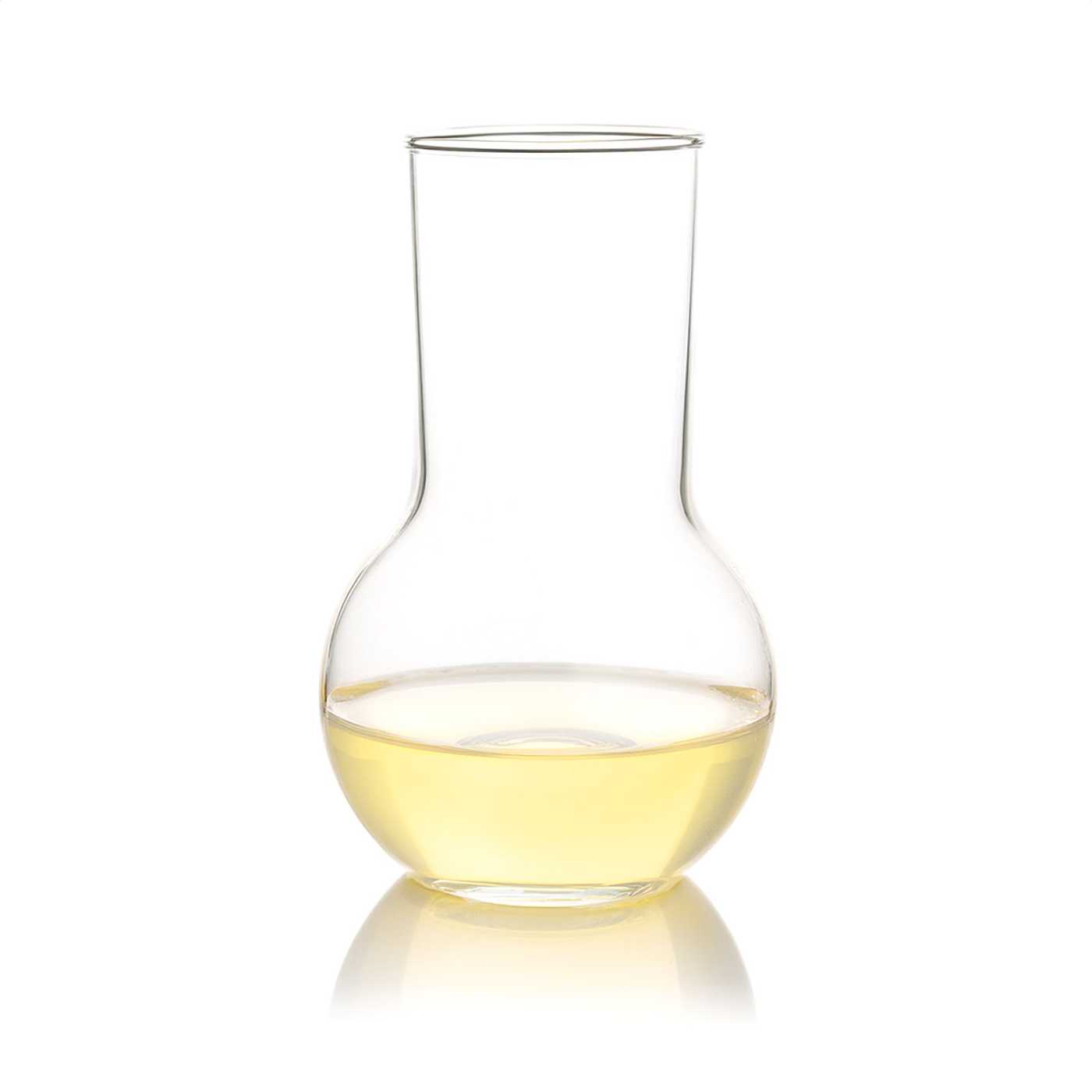
Vegetable glycerin 99.5% USP/BP binds water and retains it in the skin and in the product. As a humectant, it is added to creams, serums, tonics, shampoos, shower gels and toothpastes to prevent their content from drying out and to keep skin supple after application. It also serves as a solvent for water-soluble active ingredients and plant extracts.
It is produced from rapeseed and sunflower oil of European origin and purified by neutralisation, refining and distillation to a purity of 99.5%. It meets the requirements of the USP and BP pharmacopoeias, giving it pharmaceutical, cosmetic and food-grade quality, making it suitable for products intended for children and sensitive skin.
It belongs to the water phase. It mixes with water, alcohol and glycols, but does not dissolve in oils, so it is not suitable on its own for anhydrous oil-based products. In emulsions, it is added to the water phase before emulsification; in tonics, hydrolat sprays and gel serums, it is simply mixed into the water cold.
The recommended dosage is 1 – 10%. The lower end is sufficient for tonics and light sprays, while the upper end is used in intensely moisturising masks or in products where glycerin also acts as a solvent. It tolerates processing temperatures up to 80 °C, so it can be heated together with the water phase when making hot-process emulsions. It is stable in the range of pH 3 – 10, which covers common cosmetic formulations.
First disperse gums and natural thickeners (xanthan, guar, hydroxyethylcellulose) in glycerin to a smooth paste, then pour into water. The powder will disperse evenly without forming lumps that are otherwise difficult to break up.
In shampoos and shower gels, glycerin reduces the feeling of tightness after washing; in conditioners, it promotes hair smoothness. In oral care products, it prevents the paste from drying out and gives it a mildly sweet taste. In bath bombs, it is added as a binder that helps compress the mixture, and after dissolving in water, it leaves a moisturising film on the skin. In water-based decorative cosmetics, it keeps the product supple and slows down its drying.
Glycerin attracts water, it does not create it. In a leave-on product intended to provide long-term hydration to the skin, we therefore recommend combining it with ingredients that retain water in the skin: vegetable oils, butters or other emollients. In a tonic at low dosage it works on its own, but in a dry environment it is not sufficient alone on the skin.
As the dosage increases, its own character begins to show: the product becomes stickier to the touch and absorbs more slowly. In creams and serums intended to be lightweight and quick to work in, it is better to stay at lower concentrations and balance the stickiness with emollients. Higher dosages are well tolerated by masks and rinse-off products.
Glycerin does not preserve the product. Aqueous products containing glycerin require a full preservative system just like any other water-containing product.

Excellent quality, fast shipping, and outstanding customer service. The products are always carefully made, and whenever I have a question, the seller is very helpful and responsive. Highly recommended!
Translated automatically

Great quality
Translated automatically
I use it in creams, in masks and also a few drops in the water for washing parquet floors.
Translated automatically

Variant: Glycerín rastlinný 99,5% USP/BP, 1000 ml

Variant: Glycerín rastlinný 99,5% USP/BP, 500 ml