
Spend over €100 for discounted shipping!

+421 950 333 113[email protected]

SURFACTANTS

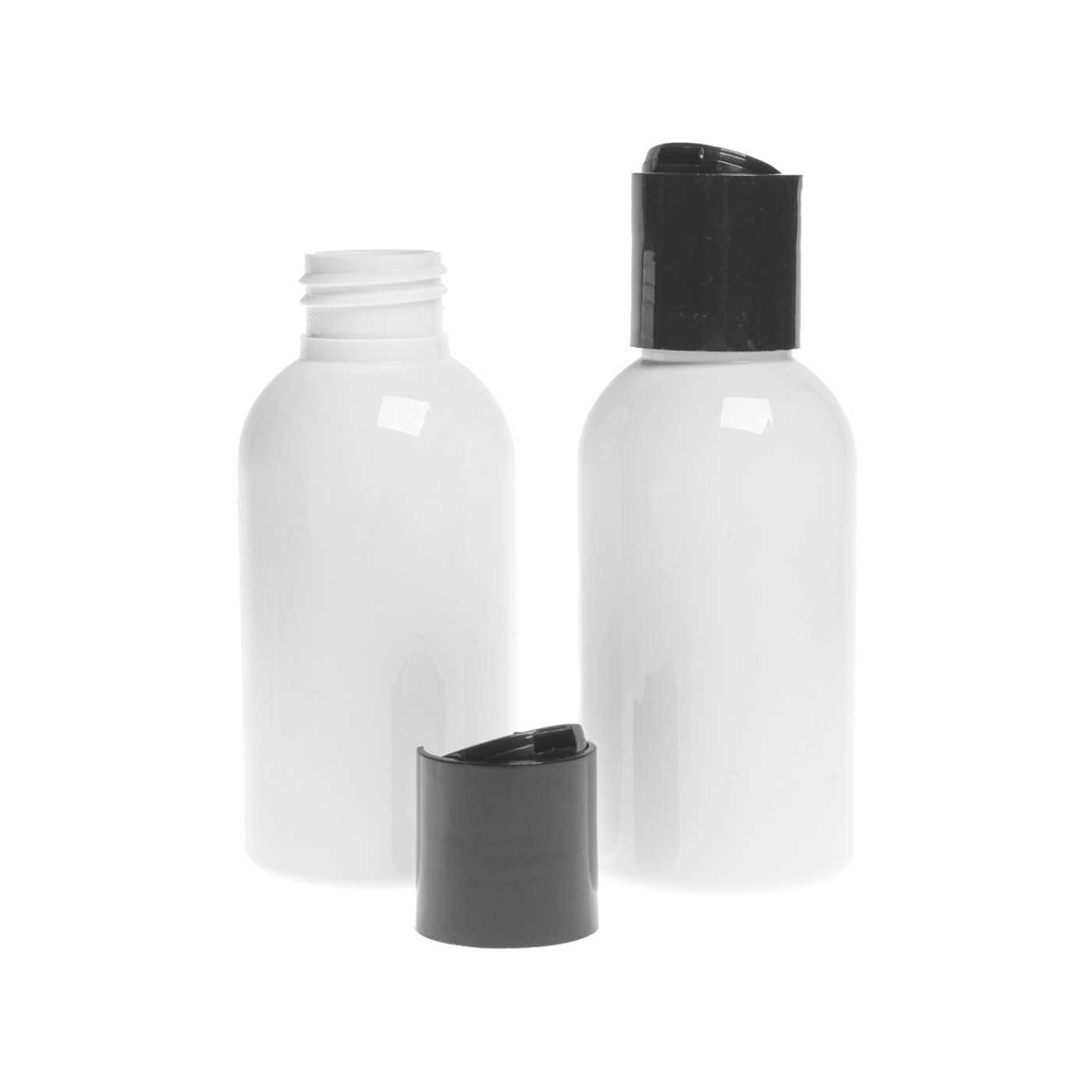
Coco Glucoside, 100 ml

Pack size100 ml500 ml1 l5 l20 l

Coco Glucoside Coco Glucoside is a non-ionic surfactant of plant origin for cleansing the skin and hair. full description

AvailabilityIn stock · 4,916 packs
Product codeTEN010_100
Batch2024-041
Best before07/2027
€3.39incl. VAT€33.90/l

Lowest price in the last 30 days: €3.39

Product description

Coco Glucoside

Coco Glucoside is a non-ionic surfactant of plant origin for cleansing the skin and hair. It is used as a primary or secondary cleansing surfactant in shampoos, shower gels, liquid soaps and intimate hygiene products. It belongs to the alkyl polyglucosides and is created by combining plant-based fatty alcohols with glucose.

In a formulation it foams, cleanses and softens the action of harsher anionic surfactants. That is why it often appears in children's cosmetics and in products for sensitive skin. The raw material is readily biodegradable and carries the RSPO Mass Balance certification.


Key benefits

  • Gentle cleansing – as a non-ionic surfactant it disrupts the skin barrier less than common sulphate surfactants and does not leave the skin feeling tight after washing.
  • Dense, creamy foam – it foams well on its own, and in combination with anionic or amphoteric surfactants it stabilises and softens the foam.
  • Broad compatibility – it is compatible with anionic, cationic, amphoteric and non-ionic surfactants and tolerates electrolytes. It can therefore be incorporated into most rinse-off systems.
  • Stability in alkaline conditions – it does not hydrolyse at higher pH, so it can also be used in liquid soaps with a soap base.
  • Free of sulphates, PEG and ethylene oxide – suitable for formulations declared as "SLS/SLES free" or with a high proportion of ingredients of natural origin.

Use in a formulation

Coco Glucoside belongs to the water phase. It dissolves in water and in glycols, but not in oil. It is added cold or with gentle heating, up to a maximum of 60 °C. At lower temperatures it tends to crystallise. This is not a defect; simply heat the container evenly to below 60 °C and stir the contents until homogeneous again. Always mix the raw material thoroughly before weighing.

The concentrate is strongly alkaline, with a pH of around 11 – 12.5. After adding it to a formulation, the pH should be adjusted with citric or lactic acid to the target value of the product. The cloudiness of the concentrate is caused by the high pH and the presence of magnesium oxide from production. Once the pH is adjusted into the neutral range it disappears and has no effect on function. The recommended pH range of the finished formulation is 5 – 12; it is not suitable for strongly acidic products.

The dosage of 2 – 30 % refers to the raw material as supplied, i.e. with an active substance content of at least 50 %. As the sole surfactant in a shampoo or shower gel it is used in the upper part of the range; as a supplement to Sodium Coco-Sulfate or Cocamidopropyl Betaine the lower part is sufficient.

Thickening is more challenging with alkyl polyglucosides than with sulphate systems. Salt alone increases viscosity only slightly. A combination with an amphoteric surfactant (Cocamidopropyl Betaine), the addition of Glyceryl Oleate or a gelling agent such as xanthan gum or hydroxypropyl guar works better. Test the thickening on a small sample before transferring it to the whole batch.

An HLB value of 11 – 12 also allows the solubilisation of small amounts of essential oils or fragrance compositions in toners and cleansing waters. In this it complements the main solubiliser rather than replacing it.


Suitable for products such as

  • Shampoos and shower gels – the main surfactant in sulphate-free formulations or a softening ingredient alongside anionic surfactants.
  • Children's cosmetics and intimate hygiene – low irritation potential and good tolerance by sensitive skin.
  • Liquid soaps and hand soaps – stability at alkaline pH allows combination with a soap base.
  • Facial cleansing gels and foams – creamy foam without a feeling of tight skin.

Good to know

The raw material comes from European production, contains no ingredients of animal origin and has not been tested on animals. Finished water-based formulations always require a preservative; Coco Glucoside has no preservative effect.

The concentrated raw material is classified as corrosive and irritant. Wear protective goggles and gloves when weighing and mixing. In a finished product with adjusted pH and normal dosage it is also suitable for sensitive and children's skin.

The non-ionic character becomes apparent when adding cationic conditioning ingredients (Polyquaternium-7, Guar Hydroxypropyltrimonium Chloride). They are more compatible with Coco Glucoside than in purely anionic systems, which is useful in 2-in-1 shampoos.


Frequently asked questions

Is Coco Glucoside suitable for sensitive and children's skin?
Yes, Coco Glucoside is one of the mild surfactants and is commonly added to children's shampoos and intimate hygiene products. As a non-ionic surfactant it disrupts the skin barrier less than sulphate surfactants. The condition is adjusting the pH of the finished product, because the raw material itself is strongly alkaline.
Why is Coco Glucoside cloudy and is it a problem?
The cloudiness is not a defect of the raw material. It is caused by the high pH of the concentrate and the presence of magnesium oxide from production. After adding it to a formulation and adjusting the pH into the neutral range, the cloudiness disappears and has no effect on the cleansing or foaming action. If the raw material solidifies or crystallises at a lower temperature, simply heat it below 60 °C and stir.
How is Coco Glucoside thickened?
Coco Glucoside thickens poorly with salt alone. A combination with Cocamidopropyl Betaine, the addition of Glyceryl Oleate or a gelling agent such as xanthan gum or hydroxypropyl guar works better. Viscosity behaviour depends on the whole surfactant system, so it is recommended to test the thickening on a small sample.
How much Coco Glucoside is added to a shampoo or shower gel?
The recommended range is 2 – 30 % of the raw material as supplied, i.e. with an active substance content of at least 50 %. As the sole surfactant, Coco Glucoside is dosed in the upper part of the range according to the required cleansing power and foam. As a supplementary surfactant alongside anionic or amphoteric surfactants, the lower part of the range is sufficient.
What is the difference between Coco Glucoside and Decyl Glucoside?
Both are alkyl polyglucosides with the same non-ionic character and similar mildness; they differ in the length of the hydrocarbon chain. Coco Glucoside has longer chains, foams more densely and creamily and gives the formulation higher viscosity. Decyl Glucoside is more fluid, foams more thinly and is better suited to low-viscosity products such as micellar waters or cleansing foams in a dispenser.
Can Coco Glucoside be combined with cationic ingredients?
Yes, as a non-ionic surfactant Coco Glucoside is compatible with cationic surfactants and conditioning polymers such as Polyquaternium-7 or Guar Hydroxypropyltrimonium Chloride. It does not form insoluble complexes with them as anionic surfactants do, which is why it is suitable for conditioning shampoos. Verify the stability of a specific combination in the finished formulation.

Parameters

INCI
Coco-GlucosideCoco-glucoside
CAS No.
110615-47-9, 68515-73-1
EC number
600-975-8, 500-220-1
Product color
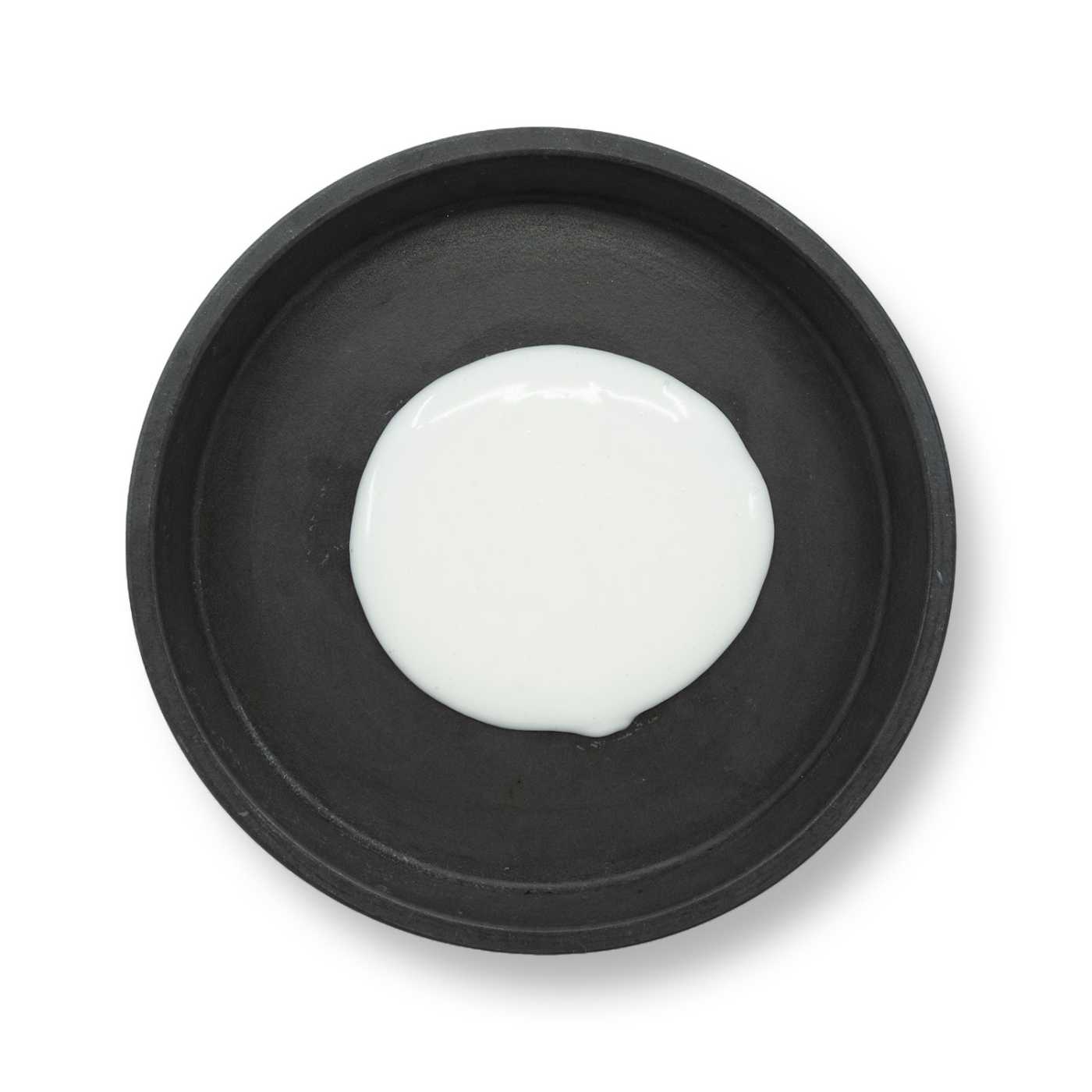
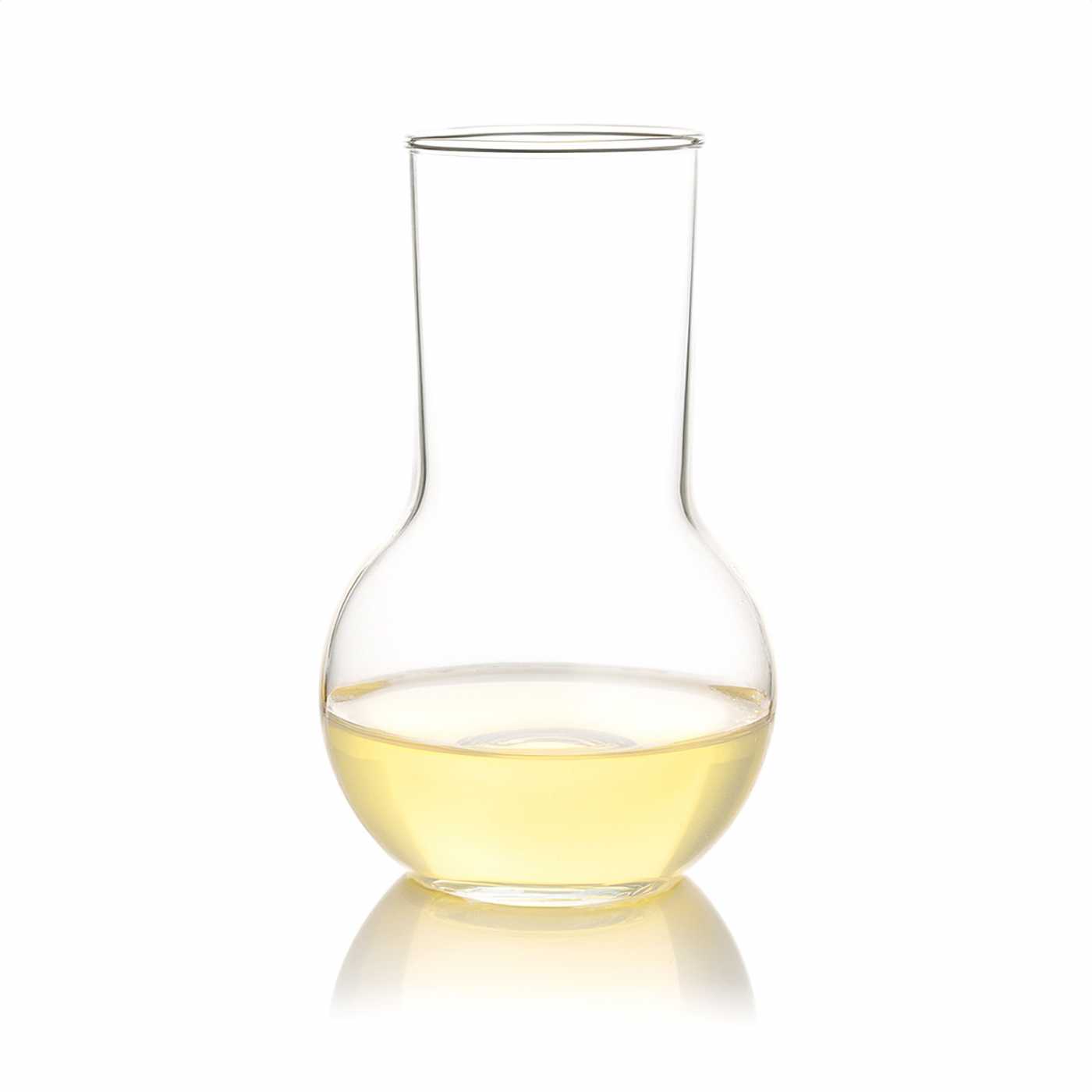
Yellow
Country of origin
Germany
Processing method
Chemical synthesisMelting
Appearance
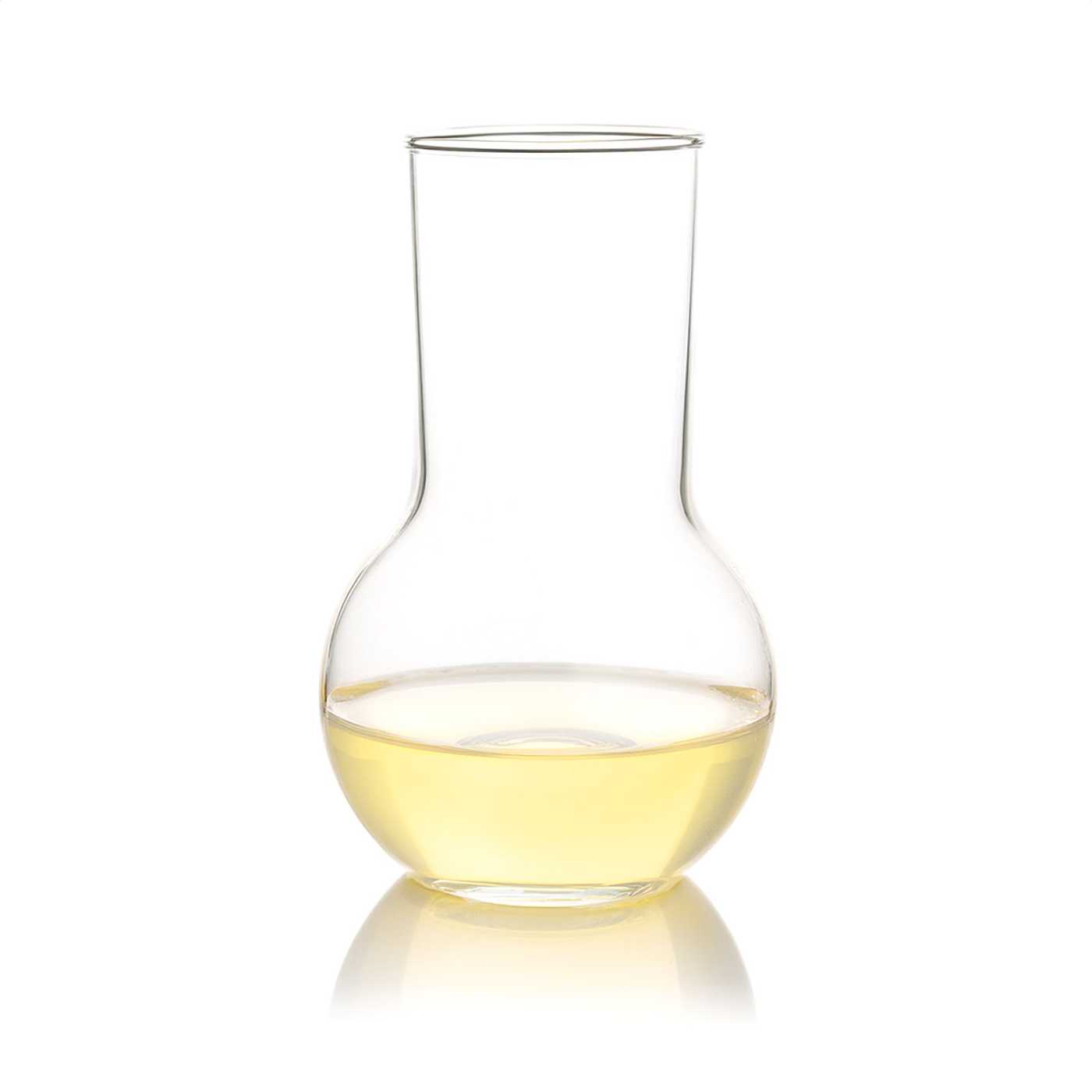
Thick Liquid
Active surfactant matter
50,9050.9 %
Formulation phase
Water phase
Function in formulation
Surfactant
HLB value
11–12
Ionic character
Non-ionic
Recommended processing temperature
< 60 °C
Recommended dosage range
2 – 30 %
Recommended formulation pH range
5 – 12
Application type
Leave-onRinse-off
Effects
Cleansing
Manufacturer's certificate
RSPO MB (Mass Balance)
Natural Index (NI ISO 16128)
1,00
Natural Origin Index (NOI ISO 16128)
1,00
Volume
100 ml

Product documentation

CoACertificate of Analysis
batch 2024-041PDF ↓
batch 8765265PDF ↓
TDSTechnical Data Sheet
Physical parameters and processingPDF ↓
MSDSSafety Data Sheet
Available for purchased products —
Download all (ZIP)

3 PDF files in one archive

Learn how to work with it

From our blog
Blanka O.8 Oct 2026SK

Verified purchase

Variant: Coco / Koko glukozid, 1 l

It's good to work with. The shampoo is exactly how I imagine it.

Translated automatically

Christian9 Aug 2026DE

Verified purchase

happy to buy again and again! perfect here!

Translated automatically

Franca G.29 Sept 2026IT

Verified purchase

Variant: Coco / Koko glukozid, 500 ml

Drahomíra S.18 Sept 2026CS

Verified purchase

Drahomíra S.8 Sept 2026CS

Verified purchase

(6 reviews)