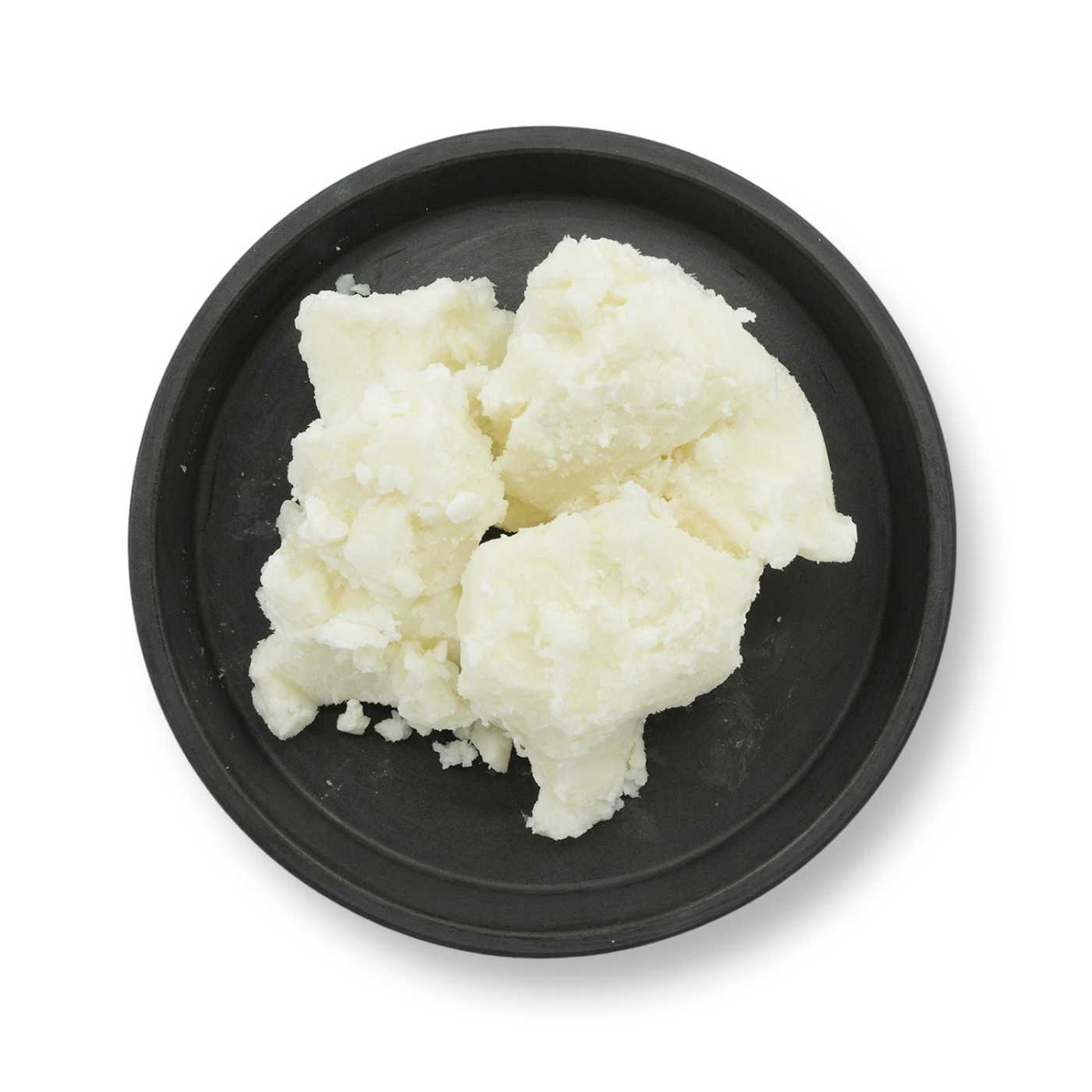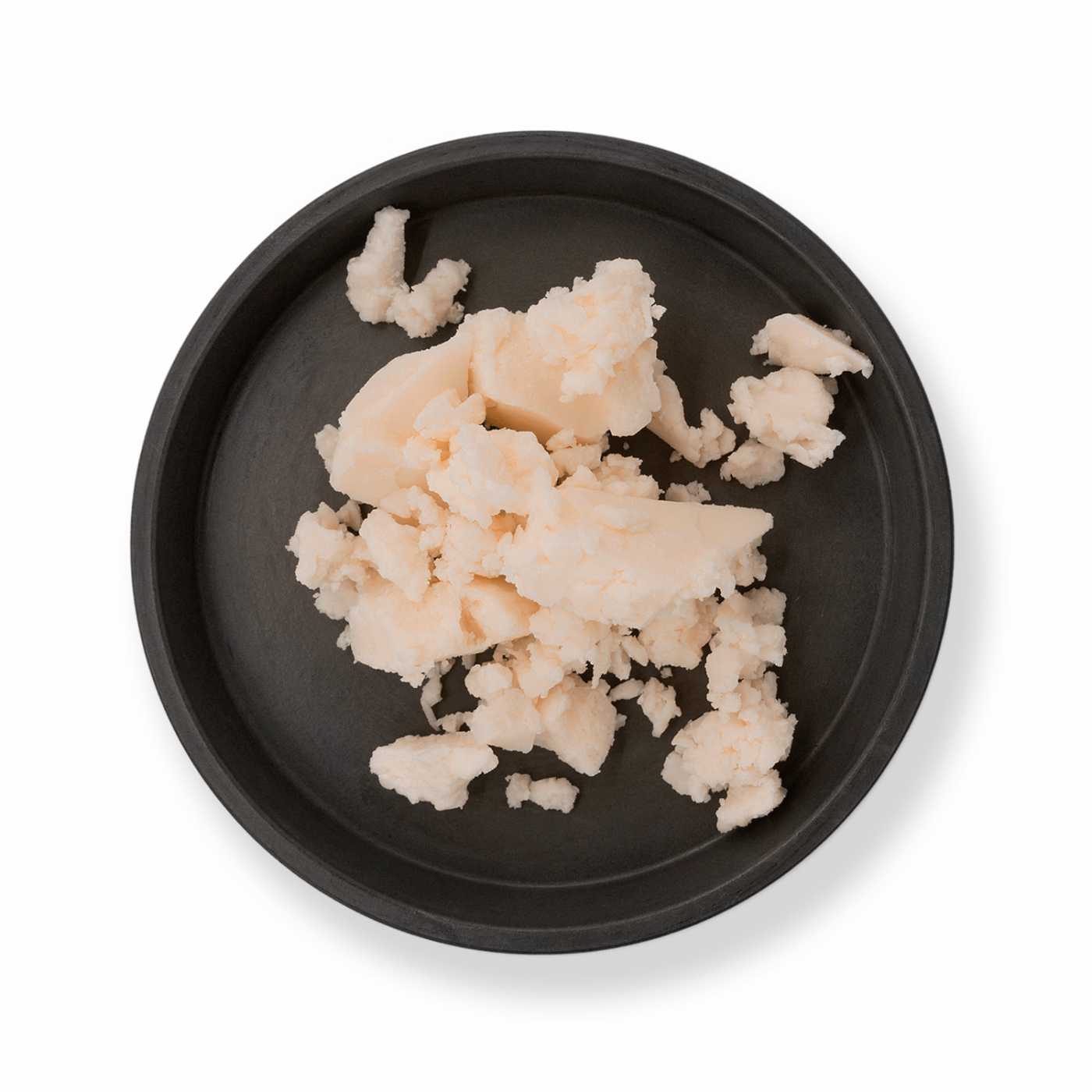
Tucuma Butter, Cold Pressed 50 g
Pre-order€7.89(€157.80/kg)

BUTTERS 100 g
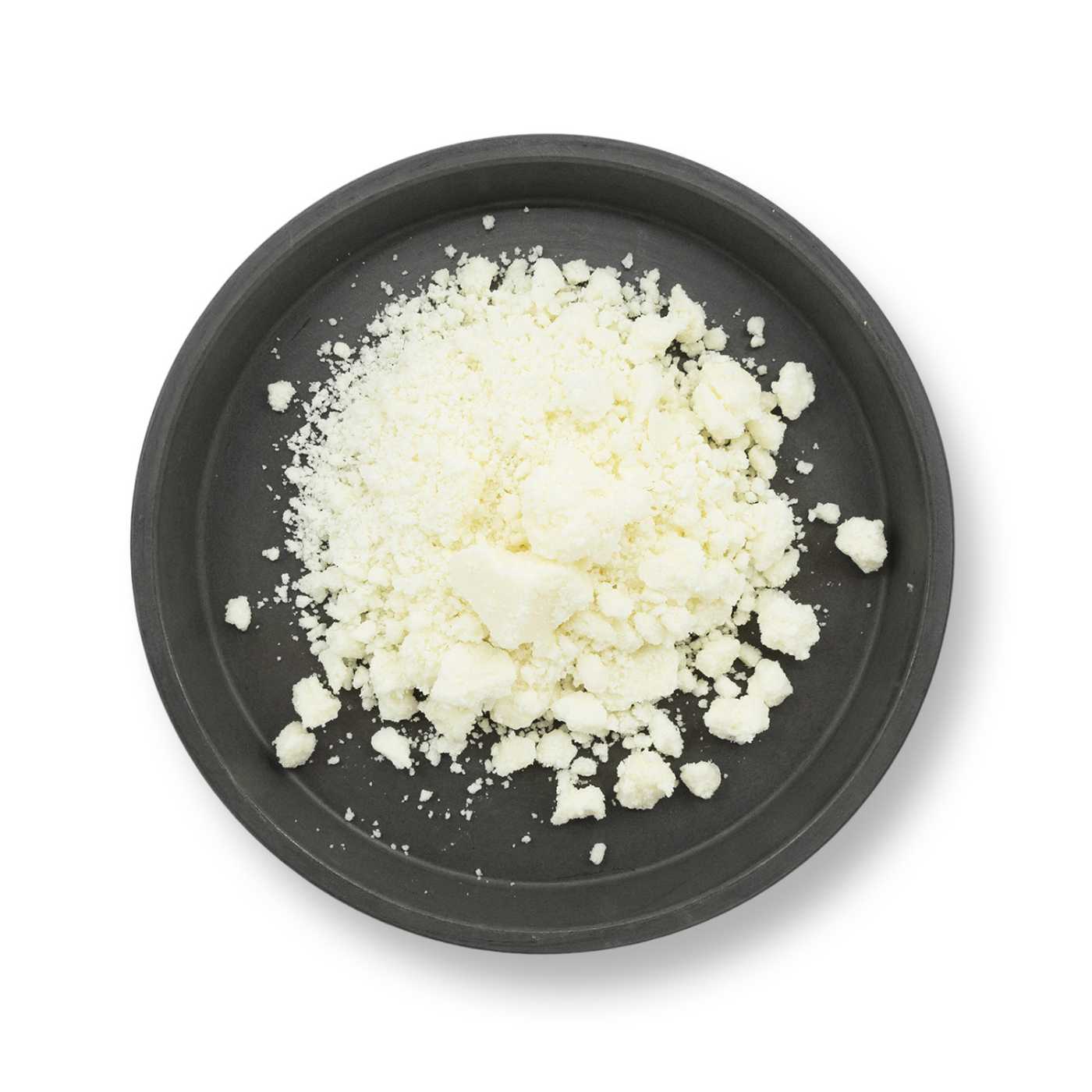
Kokum butter , also known as kokam, is a hard vegetable butter from the seeds of the Garcinia indica tree. full description
Lowest price in the last 30 days: €4.94
Kokum butter, also known as kokam, is a hard vegetable butter from the seeds of the Garcinia indica tree. It gives solid products firmness and heat resistance, and in creams and lotions it softens the skin and does not leave a heavy greasy film. It is used in body butters, lip balms, sticks and hair care.
On the skin, kokum butter acts as an emollient. It softens and smooths the skin and forms a protective layer on the surface that reduces water loss. The skin stays hydrated and supple for longer, which is especially noticeable when it is dry, rough or cracked. The butter absorbs quickly and does not leave a greasy feel.
It nourishes hair and makes it more supple. Dry and damaged hair feels softer and smoother afterwards and is easier to style. It is also useful in the care of nails and cuticles.
Both butters have a similar fat structure, so kokum butter can replace cocoa butter in formulations. However, it is somewhat harder and melts at a higher temperature. A product made with it turns out firmer and tolerates summer temperatures better.
The second difference is the scent. Cocoa butter passes its typical scent on to the product, whereas refined kokum butter is almost odourless. It does not mask the fragrance or essential oils and is also suitable for unscented products.
Kokum butter belongs in the oil phase. It dissolves in oils and is insoluble in water. Melt it together with the other fats in a water bath at a temperature of up to 80 °C, as unnecessary overheating does not benefit it.
Its hardness comes from its fatty acid composition. Stearic acid makes up 38–53%, oleic acid 30–45%, palmitic acid 3–10% and linoleic acid 1–5%. The slip melting point is 30–40 °C.
The usage rate depends on the role the butter is to play in the product. In emulsions and creams, 1–15% is used, and in body butters and balms even more. At a low rate it acts as a non-greasy emollient. At a higher rate it forms the backbone of a solid product and firms it up.
In whipped body butters, about 10% kokum butter is enough to keep softer butters whipped and to stop them from collapsing in the heat. Add tocopherol as well, because the incorporated air speeds up the oxidation of fats.
Kokum butter can become grainy as it solidifies. Its fats crystallise in several forms. When it solidifies slowly or the temperature fluctuates, the texture turns grainy or uneven.
Graininess is prevented by cooling the mixture quickly after melting and by keeping the finished product at a constant temperature during storage.
In formulations it is most often combined with liquid oils, for example sunflower oil or Caprylic/Capric Triglyceride, with lecithin and with polyglyceryl emulsifiers. It has no restrictions in common cosmetic formulations. It is not compatible with concentrated acids, alkalis and oxidising agents.
The butter comes from India. It is obtained by mechanical pressing of the seeds, then filtered and refined. It is of vegetable origin, readily biodegradable and not classified as hazardous. It holds a Kosher certificate, contains no palm oil ingredients and has not been tested on animals. Spilled melted butter is slippery, so wipe the work surface after you finish.

mega nourishing, high quality
Translated automatically