+421 950 333 113info@handymade.storeBlack Friday: −15% on everything with code FRI15Shop now

MICA POWDERS

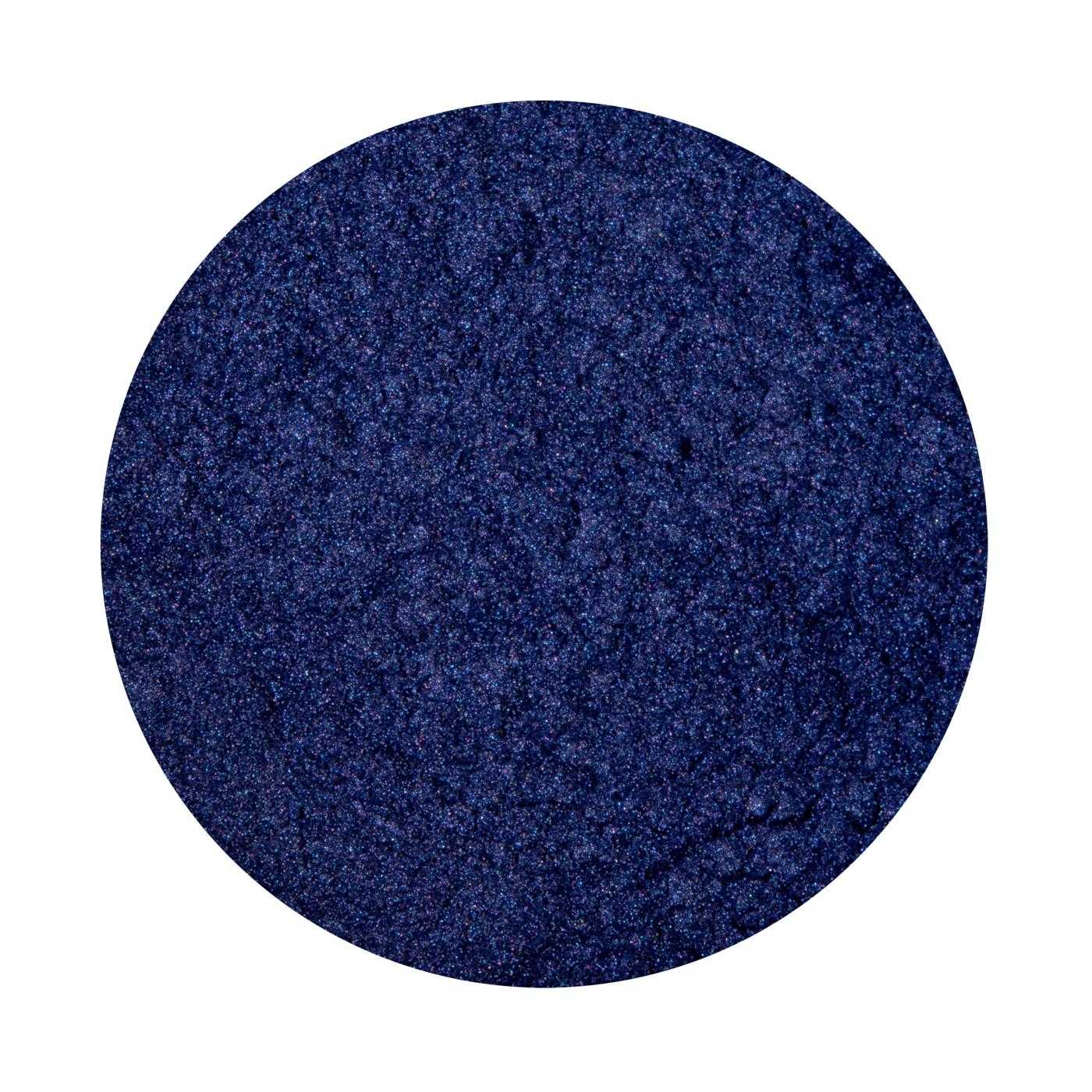
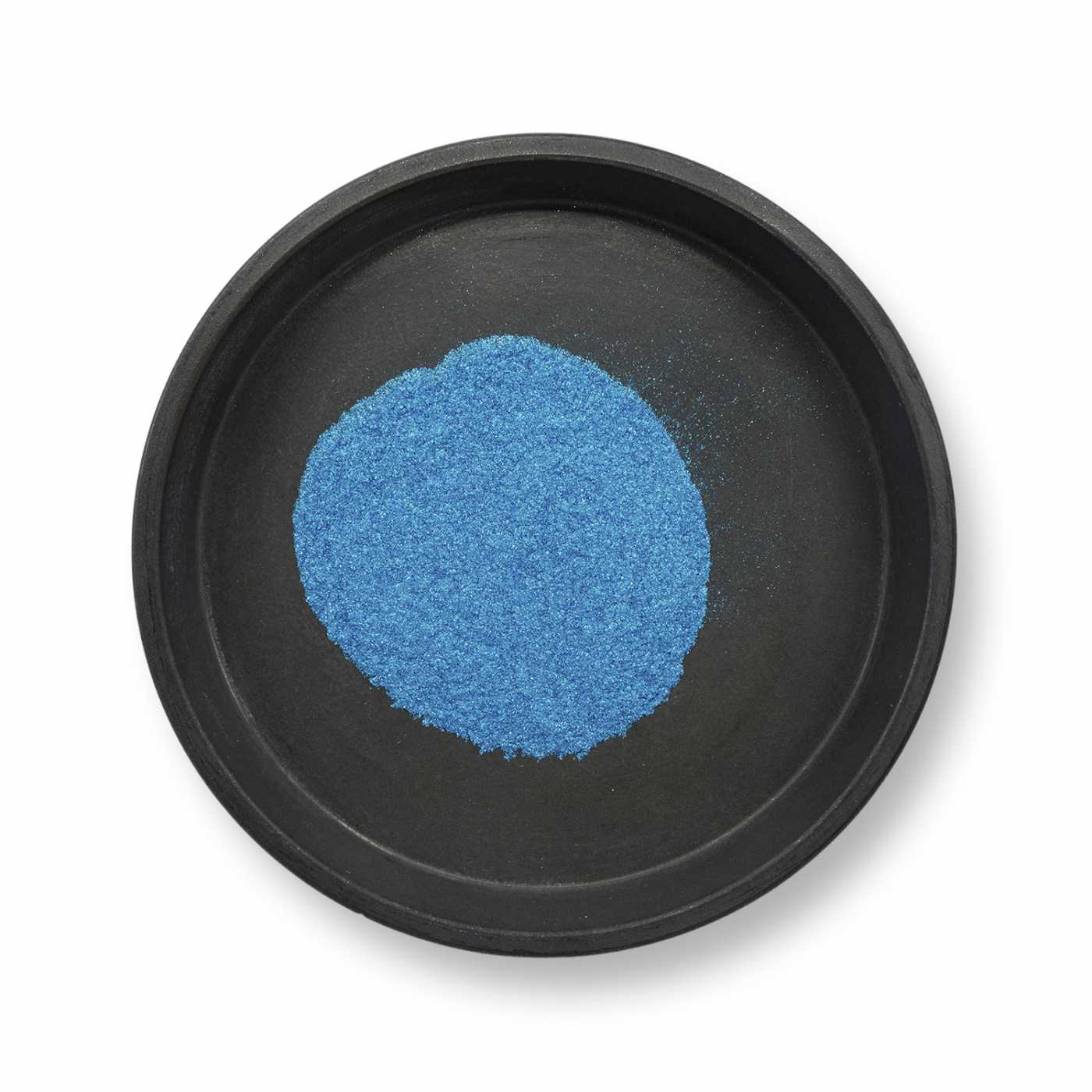
MICA Pigment Powder, Blueberry, 500 g

Pack size10 g50 g200 g500 g

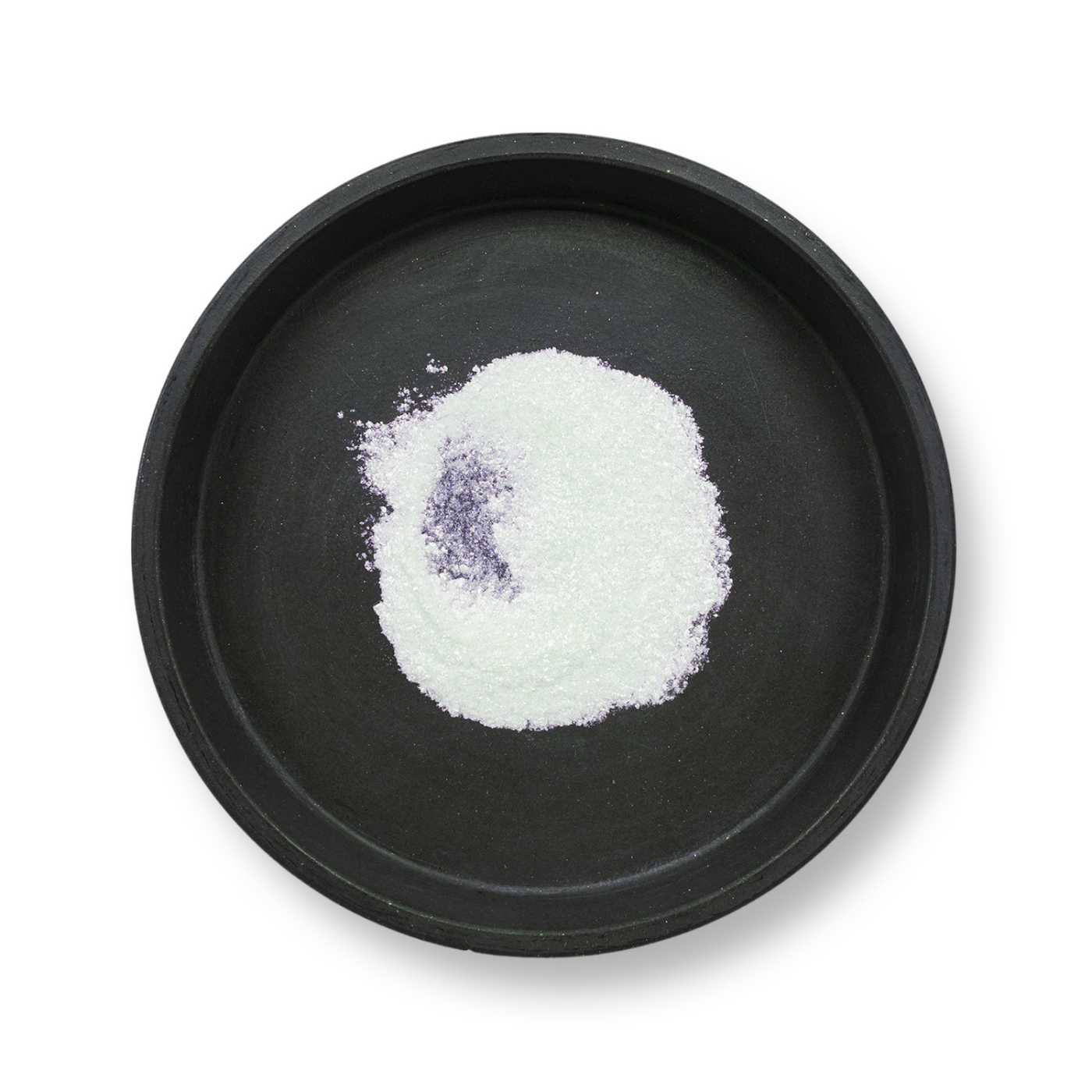
Mica Blueberry is a pearlescent pigment powder that gives products a blue shade with a visible sparkling shimmer . full description

AvailabilityPre-order
Product codeFM659_500
€69.99incl. VAT€139.98/kg

Lowest price in the last 30 days: €69.99

Expected back in stock: 14 Dec.~1 pkg on the way to us. This variant is currently out of stock — your order will be a pre-order and delivery may take longer.

Product description

Mica Blueberry is a pearlescent pigment powder that gives products a blue shade with a visible sparkling shimmer. It is used in decorative cosmetics, in products for the skin, body, hair, lips and nails, in soaps, bath bombs and candles. Temperature does not limit it during processing. Keep in mind that the blue component does not tolerate an acidic environment.


How it colours

The base of the pigment is mica and titanium dioxide, each making up roughly half. The mica flakes reflect light and the titanium dioxide strengthens this reflection, which creates the pearlescent shimmer. The blue tone comes from ultramarine, fine-tuned with red iron oxide, manganese violet and tin oxide.

The particles have a diameter of 10–60 µm. At this size they give a visible pearlescent, sparkling effect rather than matte coverage.

The powder is odourless.


Use in formulations

The pigment does not dissolve in water or in oil; it only disperses in both. How evenly the colour is distributed in the product therefore depends on thorough mixing. A poorly mixed pigment may remain unevenly distributed or settle.

First mix the powder into a small amount of oil or another liquid ingredient of the formulation, and only then add this mixture to the whole batch. The colour will be distributed more evenly.

Processing temperature does not matter. The pigment is heat-stable up to 800 °C. It can go into the oil phase, into the cool-down phase, or be stirred into the finished product at the end.

The usage rate is 1–30%, depending on how intense the colour and how pronounced the shimmer should be. Higher rates belong in decorative cosmetics, especially powders and eyeshadows. With these, oil absorption also comes into play: 100 g of pigment absorbs 50–65 g of oil. This needs to be taken into account at high rates in loose and pressed products.


Suitable for products such as

  • Eyeshadows, highlighters and powders – loose and pressed; the pigment is also suitable for the eye area
  • Lip balms and lip glosses
  • Body oils, butters and creams with a pearlescent effect – leave-on products for the face and body
  • Hair cosmetics and nail products
  • Bath bombs and bath salts
  • Soaps – after testing on a trial batch
  • Candles and hobby crafts

Good to know

Ultramarine is sensitive to an acidic environment. The finished product should have a pH of 6–9.

Below pH 6, ultramarine decomposes. The blue gradually fades and hydrogen sulfide may be released, which can be smelled as an unpleasant sulfurous odour. We do not recommend this pigment for acidic products, for example a toner with acids or an AHA peel.

A sulfurous odour may also appear during intensive grinding or heating of the pigment. It is caused by sulfur on the surface of the ultramarine crystals.

With cold process soap, you need to consider the opposite end of the scale. Fresh soap has a pH above 9, and manganese violet is not stable in an alkaline aqueous environment. The shade may shift or fade. We recommend making a trial batch before producing a larger batch.

The pigment does not contain a preservative. The total microbial count is below 100 CFU/g and no pathogens were detected. Work with clean tools and protect the powder from moisture, which can cause clumping.

The raw material is not classified as hazardous under the CLP Regulation. When handling the powder, do not inhale the dust; use a dust mask and eye protection. All the pigments in the blend are permitted by Annex IV of Regulation (EC) No 1223/2009 and meet the heavy metal limits.


Frequently asked questions

Does Mica Blueberry dissolve in water or oil?
No, Mica Blueberry does not dissolve in water or in oil; it only disperses in both. The pigment particles remain in the product as shiny flakes. To get an even colour, first mix the powder into a small amount of oil or another liquid ingredient, and only then add it to the whole batch. A poorly mixed pigment may remain unevenly distributed or settle.
How much Mica Blueberry should I add to a product?
The recommended usage rate of Mica Blueberry is 1–30%. The rate is chosen according to the required colour intensity and shimmer. Higher rates are used in decorative cosmetics, especially in eyeshadows and powders. At a high usage rate in loose and pressed products, take into account that 100 g of pigment absorbs 50–65 g of oil.
Is Mica Blueberry suitable for cold process soap?
Mica Blueberry can be used in cold process soap, but the shade may not stay stable. Fresh soap has a pH above 9, which is above the 6–9 range recommended for this pigment. In addition, the manganese violet in the blend is not stable in an alkaline aqueous environment. The colour may shift or fade, so we recommend making a trial batch beforehand.
Can Mica Blueberry be used in eyeshadows and on the lips?
Yes, Mica Blueberry is intended for the face, including the eye area, and for the lips. It is suitable for loose and pressed eyeshadows, highlighters, lip balms and lip glosses. The pigment does not contain nanomaterials and is suitable for both leave-on and rinse-off products. It can also be used in products for the body, hair and nails.
Why does Mica Blueberry fade in a product or smell of sulfur?
The cause is usually a product pH that is too low. Mica Blueberry contains ultramarine, which decomposes below pH 6: the blue colour fades and hydrogen sulfide with a sulfurous odour may be released. The same odour can also occur during intensive grinding or heating of the pigment. The pigment belongs in products with a pH of 6–9 and is not suitable for acidic formulations.

Parameters

INCI
Mica, Titanium Dioxide, Ultramarines, Iron Oxide Red, Manganese Violet, Tin Oxide
CAS No.
12001-26-2, 13463-67-7, 1317-97-1, 1309-37-1, 10101-66-3, 18282-10-5
EC number
310-127-6, 236-675-5, 215-111-1, 215-168-2, 233-257-4, 242-159-0
CI number
77019, 77891, 77007, 77491, 77742, 77009
Product colour
Blue
Country of origin
Spain
Appearance
Powder
Function in formulation
Colorant
Recommended processing temperature
Bez obmedzenia °C
Recommended usage rate
1 – 30 %
Recommended formulation pH range
6,00 – 9,00
Application type
Leave-onRinse-off
Suitable for
All skin types
Biodegradability
Not applicable
Natural Index (NI ISO 16128)
0,00
Natural Origin Index (NOI ISO 16128)
1,00
Organic content
0 %
Renewable Carbon Content (RCC)
0 %

Product documentation

CoACertificate of Analysis
batch 222389PDF ↓
TDSTechnical Data Sheet
Physical parameters and processingPDF ↓
SDSSafety Data Sheet
Available for purchased products —
Download all (ZIP)

2 PDF files in one archive

Learn how to work with it

From our blog
Marianna H.13 Oct 2026SK

Verified purchase

Variant: MICA, práškové farbivo, Blueberry, 10 g