+421 950 333 113info@handymade.store−15 % with code FRI15Shop now

CO2 Extracts

Black Cumin CO2-to Extract, Organic, 50 ml

Pack size10 ml50 ml100 ml

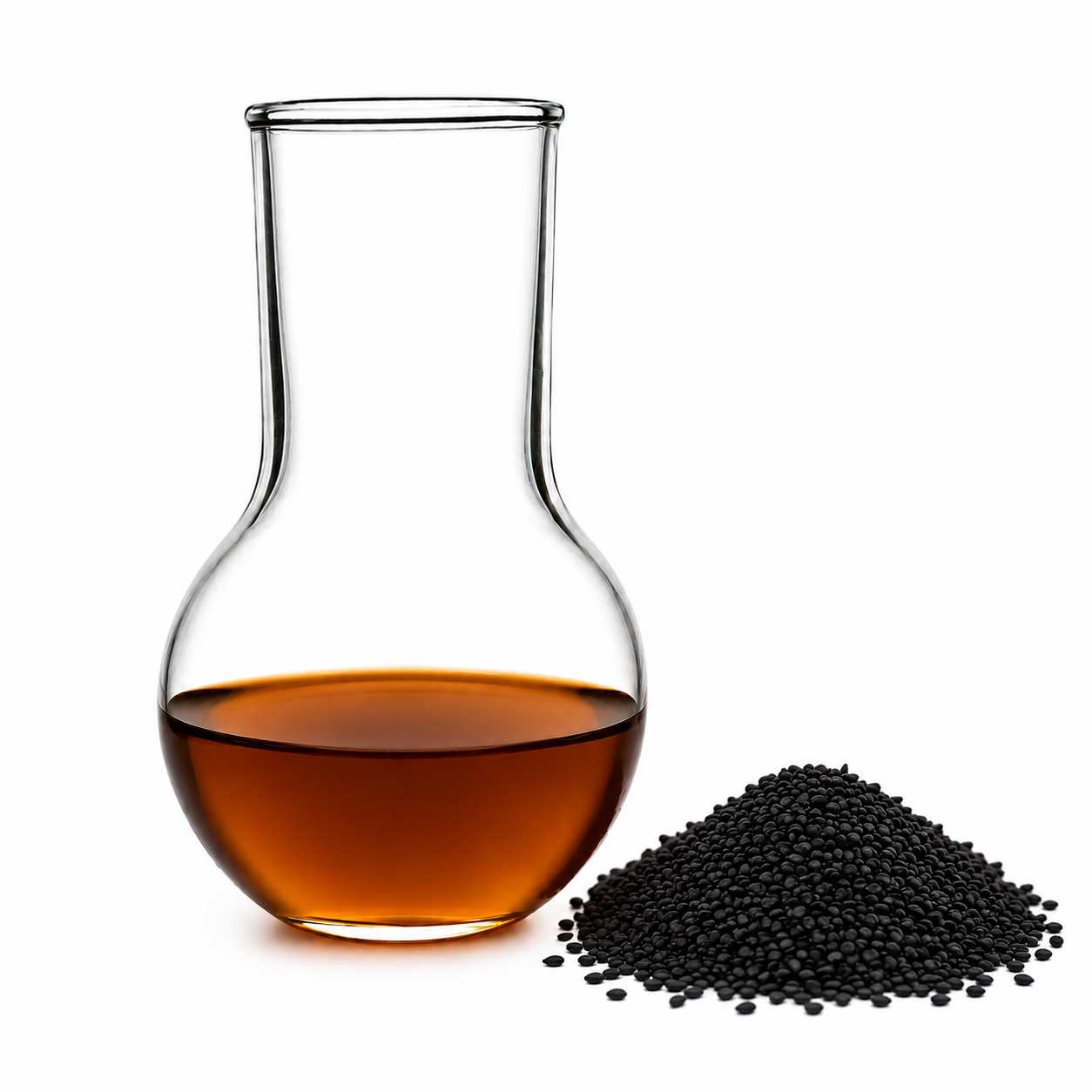
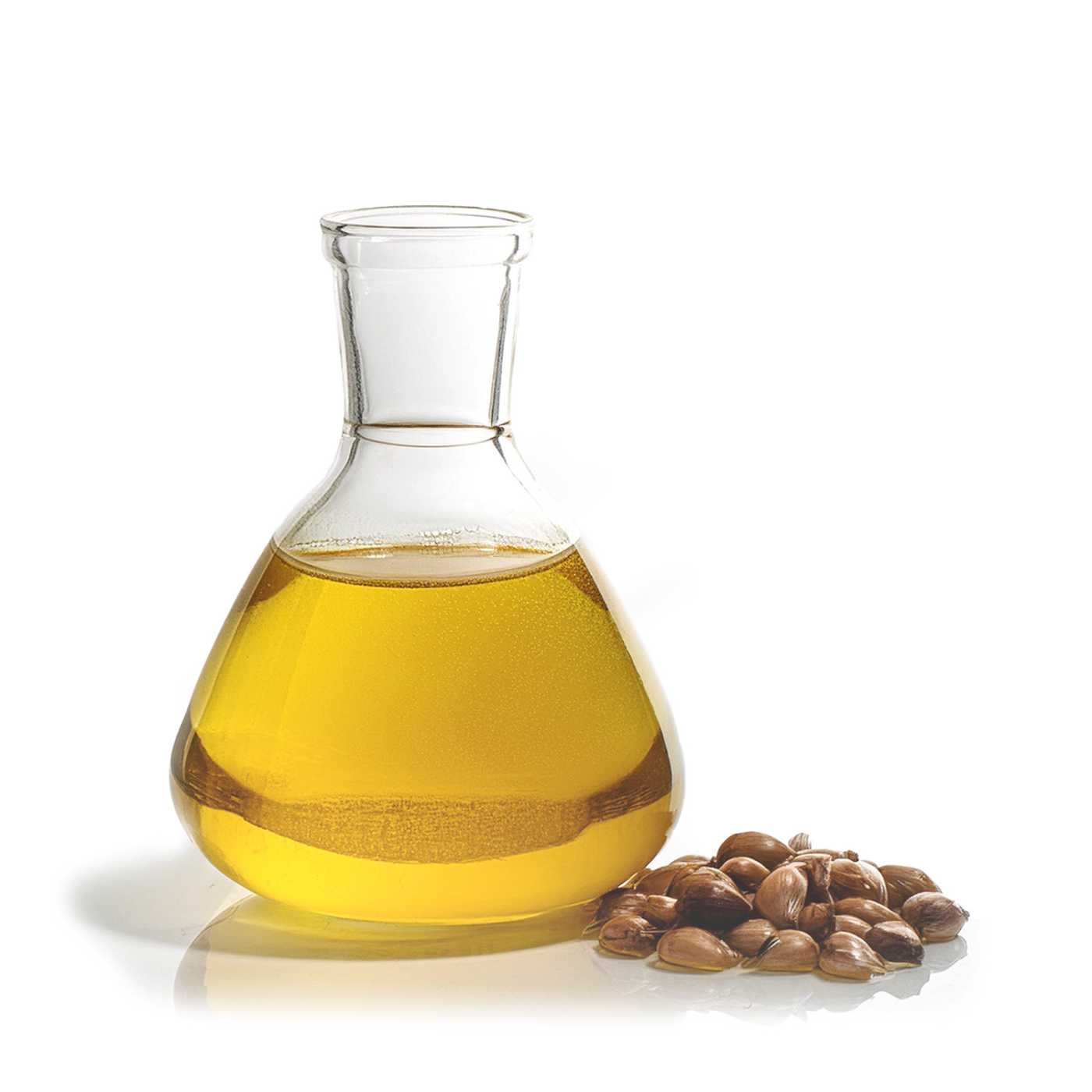
Black cumin CO2-to extract, organic is a concentrated oil extract from black cumin seeds (Nigella sativa). In a single ingredient, it combines a fatty oil rich in linoleic acid with an essential oil and thymoquinone . full description

AvailabilityPre-order
Product codeCO050_050
Batch462115
Best before04/2031
€11.99incl. VAT€239.80/l

Lowest price in the last 30 days: €11.99

Pre-orderThis variant is currently out of stock — your order will be a pre-order and delivery may take longer.

Product description

Black cumin CO2-to extract, organic is a concentrated oil extract from black cumin seeds (Nigella sativa). In a single ingredient, it combines a fatty oil rich in linoleic acid with an essential oil and thymoquinone. In cosmetics, it is added as an active ingredient to products for dry and irritated skin, where it supports the skin barrier, hydration and elasticity.

It is obtained by supercritical carbon dioxide extraction, so no solvent residues remain in it. The seeds come from organic farming and the raw material has a COSMOS certificate from the manufacturer.


How it works on the skin

The base of the extract is a fatty oil with a high proportion of polyunsaturated fatty acids. It contains 45–65% linoleic acid. The skin needs it to build ceramides, which make up the protective barrier that prevents dryness. The extract also contains more than 1% of the rare eicosadienoic acid.

The second part is an essential oil, which makes up more than 5% of the extract. It consists mainly of thymoquinone, cymene, thujene, carvacrol and thymohydroquinone. Thymoquinone alone accounts for more than 3%. In studies, black cumin extracts with this thymoquinone content improved skin hydration, firmness and elasticity.

Black cumin has a long tradition. Its seeds were already used in ancient Egypt and in the Persian-Arabic and Greco-Roman worlds.


How it differs from pressed black cumin oil

The main difference is the concentration of volatile components. When the extract is made, the fatty oil is deliberately not drawn out of the seeds completely, so a higher proportion of essential oil and thymoquinone remains in it. For every 1 kg of extract, 5.0–6.7 kg of seeds are processed.

The use in a formulation differs as well. Pressed oil serves as one of the oils in the oil phase. The extract is an active ingredient that is added to the other oils.


Use in formulations

The extract is oil-soluble and water-insoluble. It mixes well with the oil phase. In anhydrous products, it is blended with the other oils; in emulsions, it is added only in the cooling phase. It is not suitable for toners, hydrosols and other water-based products without a solubiliser.

Temperature is decisive. The recommended processing temperature is below 40 °C. Heat, together with light, speeds up the breakdown of thymoquinone and other components of the essential oil that carry the effect of the extract.

Before weighing, warm the container to approximately 40 °C and mix the extract thoroughly. It will be homogeneous and the weighed amount will correspond to the declared composition.

It is used at a low rate. An indicative example is a body milk formulation in which the extract is used at 0.2% and added in the last phase together with tocopherol and other vegetable oils. The extract contains the regulated methyleugenol, so the maximum permitted amount for the given product type must be checked in the IFRA certificate.

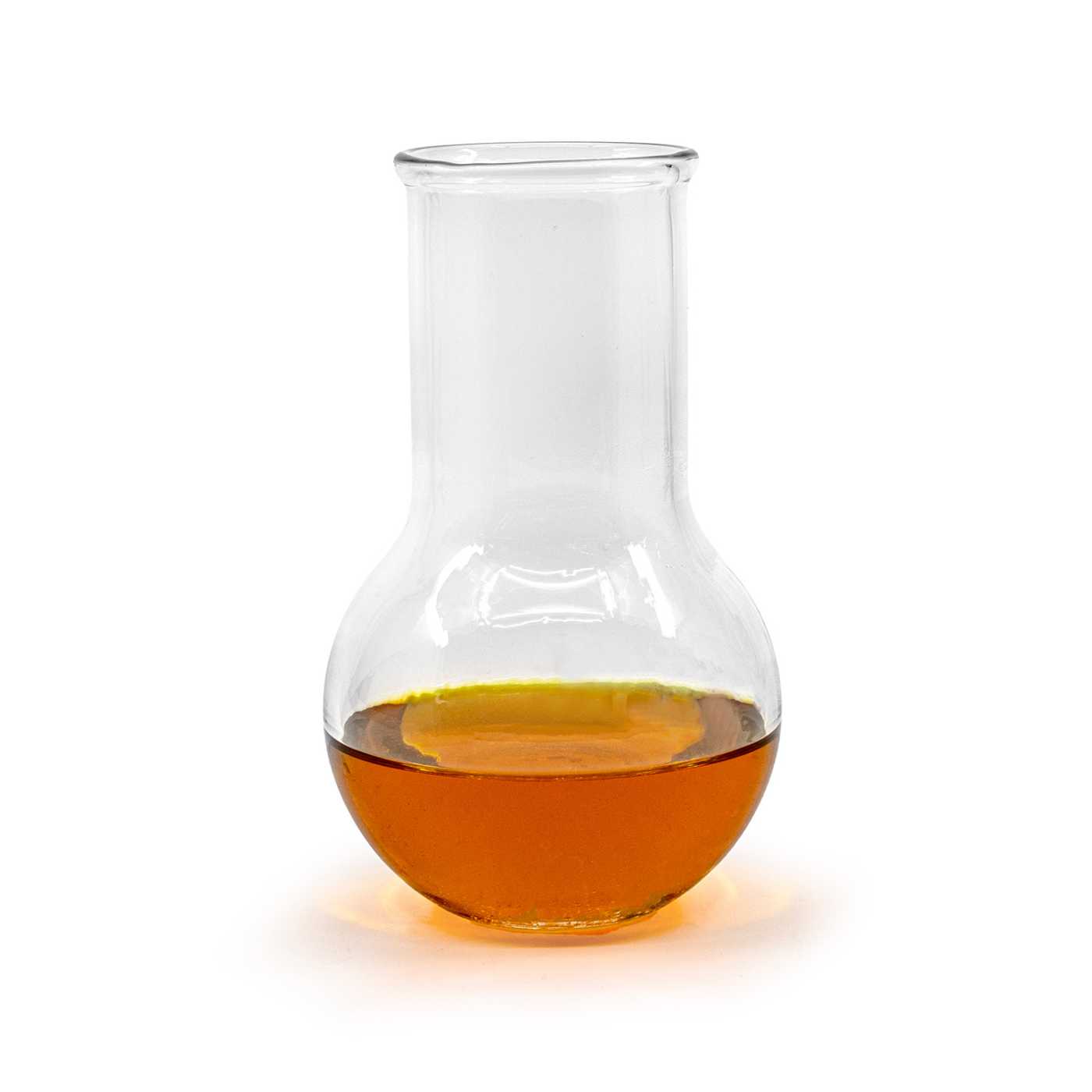
At room temperature, the extract is a clear liquid, yellow to brown in colour, with a characteristic spicy odour. Take this odour into account when fragrancing your product.


Suitable for products such as

  • Face, body and massage oils – the extract is blended into carrier oils, and an anhydrous product makes the most of it.
  • Moisturising creams and body milks – emulsions with a neutral to slightly acidic pH.
  • Products for dry and irritated skin – soothing balms and oil-based serums in which linoleic acid supports the skin barrier.

Good to know

  • Oxidation – the high proportion of polyunsaturated fatty acids makes the oil component prone to oxidation and yellowing. We recommend adding an antioxidant to the formulation, for example tocopherol, and limiting contact with air.
  • Water and pH – in a water-based environment, thymoquinone is unstable, especially at alkaline pH. In cold process soap, its loss must be expected.
  • Allergens – the extract contains the fragrance allergens limonene (less than 0.1%), pinenes (less than 0.2%) and alpha-terpinene (less than 0.05%). They are listed on the label when their content in the finished product exceeds 0.001% in leave-on products and 0.01% in rinse-off products.
  • Quality and certificates – the ingredient is cosmetic and food grade, with organic certification and halal and kosher certificates.

Thymoquinone breaks down significantly in light after even a short exposure, regardless of pH. Fill finished products containing the extract into dark or opaque packaging.


Frequently asked questions

Is black cumin CO2 extract soluble in water?
No, black cumin CO2 extract is oil-soluble and does not dissolve in water. In creams and milks, it is added to the cooled emulsion; in oil-based products, it is mixed with the other oils. It can be incorporated into toners, hydrosols and other water-based products only with a solubiliser.
What is the difference between black cumin CO2 extract and black cumin oil?
Black cumin CO2 extract contains more essential oil and thymoquinone than pressed oil. During carbon dioxide extraction, the fatty oil is not drawn out of the seeds completely, so the volatile components are more concentrated in the extract. Pressed oil is used as part of the oil phase, while the extract is an active ingredient that complements the other oils.
When is black cumin extract added to a cream?
Black cumin extract is added to a cream only in the cooling phase, when the emulsion is below 40 °C. A higher temperature speeds up the breakdown of thymoquinone and other components of the essential oil. Before weighing, the container is warmed to approximately 40 °C and the extract is mixed so that it is homogeneous.
Is black cumin extract suitable for cold process soap?
Black cumin extract can be added to cold process soap, but part of the thymoquinone will be lost. Thymoquinone is unstable in a water-based environment, especially at alkaline pH, such as that of soap. Anhydrous oil-based products and emulsions with a neutral to slightly acidic pH make better use of the extract.
How can a product with black cumin extract be protected from oxidation?
A product with black cumin extract is protected from oxidation by an antioxidant in the formulation, for example tocopherol, and by dark or opaque packaging. The extract contains 45–65% linoleic acid, which oxidises easily in air, and light-sensitive thymoquinone. Short contact with air and processing below 40 °C also help during production.
Does black cumin extract contain fragrance allergens?
Yes, black cumin extract contains fragrance allergens, mainly limonene, pinenes and alpha-terpinene. They are listed on the label of the finished product when their content exceeds 0.001% in leave-on products and 0.01% in rinse-off products. The extract also contains the regulated methyleugenol. We therefore recommend checking the maximum permitted usage rate for the given product type in the IFRA certificate.

Parameters

INCI
Nigella Sativa Seed Extract
CAS No.
90064-32-7
EC number
290-094-1
Product colour
BrownYellow
Country of origin
TürkiyeGermany
Processing method
CO2 extraction
Appearance
Oily liquid
Formulation phase
Oil phase
Function in formulation
Active ingredientEmollient
Application area
FaceBody
Recommended processing temperature
< 40 °C
Recommended usage rate
0,5 – 5 %
Application type
Leave-on
Biodegradability
Readily biodegradable
Certifications and declarations
Organic certification
Natural Index (NI ISO 16128)
1,00
Manufacturer's certificate
KosherCOSMOS ApprovedHalal
Natural Origin Index (NOI ISO 16128)
1,00
Organic content
100 %
Renewable Carbon Content (RCC)
100 %
Volume
50 ml

Product documentation

CoACertificate of Analysis
batch 462115PDF ↓
TDSTechnical Data Sheet
Physical parameters and processingPDF ↓
IFRAIFRA Certificate
batch 462115PDF ↓
AllergensAllergen Declaration
batch 462115PDF ↓
SDSSafety Data Sheet
Available for purchased products —
Download all (ZIP)

4 PDF files in one archive

REVIEWS

Verified by customers.

No reviews yet.

Only customers with a delivered order can write reviews.