−15 % with codePre-orderSold out
Oat Lipid e, premium oat oil, 30 ml
€12.49(€416.33/l)

CO2 Extracts
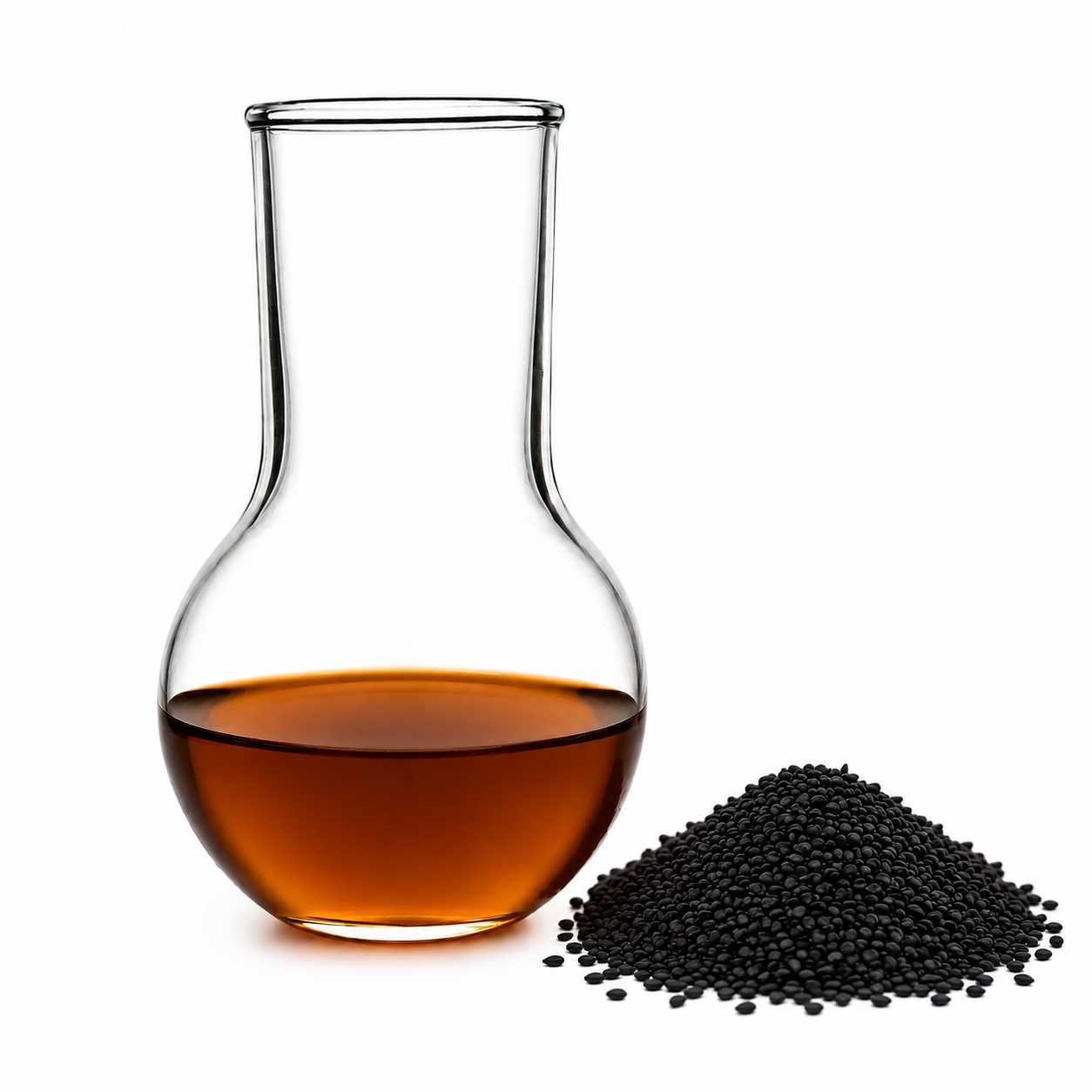
Black cumin CO2-to extract, organic is a concentrated oil extract from black cumin seeds (Nigella sativa). In a single ingredient, it combines a fatty oil rich in linoleic acid with an essential oil and thymoquinone . full description
Lowest price in the last 30 days: €18.99
Black cumin CO2-to extract, organic is a concentrated oil extract from black cumin seeds (Nigella sativa). In a single ingredient, it combines a fatty oil rich in linoleic acid with an essential oil and thymoquinone. In cosmetics, it is added as an active ingredient to products for dry and irritated skin, where it supports the skin barrier, hydration and elasticity.
It is obtained by supercritical carbon dioxide extraction, so no solvent residues remain in it. The seeds come from organic farming and the raw material has a COSMOS certificate from the manufacturer.
The base of the extract is a fatty oil with a high proportion of polyunsaturated fatty acids. It contains 45–65% linoleic acid. The skin needs it to build ceramides, which make up the protective barrier that prevents dryness. The extract also contains more than 1% of the rare eicosadienoic acid.
The second part is an essential oil, which makes up more than 5% of the extract. It consists mainly of thymoquinone, cymene, thujene, carvacrol and thymohydroquinone. Thymoquinone alone accounts for more than 3%. In studies, black cumin extracts with this thymoquinone content improved skin hydration, firmness and elasticity.
Black cumin has a long tradition. Its seeds were already used in ancient Egypt and in the Persian-Arabic and Greco-Roman worlds.
The main difference is the concentration of volatile components. When the extract is made, the fatty oil is deliberately not drawn out of the seeds completely, so a higher proportion of essential oil and thymoquinone remains in it. For every 1 kg of extract, 5.0–6.7 kg of seeds are processed.
The use in a formulation differs as well. Pressed oil serves as one of the oils in the oil phase. The extract is an active ingredient that is added to the other oils.
The extract is oil-soluble and water-insoluble. It mixes well with the oil phase. In anhydrous products, it is blended with the other oils; in emulsions, it is added only in the cooling phase. It is not suitable for toners, hydrosols and other water-based products without a solubiliser.
Temperature is decisive. The recommended processing temperature is below 40 °C. Heat, together with light, speeds up the breakdown of thymoquinone and other components of the essential oil that carry the effect of the extract.
Before weighing, warm the container to approximately 40 °C and mix the extract thoroughly. It will be homogeneous and the weighed amount will correspond to the declared composition.
It is used at a low rate. An indicative example is a body milk formulation in which the extract is used at 0.2% and added in the last phase together with tocopherol and other vegetable oils. The extract contains the regulated methyleugenol, so the maximum permitted amount for the given product type must be checked in the IFRA certificate.
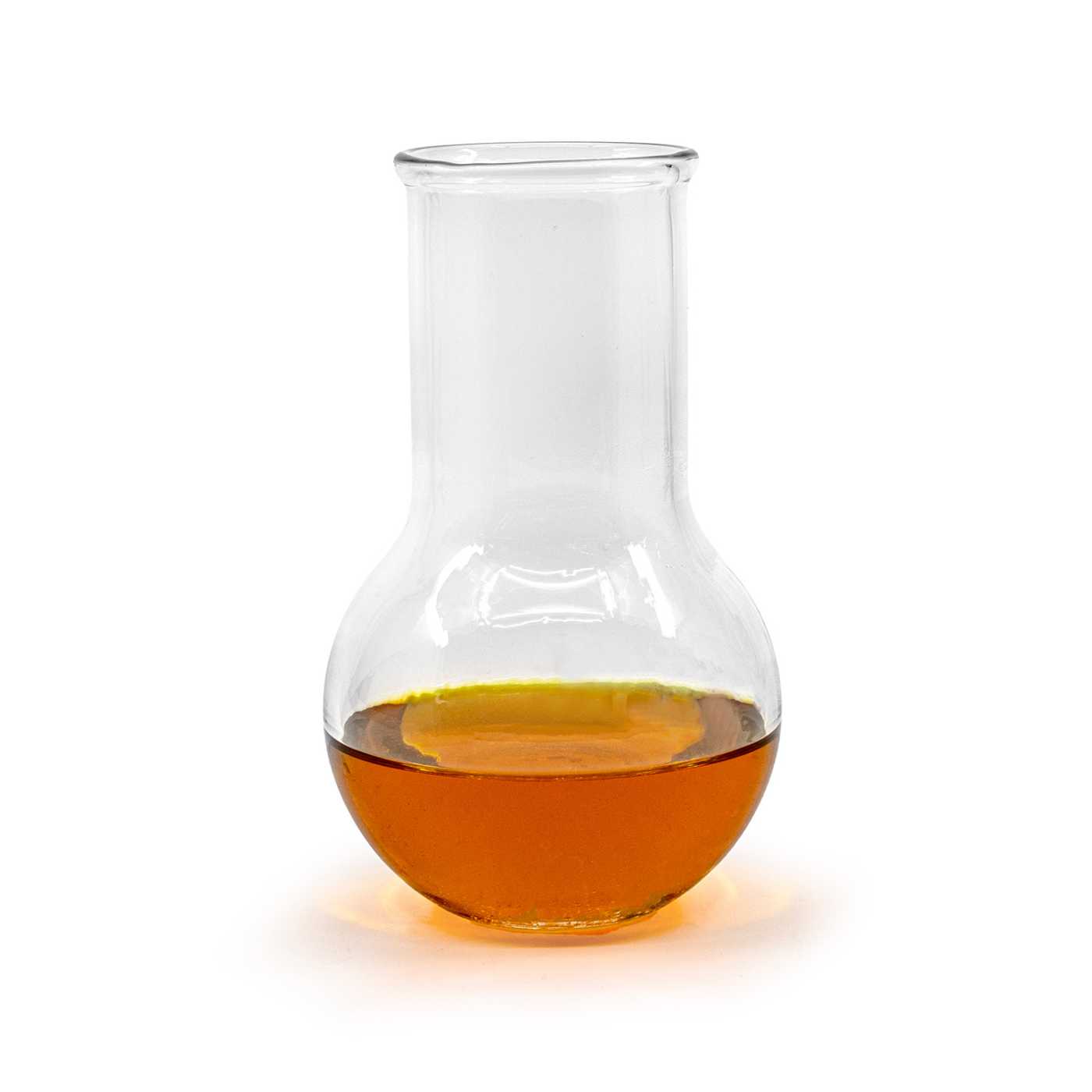
At room temperature, the extract is a clear liquid, yellow to brown in colour, with a characteristic spicy odour. Take this odour into account when fragrancing your product.
Thymoquinone breaks down significantly in light after even a short exposure, regardless of pH. Fill finished products containing the extract into dark or opaque packaging.
Only customers with a delivered order can write reviews.