+421 950 333 113info@handymade.store

Spend over €100 for discounted shipping!

Cold pressed oils 100 ml

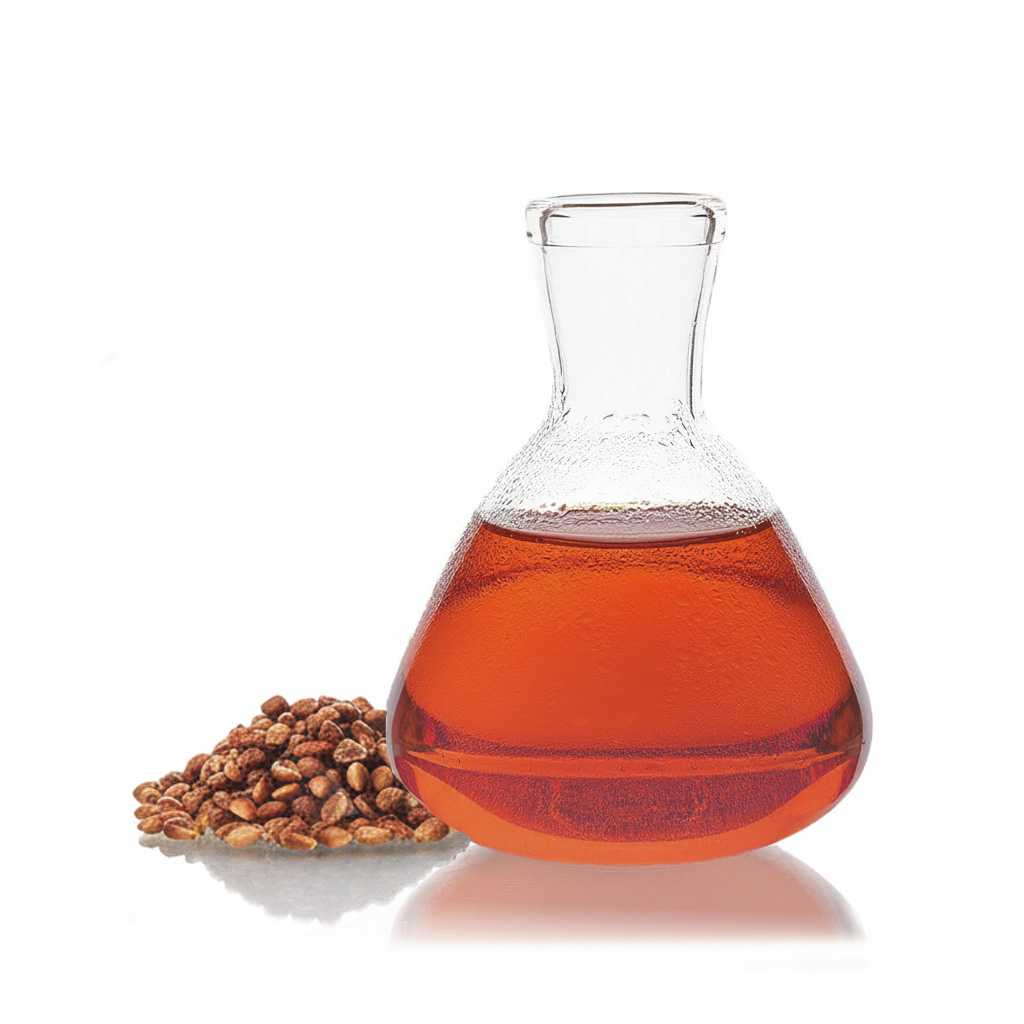
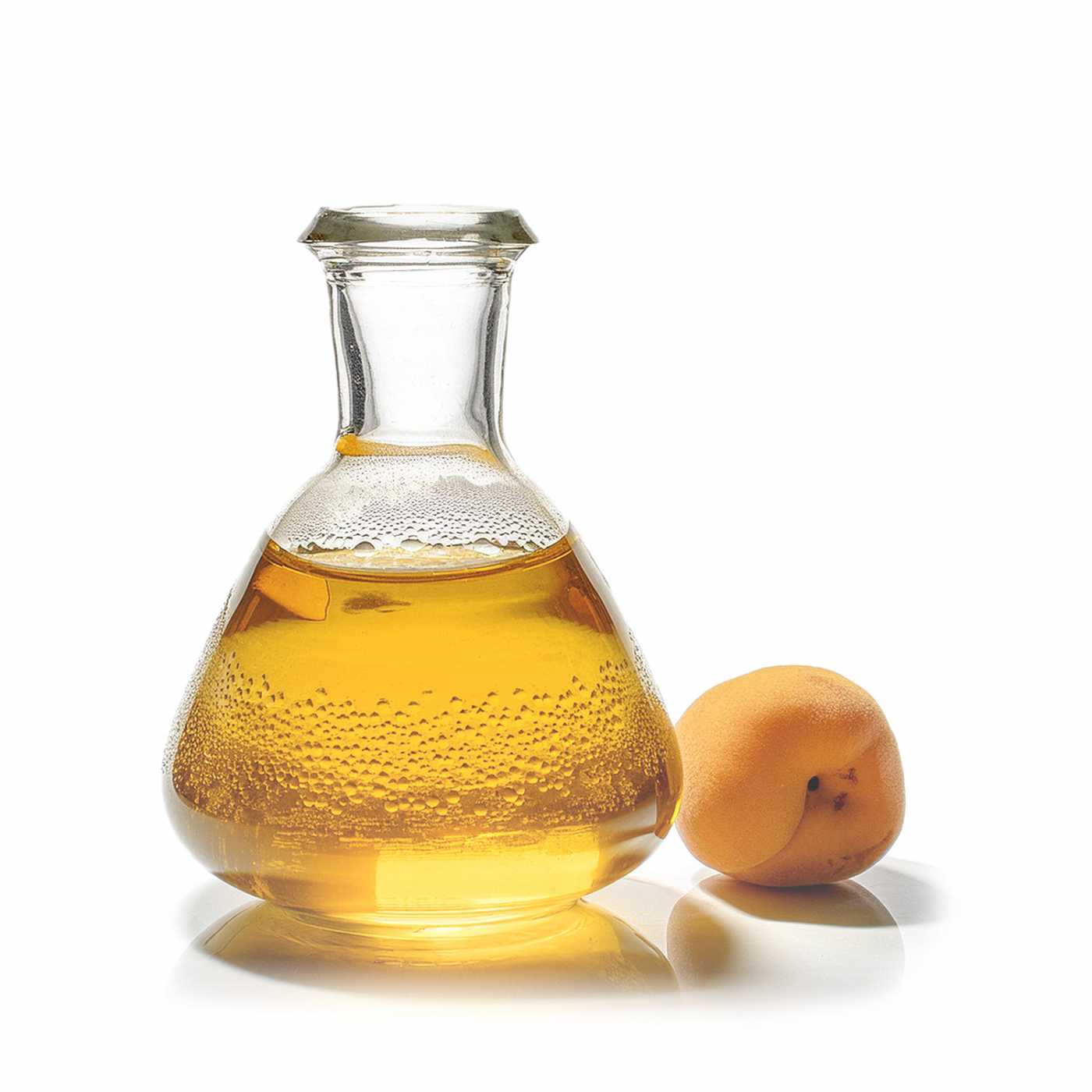
Rosehip Seed Oil, Cold Pressed, Red color, 100 ml

Pack size100 ml500 ml1 l5 l

Rosehip seed oil , cold-pressed, is quickly absorbed by the skin and leaves no greasy film. full description

AvailabilityIn stock · 183 packs
Product codeOL802_100
Batch21384
Best before08/2027
€7.99incl. VAT−30 %Previous price €11.54€79.90/l

Lowest price in the 30 days before the discount: €10.38

Product description

Rosehip seed oil, cold-pressed, is quickly absorbed by the skin and leaves no greasy film. It contains both essential fatty acids, linoleic and linolenic, and is suitable for facial oils and serums, including those for oilier skin.

It is pressed from the seeds of rosehips (Rosa canina) of European origin, which are wild-harvested.


What it does for skin and hair

Rosehip oil is a dry oil. It softens the skin and reduces the evaporation of water from its surface. The skin feels smoother and more supple afterwards.

The fatty acid composition is the main reason for its use. It contains 35–60% linoleic acid, 10–50% linolenic acid and 13–30% oleic acid. The skin cannot produce either of these two polyunsaturated acids on its own. Oils with a high share of them feel lighter on the skin than oils dominated by oleic acid.

The oil is obtained by mechanical means only. After harvesting, the seeds are dried and separated from the remains of the fruit, pressed without heat or chemicals, and the oil is finally filtered. It is not refined, so the natural carotenoids and tocopherols remain in it. The carotenoids give it its red colour and, together with the tocopherols, act as antioxidants.

In facial skincare it supports skin elasticity and a more even skin tone. In hair care it serves as a conditioning agent. It adds shine to hair, softens it and reduces frizz.


Colour and scent

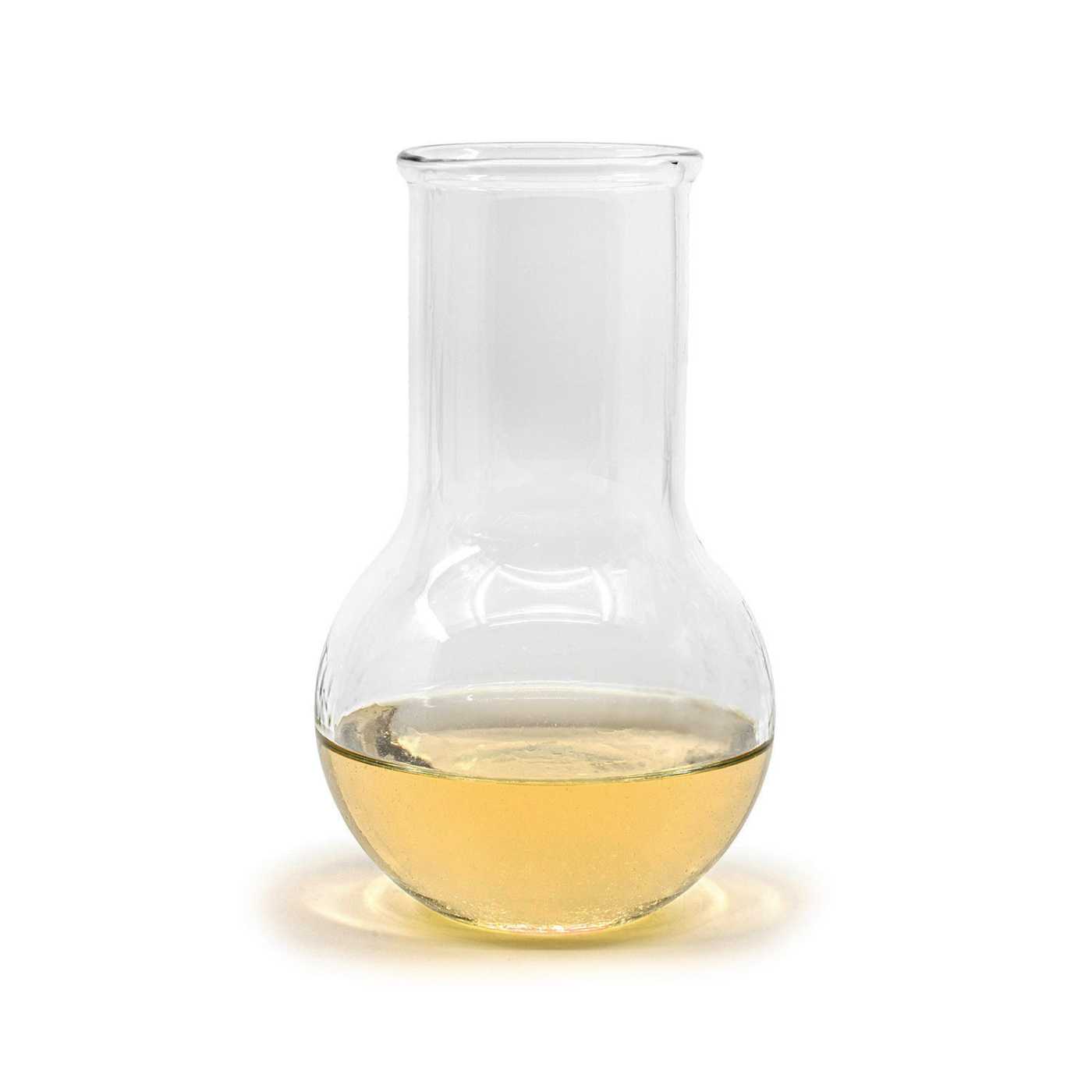
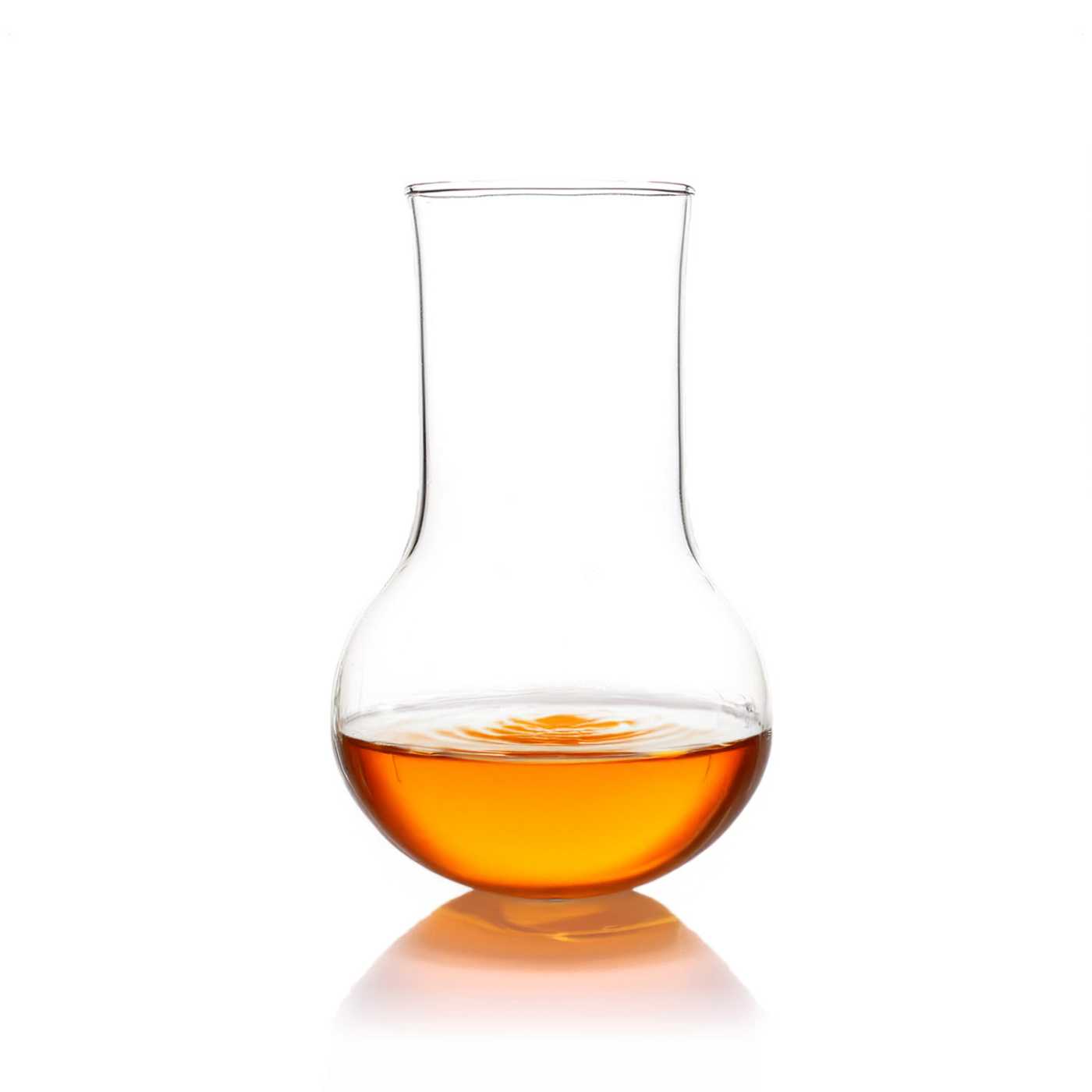
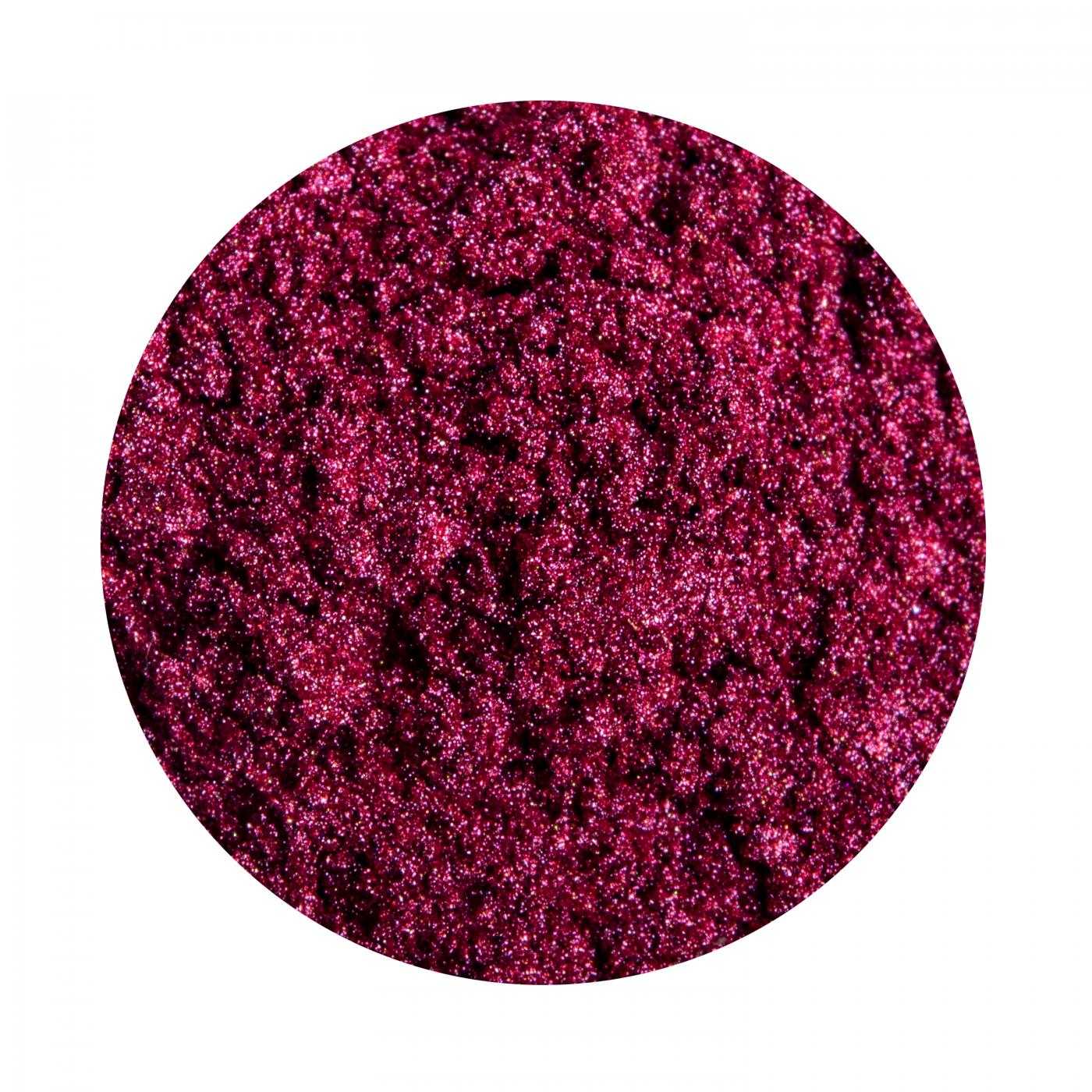
The colour varies between batches from light red to dark red. The oil naturally tints the product pink to orange, and the intensity of the shade increases with the usage rate. In white creams, check the resulting shade on a small sample. The scent is characteristic, earthy with a fruity note.


Use in formulations

Rosehip oil belongs in the oil phase and does not dissolve in water. In emulsions, it is added only after cooling below 40 °C and is not heated together with the other oils. The required HLB of 7 will help you choose an emulsifier. It is suitable for both rinse-off and leave-on products.

The usage rate is 1–100%, so the oil can also be used on its own as a facial oil. In recipes it is most often 2–10%, approximately 10% in a balm and 2% in a mask.

In balms, it is complemented with shea butter or beeswax, which give the product firmness. In light oil blends, it is combined with other oils rich in linoleic acid. Bisabolol is also often added to it.

Add an antioxidant, for example tocopherol, to every recipe containing rosehip oil. The oil has a high share of polyunsaturated acids and oxidises quickly.


Suitable for products such as

  • Facial oils and oil serums – on their own or blended with other light oils, also for oilier skin.
  • Face and body creams, body lotions – as an emollient in the oil phase.
  • Balms and body butters – the oil adds nourishment.
  • Hand and foot creams – softens the skin.
  • Face and hair masks – at a lower usage rate.
  • Hair oils and conditioners – for shine and less frizz.
  • Shower and bath oils – rinse-off products with an oil base.

Good to know

The oil is sensitive to heat, air and light. Do not heat it during production, and work with the open raw material for as short a time as possible, so that it is in contact with air only for the necessary time.

Under UV light it breaks down quickly. Both carotenoids and tocopherols are depleted, which shows as a fading of the red shade and weaker antioxidant protection.

Fill the finished product containing rosehip oil into dark or opaque packaging. In light, the oil fades and loses its antioxidant protection.

The oil is not compatible with concentrated acids, alkalis and oxidising agents.

It is plant-based, vegan and does not contain fragrance allergens.


Frequently asked questions

How do you add rosehip oil to a cream?
Rosehip oil is added to a cream only after the emulsion has cooled below 40 °C. It is part of the oil phase, but it is not heated together with the other oils, because it oxidises quickly at higher temperatures. When choosing an emulsifier, the required HLB of 7 is taken into account. In a white cream, the oil gives a pink to orange tint.
What is the usage rate of rosehip oil, and can it be used on its own?
The usage rate of rosehip oil is 1–100%, so it can also be used undiluted as a facial oil. In recipes it is most often used at 2–10%, approximately 10% in a balm and 2% in a mask. It is a dry oil and leaves no greasy film on the skin.
Does rosehip oil colour a cream or balm?
Yes, red rosehip oil tints the product pink to orange. The intensity depends on the usage rate and on the batch, as the colour of the raw material ranges from light red to dark red. The shade of the product may therefore differ slightly between batches. In light the colour fades over time, so the product belongs in dark or opaque packaging.
Is rosehip oil suitable for oily and acne-prone skin?
Yes, rosehip oil is also suitable for oilier and acne-prone skin. It is quickly absorbed, leaves no greasy film and contains a high share of linoleic acid, 35–60%. It is used in light facial oils and serums, on its own or blended with other oils rich in linoleic acid.
Do you need to add an antioxidant to rosehip oil?
Yes, it is recommended to add an antioxidant, for example tocopherol, to products containing rosehip oil. The oil contains many polyunsaturated fatty acids, linoleic and linolenic, which oxidise quickly in air, heat and light. An antioxidant slows down oxidation. It also helps if the oil is not heated during production and the finished product is filled into dark packaging.

Parameters

INCI
Rosa Canina Seed Oil
CAS No.
84696-47-9
EC number
283-652-0
Product colour
Red
Country of origin
European Union
Appearance
Oily liquid
Formulation phase
Oil phase
Function in formulation
EmollientConditioning agent
Recommended processing temperature
< 40 °C
Application area
FaceHairBodyHandsFeet
Recommended usage rate
1 – 100 %
Required HLB
7
Application type
Leave-onRinse-off
Biodegradability
Readily biodegradable
Certifications and declarations
Vegan
Manufacturer's certificate
KosherBRC
Natural Index (NI ISO 16128)
1,00
Natural Origin Index (NOI ISO 16128)
1,00
Renewable Carbon Content (RCC)
100 %
Volume
100 ml

Product documentation

CoACertificate of Analysis
batch 21384PDF ↓
TDSTechnical Data Sheet
Physical parameters and processingPDF ↓
SDSSafety Data Sheet
Available for purchased products —
Download all (ZIP)

2 PDF files in one archive

Vlasta20 Aug 2026EN

Verified purchase

Great product, fast delivery, and excellent customer support!