Spend over €100 for discounted shipping!

+421 950 333 113[email protected]

CO2 Extracts

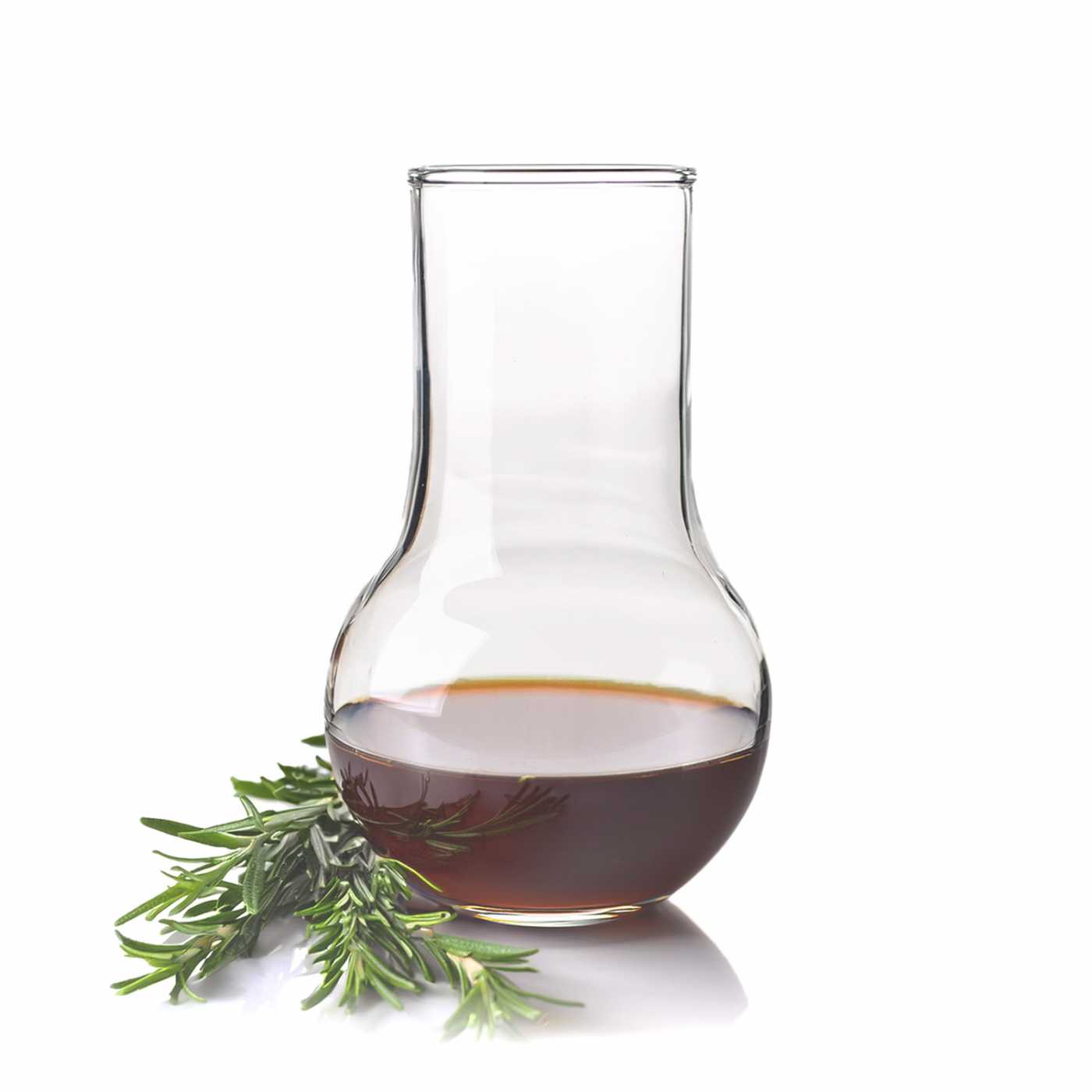
Rosemary CO2-to Extract, Organic, 50 ml

Pack size10 ml50 ml100 ml

Rosemary CO2-to extract, organic Rosemary CO2-to extract, organic is added to cosmetics primarily as an antioxidant . full description

AvailabilityIn stock · 13 packs
Product codeCO400_050
Batch562109
Best before09/2030
€16.09incl. VAT€321.80/l

Lowest price in the last 30 days: €16.09

Product description

Rosemary CO2-to extract, organic

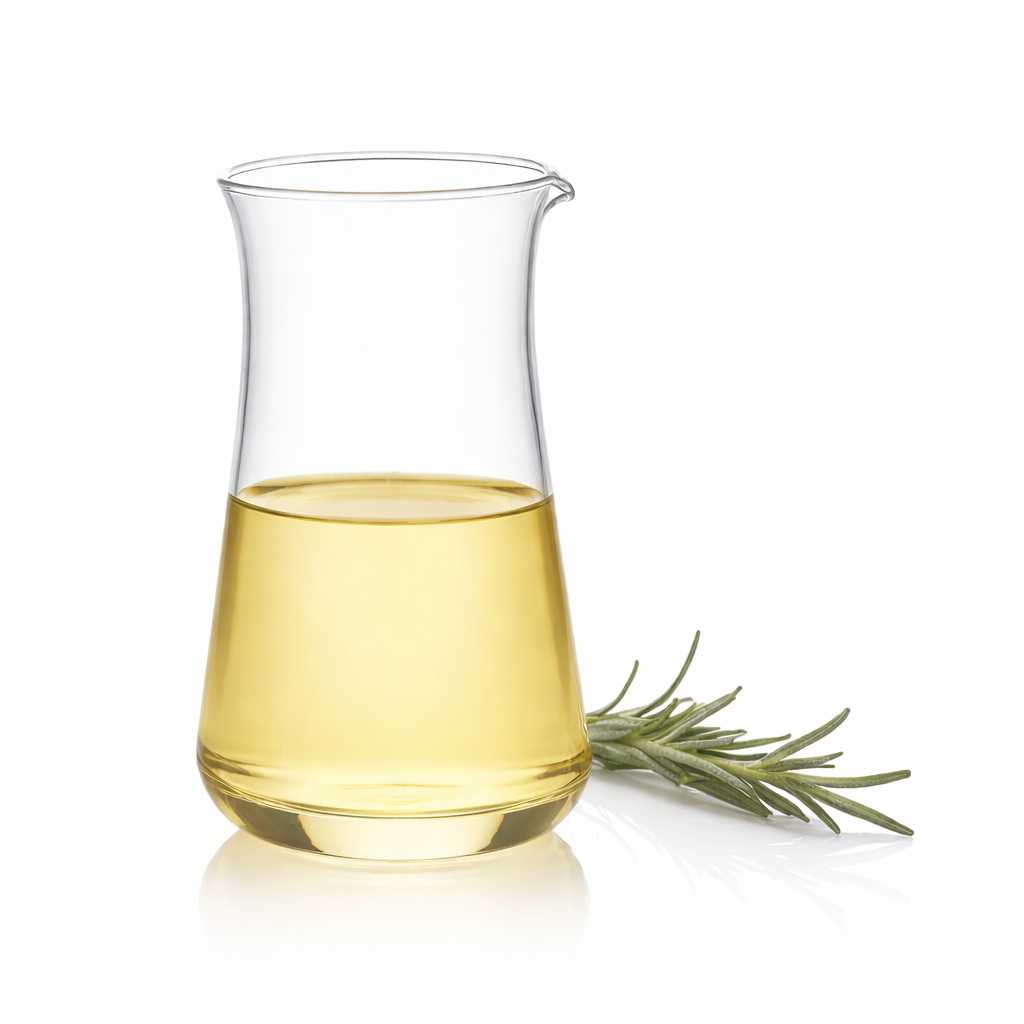
Rosemary CO2-to extract, organic is added to cosmetics primarily as an antioxidant. It slows the oxidation of vegetable oils, butters and the whole oil phase, so the finished product takes longer to go rancid and keeps its scent. It is also used as an active ingredient with an antioxidant effect on the skin, especially in leave-on products for mature skin.

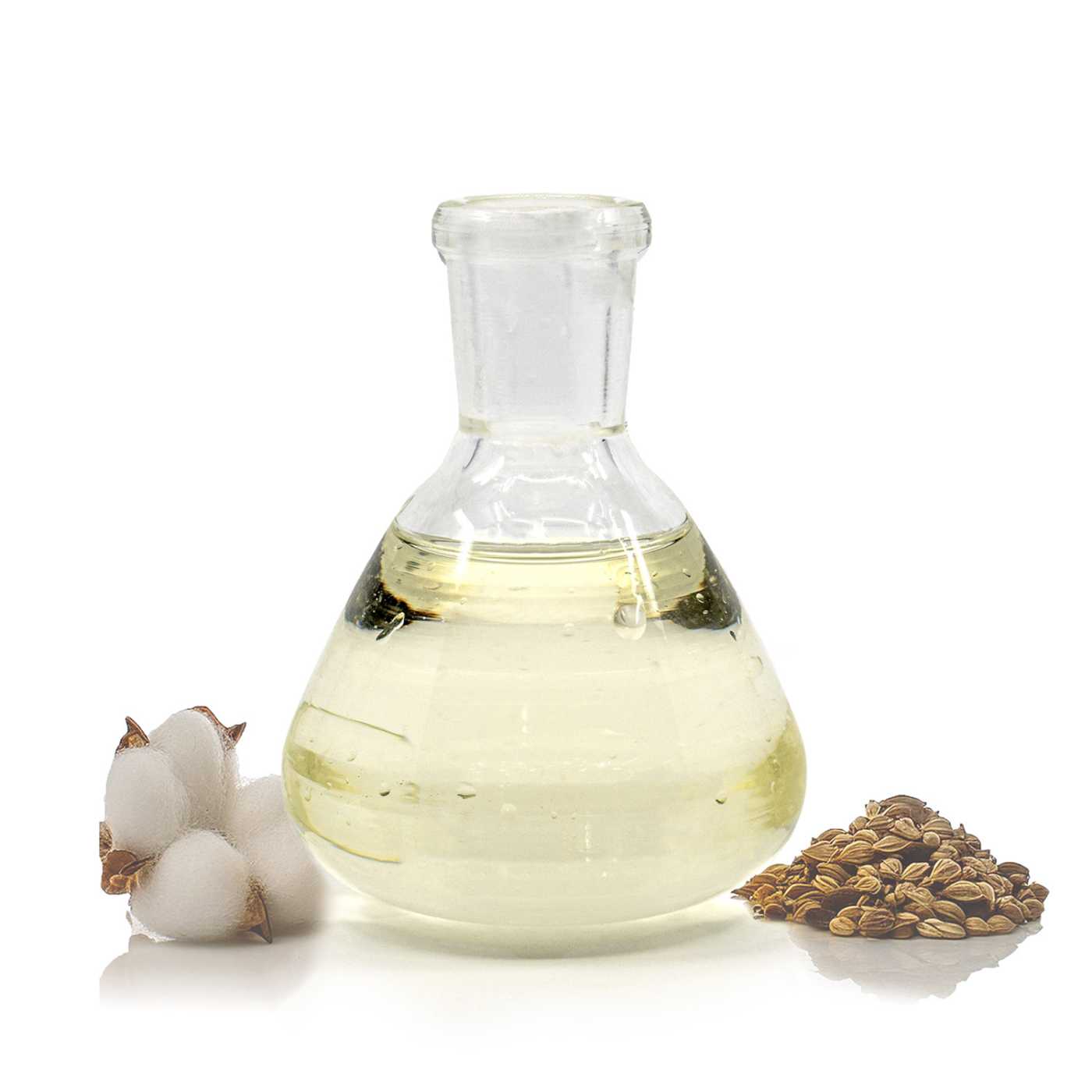
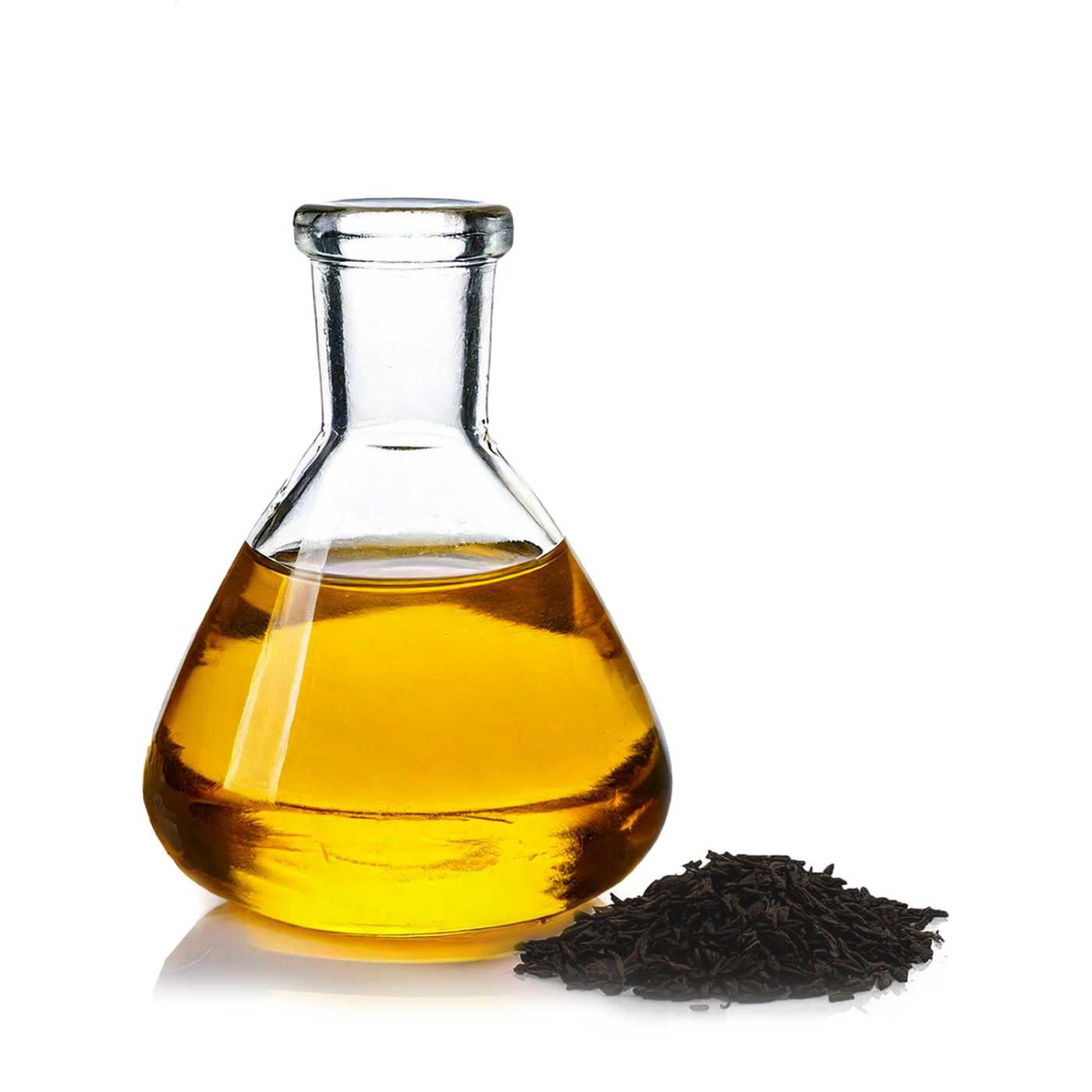
The base is an extract from rosemary leaves obtained by carbon dioxide extraction, diluted in sunflower oil in a ratio of approximately 65% extract and 35% oil. The oil carrier makes it easier to measure a very small amount, even in home-made batches. Both ingredients come from organic farming.


Key benefits

  • Protection of oils against oxidation – unsaturated oils (flaxseed, hemp, rosehip, cranberry and others) quickly lose quality. Rosemary extract slows oxidation and extends the time during which the product stays free of a rancid smell.
  • Antioxidant effect on the skin – in leave-on products it works as an ingredient with an antioxidant and anti-ageing effect. It is well suited to mature skin care in combination with oils, butters and other active ingredients.
  • Low usage rate – the recommended range is 0.02–1%, so one pack lasts for a large number of batches.
  • Alcohol compatibility – it can also be used in formulations that contain ethanol alongside the oil component.

Use in a formulation

The extract is oil-soluble and not water-soluble. It belongs in the oil phase and is incorporated into oils, butters, wax balms or the oil part of an emulsion. Without an oil component, it is not suitable for purely water-based products such as toners or hydrogels.

The recommended processing temperature is up to 40 °C. In anhydrous products, it is therefore added only to the cooled oil mixture. In balms, it is added after the waxes and butters have melted, once the mixture drops below this temperature but has not yet set. In emulsions, it is not added to the heated oil phase before emulsification, but only during cooling. It is enough to premix it with a small amount of oil from the recipe and stir it into the emulsion at a temperature below 40 °C.

The usage rate range of 0.02–1% is wide. To protect oils against oxidation, start at the lower end of the range and increase the amount only if the extract is also meant to serve as an active ingredient for the skin. A higher usage rate will also affect the scent of the product.

Measure it precisely, for small batches ideally on a scale with a resolution of 0.01 g. For percentages close to the lower limit, it makes sense to prepare a dilution in oil from the recipe and dose from that.

Rosemary extract is an antioxidant, not a preservative. It protects the oil phase against oxidation, but it does not prevent the growth of microorganisms. Every product containing water needs separate preservation.


Suitable for products such as

  • Face oils and oil serums – especially blends with a higher share of unsaturated oils, which quickly lose their scent and quality without an antioxidant.
  • Body and massage oils – larger packs take longer to use up, so protecting the oil phase matters here.
  • Balms, body butters and solid sticks – it is added after the mixture has melted and partially cooled.
  • Face and body creams and lotions – in leave-on emulsions it protects the oil phase and at the same time acts as an antioxidant active ingredient for mature skin.
  • Oil-based products containing alcohol – alcohol compatibility allows its use in these blends as well.

The extract is intended for leave-on face and body products.


Good to know

Scent. The extract carries the natural herbal scent of rosemary. At a low usage rate for protecting oils, it stays in the background of the finished product; at the upper end of the range, you need to take it into account when choosing a fragrance composition.

Allergens. The raw material contains one or more fragrance allergens listed in Annex III of Regulation (EC) No 1223/2009, including Commission Regulation (EU) 2023/1545. In finished cosmetics, they must be taken into account in the labelling. The product also contains volatile organic compounds (VOC).

Stability and testing. The protective effect depends on the composition of the oil blend, the usage rate, the packaging and exposure to light and air, so it cannot be expressed by a universal figure. With a new recipe, compare a sample with and without the antioxidant after several weeks.


Frequently asked questions

Is rosemary CO2-to extract water-soluble?
No, rosemary CO2-to extract is soluble only in oil and does not dissolve in water. It is added to the oil phase, that is, to oils, butters, balms or the oil part of an emulsion. It is not suitable for purely water-based products such as toners or hydrogels, because it would not disperse in them and would form a separate layer.
Can rosemary CO2-to extract replace a preservative?
No, rosemary CO2-to extract does not replace a preservative. It acts as an antioxidant, slows the oxidation of oils and prevents rancidity, but it does not protect the product against bacteria, yeasts and moulds. Creams, lotions and all products containing water therefore need separate preservation. Anhydrous oils and balms do not require a preservative, but an antioxidant helps them keep their quality.
How much rosemary CO2-to extract should I add to an oil or cream?
The recommended usage rate of rosemary CO2-to extract is 0.02–1% of the total weight of the product. To protect oils against oxidation, the lower part of the range is usually enough; higher percentages are used when the extract is also meant to act as an active ingredient for the skin. It is added at a temperature of up to 40 °C, and in emulsions during cooling.
Can rosemary CO2-to extract be used in products containing alcohol?
Yes, rosemary CO2-to extract is compatible with alcohol. It can be incorporated into formulations that contain ethanol alongside the oil component. Because it remains insoluble in water, check the behaviour in your particular mixture of alcohol, water and oil in a test batch, especially the clarity and any separation of ingredients.
Is rosemary CO2-to extract suitable for sensitive skin?
Rosemary CO2-to extract is intended for all skin types, including mature skin, but it contains fragrance allergens listed in Annex III of Regulation (EC) No 1223/2009. For products intended for sensitive skin, keep the usage rate at the lower end of the range and test the tolerance of the finished product. It is used in leave-on face and body care.

Parameters

INCI
Rosmarinus Officinalis Leaf Extract, Helianthus Annuus Seed Oil
CAS No.
84604-14-8, 8001-21-6
EC number
283-291-9, 232-273-9
Product color
Amber
Country of origin
Germany
Appearance
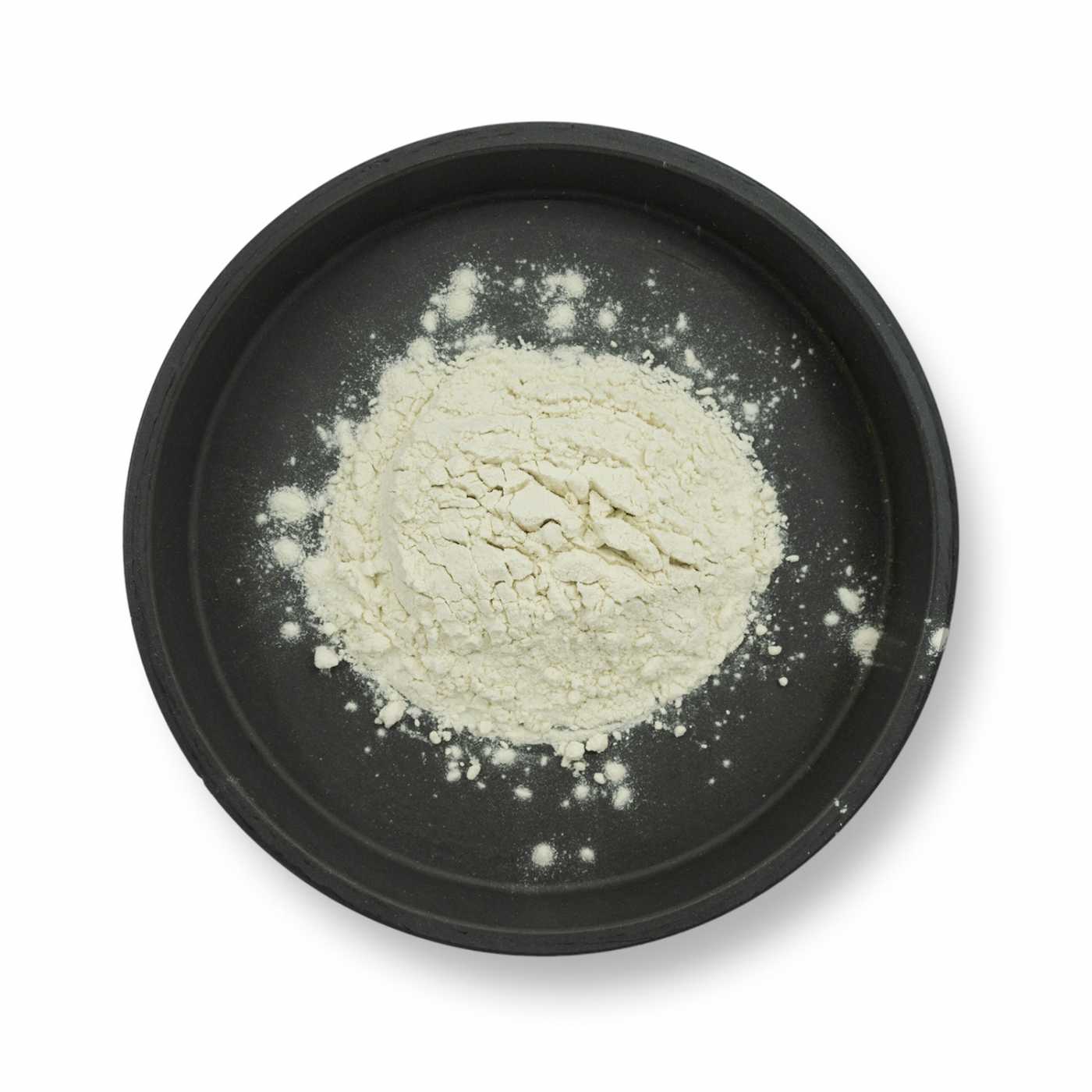
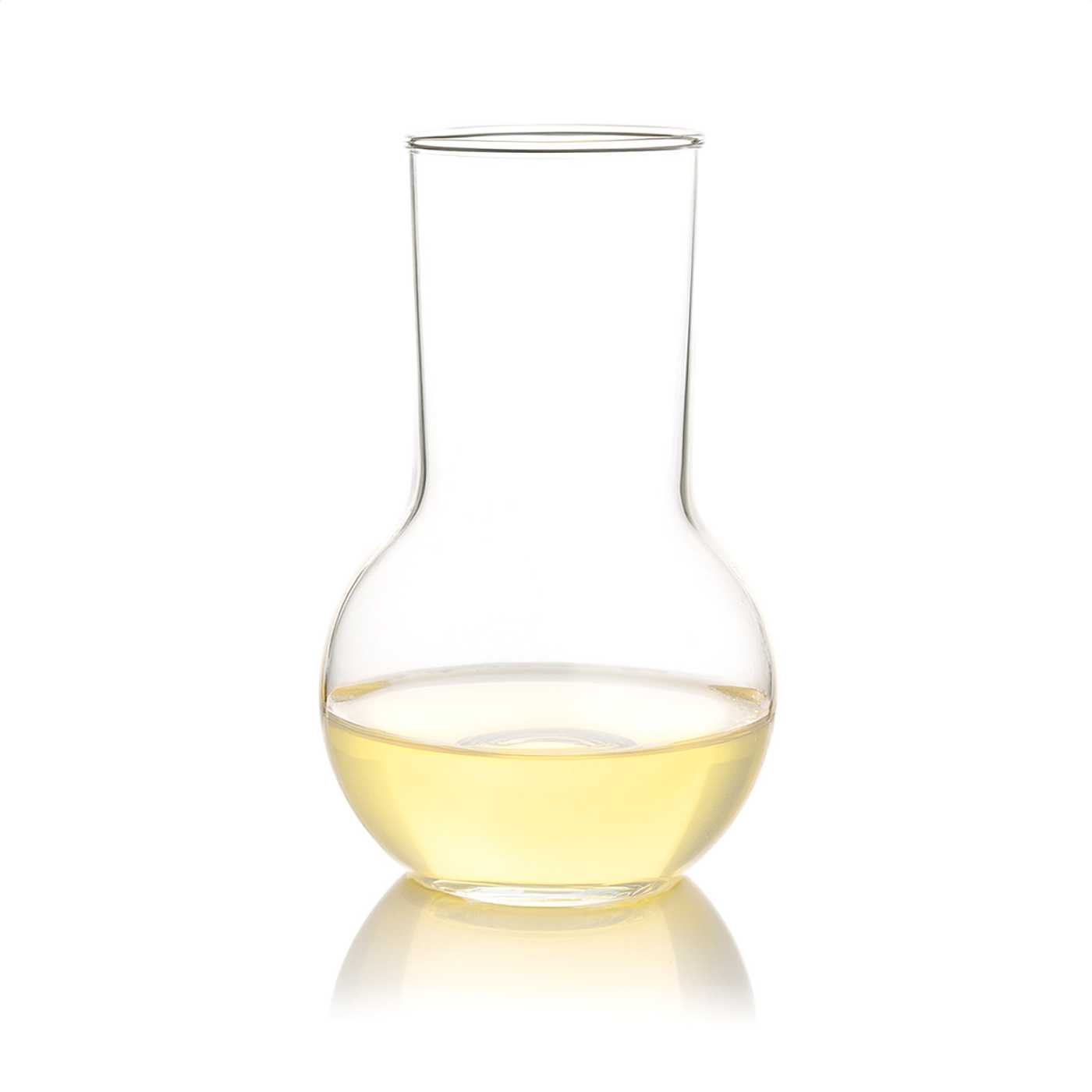
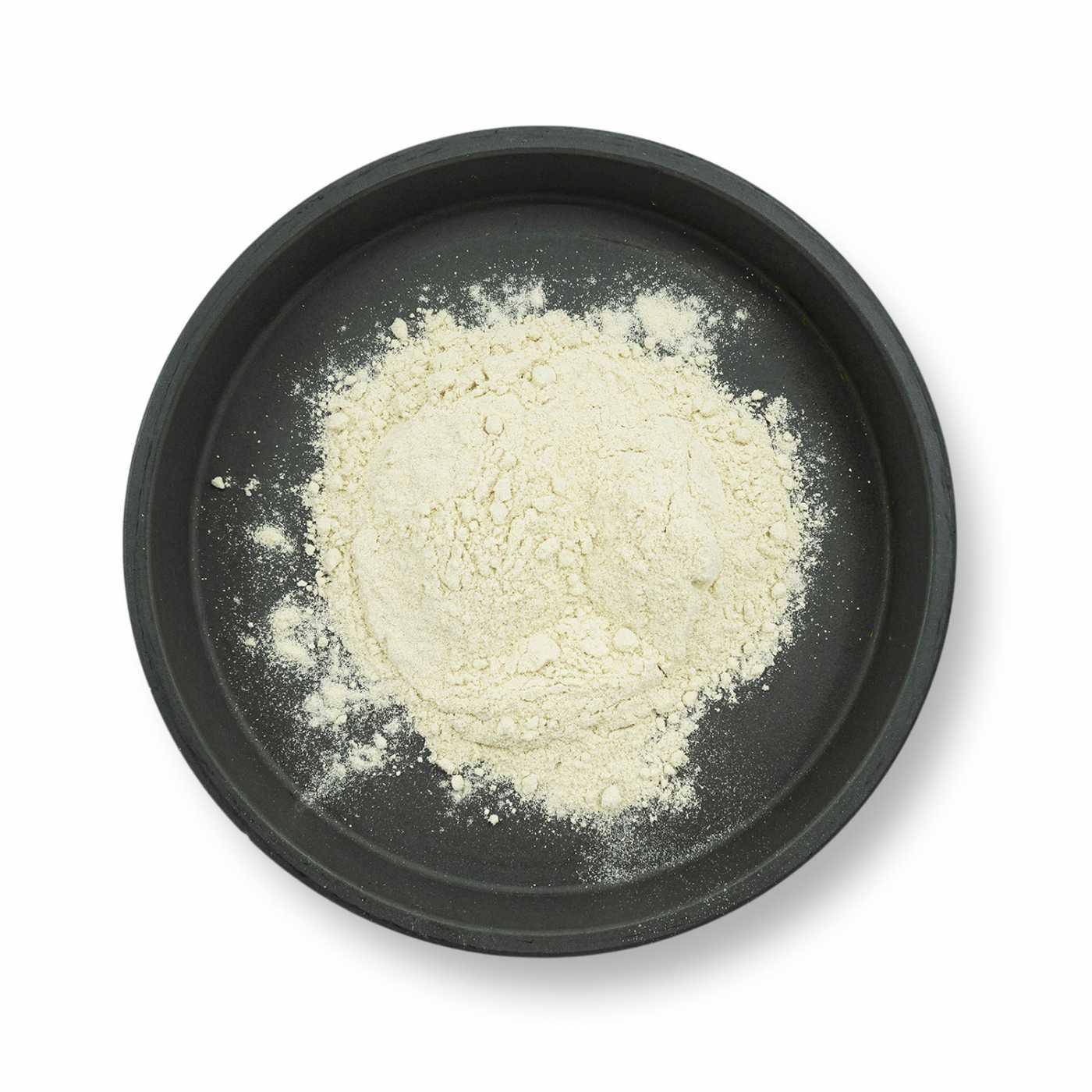
Oil solution
Formulation phase
Oil phase
Function in formulation
Antioxidant
Application area
FaceBody
Recommended processing temperature
< 40 °C
Recommended dosage range
0,02 – 1 %
Application type
Leave-on
Certifications
Organic certification
Manufacturer's certificate
KosherCOSMOS Approved
Natural Index (NI ISO 16128)
1,00
Natural Origin Index (NOI ISO 16128)
1,00
Organic content
100 %
Renewable Carbon Content (RCC)
100 %
Volume
50 ml

Product documentation

CoACertificate of Analysis
batch 452212PDF ↓
batch 452213PDF ↓
batch 562109PDF ↓
batch 452211PDF ↓
TDSTechnical Data Sheet
Physical parameters and processingPDF ↓
IFRAIFRA Certificate
batch 452212PDF ↓
batch 452213PDF ↓
batch 562109PDF ↓
AllergensAllergen Declaration
batch 452212PDF ↓
batch 452213PDF ↓
batch 562109PDF ↓
MSDSSafety Data Sheet
Available for purchased products —
Download all (ZIP)

11 PDF files in one archive

Learn how to work with it

From our blog
Slávka S.8 Oct 2026SK

Verified purchase

Variant: Rozmarínový CO2-to extrakt BIO, 50 ml
Katarína S.18 Sept 2026SK

Verified purchase