+421 950 333 113info@handymade.storeHandymade Days: −10 % on all ready-made productsShop now

SALTS

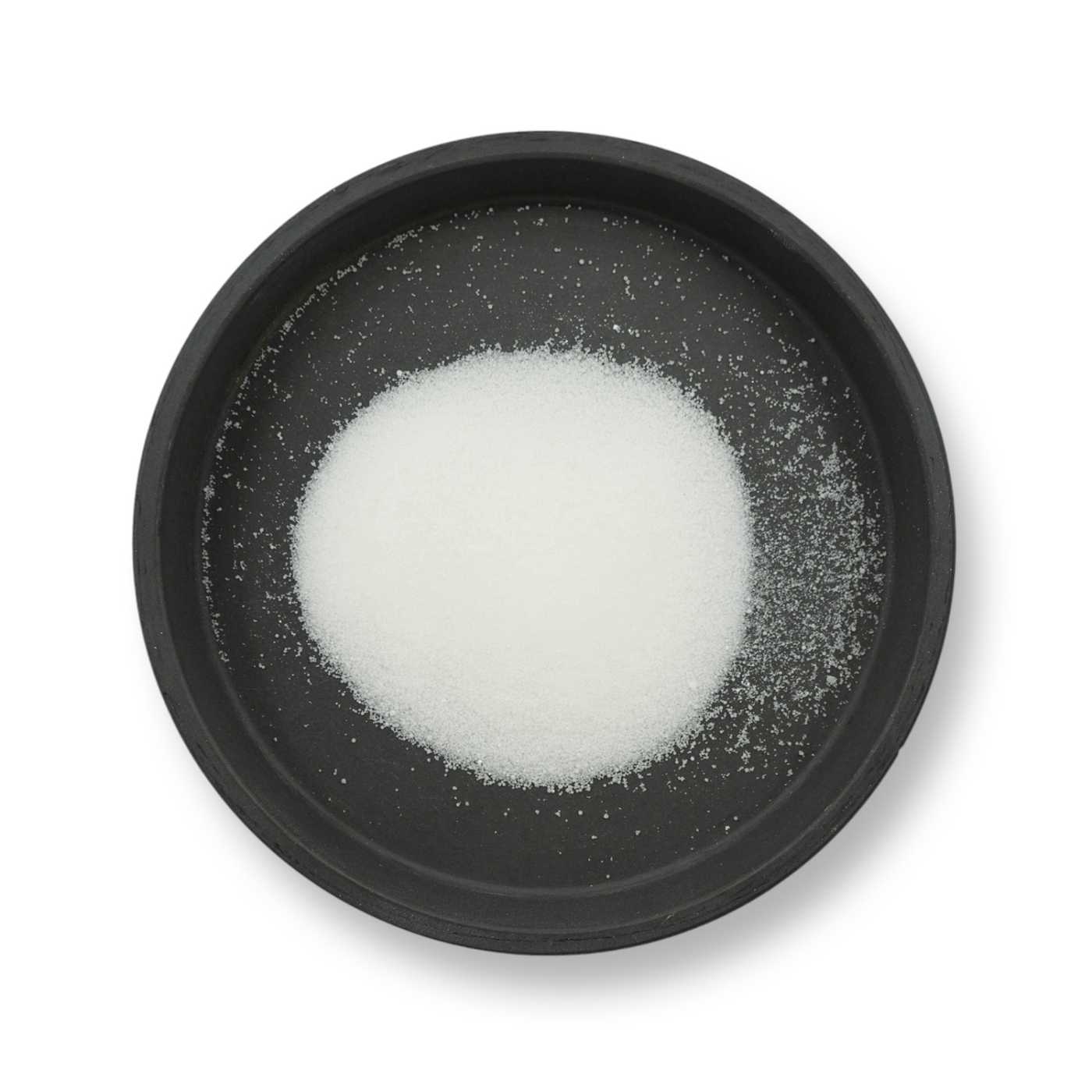
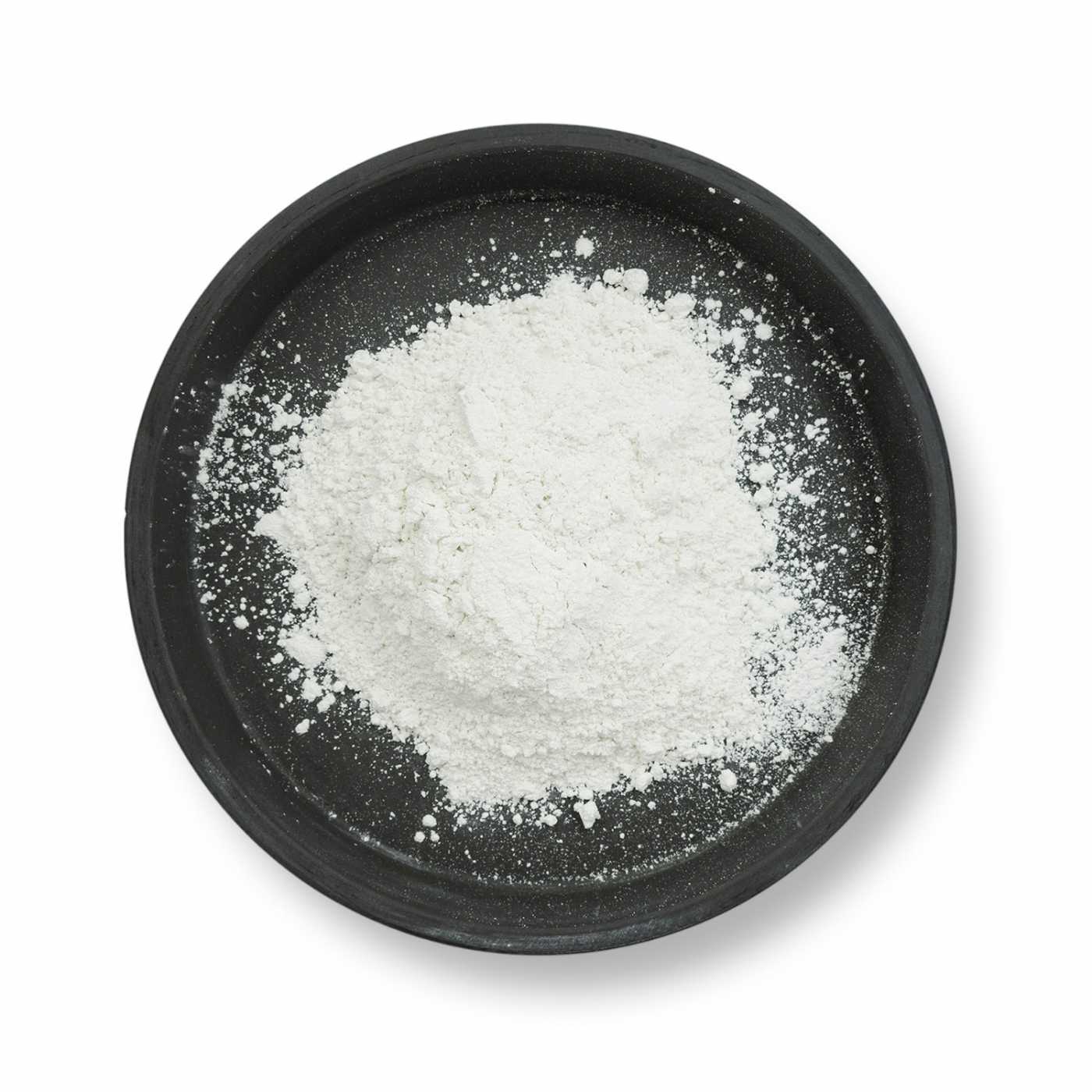
Sea Salt, Fine, 25 kg

Pack size1 kg5 kg25 kg

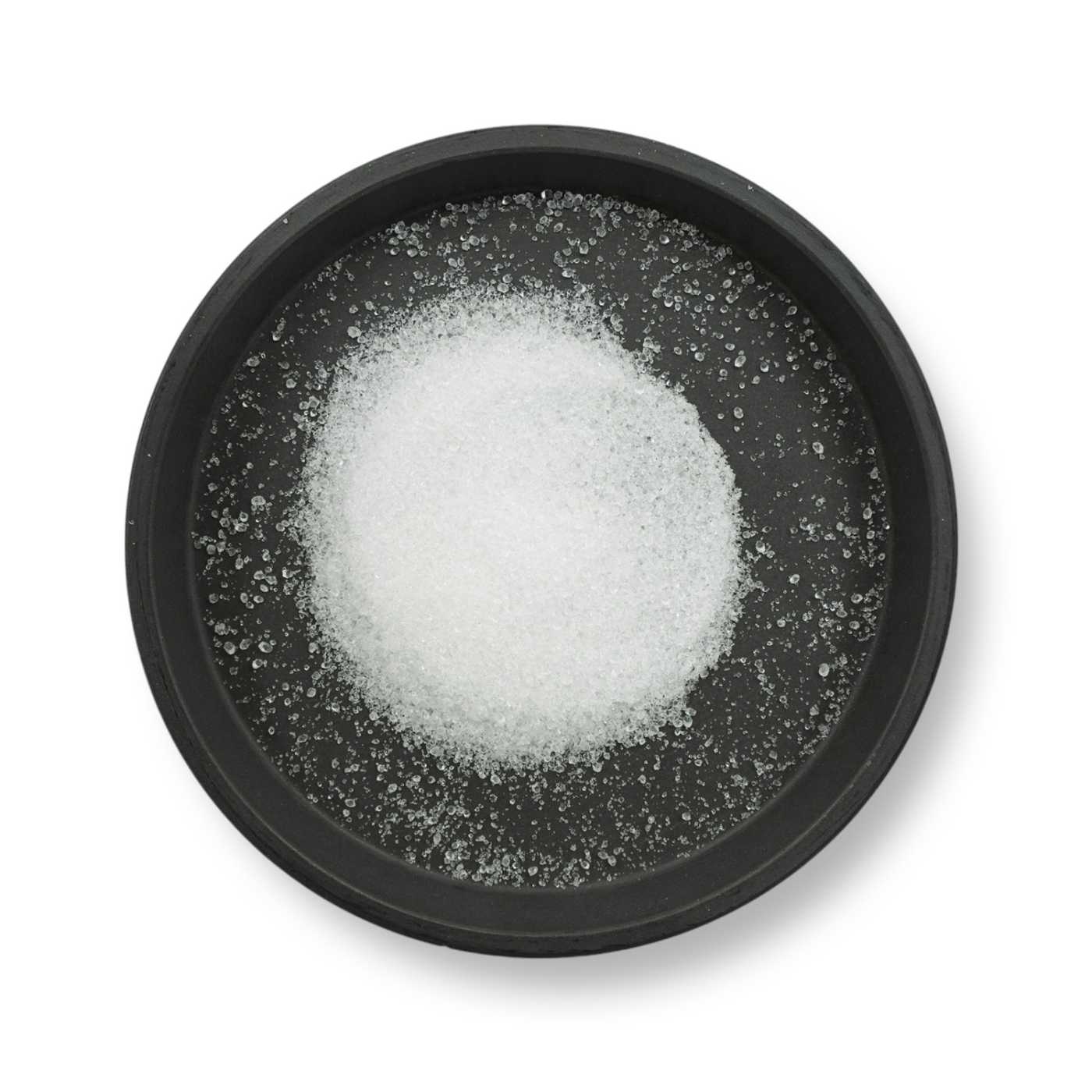
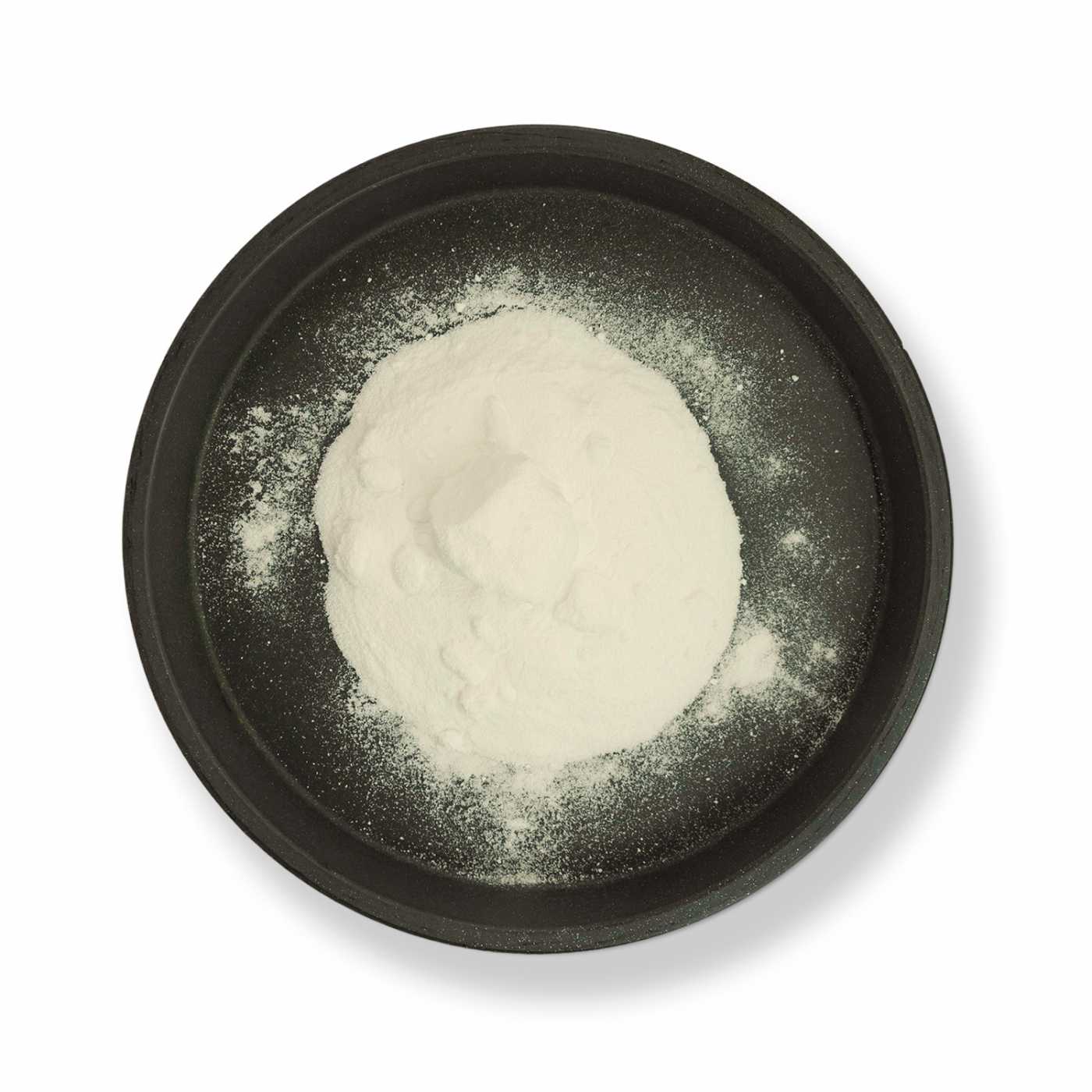
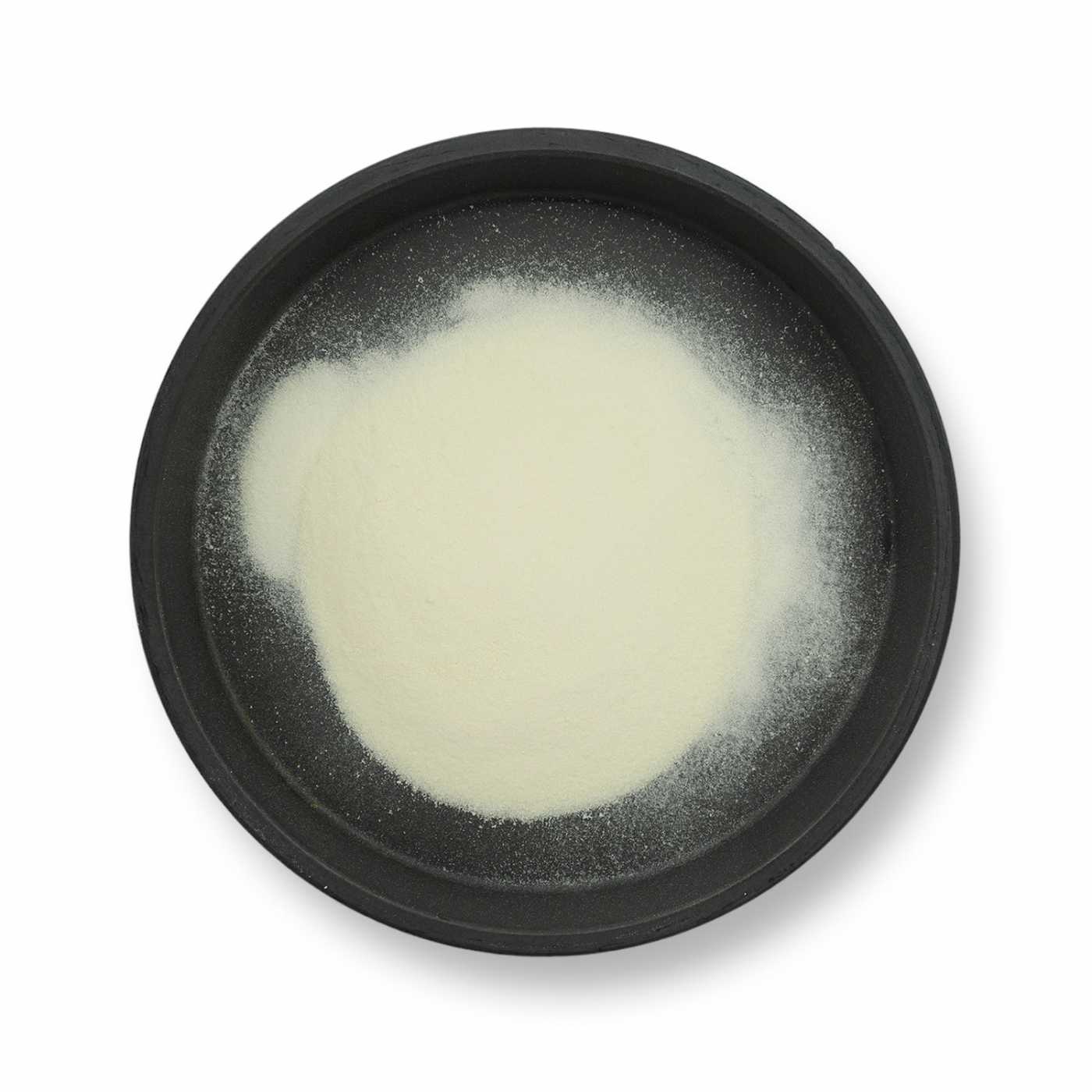
Sea salt, finely ground is sodium chloride obtained by crystallisation and ground into small crystals. full description

AvailabilityIn stock · 24 packs
Product codeSOL007_25
Batch130328
Best before03/2028
€19.99incl. VAT€0.80/kg

Lowest price in the last 30 days: €17.99

Product description

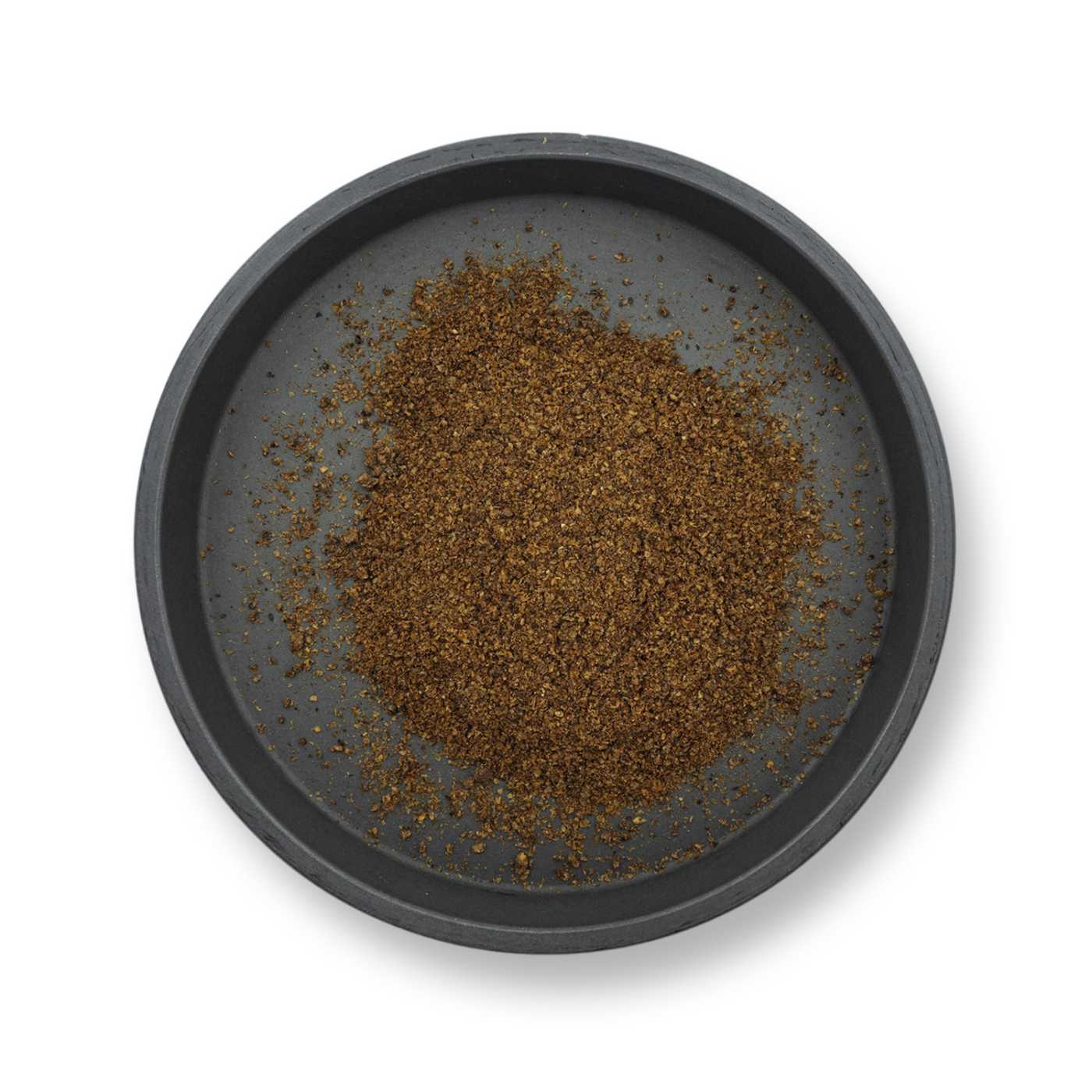
Sea salt, finely ground is sodium chloride obtained by crystallisation and ground into small crystals. In cosmetics it has two roles: in shampoos, shower gels and liquid soaps it fine-tunes viscosity, while in body scrubs and bath salts it forms the base of the product. It is of natural origin and belongs in rinse-off products for the body, hands and feet.

The two roles differ in what happens to the salt in the product. When thickening, it dissolves and acts as an electrolyte, and a small amount is enough. In a scrub the crystals remain intact and mechanically remove dead skin cells during massage.


Key properties

  • Thickening of surfactant-based products – a small addition of salt increases the viscosity of a shampoo, shower gel or liquid soap.
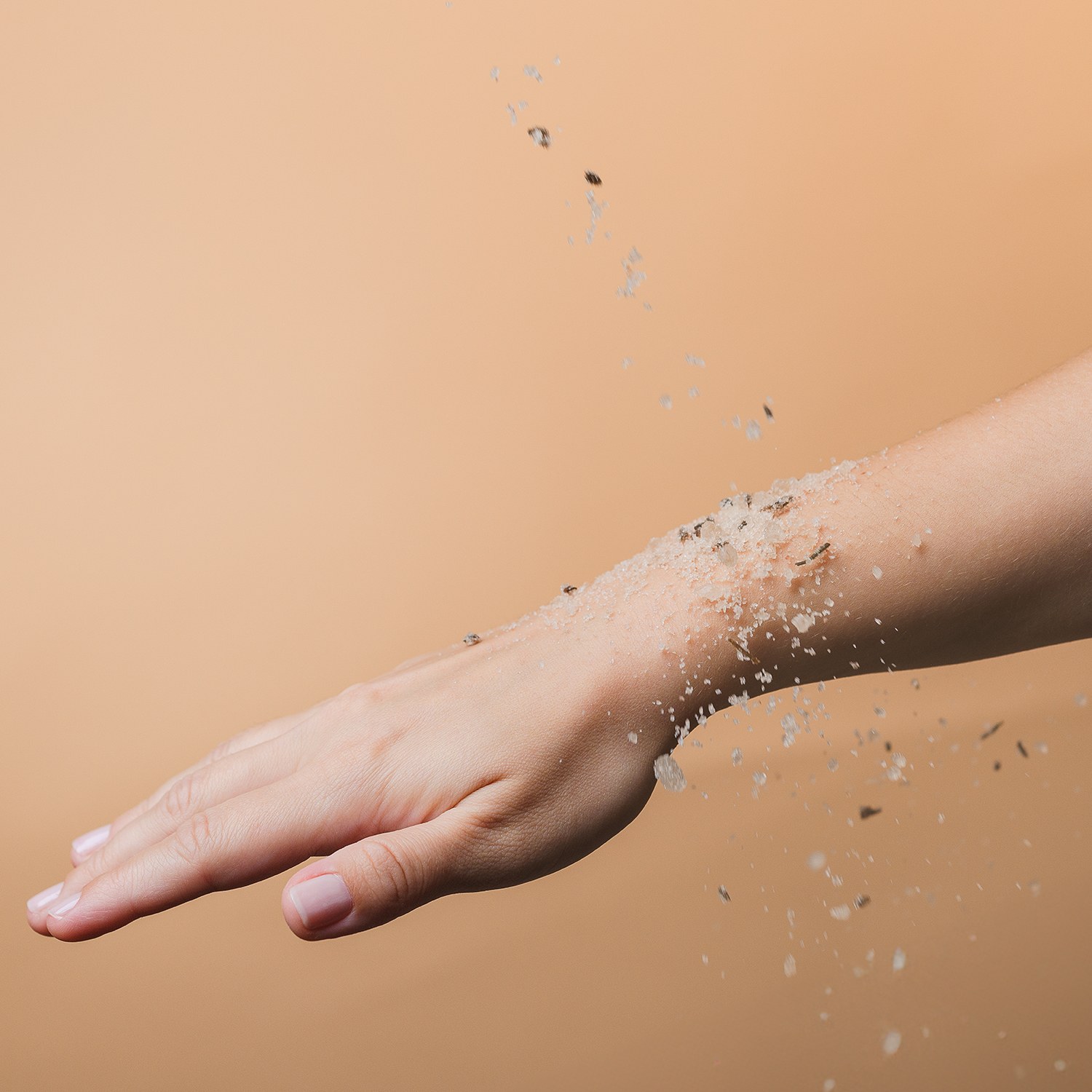
  • Abrasive ingredient – finely ground crystals are suitable for body scrubs.
  • Base of bath salts – the salt is mixed with oils and fragrance ingredients and dissolves in the bath.
  • Good solubility in water – at 20 °C approximately 358 g of salt dissolves in a litre of water, which makes it possible to prepare a stock solution.
  • Odourless – the salt does not bring its own fragrance into the product.

Thickening shampoos, shower gels and liquid soaps

Salt is added only at the end of production, usually after pH adjustment. It can also be added as a ready-made aqueous solution.

Viscosity does not increase indefinitely. As the salt content rises, the product first thickens, and when viscosity reaches its maximum, it begins to fall again.

In formulations, salt is most often used at around 1%. Indicative usage rates by product type:

  • shampoos 0.4–1.2%
  • shower gels 0.2–0.3%
  • liquid soaps 0.8–2.5%

Add the salt in small portions, mixing thoroughly after each one and checking the thickness. Once viscosity passes its maximum, any further salt only lowers it.

Other surfactants in the formulation also affect the result. Cocamidopropyl Betaine raises the highest viscosity that can be reached with salt. Cocamide co-surfactants shift the maximum towards a lower salt content: less salt is needed, but the system is easier to overdose.


Bath salts and scrubs

In bath salts, salt can make up as much as 80% of the product. It is weighed into a stainless steel bowl, and the oils and fragrance ingredients are added gradually while stirring with a spoon or spatula. The liquid should be distributed evenly throughout the whole volume of salt.

In a scrub, what matters is whether the formulation contains water. In an anhydrous base of oils and butters the salt does not dissolve and the crystals keep their abrasive effect. In a water-based environment they gradually dissolve. In other products the recommended usage rate is 0.1–50%.


Salt in rinse-off emulsions

In rinse-off emulsions, salt is added at 0.5–1%. It is dissolved in the water phase together with glycerine before the phases are combined.

In O/W emulsions it is used sparingly. A small amount of sodium chloride hardly changes their viscosity, but a higher ion content weakens the charge of the emulsifier around the droplets and can lead to phase separation. In W/O emulsions, salt is commonly used as a stabiliser of the water phase.


Good to know

  • An aqueous salt solution has a pH of 6–9.
  • Salt solutions cause corrosion of metals. Use stainless steel or glass for working, and do not pack finished products in metal packaging.
  • Salt is hygroscopic and cakes into lumps in damp conditions.
  • Avoid creating dust when weighing and pouring.
  • The raw material is of both cosmetic and food grade.

Do not combine salt with strong acids, which produce hydrogen chloride, or with strong oxidising agents, for example chlorine bleaches, which can produce chlorine.


Suitable for products such as

  • bath salts and foot bath salts
  • salt scrubs for the body, hands and feet
  • shampoos, shower gels and liquid soaps, where it adjusts viscosity
  • rinse-off emulsions with a low salt content

Frequently asked questions

How much sea salt is needed to thicken a shampoo or shower gel?
Shampoos take 0.4–1.2% sea salt, shower gels 0.2–0.3% and liquid soaps 0.8–2.5%. The exact amount depends on the surfactants in the formulation. The salt is added at the end of production after pH adjustment, in small portions, and the thickness is checked after each one.
Why did my shampoo become thinner after adding sea salt?
The shampoo became thinner because the salt content exceeded the level at which viscosity is highest. As the amount of salt rises, viscosity first increases and then falls again once it reaches its maximum. In formulations with cocamide co-surfactants this maximum lies lower, so a smaller amount of salt is enough to overdose.
Is finely ground sea salt suitable for a body scrub?
Yes, finely ground sea salt is used as an abrasive ingredient in scrubs for the body, hands and feet. The crystals mechanically remove dead skin cells during massage. In an anhydrous scrub made of oils and butters the salt does not dissolve, and when rinsed with water it dissolves and is washed away.
Is sea salt soluble in water?
Yes, sea salt dissolves well in water: at 20 °C approximately 358 g dissolves in a litre of water. The resulting solution has a pH of 6–9. It can be added to surfactant-based products as a ready-made aqueous solution. In emulsions it is dissolved in the water phase together with glycerine before the phases are combined.
Can a product containing sea salt be packed in metal packaging?
No, products containing sea salt should not be packed in metal packaging. Salt solutions cause corrosion of metals. The same applies during production: work with stainless steel or glass equipment; bath salts, for example, are weighed and mixed with oils in a stainless steel bowl.

Parameters

INCI
Sodium Chloride
CAS No.
7647-14-5
EC number
231-598-3
Product colour
White
Processing method
CrystallisationMilling
Appearance
Powder
Formulation phase
Water phasePost-addition
Function in formulation
ThickenerAbrasive agent
Application area
BodyHandsFeet
Recommended usage rate
0,1 – 50 %
Solubility
Water-soluble
Application type
Rinse-off
Suitable for
All skin types
Biodegradability
Not applicable
Natural Index (NI ISO 16128)
11,00
Natural Origin Index (NOI ISO 16128)
11,00

Product documentation

CoACertificate of Analysis
batch 130328PDF ↓
TDSTechnical Data Sheet
Physical parameters and processingPDF ↓
SDSSafety Data Sheet
Available for purchased products —
Download all (ZIP)

2 PDF files in one archive

Learn how to work with it

From our blog
Marianna H.13 Oct 2026SK

Verified purchase

Variant: Morská soľ, jemne mletá, 1 kg

Matej S.6 Oct 2026SK

Verified purchase

Variant: Morská soľ, jemne mletá, 5 kg

Nóra S.17 Sept 2026HU

Verified purchase

Variant: Morská soľ, jemne mletá, 1 kg
(3 reviews)