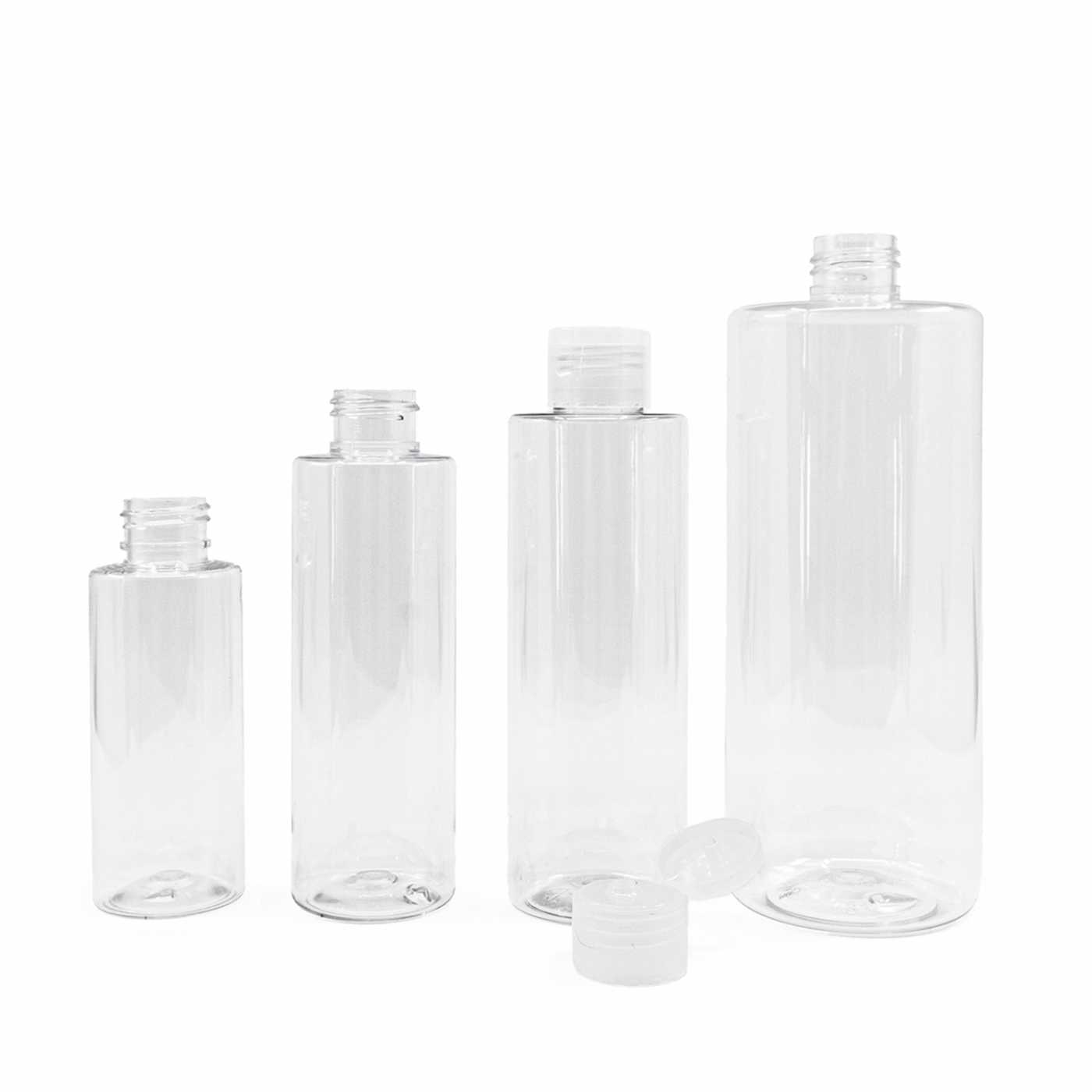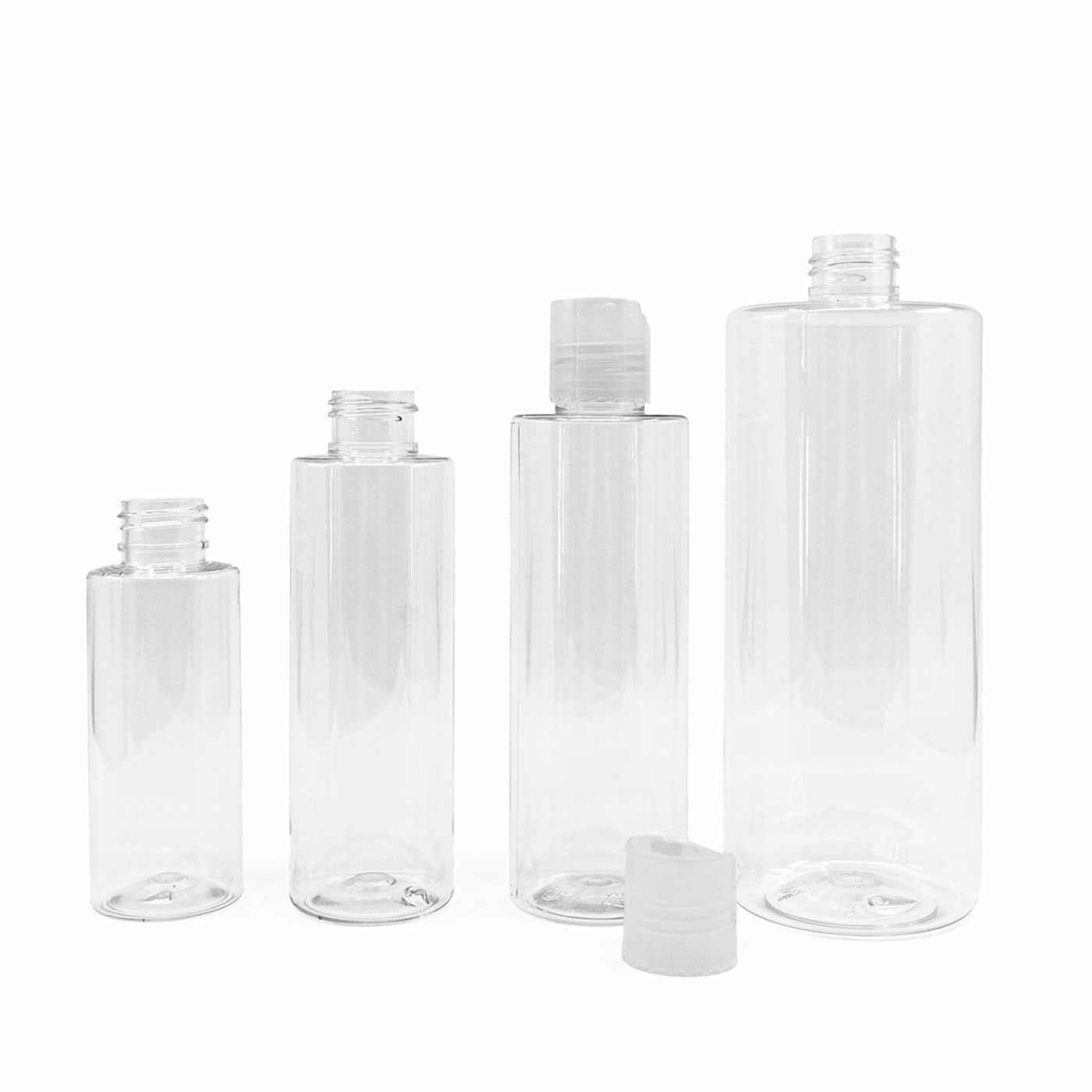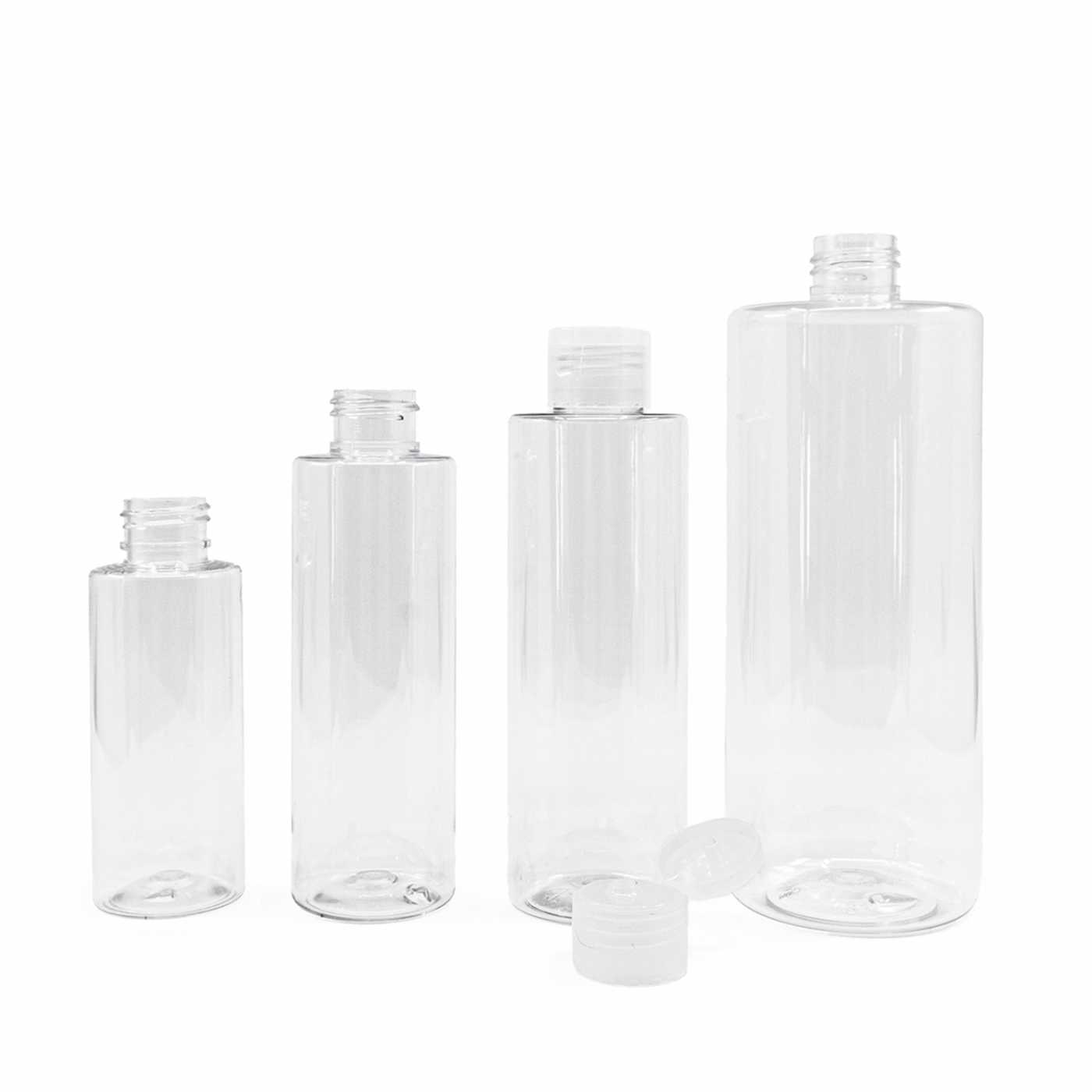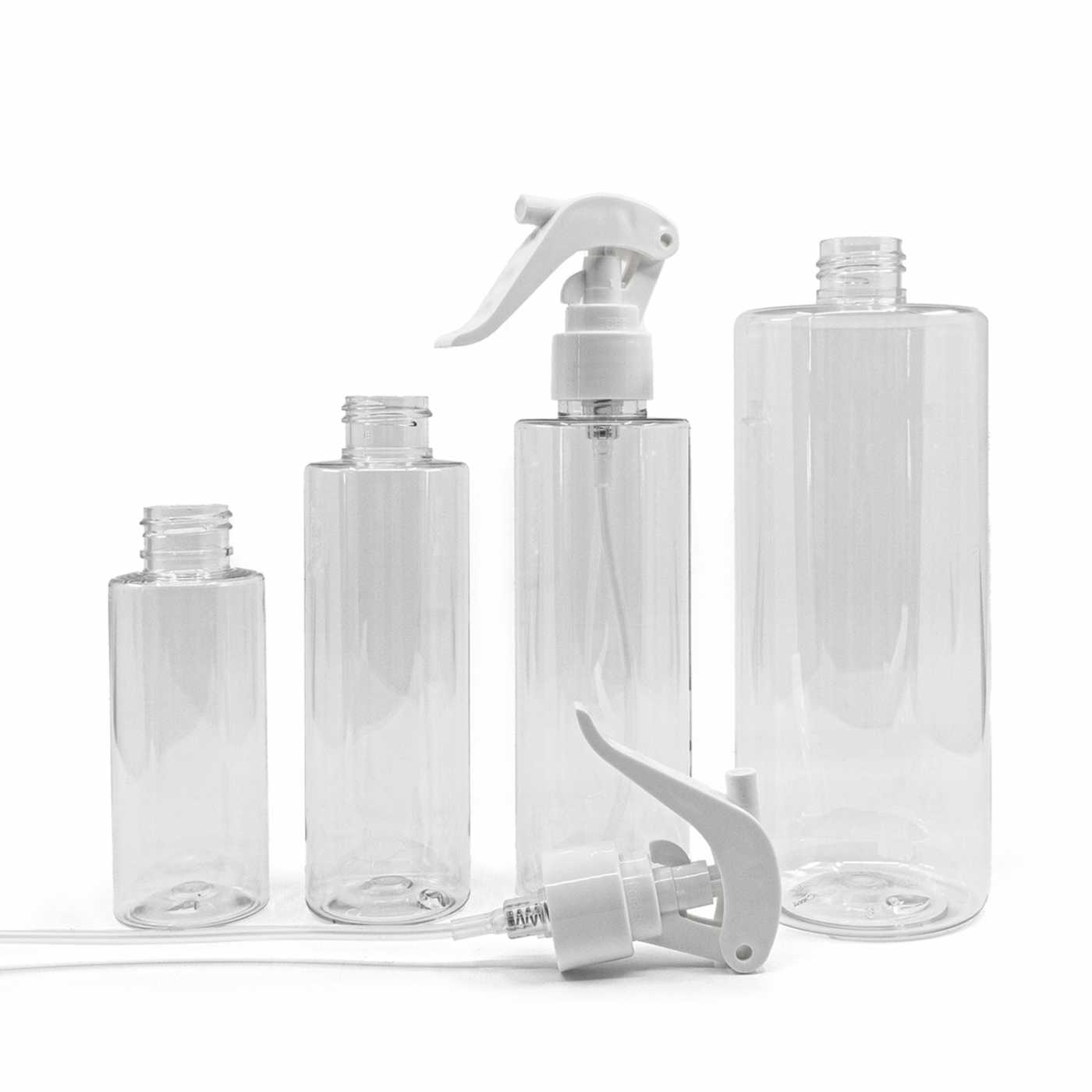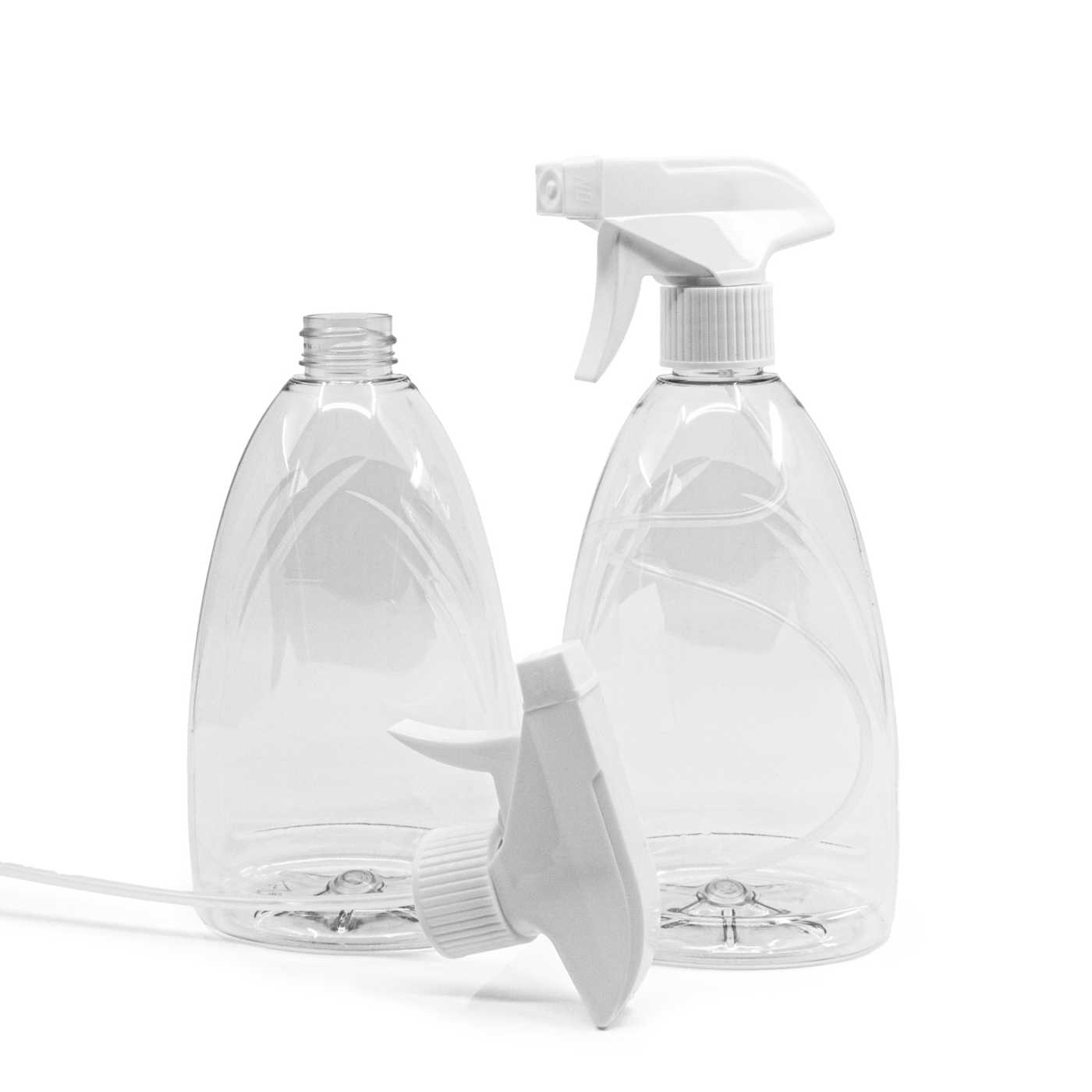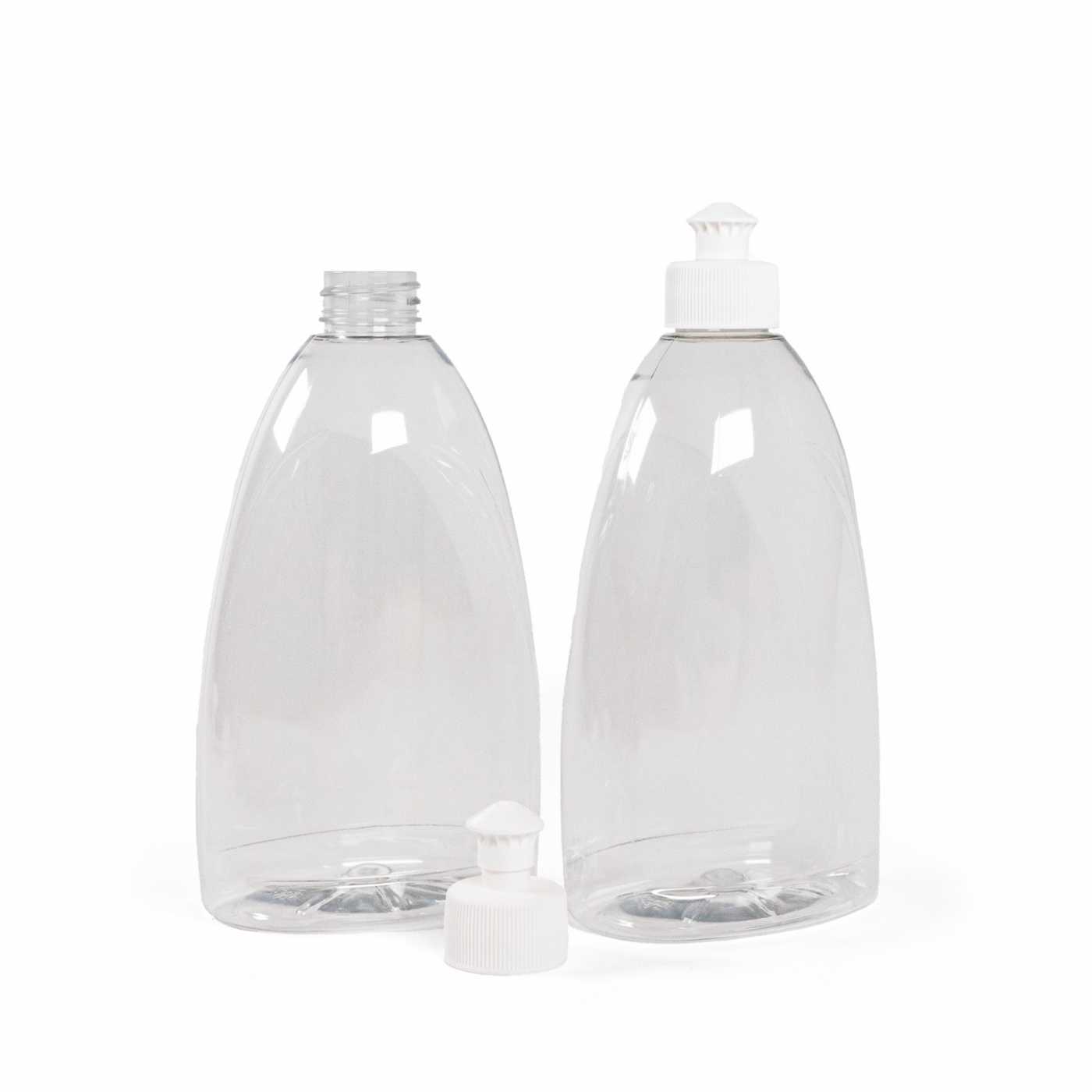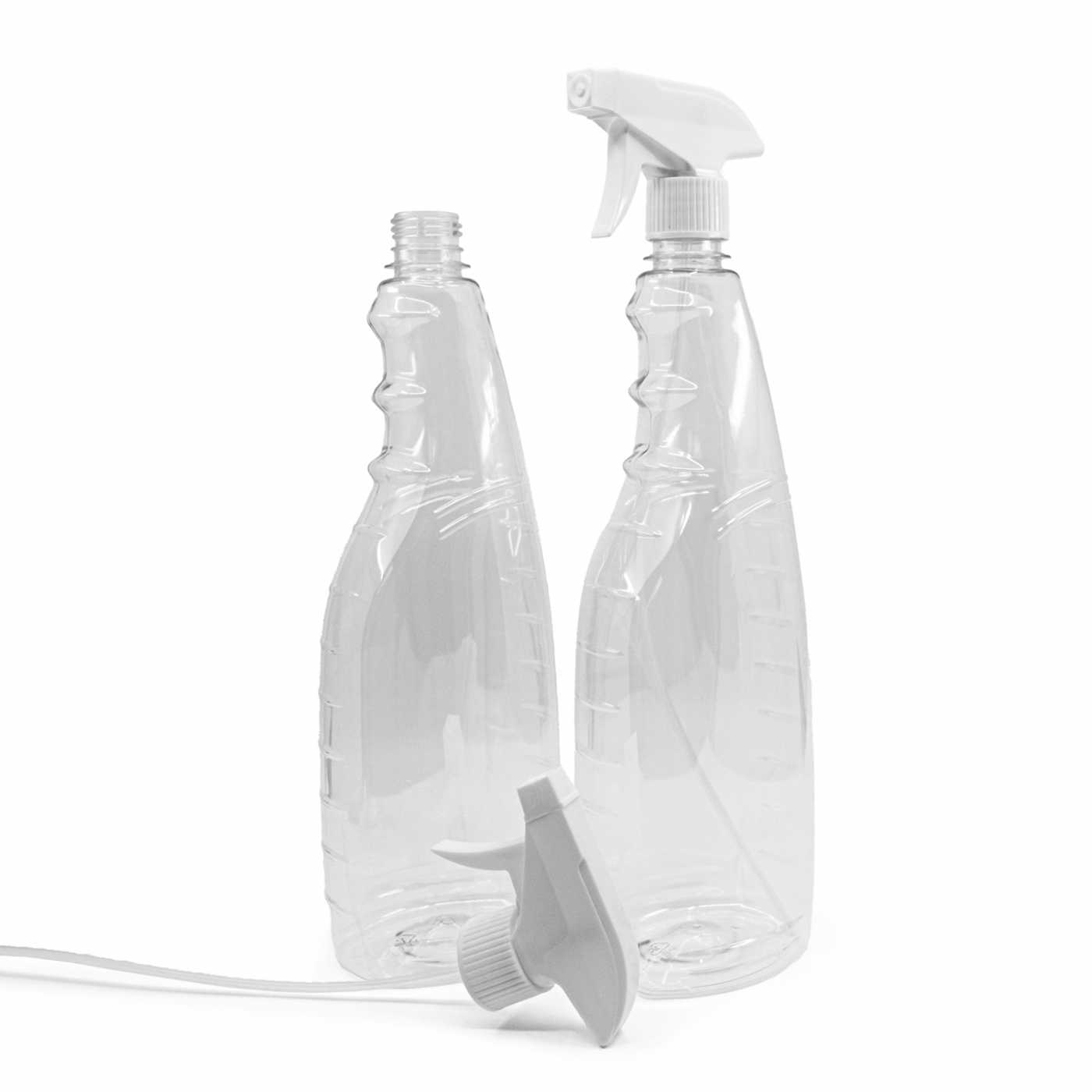
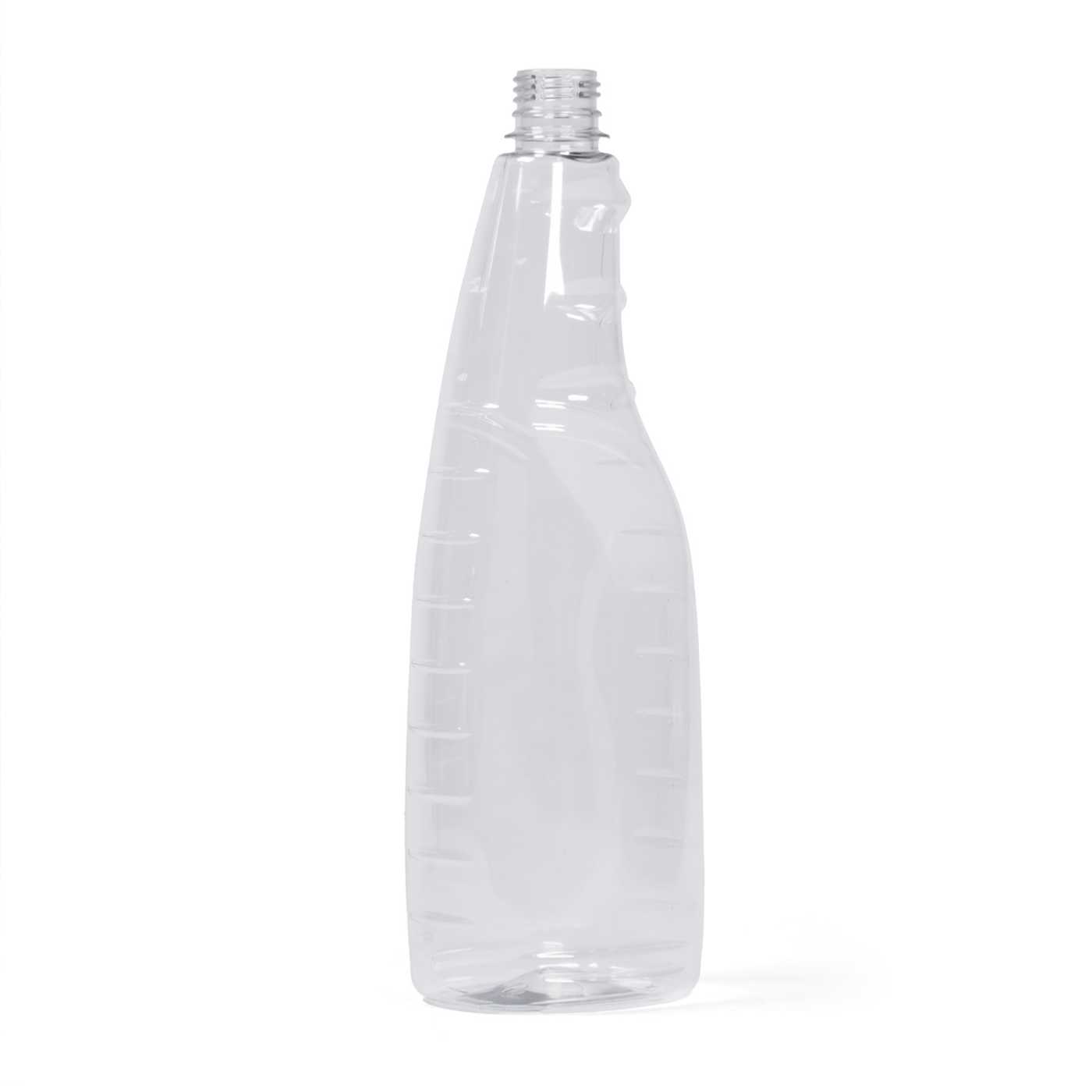
Plastic bottle for cleaning products, clear, 1 l
Pre-order€0.68

CLEANING & WASHING
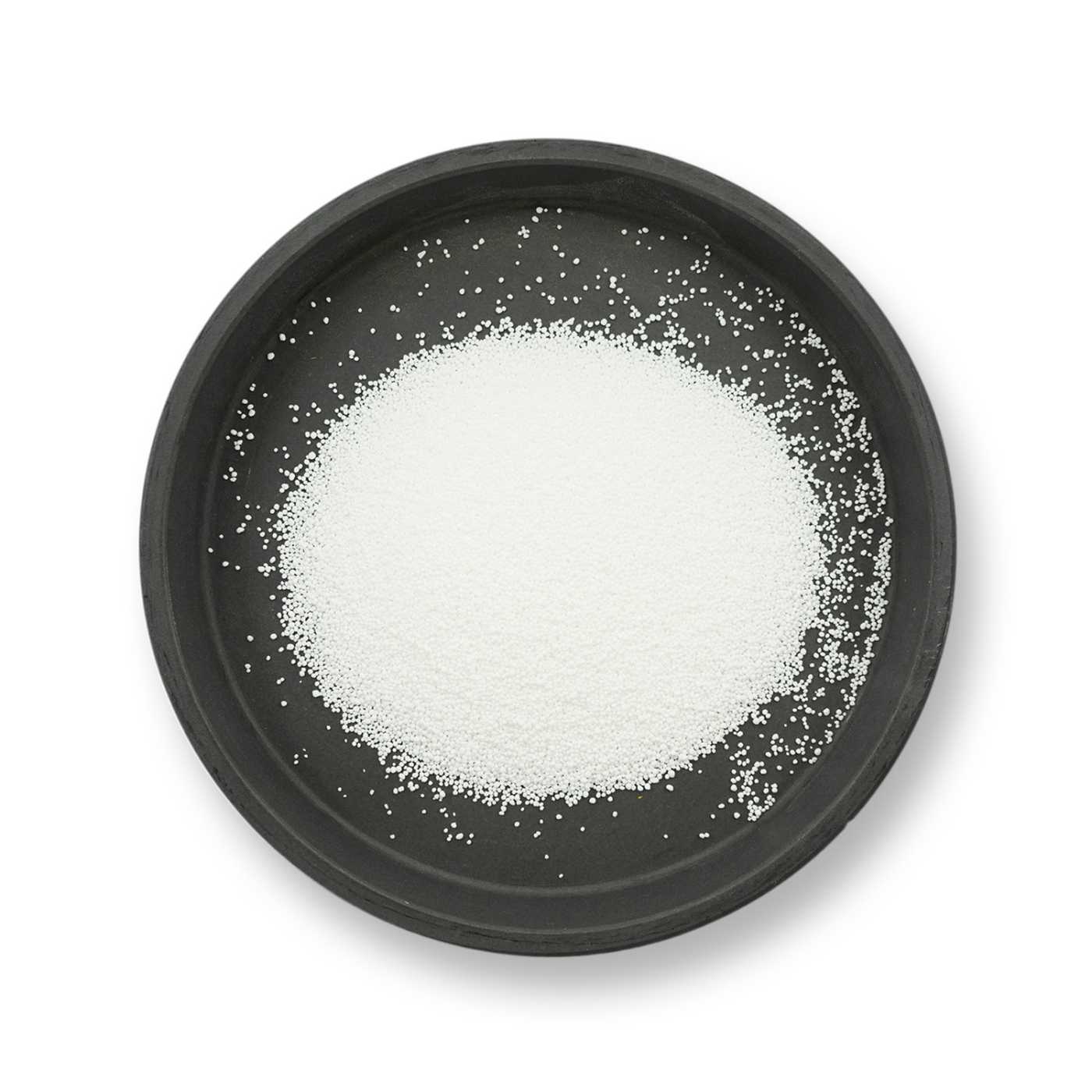
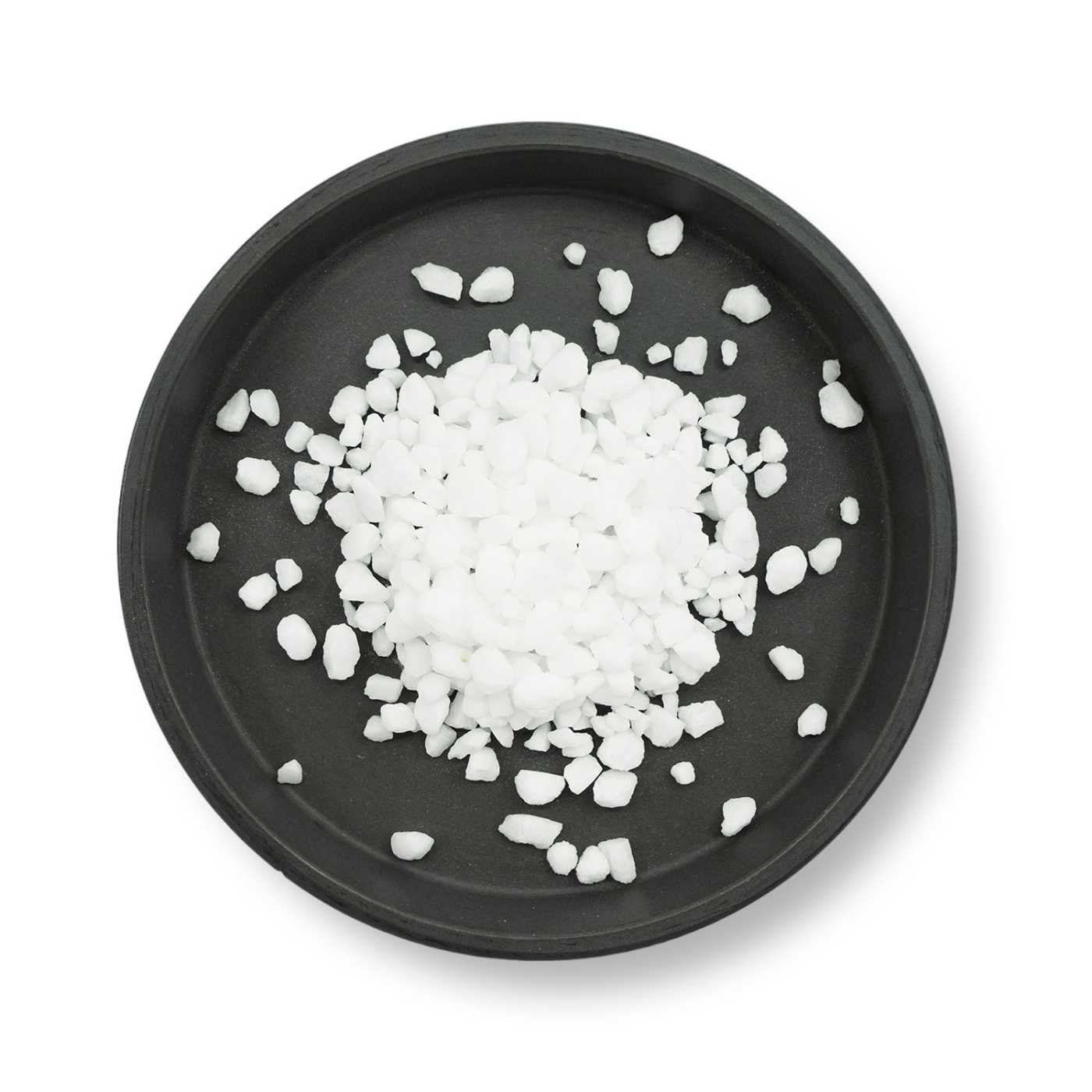
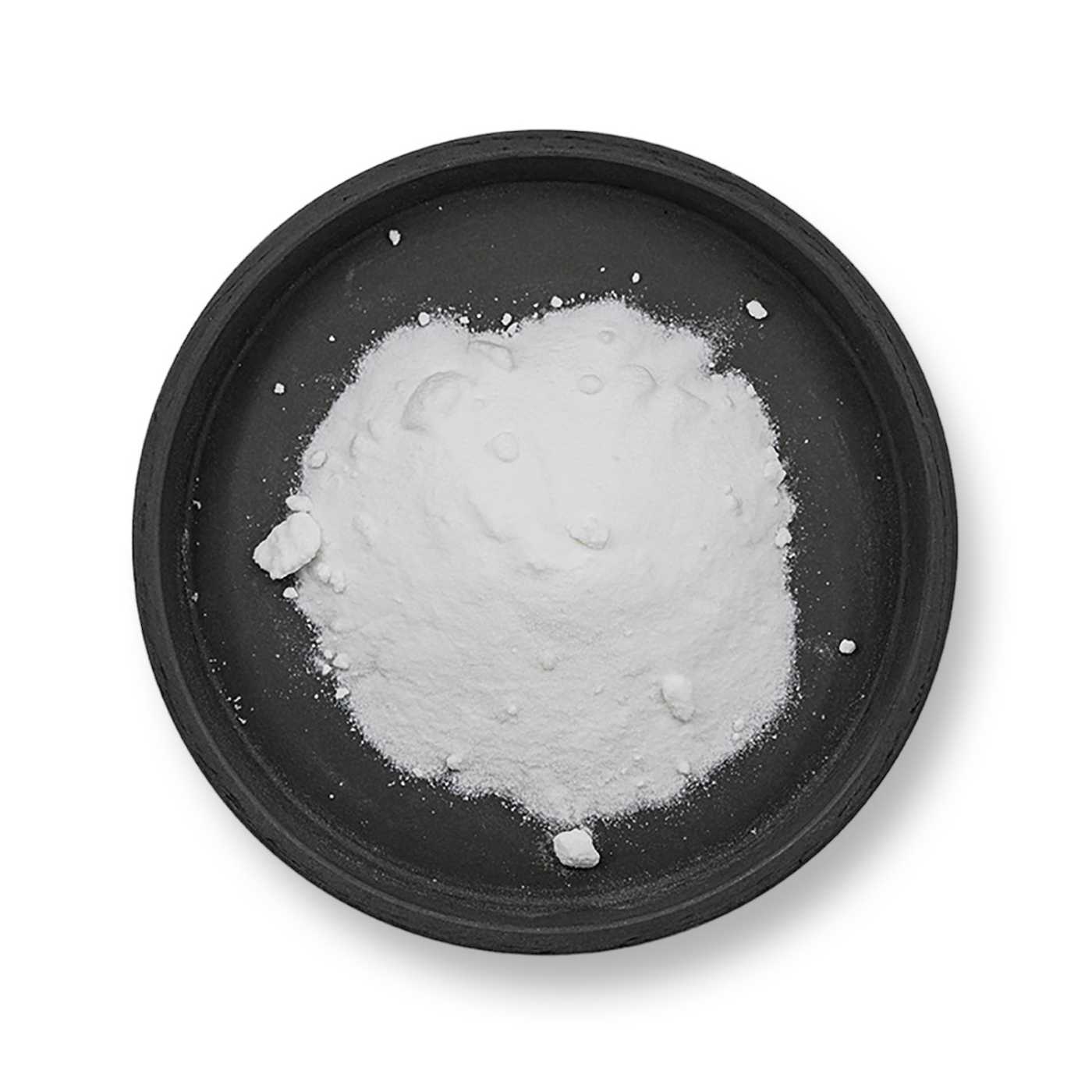
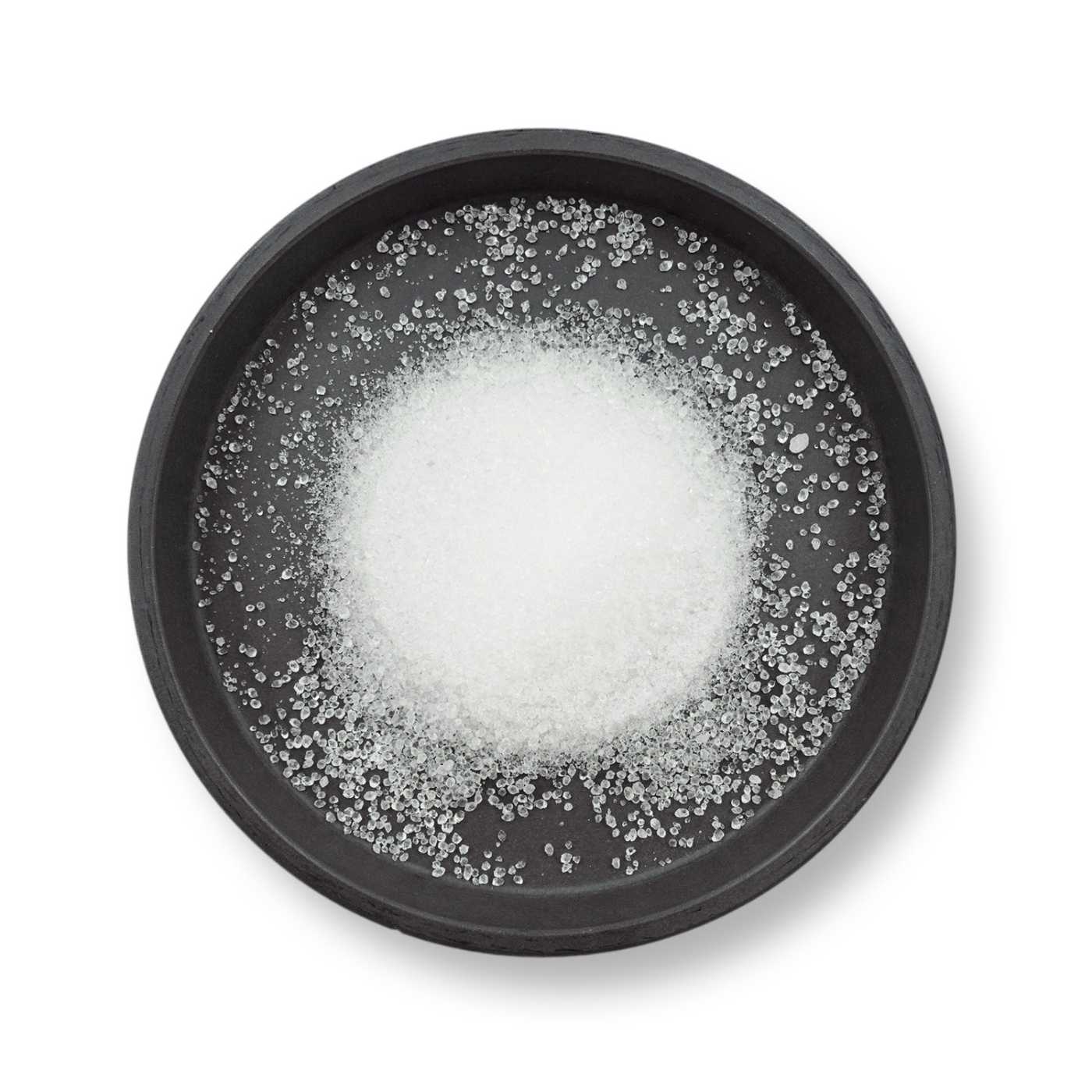
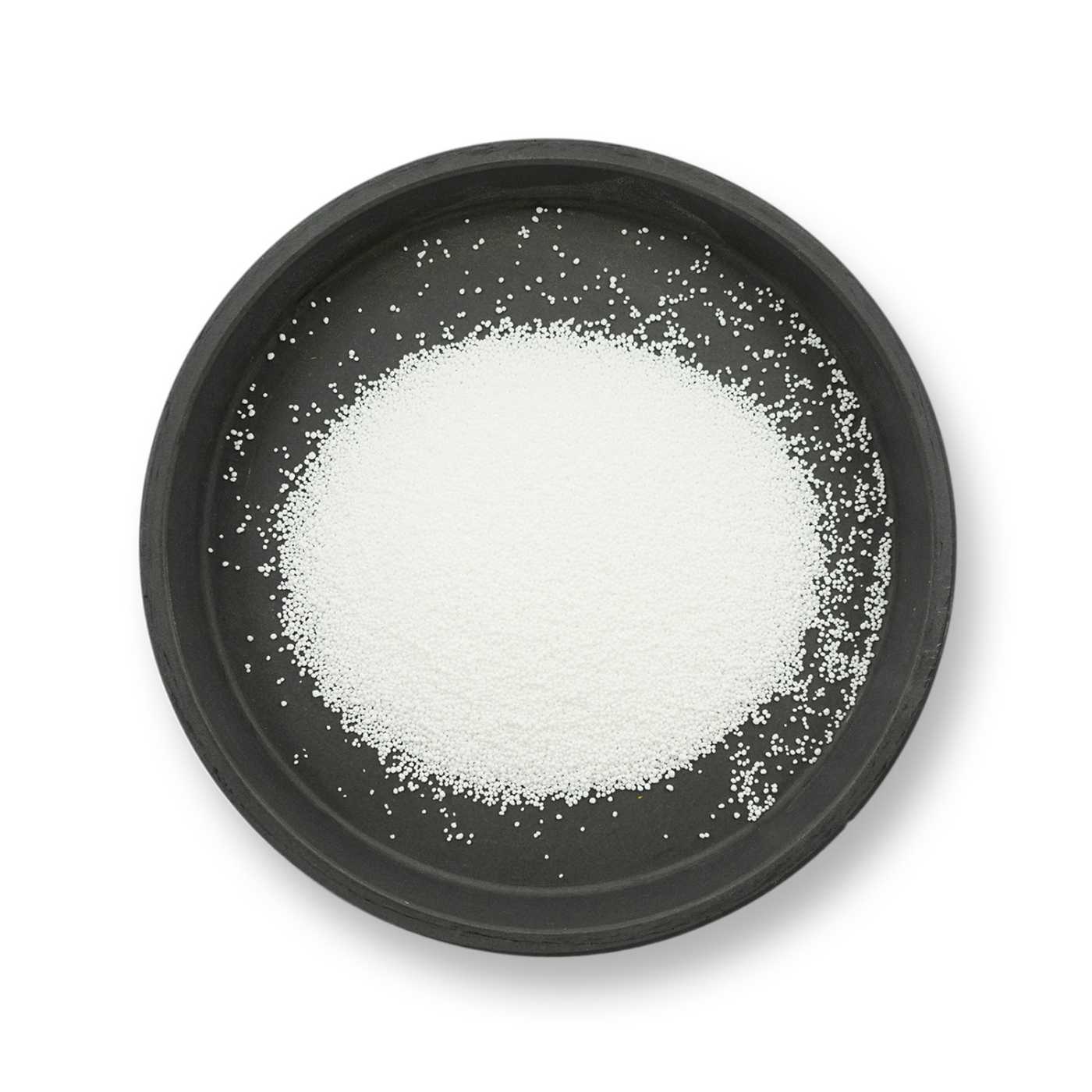
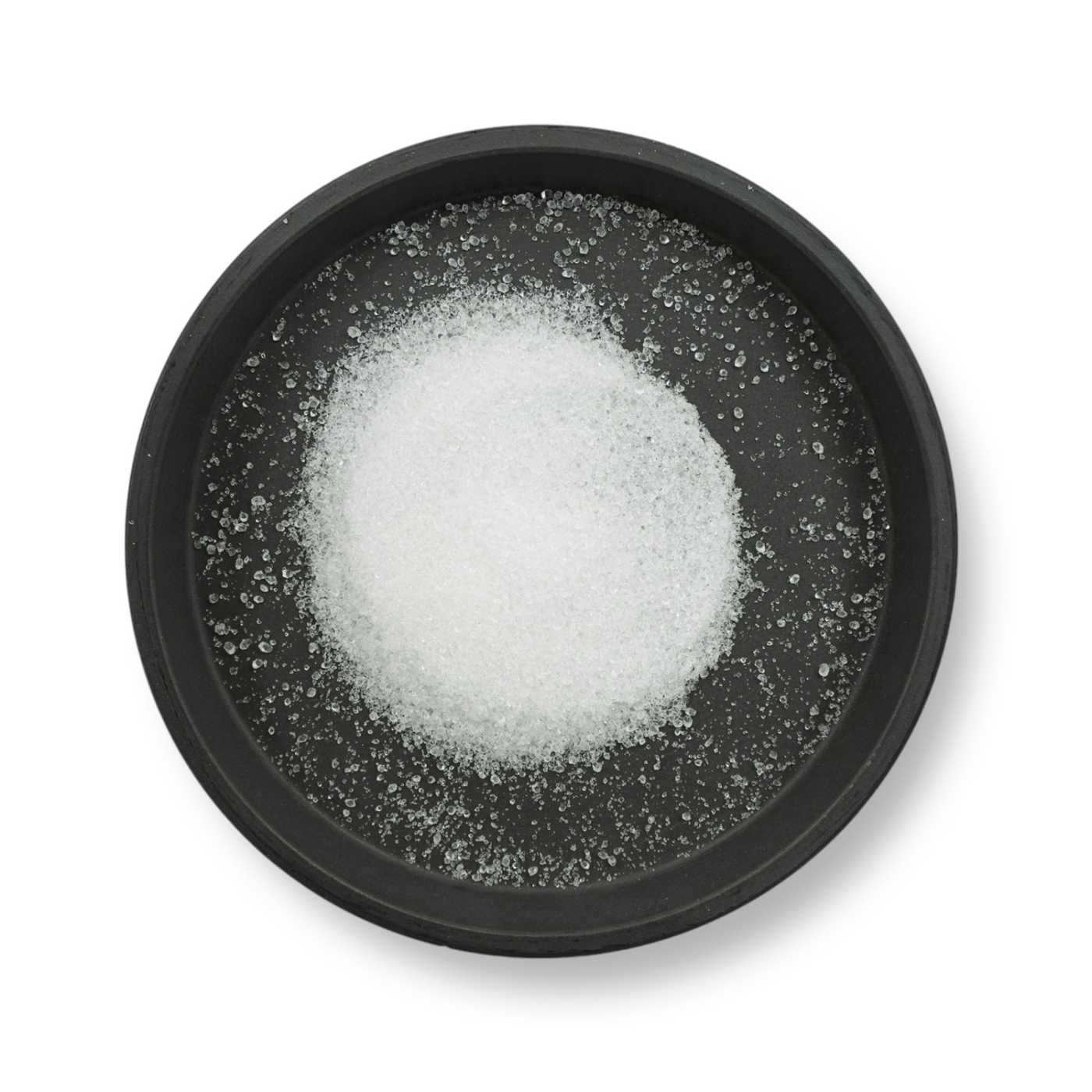
Sodium percarbonate releases active oxygen when dissolved in water, which bleaches, removes organic stains and suppresses odour without chlorine. full description
Lowest price in the last 30 days: €19.99
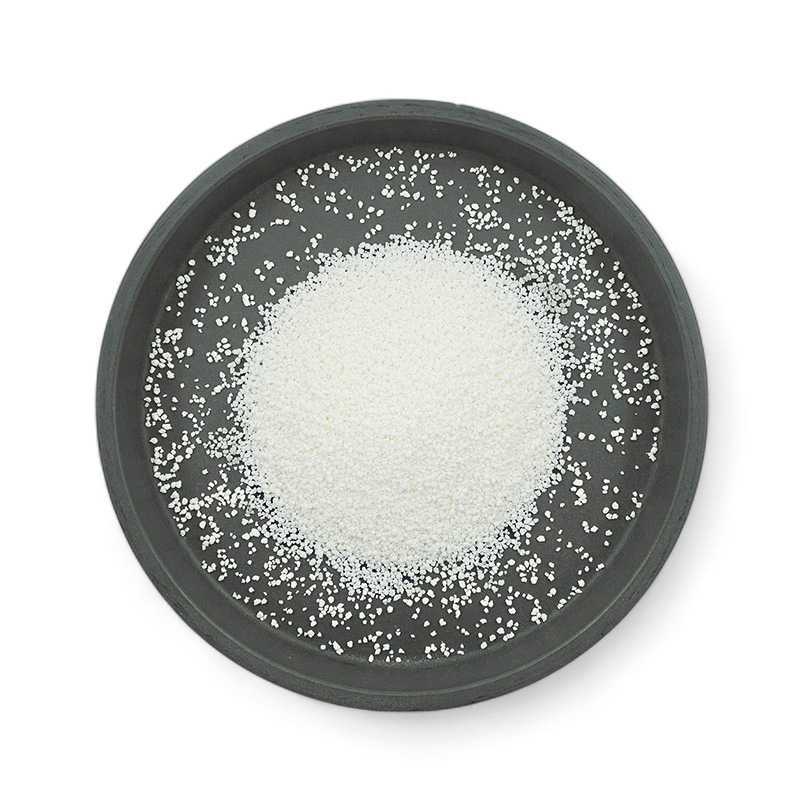
Sodium percarbonate releases active oxygen when dissolved in water, which bleaches, removes organic stains and suppresses odour without chlorine. It forms the base of oxygen bleaches for laundry, laundry soaking products and powdered household cleaning products. It only starts acting on contact with water, making it easy to work with in powder and tablet formulations.
In water it breaks down into hydrogen peroxide and sodium carbonate. The peroxide provides bleaching and decomposition of organic soils, the carbonate gives the bath an alkaline pH, which helps release grease and softens water during washing. Both components break down into water, oxygen and soda after use, so after rinsing nothing remains in textiles or on surfaces.
Sodium percarbonate is processed exclusively dry. It is added to powder blends as the last ingredient at a temperature of < 40 °C, when all other ingredients are mixed and thoroughly dry. Moisture in the blend triggers decomposition while still in the packaging, the powder cakes and loses its effectiveness.
It is combined with alkaline ingredients, particularly with soda, sodium bicarbonate and powder surfactants. In an acidic environment, bleaching effectiveness decreases. It therefore only belongs in formulations with citric acid where the components are stored separately, for example in multi-layer tablets.
Sodium percarbonate does not belong in liquid products. In water it begins to decompose immediately, the solution gradually loses its effectiveness and in a closed bottle pressure builds up from the released oxygen. Always prepare the solution fresh and use it on the same day.
The bleaching effect depends on the water temperature. In cold water oxygen is released slowly and soaking must be extended. In warm water decomposition proceeds quickly and stains are removed with shorter contact time. When making a homemade washing powder this also governs the proportion of percarbonate: a higher proportion is used for washing at low temperatures, less is sufficient for hot washing.
The powder is classified as an oxidising, irritating and corrosive substance. When handling larger quantities, gloves and eye protection are recommended; when pouring, dust whirling up must be avoided. It must not come into contact with acids, chlorine bleaches or flammable materials.
Not suitable for wool, silk and other protein fibres, which are damaged by an alkaline bath. With coloured textiles, a test on a hidden area is recommended first. Also unsuitable for aluminium, copper and galvanised surfaces, which are corroded by the alkaline peroxide solution.
When cleaning surfaces with odour (drain, thermos, plastic containers), allow the solution to act for at least an hour. Oxygen needs time to break down organic residues; a quick rinse will significantly reduce the effect.
The ingredient is supplied in technical grade for laundry and cleaning. It is not used in cosmetic preparations intended for skin contact.
Chlorine bleach (sodium hypochlorite) bleaches more aggressively and works even in cold water, but damages fibres, decolours most coloured textiles and leaves a chlorine odour. Sodium percarbonate is gentler on fibres and dyes, can be used on colourfast textiles and after washing only soda remains in the laundry, which rinses out.
Washing soda (sodium carbonate) only softens water and raises the bath pH; it does not remove stains by oxidation. Percarbonate is a compound of soda and hydrogen peroxide, so in addition to the alkali it also provides active oxygen. It therefore deals with yellowing, stains and odour that soda alone cannot handle.

Great for washing white laundry. Below 40 degrees, though, it needs to be used with TAED.
Translated automatically