PDRN Phycopeptide – Multi-Active Anti-Aging Complex, 10 ml
Pre-order€11.49(€1,149.00/l)

EMULGATORS
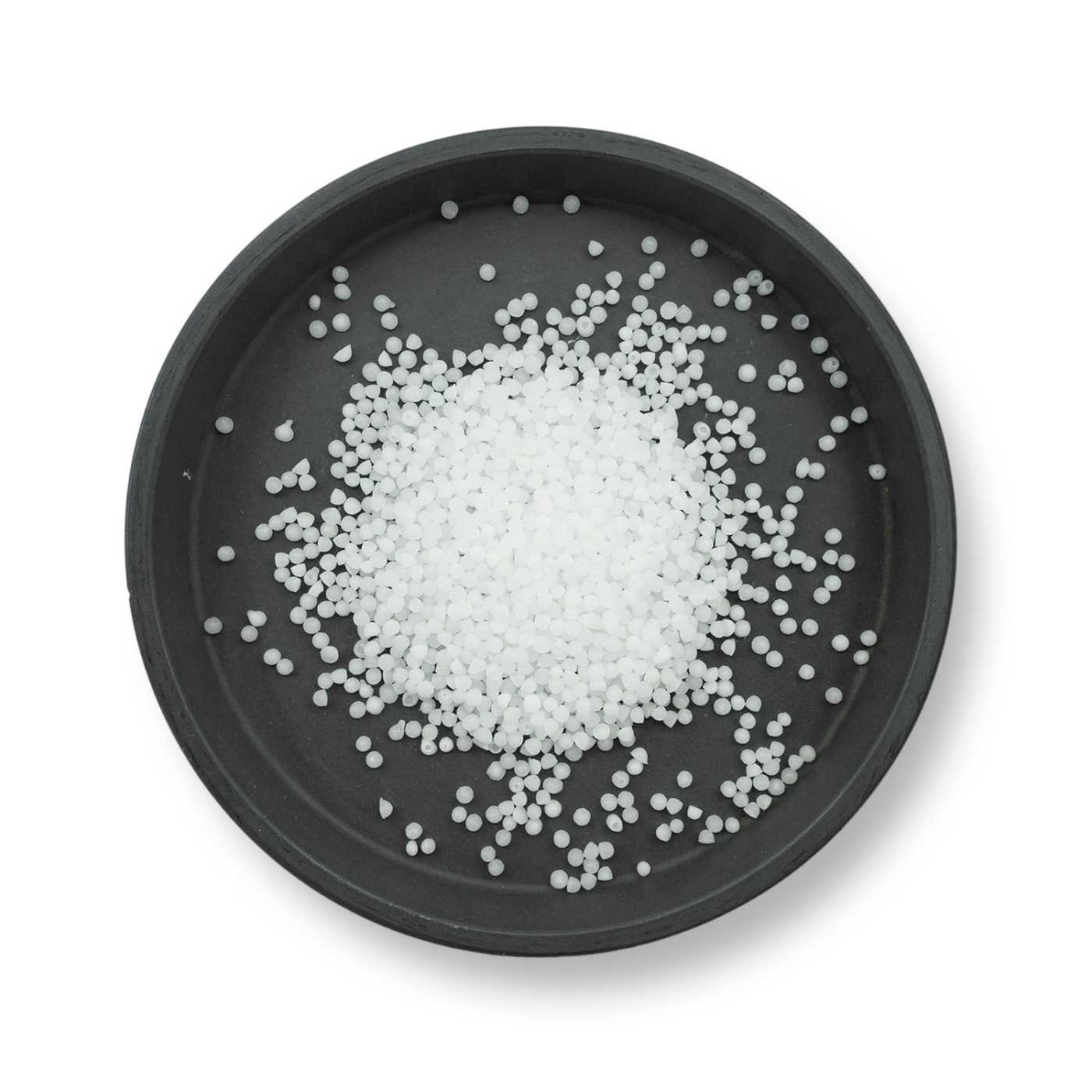
Tego Care 450 is a non-ionic PEG-free O/W emulsifier based on plant-derived raw materials. full description
Lowest price in the last 30 days: €15.39
Tego Care 450 is a non-ionic PEG-free O/W emulsifier based on plant-derived raw materials. It combines the oil phase and water phase into stable creams and lotions even at a low usage rate, and it tolerates electrolytes and UV filters. It is used in leave-on face and body care, including products for sensitive skin.
The emulsifier also affects how the finished product behaves on the skin. Emulsions made with it support skin hydration and resist water better. Lotions do not turn white when rubbed in, so there is no need to add dimethicone to them.
The usage rate depends on the type of emulsion. Use 2–3% in lotions and about 3% in creams, always calculated on the whole emulsion.
The share of the oil phase determines stability and spreadability. Creams are stable and spread well at 20–40% oil phase, lotions at 15–25%. The emulsifier and consistency factors are counted as part of the oil phase. A considerable portion of them moves into the water phase during emulsification and forms a gel structure there, which thickens the emulsion.
The choice of oils is open. Tego Care 450 forms stable emulsions with all common oils and fats, including polar oils. The texture is adjusted with them: the better an oil spreads and the thinner it is, the lighter the resulting emulsion. The amount of oil phase also changes the texture.
Besides the emulsifier, a cream needs consistency factors. Depending on the recipe, this is a further 2–5%. The best results come from blends of Glyceryl Stearate with Stearic Acid, or with cetyl alcohol or stearyl alcohol. In the water phase they form a liquid-crystalline structure that increases viscosity and stabilises the emulsion. Adding up to 0.2% carbomer allows you to reduce the amount of consistency factors and significantly improves the frost resistance of the cream.
Lotions are thickened differently. 0.15–0.20% carbomer increases their thermal stability, and adjusting the amount of carbomer is also the best way to set the viscosity. Cetyl alcohol or stearyl alcohol is usually not needed.
Carbomer is first dispersed in oil, for example mineral oil, Decyl Oleate or Ethylhexyl Stearate, but not in triglycerides. It is added to the emulsion at 60 °C, and the emulsion is then briefly homogenised once more.
Tego Care 450 belongs in the oil phase. It melts at 52–58 °C and is melted together with the oils. For creams, the oil phase and water phase are heated separately to about 65 °C, for lotions to 80 °C.
The order in which the phases are combined matters more than with ethoxylated emulsifiers. Tego Care 450 is a lipid emulsifier with an HLB of around 12, which is lower than that of ethoxylates. The hot oil phase is therefore added to the hot water phase under constant stirring, and the coarse pre-emulsion is then homogenised.
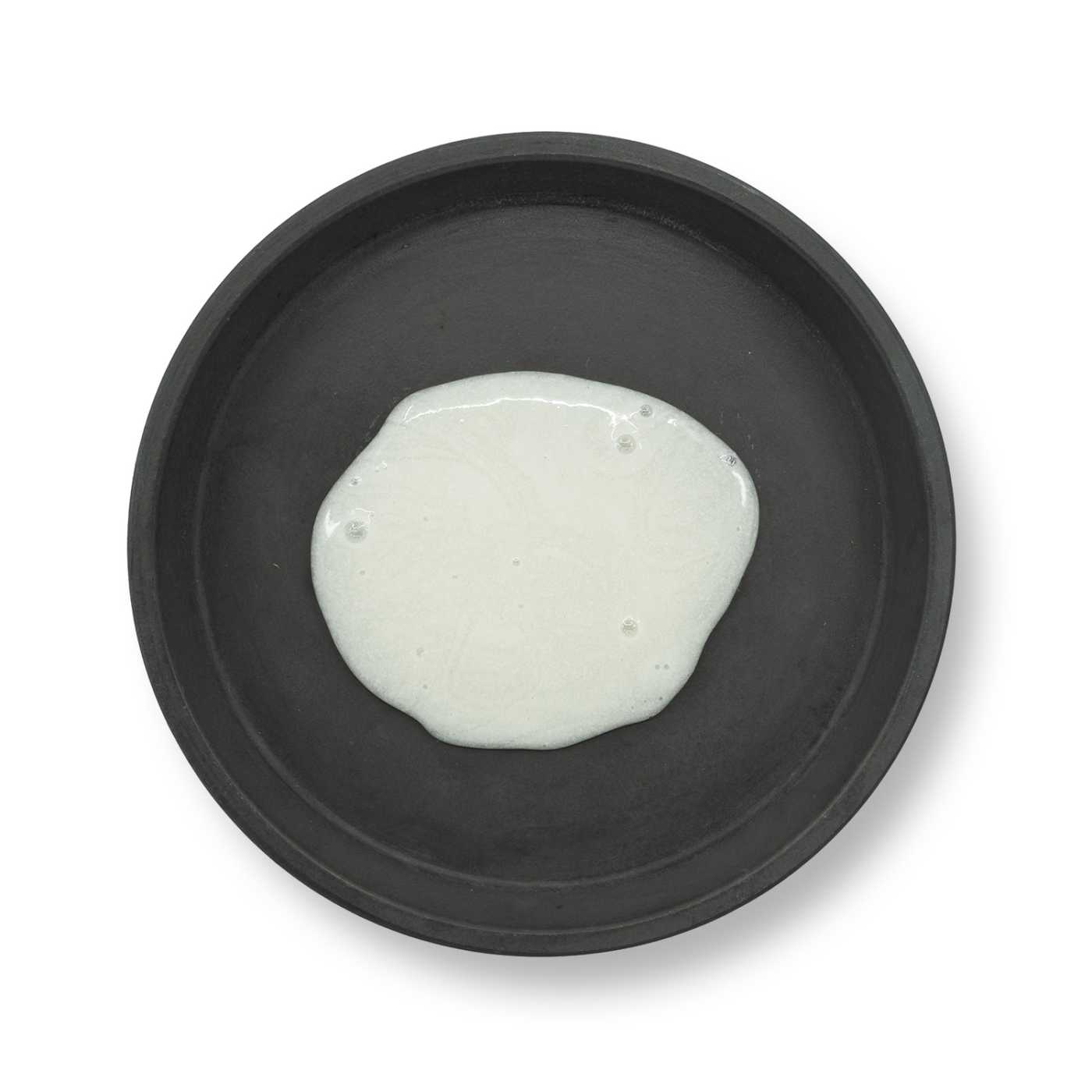
If the water phase is slowly poured into the oil phase while stirring, a W/O emulsion may form first. You can recognise it by its high viscosity and translucent, gel-like appearance. On cooling it turns into an O/W emulsion, but with large droplets that tend to separate. If the oil phase has to be in the vessel first, pour in the water phase without stirring and only then start homogenising.
During cooling, the emulsion must keep moving, both horizontally and vertically. A liquid emulsion gradually thickens to a creamy consistency as the hydrated consistency factors solidify. Add fragrance, heat-sensitive ingredients and ingredients containing electrolytes at 35–40 °C, and neutralise at about 35 °C.
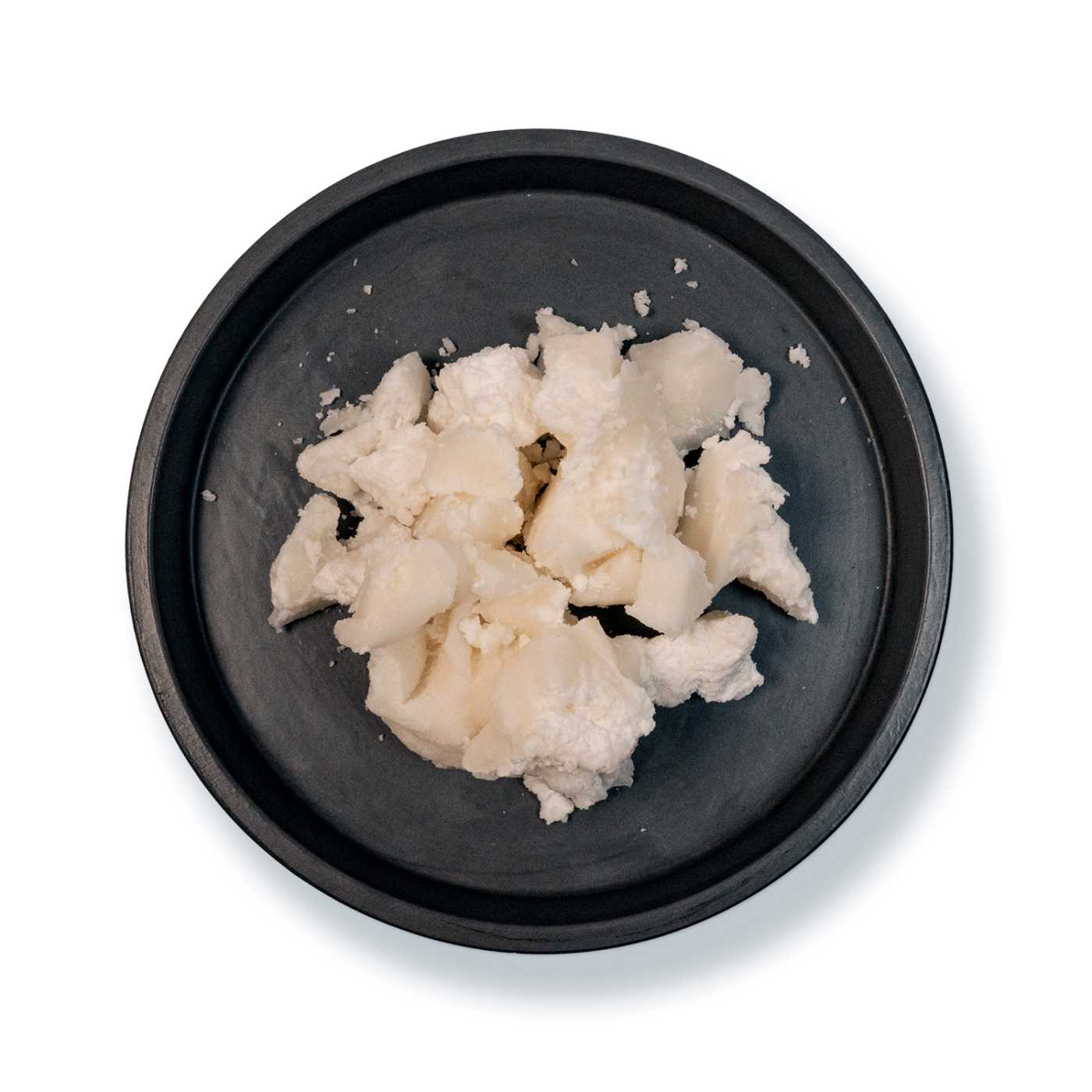
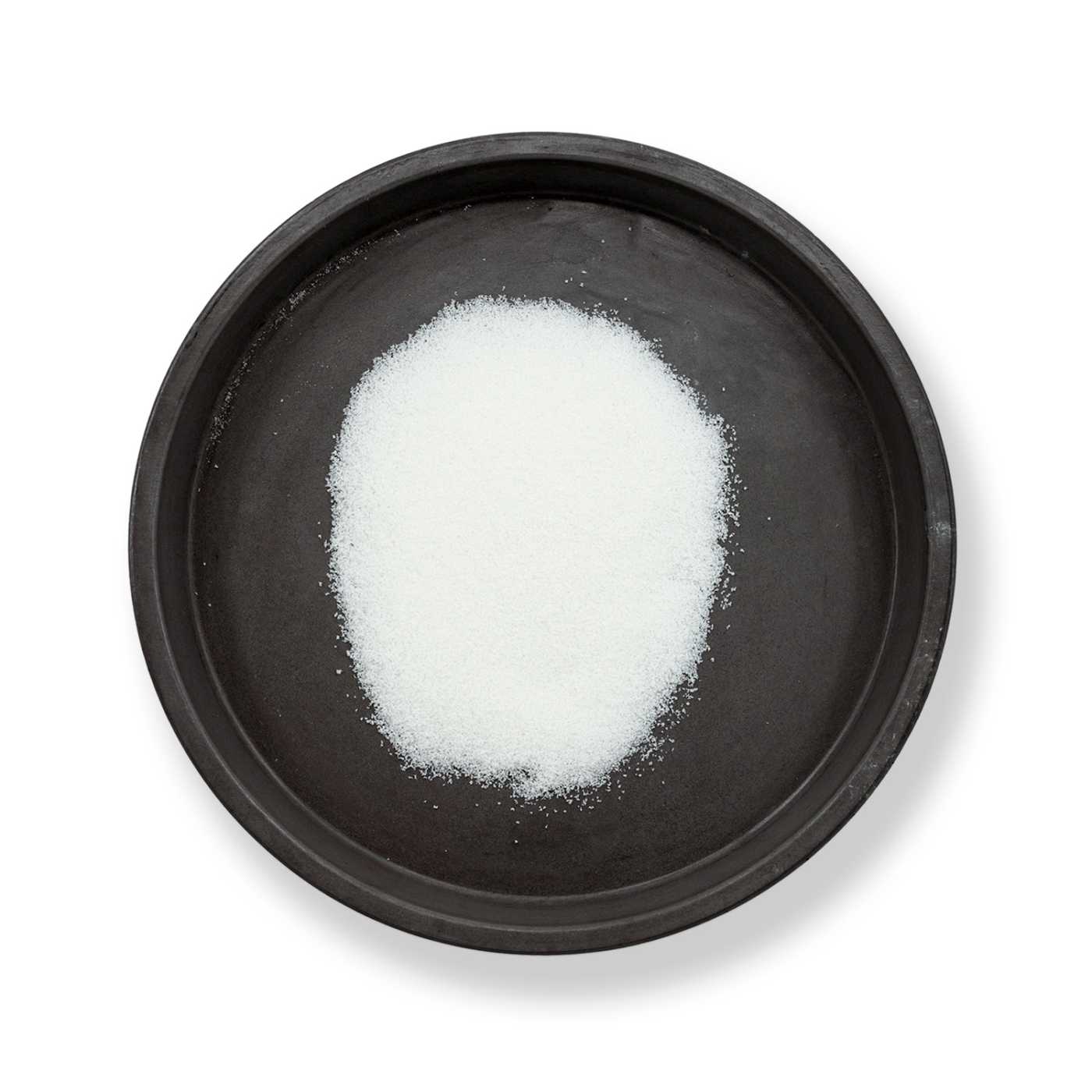
It is supplied as pellets with a faint characteristic odour. It does not dissolve in water, but it can be dispersed in it when heated. A dispersion of 10% emulsifier in water has a pH of 7.5–8.5.
The size of the oil droplets determines long-term stability. Stable emulsions have droplets of about 1–5 µm, while coarser emulsions separate over time. The coarse pre-emulsion must therefore always be homogenised.
The moisturising effect has been confirmed by measurement. In two in vivo studies by the manufacturer using corneometer measurements, the emulsifier improved skin hydration. In an in vitro test, an emulsion with Tego Care 450 showed better water resistance than an emulsion with an ethoxylated emulsifier.
The raw material is produced in Germany and has a Vegan certificate. It is readily biodegradable, and the palm component is covered by RSPO Mass Balance (MB) certification.

One of my favourite emulsifiers so far! I've achieved beautiful results in both fluid serums and richer creams, with excellent spreadability, a comfortable skin feel and lovely textures. Very versatile and easy to process.
Translated automatically