Spend over €100 for discounted shipping!

+421 950 333 113[email protected]

BUTTERS 100 g

Unrefined Shea Butter with Borututu Root, 100 g

Pack size100 g250 g500 g1 kg2.5 kg

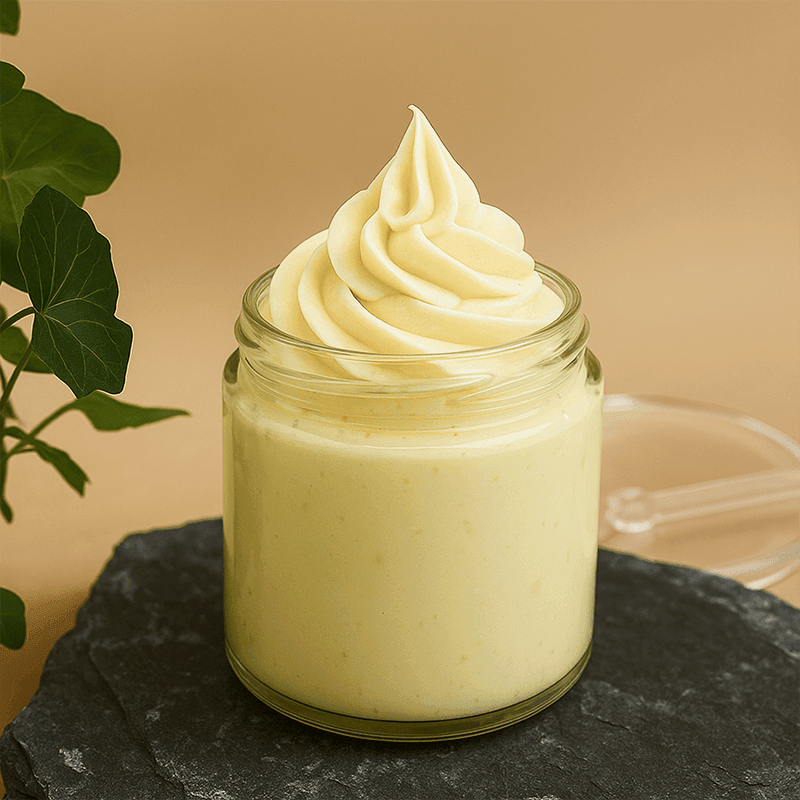
Unrefined shea butter with borututu root softens the skin, forms a protective layer on it and slows down water evaporation. full description

AvailabilityIn stock · 383 packs
Product codeBUT105_100
Batch10925
Best before09/2028
€4.39incl. VAT−10 %Original price €4.89€43.90/kg

Lowest price in the last 30 days: €4.39

Product description

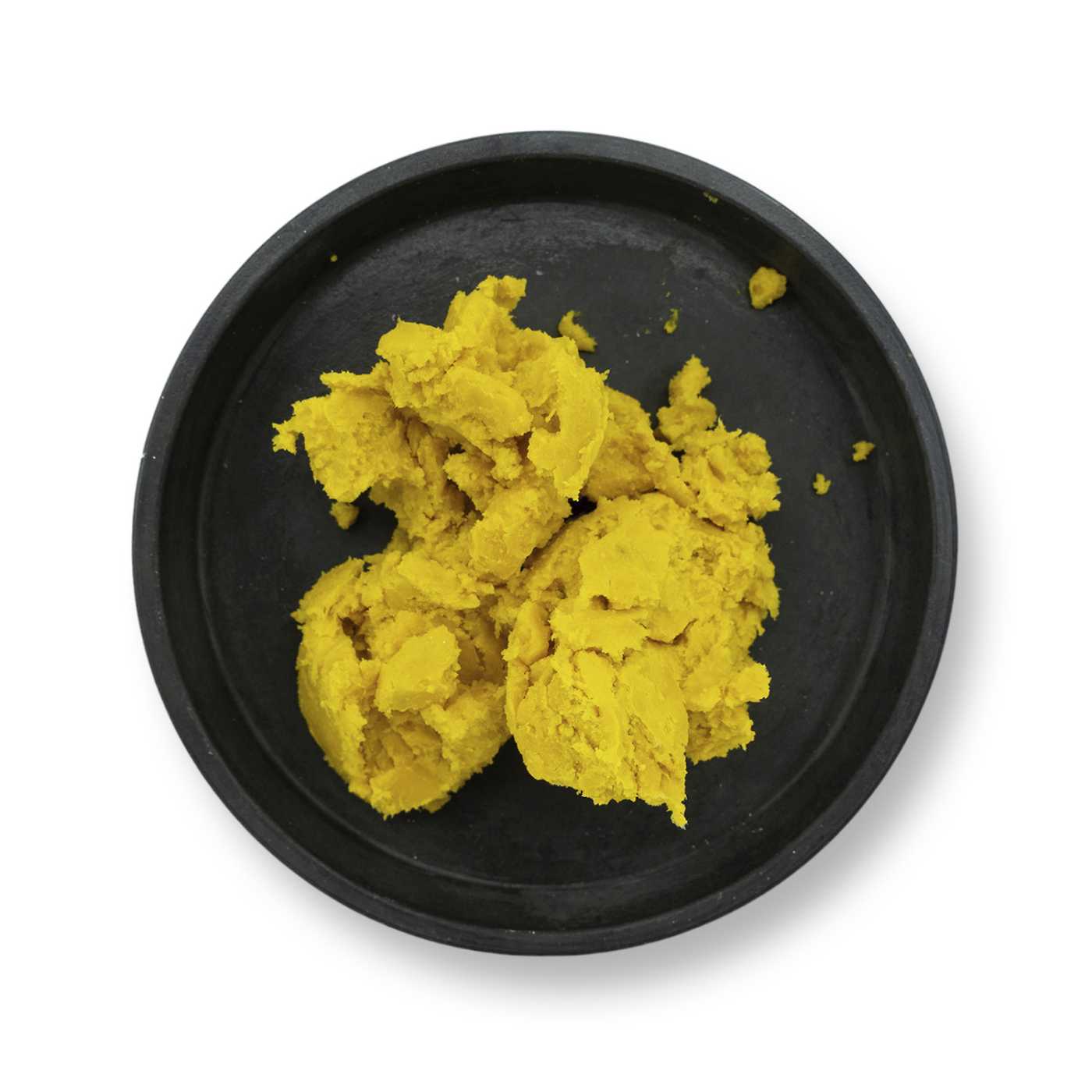
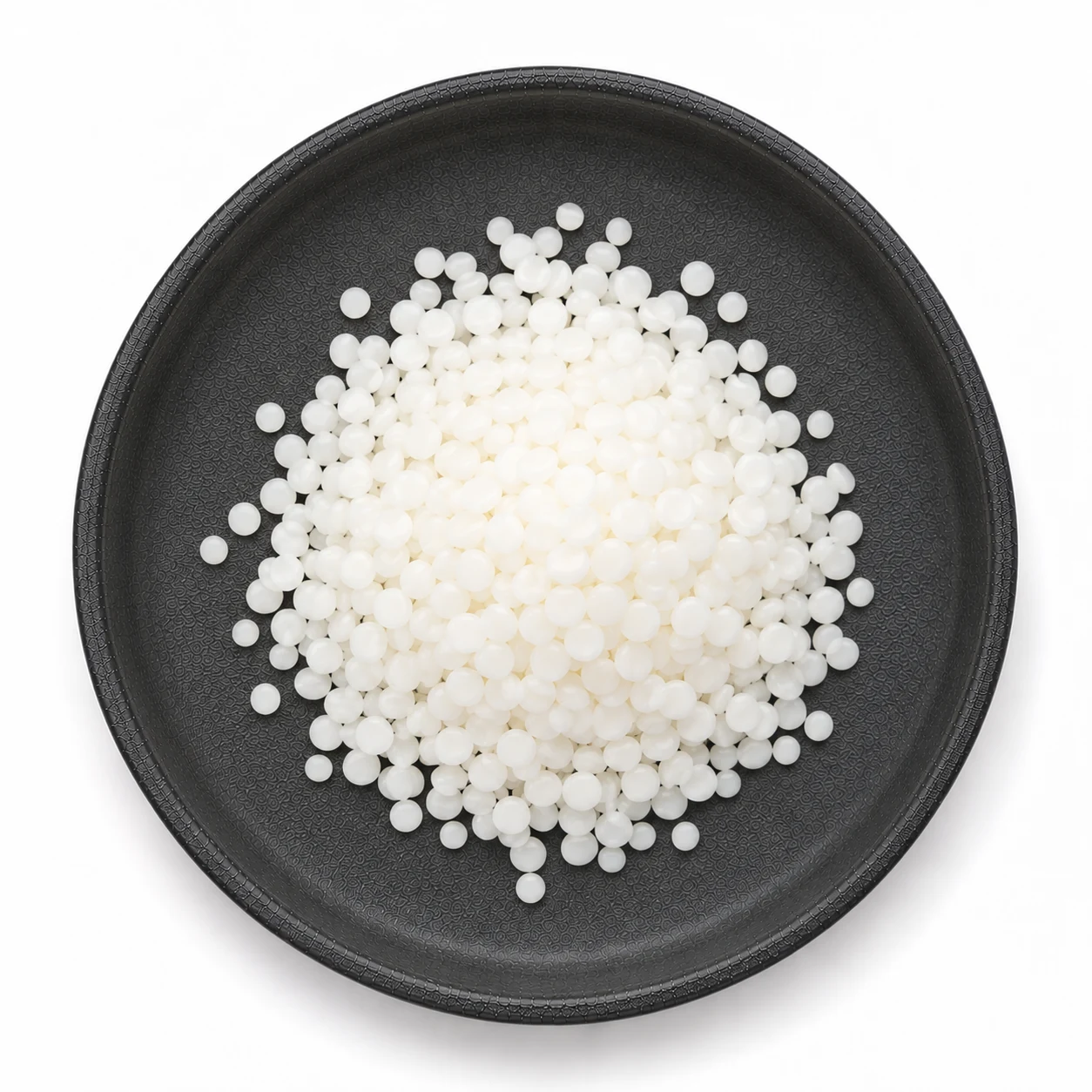
Unrefined shea butter with borututu root softens the skin, forms a protective layer on it and slows down water evaporation. It is a solid plant fat from the seeds of the shea tree of West African origin, supplemented with borututu root, which gives it a yellow colour. In a formulation it forms a rich oil phase, which is why it is used mainly in balms, body butters and creams for dry and stressed skin.

Borututu root (Cochlospermum angolensis) manifests itself in the butter primarily through a deeper colour. The butter has not undergone bleaching or deodorisation, and therefore retains its natural scent and unrefined character.


Key properties

  • Softening and protection – leaves a continuous film on the skin that limits moisture loss. It shows the most in anhydrous balms and rich creams, where it forms a substantial part of the oil phase.
  • Unrefined processing – without bleaching and deodorisation. Colour, scent and accompanying substances remain in the butter just as they are after pressing.
  • Yellow colour from borututu root – distinguishes it from regular shea butter and transfers to the finished product.
  • Solid consistency – at room temperature the butter is solid, melts on the skin and spreads well.

Use in formulation

The butter belongs to the oil phase. In emulsions it melts together with other oils and waxes when the oil phase is heated. After combining with the water phase, the emulsion is cooled with continuous stirring. It is suitable for O/W and W/O emulsions; in O/W creams it increases the density and richness of the texture.

In anhydrous products it can form the base of the formulation. In balms and sticks it is combined with liquid oils and wax, which adjust the hardness. For whipped body butter the butter is gently heated, mixed with oils and whipped after cooling.

The proportion of butter in the formulation is governed by the desired consistency. In emulsions it forms part of the oil phase; in anhydrous balms and whipped butters the proportion can be significantly higher. We recommend verifying the final amount in a test batch.

After melting, cool the butter quickly and with stirring. With slow cooling, small hard granules more often appear in the finished balm.

In cold process soap, shea butter is commonly used as part of the fat blend. The amount and lye calculation need to be done in a soap calculator for the specific formulation.


Suitable for products such as

  • Lip balms, hand balms, heel balms and balms for dry spots where a protective layer matters.
  • Body butters and whipped butters, in which it forms the main solid component.
  • Nourishing body and hand creams for dry skin.
  • Massage sticks and solid massage bars in combination with wax.
  • Cold process soap as one of the fats in the formulation.

Good to know

The colour and scent of the unrefined butter transfer to the product. In lighter emulsions a yellow tint will appear; in anhydrous balms the colour is more pronounced. The butter's own scent will only be partially masked by an essential oil or fragrance composition, which needs to be taken into account when designing the scent.

Anhydrous products made from this butter do not require a preservative. Emulsions with a water phase always require a preservative. It is worth adding an antioxidant to the oil phase, such as Tocopherol, which slows down the oxidation of fats.

Do not overheat the butter when melting and do not keep it at a high temperature for long. Heat it only to the temperature needed for melting.

The density and texture of the finished product will be influenced by the ratio of butter to liquid oils. A higher proportion of butter gives a firmer and richer product that absorbs more slowly.


Frequently asked questions

Is shea butter with borututu root suitable for an anhydrous balm?
Yes, it is suitable for an anhydrous balm and can form the base of the formulation. It is combined with liquid vegetable oils to soften it and with wax to firm up the balm. An anhydrous balm does not require a preservative, but it is recommended to add an antioxidant to protect the fats from oxidation.
Will shea butter with borututu colour the finished cream?
Yes, the butter has a yellow colour and it transfers to the product. In emulsions with a smaller proportion of butter the result is a light yellow tint; in anhydrous balms and whipped butters the colour is deeper. If you need a white product, refined shea butter without borututu is more suitable.
What is the difference between unrefined and refined shea butter?
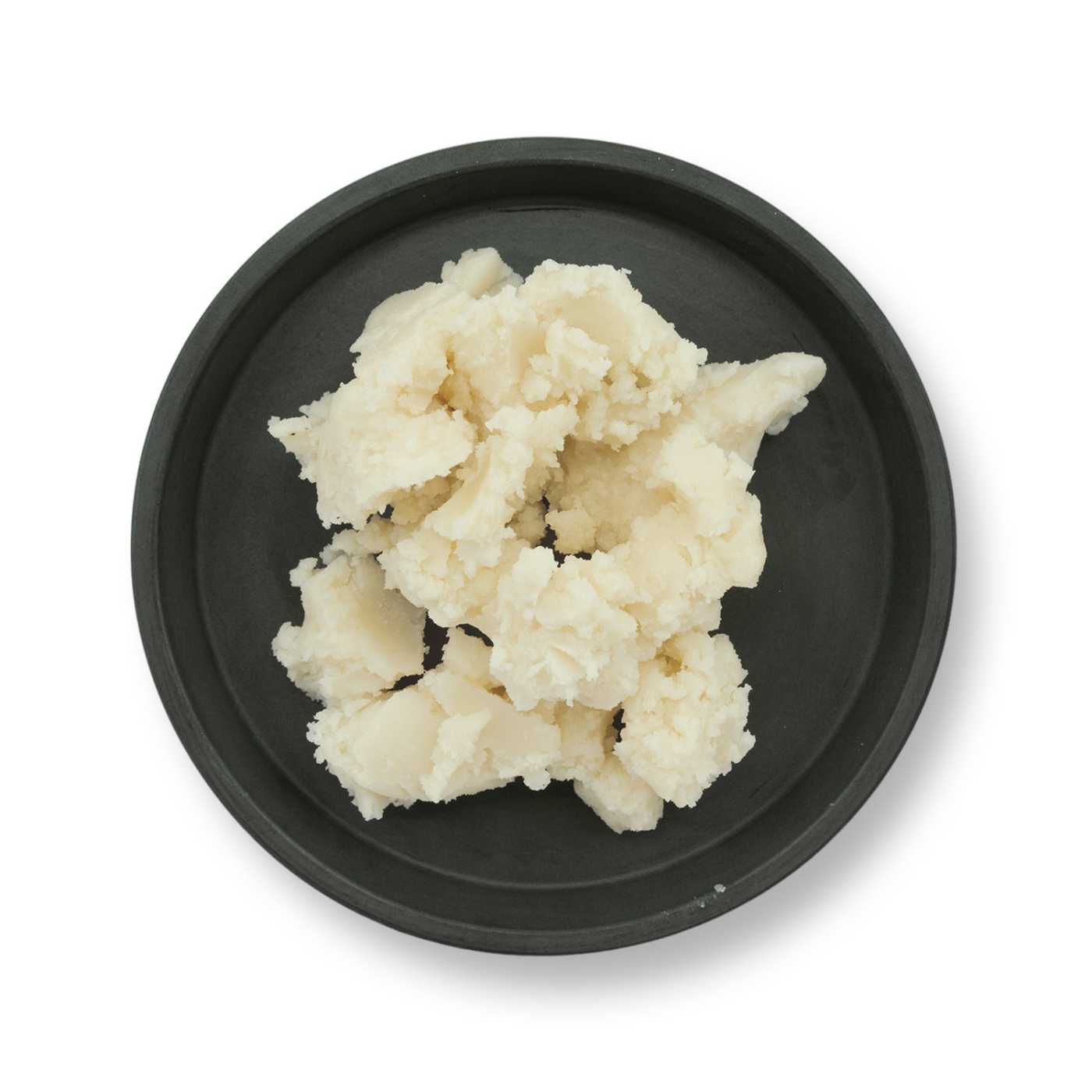
Unrefined shea butter has not undergone bleaching or deodorisation, so it retains its natural colour, scent and accompanying substances. Refined butter is almost white and odourless, which makes it easier to work with in lightly perfumed and light-coloured products. For rich balms and body butters, the unrefined form is often preferred.
Why is shea butter grainy in the finished balm and how can this be prevented?
Granules appear mainly when melted butter cools slowly. Full melting of the butter, rapid cooling with stirring, and for whipped butters whipping only after solidification all help. Do not store the finished balm in a place where it repeatedly heats up and cools down.
How is shea butter with borututu root added to a cream?
It is added to the oil phase, where it melts together with the other oils, waxes and emulsifier. After combining with the water phase, the emulsion is cooled with continuous stirring. A higher proportion of butter increases the density and richness of the cream's texture; the precise amount is verified in a test batch.

Parameters

INCI
Butyrospermum parkii Butter, Cochlospermum angolensis (Borututu) root
CAS No.
91080-23-8, 194043-92-0
Product color
Yellow
Appearance
Butter

Learn how to work with it

From our blog
Martin P.13 Oct 2026SK

Verified purchase

Variant: Bambucké maslo s koreňom borututu, nerafinované, 1 kg