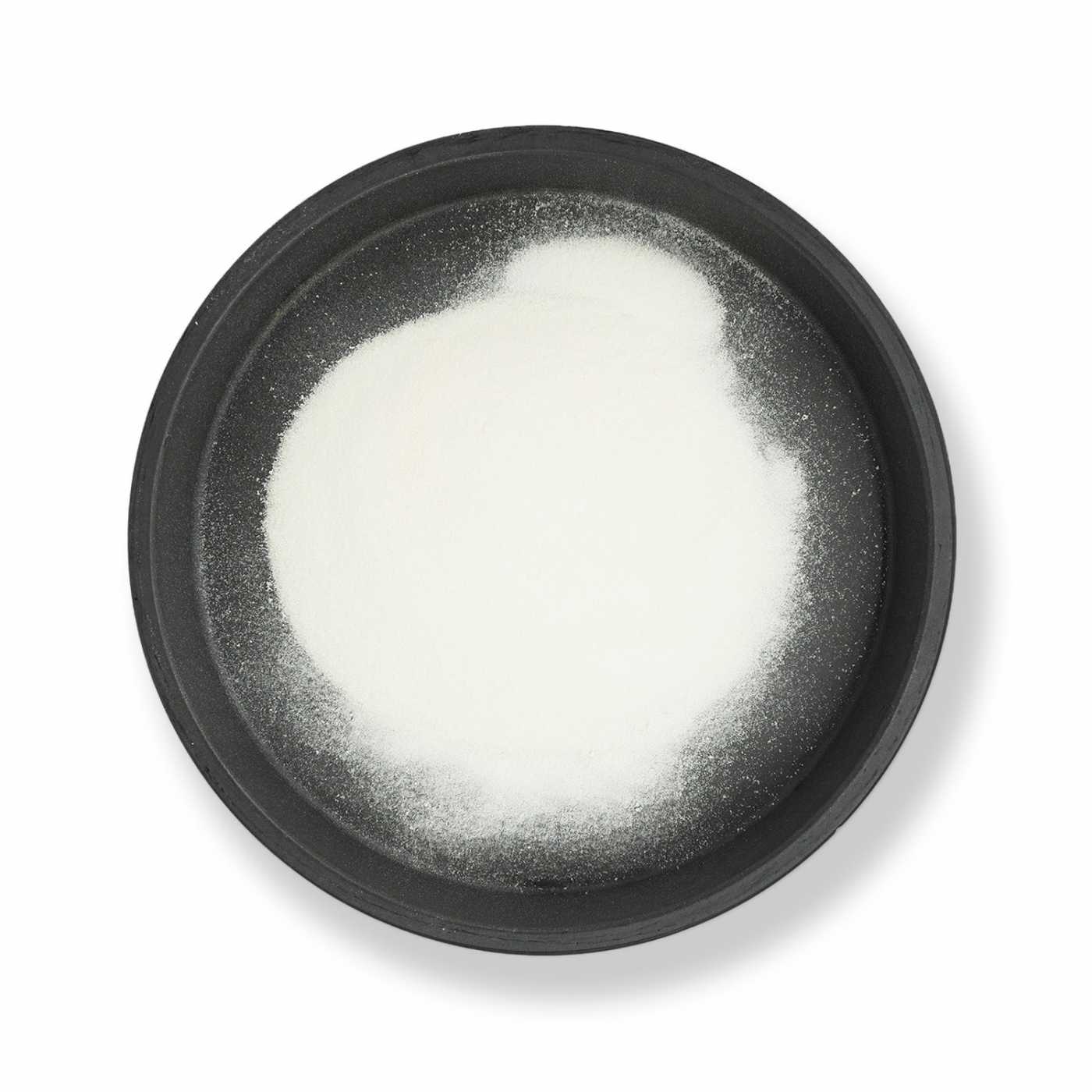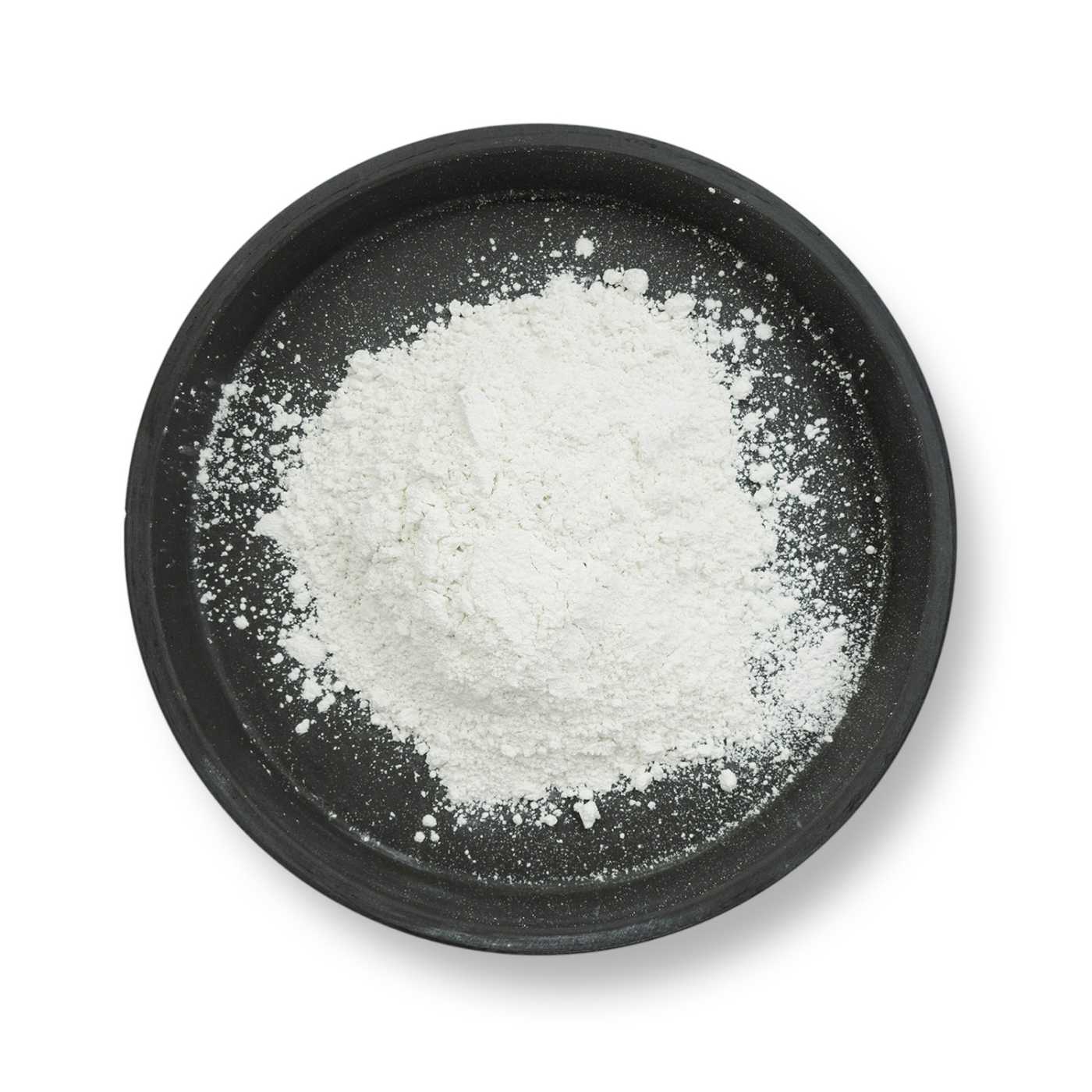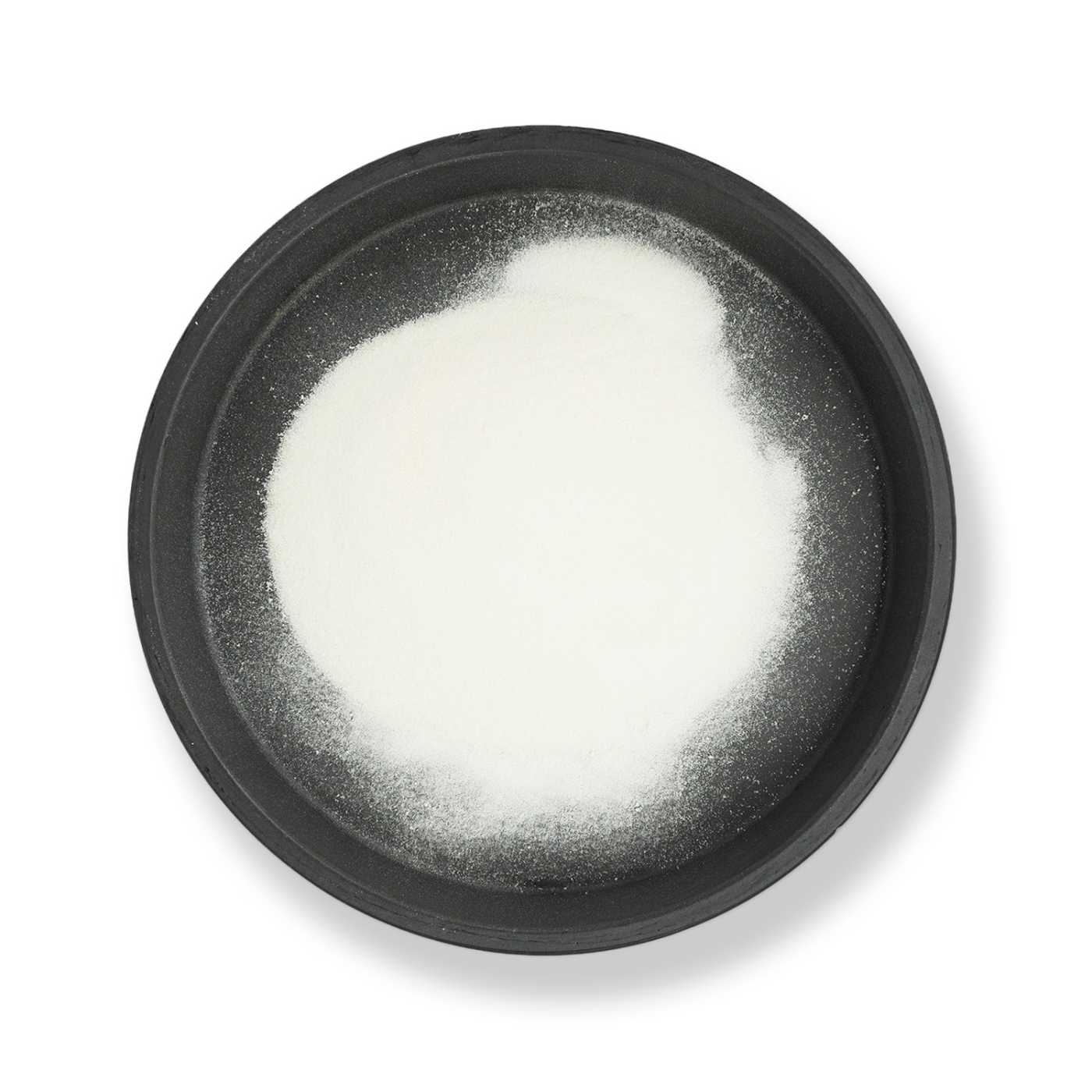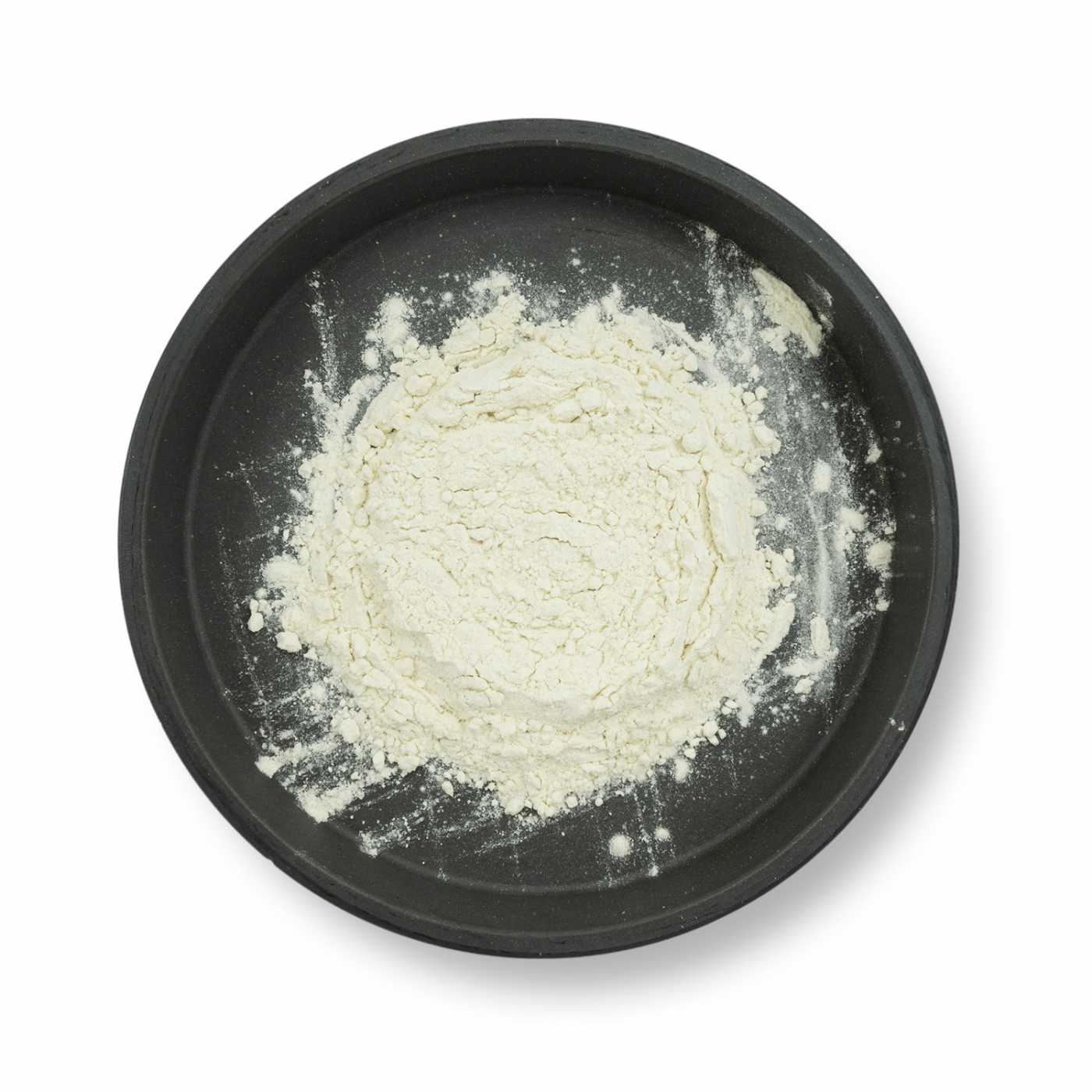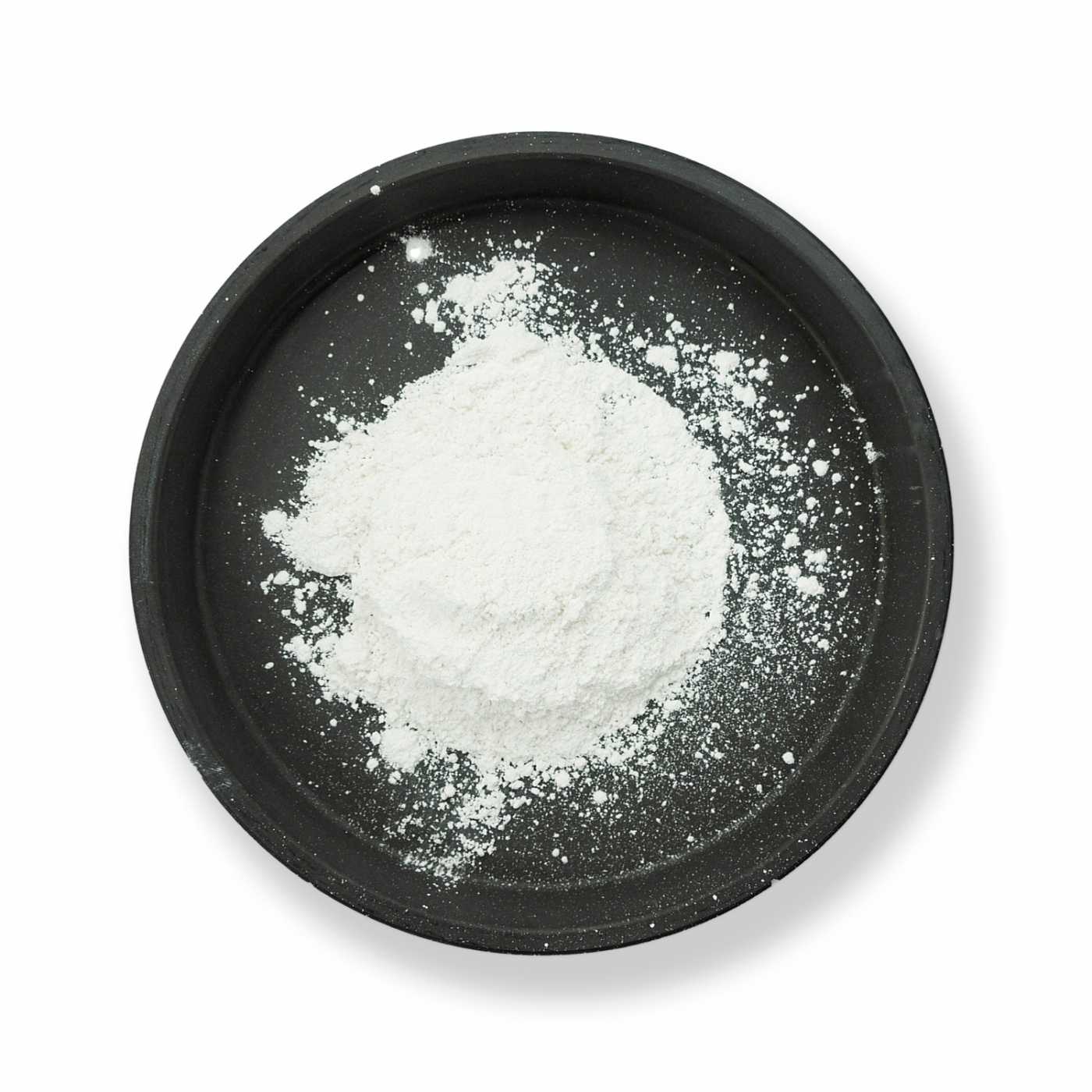
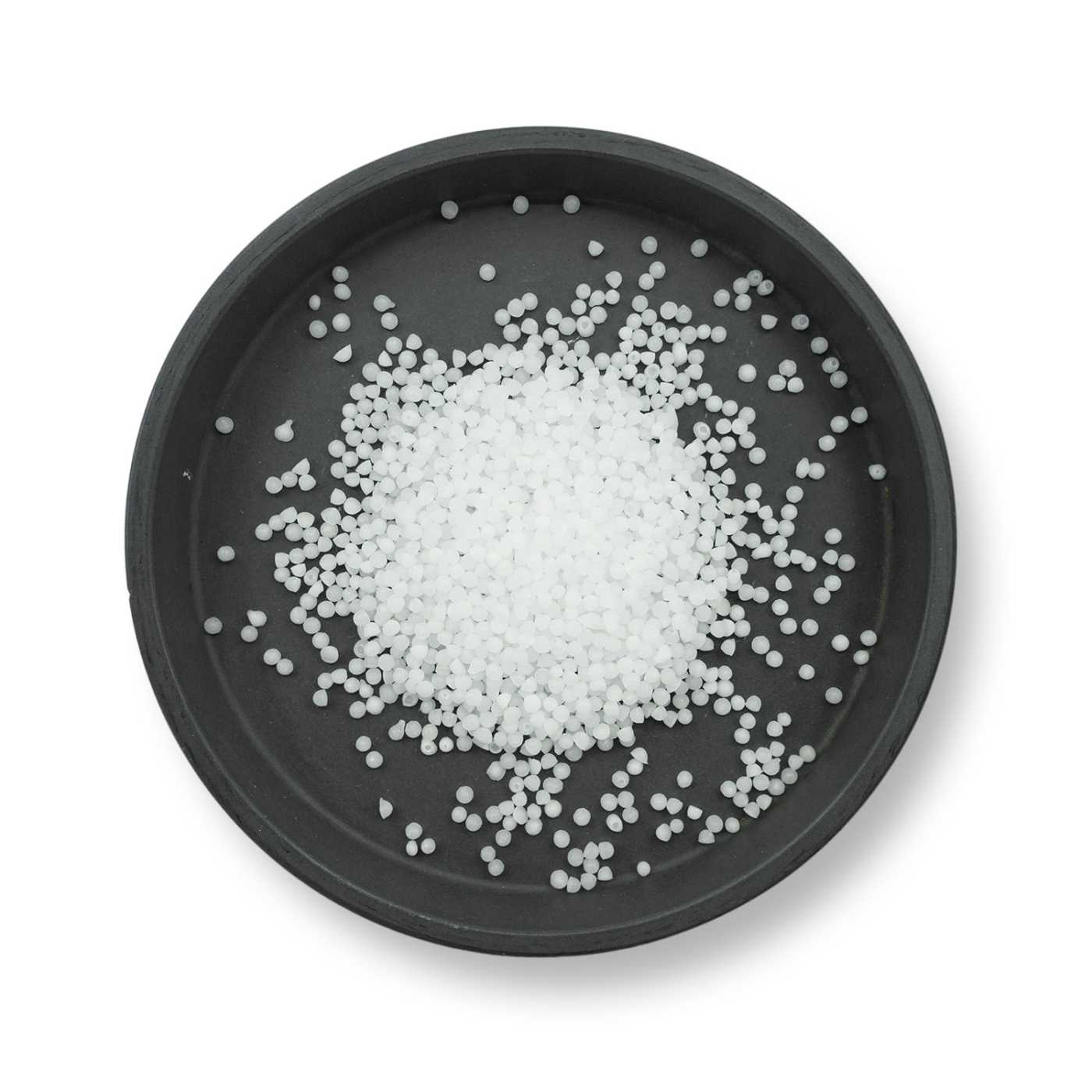
Tego Care 450, 100 g
Pre-order€7.49(€74.90/kg)

ACTIVE INGREDIENTS
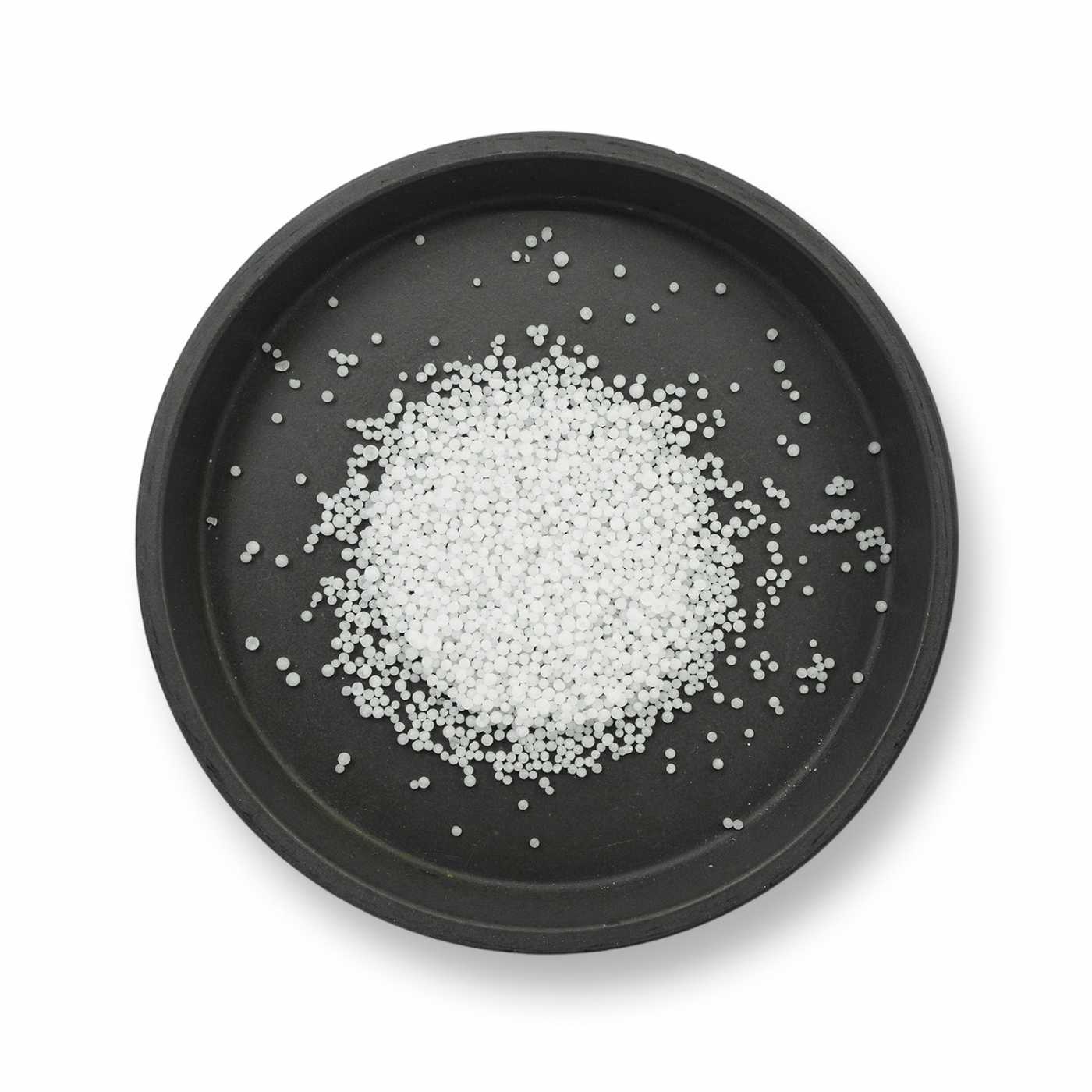
Urea is essentially carbamide. It is a synthetically produced substance from natural gas, water and air. Due to its emollient and moisturizing properties, it is very often added especially to dermatological products . full description
Lowest price in the last 30 days: €1.04
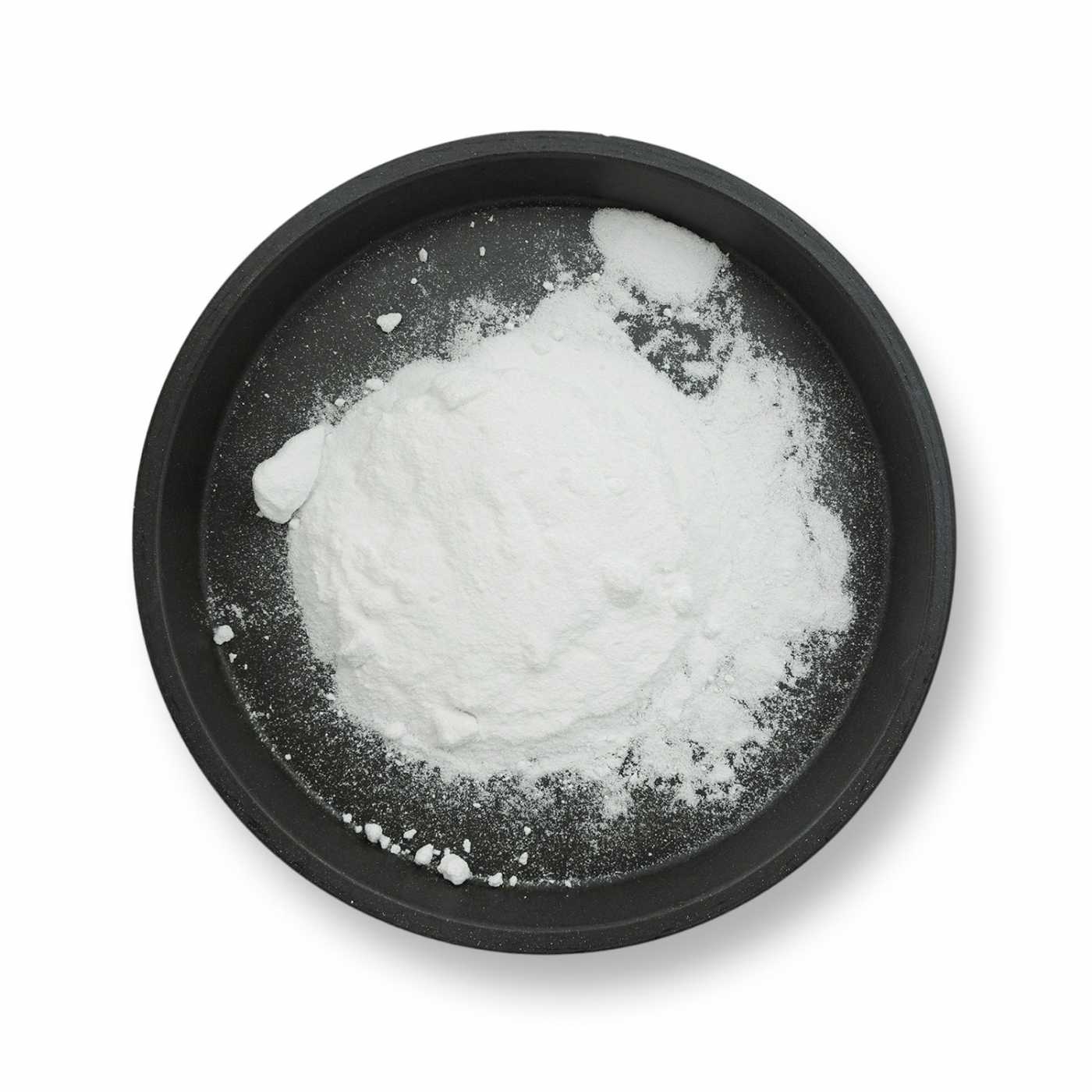
Urea is essentially carbamide. It is a synthetically produced substance from natural gas, water and air.
Due to its emollient and moisturizing properties, it is very often added especially to dermatological products. It is a very popular component of foot creams intended for softening the skin, hydrating the skin and maintaining its moisture, and also for skin affected by eczema – neurodermatitis, respectively scaly skin.
However, urea can also cause a sensitive reaction, especially on the skin of small children, therefore it is not recommended for children under 6 years of age.
The only pitfall of using carbamide in cosmetic products is its low stability. During its decomposition, ammonia is formed relatively inconspicuously, which increases the pH of the skin up to the critical value of 9. However, if you use suitable stabilizers, you will completely prevent the decomposition of carbamide. In cosmetic products, a so-called buffer is usually used.
A buffer is a buffer solution – it is a solution of an acid or a base and its salt, which is capable within a certain range of maintaining a stable pH. The stable optimal pH is 6.2, but it is necessary to maintain it in the range of 4-8. To maintain it, a buffer is added in the amount of 5 % of the total weight of the product. For example, you make a lactate buffer by mixing 1.6 % lactic acid (80 %) and 5 % sodium lactate (60 %). It is added to the final product in the cooling phase after the pH of the product has been adjusted. Urea is added to the product only after the buffer.
Urea is soluble in water and insoluble in oil.
All supplied raw materials are of cosmetic grade, not suitable for internal use. When handling, use appropriate protective equipment.
Safety level of the raw material according to EWG: 1 - 3 (depending on the degree of use)
Only customers with a delivered order can write reviews.