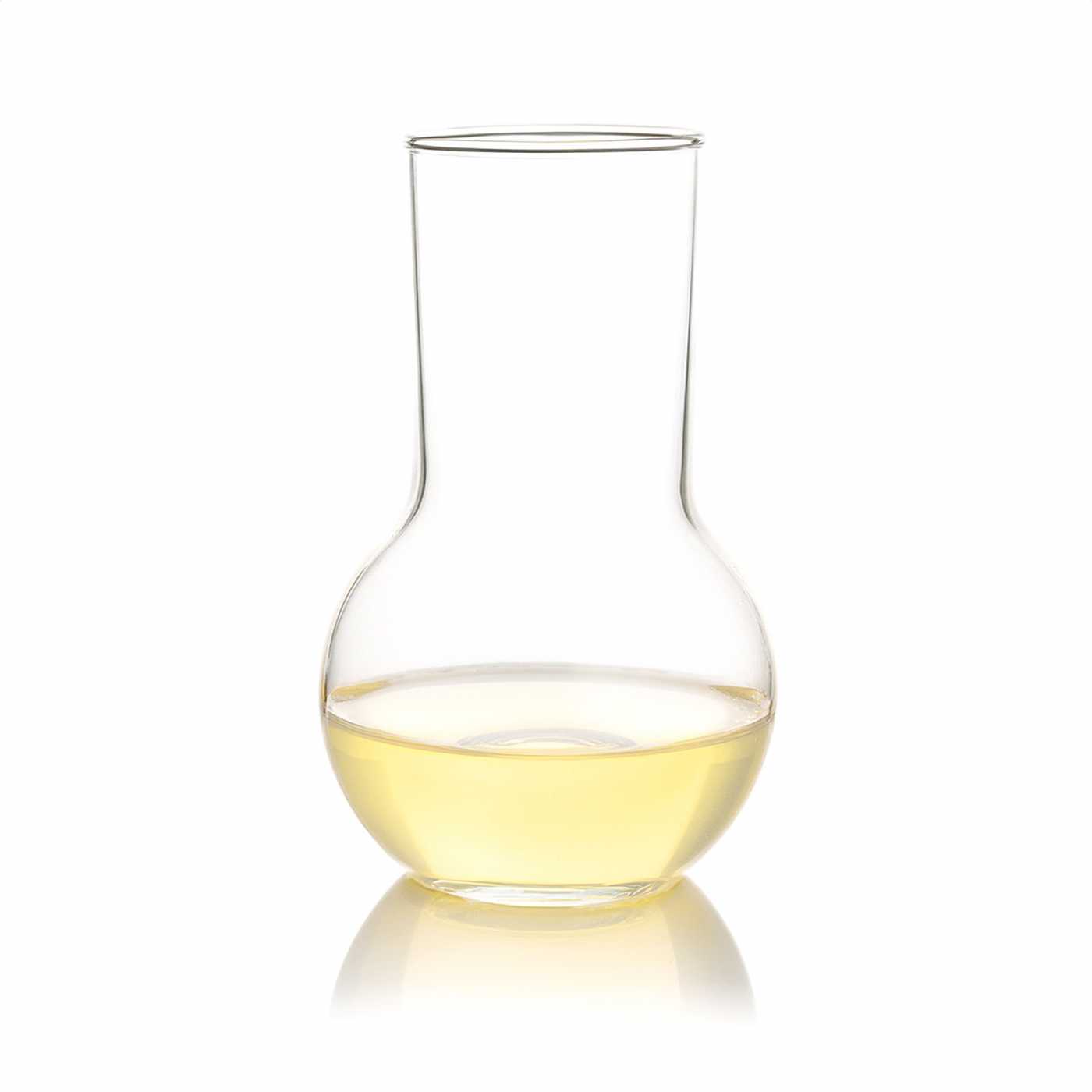
Active aqueous extract from mallow, ORGANIC
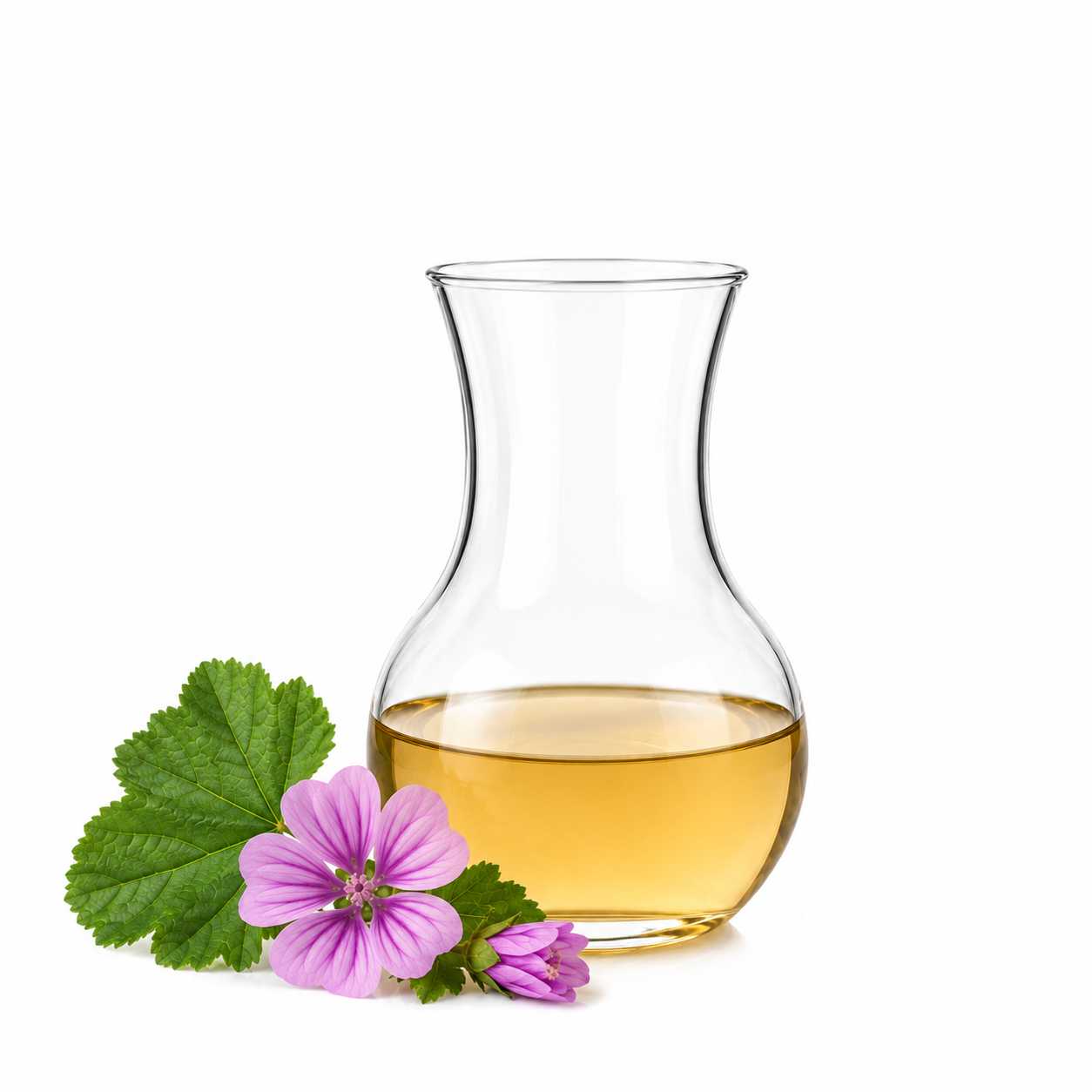
Active aqueous extract from mallow brings mucilaginous polysaccharides to the formulation, for which common mallow (Malva sylvestris L.) is known. On the skin they form a delicate protective film, retain moisture and soothe feelings of tension and irritation. In the formulation it therefore acts as a soothing and moisturising active ingredient, particularly suitable for products for sensitive, dry and children's skin. This is an aqueous extract from flowers and leaves in COSMOS Organic certified quality, ready for direct addition to the water phase.
It is equally suitable for leave-on products (serums, tonics, creams, lip balms) and rinse-off preparations (shower gels, shampoos, intimate hygiene products), where it helps to soften the feeling after washing with surfactants.
Key benefits
- Skin soothing – the mucilaginous substances in mallow help relieve the sensation of burning, itching and tension that accompanies dry or irritated skin. This is most apparent in tonics, serums and body products for sensitive skin.
- Moisturisation support – polysaccharides bind water and form a thin film on the skin surface that slows its evaporation. The effect is superficial and depends on the dosage as well as the rest of the formulation (humectants, oils).
- Softening of rinse-off preparations – in shampoos and shower gels it helps balance the drying effect of surfactants. Suitable for gentle products for sensitive scalp and for intimate hygiene products, which are typically formulated in the acidic pH range.
- Simple processing – it is water-soluble and added cold at the end of production, without heating and without special procedures.
Use in formulation
The extract belongs to the water phase. It is best added at the end, to the cooled emulsion or directly to the finished aqueous base, at a temperature below 40 °C. Prolonged heating may reduce the efficacy of the polysaccharides and other plant components, so do not include it in the phase that is heated to emulsification temperature.
The recommended dosage is 1 – 10 %. In tonics, moisturising serums and products for sensitive skin, it is worth working in the upper half of the range. In rinse-off products the lower part of the range is usually sufficient, as contact with the skin is brief.
The recommended pH range for the formulation is 2.6 – 3.5, which corresponds to the extract's preservative system based on benzoate and sorbate. At higher dosages the extract may slightly lower the pH of the finished product. It is compatible with acidic and neutral environments, with anionic, amphoteric and non-ionic surfactants, with common preservatives and with fragrance.
After adding the extract, measure the pH of the finished product and adjust if necessary. The preservatives contained in the extract protect the raw material itself, not your finished product, which requires its own preservative system.
Suitable for products such as
- Tonics and facial mists – a water-based formula without emulsifier, where the soothing effect of mallow works most directly.
- Serums and gels for sensitive skin – in combination with humectants (glycerine, hyaluronic acid, betaine) it enhances the feeling of moisture and calm.
- Creams and lotions for children and dry skin – added to the water phase after the emulsion has cooled.
- Eye area products – gentle gels and creams that require a mild composition.
- Gentle shampoos and products for sensitive scalp – reduces the feeling of tightness after washing.
- Intimate hygiene products and shower gels – the acidic pH of the extract corresponds to the range in which these products are typically formulated.
- Lip balms and lip masks – in the aqueous component of emulsion balms; not suitable for purely anhydrous sticks.
What is good to know
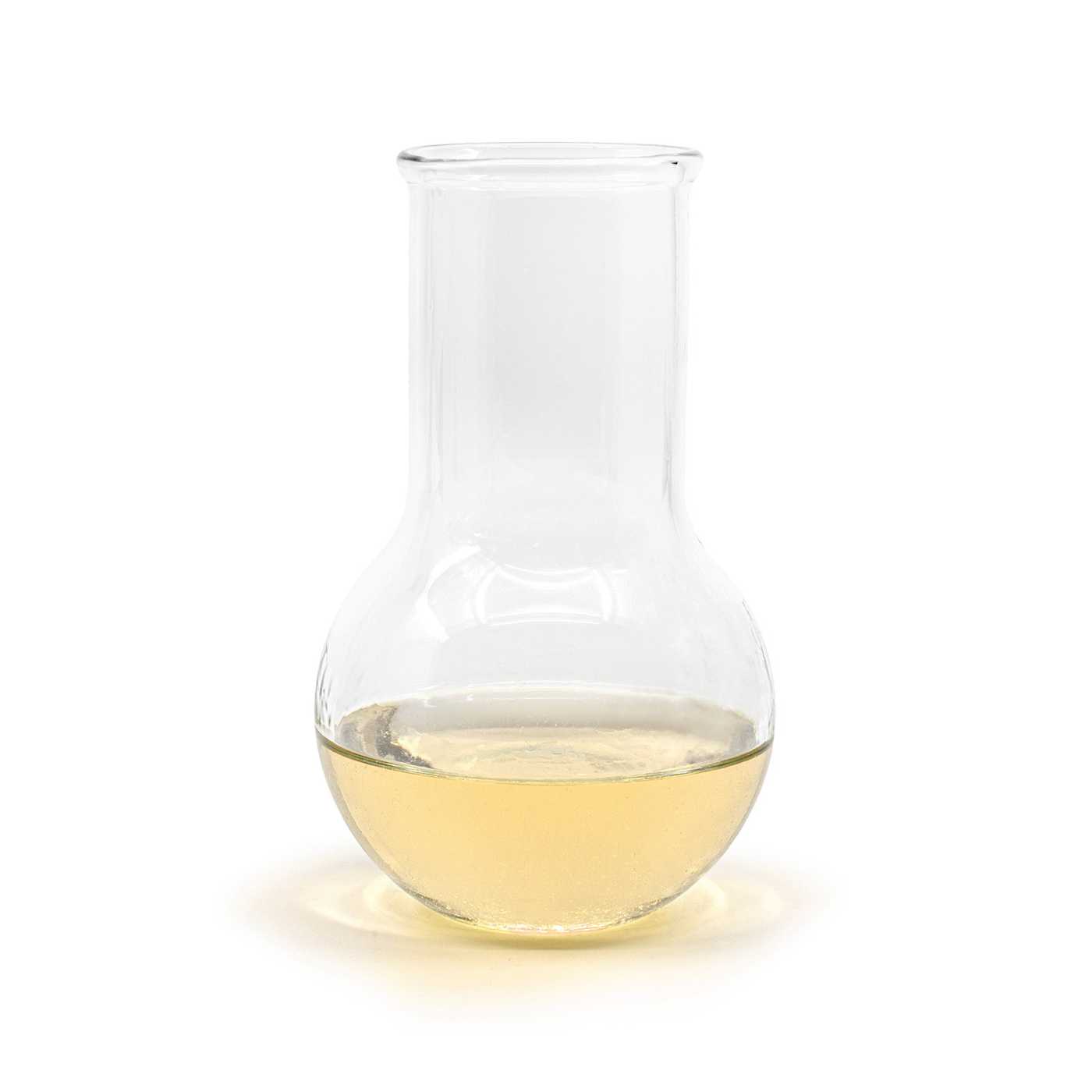
- Colour and odour – plant aqueous extracts may have a faint yellowish to brownish tint and a mild herbal scent. In typical emulsions they are not noticeable; in colourless tonics at higher dosages they may be slightly visible.
- Thickeners – in gel systems sensitive to electrolytes and low pH (e.g. carbomers) verify viscosity stability, as the extract is acidic and contains preservative salts. Xanthan gum, sclerotia gum or hydroxyethylcellulose are generally more tolerant in this respect.
- Combinations – it naturally complements hydrosols (rose, chamomile, lavender), panthenol, allantoin and bisabolol in products for sensitive skin.
The raw material is COSMOS Organic certified and readily biodegradable, so it can also be used in formulations intended for natural or organic certification of the finished product.
Difference from mallow hydrosol and oil macerate
The aqueous extract from mallow is not the same as a hydrosol or an oil macerate. A hydrosol is produced by steam distillation and contains mainly volatile components; mucilaginous polysaccharides barely make it into the distillate. It is used as the entire aqueous base, not as an active ingredient. An oil macerate is produced by macerating the plant in oil, where the water-soluble polysaccharides play almost no role. The aqueous extract, by contrast, contains precisely the water-soluble components including the mucilages and is dosed in percentages as an active ingredient.
Frequently asked questions
Is mallow extract water-soluble?
Yes, the active aqueous extract from mallow is fully water-soluble and is added to the water phase. It does not dissolve in oils or anhydrous bases, so in such products it can only be incorporated through an emulsion or with the help of a solubiliser. In tonics, serums and gels, simple cold mixing is sufficient.
When is mallow extract added to a cream?
Mallow extract is added to a cream after emulsification, once the phase has cooled below 40 °C. Higher temperatures may weaken the effect of the plant polysaccharides and other components. The recommended dosage is 1 – 10 % of the total formula weight. After addition it is advisable to check the pH and adjust if necessary.
Is the aqueous mallow extract suitable for sensitive and children's skin?
Yes, the mallow extract is intended for sensitive and children's skin as well as for eye area products. It contains no fragrance allergens or ingredients of animal origin, and the mucilaginous substances of mallow have been traditionally used to relieve the sensation of irritation. The final tolerability of the finished product also depends on the other ingredients in the formulation.
Does a product containing mallow extract need its own preservative?
Yes, a finished product containing water requires its own preservative system even when it contains mallow extract. The sodium benzoate and potassium sorbate in the extract protect the raw material itself and are only effective in an acidic environment. Their quantity and spectrum of activity are not sufficient to protect the finished product as a whole.
Will mallow extract affect the pH or viscosity of the finished product?
Mallow extract is acidic and at higher dosages may slightly lower the pH of the finished product. In typical emulsions no significant viscosity change is expected. With thickeners sensitive to acidic pH and electrolytes (e.g. carbomers), however, it is recommended to verify viscosity stability in a test sample.
Can mallow extract be used in a shampoo or shower gel?
Yes, mallow extract is suitable for shampoos, shower gels and intimate hygiene products. It is compatible with anionic, amphoteric and non-ionic surfactants, and its acidic pH corresponds to the range in which these products are typically formulated. In rinse-off preparations the lower part of the 1 – 10 % range is usually sufficient, as contact with the skin is brief.