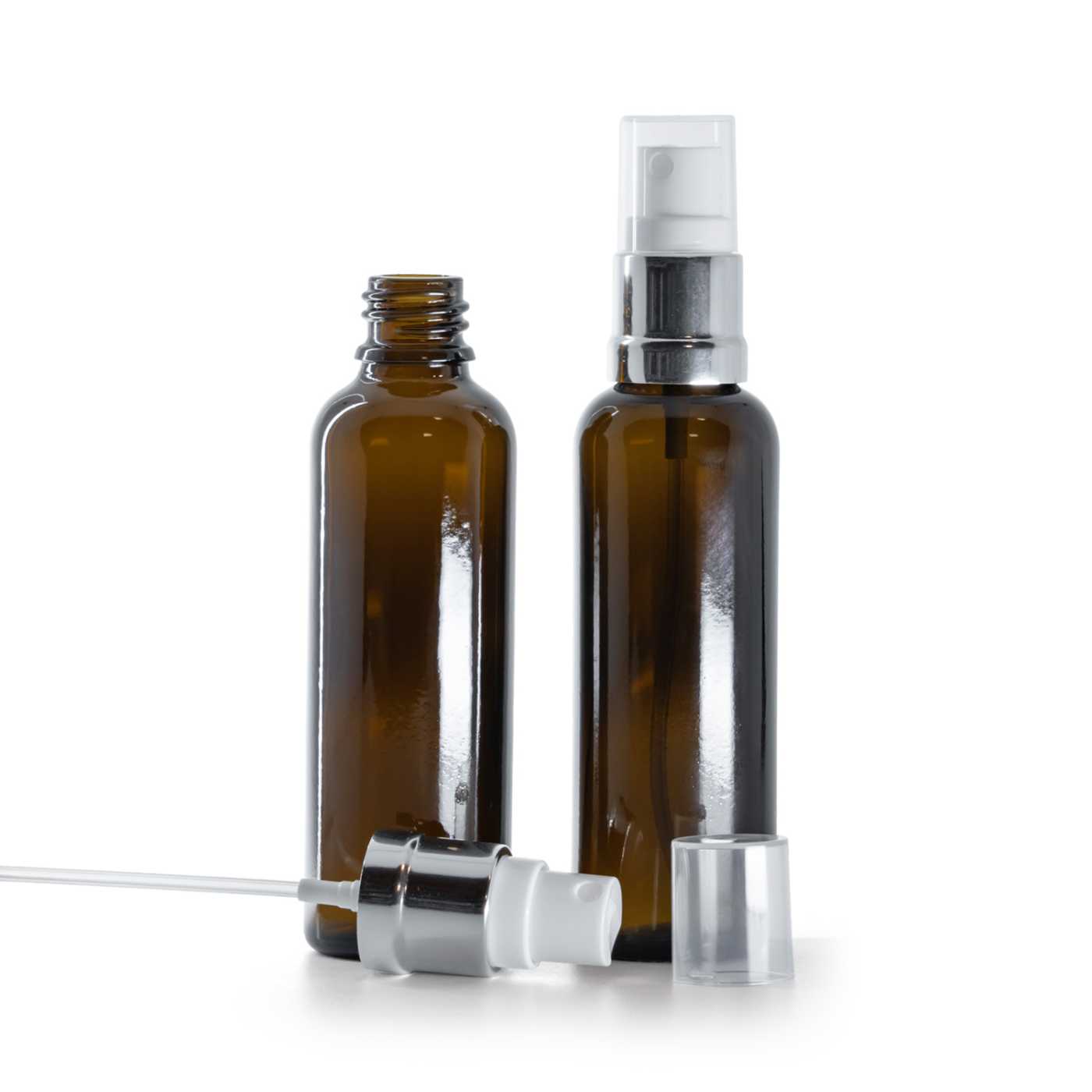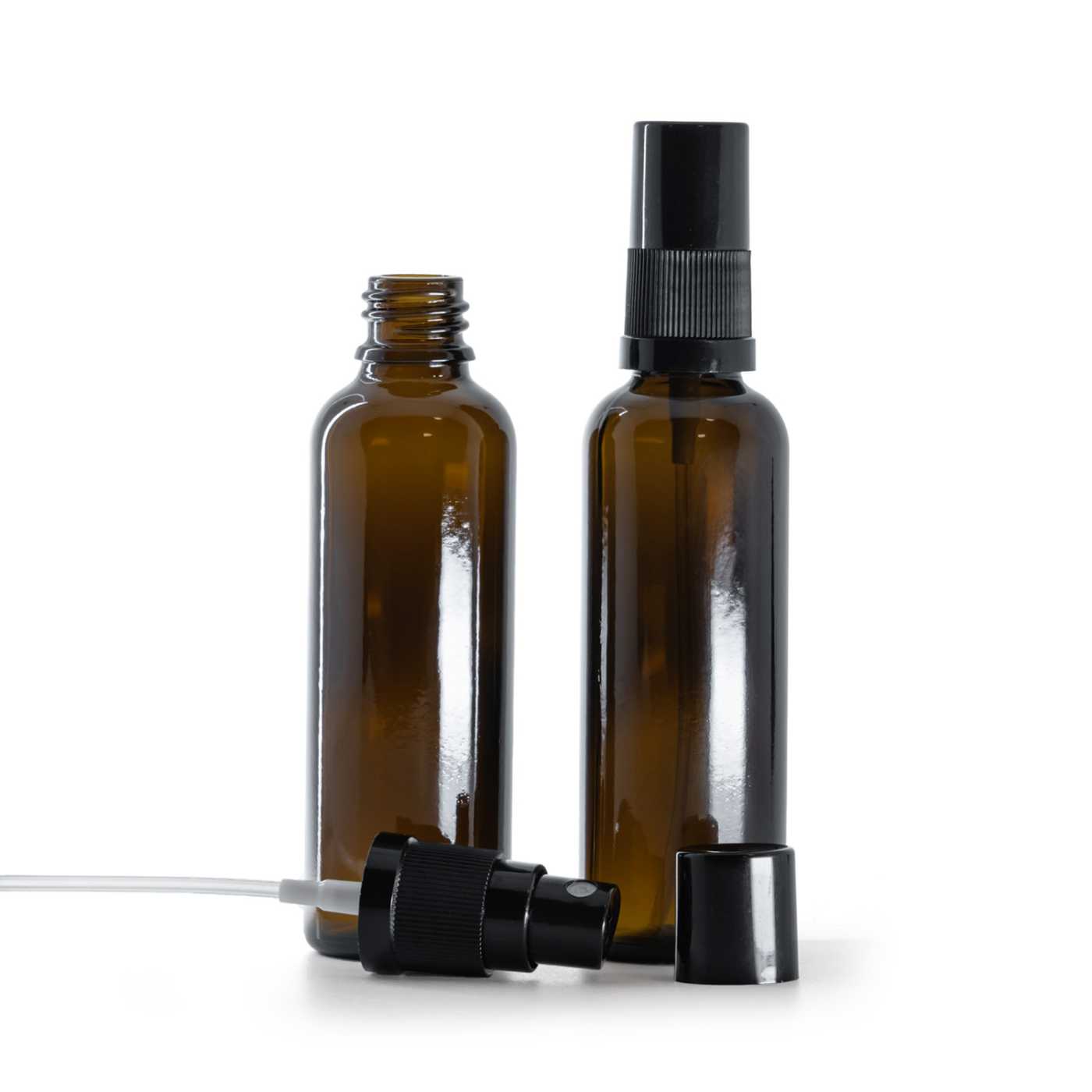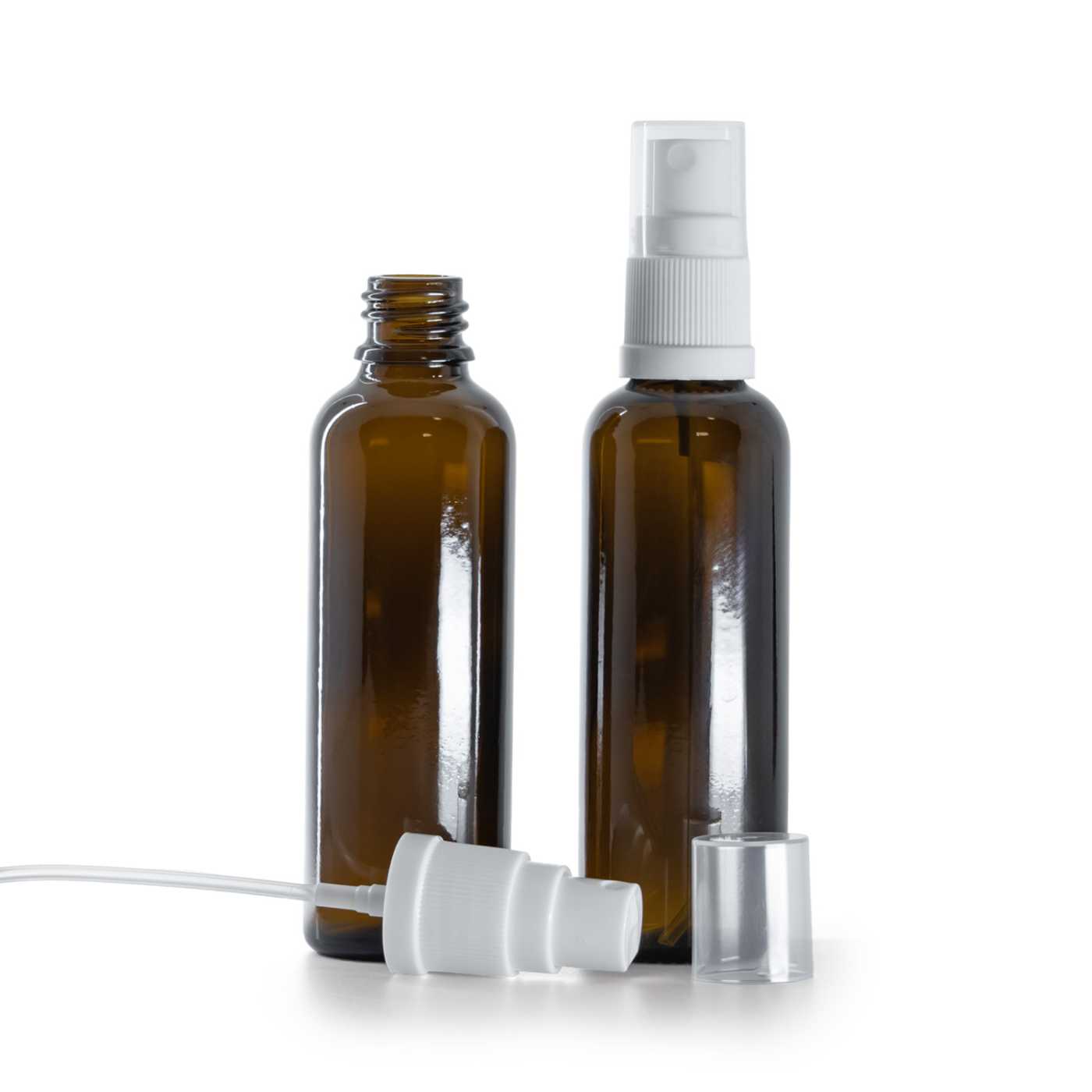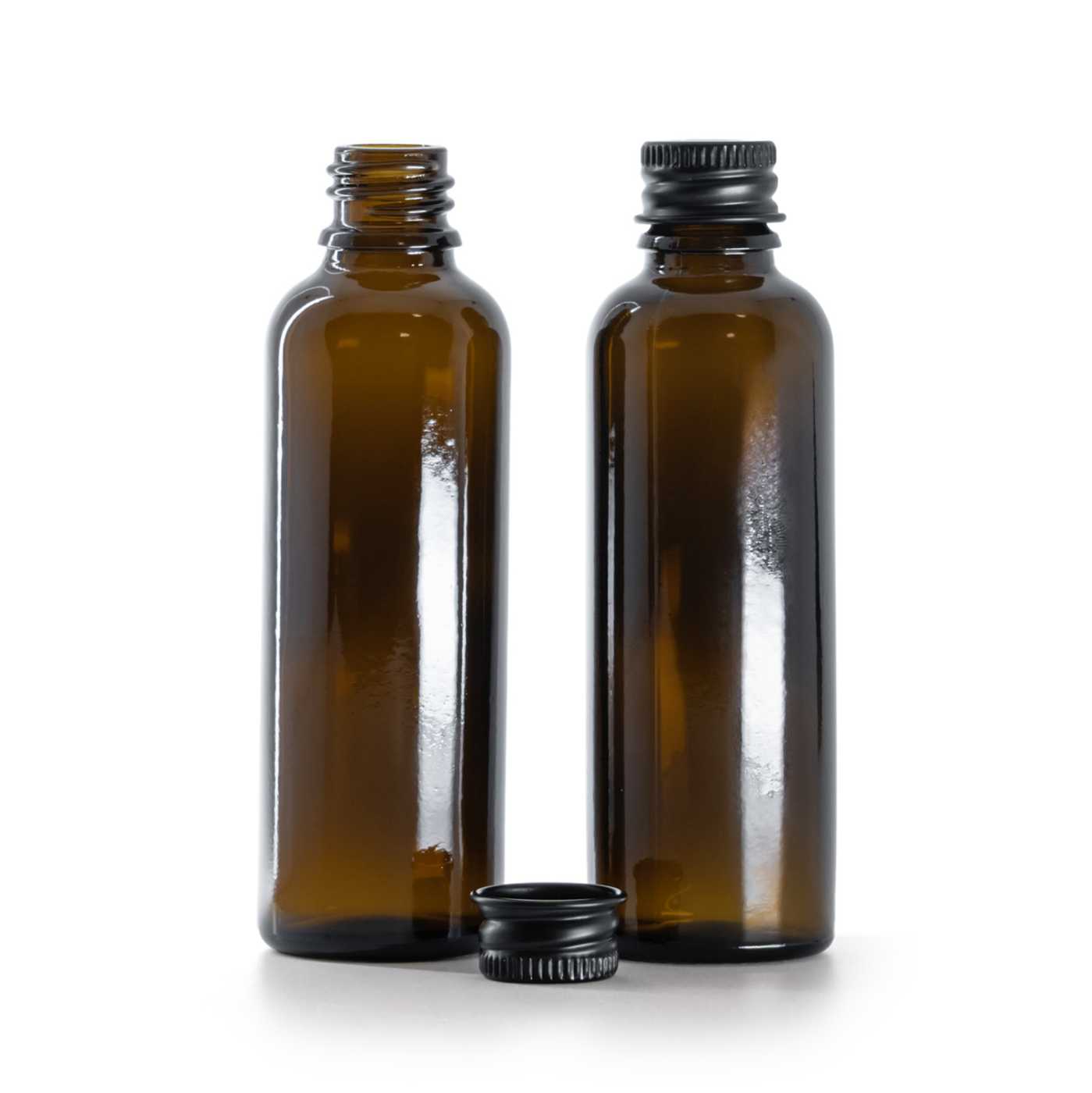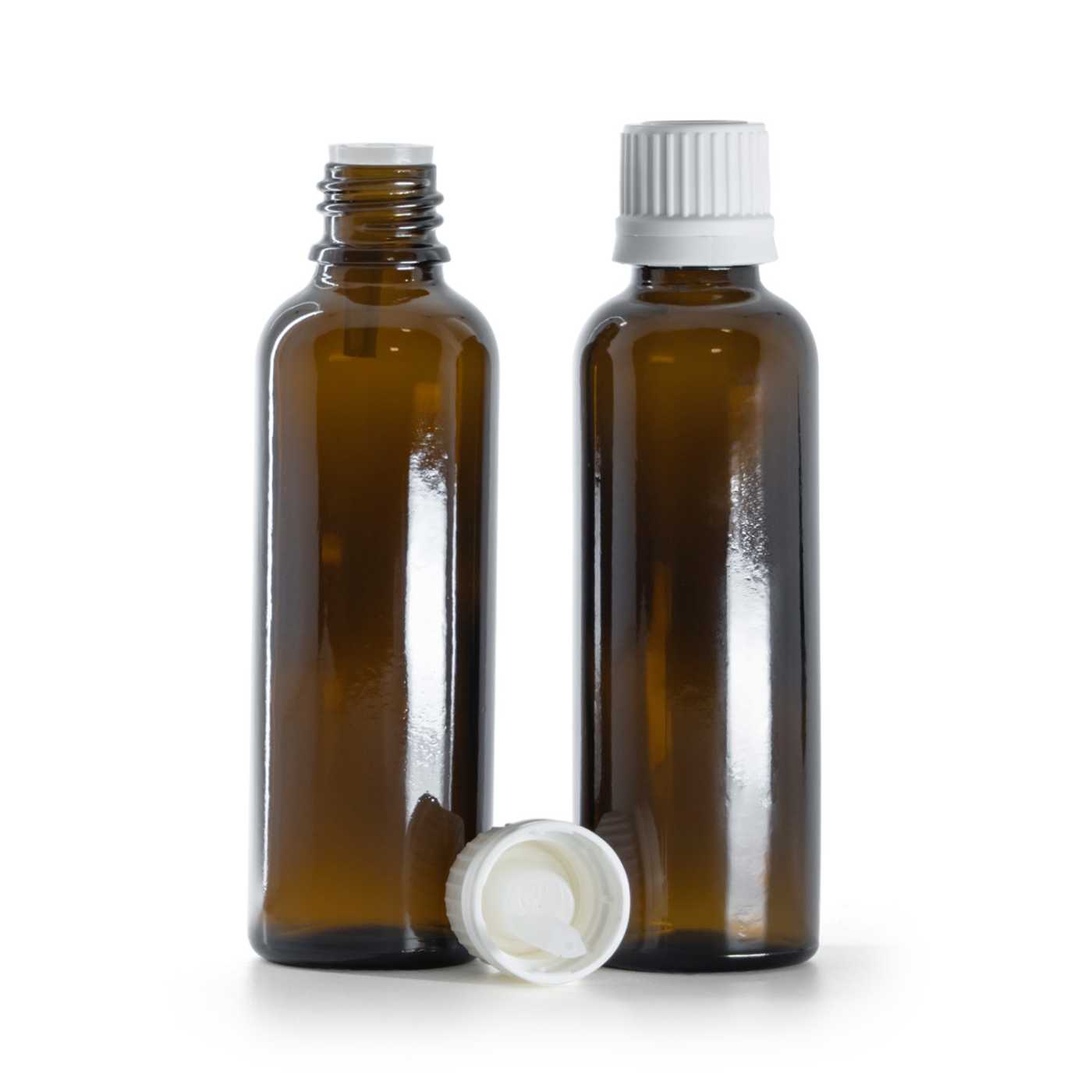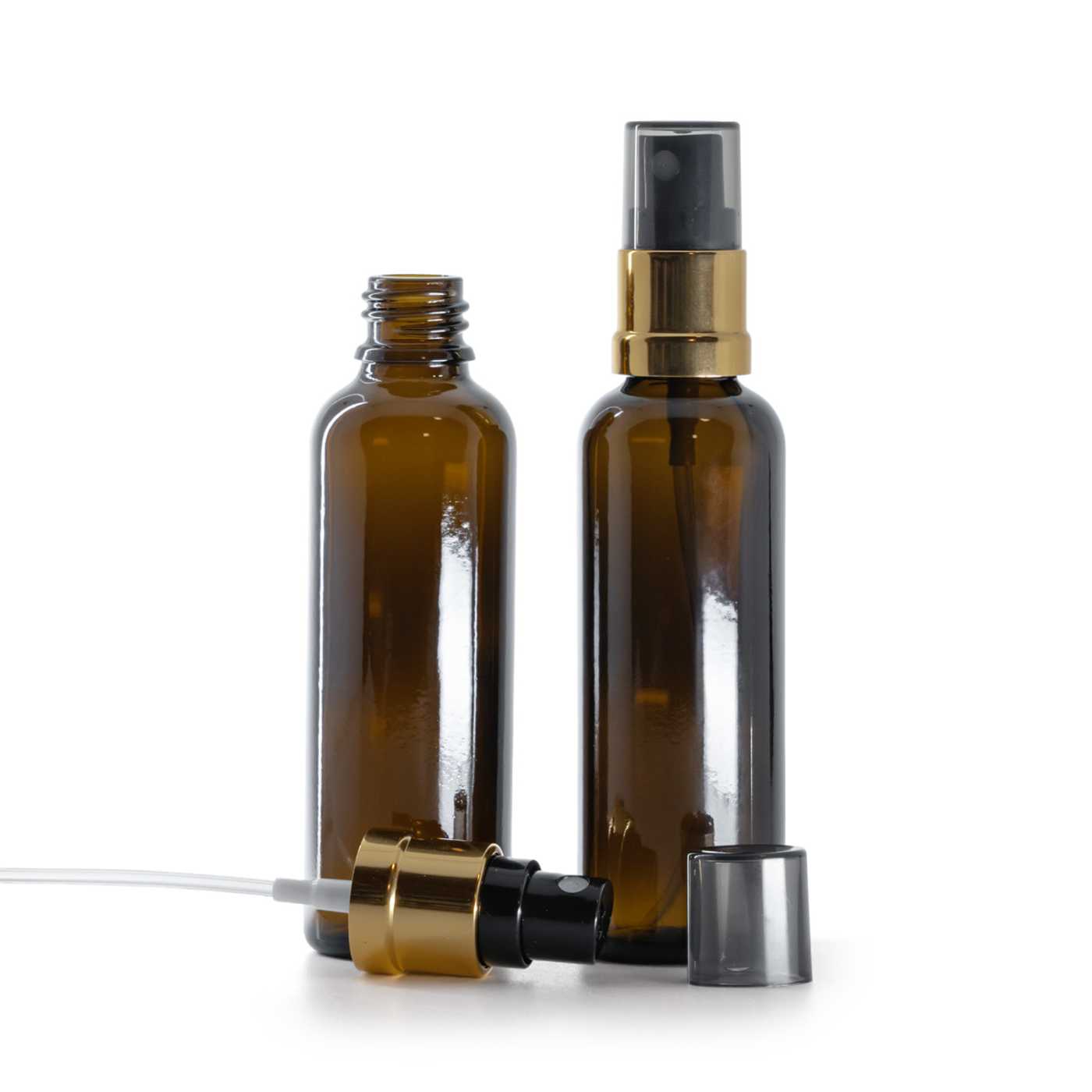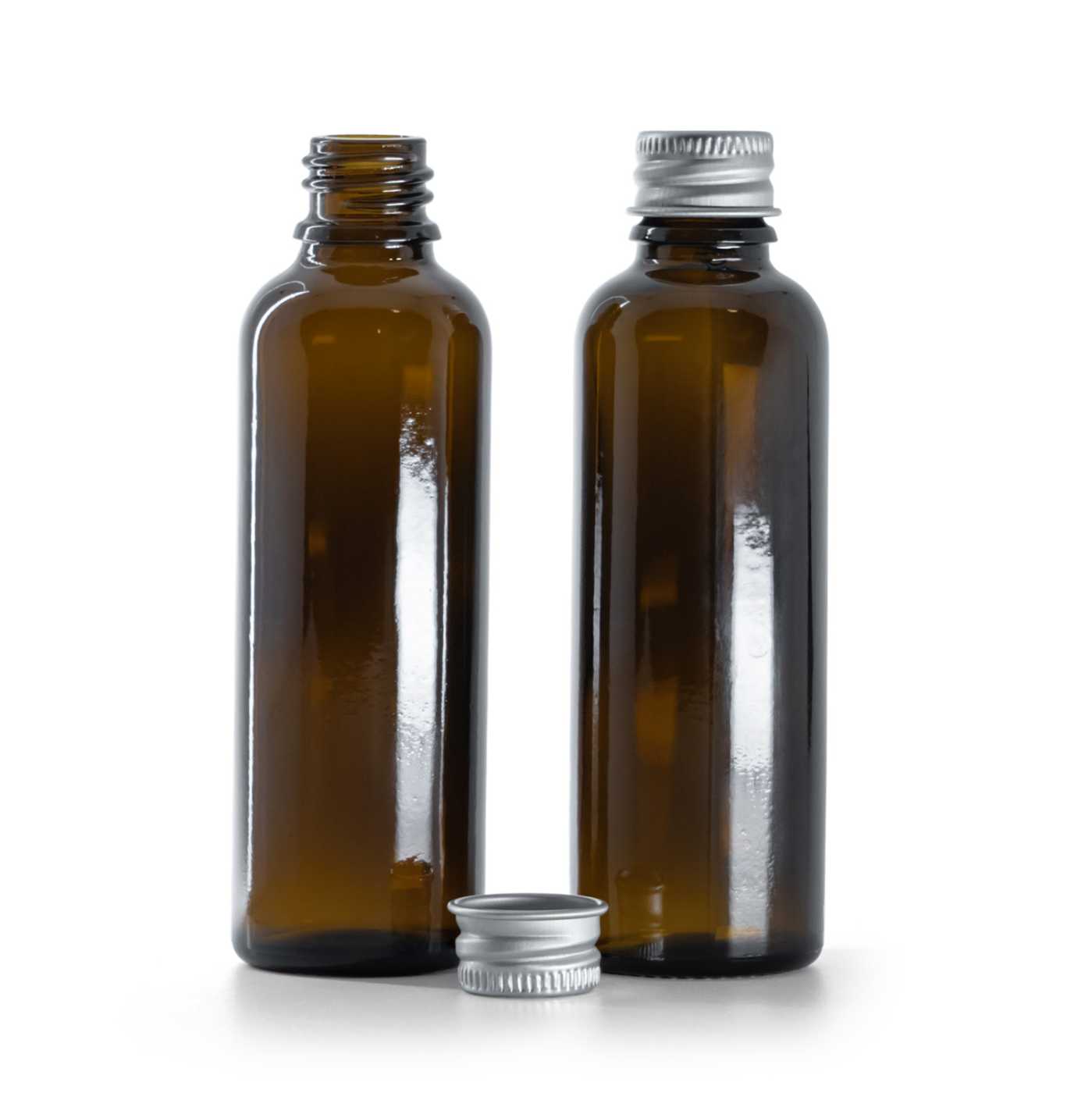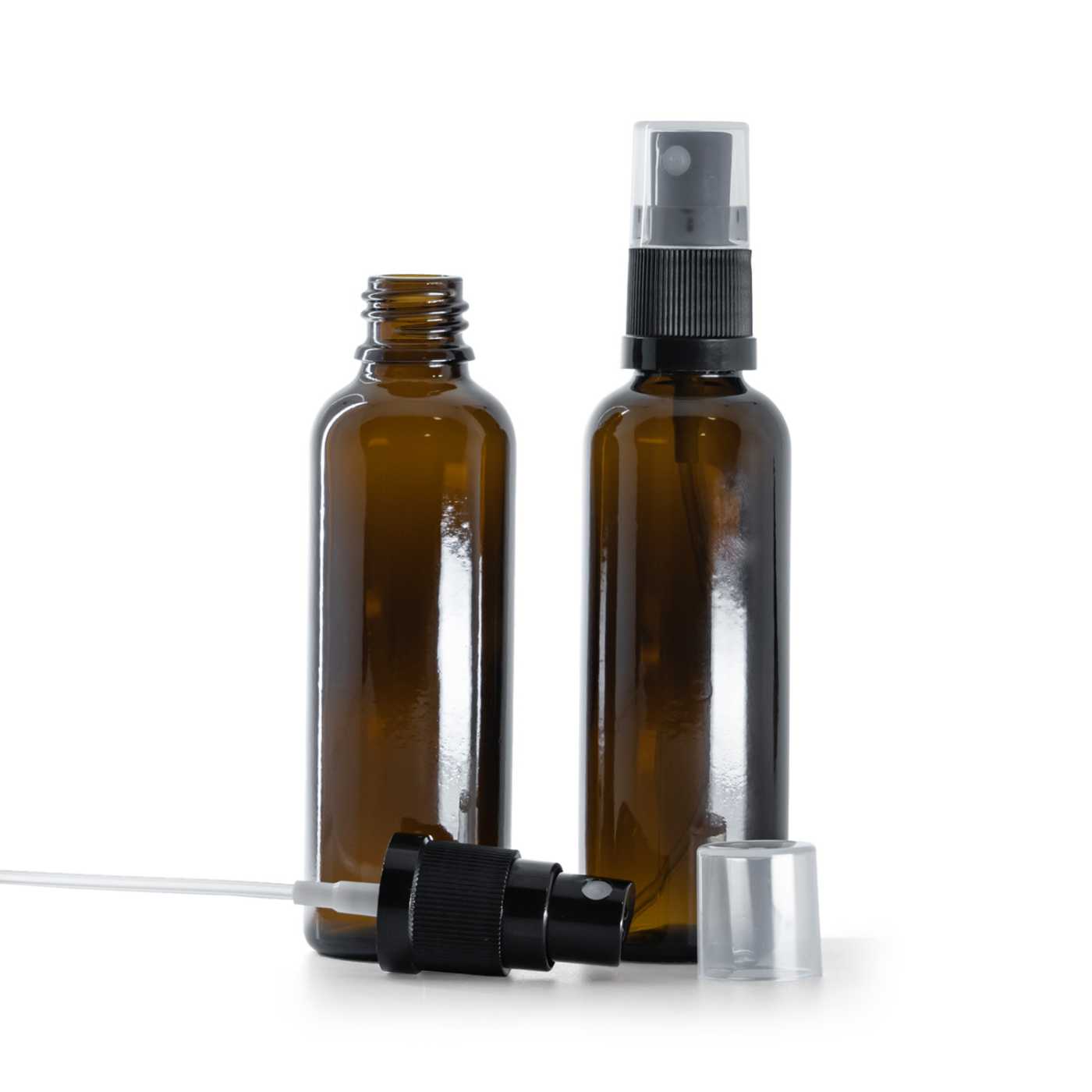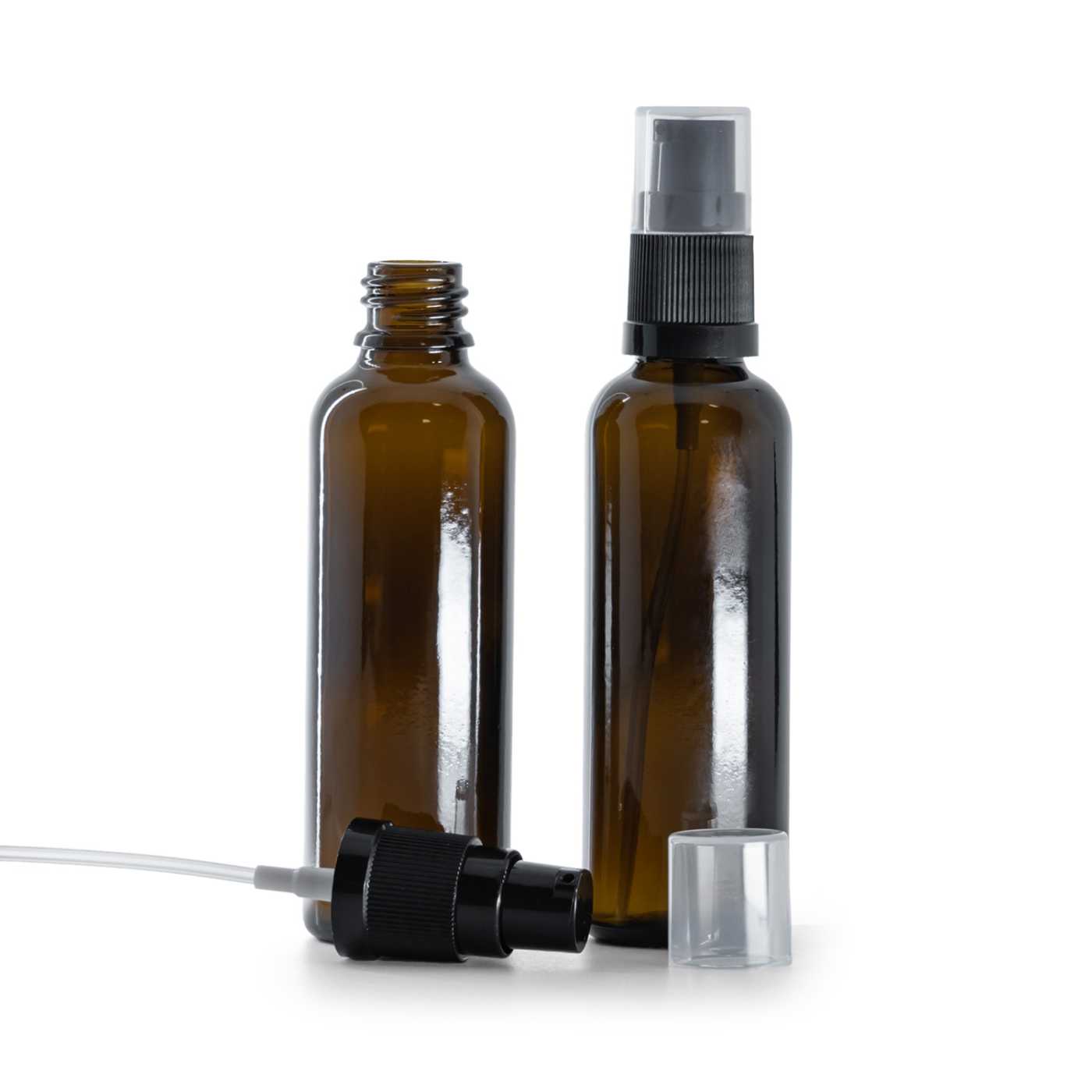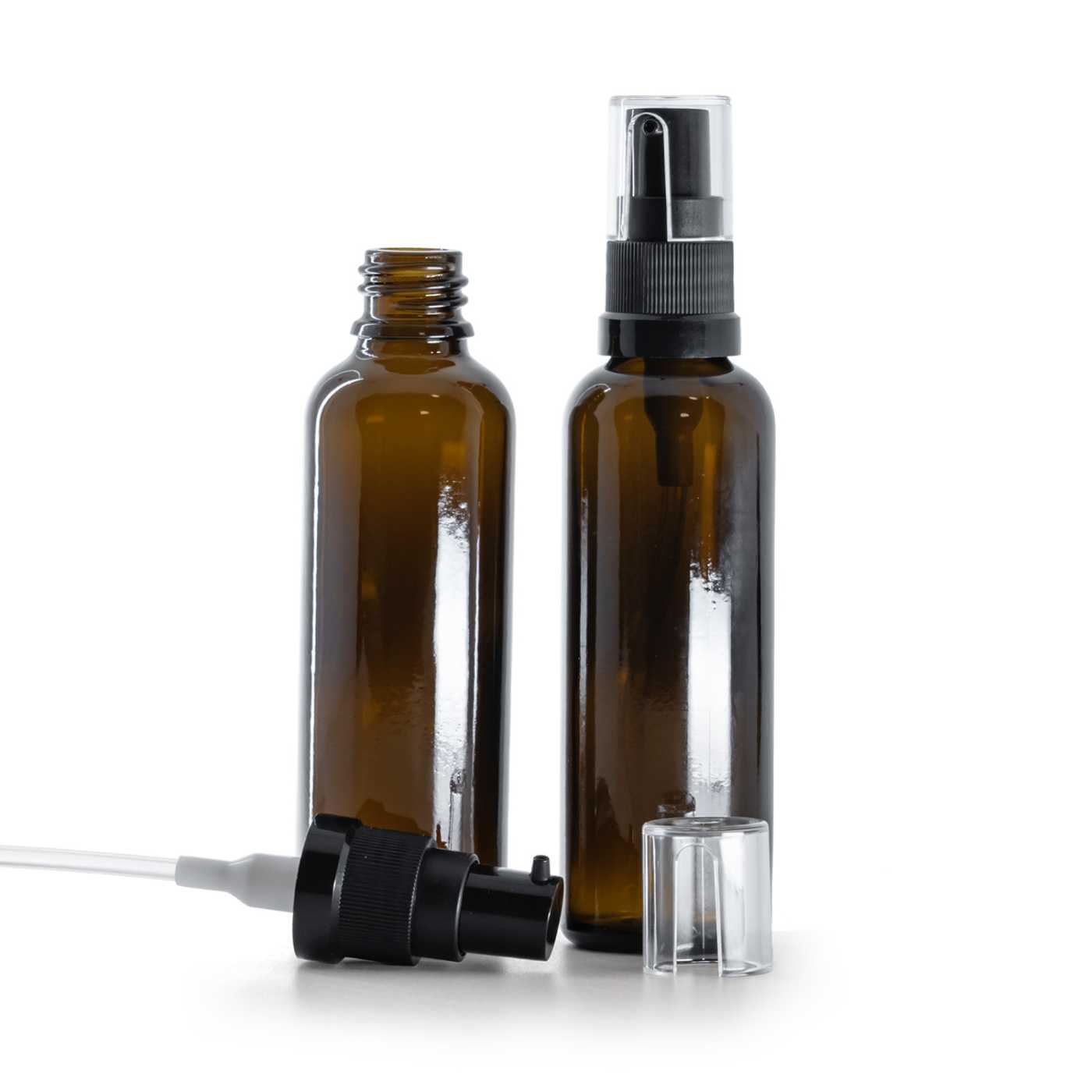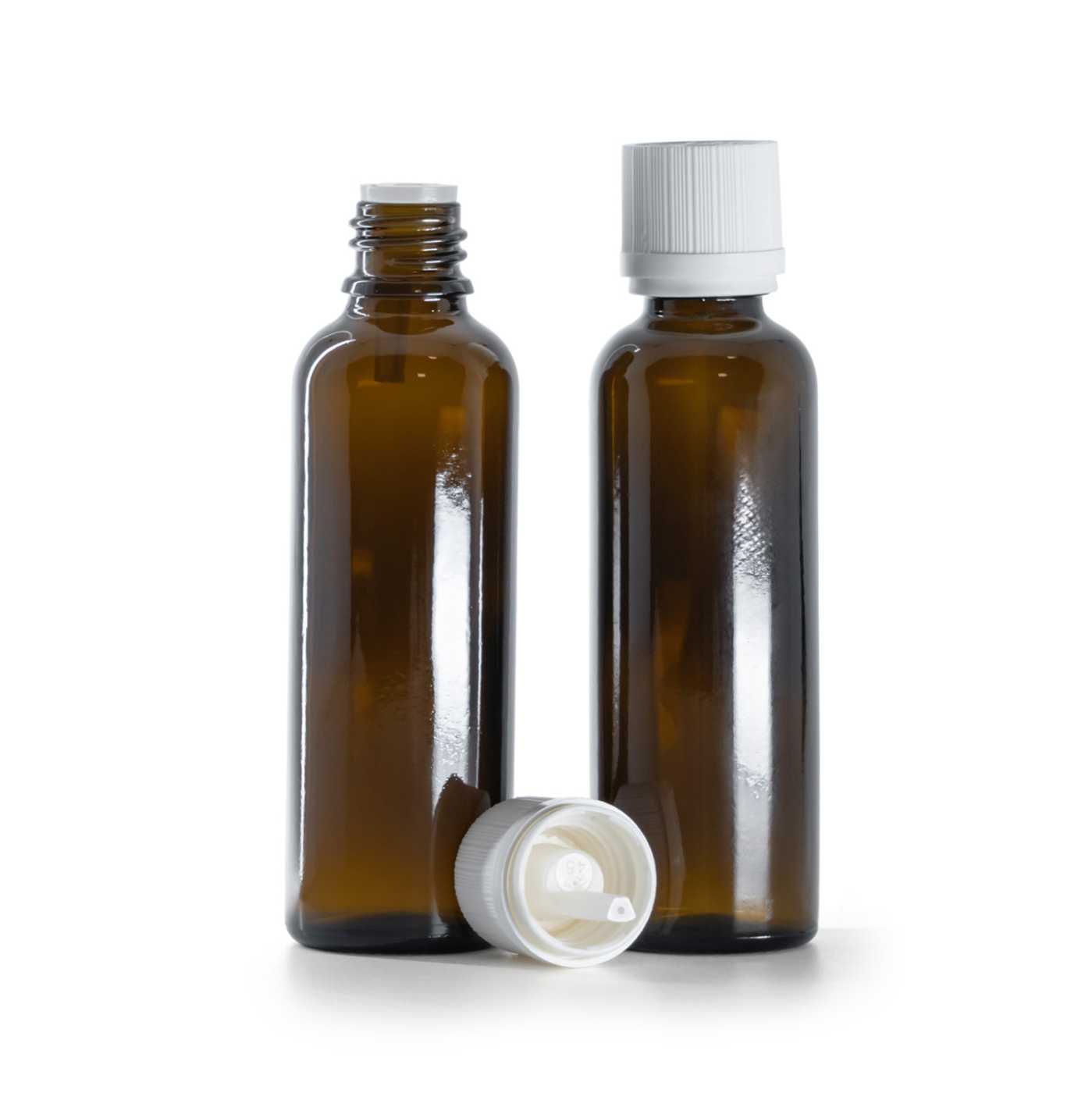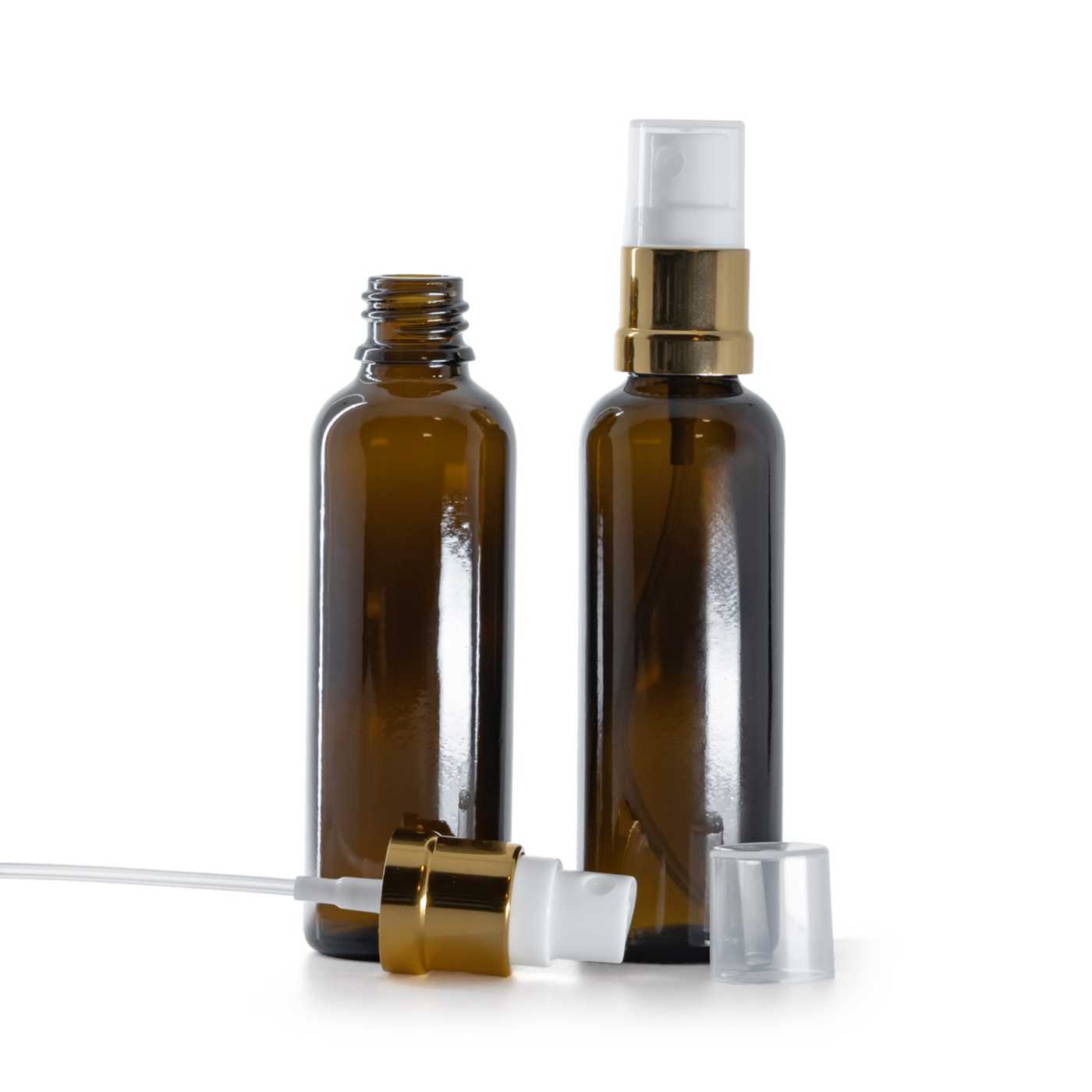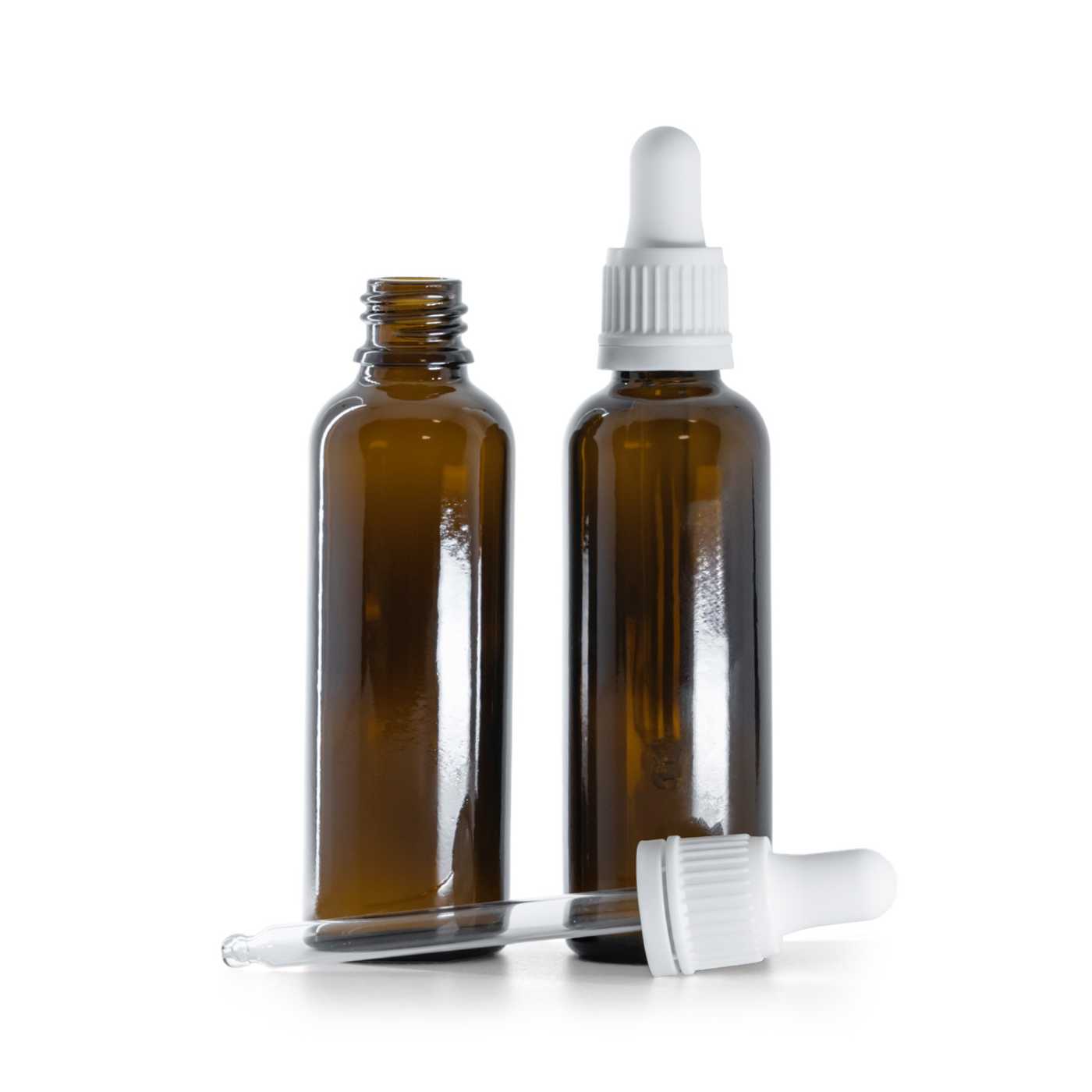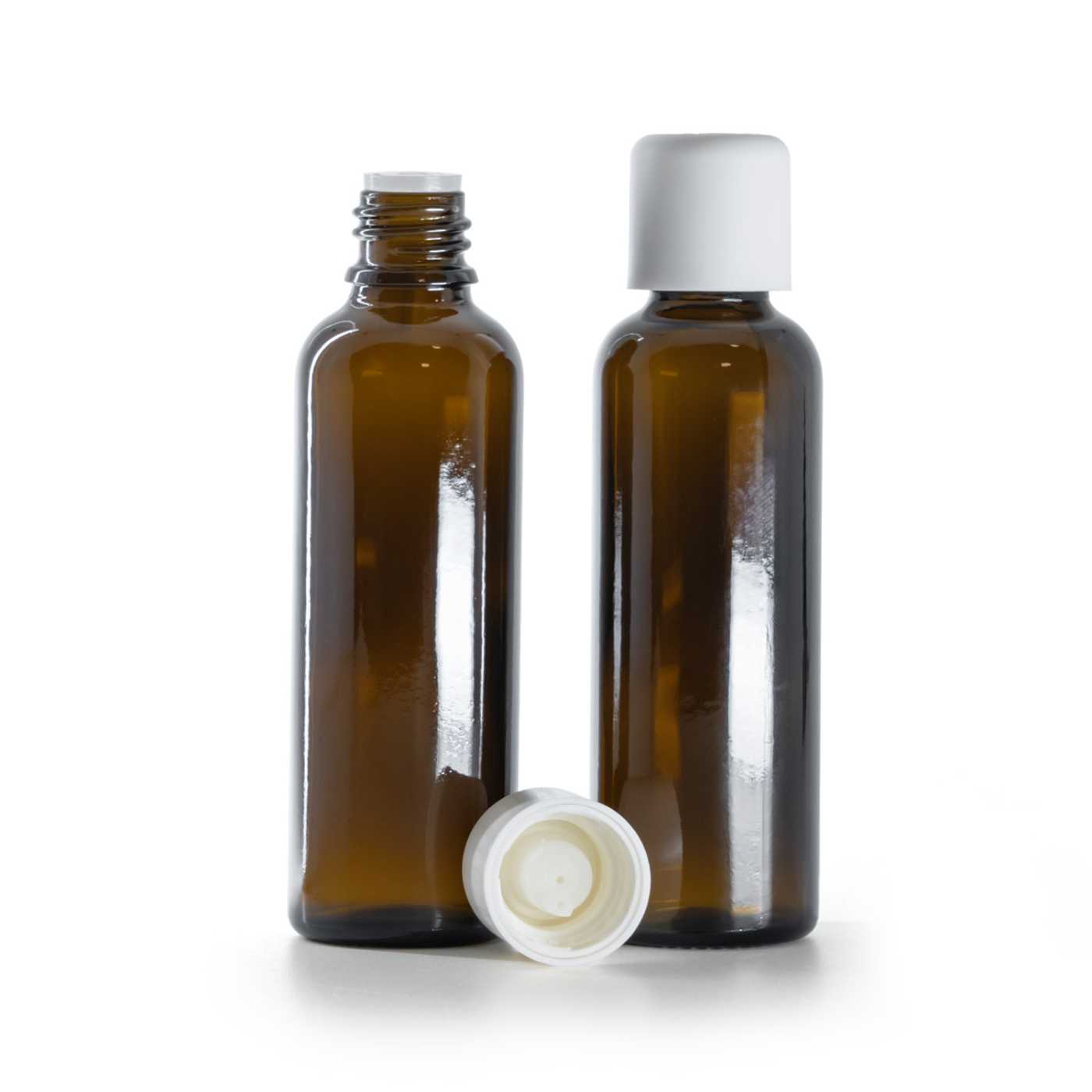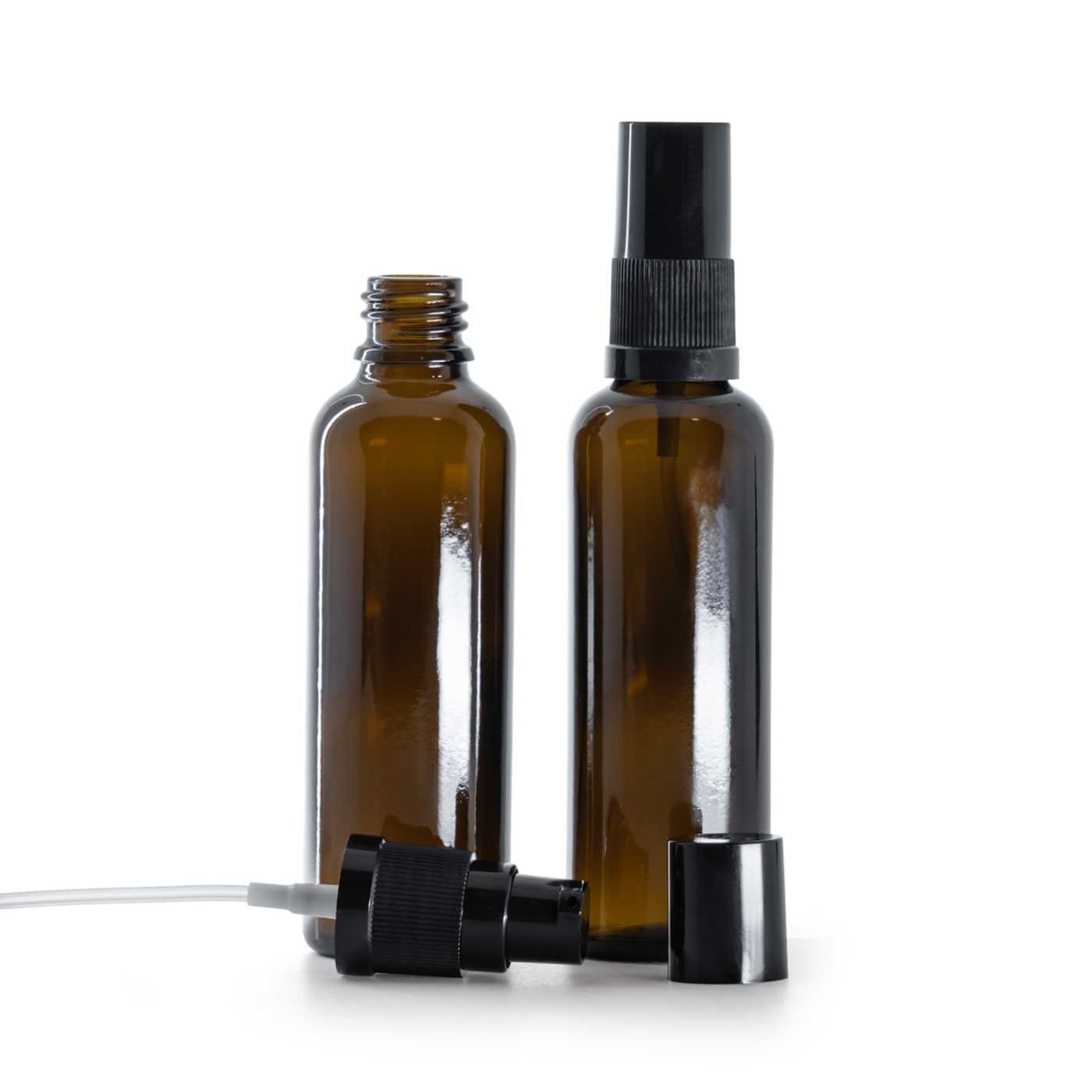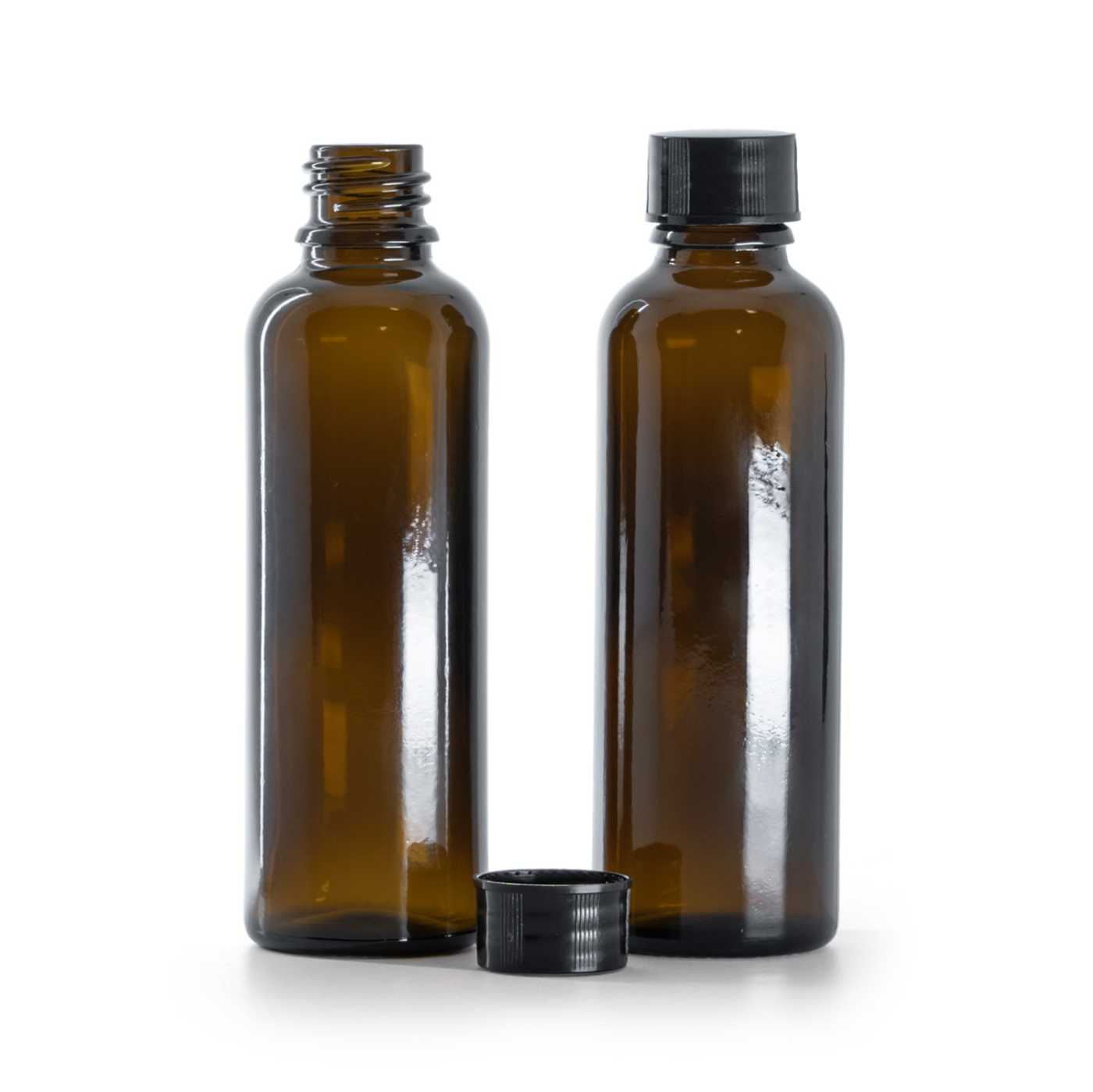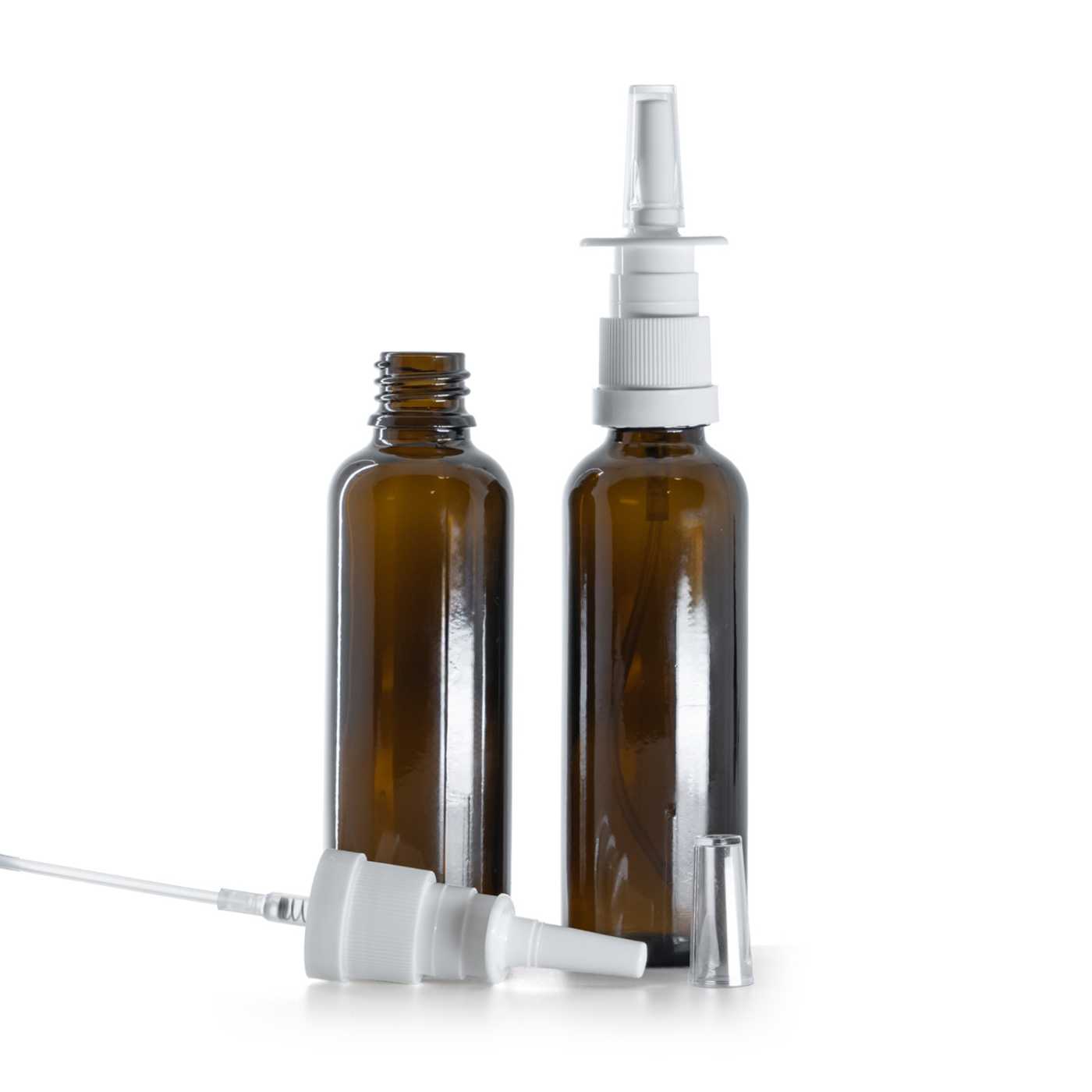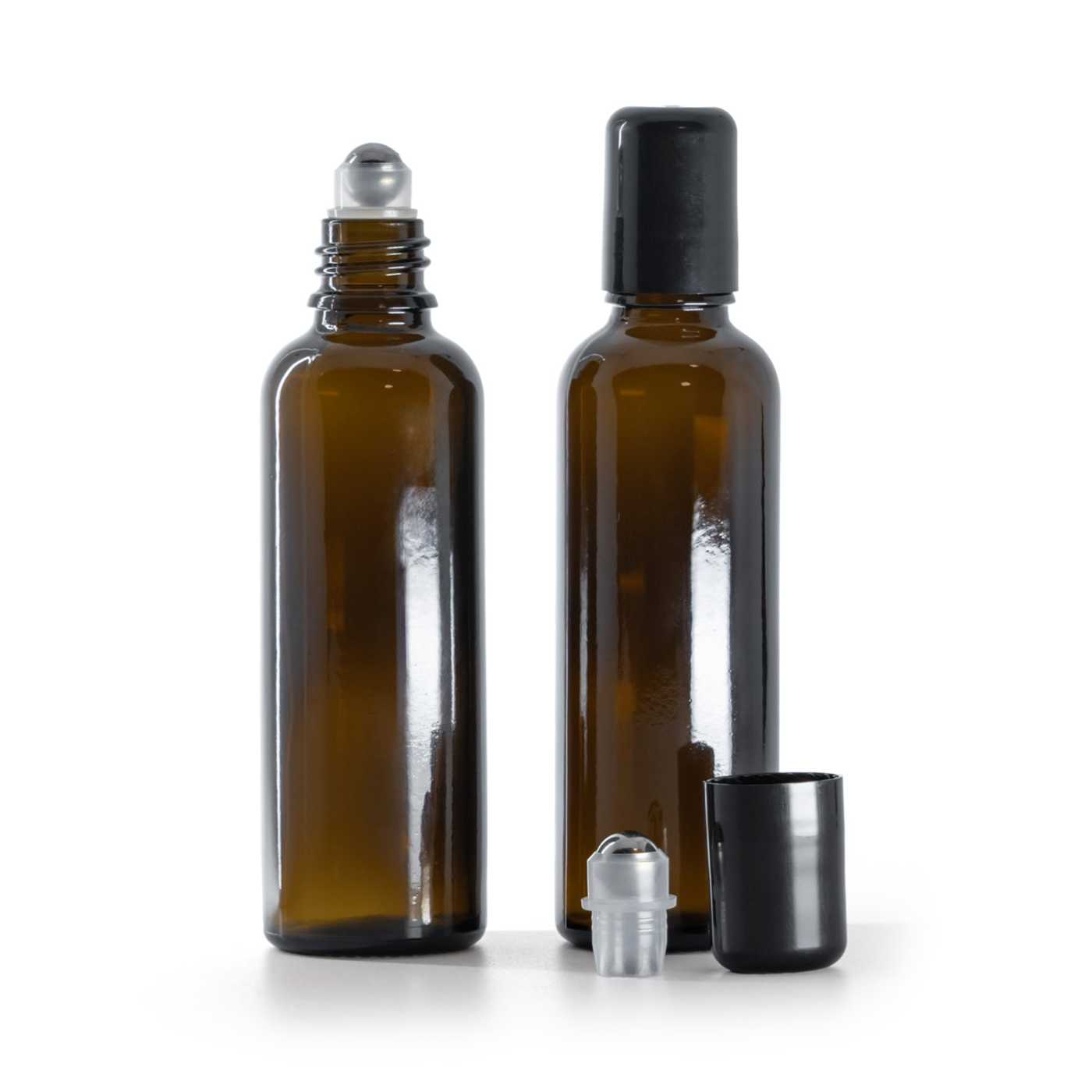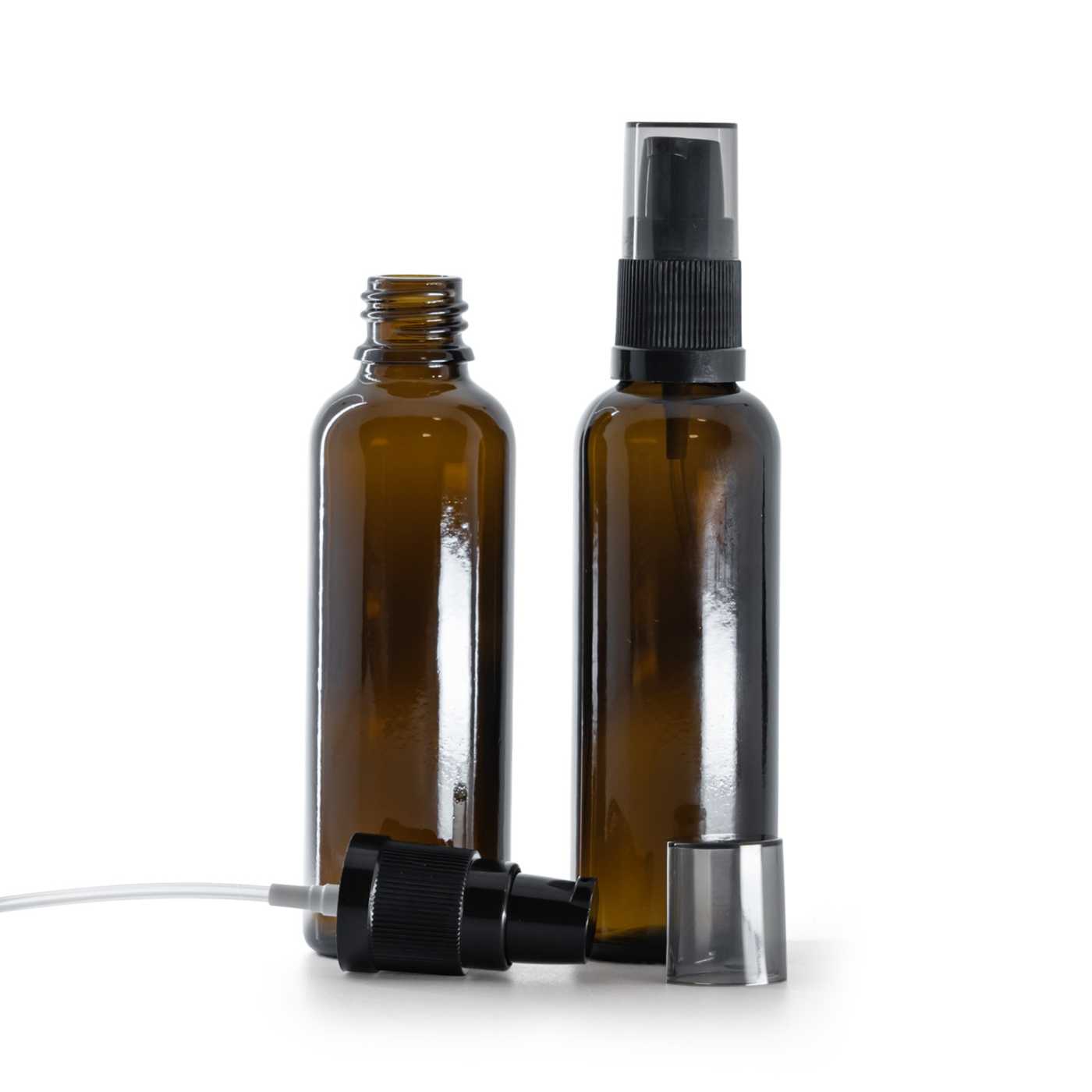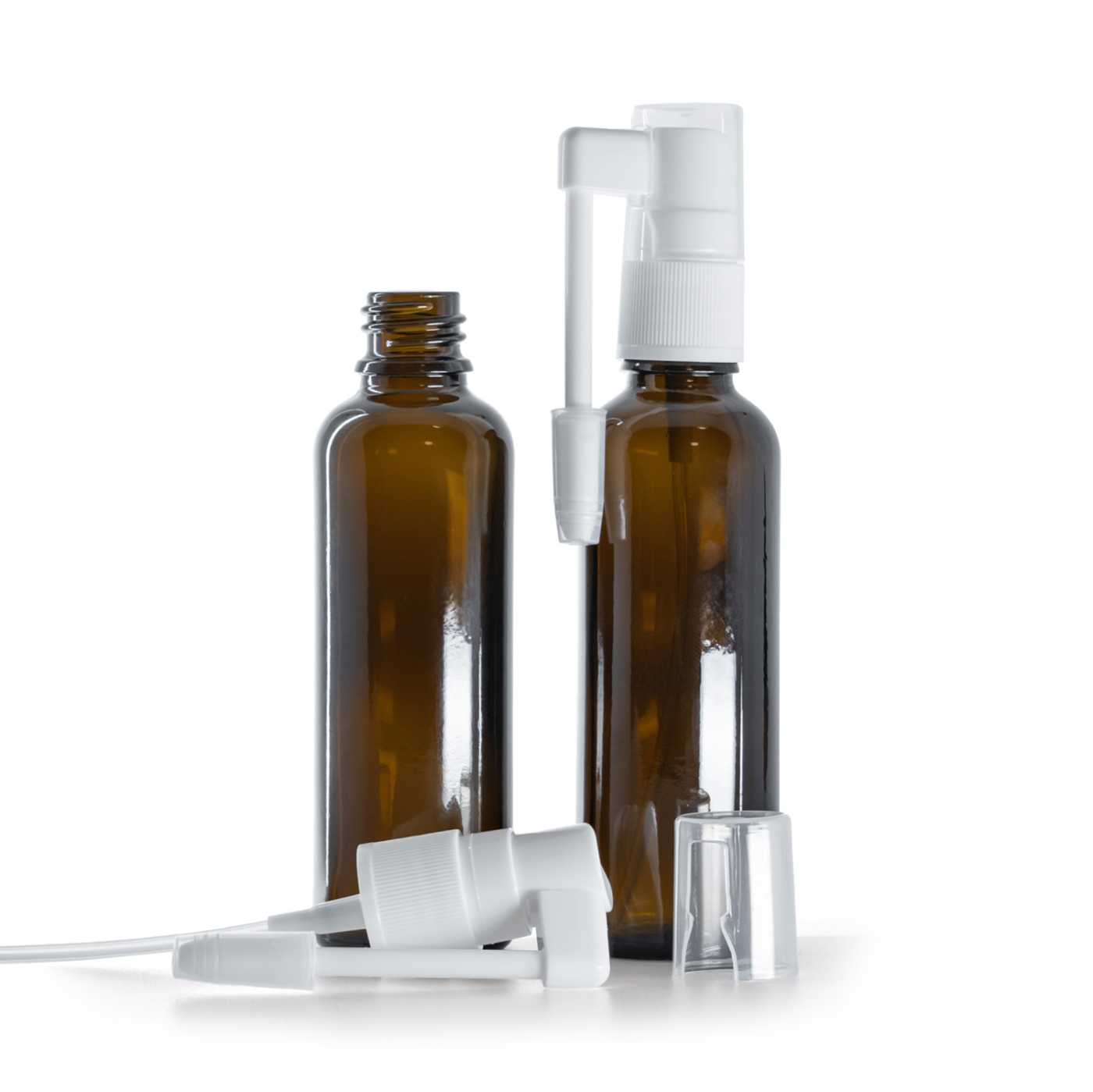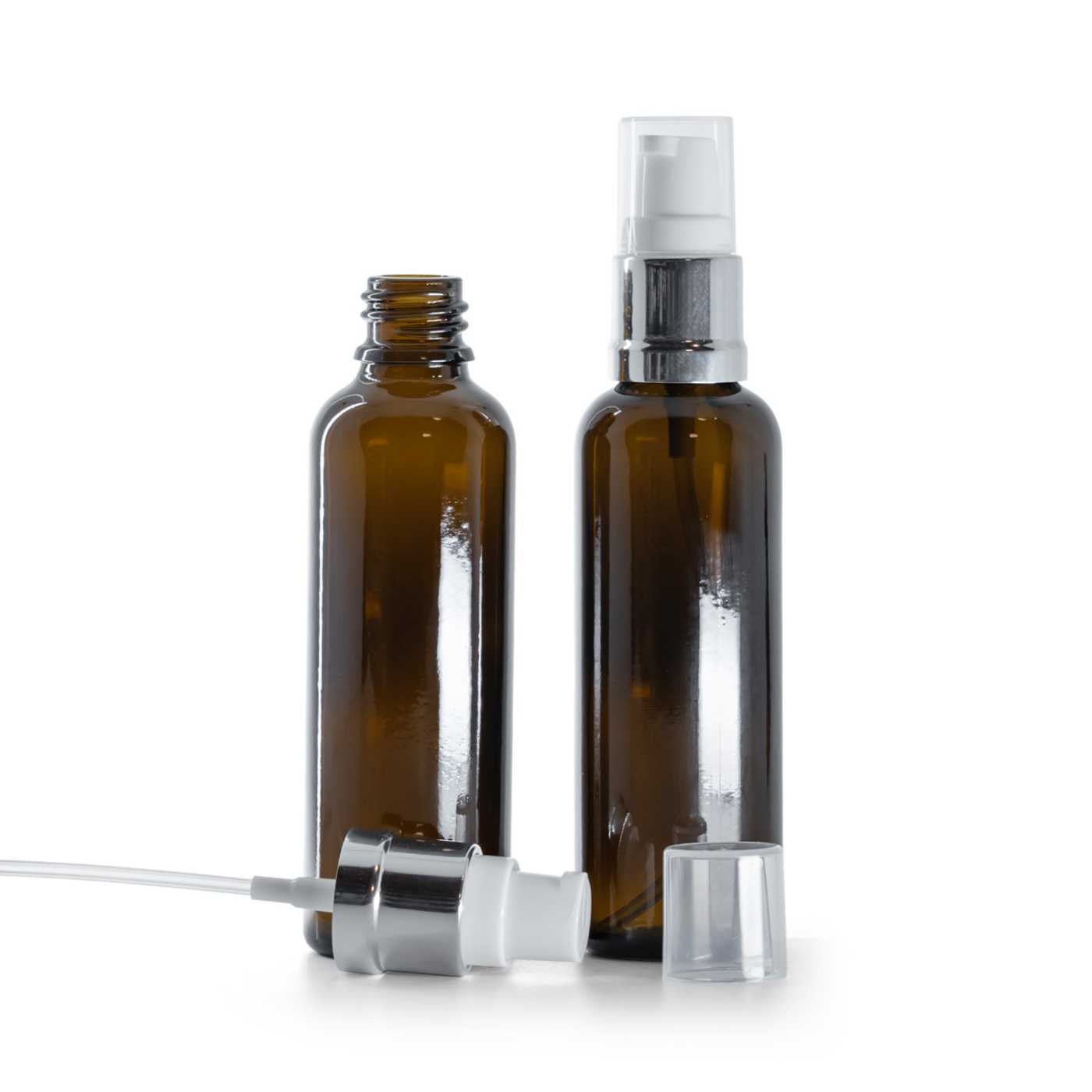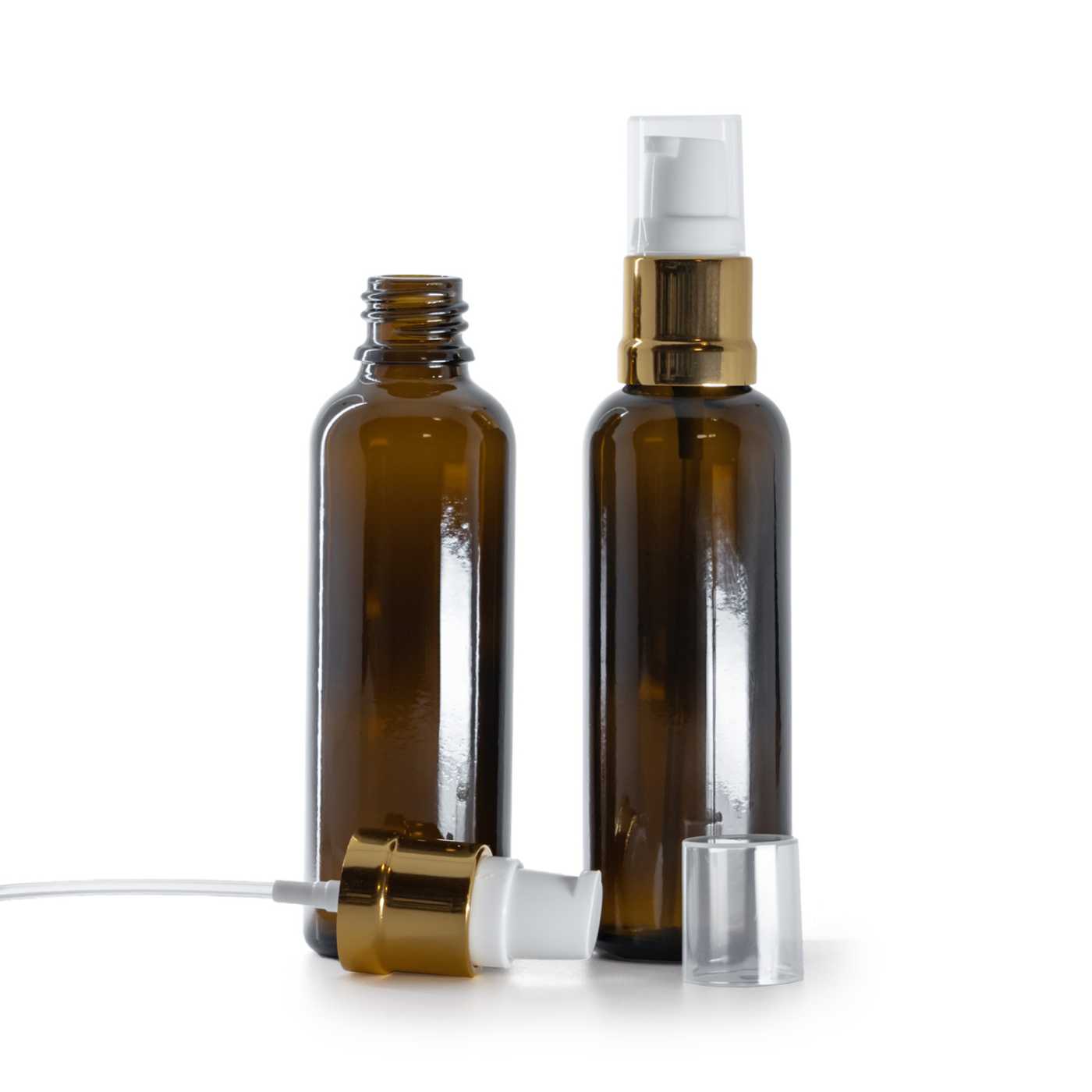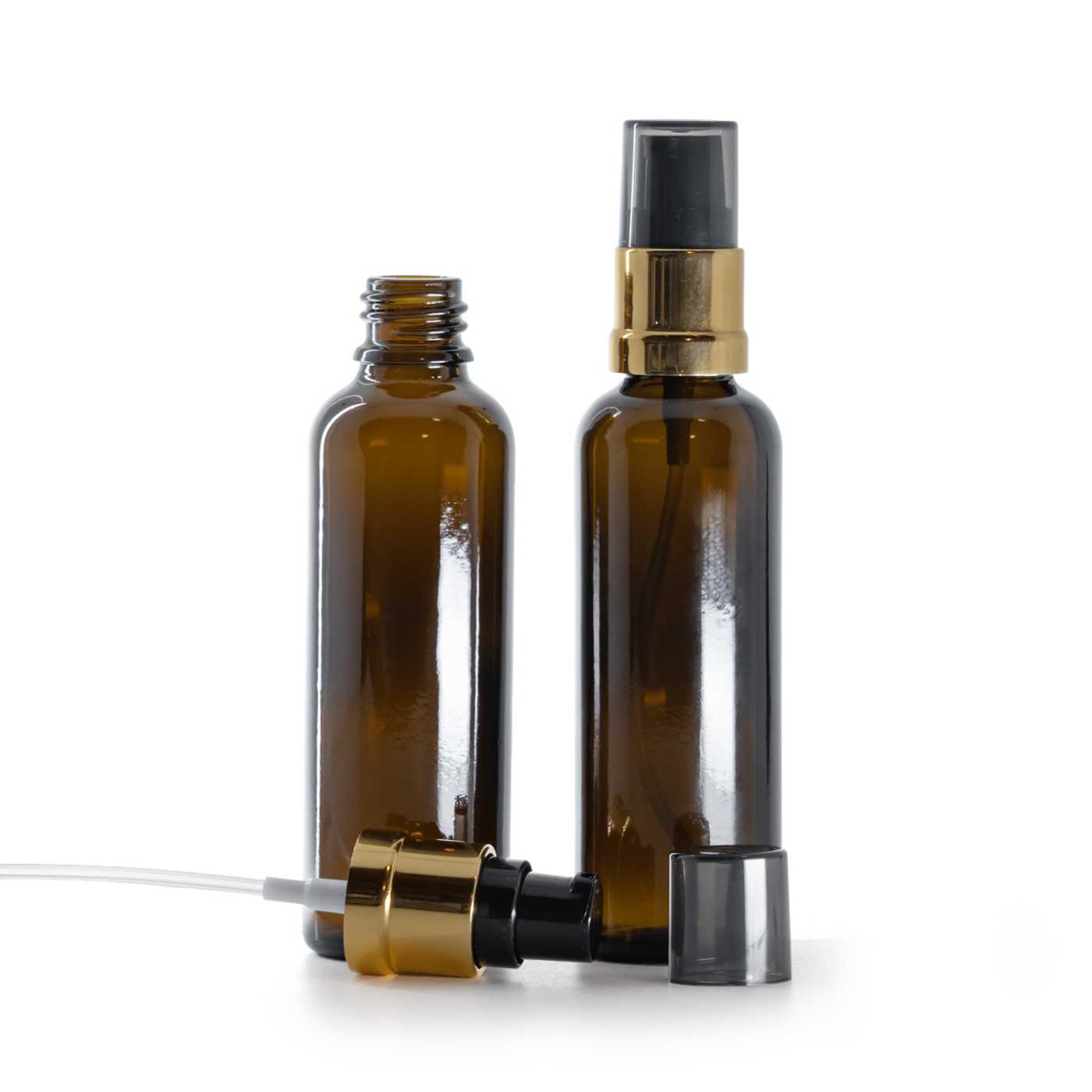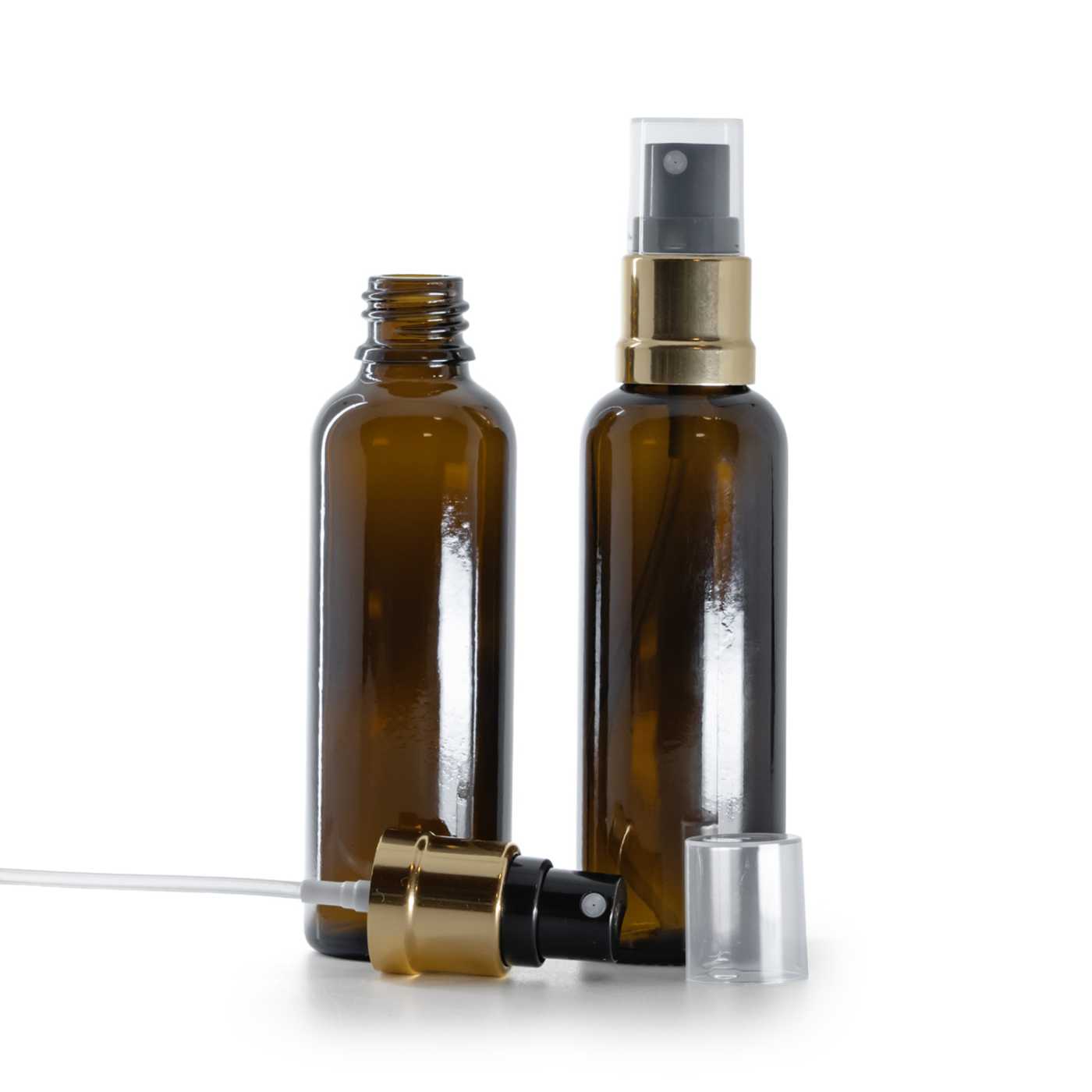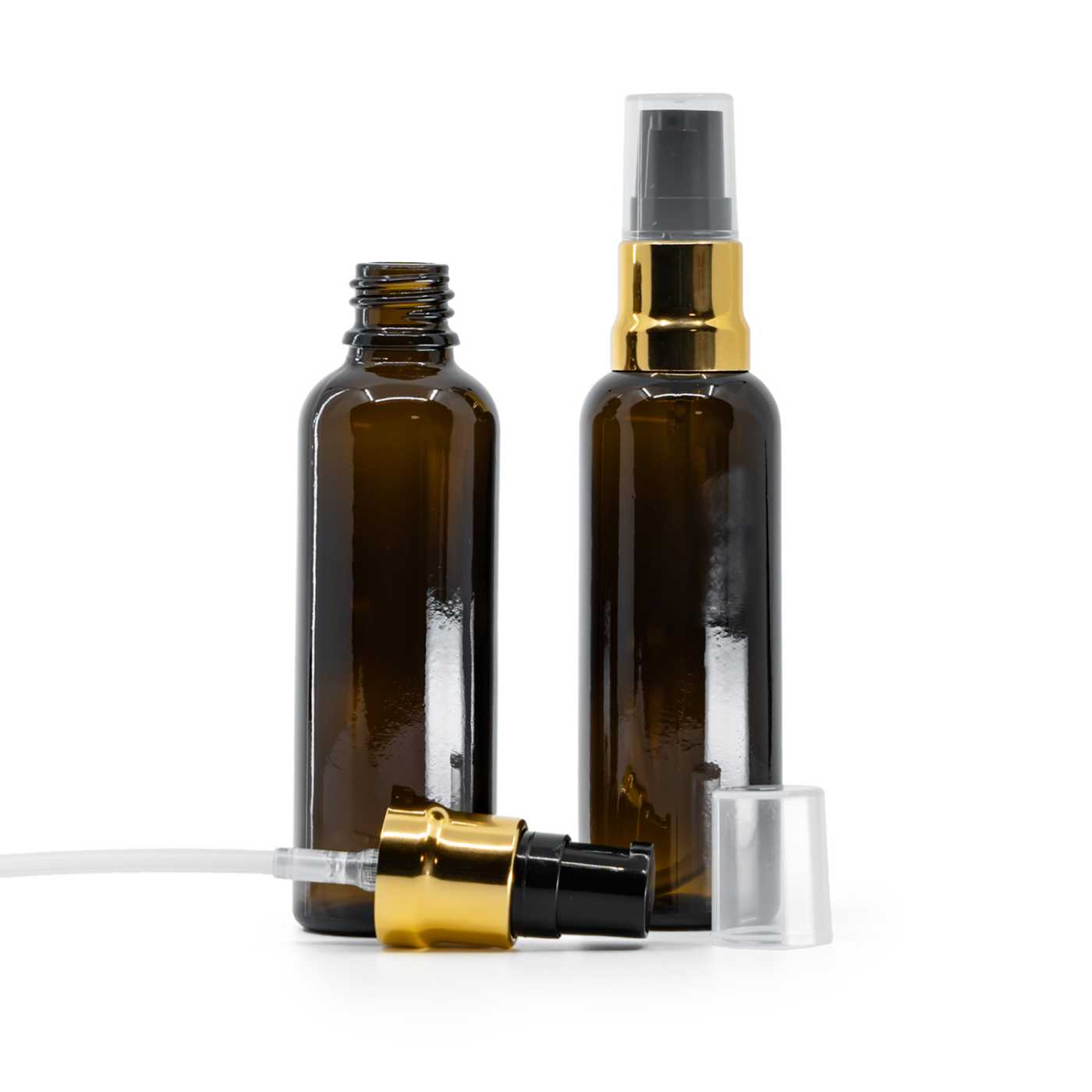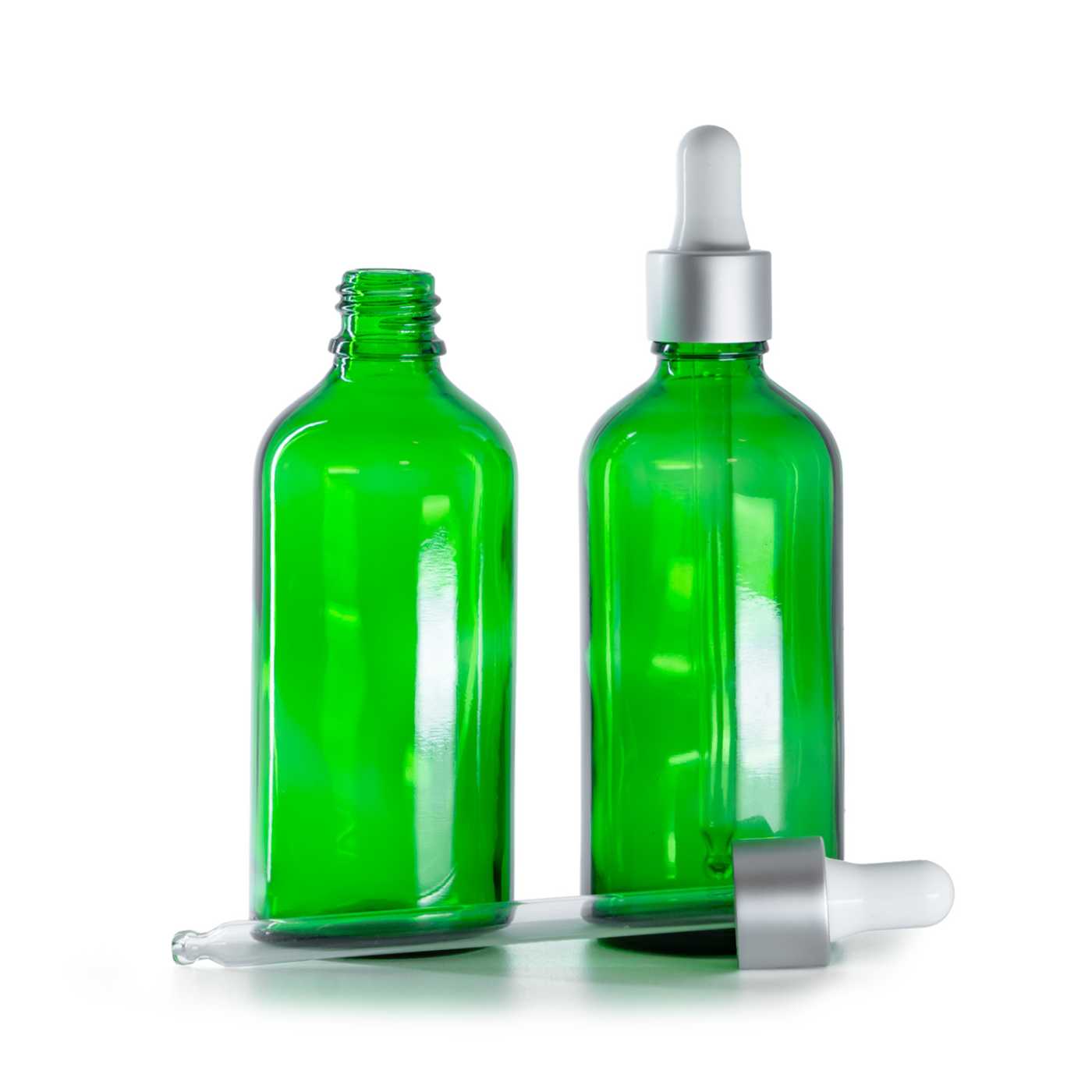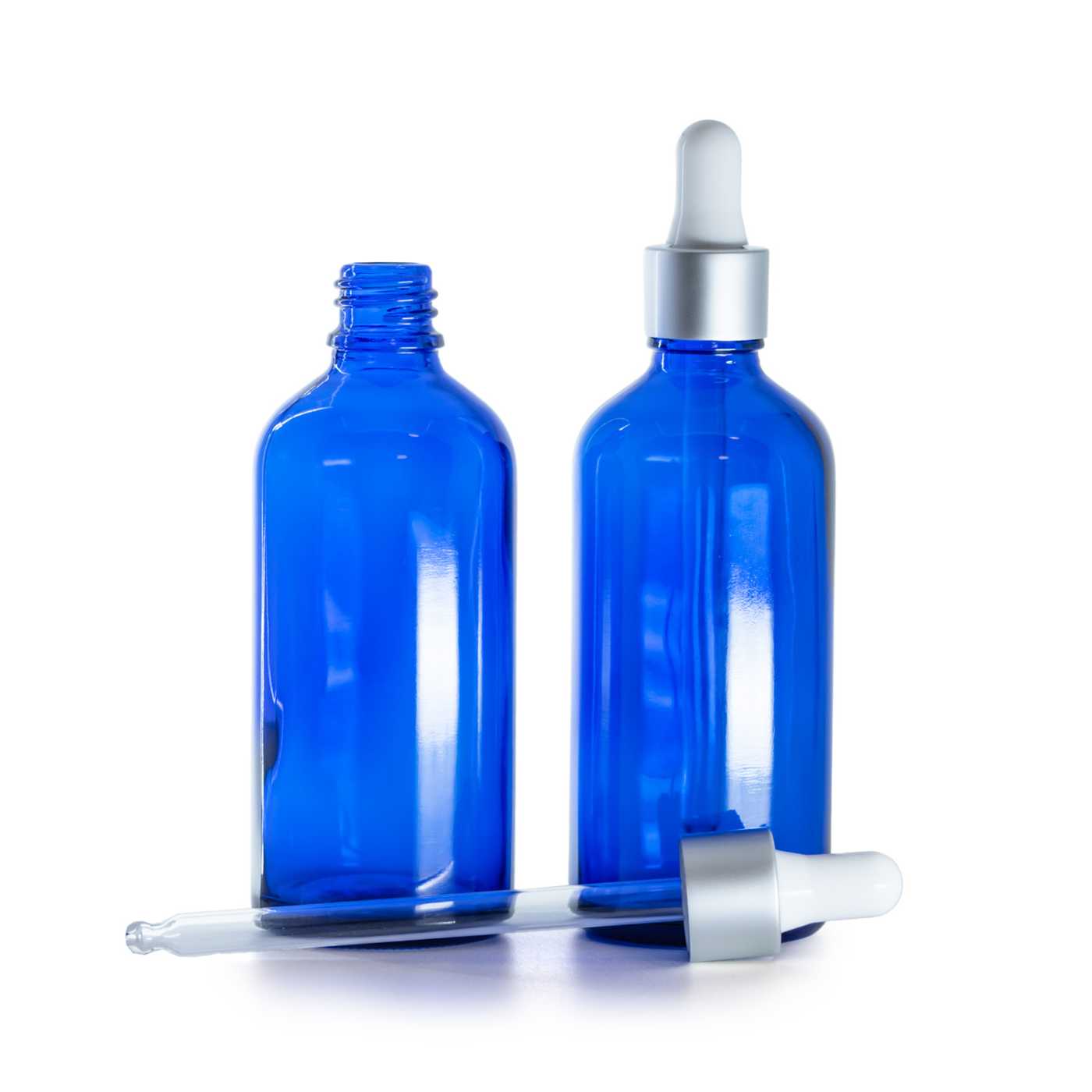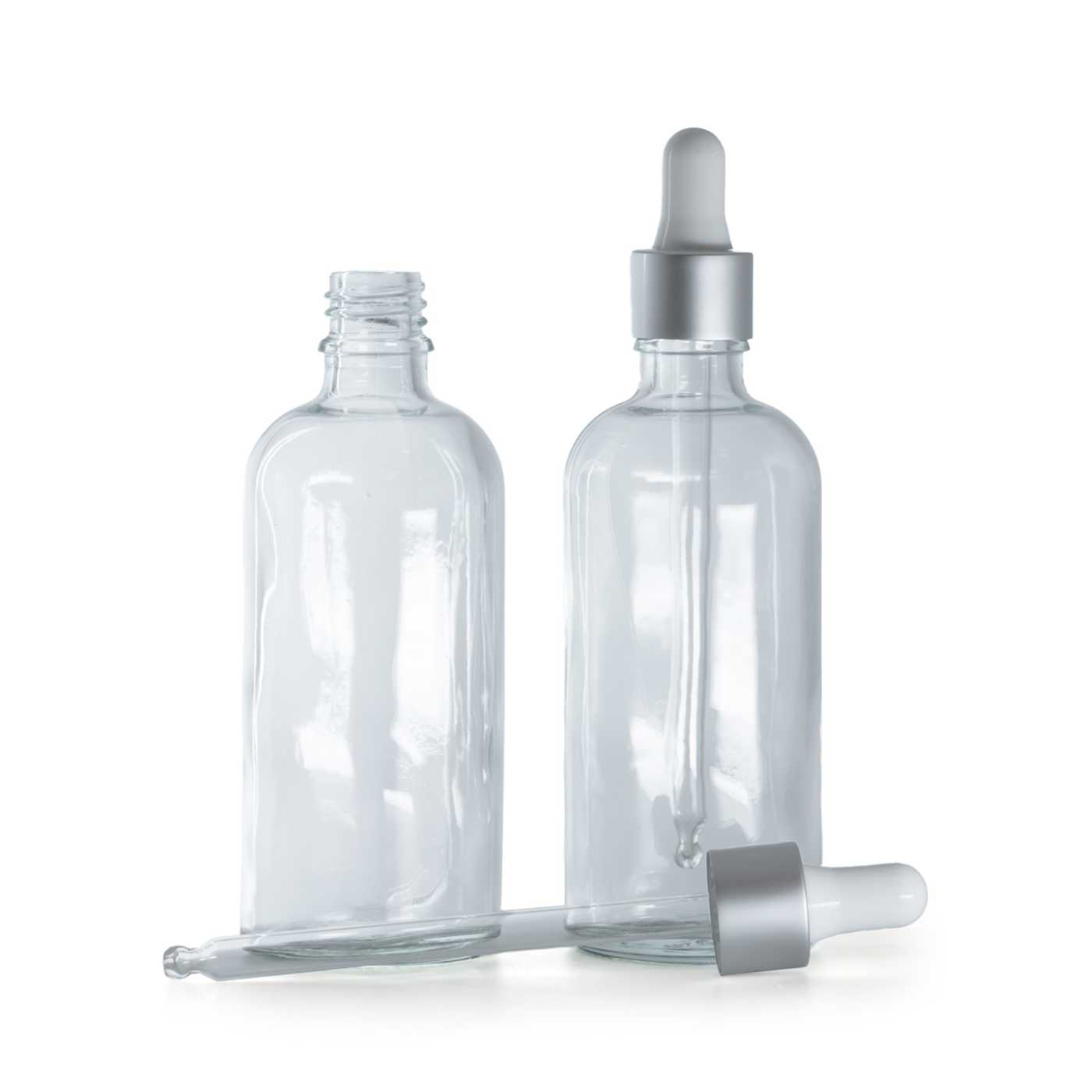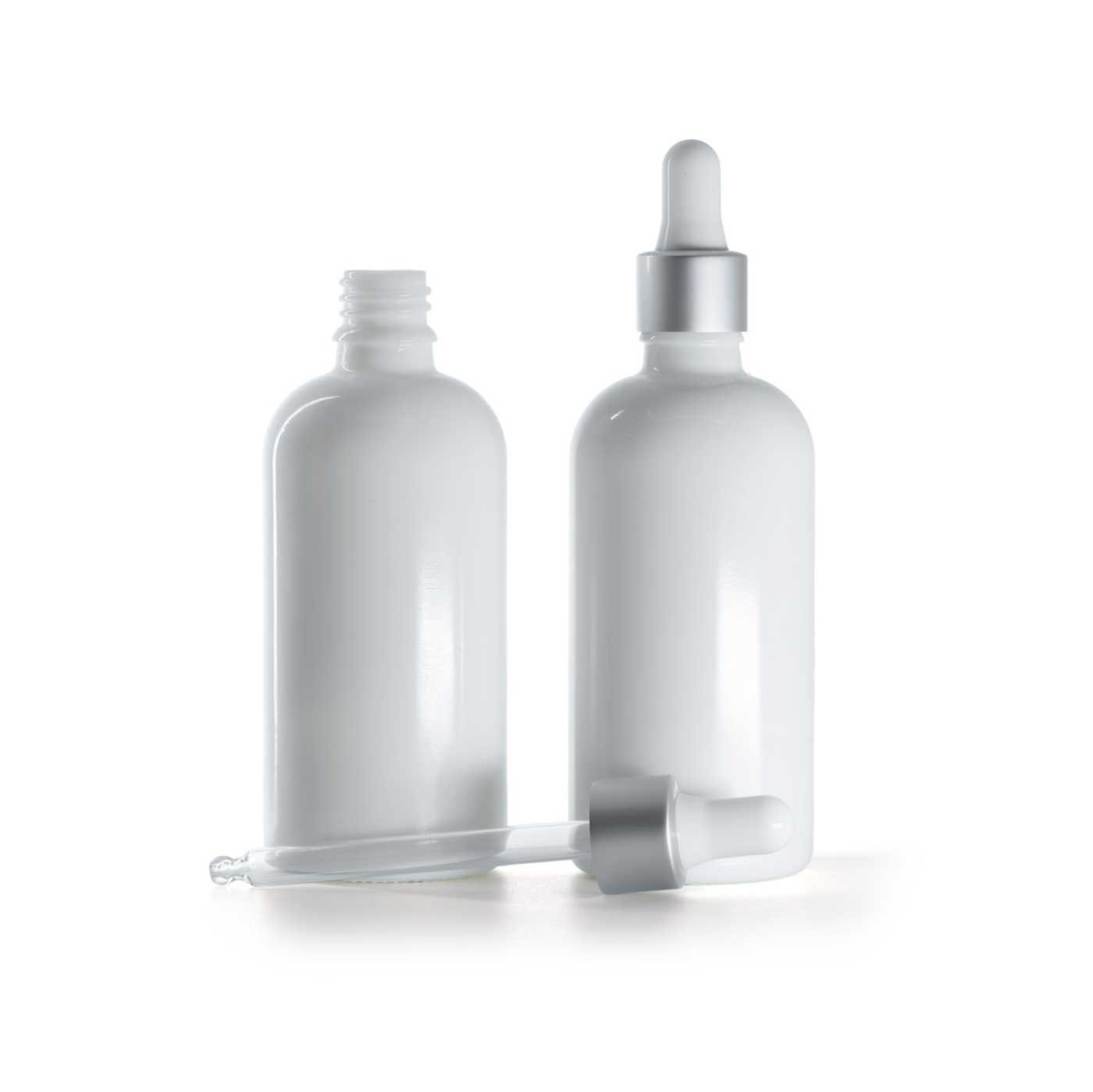
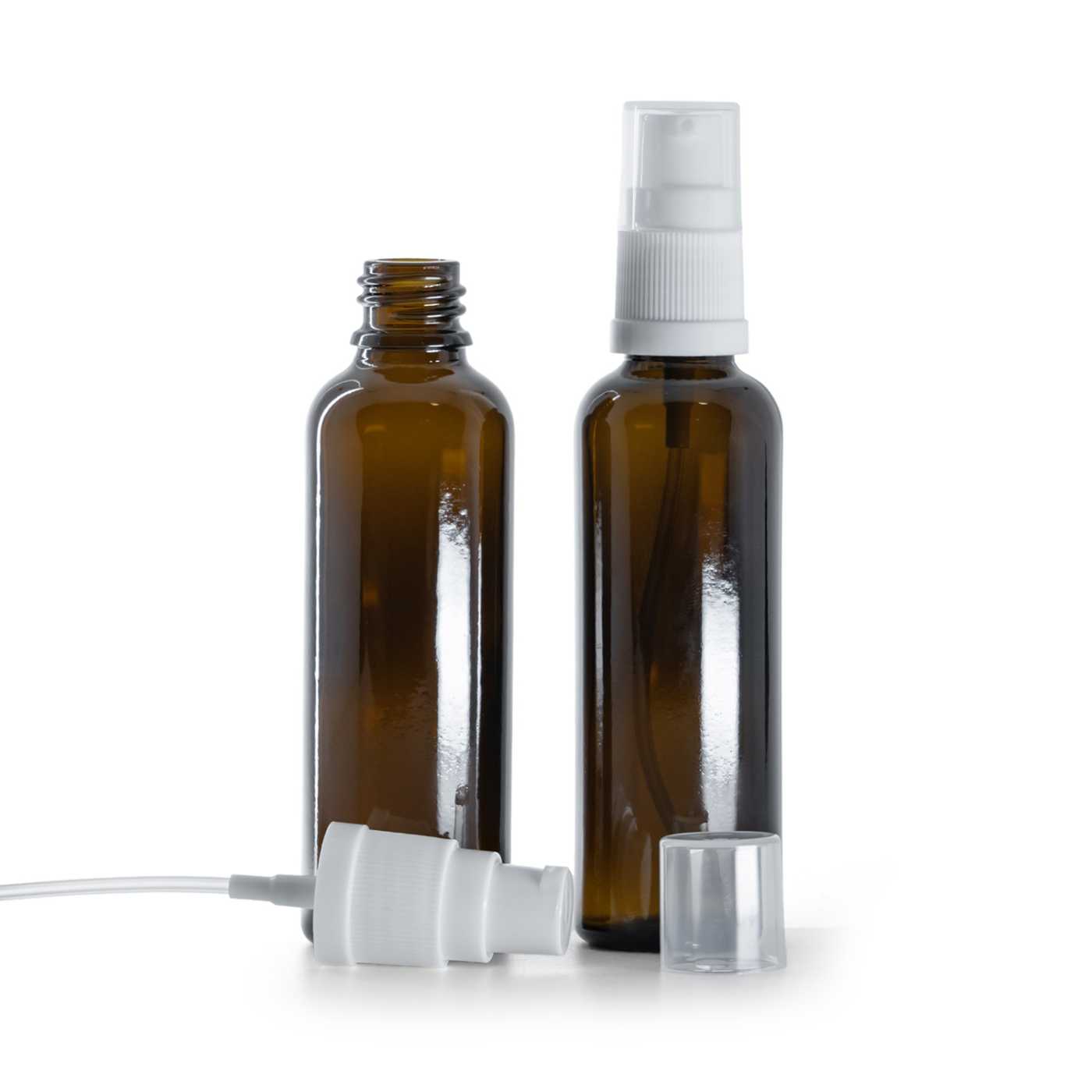
Amber Glass Bottle, Slim, White Lotion Pump, 50 ml
Pre-order€0.82

GLASS BOTTLES 50 ml
Pack size10 ml50 ml
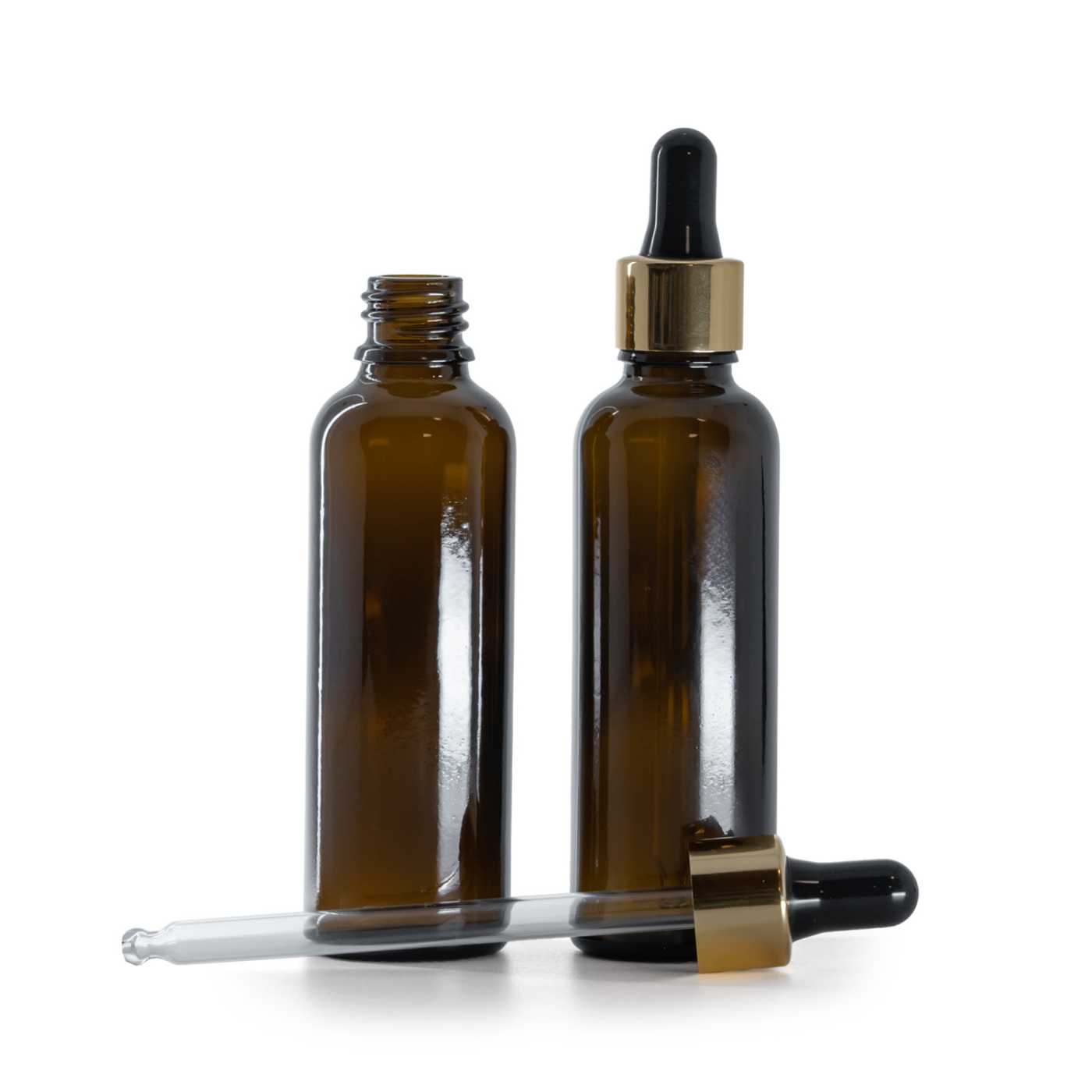
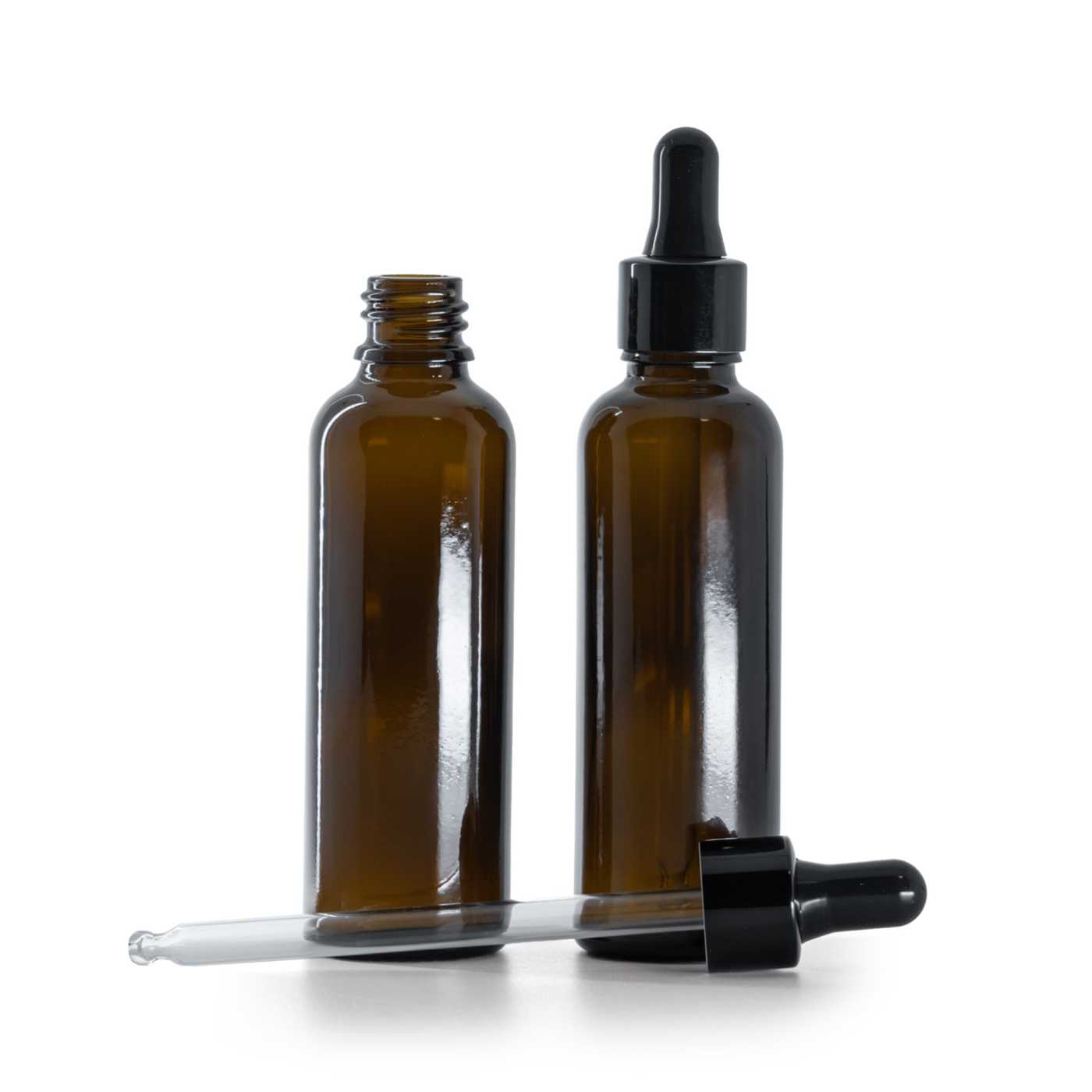
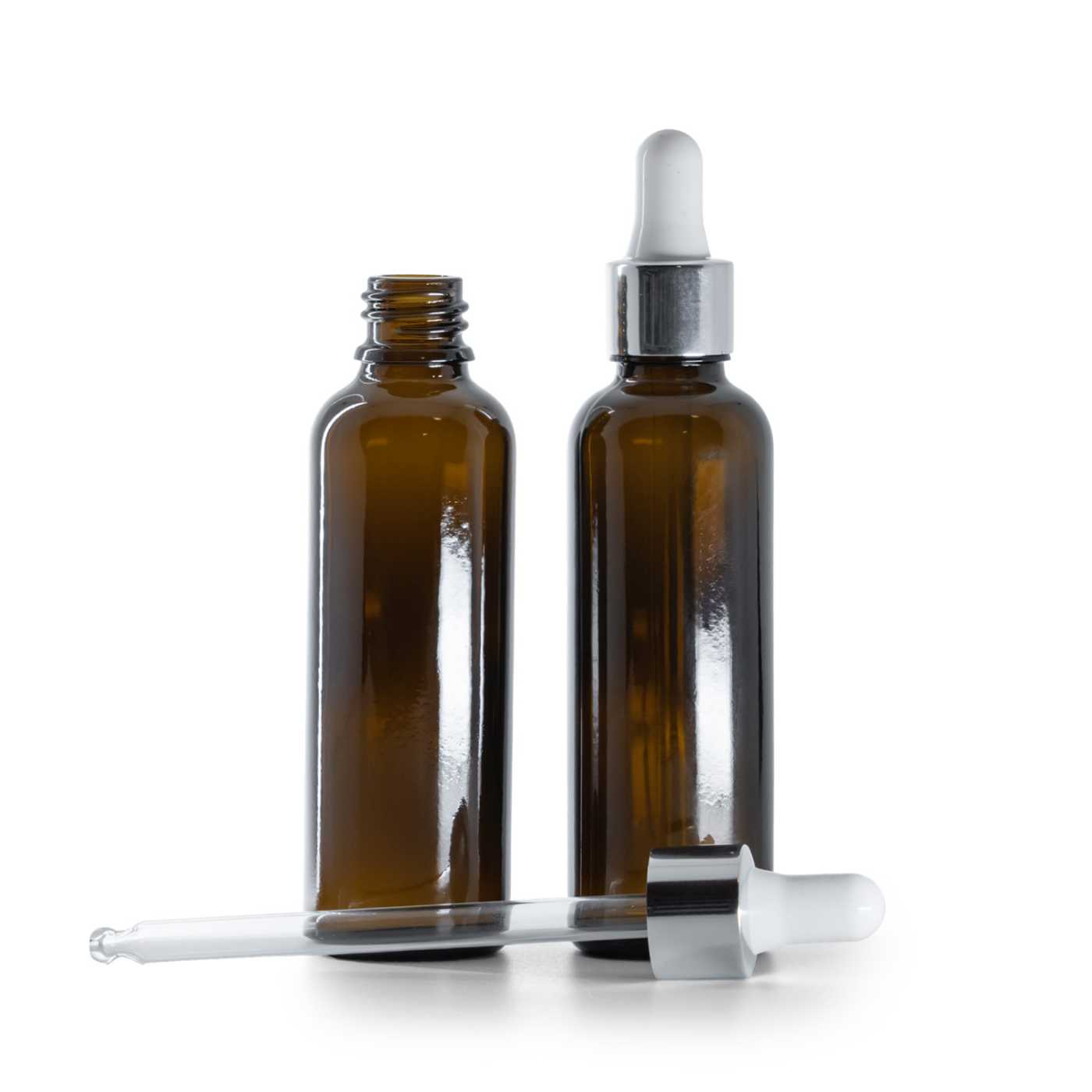
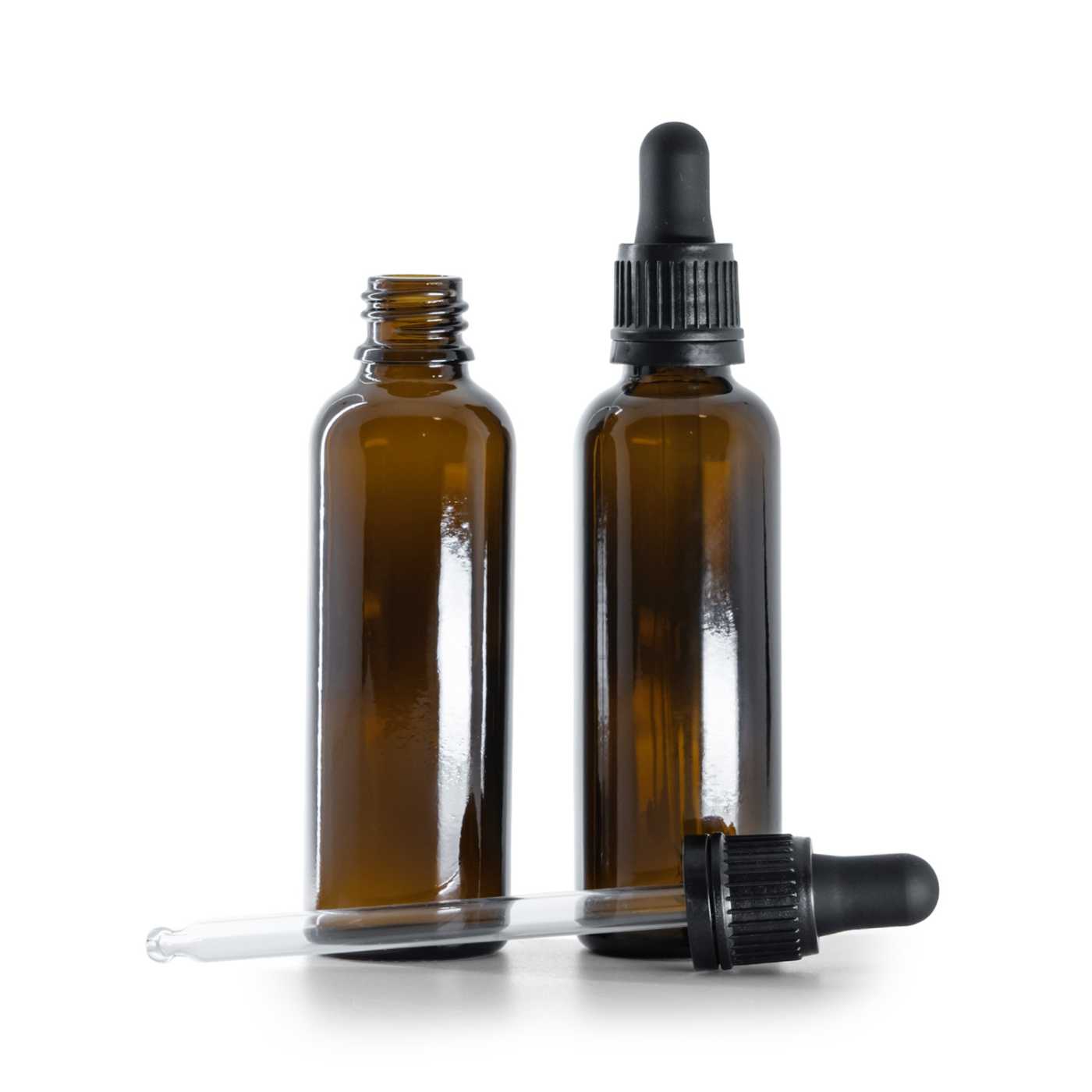
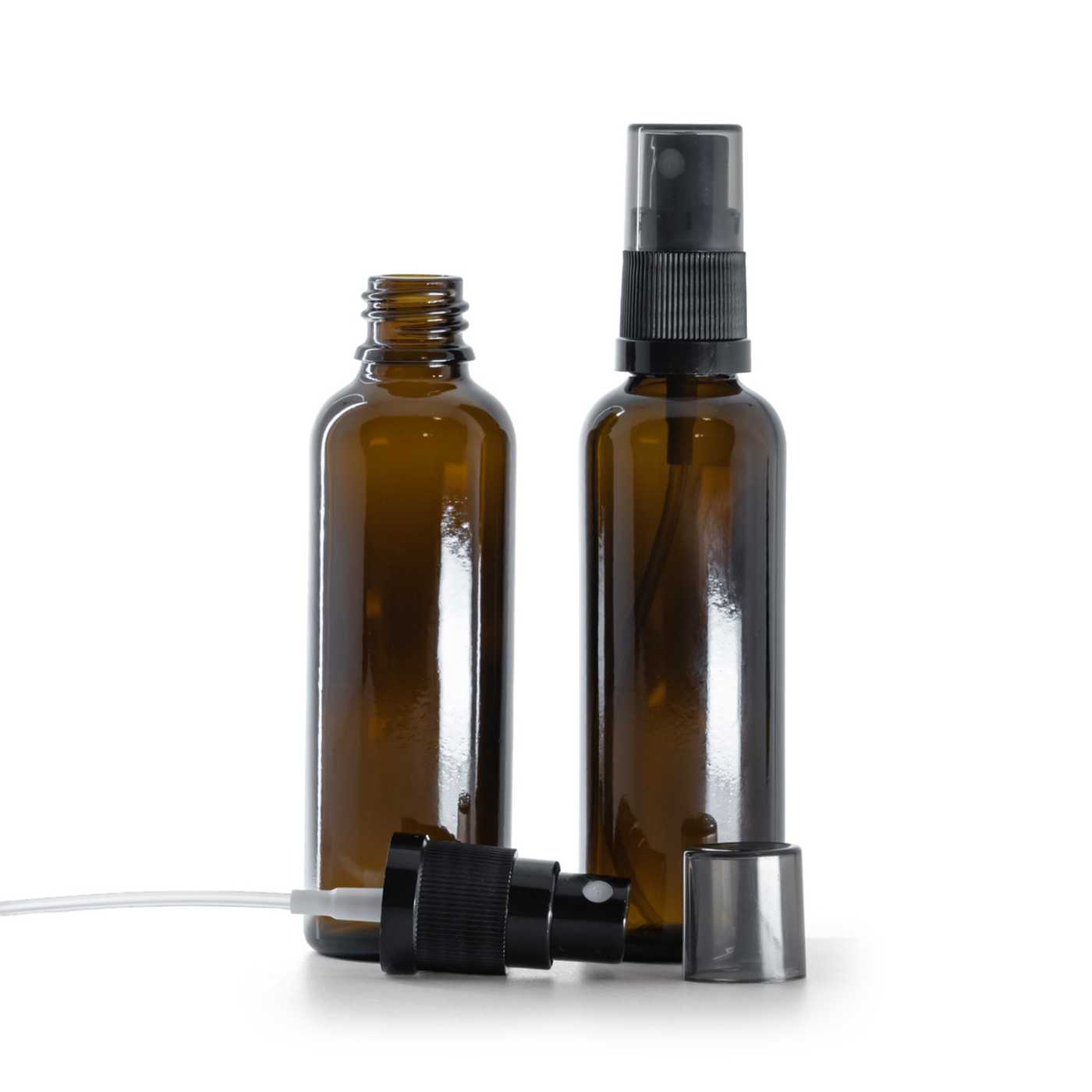
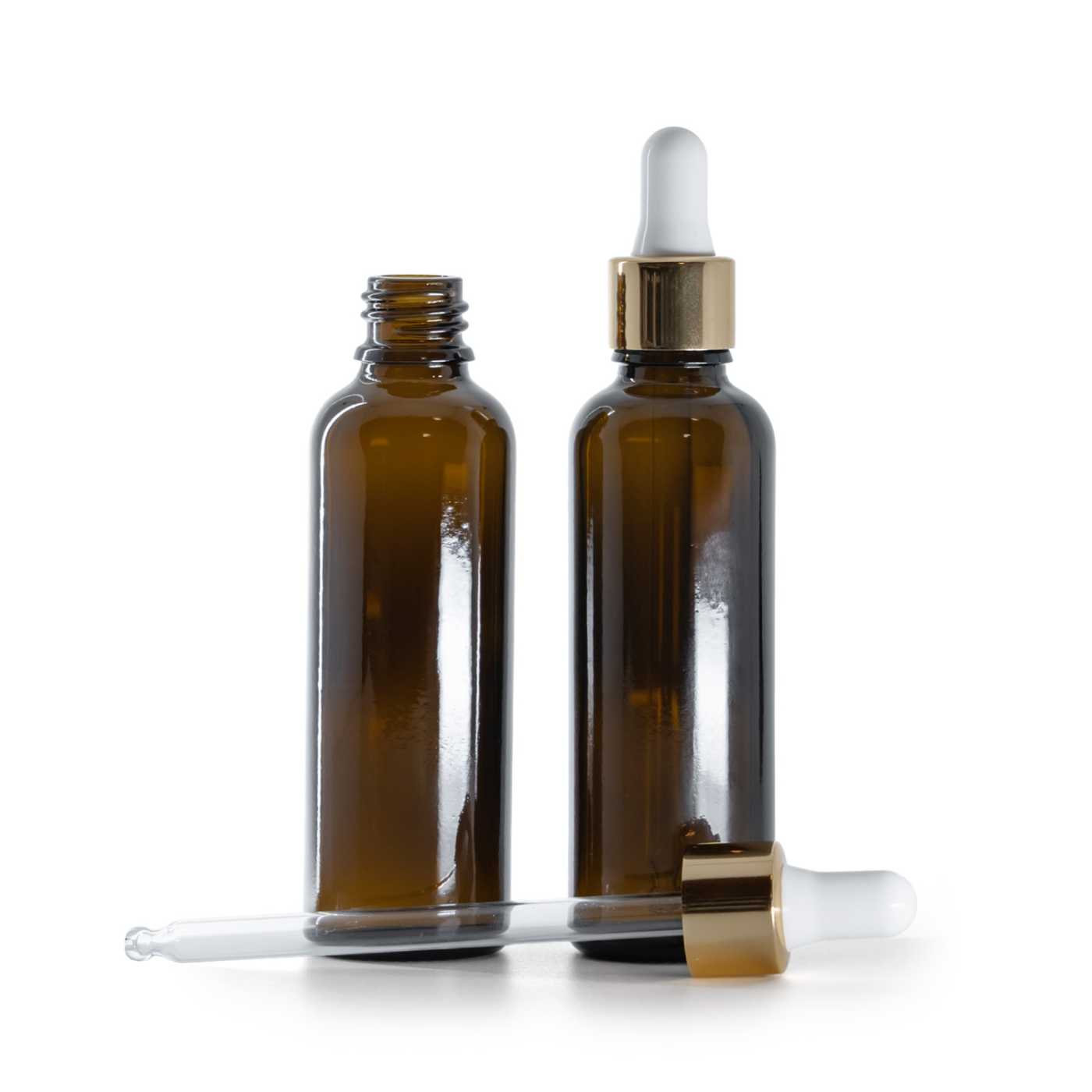
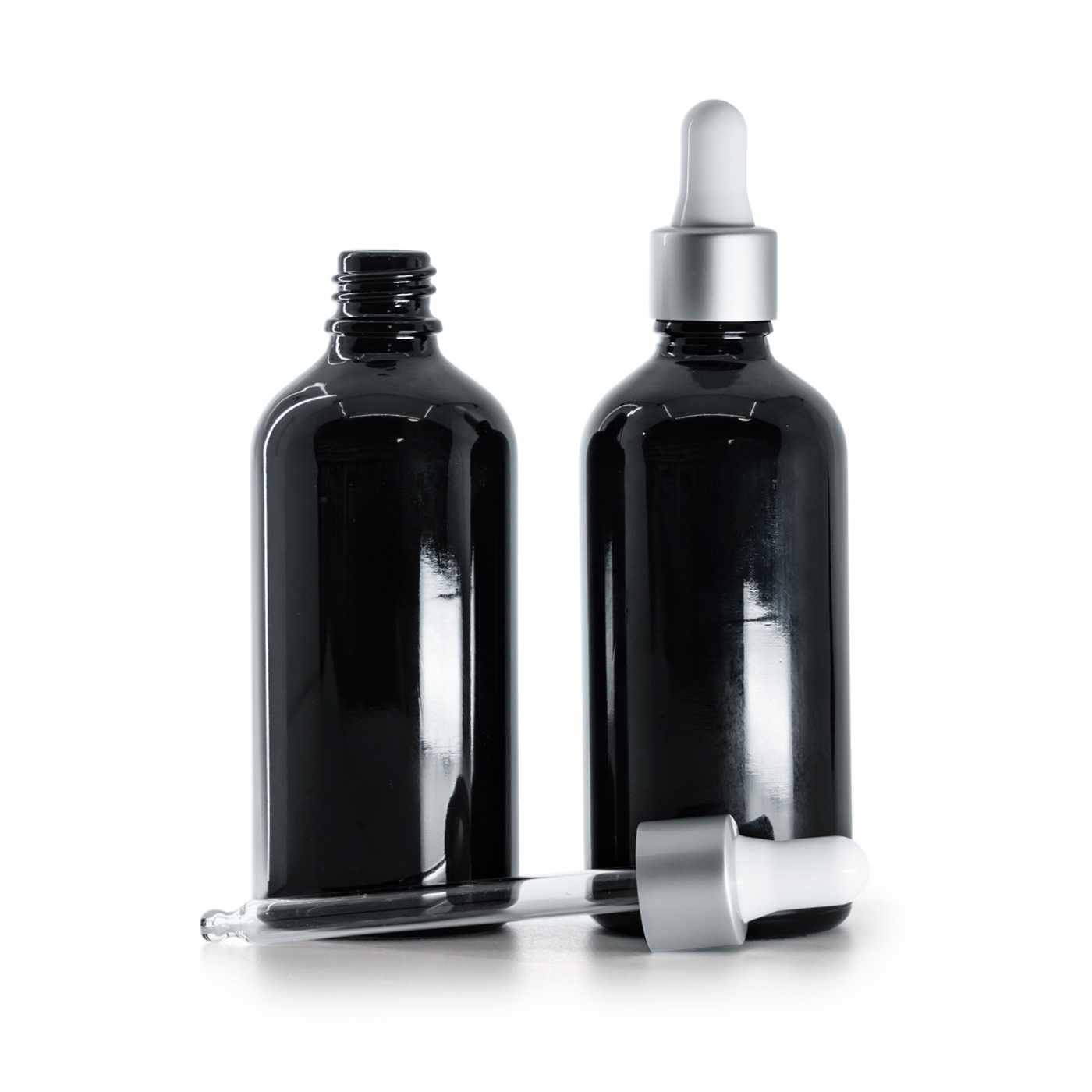
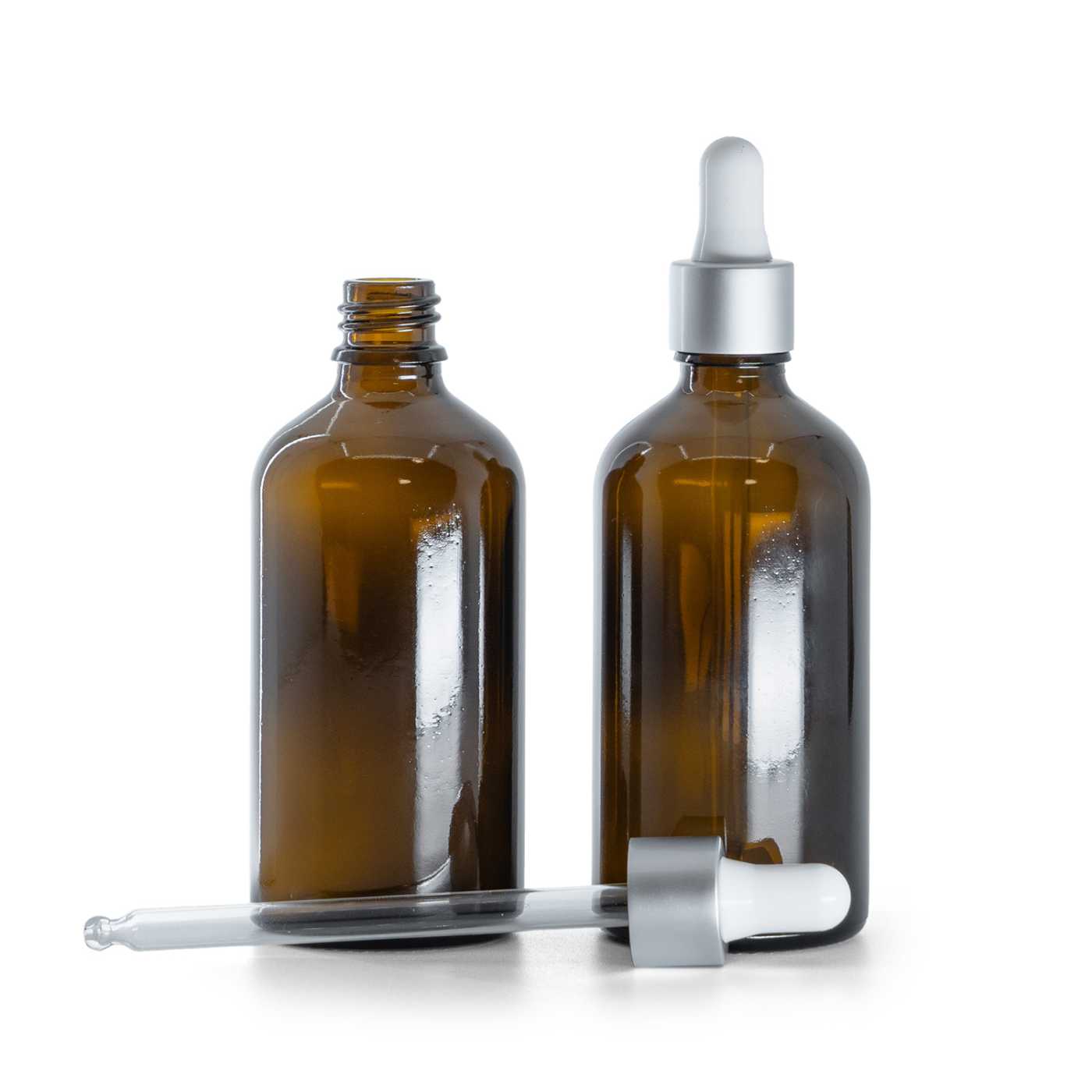
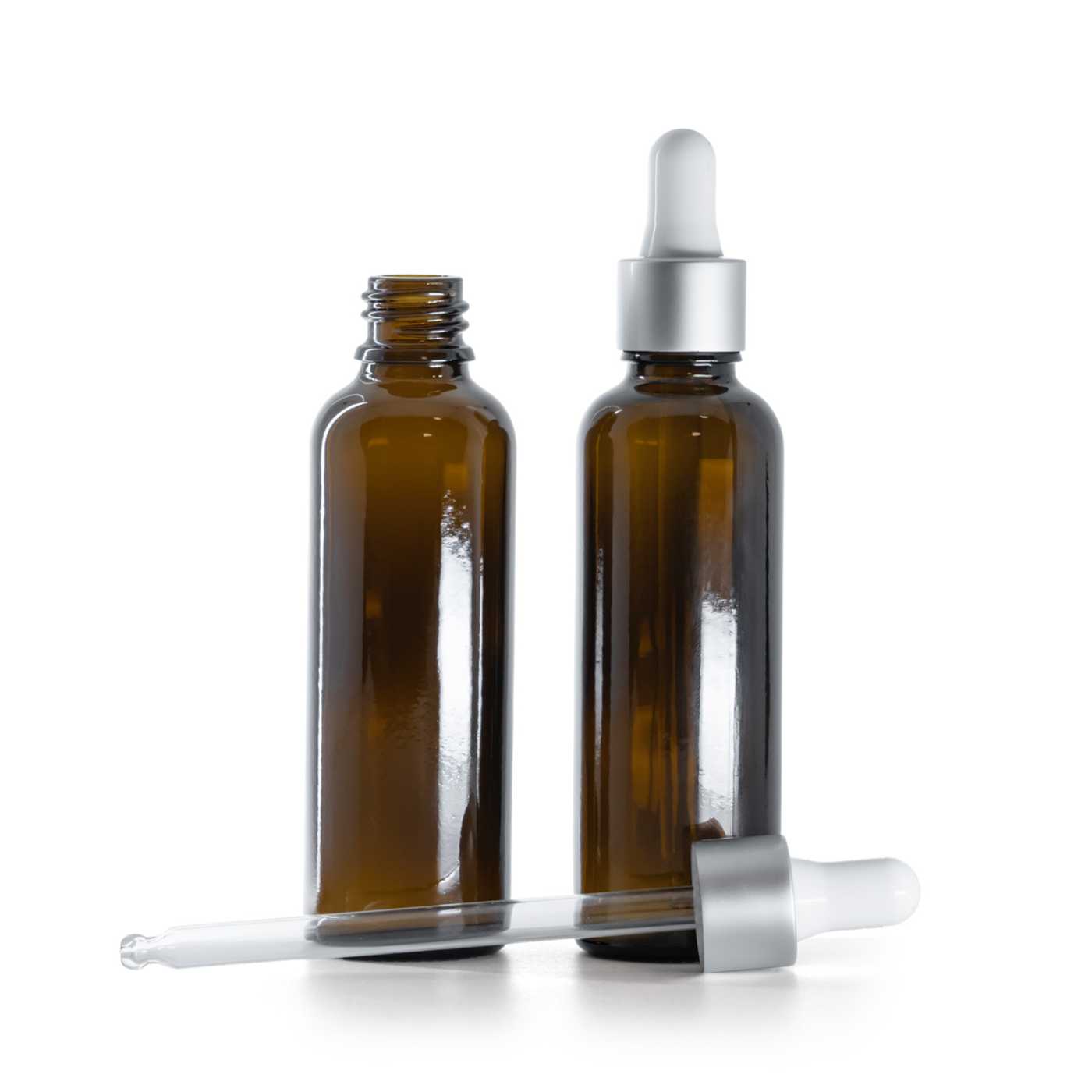
Amber glass medicine bottle, tall, matte silver dropper, 50 ml A ready-made combination of a 50 ml amber glass medicine bottle and a matte silver dropper for cosmetics that are dispensed drop by drop. full description
Lowest price in the last 30 days: €1.13
Total for 1 pcs: €1.13
Quantities add up across all combinations of this bottle.
A ready-made combination of a 50 ml amber glass medicine bottle and a matte silver dropper for cosmetics that are dispensed drop by drop. Amber glass filters light and so protects oils, serums and tinctures containing ingredients sensitive to light and oxidation. The dropper takes up exactly as much as you need, and the rest of the contents never come into contact with your hands.
The tall, slim shape of the medicine bottle sits comfortably in the hand and takes up little space on a shelf. The length of the dropper is matched to the height of the medicine bottle, so the glass tube reaches almost to the bottom and the contents can be used up without unnecessary leftovers. The matte silver finish of the closure goes well with the amber glass.
The set as a whole is declared suitable for contact with cosmetics. The glass medicine bottle on its own has a certificate for direct food contact, the dropper does not, so the set is intended for cosmetic products.
The nominal volume of 50 ml is the volume the medicine bottle is designed for in normal filling. The brimful capacity listed in the parameters is the physical volume up to the neck. The difference between them is a reserve for the glass tube of the dropper, which pushes part of the contents upwards when screwed in, and for the expansion of the contents with changes in temperature. The medicine bottle should therefore be filled up to the nominal volume. If it is overfilled, the contents leak out through the thread when it is closed and soil the closure.
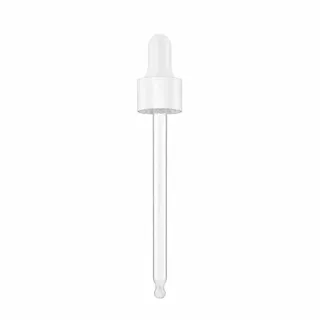
When the silicone part of the dropper is squeezed and then released, the tube draws in the contents, and drops are dispensed by squeezing it gradually. The drop size depends on the viscosity of the contents. Thin oils and water-based solutions form smaller drops, thicker serums larger ones. Therefore, test your dispensing instructions with your specific formulation and do not rely on a general number of drops per millilitre.
When filling viscous serums or oils, use a funnel or a syringe with a thicker needle and fill the medicine bottle up to the measured 50 ml. Screw on the dropper only after the contents have settled and air bubbles have disappeared from the neck.
Before the first filling, the medicine bottle and the dropper are washed, disinfected with isopropyl alcohol or ethanol and left to dry completely. Residual water in the glass tube or under the silicone part would otherwise get into an anhydrous filling. The same procedure applies to repeated use. Glass withstands repeated washing without any change in its properties; with the dropper, it is worth checking that the silicone part keeps its shape and that the glass tube is not cracked.
Glass does not react with essential oils, alcohol or acidic solutions, so the medicine bottle itself suits a wide range of fillings. The dropper consists of several materials: a glass tube, a silicone squeeze part, an aluminium shell of the closure and a plastic insert. For fillings with a high proportion of essential oils or solvents, we recommend checking the behaviour of the dropper over time, especially the tightness of the thread and the condition of the silicone after longer contact with the contents.
When working with glass, avoid sudden temperature changes. A hot oil phase poured into a cold medicine bottle may crack the glass, so only fill the bottle once the contents have cooled to close to room temperature.
The set as a whole does not have a certificate for food contact. For homemade oils or syrups, use the medicine bottle on its own with a closure that has a food-contact certificate. Keep this set with the dropper for cosmetics.
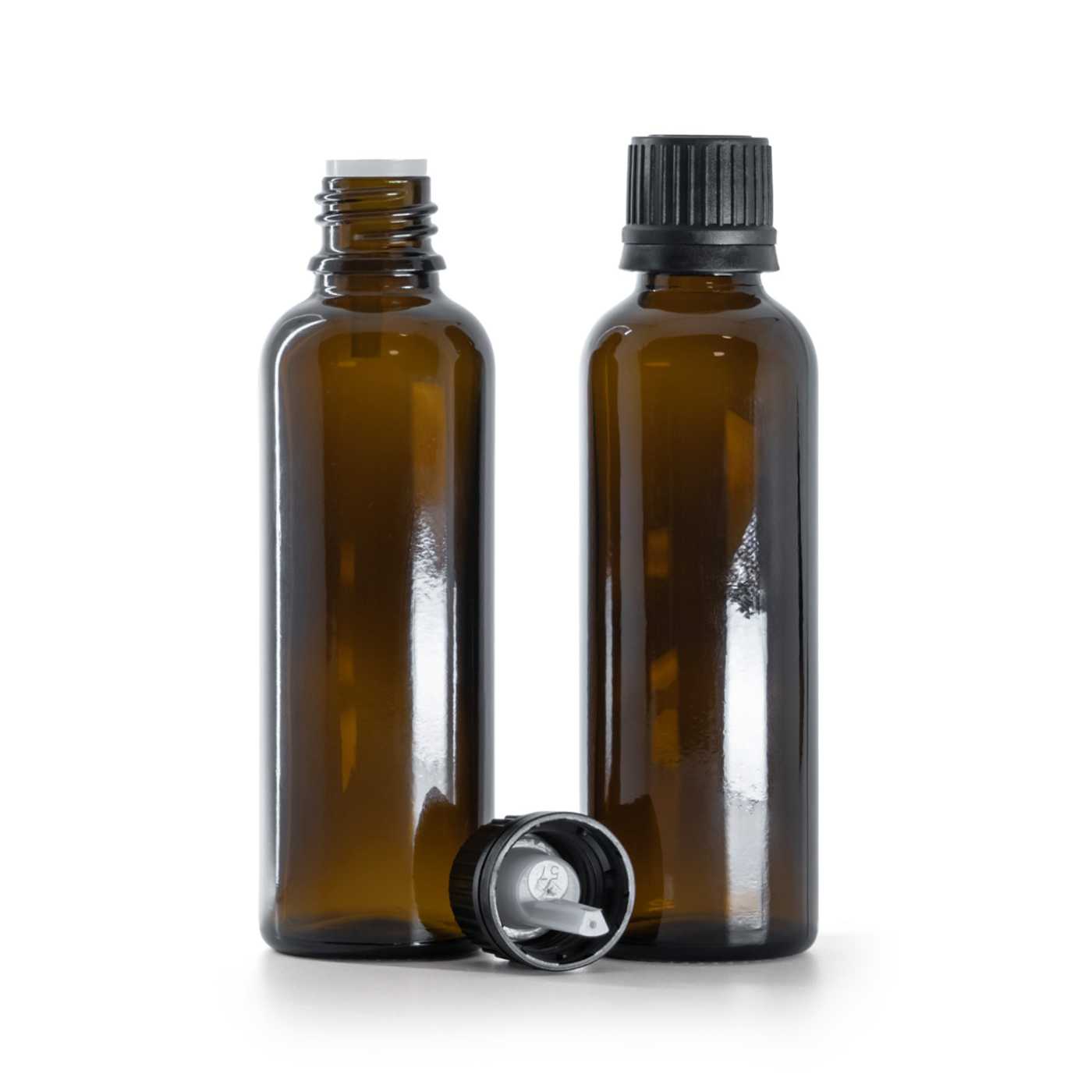
The medicine bottle has an 18/410 neck finish. You will find other closures with the same neck type and ready-made combinations in the Handymade range. When making your own combination, we recommend checking the tightness, dispensing and behaviour of the packaging with your specific formulation. The empty medicine bottle can be recycled with glass waste. The dropper combines glass, metal, silicone and plastic, so it should be separated from the medicine bottle before disposal.
Only customers with a delivered order can write reviews.