
+421 950 333 113info@handymade.storeHandymade Days: −10 % on all ready-made productsShop now

ACTIVE INGREDIENTS

Bisabolol Alfa Natural 95%, 10 ml

Pack size10 ml100 ml500 ml1 l

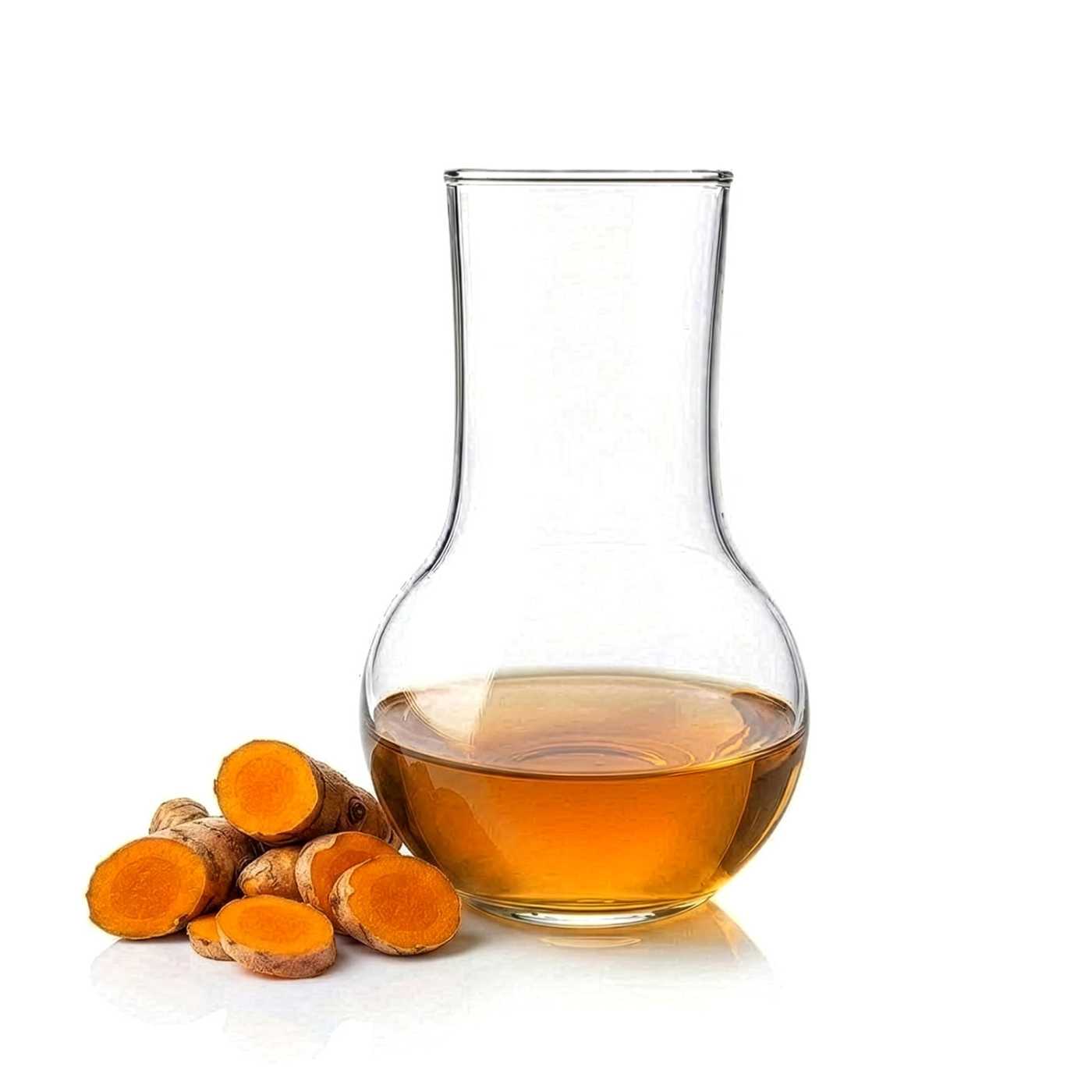
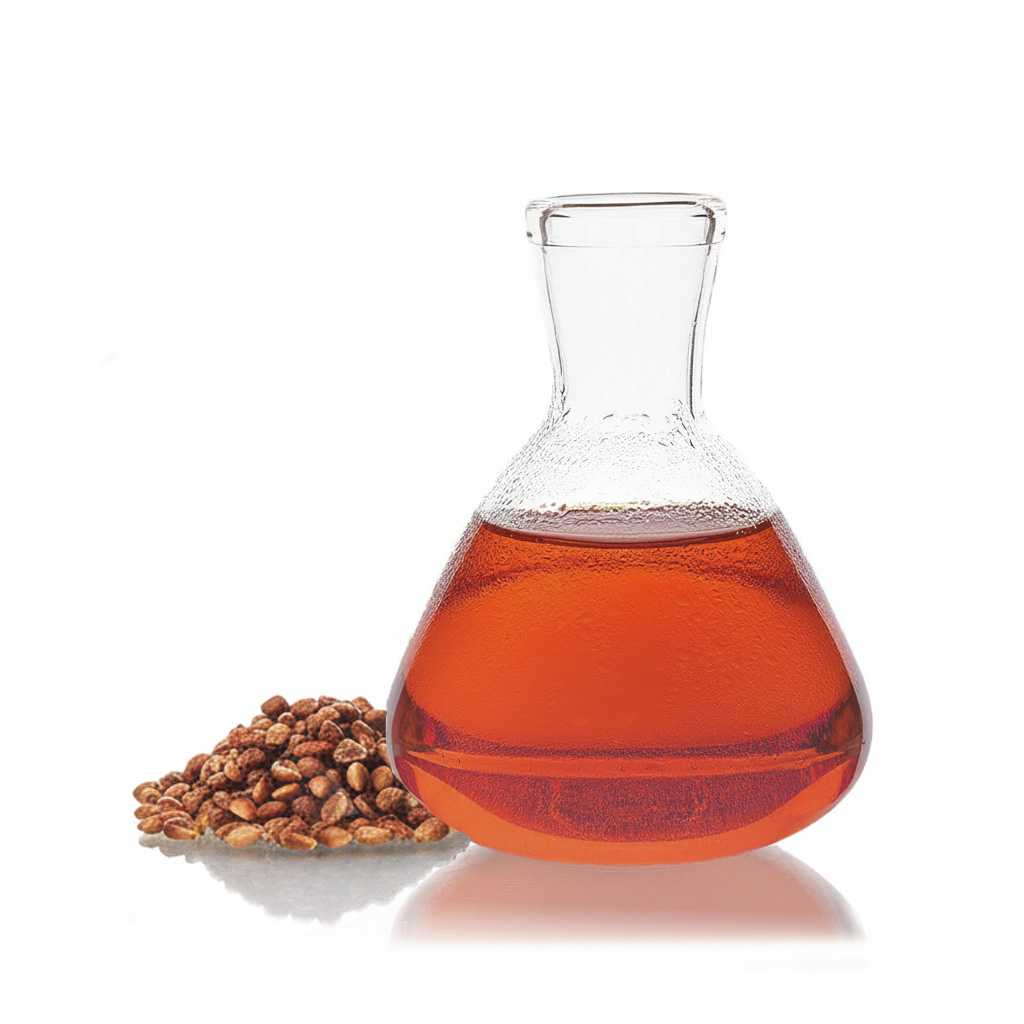
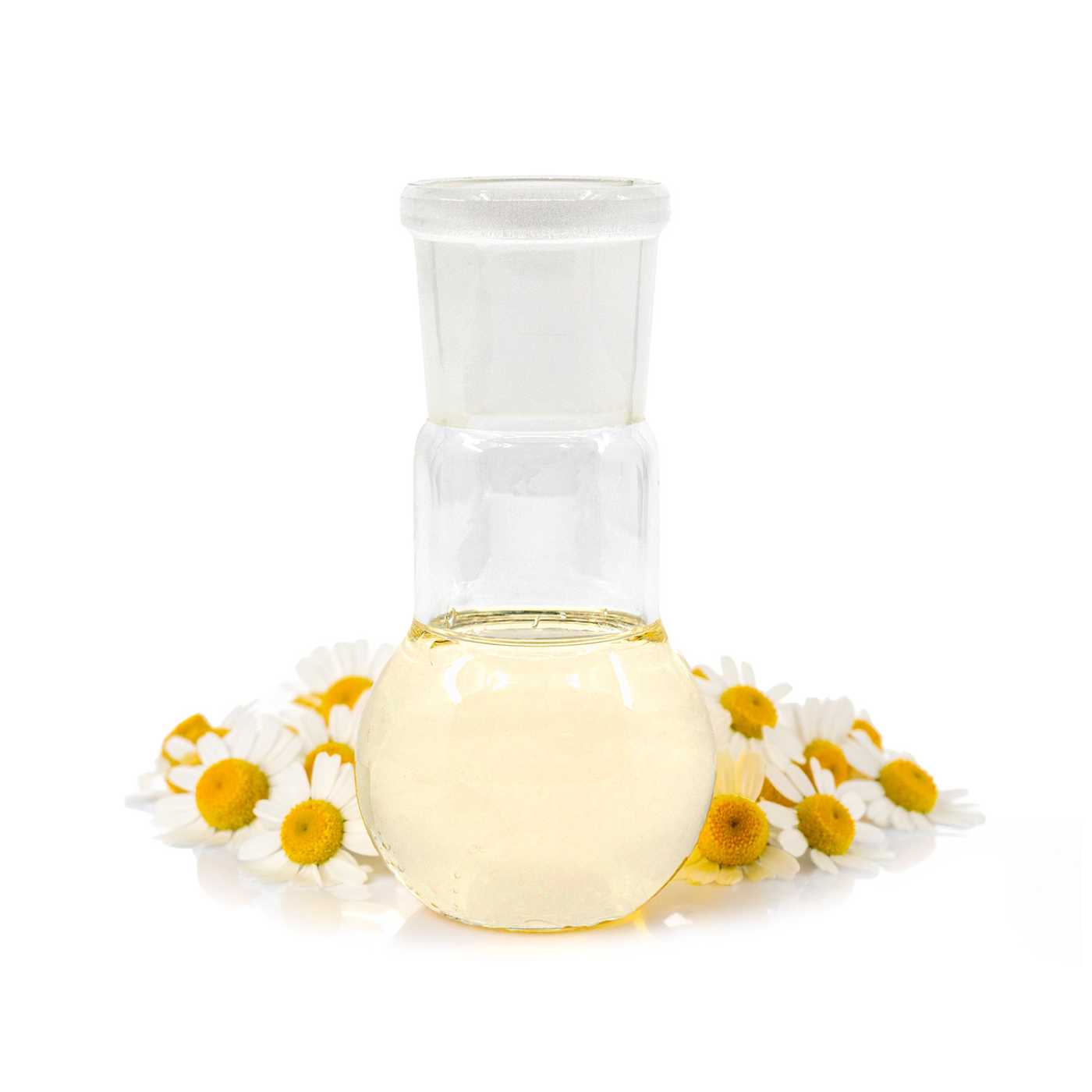
Bisabolol Alfa Natural 95% is natural alpha-bisabolol, a soothing active ingredient for cosmetics designed for sensitive and irritated skin. It is obtained from the wood of the candeia tree (Eremanthus erythropappus). full description

AvailabilityIn stock · 35 packs
Product codeAD003_10
Batch20488
Best before04/2028
€5.99incl. VAT€599.00/l

Lowest price in the last 30 days: €5.99

Product description

Bisabolol Alfa Natural 95% is natural alpha-bisabolol, a soothing active ingredient for cosmetics designed for sensitive and irritated skin. It is obtained from the wood of the candeia tree (Eremanthus erythropappus). It reduces redness and also acts as an antioxidant. It is added to creams, serums, face oils, deodorants and aftershave products.


How it works on the skin

Bisabolol is known in cosmetics mainly for its soothing effect. It reduces the signs of irritation and redness, which makes it useful in products for sensitive and problem skin and in aftershave care. It is also used in scalp care, where it helps keep the scalp balanced.

It also acts as an antioxidant. It helps the skin cope with free radicals created by environmental exposure. It is also found in products for mature skin.

It may leave a mild warming sensation on the skin. This suits massage oils and creams.


Key benefits

  • Soothing the skin – reduces irritation and redness, suitable for products for sensitive skin and the scalp.
  • Antioxidant action – supports the skin’s protection against environmental influences.
  • Plant origin – obtained by distillation from wood, a vegan ingredient free of the fragrance allergens listed in Annex III of the Cosmetic Products Regulation.
  • Wide pH range – can be used in formulations with a pH of 4–9.

Natural and synthetic bisabolol

The main difference is in the effect. Natural bisabolol is the form of the molecule that the plant produces and that is also known from chamomile. Synthetic bisabolol is created as a mixture of several forms. Natural bisabolol is considered more effective.

This bisabolol comes from wood. An oil is obtained from wood chips by steam distillation. Bisabolol itself is then separated from the oil by fractional distillation and removal of terpenes.


Use in formulations

Bisabolol belongs in the oil phase. It is practically insoluble in water (less than 0.1 g/l) and mixes with oils and ethanol. In anhydrous products, such as face or massage oils, it is mixed directly into the oils. For purely water-based and cleansing products, it must first be dissolved in an oil, a solubiliser or a surfactant base, otherwise it will not be incorporated.

It is processed below 40 °C. In emulsions, it is added only once the cream or lotion has cooled, together with other heat-sensitive ingredients, for example tocopherol or panthenol. The ingredients are added one at a time and the emulsion is mixed thoroughly after each one.

The usual usage rate in the finished product is 0.1–0.5%, and up to 1% for a more pronounced soothing effect. In scrubs and cleansing foams, 0.1–0.35% is used, while higher rates are usual in serums and deodorants.

It has little effect on the final product. The ingredient has a sweet woody odour, but at the usual usage rate the product does not smell of it and its appearance does not change.

In formulations, it is most often combined with tocopherol, glycerine, allantoin, panthenol, jojoba oil and squalane. In anhydrous and oil-based products, it is complemented by lecithin and Polyglyceryl-3 Polyricinoleate.


Suitable for products such as

  • Serums and face oils – a soothing ingredient in the care of sensitive and reddened skin.
  • Creams and lotions – for the face, body, hands and the eye area.
  • Deodorants – to soothe the skin in the underarm area.
  • Shaving and aftershave products – reduce skin irritation.
  • Scrubs and micellar foams – at lower rates.
  • Scalp care – hair oils, serums and shampoos.
  • Massage oils and creams – with a mild warming sensation.
  • Baby cosmetics and intimate hygiene – both rinse-off and leave-on products.

Good to know

Bisabolol is sensitive to oxidation. Air, heat and light gradually convert it into bisabolol oxides. Do not overheat it during processing and do not combine it with strong oxidising agents. It has no compatibility restrictions with common cosmetic ingredients.

The ingredient itself is classified under the CLP Regulation and carries the GHS07 and GHS09 pictograms. When working with it, avoid contact with the skin and eyes and ensure ventilation.


Frequently asked questions

Is bisabolol soluble in water?
No, bisabolol is practically insoluble in water. It dissolves in oil and mixes with ethanol. It is added to the oil phase of emulsions or to anhydrous oil-based products. For purely water-based and cleansing products, it must first be dissolved in an oil, a solubiliser or a surfactant base, otherwise it will not be incorporated.
What is the usage rate of bisabolol in a cream or serum?
In a finished cosmetic product, bisabolol is most often used at 0.1–0.5%. For a more pronounced soothing effect, the rate can be increased to a maximum of 1%, which is common in serums and deodorants. Lower rates of 0.1–0.35% are used in scrubs and cleansing foams.
When is bisabolol added to an emulsion?
Bisabolol is added to the emulsion once it has cooled below 40 °C. It is incorporated together with other heat-sensitive ingredients, for example tocopherol or panthenol. The emulsion is mixed thoroughly after each ingredient. Overheating should be avoided, because bisabolol is sensitive to heat and oxidation.
What is the difference between natural and synthetic bisabolol?
Natural bisabolol is considered more effective than synthetic bisabolol. It consists of the form of the molecule that the plant produces, while synthetic bisabolol is a mixture of several forms. Bisabolol Alfa Natural 95% is natural. It is obtained from the wood of the candeia tree by steam distillation followed by fractional distillation.
Can bisabolol be replaced with chamomile essential oil?
Bisabolol can only partially be replaced with chamomile essential oil. German chamomile essential oil of the alpha-bisabolol chemotype contains bisabolol as its main component. When replacing it, you need to take into account its actual content in the oil and adjust the rate accordingly. The essential oil will also bring its own fragrance and other components into the product.
Will bisabolol affect the fragrance or colour of the product?
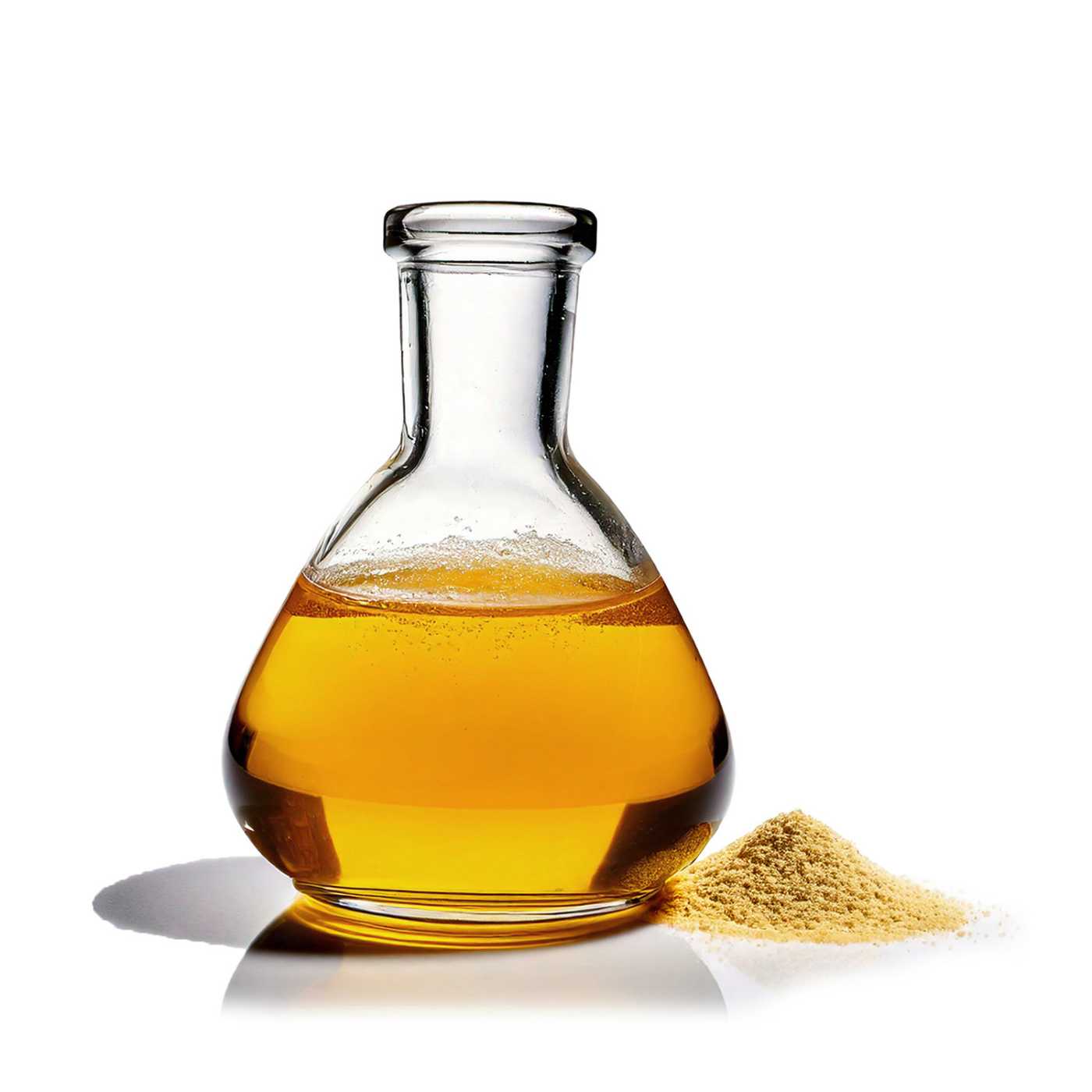
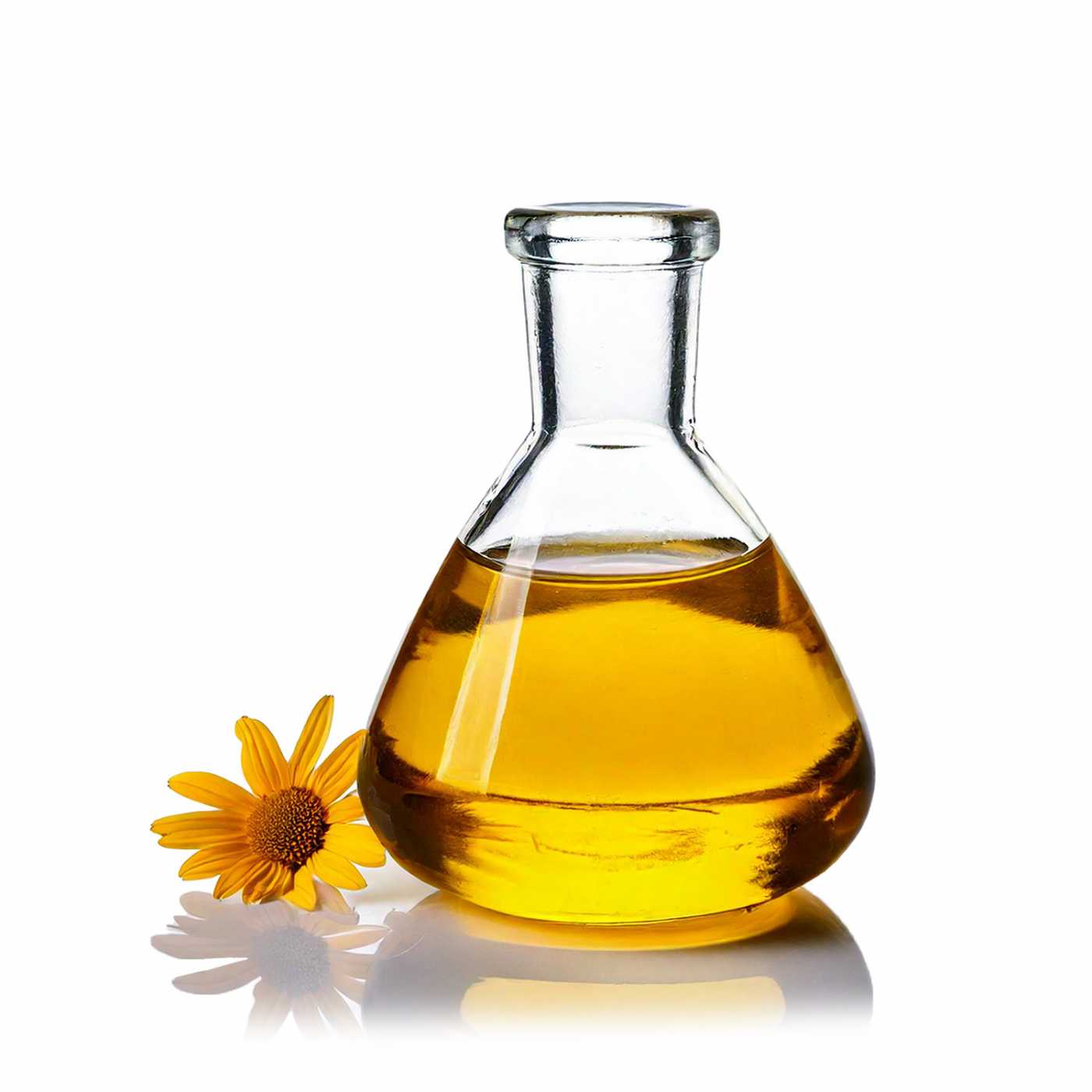
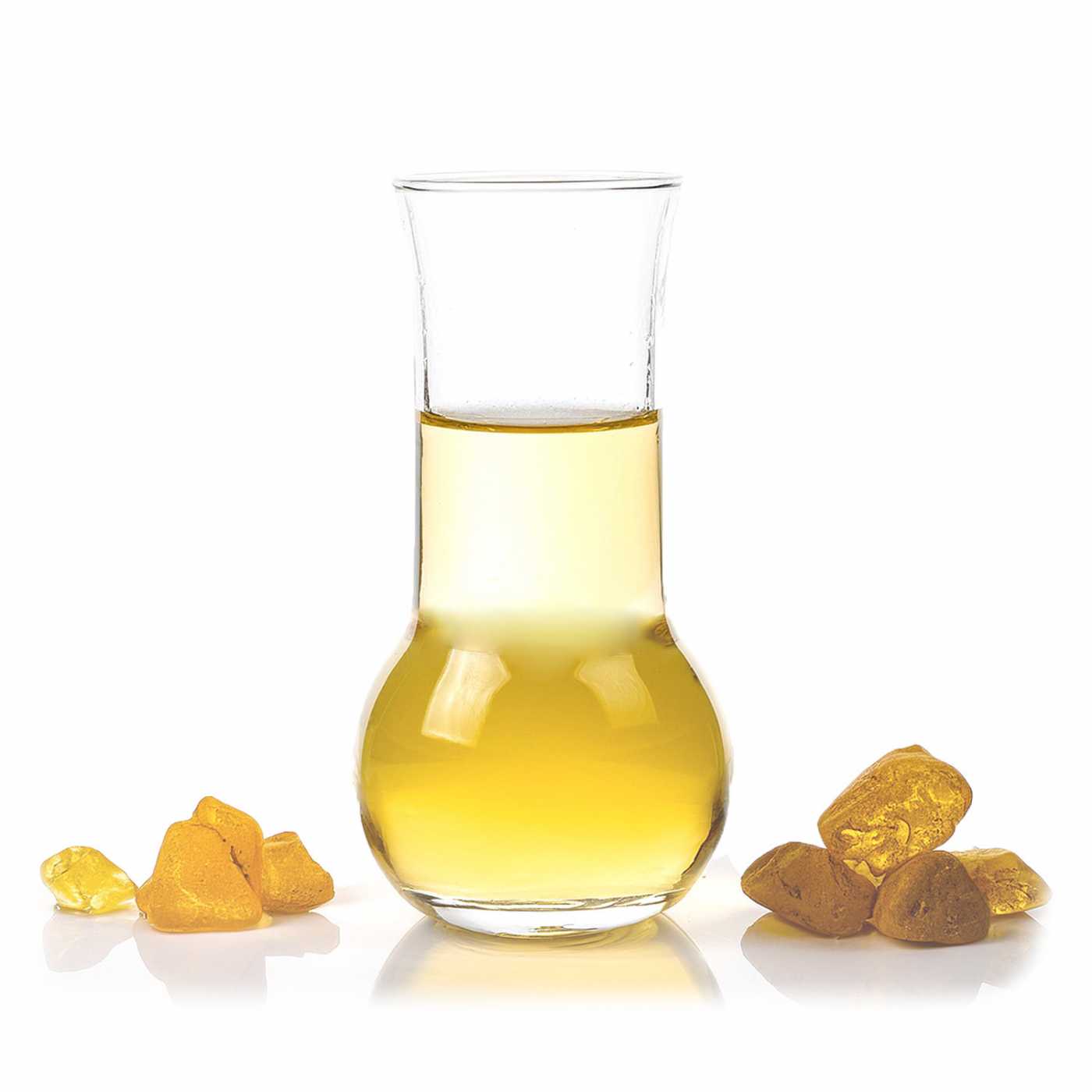
At the usual usage rate, bisabolol does not change the fragrance or appearance of the product. The ingredient itself is a colourless to light yellow viscous liquid with a sweet woody odour. However, at the usual rates it is not noticeable in a cream, serum or oil.

Parameters

INCI
Bisabolol
CAS No.
515-69-5
EC number
208-205-9
Product colour
YellowColourless
Country of origin
China
Appearance
Thick liquid
Formulation phase
Oil phase
Recommended processing temperature
< 40 °C
Recommended usage rate
0,1 – 1 %
Recommended formulation pH range
4 – 9
Application type
Leave-onRinse-off
Biodegradability
Readily biodegradable
Certifications and declarations
Vegan
Manufacturer's certificate
BRC
Natural Index (NI ISO 16128)
1,00
Natural Origin Index (NOI ISO 16128)
1,00
Renewable Carbon Content (RCC)
100 %
Volume
10 ml

Product documentation

CoACertificate of Analysis
batch 20488PDF ↓
TDSTechnical Data Sheet
Physical parameters and processingPDF ↓
IFRAIFRA Certificate
batch 20488PDF ↓
AllergensAllergen Declaration
batch 20488PDF ↓
SDSSafety Data Sheet
Available for purchased products —
Download all (ZIP)

4 PDF files in one archive

Learn how to work with it

From our blog
Dany9 Aug 2026CS

Verified purchase

I put it in almost everything :) - my favourite active.

Translated automatically

Kalliope R.27 Sept 2026EN

Verified purchase

Variant: Bisabolol Alfa Natural 95%, BIO 10 ml