Tucuma Butter, Cold Pressed 50 g
Pre-order€7.89(€157.80/kg)

CO2 Extracts
Chamomile CO2-to extract is a total extract from the flowers of true chamomile , obtained by carbon dioxide extraction from dried flowers grown under controlled integrated farming. full description
Lowest price in the last 30 days: €11.25
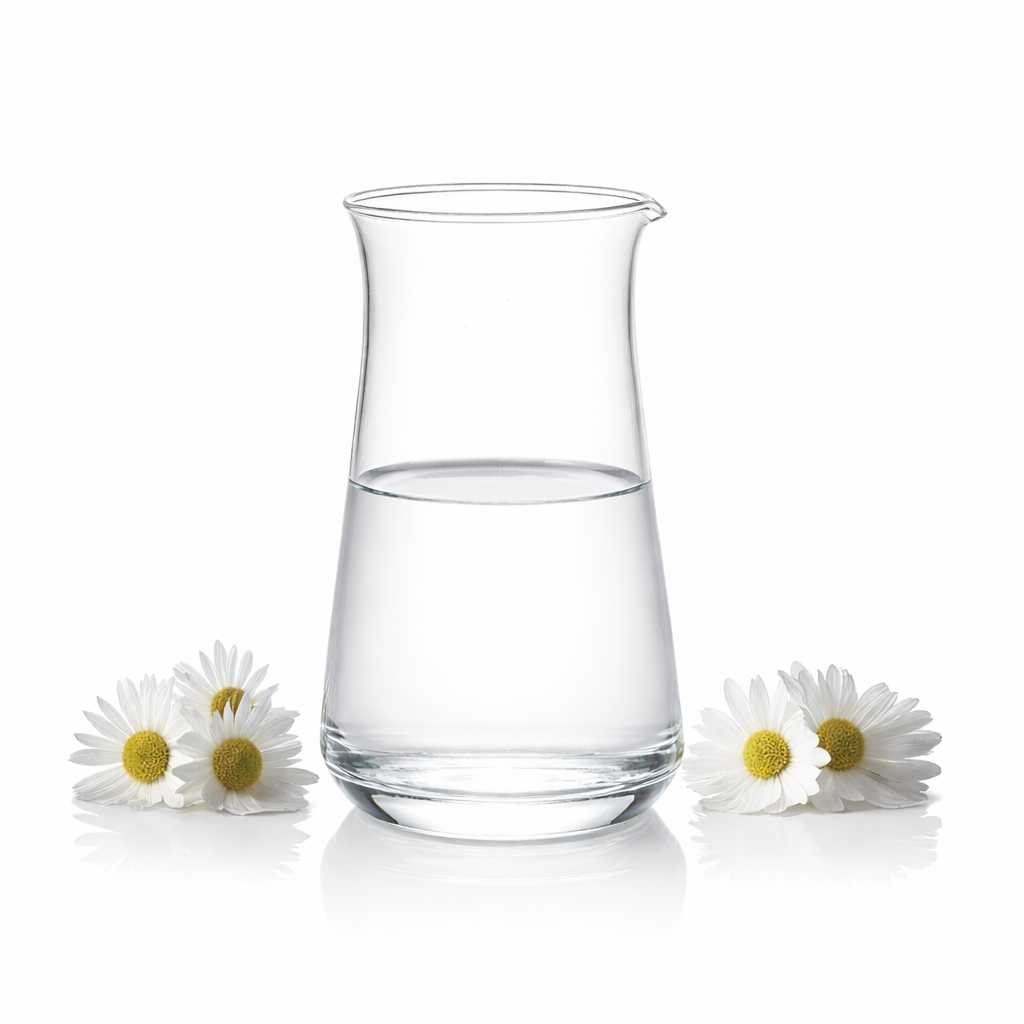
Chamomile CO2-to extract is a total extract from the flowers of true chamomile, obtained by carbon dioxide extraction from dried flowers grown under controlled integrated farming. In a formulation it serves two purposes at once: it soothes the skin and at the same time brings the scent of chamomile to the product. Twenty to 33 kg of dried flowers are processed per kilogram of extract, and the extract contains no carriers or excipients. It is particularly suitable for products for sensitive, dry, atopic and children's skin, from face creams through body oils to balms and ointments.
The core of the extract is the essential oil of chamomile at 10 to 20 %. It is dominated by alpha-bisabolol (20 to 45 %) and bisabolol oxides A and B (5 to 20 %), with chamazulene and its precursor matricine also monitored. Chamomile has long been used in cosmetics for its soothing and anti-inflammatory effect on the skin.
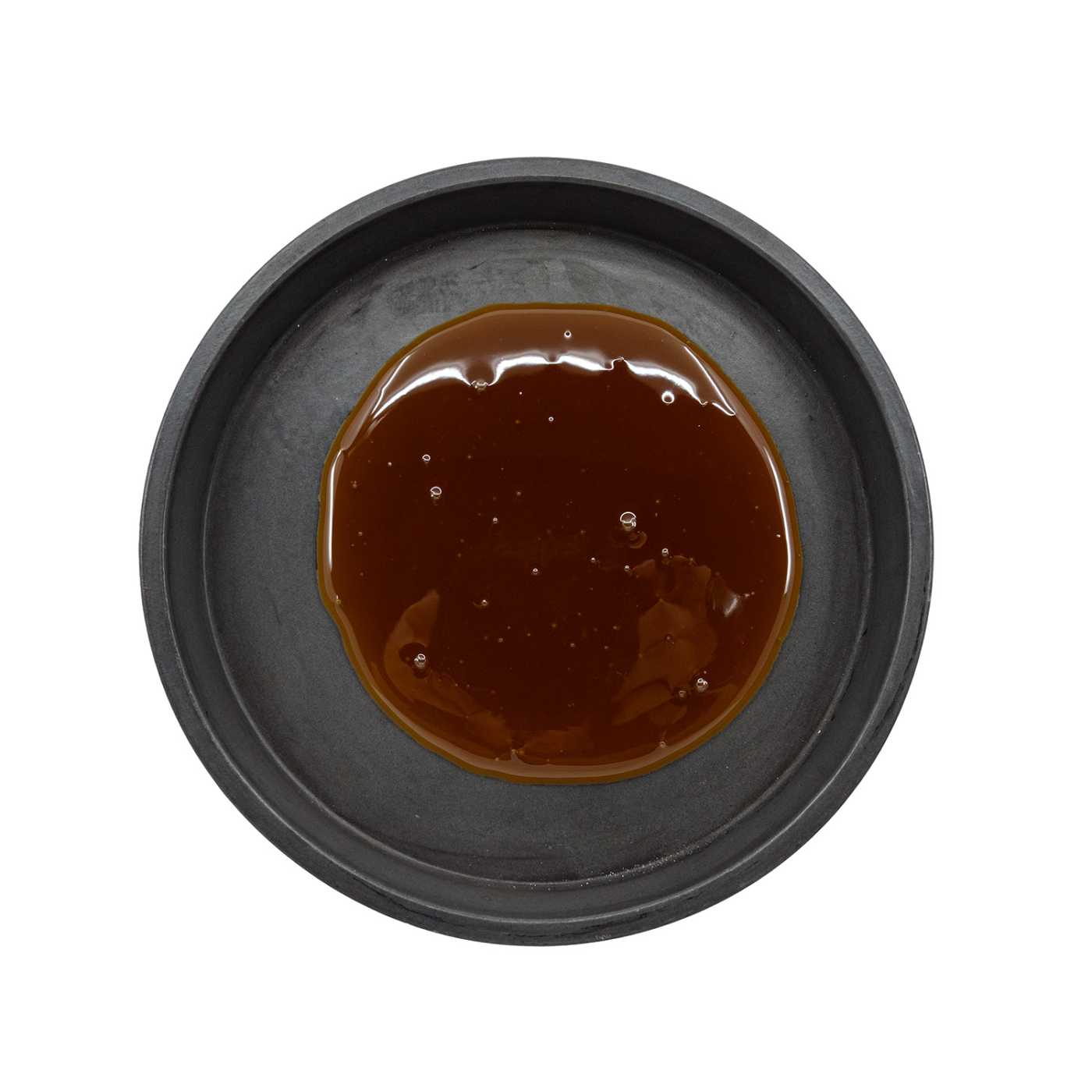
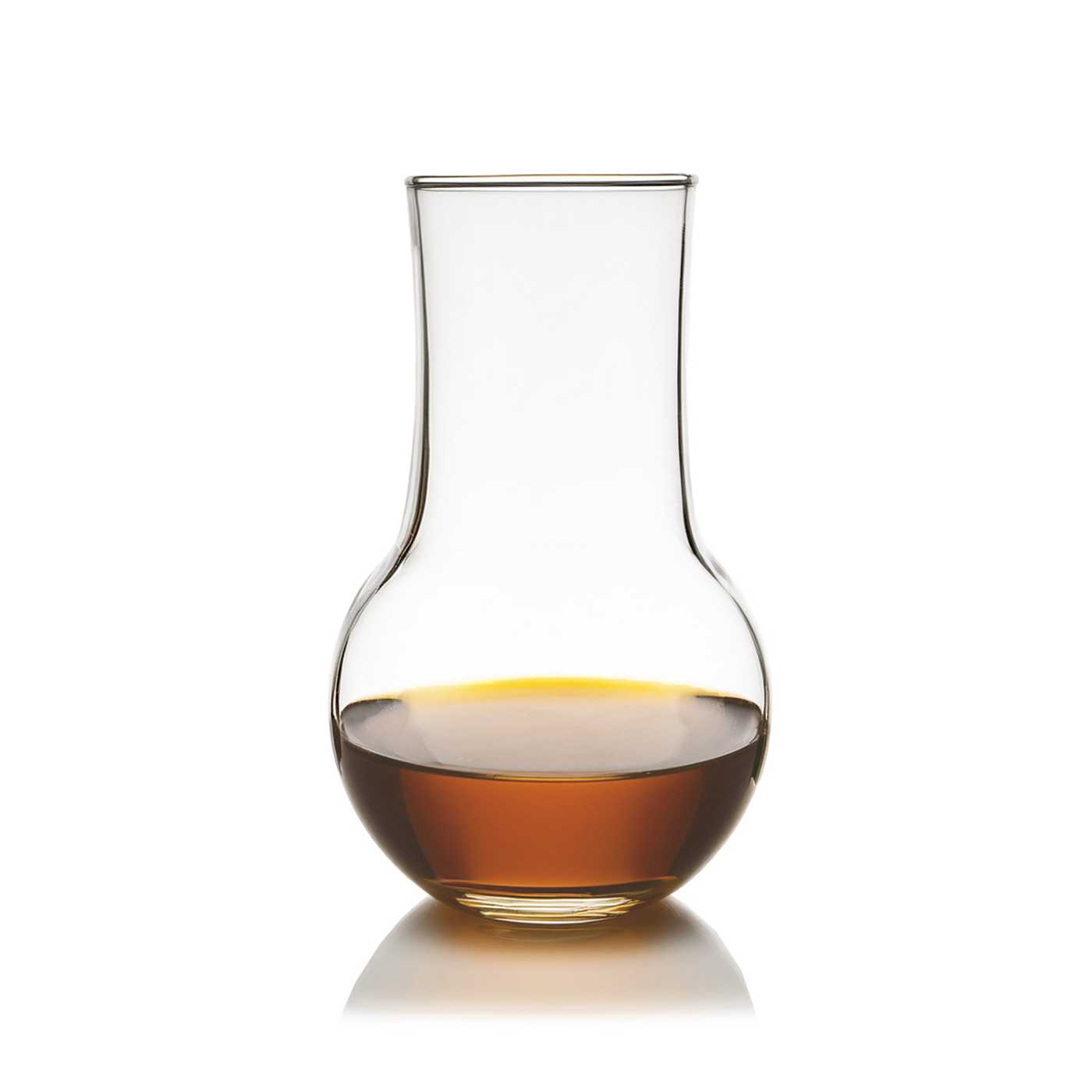
The extract has a greenish-brown to brown colour and a chamomile scent. It is liquid at approximately 40 °C, so it should be slightly warmed before weighing. It dissolves in oils and alcohol; it does not dissolve in water.
The extract is added to the oil phase, or alternatively during the cooling phase or as the last ingredient at the end of manufacture. The recommended processing temperature is 40 to 60 °C. Within this range the extract dissolves well in oils, wax and butter while preserving its volatile essential oil, which does not benefit from prolonged heating. For emulsions it has therefore proved best to add it to the oil phase just before combining the phases, or after emulsification while the mixture is still at approximately 40 °C and the extract can be easily dispersed.
The recommended dosage is 0.1 to 1 %. For a soothing effect in face creams and eye preparations the lower end of the range is sufficient; the upper limit is used in balms, ointments and body oils where a more pronounced scent is also desired. Suitable for both rinse-off and leave-on products.
Before weighing, warm the container of extract in a water bath to approximately 40 °C and stir. Weighing the liquid extract is more precise, and it will dissolve in the oil phase without residue.
In aqueous systems such as tonics or hydrolat sprays, the extract will not dissolve on its own. It can be incorporated via a solubiliser or into an emulsion. In alcoholic preparations, for example tinctures and toners with a higher alcohol content, it dissolves directly.
The extract has its own colour. At the upper end of the dosage range it may slightly tint white creams and light balms to yellowish-green; therefore test the appearance in advance for colourless gel systems.
It contains fragrance allergens listed in Annex III of the Cosmetic Products Regulation, which must be taken into account when labelling the finished product. The extract is not classified as hazardous under the CLP Regulation.
It is certified as COSMOS Approved, Kosher and Vegan, contains no preservatives, alcohol, GMO-derived ingredients or palm oil, and is readily biodegradable. Anhydrous products to which it is added require no preservative. Emulsions and aqueous preparations must be preserved.
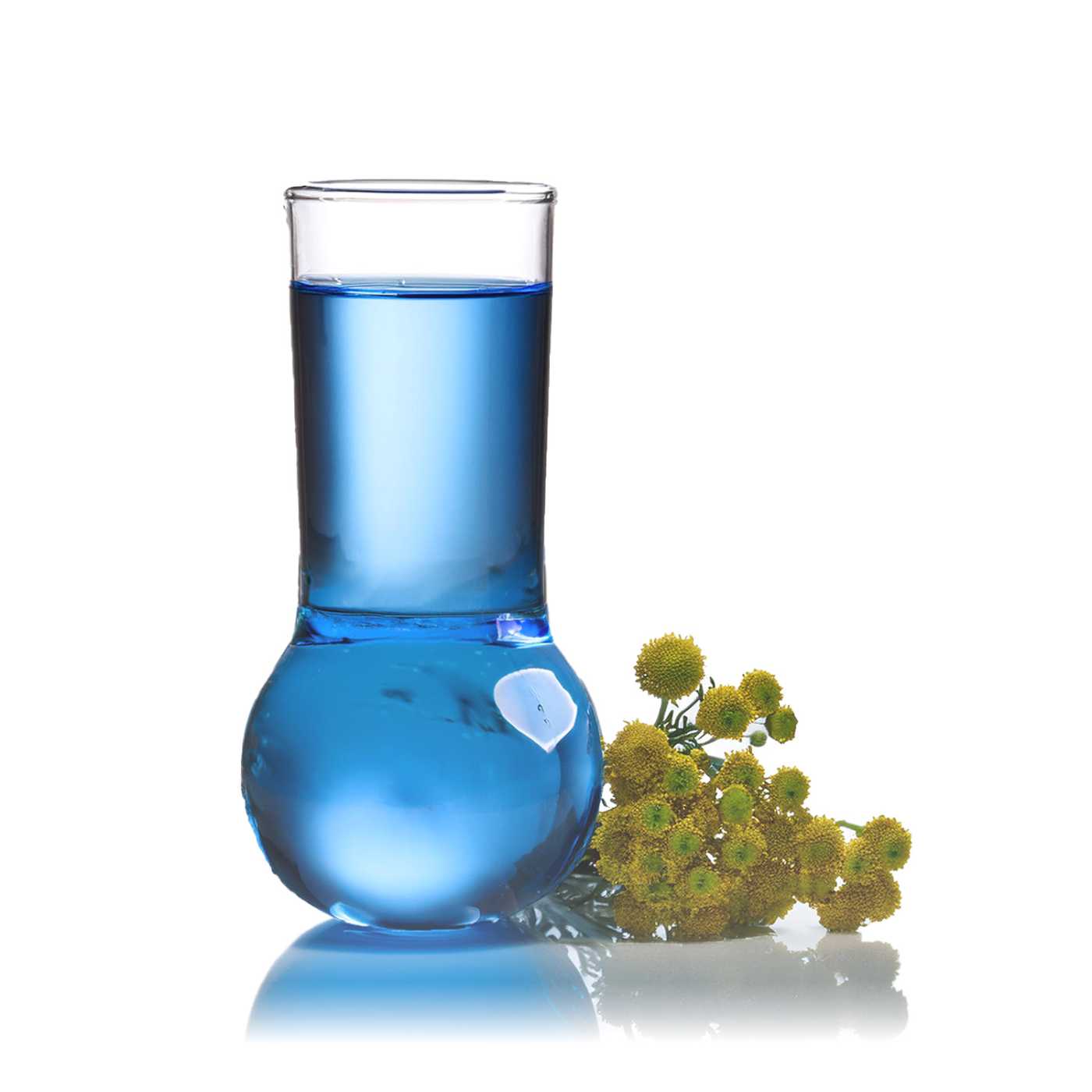
Chamomile essential oil obtained by steam distillation contains only the volatile components of the flowers, is dark blue and is used primarily as a fragrance. A macerate (chamomile oil) is a vegetable oil in which the flowers were infused, and the content of chamomile compounds is low. CO2 extract stands between the two: alongside the essential oil (10 to 20 %) it also contains the non-volatile lipophilic components of the flowers, and no organic solvents are used in the extraction process. At a dosage of 0.1 to 1 % it brings both a soothing effect and the full scent of chamomile to a formulation.

Traditionally pleasant scent...
Translated automatically