+421 950 333 113info@handymade.storeActive Days: −10 % with code ACTIVE10Shop now

CO2 Extracts

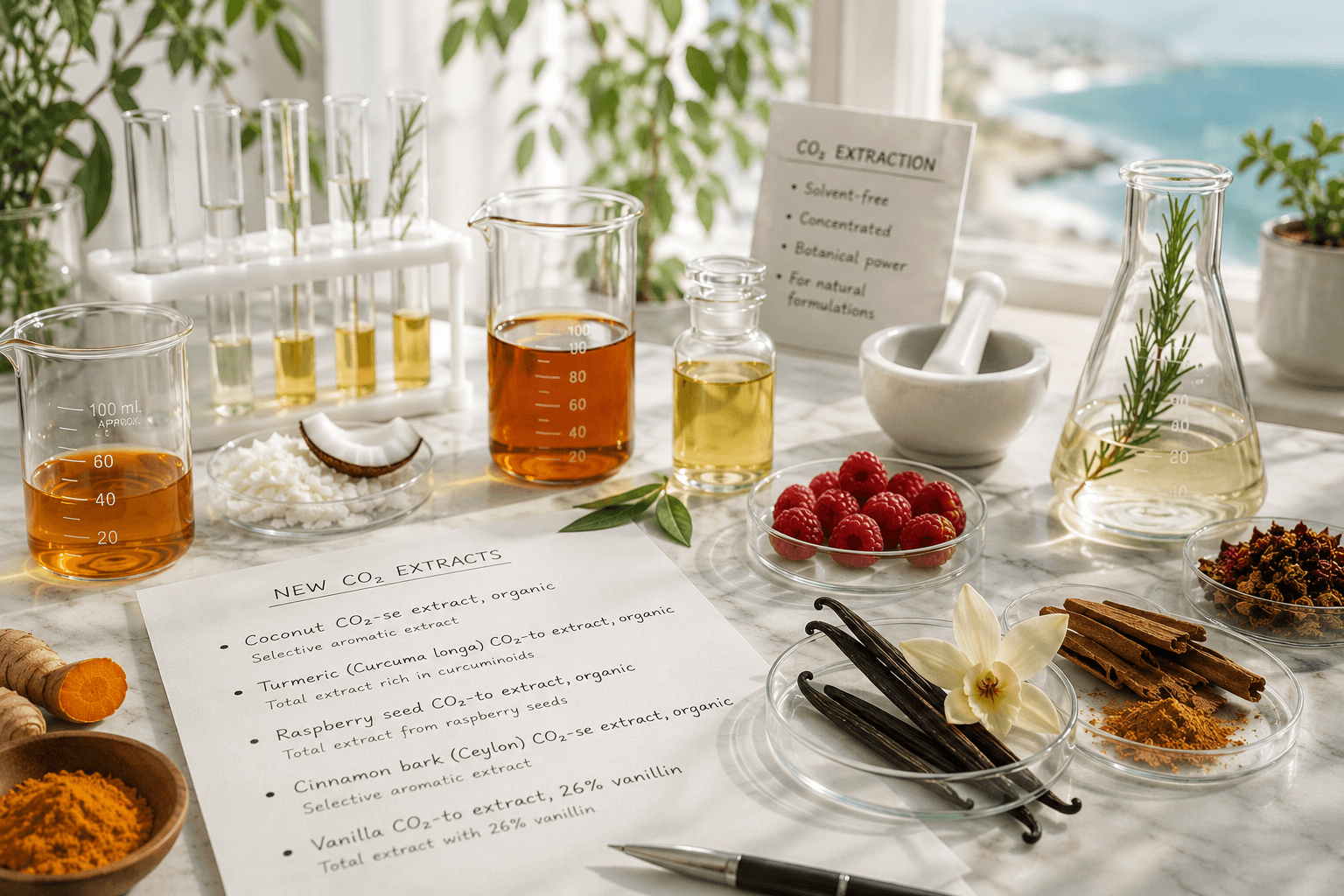
Ceylon Cinnamon Bark CO2-se Extract, Organic, 10 ml

Pack size5 ml10 ml50 ml

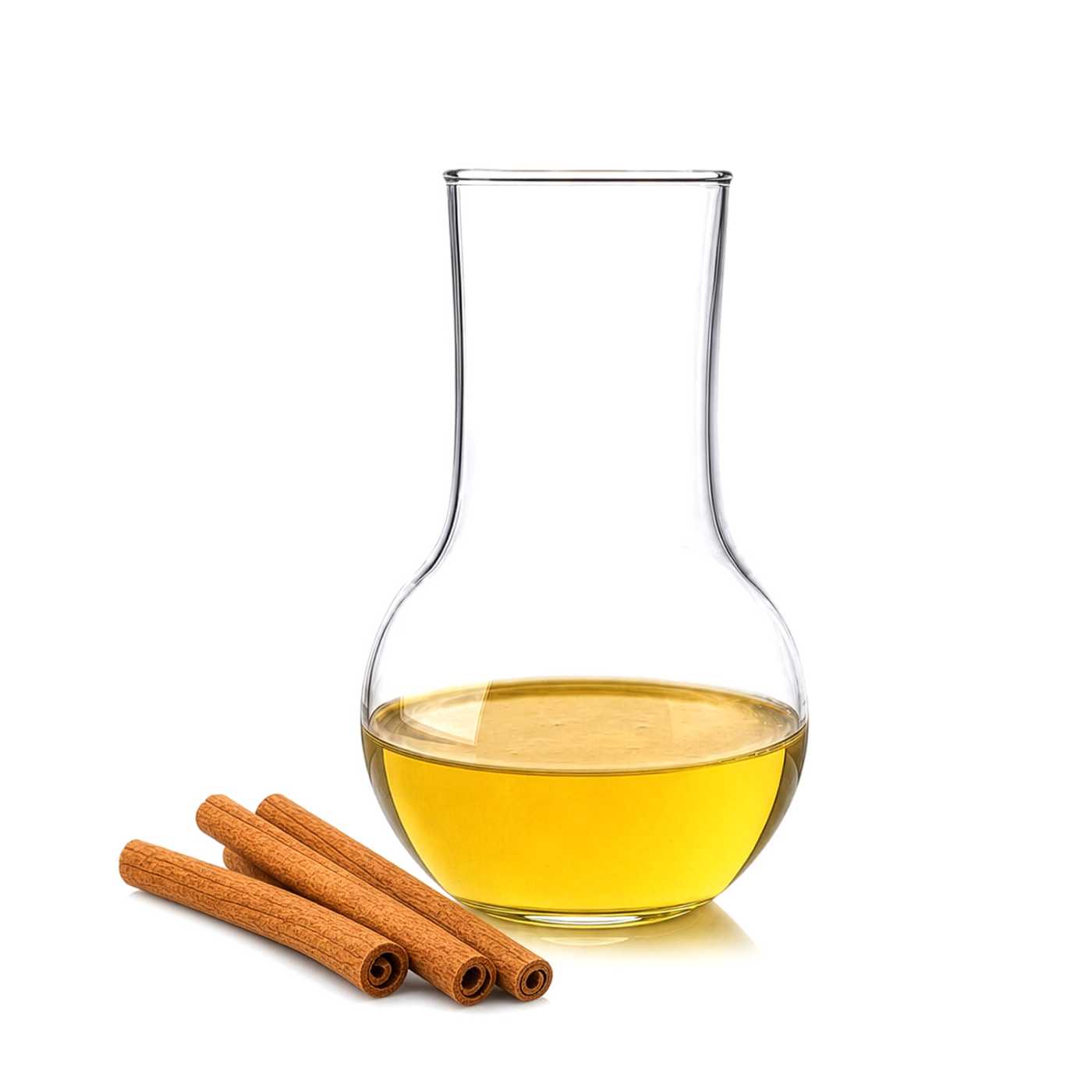
Organic CO2-se extract from Ceylon cinnamon bark is a concentrated fragrance and active component obtained from the dried bark of true cinnamon ( Cinnamomum zeylanicum ) from organic cultivation. full description

AvailabilityIn stock · 7 packs
Product codeCO670_10
Batch352007
Best before01/2030
€45.99incl. VAT€4,599.00/l

Lowest price in the last 30 days: €45.99

Product description

Organic CO2-se extract from Ceylon cinnamon bark is a concentrated fragrance and active component obtained from the dried bark of true cinnamon (Cinnamomum zeylanicum) from organic cultivation. In a formulation it serves two purposes at once: it provides a distinct cinnamon note and also acts as an active ingredient with an antimicrobial effect. It is used in perfume compositions, in oral care products and in cosmetics for oily skin. The same extract also has food grade quality, so it works as a spicy flavouring in baked goods, confectionery or drinks and, once diluted, also in diffusers and aromatherapy.

Extraction is carried out with supercritical carbon dioxide. The finished product contains no solvent residues, inorganic salts or heavy metals. Producing 1 kg of extract takes approximately 42–59 kg of cinnamon bark, so the result is many times more concentrated than the spice itself.


What the extract brings to a formulation

  • Distinct cinnamon fragrance – the aromatic, fruity character of true cinnamon as a main or supporting note in perfumes, fragrance blends and cosmetics. Even a small amount clearly changes the fragrance of the product.
  • Antimicrobial effect – the manufacturer states an antibacterial action of cinnamon extracts, particularly against microorganisms in the oral cavity. This is why the extract is used in toothpastes and mouthwashes.
  • Composition determined by the plant – the main component is cinnamaldehyde (60–80%), followed by cinnamyl acetate (1–11%), o-methoxycinnamaldehyde (up to 5%) and coumarin below 0.15%. The exact values for a given batch are given in the certificate of analysis.
  • Pure plant concentrate – the product is 100% extract without any carrier, preservatives, alcohol or other additives. It is certified organic, COSMOS Organic, Kosher and Halal.

Use in formulations

The extract is soluble in oil and in alcohol and does not dissolve in water. In oil serums, balms, butters and anhydrous products it is incorporated directly into the oil phase. In emulsions it is added to the oil phase or only during the cooling phase, or alternatively incorporated at the end of production. In water-based products, such as toners or mouthwashes, it is added dissolved in alcohol, otherwise it separates. The recommended processing temperature is below 40 °C.

There is no single universal usage rate. The manufacturer does not state a recommended range, and the highest permitted amount in the finished product is determined by the IFRA limit for the given product category. A lip product (category 1) has a different ceiling than other categories. You will find the limits for all categories in the IFRA certificate in the Product documentation section. Base your recipe design on these values and fine-tune the final fragrance intensity in a test batch.

The product is a concentrate intended exclusively for use in formulations. It is not intended for direct application to the skin, direct consumption or undiluted use in aromatherapy. Keep out of the reach of children.

The extract is suitable for both rinse-off and leave-on products. Each category has its own IFRA limit, so the usage rate always depends on the type of finished product.

In emulsions, add the extract only after the mixture has cooled below 40 °C, stirring continuously. Pre-mixing it in a small amount of oil or alcohol makes even dispersion easier.


Suitable for products such as

  • Toothpastes and mouthwashes – combines cinnamon flavour with antimicrobial action; in a mouthwash it is dosed via the alcohol component.
  • Perfumes and fragrance blends – a warm, spicy note for alcohol-based perfumes, oil perfumes and solid fragrance balms.
  • Creams and serums for oily skin – dosed according to IFRA, into the oil phase or during cooling.
  • Shower gels and shampoos – as a fragrance component in rinse-off products.
  • Diffusers and aromatherapy – after dilution in a carrier, depending on the type of diffuser.
  • Food – a spicy flavouring for baked goods, confectionery, chewing gum and drinks.

Good to know

Fragrance allergens. The extract contains several fragrance allergens, which under Regulation (EC) No 1223/2009 must be listed in the composition of the finished product when their concentration exceeds 0.01% in a rinse-off and 0.001% in a leave-on product. The most significant is cinnamal (up to 75% of the extract), followed by beta-caryophyllene (up to 4.5%), eugenol (up to 3%), benzyl benzoate (up to 2%), cinnamyl alcohol (up to 2%) and coumarin (up to 0.15%). Because cinnamal makes up most of the extract, the declaration threshold is exceeded even at a very low usage rate. The list of allergens with typical values is in the product documentation.

Classification and safety. The substance is subject to the CLP Regulation and is marked with the GHS07 pictogram (irritant, sensitisation, mild toxicity). For cosmetic use, methyleugenol and safrole are also limited under Annex III of Regulation (EC) No 1223/2009. Their values in a specific batch are given in the certificate of analysis, which is the basis for the safety assessment of the finished product.

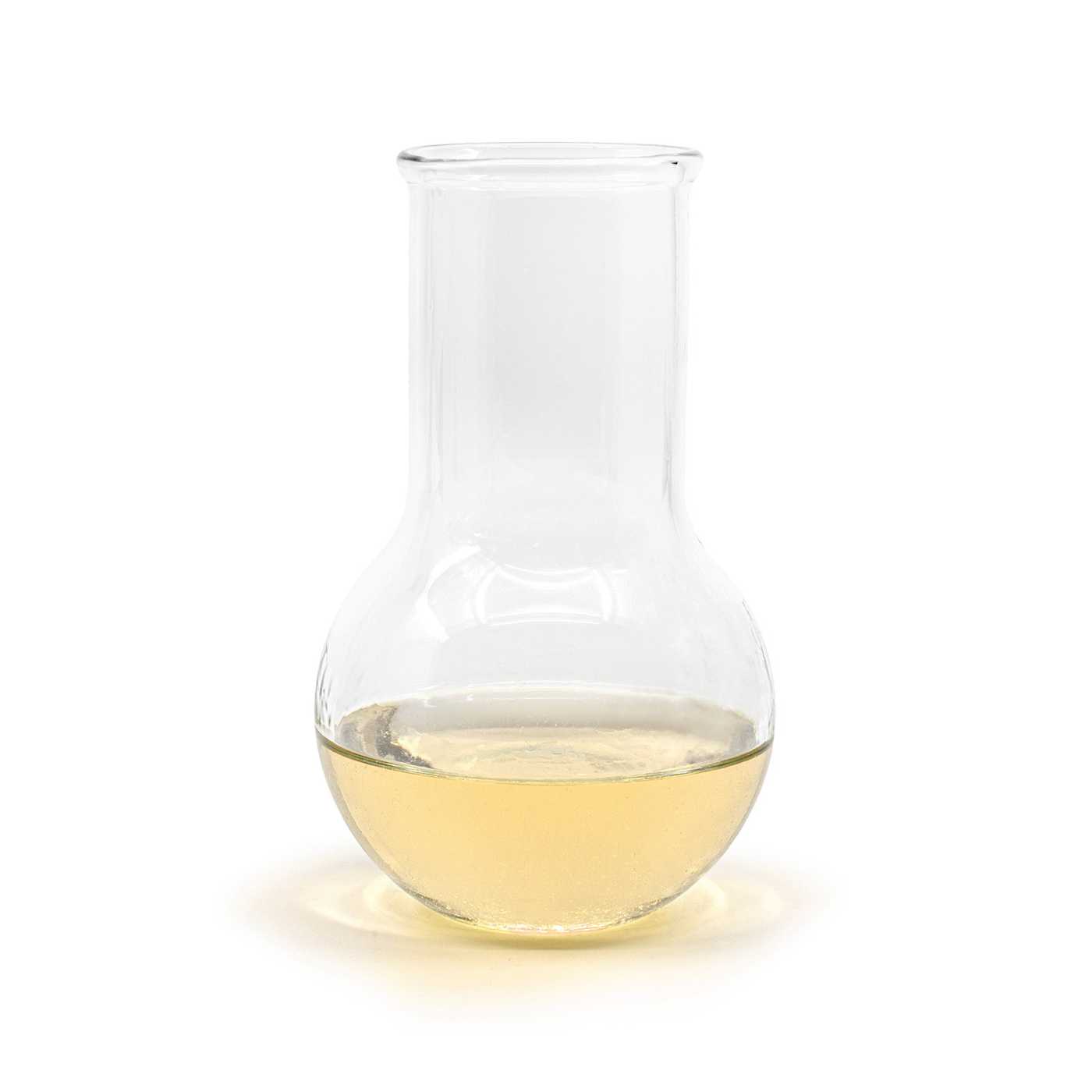
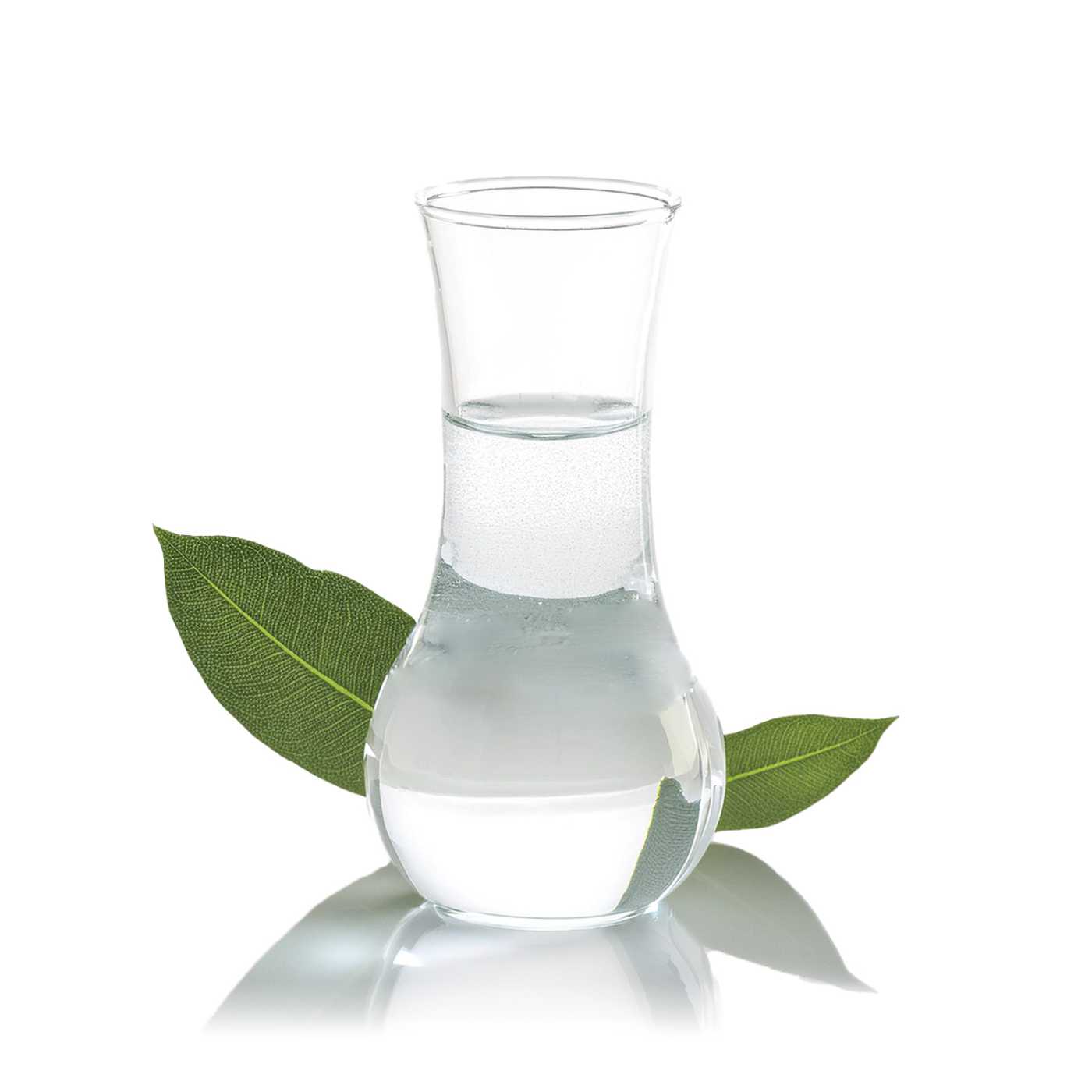
Appearance and effect on the product. The extract is a yellow to brown, clear, oily liquid. When dosed according to IFRA, its share in the formulation is small, but in white or clear products it is worth checking the colour and clarity on a test sample.

True cinnamon. The extract comes from the bark of the species Cinnamomum zeylanicum, which is also listed under the synonym Cinnamomum verum or as “true cinnamon”. The coumarin content is below 0.15%.


Frequently asked questions

Is Ceylon cinnamon bark CO2 extract soluble in water?
No, it does not dissolve in water; it dissolves in oil and in alcohol. In oil-based and anhydrous products it is added directly, in emulsions via the oil phase or during cooling. In toners, mouthwashes and other water-based products it is added dissolved in alcohol, otherwise it separates on the surface.
How much cinnamon CO2 extract can be added to a cream or perfume?
There is no single universal value; the maximum usage rate is determined by the IFRA limit for the category of the finished product. The manufacturer does not state a recommended range. A lip product, a face cream, a shower gel and a perfume have different ceilings. The specific values for all categories are in the IFRA certificate in the product documentation, and they are the basis for designing your recipe.
Can cinnamon CO2 extract be used in toothpaste or mouthwash?
Yes, oral care is one of the main cosmetic uses of this extract. The manufacturer states an antibacterial action of cinnamon extracts against microorganisms in the oral cavity, and the extract also gives a distinct cinnamon flavour. In a mouthwash it is added dissolved in alcohol, and the usage rate follows the IFRA limit for the relevant category.
Do I have to list allergens in the composition when using cinnamon CO2 extract?
In most cases, yes. The extract contains cinnamal, eugenol, benzyl benzoate, cinnamyl alcohol, beta-caryophyllene and coumarin, which must be declared when they exceed 0.01% in a rinse-off and 0.001% in a leave-on product. Cinnamal makes up most of the extract, so the threshold is exceeded even at a low usage rate. The exact values for the calculation are in the allergen list in the product documentation.
Is organic cinnamon CO2 extract also suitable for food use?
Yes, the extract has both food and cosmetic grade quality, and in food it is declared as a flavouring preparation, cinnamon extract or spice extract. It is used as a spicy flavouring in baked goods, confectionery, chewing gum and drinks. For food use, the limits for coumarin, safrole, methyleugenol and estragole under Regulation (EC) No 1334/2008 apply. The values in the batch are given in the certificate of analysis.

Parameters

INCI
Cinnamomum Zeylanicum Bark Extract
CAS No.
84649-98-9
EC number
283-479-0
Product colour
BrownYellow
Country of origin
Sri LankaGermany
Processing method
CO2 extraction
Odour
Spicy
Appearance
Oily liquid
Application area
Oral care / dental care
Recommended processing temperature
< 40 °C
Application type
Leave-onRinse-off
Suitable for
Oily skin
Certifications
Organic certification
Manufacturer's certificate
KosherCOSMOS OrganicHalal
Natural Index (NI ISO 16128)
1,00
Natural Origin Index (NOI ISO 16128)
1,00
Organic content
100 %
Renewable Carbon Content (RCC)
100 %
Volume
10 ml

Product documentation

CoACertificate of Analysis
batch 352007PDF ↓
TDSTechnical Data Sheet
Physical parameters and processingPDF ↓
IFRAIFRA Certificate
batch 352007PDF ↓
AllergensAllergen Declaration
batch 352007PDF ↓
SDSSafety Data Sheet
Available for purchased products —
Download all (ZIP)

4 PDF files in one archive

Learn how to work with it

From our blog
REVIEWS

Verified by customers.

No reviews yet.

Only customers with a delivered order can write reviews.