+421 950 333 113info@handymade.store

Spend over €100 for discounted shipping!

Candle fragrance oils

True Lavender Essential Oil, Organic, 1 l

Pack size10 ml100 ml500 ml1 l5 l

True lavender essential oil, organic gives cosmetics a floral, herbal fragrance with fresh notes, associated with relaxation and calm. full description

AvailabilityPre-order
Product codeEON046_1000
€222.59incl. VAT€222.59/l

Lowest price in the last 30 days: €222.59

Pre-orderThis variant is currently out of stock — your order will be a pre-order and delivery may take longer.

Product description

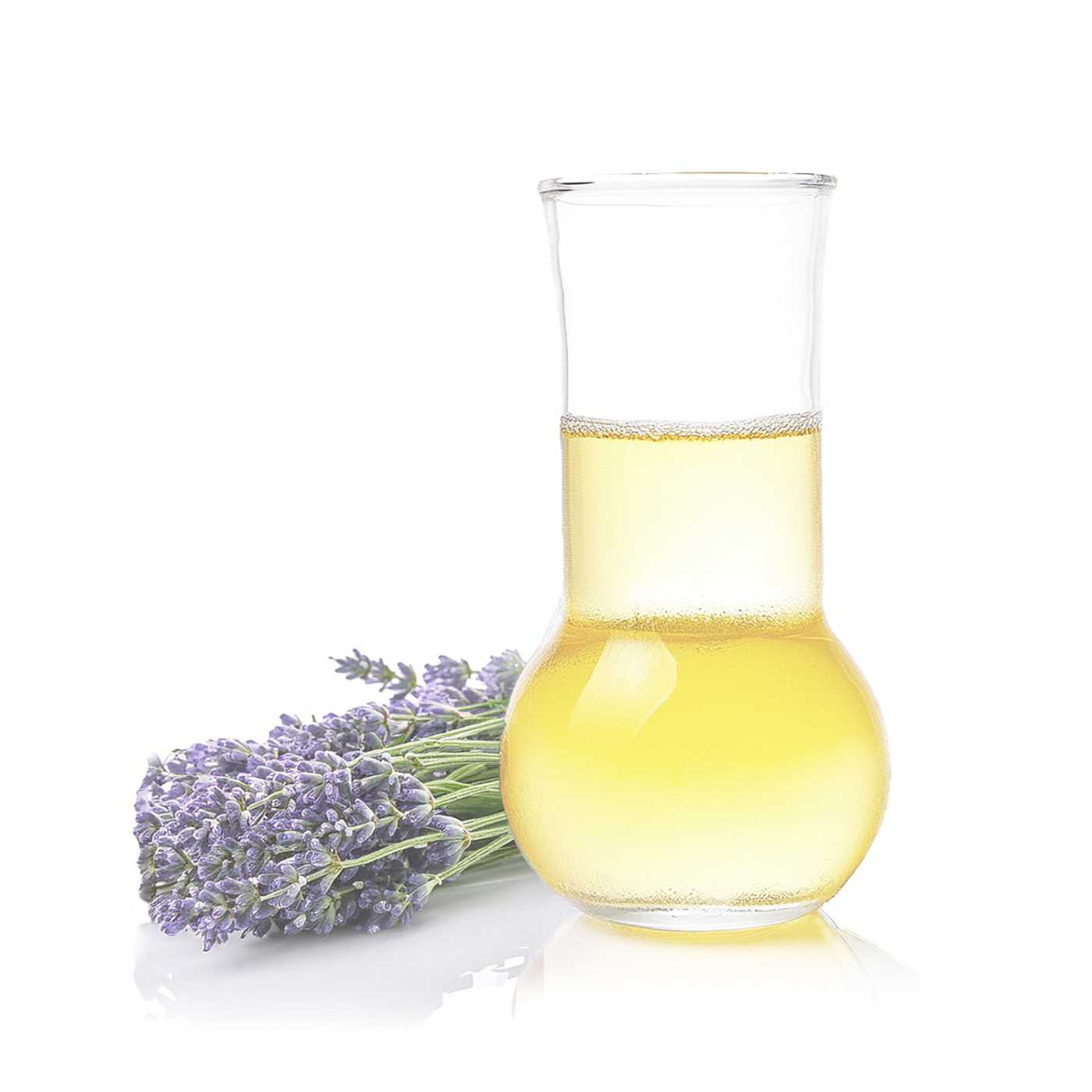
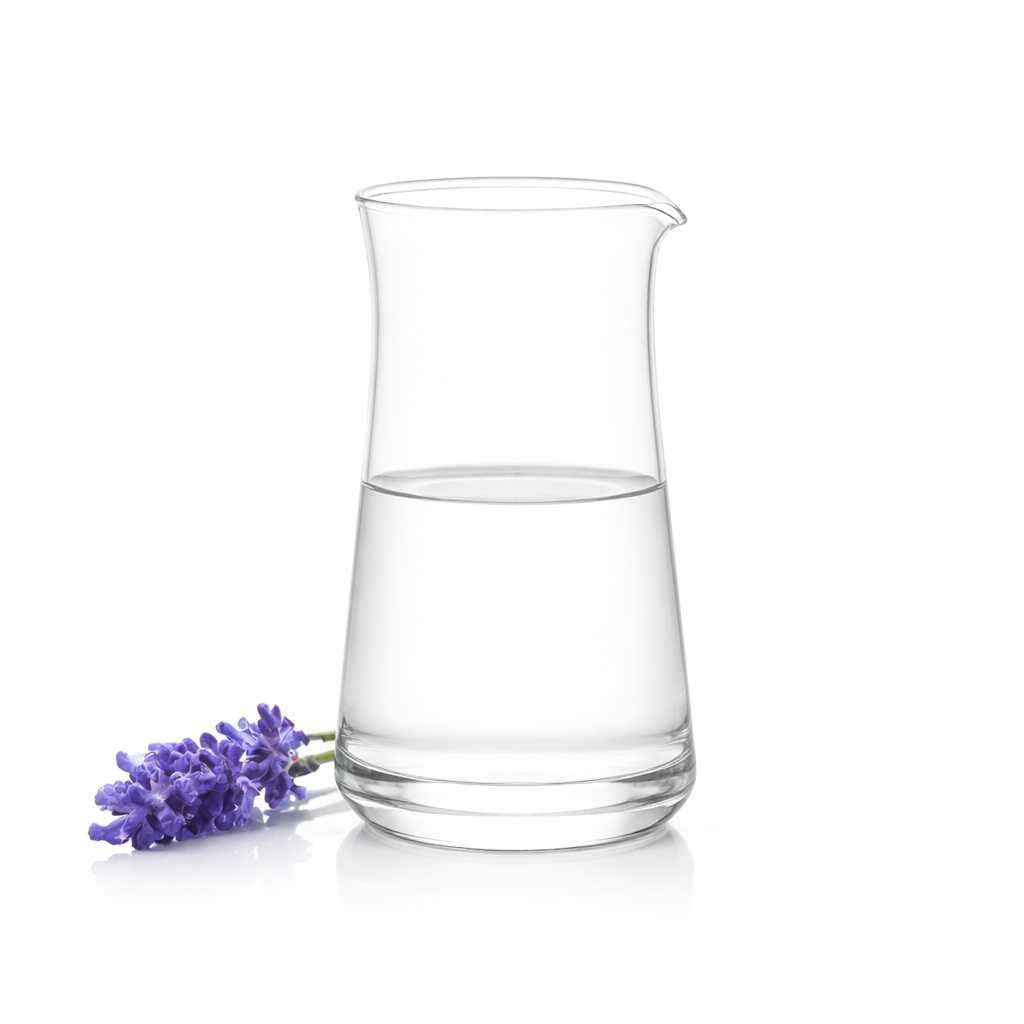
True lavender essential oil, organic gives cosmetics a floral, herbal fragrance with fresh notes, associated with relaxation and calm. It leaves a soothing and cooling feeling on the skin, so in addition to adding fragrance, it is also used as an active ingredient in body, face and hair care. It is obtained by steam distillation of lavender of European origin, it is certified organic and it is sold pure, undiluted.


Fragrance and effect on the skin

Lavender is one of the fragrances that most people know and associate with relaxation. In a product it creates a calm atmosphere, whether in a massage oil, bath product or hair mist or in a diffuser.

On the skin it helps to ease irritation. It is useful in after-sun products and in care for skin that needs soothing. It is also valued for its antimicrobial properties. It does not replace a preservative in the product.

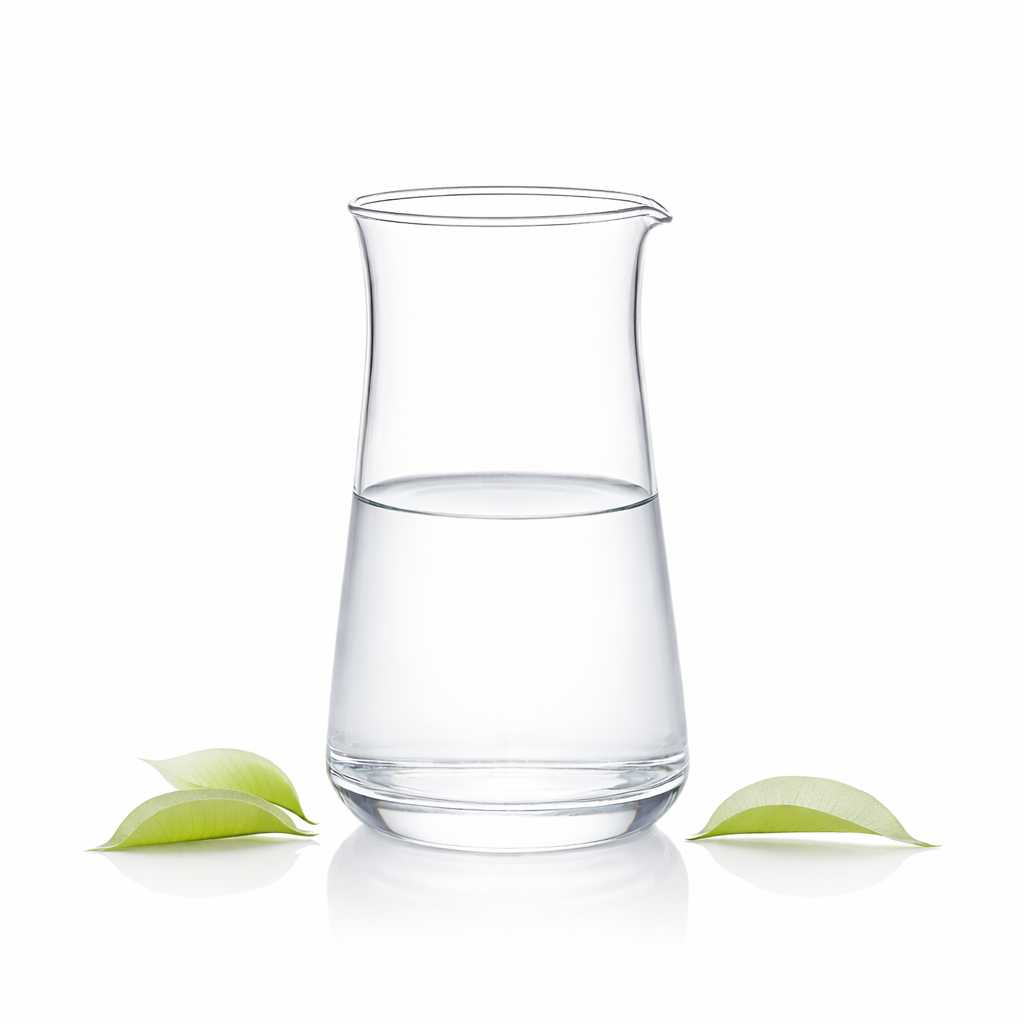
The oil is distilled from fresh as well as dried lavender and is filtered after it is separated from the water. The result is a colourless to pale yellow liquid. The shade may differ slightly between batches and this is not a defect.


Key benefits

  • Fragrance – floral and herbal, suitable on its own as well as part of perfume and aromatherapy blends.
  • Soothing the skin – it leaves a cooling feeling and helps to ease irritation.
  • Organic certification – pure essential oil of plant origin, free from animal-derived ingredients and not tested on animals.
  • Wide range of uses – body, face and hair cosmetics, candles and home fragrances.

Use in a formulation

The oil dissolves in oils and in alcohol, but not in water. In anhydrous products and in the oil phase it is mixed in directly. In a toner, spray or gel it would float on the surface without help and the water phase would turn cloudy. It is therefore first mixed with a solubiliser (non-ionic surfactants are suitable) or with alcohol and only then added to the water part.

It is processed at a temperature below 40 °C. The essential oil is volatile and loses its fragrance when heated. It is added to an emulsion only after it has cooled, and to anhydrous products after cooling, together with the other ingredients.

There is no single universal usage rate. In formulations it is used at 0.1–1%, most often around 0.3%. Creams and serums usually contain 0.2–0.5%, balms 0.1–0.7% and body oils, lotions and butters 0.75–1%. These values are indicative and are based on common practice.

The maximum amount in the finished product is determined by the IFRA limit for the given product category, for example category 1 for lip products, 5B for face creams or 9 for shampoos and shower gels. The limits for all categories are in the IFRA certificate in the Product documentation section.

In oil-based products it is often combined with tocopherol, which helps to protect the oil phase from oxidation. It should not come into contact with strong acids, alkalis or oxidising agents.


Suitable for products such as

  • Body and massage oils, lotions and butters – the oil dissolves in them directly and the fragrance comes through during massage.
  • Face creams and serums – for skin that needs soothing.
  • After-sun products – the cooling feeling benefits skin after sun exposure.
  • Bath products – bath products with a relaxing fragrance.
  • Hair mists, hair perfumes and leave-in care – they leave a floral fragrance in the hair.
  • Shampoos and shower gels – rinse-off hair and body care with a lavender fragrance.
  • Perfumes, aromatherapy blends, diffusers and room sprays – on its own or in combination with other essential oils.
  • Candles of all types, including container candles – in an amount up to the IFRA limit for category 12.

Good to know

Linalool and linalyl acetate, the main components of the oil, oxidise in air. This forms substances that are classed as strong contact allergens. An older and frequently opened oil can irritate even skin that tolerated the fresh oil.

Close the bottle immediately after measuring the dose. When taking small amounts, it is worth decanting the oil into a smaller bottle so that as little air as possible remains above it.

The oil contains linalool and other fragrance allergens. They are listed in the composition of the finished product when their content exceeds 0.001% in leave-on products and 0.01% in rinse-off products. At common usage rates this limit is almost always exceeded. The exact contents are in the allergen documentation.

The raw material is subject to CLP classification and bears the GHS07 and GHS08 pictograms. Details on safe handling are in the safety data sheet. The flash point is 78 °C. When working, keep the oil away from flames and hot surfaces and work in a ventilated area. For skin sensitive to fragrance substances, we recommend testing the finished product on a small area first.



Frequently asked questions

Is Lavandula angustifolia essential oil soluble in water?
No, Lavandula angustifolia essential oil does not dissolve in water. It is soluble in oils and in alcohol. For a toner, spray or gel it is first mixed with a solubiliser, for example a non-ionic surfactant, or with alcohol. Without this step the oil floats on the surface and the water phase turns cloudy.
What is the usage rate of lavender essential oil in cosmetics?
In cosmetic formulations, lavender essential oil is used at an indicative rate of 0.1–1%, most often around 0.3%. In creams and serums it is 0.2–0.5%, and in body oils, lotions and butters up to 0.75–1%. The upper limit depends on the type of product. It is determined by the IFRA limit for the relevant category, stated in the IFRA certificate in the product documentation.
When is lavender essential oil added to a cream?
Lavender essential oil is added to a cream at the very end, into an emulsion that has cooled below 40 °C. The oil is volatile and loses its fragrance at a higher temperature. In anhydrous products such as balms and butters, it is added after cooling, together with the other ingredients.
Can lavender essential oil be used in candles?
Yes, lavender essential oil can be used in candles of all types, including container candles. The amount in a candle must not exceed the IFRA limit for category 12, which is in the IFRA certificate in the product documentation. When working, you need to take into account the flash point of 78 °C and keep the oil away from flames and hot surfaces.
Do you need to list allergens in the composition of a product with lavender essential oil?
Yes, in most cases you need to list the allergens in the composition of a product containing lavender essential oil. The oil contains linalool and other fragrance allergens, which are listed when their content in the product exceeds 0.001% in leave-on products and 0.01% in rinse-off products. At common usage rates these limits are almost always exceeded. The exact contents of the individual allergens are in the allergen documentation.
Why can an older lavender essential oil irritate the skin?
An older lavender essential oil can irritate the skin because its main components, linalool and linalyl acetate, oxidise in air. Oxidation forms substances that are classed as strong contact allergens. Even a person who tolerated the fresh oil may react to it. It helps to close the bottle immediately after use and to leave as little air as possible above the oil.

Parameters

INCI
Lavandula Angustifolia Oil
CAS No.
8000-28-0 / 90063-37-9
EC number
289-995-2
Product colour
Yellow
Country of origin
Bulgaria
Processing method
Steam distillation
Appearance
Oily liquid
Formulation phase
Cool-down phase
Application area
FaceHairBody
Recommended processing temperature
< 40 °C
Application type
Leave-onRinse-off
Biodegradability
Readily biodegradable
Certifications and declarations
Organic certification
Manufacturer's certificate
BRC
Natural Index (NI ISO 16128)
1,00
Natural Origin Index (NOI ISO 16128)
1,00
Organic content
100 %
Renewable Carbon Content (RCC)
100 %
Volume
1000 ml

Product documentation

CoACertificate of Analysis
batch 21621PDF ↓
batch 23953PDF ↓
batch 23467PDF ↓
batch 22920PDF ↓
TDSTechnical Data Sheet
Physical parameters and processingPDF ↓
IFRAIFRA Certificate
batch 23953PDF ↓
batch 23467PDF ↓
batch 22920PDF ↓
batch 21621PDF ↓
AllergensAllergen Declaration
batch 23953PDF ↓
batch 23467PDF ↓
batch 22920PDF ↓
batch 21621PDF ↓
SDSSafety Data Sheet
Available for purchased products —
Download all (ZIP)

13 PDF files in one archive

Learn how to work with it

From our blog
Peter K.22 Nov 2026SK

Verified purchase

Sara María H.R.21 Oct 2026ES

Verified purchase

Katalin C.11 Oct 2026HU

Verified purchase

Variant: Esenciálny olej, levanduľa úzkolistá BIO 100 ml
(3 reviews)