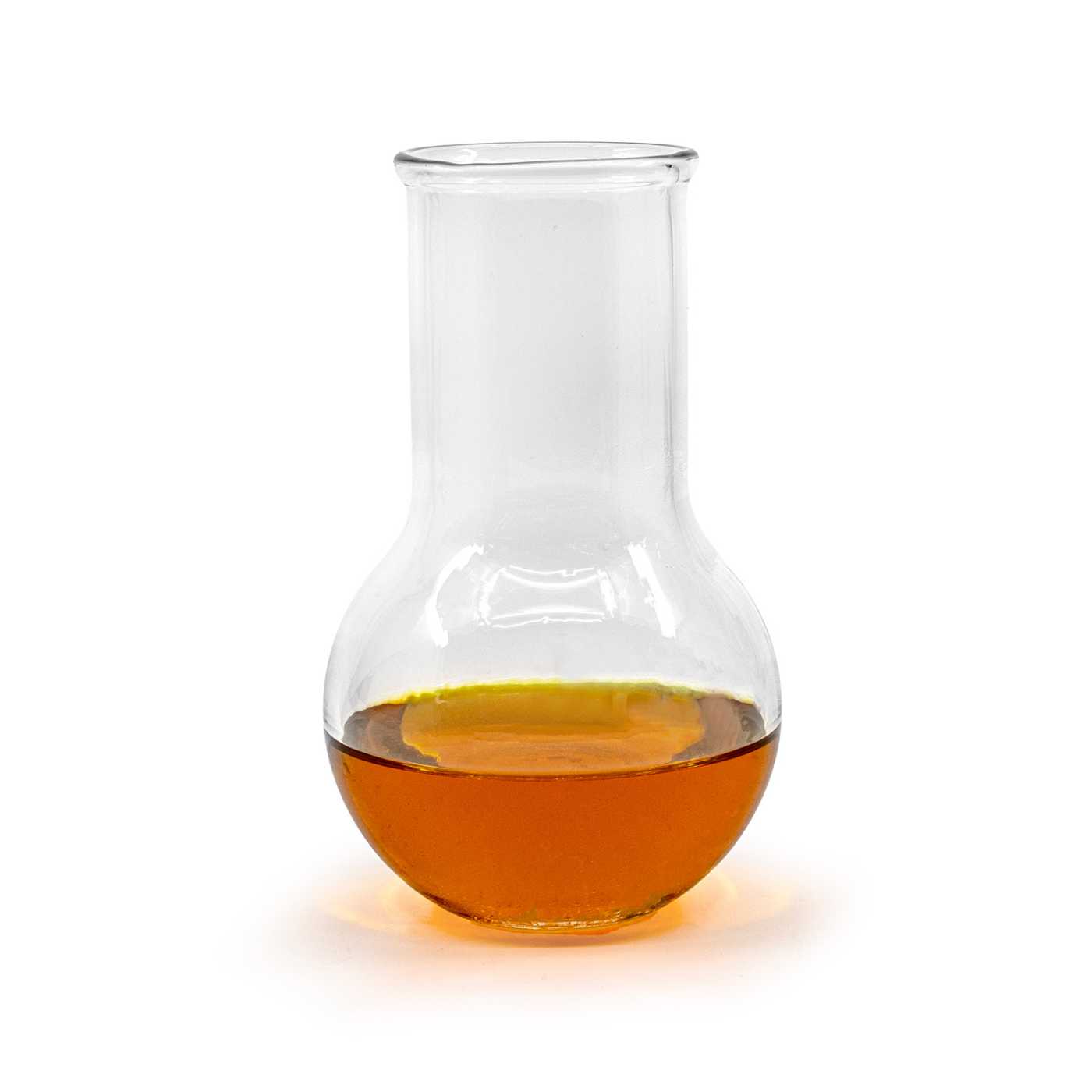
Geranium Essential Oil
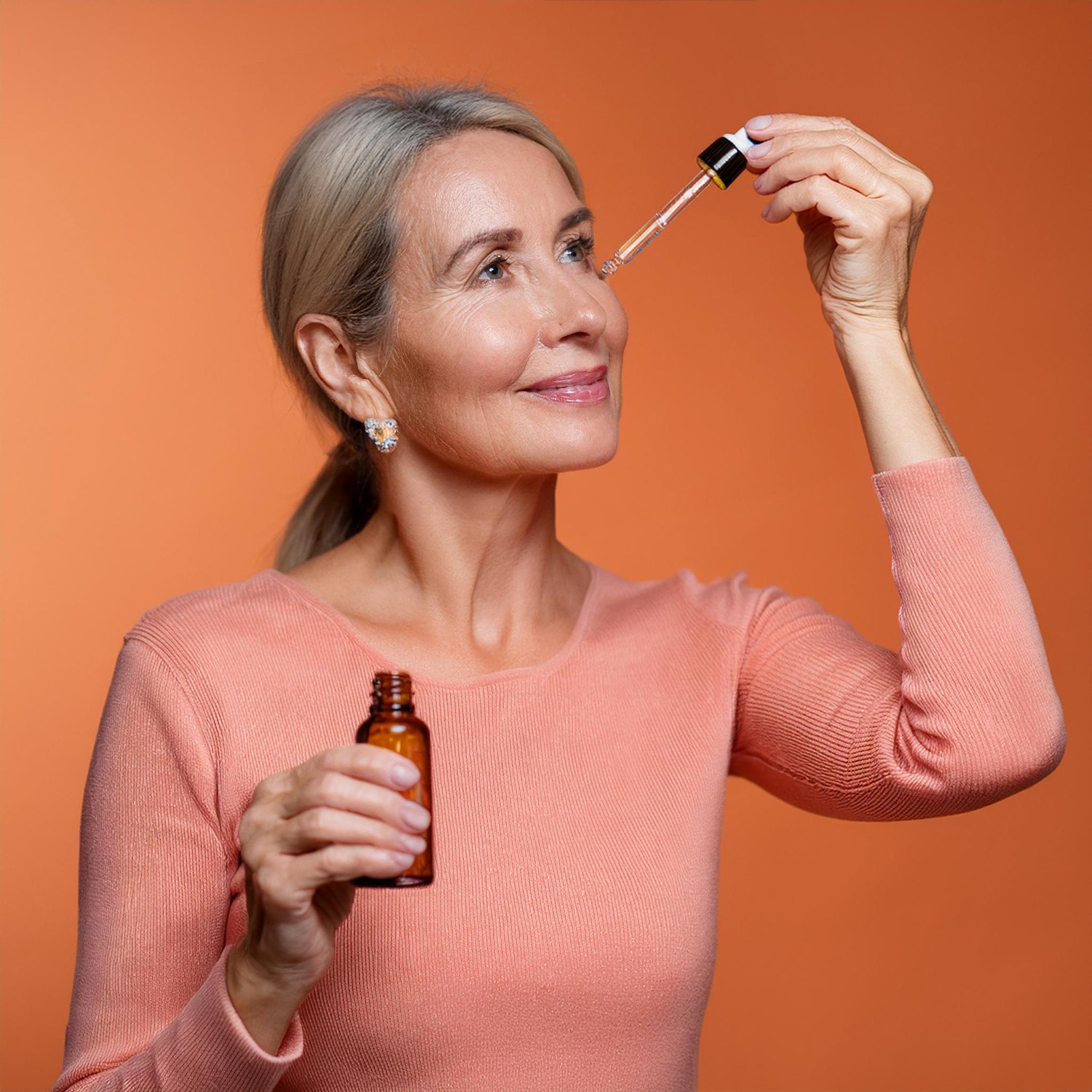
Geranium essential oil brings a rosy floral scent with a fresh minty top note to the formula, along with an aromatherapy dimension in facial, body and hair preparations. It is obtained by steam distillation of the flowers of Pelargonium graveolens, known commercially as the Egyptian type (Geranium Egyptian). According to the manufacturer's data, geraniol, a natural component of the oil, is responsible for the characteristic scent.
It is suitable for cosmetics for problematic and mature skin, massage oils, bath preparations, soaps, perfumes and fragrance blends, where it adds a rosy note. It is vegan, palm oil-free and meets the requirements of both cosmetic and food-grade quality.
What the oil brings to the formula
- Scent – floral and sweet, with rose tones and a gently minty opening that gives the product a fresh first impression.
- Soothing effect – the manufacturer states anti-inflammatory and calming properties that help reduce the feeling of irritation and skin redness. This underlies its use in after-sun preparations and products for sensitive skin.
- Antimicrobial effect – according to the manufacturer's data, it supports a clearer complexion, which is why it is added to products for acne-prone skin.
- Cooling sensation – it feels refreshing on the skin, making it suitable for light gel textures and after-sun preparations.
- Regeneration and brightening – the manufacturer describes support for skin renewal and evening of skin tone. These are cosmetic claims from the supplier.
- Hair and scalp – in shampoos, conditioners and hair oils it adds fragrance and, according to the manufacturer, supports a balanced scalp condition.
Use in formulation
The oil is added in the cooling phase, at a temperature below 40 °C, i.e. after emulsification or after melting the solid components. It is a mixture of volatile components, so it does not belong in the hot phase. In emulsions, it is stirred into the nearly finished cream with continuous mixing. In anhydrous products such as balms, body butters and massage oils, it is blended into the cooled oil phase just before filling.
It is compatible with alcohol, non-ionic surfactants and environments with acidic and neutral pH, which covers common shampoos, shower gels and facial toners. In tonics and hydrolat sprays it is incorporated through alcohol or a non-ionic solubiliser to ensure even distribution throughout the volume.
Maximum dosage is governed by the IFRA standard according to the product category. A lip balm, body cream and candle each have a different limit. Before releasing a formula, verify the value for your category in the IFRA certificate for the product and always dose below it.
The oil contains fragrance allergens listed in Annex III of the cosmetics regulation. When threshold values in the finished product are exceeded, they must be declared in the ingredient list. The raw material itself is classified under the CLP regulation as irritant, corrosive, sensitising and hazardous to the environment, so it is not applied undiluted to the skin. Details on classification and safe handling are in the safety data sheet.
Suitable for products such as
- facial serums and creams for problematic and mature skin, where it acts as both a fragrance and an active ingredient,
- body oils, lotions and massage blends with a floral character,
- after-sun gels and milks, hand and foot preparations,
- shampoos, conditioners and scalp oils,
- solid soaps, bath salts and bath oils,
- natural perfumes and fragrance blends with a rosy note,
- candles and air fresheners (with a limit according to IFRA categories 12 and 10B).
What is good to know
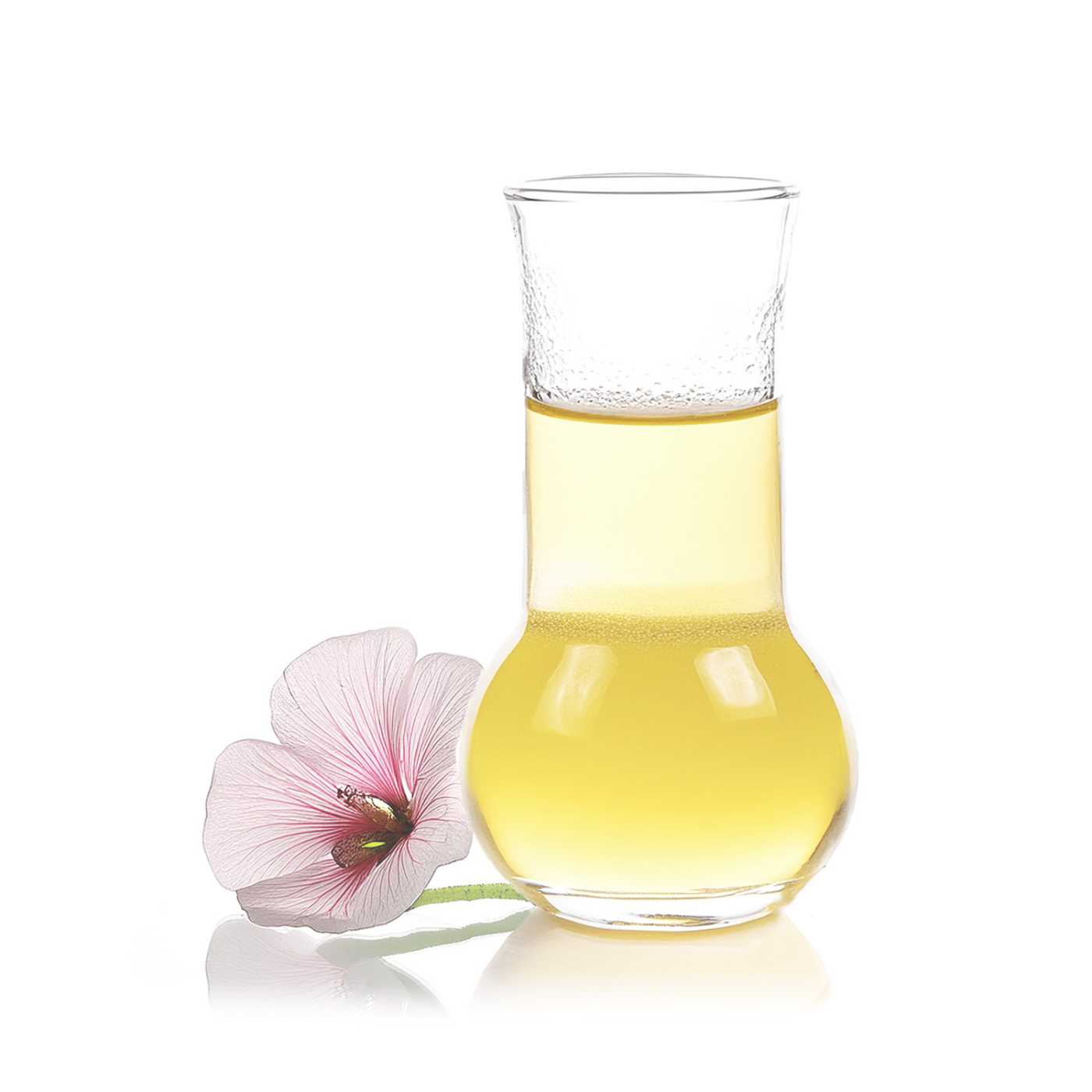
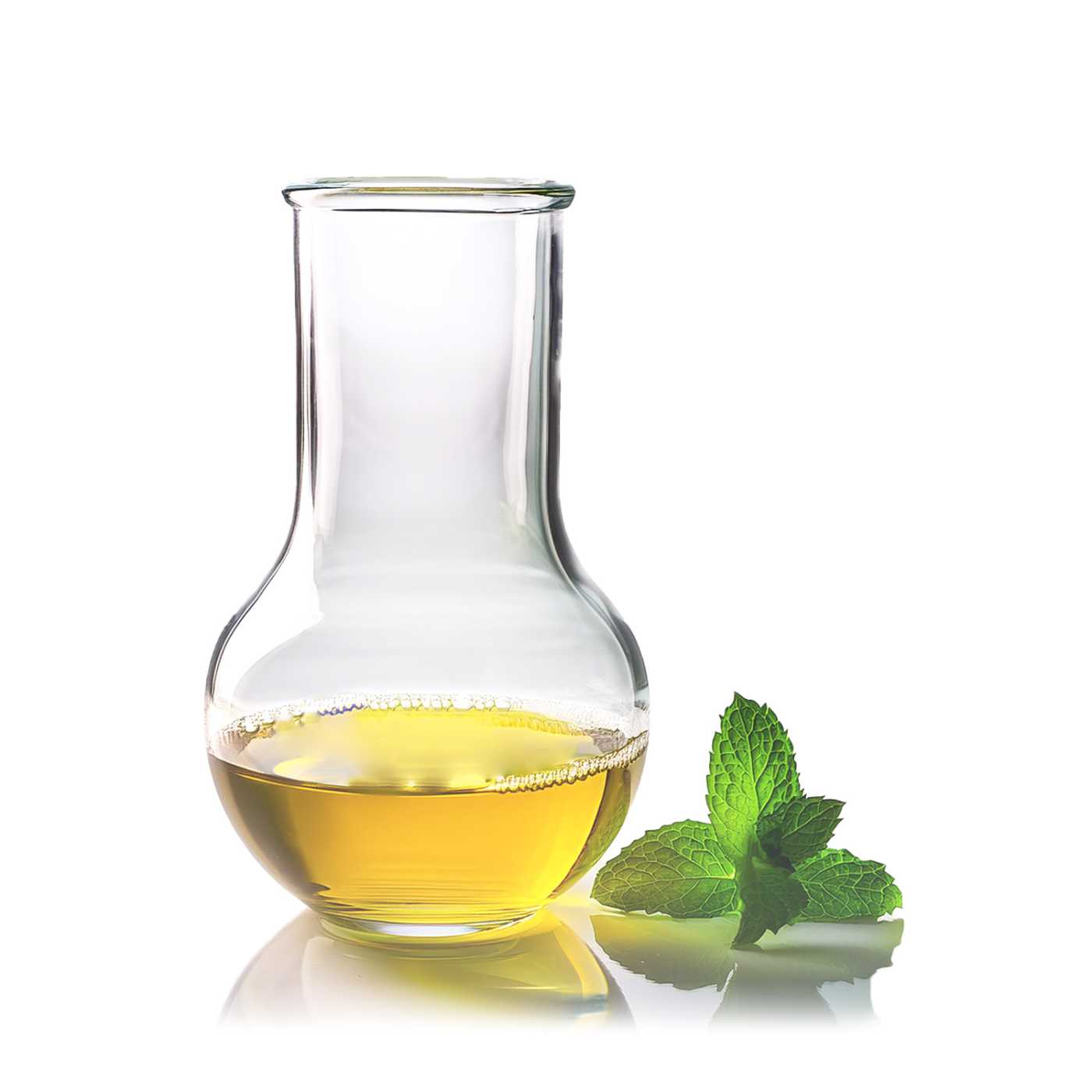
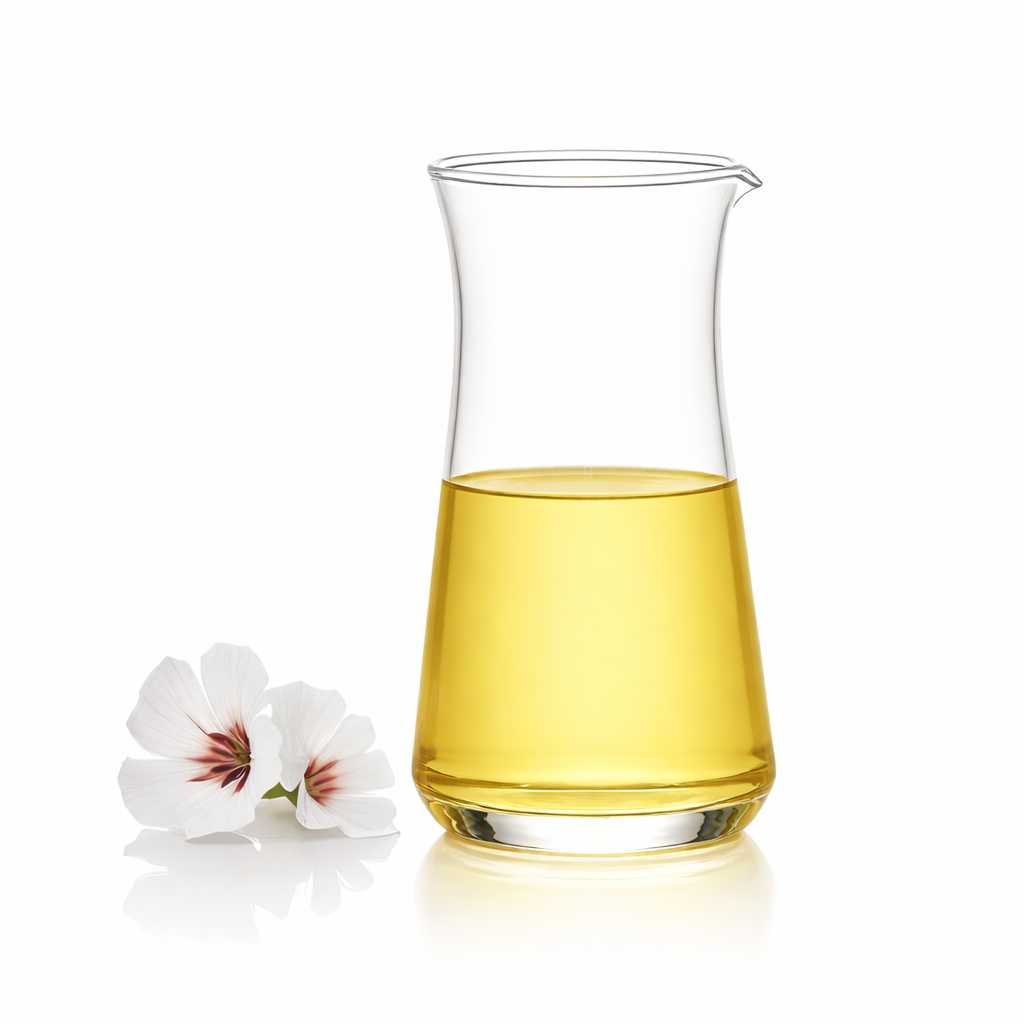
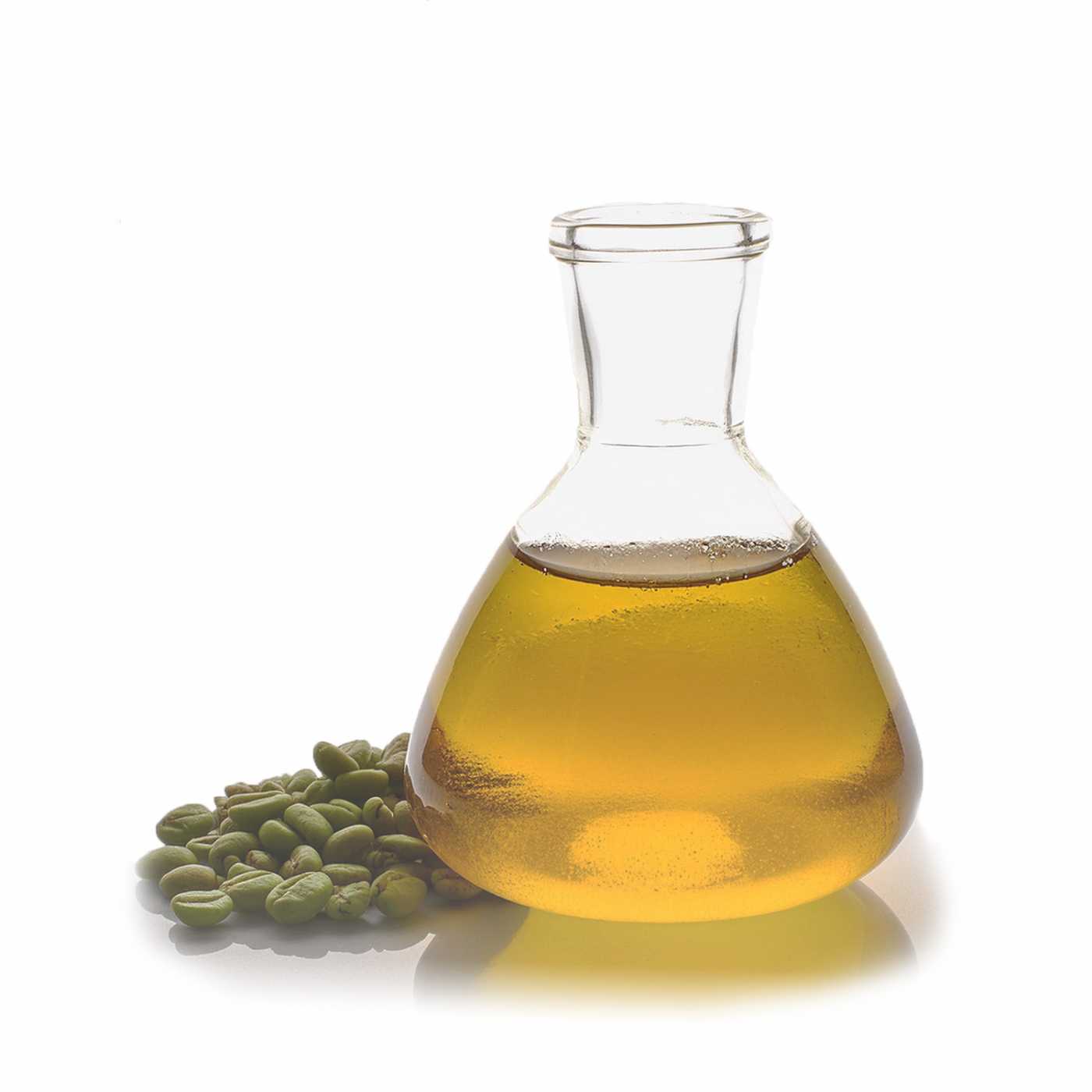
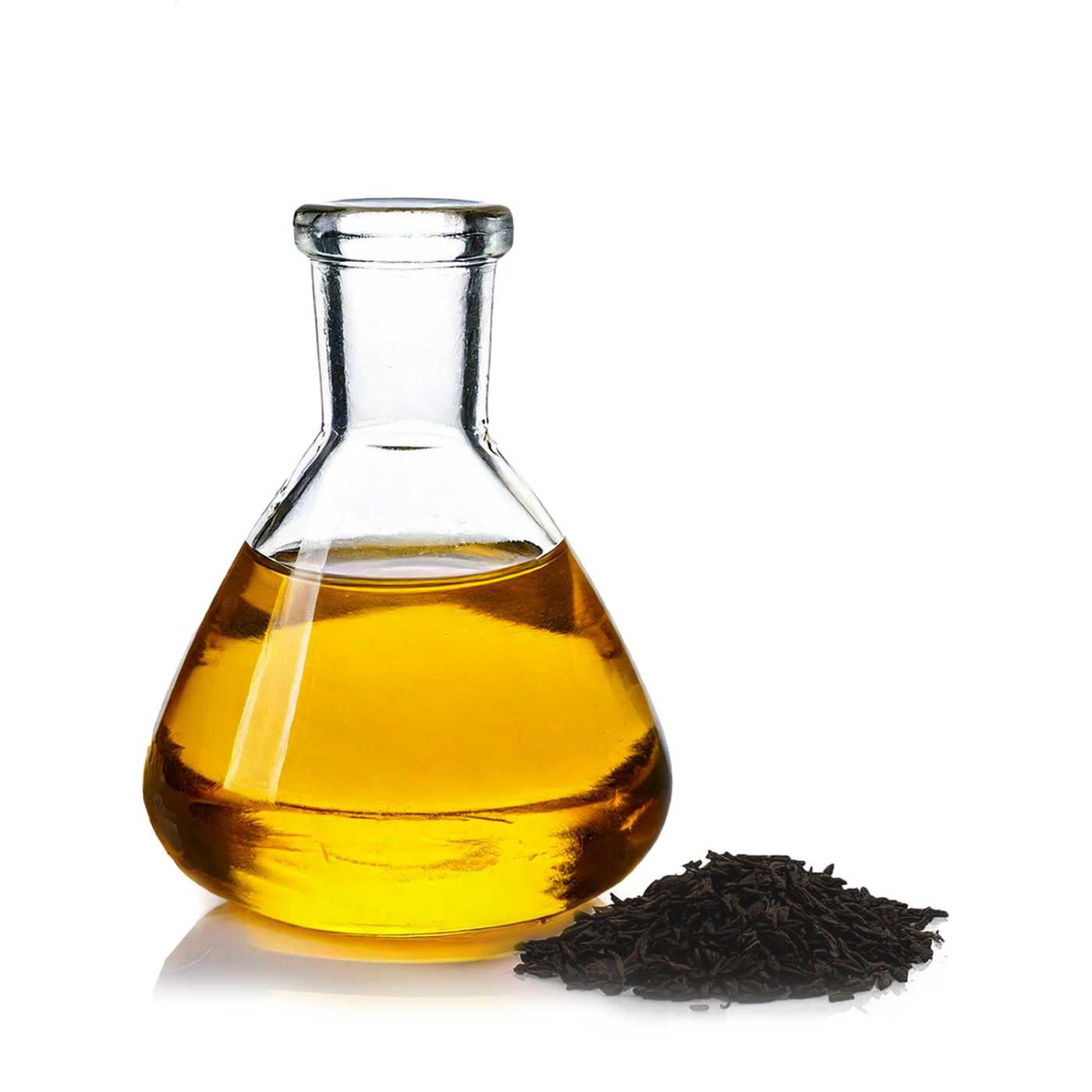
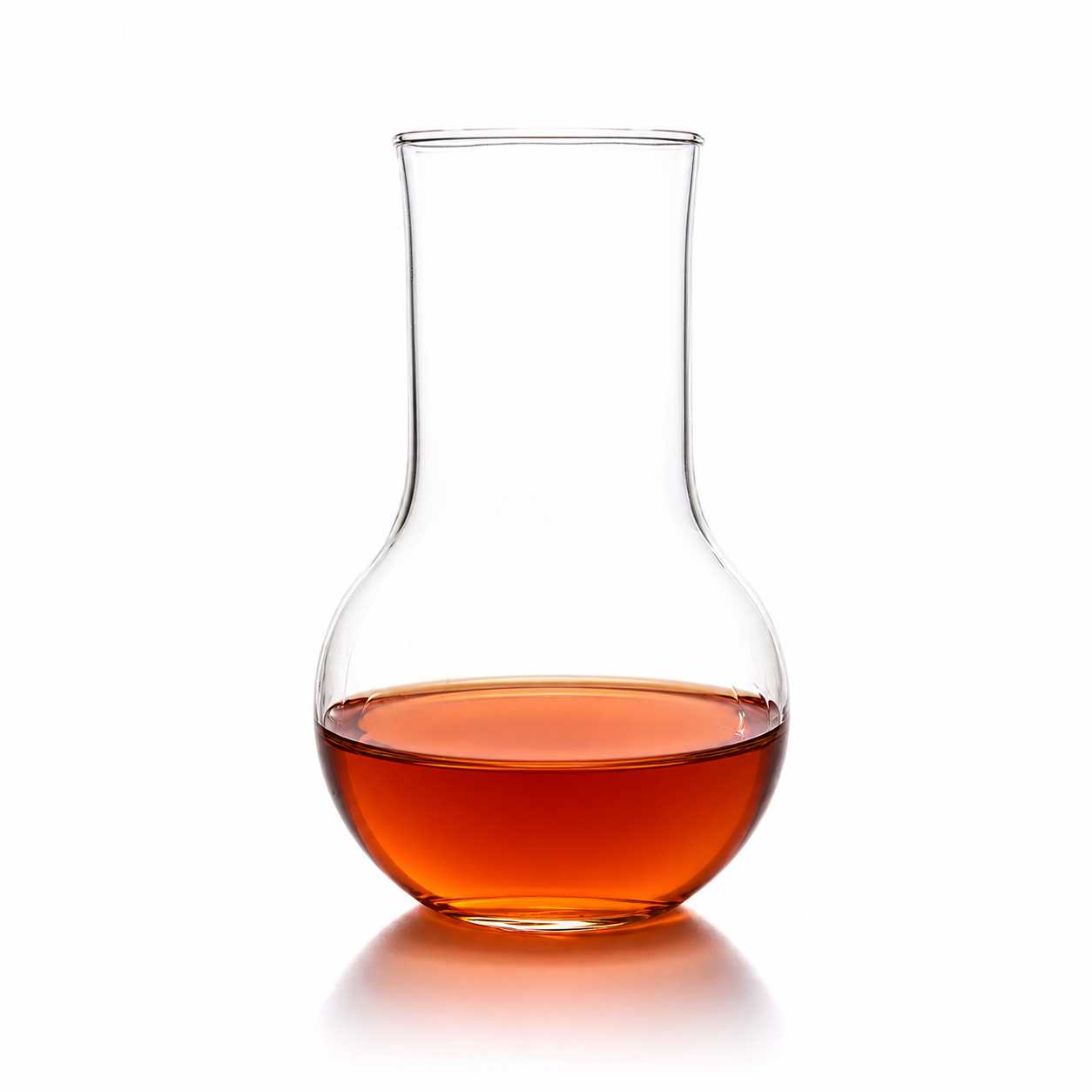
The oil has a colour ranging from light yellow to deep yellow to yellowish-green. At higher dosages, a white emulsion may take on a slightly yellowish tint. The scent is pronounced, so the dose needed for a pleasant fragrance effect is typically lower than the permitted limit.
Before preparing a larger batch, make a sample with the target dosage and let it stand for two to three days. Only then assess how the scent performs in the specific base and whether the dosage needs adjusting.
The oil is readily biodegradable (OECD 301), which is particularly relevant for rinse-off products that end up in wastewater.
Frequently asked questions
When is Geranium essential oil added to a cream?
It is added in the cooling phase, when the emulsion is below 40 °C. The oil is a mixture of volatile components and part of the scent would be lost in the hot phase. It is stirred into the nearly finished cream with continuous mixing, and the cream is completed and filled without further heating. In anhydrous products, it is blended into the cooled oil phase just before filling.
Is Geranium essential oil suitable for acne-prone and problematic skin?
Yes, at the recommended dosage it is suitable for preparations for acne-prone and problematic skin. The manufacturer states antimicrobial and soothing properties that support a clearer complexion. However, it is a fragrance ingredient containing allergens, so a lower dose and a patch test on a small area of skin are recommended for sensitive skin.
How much Geranium essential oil can be added to a product?
The maximum amount is determined by the IFRA standard according to the product category — there is no single universal value. A lip balm, deodorant, body cream and candle each have a different limit. The exact percentage for your category can be found in the IFRA certificate for the product. In practice the dose for fragrance is usually lower than the limit, as the oil is pronounced.
Does Geranium essential oil contain allergens that must be declared on the label?
Yes, it contains fragrance allergens from Annex III of Regulation (EC) No 1223/2009. If their concentration in the finished product exceeds the threshold value, they must be listed in the ingredient list. The oil does not contain food allergens. The list of allergens present and their proportion can be found in the product documentation, from which the content in the finished formula is calculated.
Can Geranium essential oil change the colour or scent of the finished product?
Yes, both are possible at higher dosages. The oil has a light to deep yellow colour and a white emulsion may take on a slightly yellowish tint. The scent is strong and the result in a specific base is best assessed on a sample that has been left to stand for two to three days, not immediately after mixing.